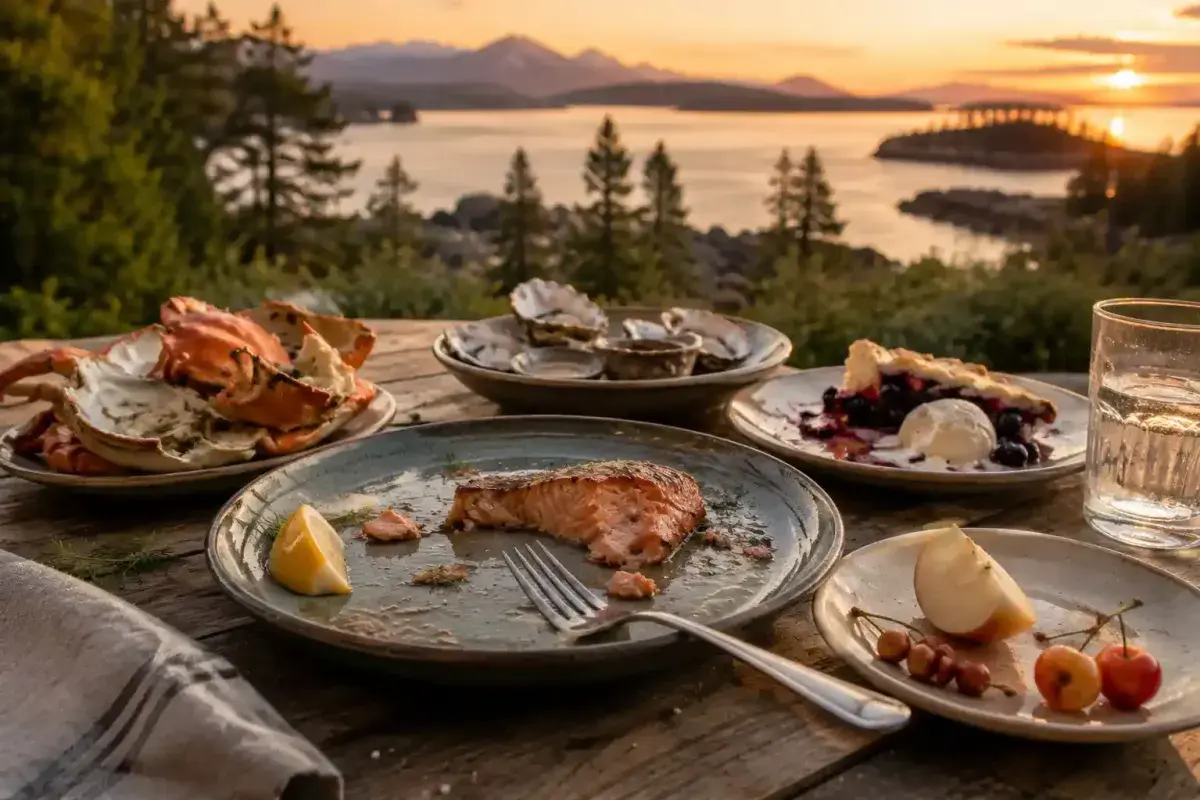
Washington is the kind of place where the landscape seems to arrive on the plate. The state has cold Pacific waters filled with seafood, fertile valleys covered with orchards, mountain forests rich with berries, and cities where generations of different communities have created their own food traditions. The result is a culinary scene that feels deeply connected to its surroundings.
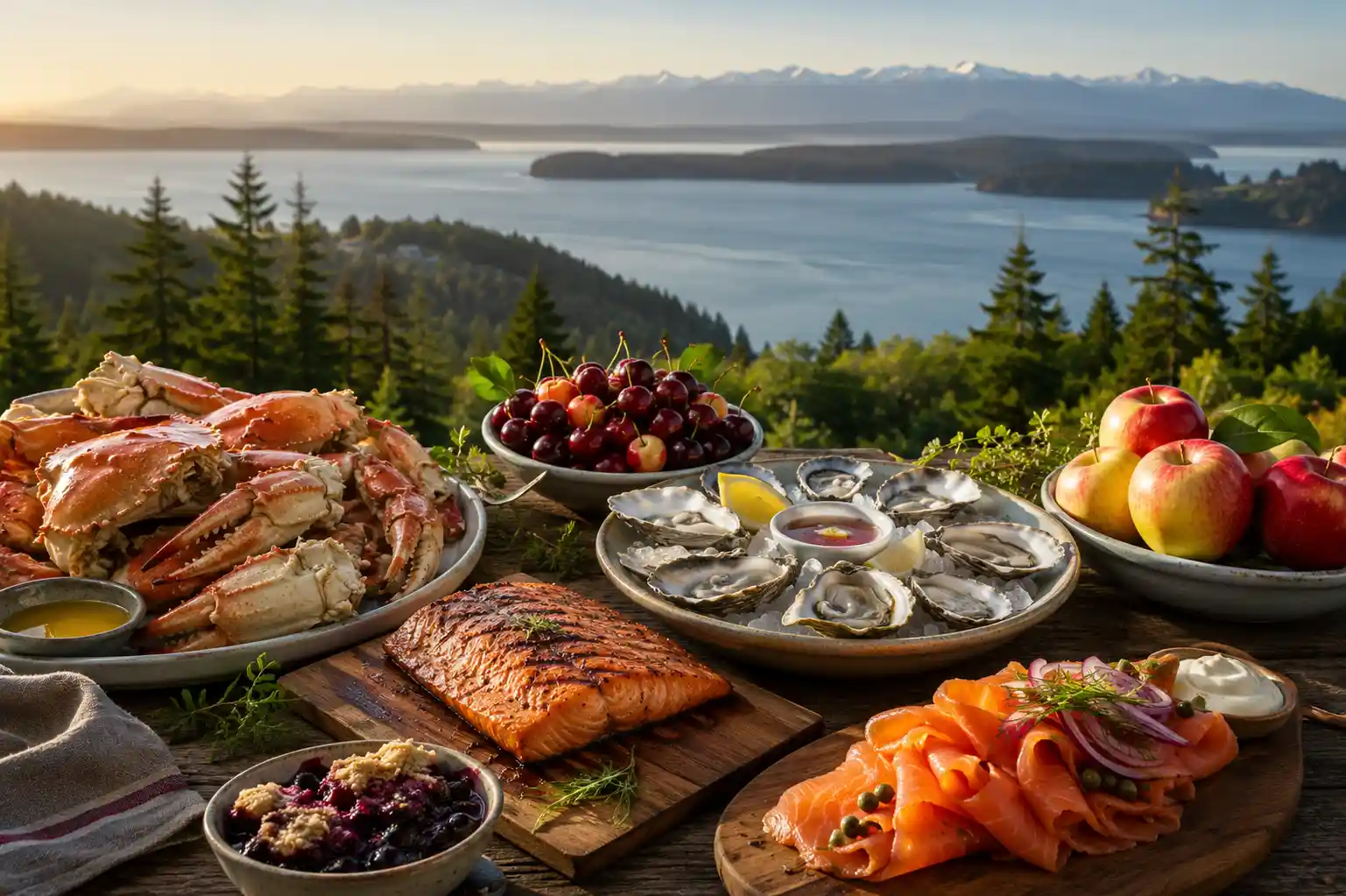
For travelers, discovering Washington through food can be just as rewarding as visiting its famous mountains, islands, forests, and waterfronts. A plate of Dungeness crab brings the coast to the table. Fresh salmon reflects the importance of the states rivers and Pacific waters. Rainier cherries and Washington apples reveal the agricultural wealth of the interior, while oysters offer a direct taste of the states bays and inlets.
Seattle adds another dimension. Its neighborhood restaurants have created food traditions that are now inseparable from the city, with Seattle style teriyaki being one of the best examples. Beyond the major cities, roadside markets, bakeries, farms, and small communities offer regional specialties that can turn an ordinary stop into a memorable meal.
The best part of exploring these foods is that many do not need complicated preparation. When ingredients are fresh, simple cooking often allows their natural character to shine. That makes Washington an especially enjoyable destination for curious eaters.
From famous seafood to seasonal fruit and distinctive local desserts, these ten foods offer an inviting introduction to the Evergreen State and the flavors that make it special.
1. Dungeness Crab
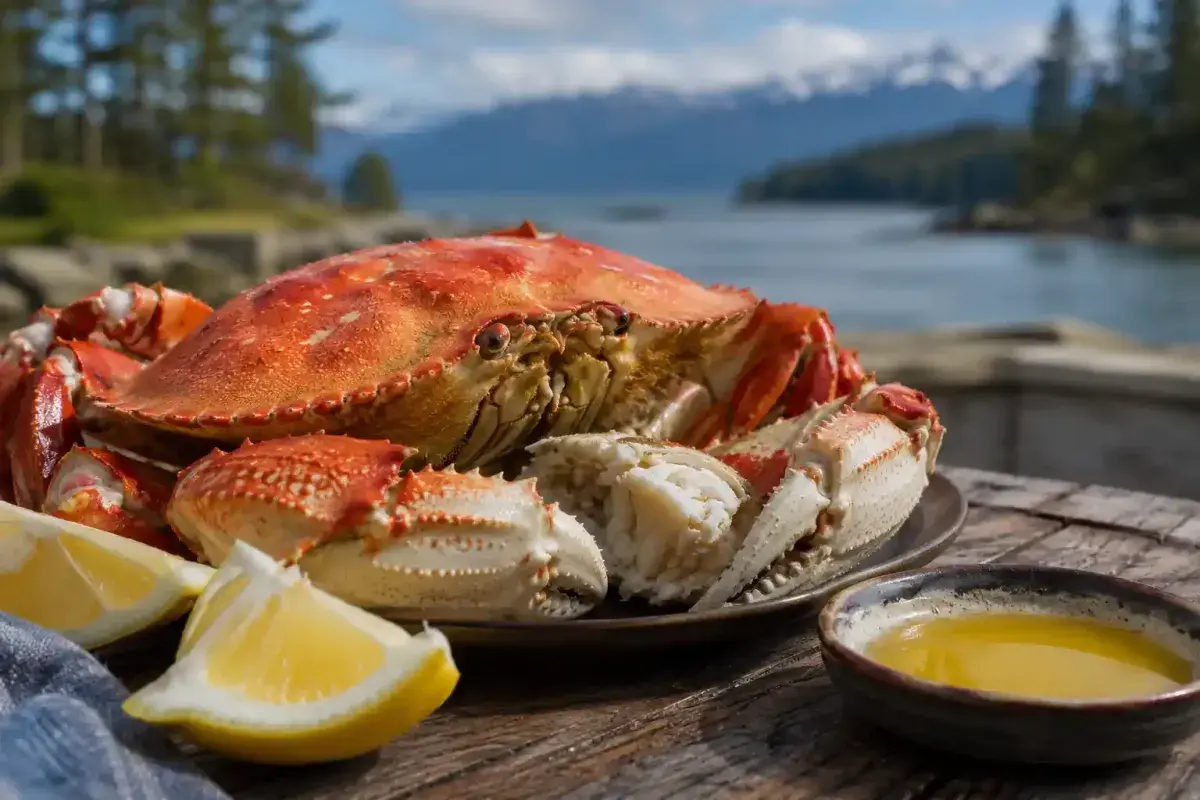
Dungeness crab is one of the foods that most clearly captures the coastal character of Washington. Named after the Dungeness area near Sequim, this Pacific crab is prized for its sweet meat, delicate texture, and clean ocean flavor. It is especially associated with the waters of the Pacific Northwest and has become a favorite on menus throughout coastal Washington and the Puget Sound region.
The simplest preparations are often the most satisfying. A whole crab that has been steamed or cooked carefully can be served with melted butter and lemon, allowing the natural sweetness of the meat to remain the focus. The experience of cracking the shell, picking out the tender pieces, and dipping them into butter is part of the pleasure.
Restaurants may also use Dungeness crab in crab cakes, seafood salads, pasta, sandwiches, chowders, and other dishes. These preparations can be useful for travelers who want to enjoy the flavor without dealing with a whole shell. Still, ordering a whole crab at a waterfront restaurant can be a memorable experience, particularly when the seafood is fresh.
Availability can depend on fishing seasons, regulations, and local supply, so travelers should ask restaurants what is currently available. When you find fresh Dungeness crab on the menu, it is an excellent choice.
More than a seafood dish, Dungeness crab represents the relationship between Washington and the Pacific Ocean. Fishing communities, waterfront markets, working boats, and coastal restaurants all contribute to its story. For anyone visiting Washington, tasting this crab is an easy and delicious way to experience the states maritime character.
Image
2. Wild Pacific Salmon
Wild Pacific salmon belongs near the top of any Washington food list. Salmon has long been connected to the regions rivers, coastal waters, and Indigenous cultures, and it remains one of the most recognizable ingredients associated with the Pacific Northwest. Its rich flavor, firm texture, and striking color make it a memorable choice for visitors.
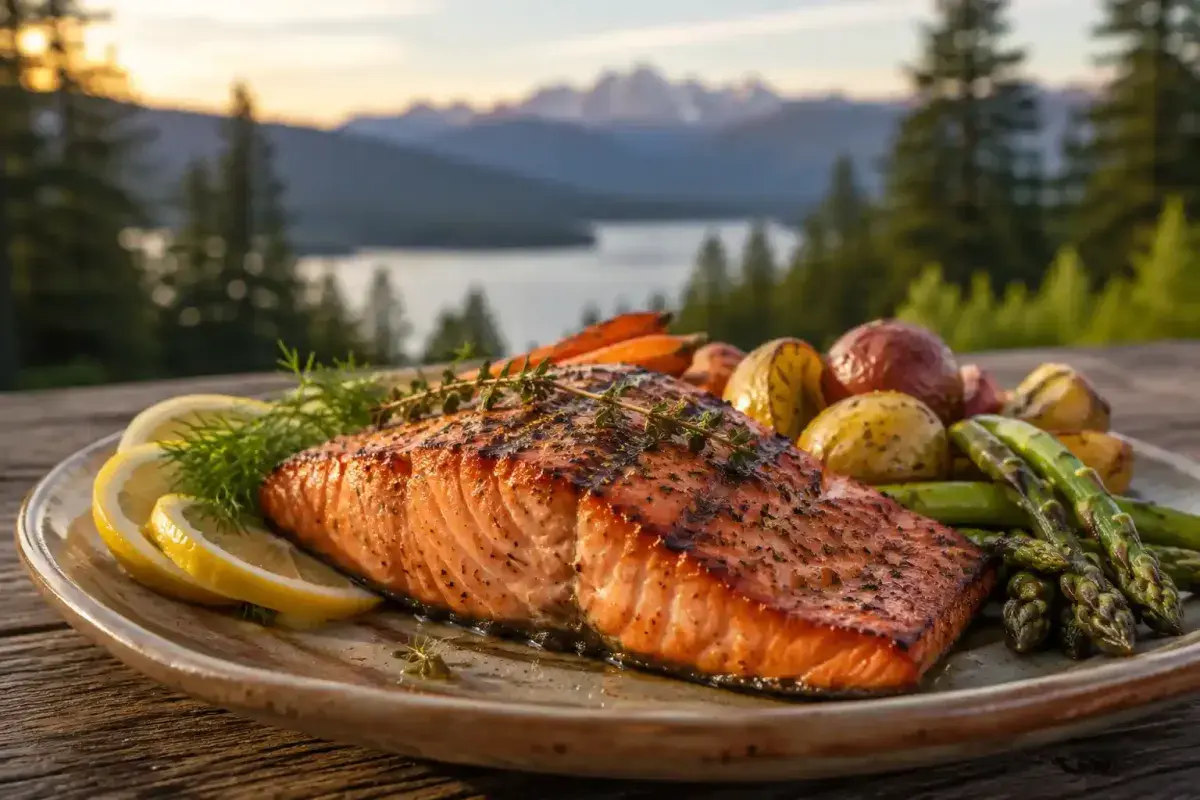
There is something appealing about a well prepared salmon dish that does not try to hide the fish. A simple grilled fillet with lemon, herbs, garlic, or a light sauce can reveal its natural richness. Cooking over wood or an open flame can add a gentle smoky note while keeping the fish moist and flavorful.
Restaurants serve salmon in many forms. You may find it grilled, roasted, smoked, baked, incorporated into salads, or presented as part of a carefully composed dinner. Casual restaurants may pair it with potatoes and seasonal vegetables, while more refined kitchens might combine it with local berries, mushrooms, herbs, or fruit based sauces.
When ordering salmon, it is worth checking the menu to see whether the fish is identified as wild and which species is being served. Availability changes with season and regulations, so the selection can vary from one restaurant to another.
For travelers, salmon also offers an opportunity to learn more about Washington beyond its food scene. The fish is connected to rivers, forests, coastal communities, and longstanding regional traditions. Enjoying it at a local restaurant therefore feels like more than ordering another seafood meal.
A perfectly cooked piece of wild salmon is simple, satisfying, and unmistakably Pacific Northwest. It is one of the foods that can make a Washington trip feel rooted in its surroundings.
Image
3. Pacific Oysters
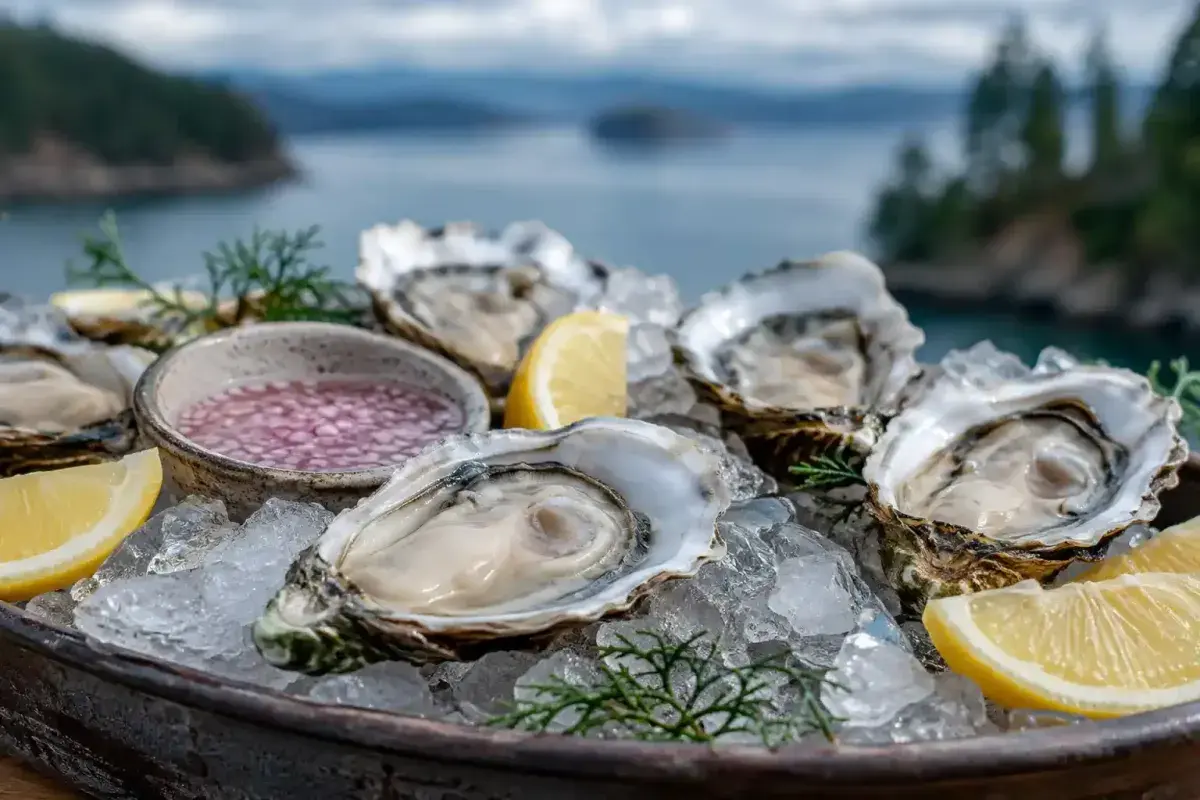
Fresh oysters offer another delicious way to experience the waters surrounding Washington. The states cool coastal waters, sheltered bays, and productive marine environments support a thriving oyster industry, particularly around Puget Sound and coastal communities. For seafood lovers, trying locally sourced oysters can be one of the most rewarding parts of a Washington visit.
Oysters can taste remarkably different depending on where they are grown. Some have a bright salty flavor, while others can be delicate, sweet, mineral rich, or slightly creamy. That variation makes oyster tasting surprisingly interesting, especially when a restaurant offers several varieties from different growing areas.
Fresh oysters are often served simply on crushed ice with lemon or a light mignonette. This approach allows the natural flavor to remain prominent. Grilled or baked oysters offer a warmer and richer experience, while more creative restaurants may combine them with herbs, vegetables, sauces, or other regional ingredients.
If you are trying oysters for the first time, ask the server which variety has the mildest flavor. A knowledgeable restaurant can usually explain where the oysters came from and what characteristics you can expect. That small conversation can make the experience much more enjoyable.
Washington oysters also tell a larger story about the state. Their journey from coastal waters to restaurants connects aquaculture, working waterfronts, local communities, and environmental stewardship. They demonstrate that the states culinary identity comes not only from farms and orchards but also from the water itself.
For travelers who enjoy discovering regional foods, oysters are an excellent choice. They are fresh, distinctive, closely connected to Washington geography, and capable of turning a simple appetizer into a memorable taste of the coast.
Image
4. Rainier Cherries
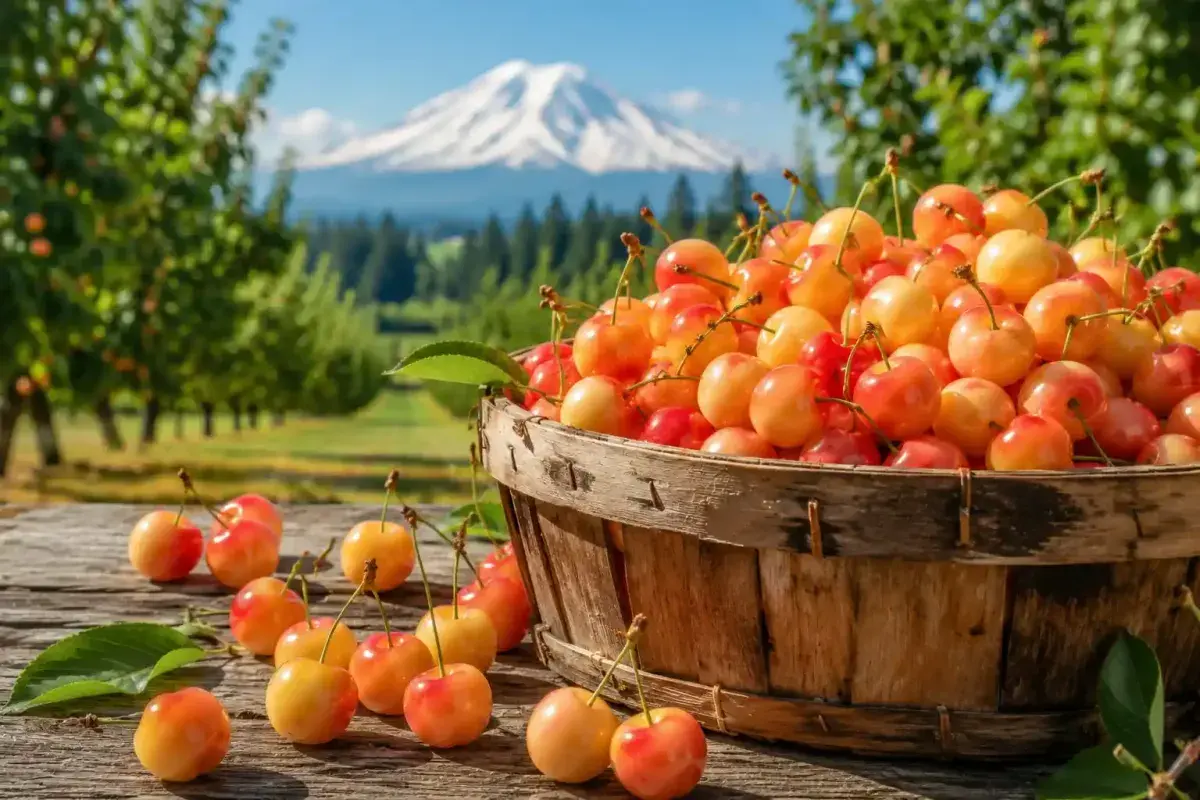
Rainier cherries are among the most beautiful fruits associated with Washington. Their golden yellow skin, often covered with a warm red blush, makes them instantly recognizable. Bite into one at peak ripeness and the experience is even better, with juicy flesh and a naturally sweet flavor that makes them difficult to stop eating.
The fruit was developed in Washington and named after Mount Rainier, one of the states most recognizable landmarks. That connection gives Rainier cherries a strong local identity. During the summer harvest, they appear at farmers markets, fruit stands, grocery stores, roadside stalls, and orchards across the state.
Unlike foods that require elaborate cooking, Rainier cherries are wonderful in their simplest form. Buy a fresh bag, rinse them, and enjoy them outdoors while traveling through Washington. They are also excellent in salads, pastries, pies, sauces, and other desserts, although their natural sweetness means very little needs to be added.
Their limited season makes them especially exciting for travelers. When the cherries arrive, markets can feel full of summer energy, with baskets of fresh fruit appearing alongside other seasonal produce. If your visit coincides with the harvest, take advantage of it because the experience is quite different from eating cherries that have traveled long distances.
Rainier cherries also provide a pleasant contrast to Washingtons seafood focused dishes. After enjoying crab, salmon, or oysters, a handful of cold, sweet cherries can feel like the perfect finish.
For anyone interested in Washington food, this fruit is almost impossible to overlook. It represents the states orchards, summer climate, agricultural heritage, and connection to Mount Rainier. Simple, colorful, and intensely seasonal, Rainier cherries are one of the easiest foods to love in the Evergreen State.
Image
5. Washington Apples
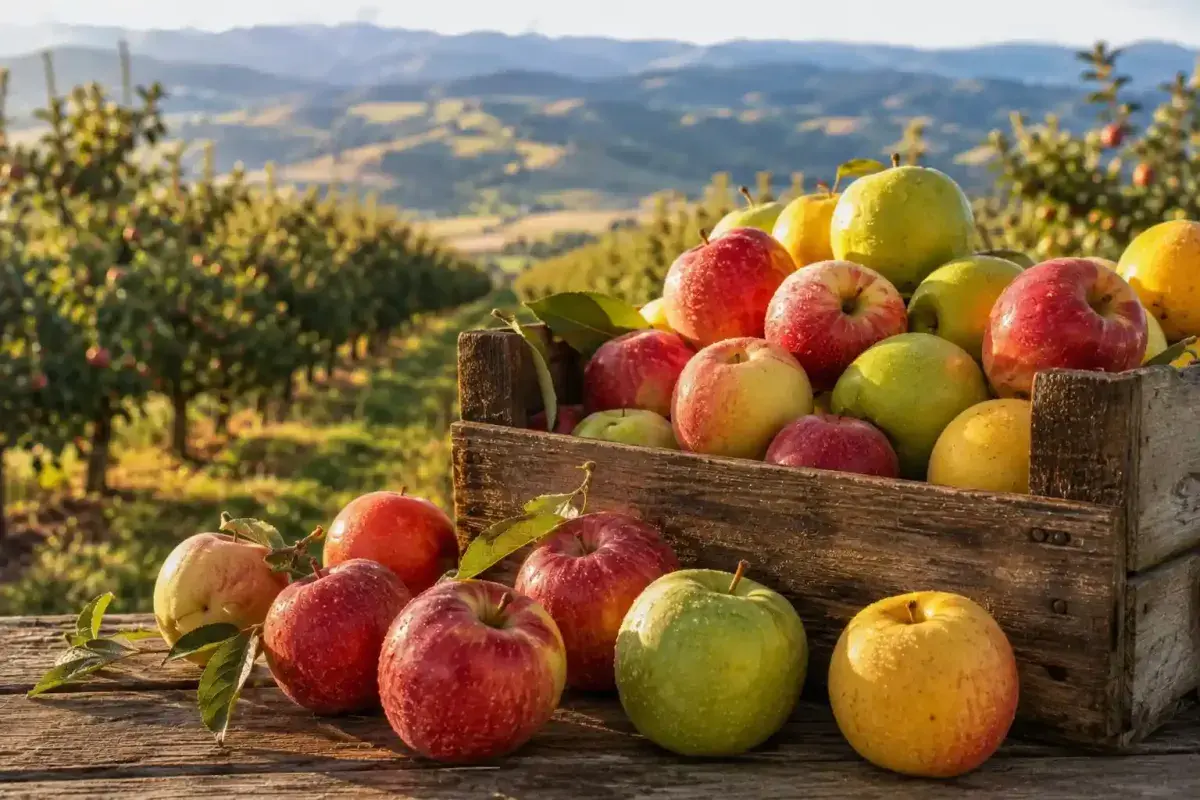
Washington and apples are almost inseparable. The state is one of the most important apple growing regions in the United States, and its orchards produce a wide selection of varieties with different levels of sweetness, acidity, crispness, and aroma. For visitors, eating a locally grown apple is one of the simplest ways to experience the agricultural side of Washington.
The central and eastern parts of the state are especially important for apple production. Warm days, cool nights, fertile soil, and irrigation create favorable growing conditions. As a result, apples appear everywhere during harvest season, from farm stands and markets to bakeries and roadside shops.
Trying several varieties can be surprisingly fun. Some are exceptionally crisp and refreshing, while others are sweet and fragrant. Tart varieties can be particularly good for baking because their acidity balances sugar and butter.
Apples also appear in many local foods and drinks. Fresh cider, apple pies, pastries, sauces, jams, and other desserts provide different ways to enjoy the same ingredient. Visiting an orchard during blossom season or harvest can make the experience even more memorable because the scenery adds another layer to the food.
Travelers should look for roadside fruit stands when exploring agricultural areas. These small stops can provide a more personal experience than a supermarket, and the fruit may have been harvested nearby.
Washington apples may seem ordinary because apples are available almost everywhere, but eating them close to where they are grown changes the experience. The crisp texture, fresh flavor, and connection to the surrounding orchards make them worth seeking out.
For a food focused Washington trip, do not overlook this everyday favorite. It is one of the ingredients that quietly defines the state.
Image
6. Geoduck
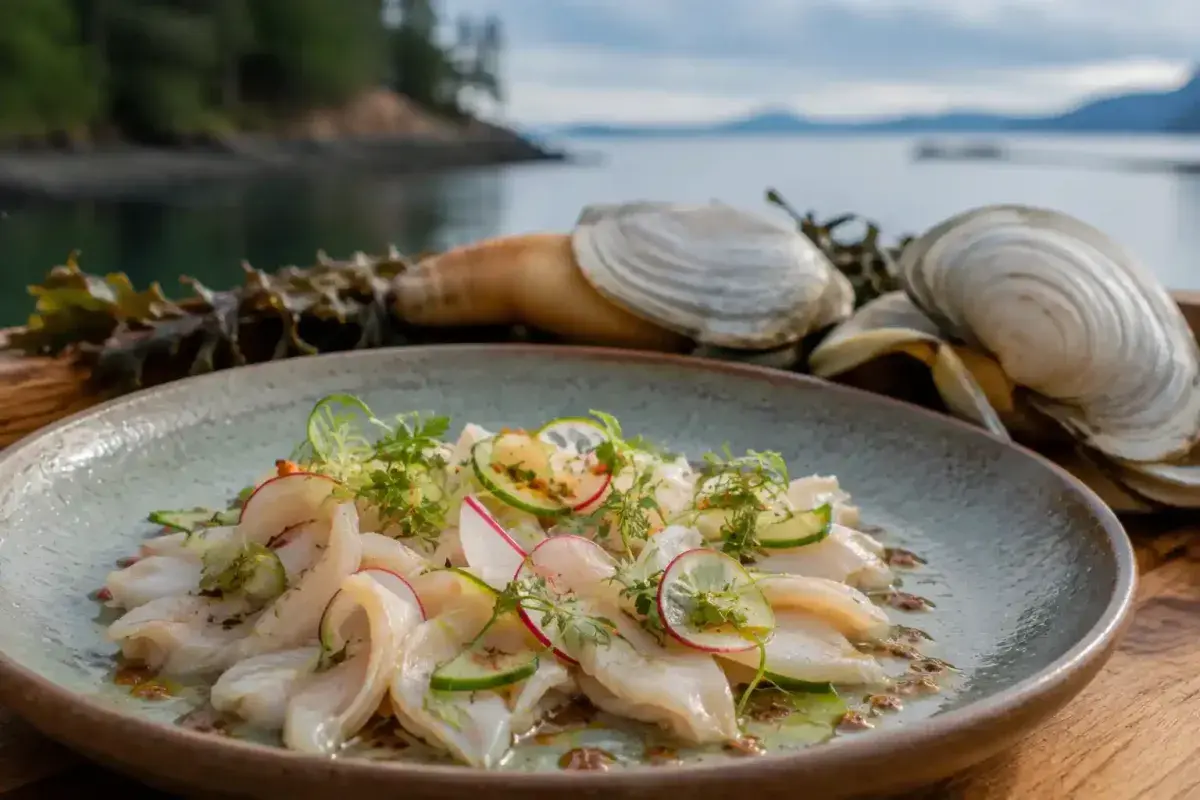
Geoduck is one of the most unusual foods you can try in Washington, and its appearance often gets as much attention as its flavor. This large clam is native to the Pacific Northwest and is closely associated with Washingtons coastal waters. For adventurous travelers, it offers an opportunity to discover a seafood ingredient that may be unfamiliar even to experienced diners.
The edible parts have a clean ocean flavor and a distinctive texture. When prepared properly, the meat can be crisp and pleasantly firm. Because texture is an important part of the experience, cooking needs to be handled carefully. Thin slices can be served raw in appropriate preparations, while quick cooking can work well in stir fried dishes, soups, and other recipes.
Some restaurants treat geoduck as a specialty ingredient and keep the preparation simple. Others incorporate it into creative seafood dishes that combine it with vegetables, sauces, herbs, or other ingredients. If you have never tried it before, asking the restaurant how it has been prepared can help you choose a style you will enjoy.
Geoduck also has cultural and historical significance in the region, including a name derived from a Coast Salish language. Its presence on Washington menus reflects the long relationship between local communities and the surrounding waters.
Because harvesting is regulated and availability varies, geoduck is not something you should expect to find everywhere. That is part of its appeal. Encountering it on a reputable local menu can turn an ordinary dinner into a story you remember.
For curious food travelers, geoduck is worth trying at least once. It is unusual, local, connected to Washingtons marine environment, and a fascinating reminder that the states seafood culture goes far beyond the familiar choices.
Image
7. Seattle Style Teriyaki
Seattle style teriyaki is one of the citys most distinctive everyday foods. Although teriyaki originated in Japan, the version that became popular throughout the Seattle area developed its own character and became part of the citys neighborhood food culture. Today, teriyaki restaurants remain familiar fixtures across the region.
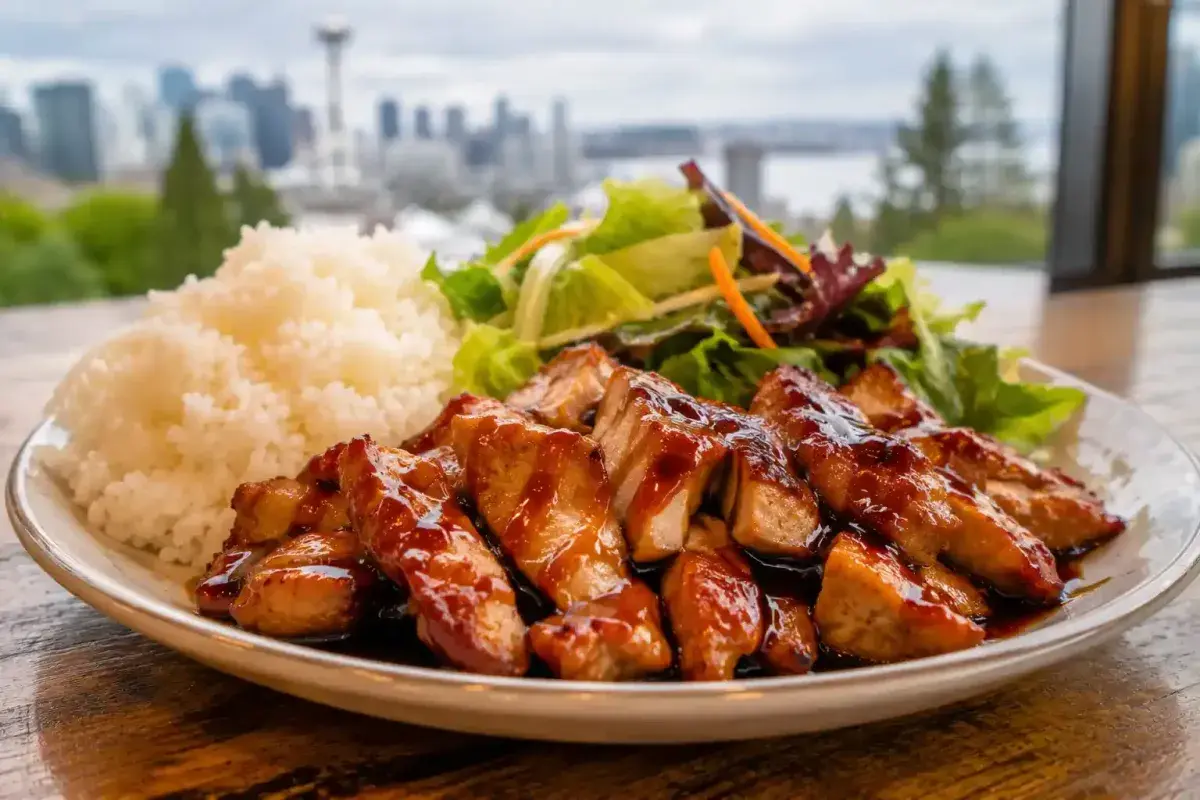
A classic plate usually includes grilled chicken covered with a sweet and savory sauce, served alongside rice and a simple salad. The sauce is what gives the dish much of its identity. It tends to be glossy, rich, slightly sweet, and salty enough to complement the grilled meat.
The beauty of Seattle style teriyaki is its accessibility. You do not need to visit a luxury restaurant to enjoy it. Small neighborhood restaurants have made the dish a reliable choice for families, students, workers, and travelers looking for a filling meal.
Chicken is the most familiar option, but many restaurants offer beef, pork, tofu, or combinations. Some versions are sweeter, some are more savory, and others include a little heat. Comparing two different restaurants can therefore become a surprisingly entertaining part of exploring Seattle.
The dish also represents something important about the citys food culture. Seattle has a long history of immigration and cultural exchange, and local food traditions often emerge when familiar ideas are adapted to the tastes and needs of a new community.
For visitors, ordering a classic chicken teriyaki plate is a chance to experience Seattle through an everyday favorite rather than a formal dining destination. It is filling, casual, affordable, and deeply connected to the city.
If you want to understand what locals actually eat during an ordinary day, Seattle style teriyaki deserves a place on your itinerary.
Image
8. Smoked Salmon
Smoked salmon is a classic Pacific Northwest food and one of the easiest Washington specialties to enjoy in different settings. The smoking process gives salmon a deeper aroma and concentrated flavor while changing its texture. Depending on the preparation, the result can be delicate and silky or firm and richly smoky.
Smoking fish has long been an important preservation method, particularly in communities connected to fishing. Modern producers continue that tradition while using different woods, brines, seasonings, and smoking techniques. This creates plenty of variety, so two smoked salmon products can taste surprisingly different.
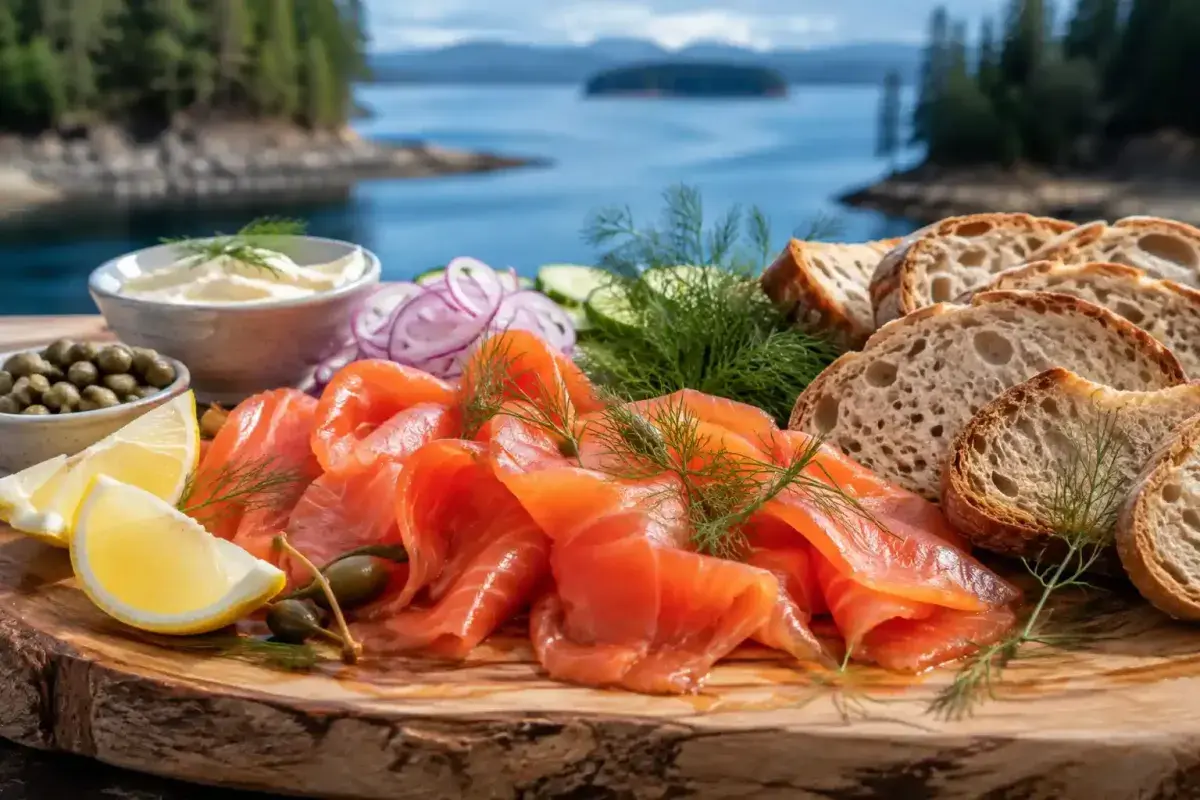
Hot smoked salmon tends to have a firmer texture and a more cooked character. Cold smoked salmon is usually silky and thinly sliced. Both can be excellent, depending on how you plan to eat them.
Smoked salmon works beautifully at breakfast with eggs or toast, but it is not limited to the morning. It can be served with cream cheese and bread, added to salads, folded into pasta, placed on crackers, or enjoyed as part of a seafood platter.
Travelers can also find packaged smoked salmon at specialty food shops and markets. Properly packaged products can make a convenient food gift, allowing visitors to bring a taste of Washington home.
What makes smoked salmon especially appealing is its connection to both tradition and modern dining. It is rooted in practical food preservation, yet it fits effortlessly into contemporary meals.
For anyone exploring Washington, smoked salmon is a dependable choice. It is flavorful, versatile, easy to share, and closely tied to the regions fishing culture.
Image
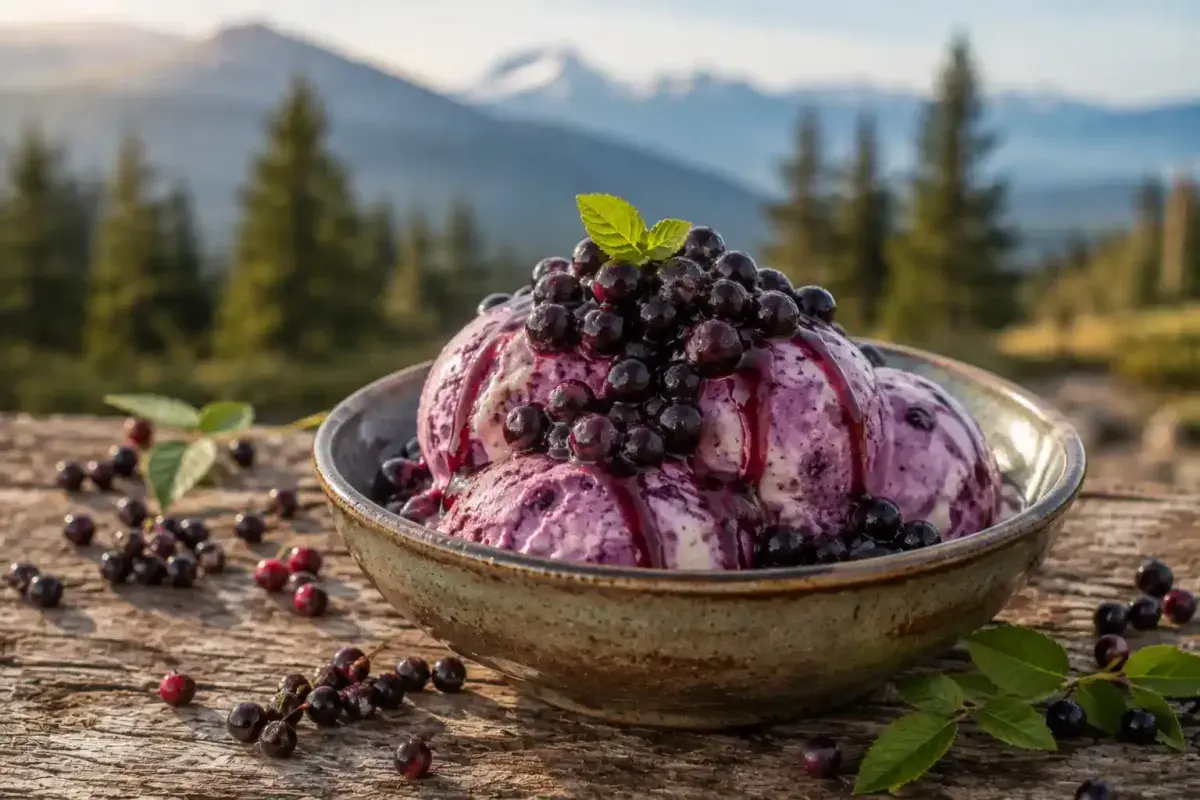
9. Huckleberry Desserts
Huckleberries bring a wild and distinctly regional flavor to Washington desserts. These small berries are known for their intense taste, which can combine sweetness, tartness, and earthy notes in a way that makes them different from ordinary berries. They are strongly associated with the forests and mountain regions of the Pacific Northwest.
One of the easiest ways to enjoy huckleberry flavor is through ice cream. The creamy base balances the berries natural tartness while allowing their distinctive character to remain noticeable. Huckleberries also work beautifully in pies, cheesecakes, pancakes, jams, syrups, and other desserts.
For travelers, part of the appeal is discovering how local businesses use the berry. A small bakery might turn it into a filling, while an ice cream shop may make it the star of a seasonal flavor. Gift shops and specialty markets may offer huckleberry jam, candy, syrup, and other products.
The berry also connects food with the Washington landscape. Huckleberries grow in wild areas, and their association with forests and mountains gives them a sense of place that ordinary supermarket fruit cannot easily reproduce.
Visitors should remember that gathering wild berries is subject to local rules and conditions, so buying products from established local businesses is often the simplest way to enjoy them.
After a meal of seafood or grilled foods, a huckleberry dessert can provide a bright and memorable finish. Its strong flavor is particularly enjoyable when paired with something creamy or lightly sweet.
If you see huckleberry ice cream, pie, or another regional dessert during your Washington travels, give it a try. It may become one of the most distinctive flavors you encounter.
Image
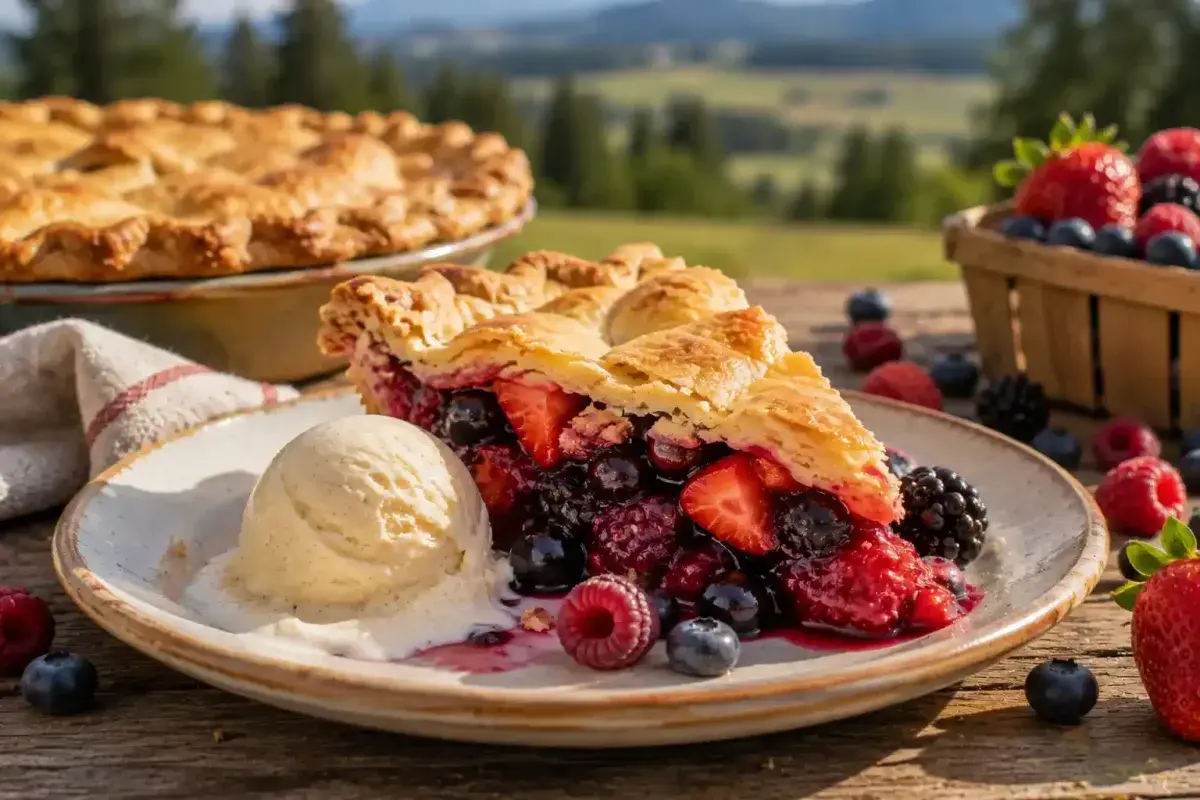
10. Fresh Pacific Northwest Berry Pie
A slice of fresh berry pie is a fitting way to experience Washingtons agricultural abundance. The state produces many berries, including raspberries, blueberries, strawberries, and blackberries, and these fruits frequently appear in pies, pastries, jams, sauces, and other seasonal treats.
What makes a Washington berry pie special is the fruit itself. When berries are ripe and fresh, they provide enough flavor that the filling does not need to be overloaded with sugar. The result can be bright, juicy, and slightly tart, with a buttery crust that provides richness and texture.
Berry pies are particularly enjoyable at farm stands, local bakeries, farmers markets, and small restaurants where recipes often reflect family traditions. Some versions use one berry, while others combine several varieties to create a more complex filling.
For travelers, this is an easy food to fit into a busy itinerary. A slice can work as a dessert after dinner, a snack during a road trip, or a sweet afternoon stop with coffee. During harvest season, picking up a whole pie from a local bakery can also make a wonderful addition to a picnic.
The appeal goes beyond sweetness. A berry pie reflects the agricultural side of Washington just as clearly as an apple orchard or fruit market. It celebrates the abundance of the growing season and the simple pleasure of turning fresh produce into something comforting.
If you want a dessert that feels connected to Washington without being overly complicated, look for a locally made berry pie. It is warm, familiar, seasonal, and full of the flavors that make the states farms and markets so enjoyable.
Image
Washington offers an unusually satisfying food journey because its most memorable flavors are closely tied to the places where they come from. The seafood reflects the Pacific coast and Puget Sound. Apples and cherries tell the story of fertile valleys and productive orchards. Huckleberries bring the forests and mountains into the picture, while Seattle style teriyaki shows how local communities have created food traditions that belong to the city.
The ten foods in this guide also show why exploring Washington through food can feel different from visiting a destination only for its famous attractions. You can learn something about the state simply by sitting down for dinner. Dungeness crab reveals the character of the coast. Salmon and smoked salmon connect the table with rivers and fishing traditions. Oysters offer a direct taste of the surrounding waters, while fruit desserts showcase the agricultural richness found farther inland.
Some of the best experiences may happen away from major tourist attractions. A roadside fruit stand, neighborhood teriyaki restaurant, waterfront seafood counter, farmers market, or small bakery can provide a more personal introduction to Washington than a carefully planned restaurant reservation.
Seasonality is also worth keeping in mind. Fresh cherries and berries are especially exciting during their harvest periods, while seafood availability can change throughout the year. Asking local cooks and market sellers what is freshest can lead to discoveries that are not found in a standard travel guide.
Most importantly, do not rush through the food. Washington rewards curiosity. Try the famous ingredients, sample something unfamiliar, talk with local food sellers, and pay attention to where the ingredients come from.
The result is more than a list of meals. It is a flavorful journey through the Evergreen State, from its coastal waters to its orchards, forests, cities, and mountain communities.
Image