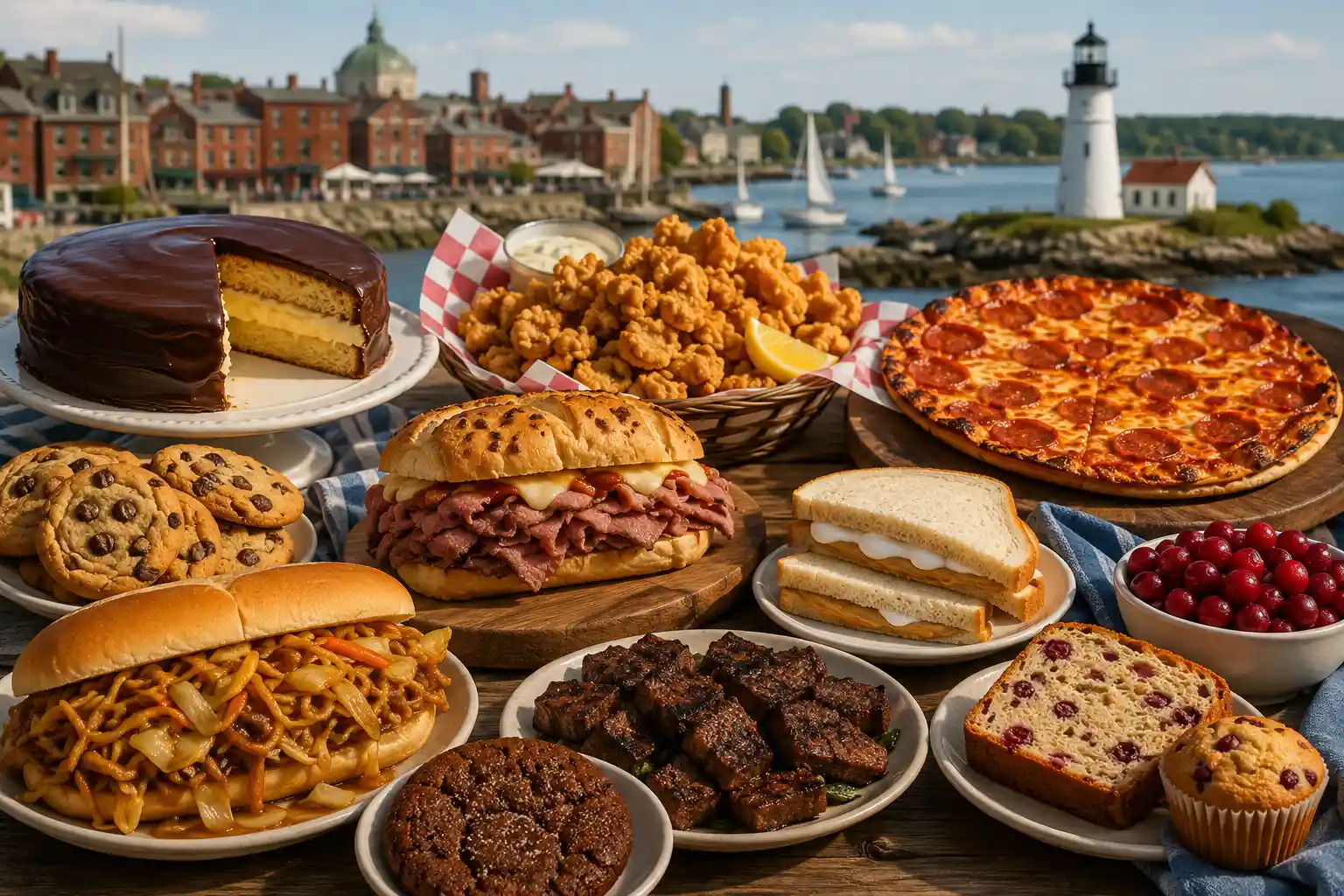
Massachusetts is a place where food tells stories. A simple cookie can carry the memory of a historic inn, while a sandwich can reveal how immigrant communities adapted familiar ingredients into something completely new. Along the coast, seafood traditions grew from the relationship between fishing towns and the Atlantic. Inland communities developed hearty dishes designed for family tables, neighborhood gatherings and long working days. The result is a food culture that feels deeply connected to place.
Visitors often arrive expecting lobster rolls, clam chowder and perhaps Boston baked beans. Those classics certainly deserve attention, but they only begin to explain what makes Massachusetts food interesting. Some of the most memorable specialties are surprisingly local. You can find foods that are closely associated with a particular town, neighborhood or part of the state, sometimes becoming almost impossible to separate from the community that created them.
This list goes beyond the most obvious choices to explore ten foods that capture the personality of Massachusetts. Some are famous inventions. Others are regional traditions that remain especially beloved by local communities. A few may look unusual at first, but that is part of their charm.
Whether you are planning a trip, exploring American food history or simply curious about what people actually eat around Massachusetts, these dishes offer a delicious introduction. Come hungry, bring your curiosity and prepare to discover flavors that have survived because people genuinely love them.
1. Boston Cream Pie
Image
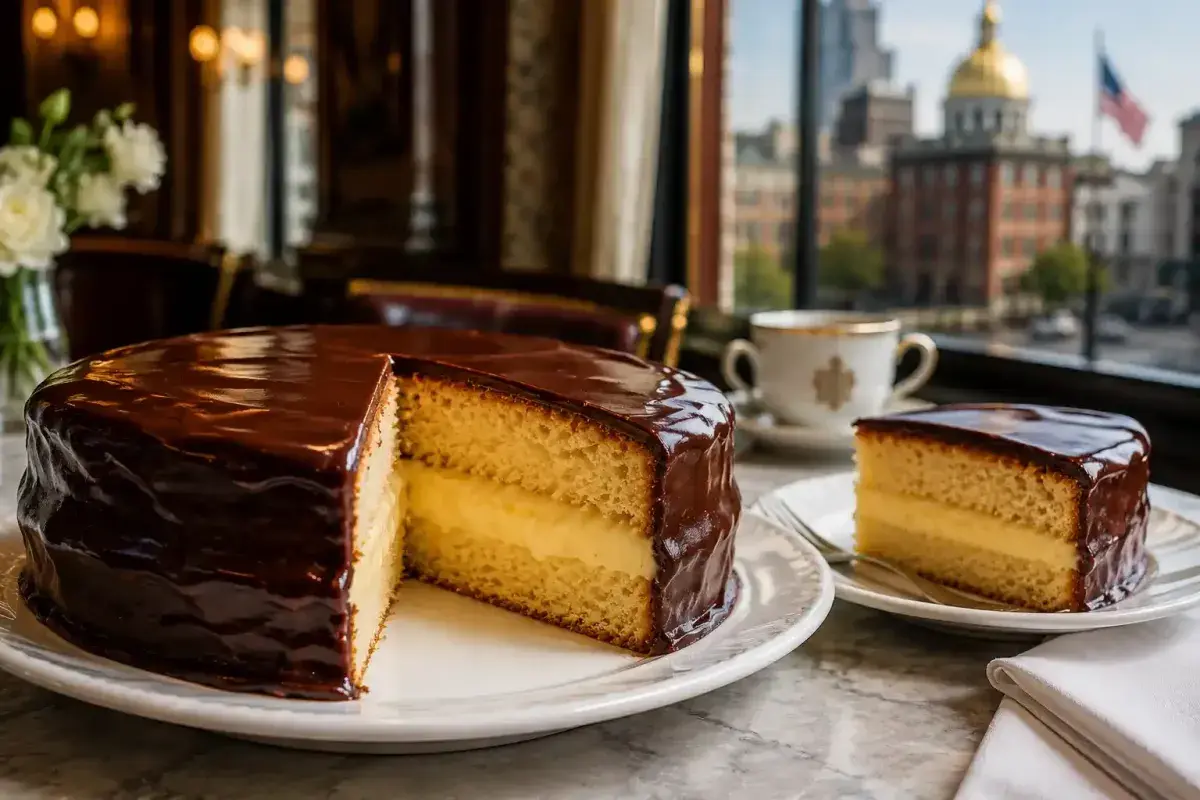
Boston cream pie is one of those foods that becomes more interesting once you learn that it is actually a cake. The name comes from an earlier period when cakes and pies were not always separated by the strict definitions we use today. What matters more is the combination that made this dessert famous: soft sponge cake, creamy vanilla custard and a rich chocolate topping.
The dessert is strongly associated with Boston's historic Parker House, now known as the Omni Parker House. According to the hotel, its pastry team created the dessert after combining sponge cake with vanilla custard and chocolate icing. The exact details of its early history have been debated, but its connection to Boston remains firmly established. Massachusetts officially recognized Boston cream pie as its state dessert in 1996.
What makes a good Boston cream pie special is balance. The cake should be light enough that the custard does not overwhelm it. The custard should be smooth and rich without becoming heavy. Then comes the chocolate, which adds a slightly bitter edge that keeps the dessert from becoming overwhelmingly sweet.
For a visitor, this is an easy introduction to Massachusetts food history because it combines elegance with comfort. You do not need to understand culinary history to enjoy it. One forkful tells you why the combination has lasted for generations.
If you have only one classic Massachusetts dessert on your itinerary, Boston cream pie is an excellent place to begin.
2. The Chocolate Chip Cookie
Image
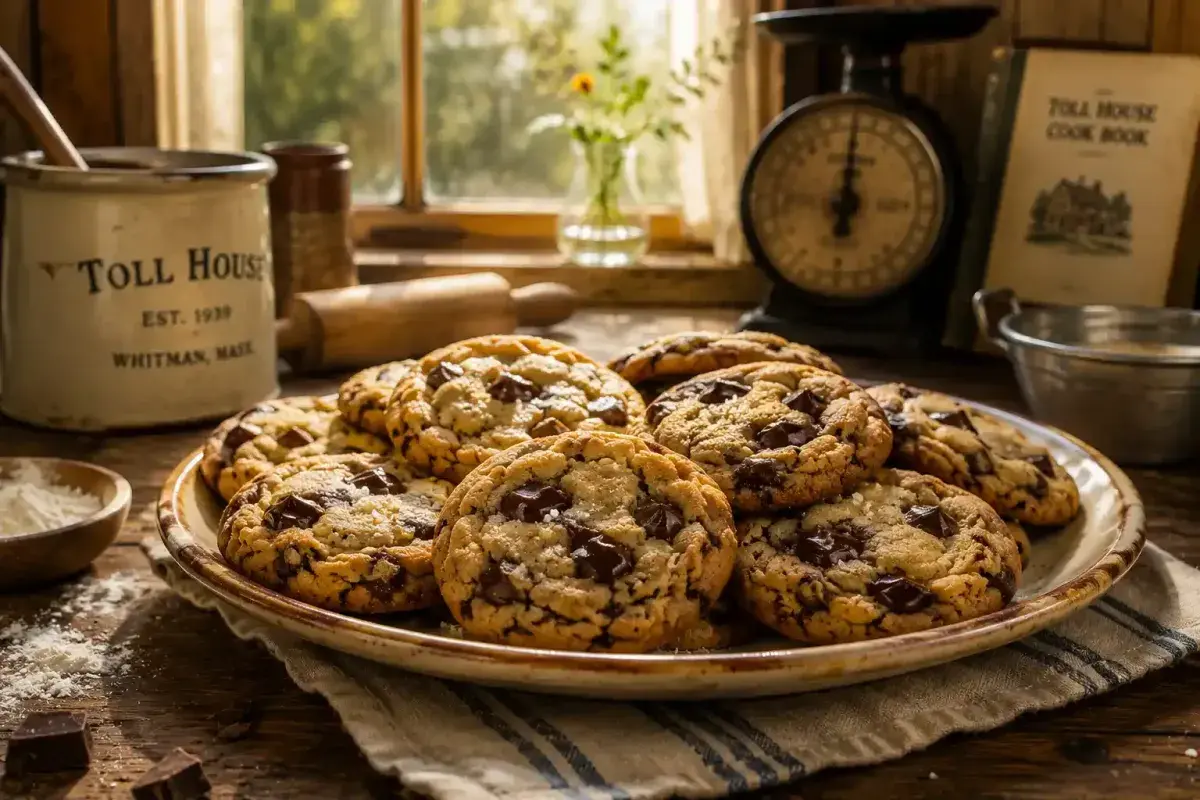
It is difficult to imagine modern baking without the chocolate chip cookie, yet this familiar treat has a direct connection to Massachusetts. Ruth Graves Wakefield is widely credited with creating the chocolate chip cookie at the Toll House Inn in Whitman during the 1930s. Her recipe became so popular that it eventually helped establish the Toll House name as one of the most recognizable names in American baking.
The story is especially appealing because the cookie does not feel like a grand culinary invention. It feels like something that could have happened in an ordinary kitchen. Pieces of chocolate were combined with cookie dough, producing a dessert that was simple, portable and enormously satisfying. That combination proved to be far more important than anyone could have expected.
A Massachusetts chocolate chip cookie experience should focus on texture rather than simply the presence of chocolate. Look for a cookie with lightly browned edges, a tender middle and enough chocolate to make every bite interesting. Some versions are thin and crisp, while others are thick and soft. Both can be excellent.
The history also gives the cookie a sense of place. Massachusetts is not simply connected to the popularity of chocolate chip cookies. The state is part of the story of how one of America's most familiar baked goods entered everyday life.
That makes this an especially fun food to try while traveling. You are not looking at an exotic dish or a complicated recipe. You are eating something wonderfully familiar while discovering that its American story has Massachusetts roots.
Sometimes the most important foods are the ones we already know.
3. The Fluffernutter
Image
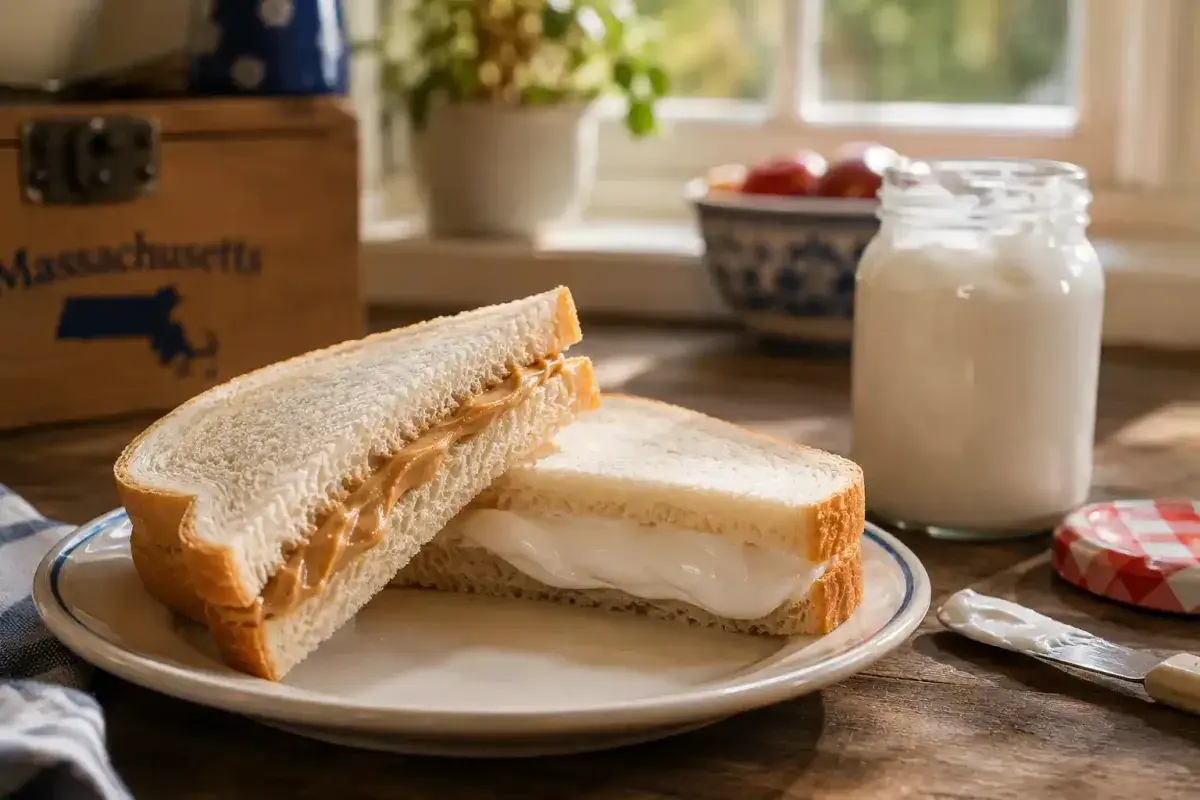
A Fluffernutter sounds almost too simple to deserve a place on a food travel list. Two slices of bread, peanut butter and marshmallow cream are all you need. Yet that simplicity is exactly why the sandwich has remained such a beloved part of Massachusetts food culture.
Marshmallow Fluff was created in Massachusetts, and the sandwich tradition developed in New England during the early twentieth century. Emma Curtis promoted an early version during the First World War era, while the name Fluffernutter became associated with the familiar peanut butter and marshmallow combination later on.
The experience is less about culinary sophistication and more about nostalgia. Peanut butter brings saltiness, roasted flavor and richness. Marshmallow cream contributes sweetness and an airy texture. Together they create a combination that is sticky, creamy and surprisingly satisfying.
For someone visiting Massachusetts, trying one is a chance to experience food through local memory. It is the kind of sandwich many people associate with childhood lunches, school days and family kitchens. That emotional connection helps explain why it has survived despite being so easy to recreate anywhere.
There is also something distinctly Massachusetts about the pride surrounding it. Local food does not always have to be complicated or expensive. Sometimes a regional specialty is simply something generations of people grew up eating and continue defending with enthusiasm.
Try it on soft white bread for the traditional experience. If you want something more indulgent, lightly toast the bread before assembling it. The contrast between warm bread, creamy peanut butter and soft marshmallow is hard to resist.
It may not look impressive on a restaurant menu, but the Fluffernutter is a delicious piece of Massachusetts childhood culture.
4. North Shore Roast Beef Three Way
Image
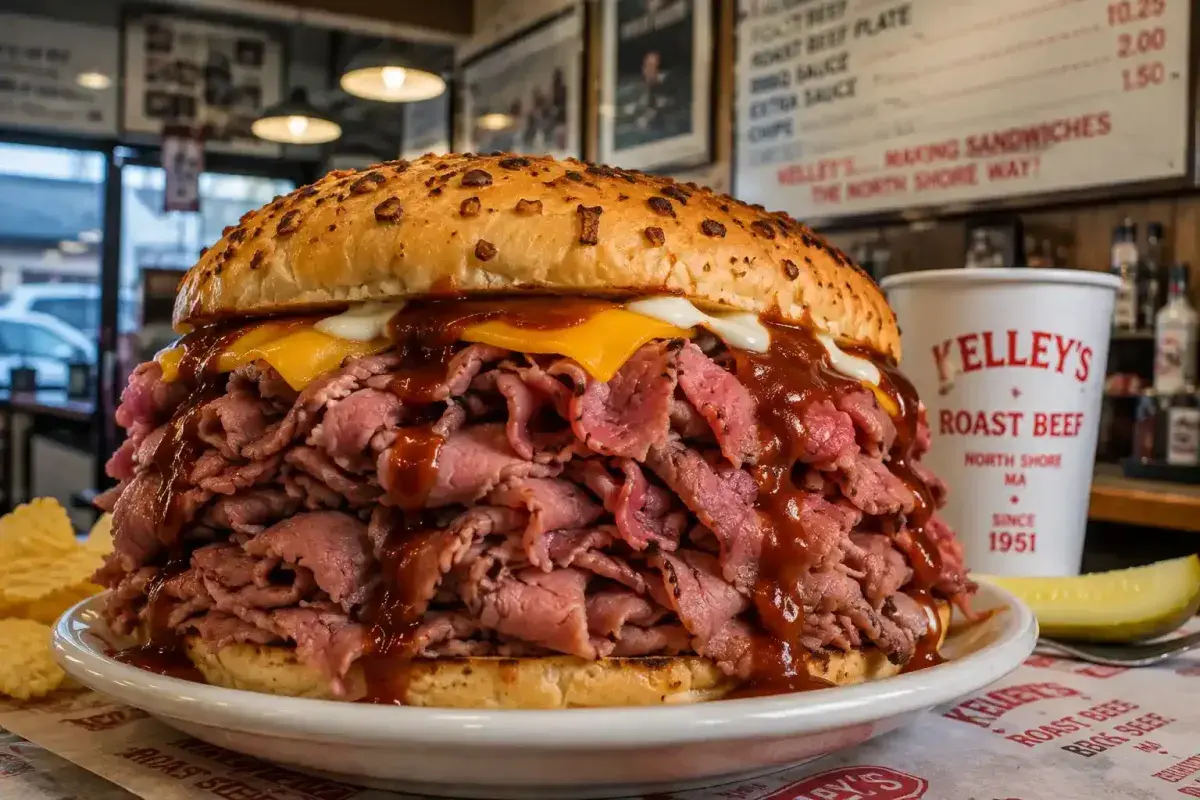
If you want to understand how strongly regional food traditions can develop, try a North Shore roast beef sandwich. Outside Massachusetts, the combination may sound ordinary. Inside the North Shore, however, roast beef has become a food identity all its own.
The classic three way generally combines thinly sliced roast beef with barbecue sauce, mayonnaise and American cheese on an onion roll. The result is messy, rich and wonderfully indulgent. Eater describes the Massachusetts style as a North Shore specialty, with variations appearing throughout the region.
The texture is central to the experience. The beef should be tender and sliced thin enough to almost melt into the sandwich. The onion roll adds sweetness and structure. The mayonnaise provides richness, while the barbecue sauce brings acidity, spice and sweetness. American cheese ties everything together.
The sandwich is not designed to be delicate. It is the kind of meal that demands extra napkins and rewards you for not worrying about appearances. That casual quality is part of its charm.
Visitors should also understand that ordering terminology can vary. Some shops use names such as three way, super beef or roast beef three way to describe combinations that are closely related but not always identical. Asking the local staff what they recommend is part of the experience.
What makes this sandwich worth trying is not simply its ingredients. It represents a specific Massachusetts food culture that developed around independent roast beef shops and loyal local customers.
If you want a meal that feels genuinely connected to the North Shore rather than something designed for tourists, this belongs near the top of your list.
5. Fried Clams
Image
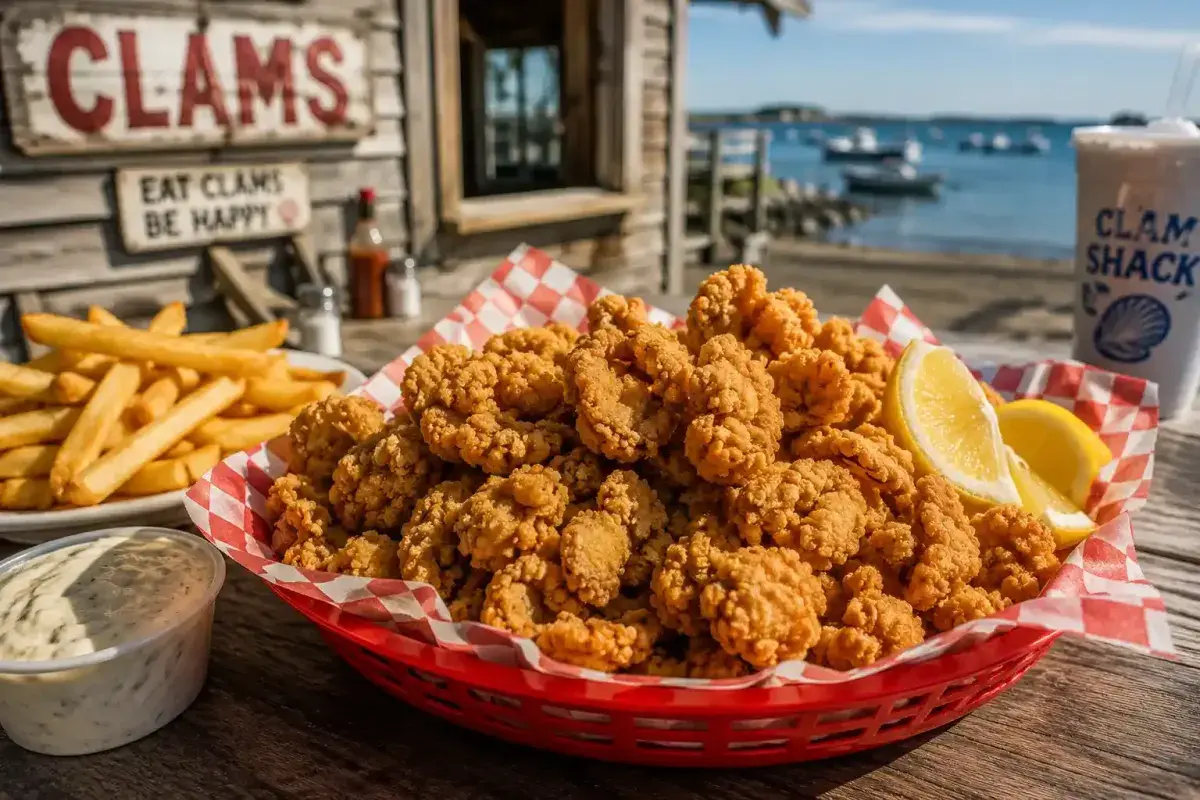
Fried clams are one of the foods that immediately connect Massachusetts with its coastline. The dish combines fresh clams with a crisp coating and deep frying, creating a contrast between the crunchy exterior and tender seafood inside.
The modern fried clam story is closely associated with Woodman's of Essex. According to the restaurant's own history, Lawrence Woodman created fried clams in 1916 and introduced them during an Independence Day parade in Essex. His version involved coating clams with corn flour before frying them in lard.
That origin story helps explain why fried clams became such an important part of New England seafood culture. The dish was practical, portable and suited to the casual atmosphere of coastal food stands. Over time it became something much bigger than a quick snack.
When ordering fried clams, many seafood lovers prefer whole belly clams because they provide a fuller seafood flavor and a softer interior. The best examples should not taste like generic fried food. The clam itself should remain noticeable beneath the coating.
A squeeze of lemon can brighten the dish, while tartar sauce provides creamy contrast. Fries are the traditional companion, but the clams should remain the star.
Massachusetts is especially rewarding for this food because you can combine the meal with the scenery that shaped the tradition. Eating fried clams near the water makes the connection between landscape and cuisine obvious.
If you are exploring Massachusetts in warm weather, make time for a coastal seafood stop. A plate of fried clams may look humble, but it represents one of the state's most enduring food traditions.
6. South Shore Bar Pizza
Image
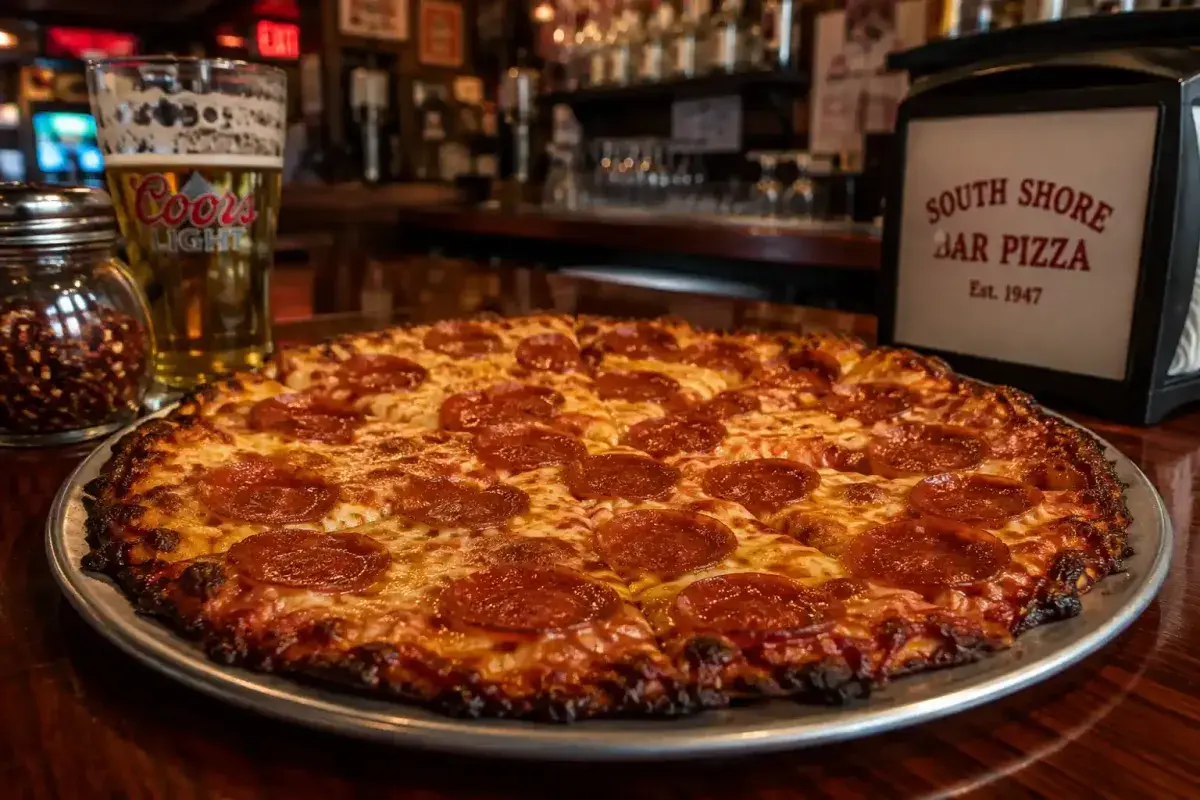
South Shore bar pizza is proof that pizza does not need to be enormous to be memorable. This Massachusetts specialty is usually a small personal sized pie with a very thin crust and cheese spread all the way to the edge. When baked properly, the cheese develops a crisp, lacy border that gives the pizza its unmistakable character.
The style is closely associated with the South Shore of Massachusetts. Boston Magazine describes these pies as having a thin, cracker like crust, a small format and cheese that reaches the edges before becoming beautifully crisp. Eater also highlights the buttery crust and browned cheese edge as defining characteristics of the regional style.
What makes bar pizza different from other regional pizza styles is the relationship between crust and cheese. The crust is thin enough to provide crunch without disappearing. The cheese becomes part of the crust when it reaches the edge of the pan and browns.
Classic toppings are usually straightforward. Pepperoni, sausage, onions and peppers are common choices, although modern restaurants have experimented with more creative combinations.
The name comes from its connection to neighborhood bars and casual social spaces. Originally, the pizza worked beautifully as an inexpensive food people could share while spending time together. Today, the tradition has grown beyond bars, but its informal personality remains.
For a visitor, bar pizza offers something different from the usual Boston food checklist. It is regional, specific and strongly connected to local habits.
Order a classic version first. Once you understand the style, you can explore more adventurous toppings. The crispy cheese edge is the part you should not miss.
7. Fall River Chow Mein Sandwich
Image
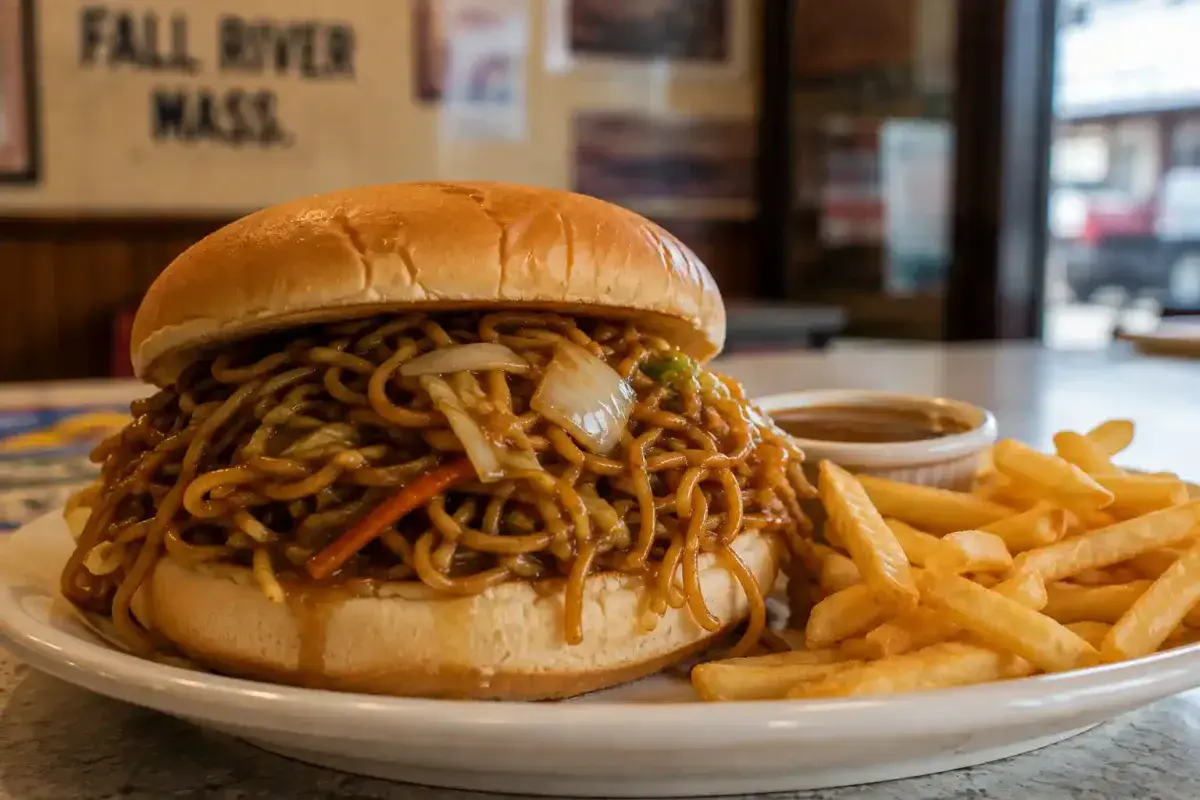
Few foods demonstrate regional creativity quite like the chow mein sandwich. At first glance, putting chow mein inside a hamburger bun seems almost strange. Once you understand its history, however, the combination becomes much more logical.
The sandwich is associated with Fall River in southeastern Massachusetts and developed through Chinese American restaurant culture. It generally consists of chow mein ingredients and crispy noodles placed inside a hamburger style bun, with brown gravy providing the distinctive flavor. The sandwich became popular in the area during the twentieth century and remains relatively unknown outside southeastern Massachusetts.
Part of its appeal comes from texture. The bun is soft, the noodles can provide crunch and the gravy brings everything together. Depending on the restaurant, the sandwich may include vegetables or meat, and diners may encounter versions described as strained or unstrained.
This is not a dish that tries to imitate a traditional Chinese meal. Instead, it reflects how immigrant communities adapted food to local tastes and economic realities. The result is a uniquely regional form of Chinese American comfort food.
For visitors, the chow mein sandwich is an excellent example of why food tourism should go beyond famous restaurants and predictable dishes. Some of the most revealing foods are the ones that outsiders rarely know about.
If you travel through Fall River, New Bedford or nearby communities, keep an eye out for this local specialty. You may discover that something initially surprising becomes one of the most memorable meals of the trip.
Massachusetts has plenty of famous food. It also has food that makes you stop and ask how anyone thought of it. The chow mein sandwich belongs firmly in the second category.
8. Joe Frogger Cookies
Image
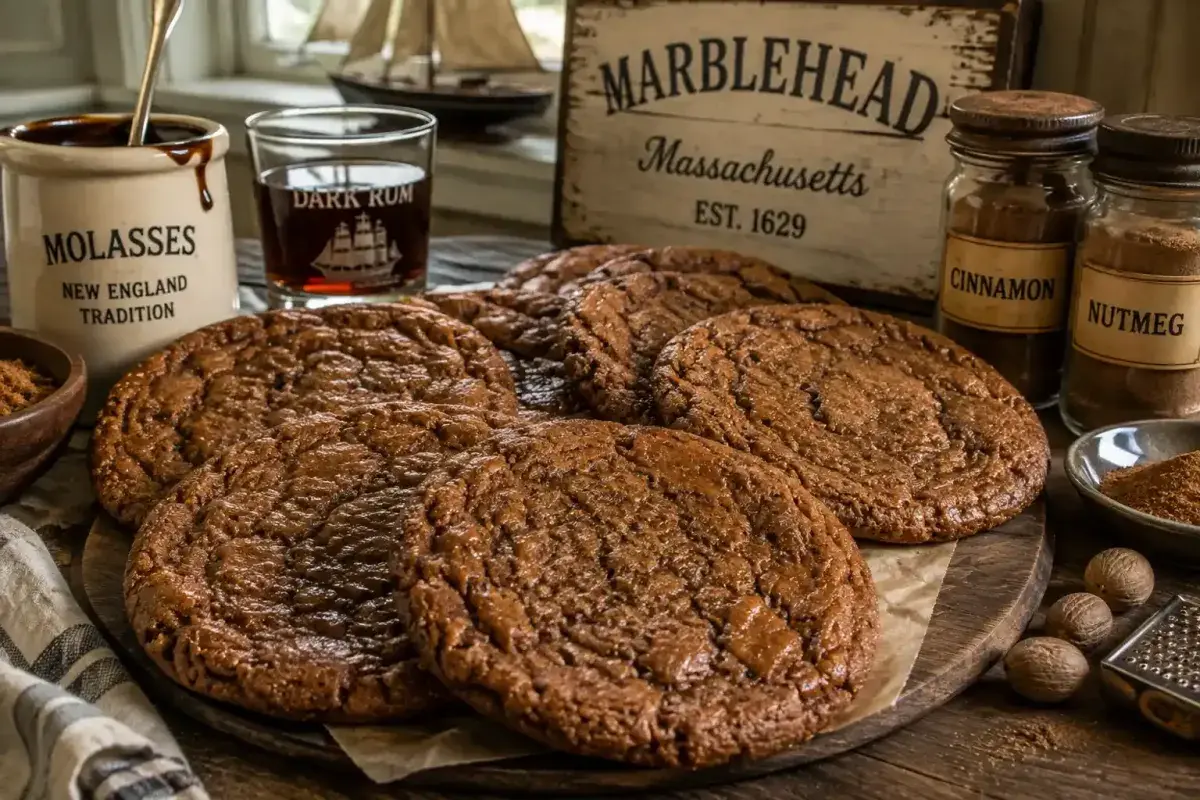
Joe Frogger cookies are not simply another molasses cookie. They are a piece of Massachusetts history that can be traced to Marblehead and the Brown family, whose tavern became associated with the recipe in the late eighteenth century.
The cookies were made by Lucretia Brown, who operated the tavern with her husband Joseph. Their connection to sailors is an important part of the story. The cookies were large, sturdy and designed to remain enjoyable over long periods, making them useful provisions for people heading out to sea.
Flavor is what makes a Joe Frogger immediately recognizable. Molasses provides deep sweetness and a slightly bitter richness. Spices such as ginger, cloves, nutmeg and allspice add warmth, while rum gives the cookie an unexpected depth.
The size is also part of the tradition. These are not tiny delicate cookies intended to disappear in one bite. They are substantial, chewy treats that feel connected to an older style of baking when food had to be filling and practical.
Trying one in Marblehead adds another layer to the experience. The town's maritime history helps you understand why a durable cookie would become popular among sailors and fishermen.
Joe Froggers also carry a meaningful social history because Joseph Brown was formerly enslaved and later became a successful tavern owner alongside Lucretia. Their story adds significance beyond the recipe itself.
For anyone interested in food with a story, this cookie is difficult to beat. It tastes like molasses and warm spices, but it also carries memories of a coastal Massachusetts community that refused to let its traditions disappear.
9. Massachusetts Steak Tips
Image
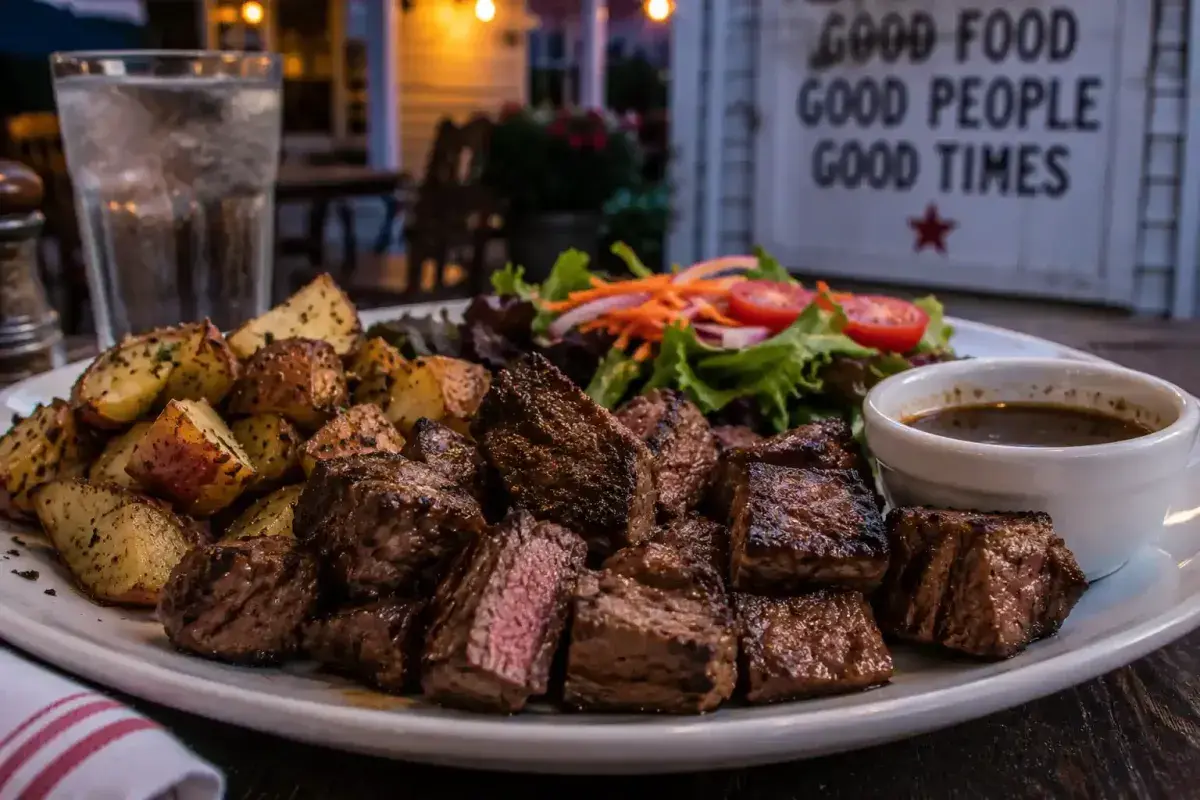
Steak tips may not receive the same attention as Boston cream pie or fried clams, but they are one of the foods that can make a Massachusetts resident instantly nostalgic. The dish is especially associated with Boston and New England, where marinated steak tips have long been popular at restaurants, markets, cookouts and family gatherings.
New England steak tips are typically associated with flap meat from the sirloin area. They are different from the triangular tri tip that is strongly associated with California. Food and Wine notes that New England steak tips are commonly marinated before grilling and became a Boston restaurant staple during the twentieth century.
The marinade is where local personality enters the picture. Italian dressing, Worcestershire sauce, garlic and sweet seasonings are among the flavors commonly associated with different versions. Every family or restaurant may have its own preferred formula.
The meat should be grilled over high heat so that the exterior develops a flavorful crust while the inside remains tender. A good batch has smoky edges, juicy centers and enough marinade flavor to make every bite satisfying.
What makes steak tips particularly interesting for travelers is how ordinary they seem. There is no elaborate presentation and no complicated ceremony. They are simply good grilled meat, prepared in a style that locals recognize immediately.
That is often what makes regional food so meaningful. It does not have to look unusual. It only needs to taste like home to the people who grew up with it.
Order steak tips when you want something hearty and unmistakably New England. They may become the dish you remember long after the more famous foods have faded.
10. Cranberry Based Massachusetts Treats
Image
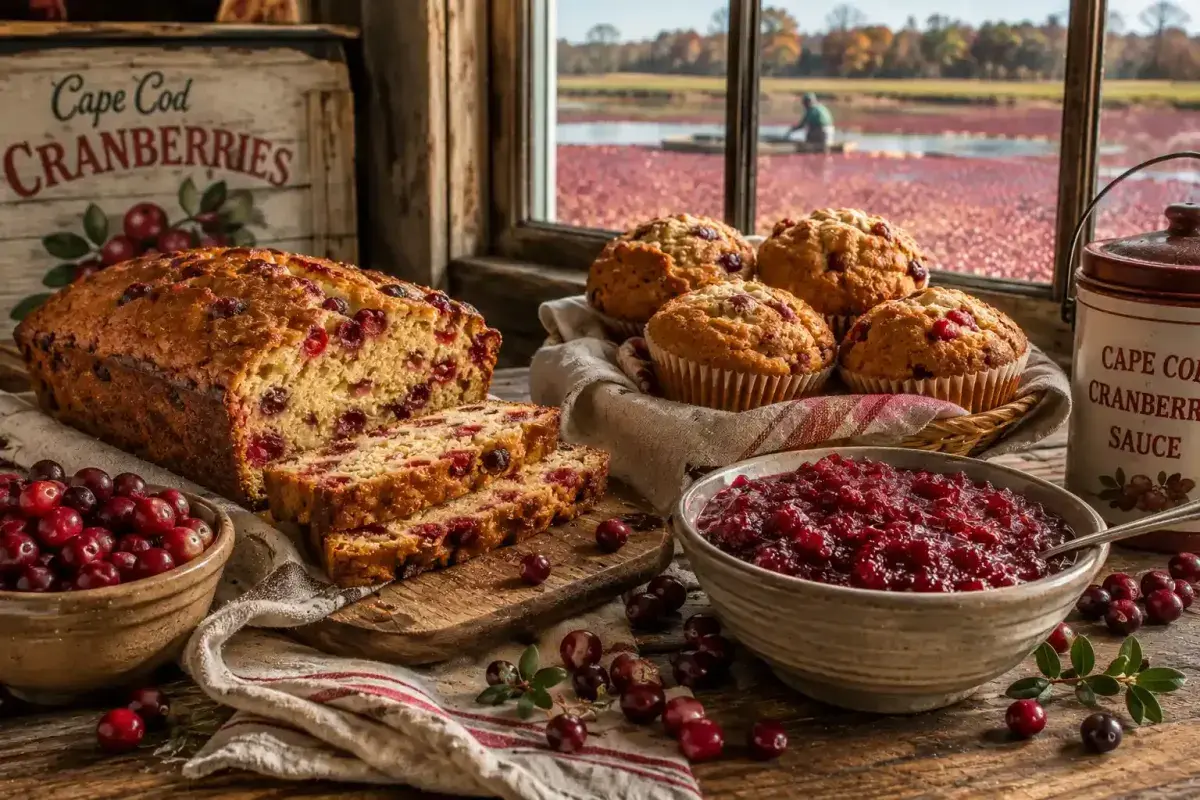
Cranberries are not a single dish, but they deserve a place on a Massachusetts food list because few ingredients are so closely tied to the state's landscape and agricultural identity. Southeastern Massachusetts, especially Cape Cod and surrounding communities, has a long history of cranberry cultivation.
The state's cranberry tradition stretches back centuries, while commercial cultivation developed strongly during the nineteenth century. Massachusetts cranberry growers continue to operate extensive bogs across the southeastern part of the state. NASA notes that cranberry cultivation on Cape Cod began in the early nineteenth century, while Massachusetts remains one of the country's major cranberry producing regions.
Fresh cranberries are intensely tart, so they are rarely eaten straight from the plant. Their character becomes much more approachable when balanced with sugar. That is why cranberry sauce, cranberry bread, muffins, relishes and desserts are such natural ways to experience them.
If you visit during harvest season, the experience becomes even more memorable. Cranberry bogs can transform the landscape into striking fields of red, especially during the fall harvest. The Massachusetts Cranberry Growers Association notes that harvest generally takes place from September into early November, with much of the activity occurring during October.
Try cranberry bread with breakfast, a cranberry dessert with coffee or a traditional cranberry sauce alongside a savory meal. The fruit has enough acidity to keep rich foods from becoming overwhelming.
More than any individual recipe, cranberries represent the connection between Massachusetts food and Massachusetts land. They are agricultural, seasonal and deeply local.
If your trip happens during autumn, make cranberries part of your food adventure. You will taste something that reflects not just the kitchen, but the landscape itself.
Massachusetts food is much more than a collection of famous dishes. It is a record of the people who settled along the coast, built communities inland, worked in kitchens, operated small restaurants and passed recipes from one generation to the next. Some foods became famous across the country, while others remained stubbornly local. Both kinds are worth discovering.
Boston cream pie and the chocolate chip cookie show how Massachusetts helped shape American dessert history. The Fluffernutter demonstrates how a simple combination can become a childhood tradition. North Shore roast beef and South Shore bar pizza reveal how individual regions can develop their own food language. Fried clams connect the table directly to the coastline, while steak tips capture the casual spirit of New England gatherings.
Then there are the foods that surprise you. A chow mein sandwich in Fall River may sound unusual until you understand the cultural history behind it. A Joe Frogger cookie is more than a molasses treat when you learn about the people who created it. Cranberries remind you that regional food is also connected to agriculture and landscape.
The best way to explore these foods is with curiosity. Do not worry about finding one perfect version of every dish. Ask locals what they grew up eating. Visit independent restaurants. Explore coastal towns and neighborhood communities. Try the familiar foods, but leave room for the dishes you have never heard of before.
That is where Massachusetts becomes especially rewarding.
The state does not simply serve food. It preserves stories through food. Each bite can reveal a town, a tradition, a family or a moment in history. If you leave Massachusetts remembering more than Boston cream pie, you have probably discovered the real flavor of the Bay State.