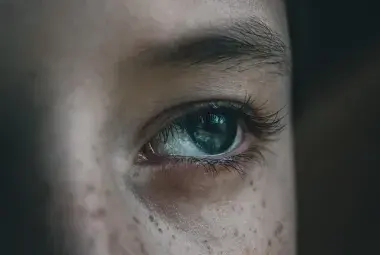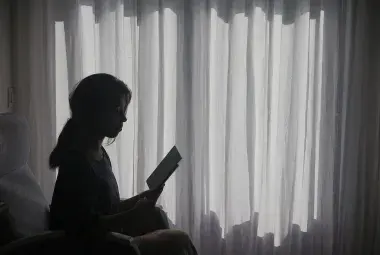


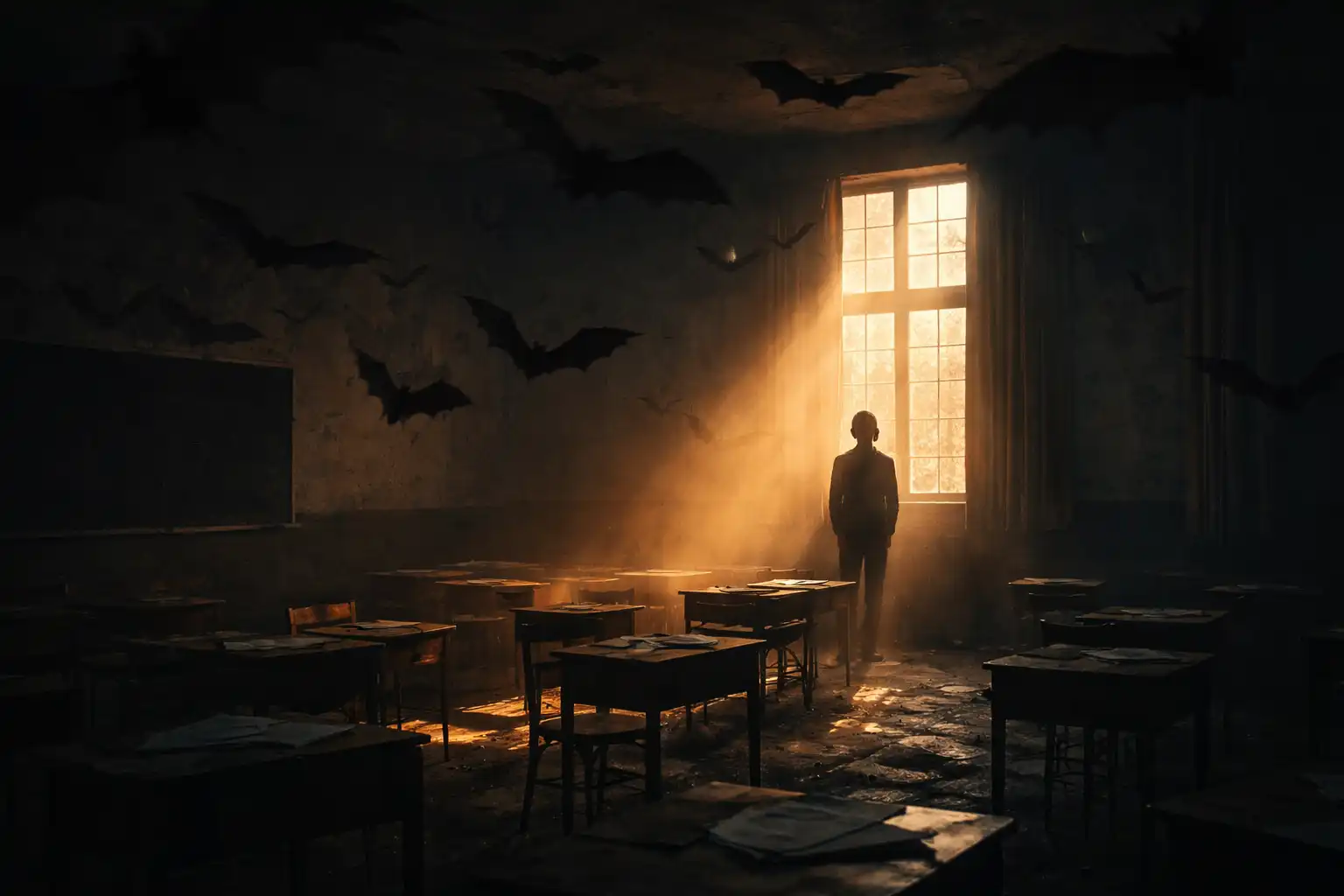
Sometimes society feels like a classroom full of bats. The room is crowded and chaotic, alive with tension. Each person carries their own fears, grudges, and judgments. Hatred seems to hang in the air like a thick fog. Even the smallest gesture of kindness can feel dangerous.
I wrote a short poem to capture this feeling. It is simple but it contains a heavy truth.
Classroom full of bats
hatred everywhere
I offered kindness
and stood alone in the fire
These four lines are brief yet they communicate a lifetime of experience. The classroom represents the structures of society, the spaces where people interact, learn, and grow. The bats represent the shadows of human behavior, the fear, the anger, and the negativity that can dominate those spaces. Kindness in this context is not just a polite gesture. It is a choice, a conscious effort to act with compassion in a world that often responds with hostility.
Understanding the Poem
Image
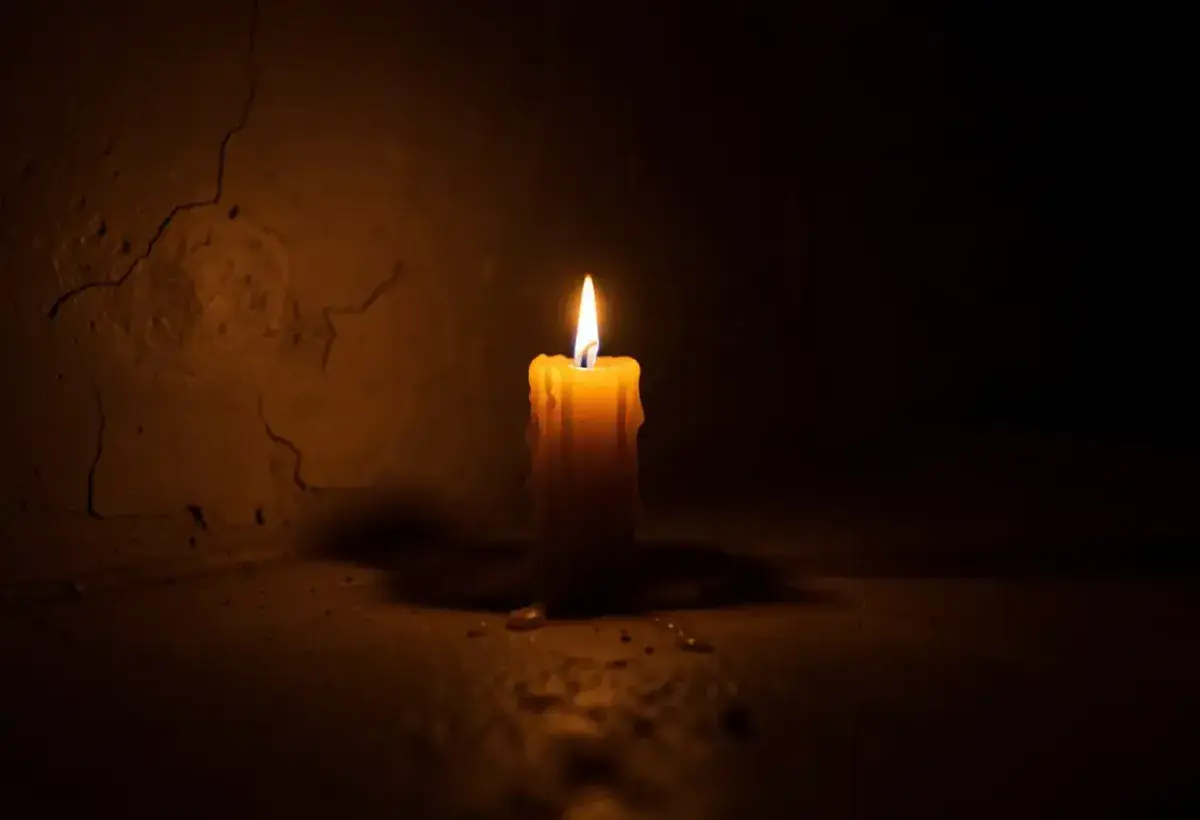
When I reflect on this poem, I remember moments in my own life when I tried to do good and found resistance instead. Simple acts of kindness, small efforts to connect, or attempts to understand someone else were met with suspicion, ridicule, or even outright hostility. In those moments, I felt the isolation that comes from standing apart from the crowd. Choosing kindness does not guarantee comfort or safety. Sometimes it isolates us, makes us vulnerable, and exposes us to the fire of judgment.
The imagery of fire in the poem is important. It is not a destructive fire that consumes everything indiscriminately. It is a fire that tests, a fire that illuminates, a fire that exposes the weakness and strength in ourselves and in others. Standing alone in that fire is painful. It can feel like the world has singled you out for punishment because you dared to act differently. Yet it is also a form of courage. To continue offering kindness when surrounded by hatred requires resilience and integrity.
The Reality of Hatred in Society
Image

Society is complex and contradictory. Humans are capable of immense empathy and generosity. On the other hand, we are often trapped by fear, prejudice, and insecurity. The classroom full of bats is not a metaphor for all people. It is a reflection of the parts of society that resist change, cling to anger, and punish those who challenge prevailing negativity. This is the reality of living in a society where goodness can feel like rebellion.
Experiencing hatred and isolation personally allows us to see the mechanisms behind it. People react negatively to kindness for many reasons. Some have been hurt in the past and equate compassion with weakness. Some conform to group hostility to avoid scrutiny. Others lack the emotional tools to process empathy without feeling threatened. Recognizing this does not excuse the behavior but helps us understand why standing alone can feel so difficult.
The Paradox of Kindness
Image
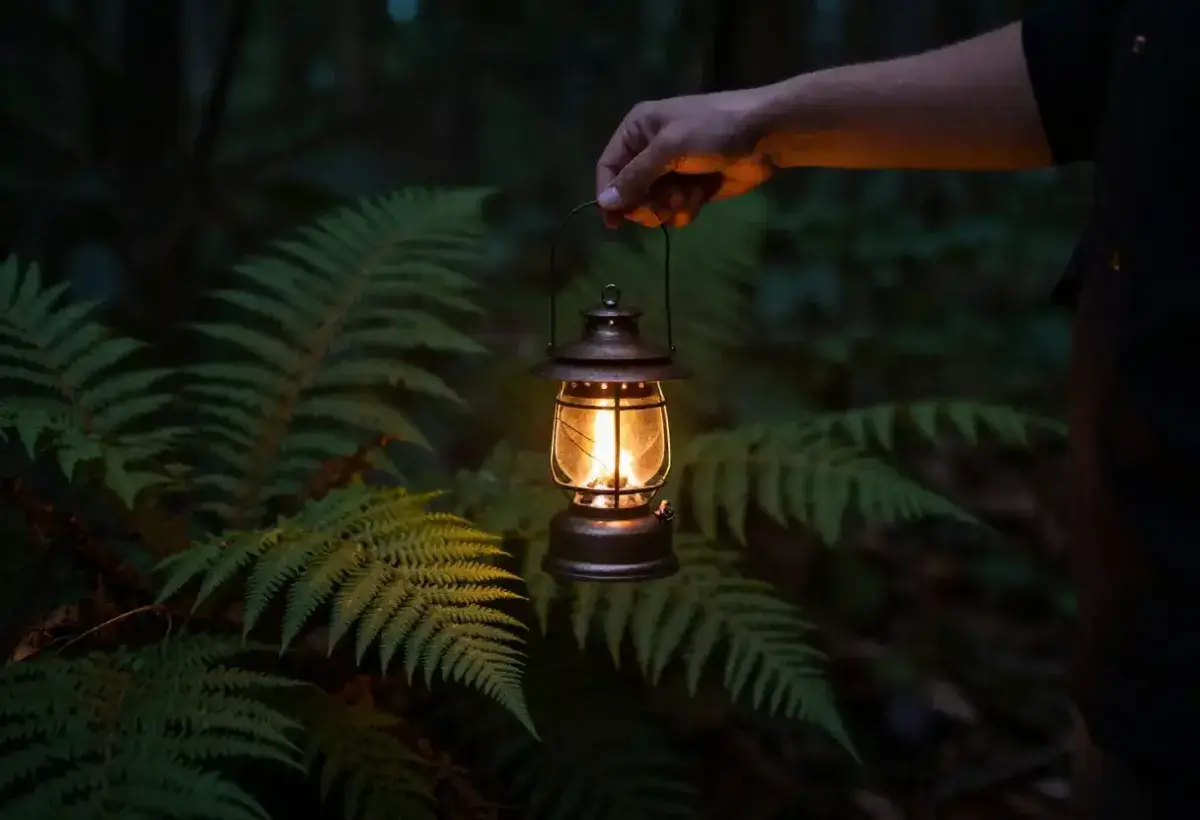
The poem highlights a paradox of human interaction. Kindness is meant to build bridges, yet in the wrong environment it can burn. The act itself is noble, yet the response can be painful. This tension is central to personal experience in society. We learn that the world does not always reward virtue in the ways we hope. There is no guarantee that good intentions will be understood, reciprocated, or appreciated. And yet the choice to be kind remains vital.
Offering kindness in a hostile environment is not simply about altruism. It is about asserting our values and maintaining our sense of self. When we act with compassion, we define who we are independent of the reactions of others. The classroom full of bats may try to smother our light, but the act of standing alone in the fire affirms our integrity. It is a declaration that hatred does not control us and that we will continue to act with empathy despite opposition.
Isolation as a Space for Growth
Image
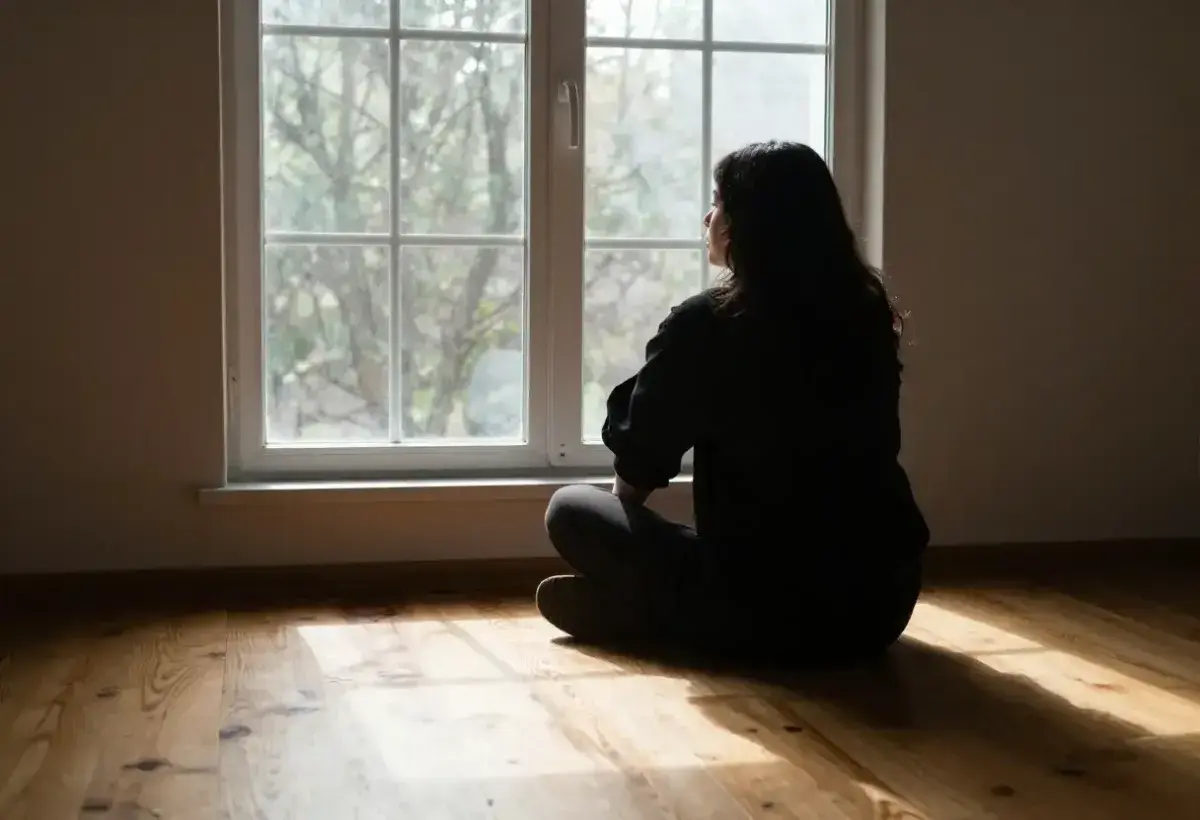
Isolation is one of the most difficult aspects of standing apart. Humans are social creatures, and being alienated can be painful. The feeling of being alone in our values can create doubt, fear, and even resentment. Yet there is also opportunity in this isolation. Alone, we are free to reflect, to grow, and to strengthen our convictions. It is in these moments that character is forged. Fire tests metals and shapes them into stronger forms. Similarly, the fire of isolation tests our principles and fortifies our commitment to kindness.
Reflecting on personal experience, I recognize that my response to hatred shaped the kind of person I became. Choosing to act with empathy, even when it was not reciprocated, taught me patience, resilience, and the importance of self-respect. It also allowed me to see the world with greater clarity. Hatred and fear exist, but so does the capacity for understanding and compassion. Recognizing both sides allows us to navigate society with awareness and intentionality.
Balancing Courage and Self-Care
Image
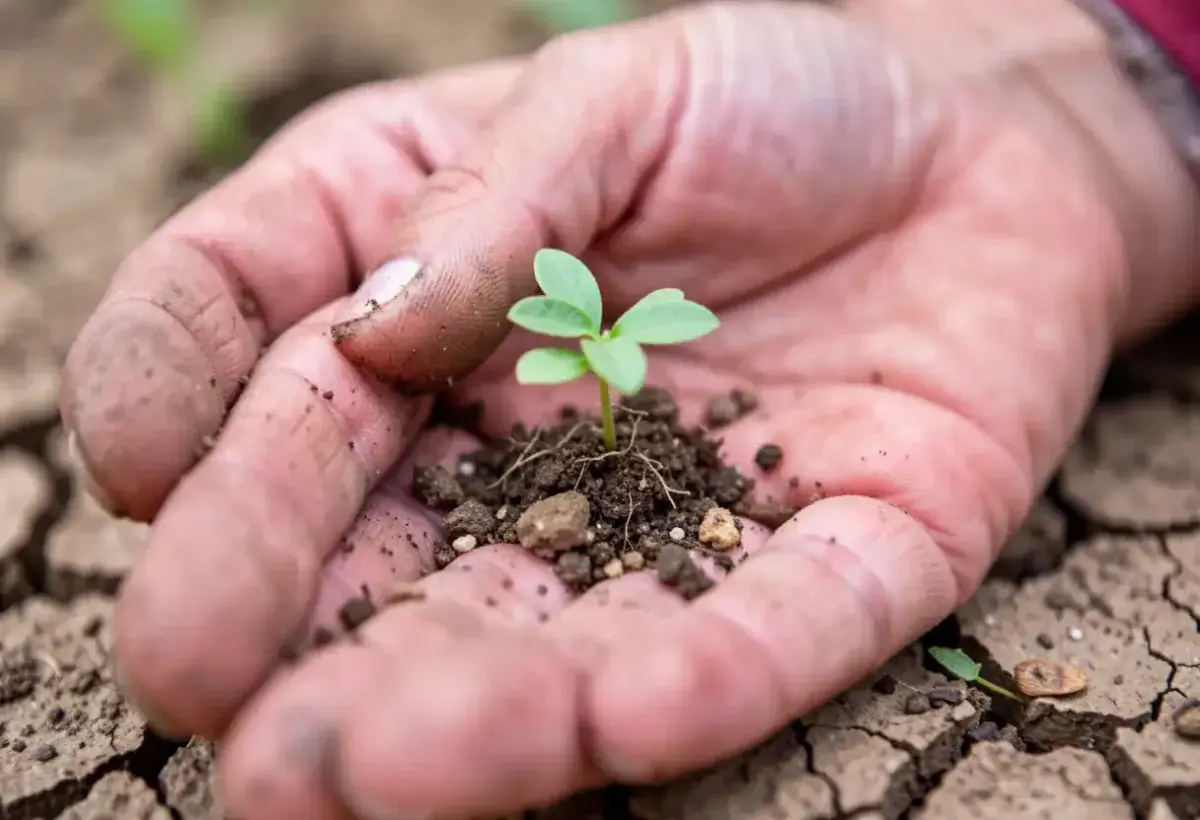
The poem can also be seen as a warning and a lesson for others. It reminds us that society is not always kind. It teaches that we must choose carefully how we interact, when we extend trust, and how we protect ourselves emotionally. Standing alone in the fire is not something to be sought recklessly. It requires preparation, reflection, and a strong sense of purpose. Avoiding kindness for fear of rejection leads to stagnation and diminishes the human experience. Balance is essential.
Kindness is a force that is often underestimated. In the poem, it is a flame that burns, but it also illuminates. Even if it isolates us, it sets an example, plants seeds, and inspires others. One act of compassion can ripple outward in ways we may never witness. Standing alone does not mean standing uselessly. The fire may be immediate and harsh, but the impact of light endures longer than the shadows that resist it.
Lessons Learned and Moving Forward
Image

Society rewards conformity more often than courage. Hatred is easier to follow than compassion, and judgment often outweighs understanding. The classroom of bats is not just an image of hostility. It is a reminder that courage and kindness are not passive. They require intentionality and strength. Choosing to act with integrity even when isolated is one of the most profound lessons we can learn about ourselves and about the human experience.
Writing this poem and reflecting on it has allowed me to process feelings of alienation and frustration. It has helped me understand that my experiences, while painful, are not failures. They are part of a larger process of growth and self-discovery. By standing alone in the fire, we learn who we are, what we value, and how we wish to engage with the world. Isolation is uncomfortable but necessary for reflection. Hatred is painful but instructive. Kindness, even if it burns, is always a choice that honors our humanity.
Image
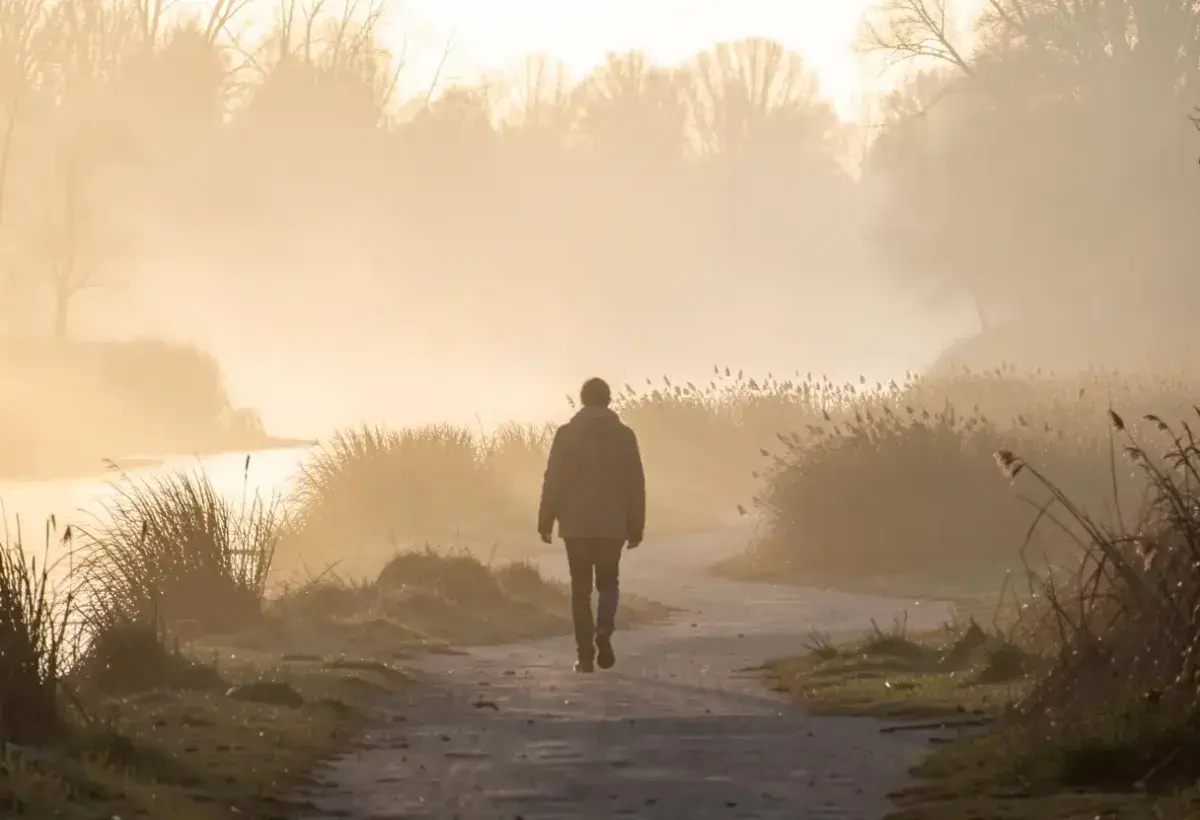
The poem may be brief, but it captures a universal struggle. The classroom full of bats is a space we all encounter in some form. Hatred, judgment, and fear exist in society and challenge us constantly. Yet the act of offering kindness, standing firm in our values, and maintaining integrity is what defines us. Isolation may accompany this path and the fire may be real and painful, but these are the experiences that shape character and understanding.
The poem serves as both a reflection and a guide. It reminds us to be courageous in the face of hostility, to act with compassion even when it is not rewarded, and to embrace the lessons that come from isolation. Standing alone in the fire is not easy, but it is where the most meaningful growth occurs.
Society may be full of bats, and hatred may be thick in the air. But kindness, integrity, and courage remain the light we carry forward. The poem is a testament to the resilience of the human spirit, the enduring value of compassion, and the strength that comes from standing alone yet unwavering.
Ultimately, this reflection is about embracing the reality of society without surrendering to it. It is about acknowledging the pain of isolation and the presence of hatred while choosing to act with empathy. It is about understanding that even in the darkest classrooms, the fire we carry can illuminate the path forward for ourselves and for others.