


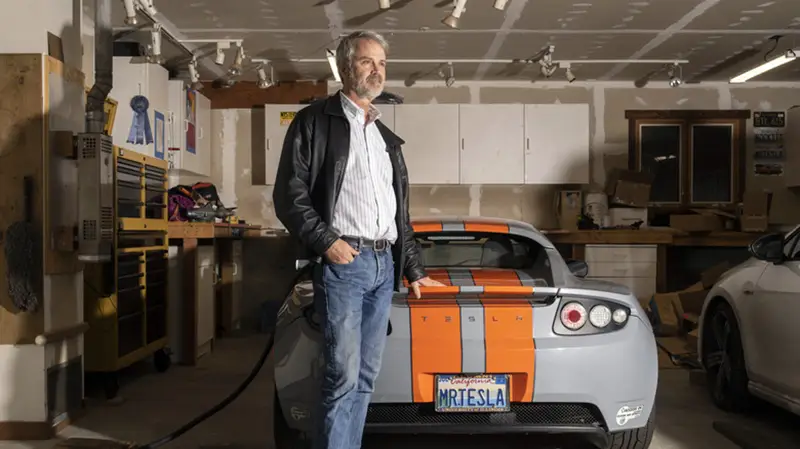
The story of Tesla has become one of the most repeated narratives in modern business culture, often simplified into a single name and a single moment of inspiration. For many people, Tesla appears to be the result of one visionary mind deciding to disrupt the auto industry and build electric cars against all odds. This version of events is appealing because it fits neatly into the popular myth of the lone genius entrepreneur. It is also largely inaccurate. Tesla was not born from one person’s idea, nor was it built overnight by a single founder working in isolation. Its origin story is far more complex, collaborative, and at times uncomfortable for those who prefer a cleaner legend.
Understanding how Tesla was actually created matters because it changes how innovation is viewed. When history is rewritten to focus on one figure, it minimizes the contributions of engineers, early founders, and risk takers who laid the groundwork before fame and success arrived. Tesla’s early years were defined by experimentation, technical challenges, financial uncertainty, and internal disagreements. The company nearly failed multiple times long before it became a global symbol of electric vehicles and clean energy. Those struggles shaped Tesla just as much as its later successes.
We break down ten widely misunderstood truths about Tesla’s creation. These are not obscure details buried in legal documents or footnotes. They are well documented facts that are often overlooked or ignored in favor of a more dramatic narrative. From who actually founded the company to where its early technology came from, each section clarifies how Tesla really began and how its leadership evolved over time.
By examining these truths, you will gain a clearer picture of how innovation actually works in the real world. Big ideas often come from small teams. Breakthrough companies usually start quietly. Public recognition often arrives long after the foundation is laid. Tesla is no exception. Its success is the result of multiple people, conflicting visions, and years of persistence rather than a single defining moment.
Image
1. Elon Musk did not found Tesla
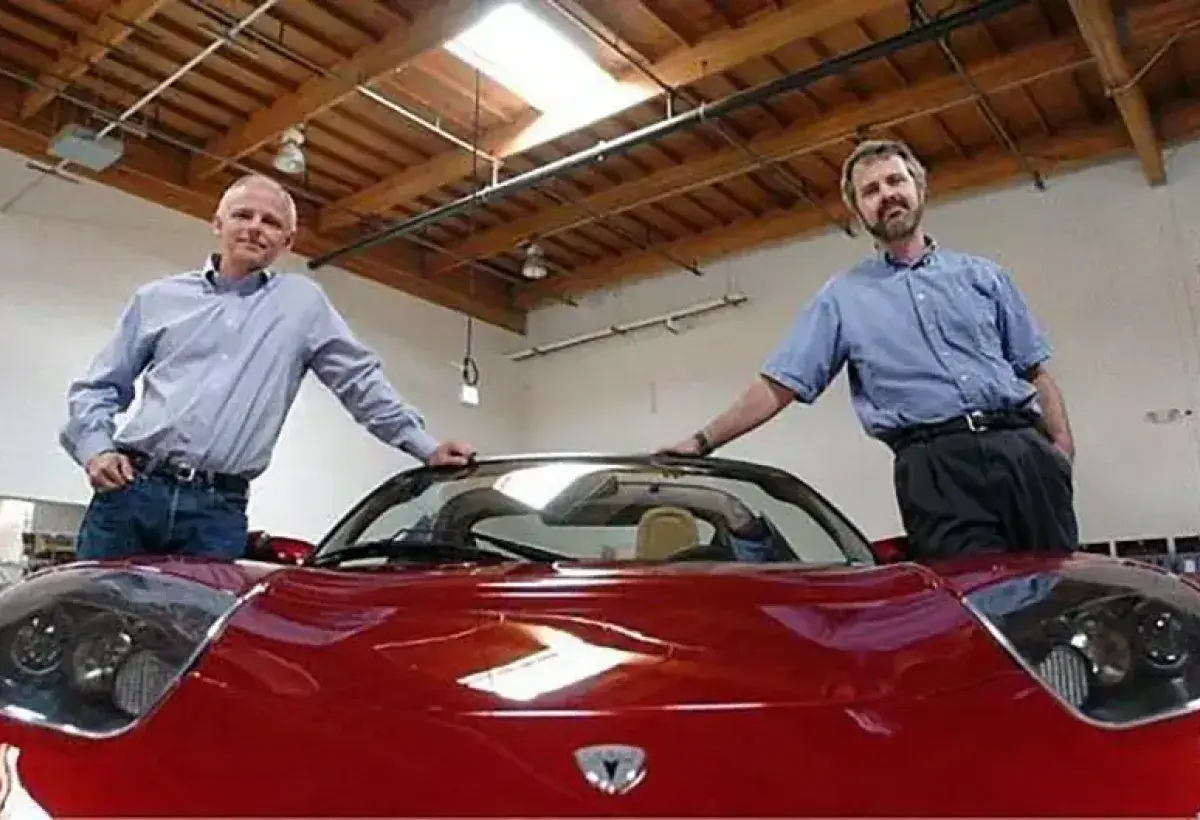
The belief that Elon Musk founded Tesla is one of the most widespread misconceptions in modern business history. While Musk is now inseparable from the Tesla brand, the company was already legally formed and operational before he ever became involved. Tesla Motors was incorporated in July 2003 by Martin Eberhard and Marc Tarpenning. Their goal was to prove that electric cars could be both desirable and commercially viable at a time when electric vehicles were widely dismissed as impractical.
Eberhard and Tarpenning were not newcomers chasing a trend. They were engineers and entrepreneurs with experience in technology startups. Their motivation came from a shared frustration with gasoline dependence and a belief that advances in battery technology could finally make electric vehicles competitive. Long before Tesla produced a car, they spent time researching lithium ion batteries, electric drivetrains, and existing electric vehicle experiments. This groundwork shaped the company’s earliest direction.
Elon Musk entered the picture months later, not as a founder but as an investor. His involvement began after Tesla had already secured its vision, legal structure, and early technical plans. At that point, the company was seeking funding to move from concept to production. Musk’s capital and ambition would eventually play a major role in Tesla’s survival and growth, but those contributions came after the company already existed.
The confusion over founding often comes from public visibility rather than chronology. Musk became the most recognizable face of Tesla years later, especially after assuming the role of chief executive. Over time, public perception blurred the distinction between joining a company early and founding it. However, from a factual standpoint, Tesla’s creation belongs to Eberhard and Tarpenning, whose early efforts are frequently overshadowed by later developments.
Image
2. Musk invested in Tesla’s first major funding round
Elon Musk’s initial role at Tesla was financial rather than creative or technical. In February 2004, Tesla raised its first significant round of funding, known as Series A. Musk led this round with a personal investment of six point five million dollars, making him the largest shareholder at the time. This investment gave Tesla the capital it needed to move forward with development, hiring, and early manufacturing plans.
Because Musk contributed the largest share of funding, he was appointed chairman of the board. This position gave him influence over strategic decisions but did not make him the founder or chief executive. The distinction matters because investment and creation are not the same thing. Many startups receive early funding from influential investors who later become closely associated with the company despite not originating the idea.
Musk’s investment was undeniably important. Tesla was operating in a high risk space with unproven consumer demand for electric sports cars. Traditional automakers were skeptical, and venture capital interest was limited. Musk’s willingness to commit substantial personal funds helped legitimize Tesla in the eyes of other investors and partners. It also gave the company breathing room during a critical phase.
Still, Tesla’s identity and mission were already established before this funding round. The Roadster concept existed. The target market had been identified. Early engineering work was underway. Musk did not introduce these elements when he invested. Instead, he backed a vision that was already in motion and positioned himself to influence how it evolved.
Image
3. The name Tesla came before Musk
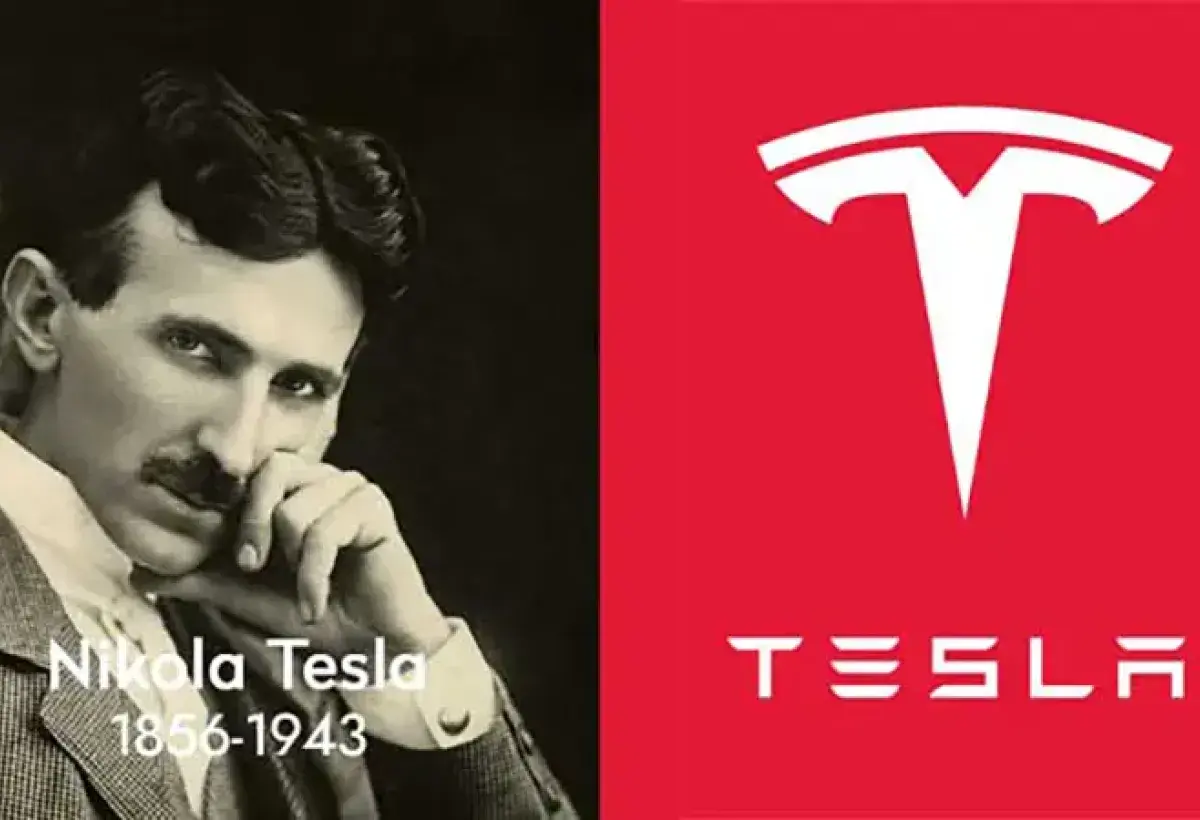
The name Tesla was chosen long before Elon Musk joined the company, and it reflects the original founders’ engineering mindset rather than a branding strategy driven by celebrity. Martin Eberhard and Marc Tarpenning selected the name to honor Nikola Tesla, the inventor whose work on alternating current and electric motors laid the foundation for modern electrical systems. This choice emphasized technology and innovation rather than personality.
At the time, naming a car company after an inventor associated with electricity was both symbolic and risky. Electric vehicles were not fashionable, and Nikola Tesla was far less known to the general public than Thomas Edison or Henry Ford. The founders believed the name represented technical excellence and a break from traditional automotive thinking. It also aligned with their focus on electric powertrains rather than internal combustion engines.
When Musk later became involved, the name was already legally registered and publicly associated with the company. There was no rebranding effort or renaming after his arrival. This detail is often overlooked because Musk’s later prominence led many to assume he shaped every aspect of Tesla’s identity. In reality, the company’s name, mission, and early philosophy were firmly in place.
The name Tesla also influenced how the company approached engineering challenges. Nikola Tesla’s work symbolized bold experimentation and unconventional thinking. That spirit was embedded into the company culture from the beginning, long before Tesla became a household name. Musk later embraced this identity, but he did not create it.
Image
4. Tesla’s first prototype was not Musk’s idea
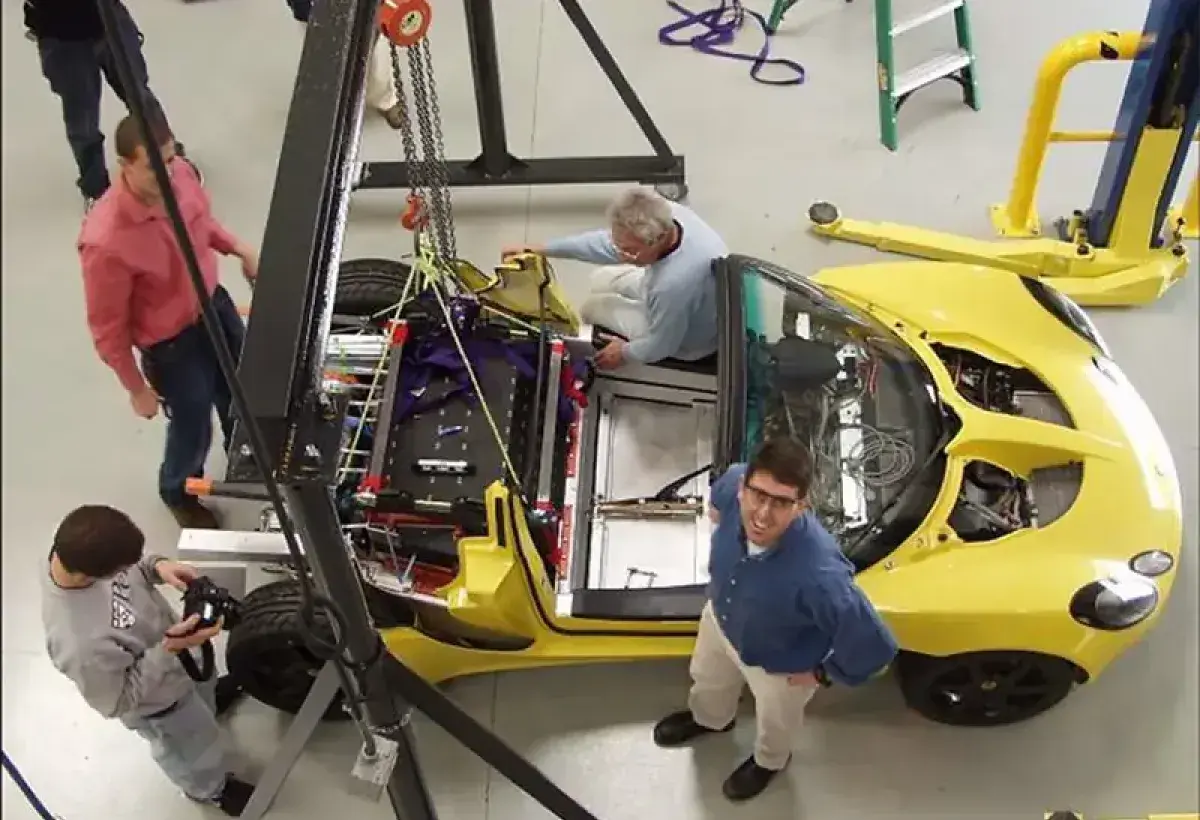
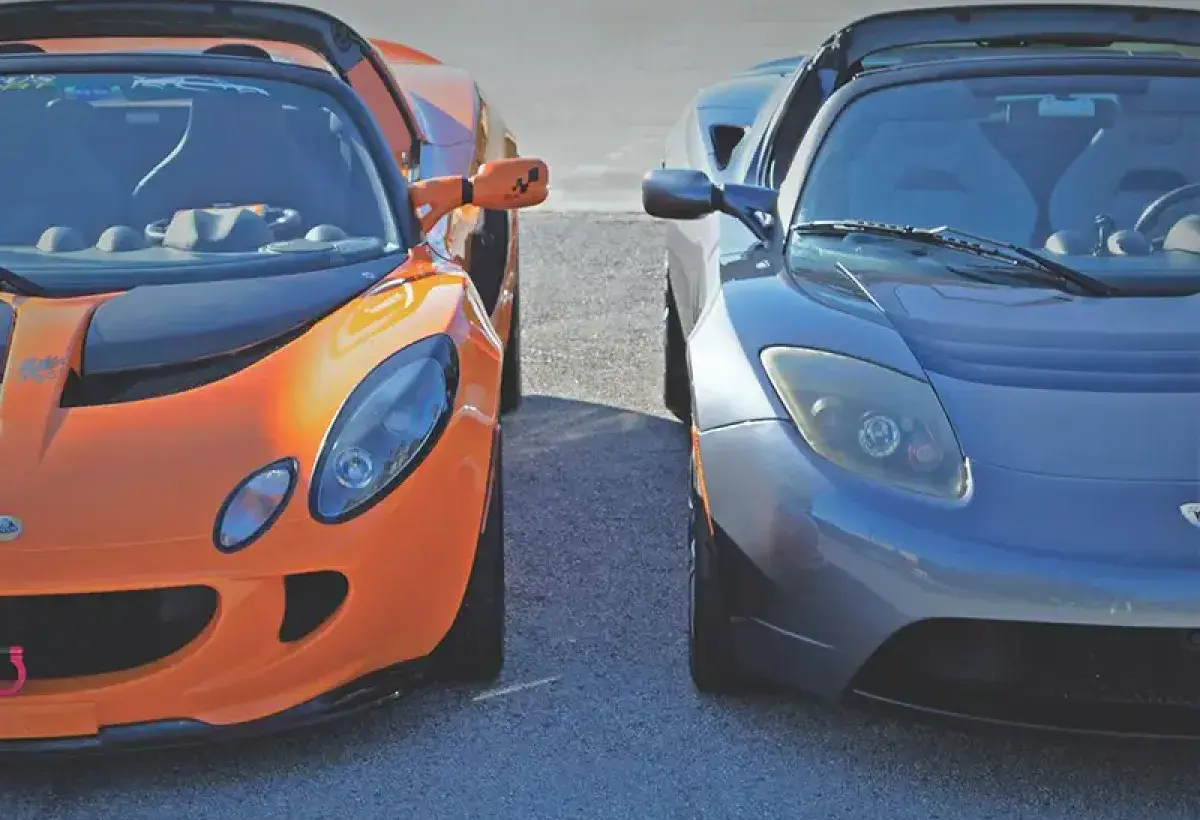
The Tesla Roadster, the company’s first vehicle, was already being planned before Elon Musk joined Tesla. The idea to build a high performance electric sports car based on the Lotus Elise chassis came from the original founders and early engineers. Their goal was to challenge the perception that electric cars were slow, unattractive, and impractical.
Using an existing chassis allowed Tesla to reduce development time and focus resources on the electric drivetrain. This decision was strategic rather than flashy. The Roadster’s design leveraged proven automotive components while introducing a custom electric powertrain and battery system. Early planning documents and engineering discussions predate Musk’s involvement, showing that the core concept was already established.
When Musk joined, he supported the Roadster project and pushed for higher performance standards. His influence helped refine the final product, but he did not originate the idea. This distinction is important because innovation is often misattributed to the most visible figure rather than the team that conceived the initial solution.
The Roadster ultimately became a proof of concept that electric vehicles could compete with gasoline powered sports cars. Its success validated the founders’ original vision and opened the door for future models. Musk later became closely associated with the Roadster, but the groundwork was laid by others who believed in the idea when electric cars were still widely dismissed.
Image
5. The original CEO was Martin Eberhard
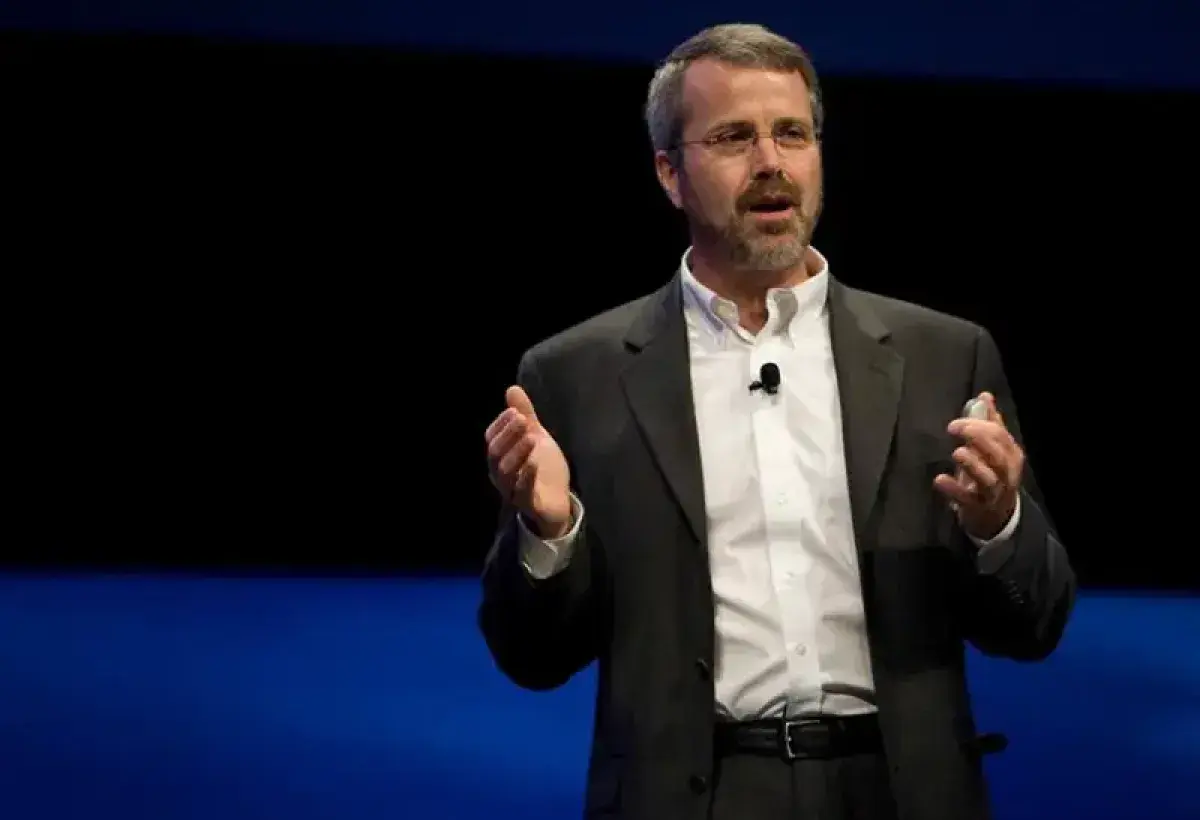
Martin Eberhard served as Tesla’s first chief executive officer from the company’s founding through its early development phase. As CEO, he was responsible for guiding Tesla’s initial strategy, securing partnerships, and overseeing product development. His leadership shaped Tesla’s early identity as a technology driven startup rather than a traditional automaker.
During Eberhard’s tenure, Tesla focused on turning a bold idea into a functional vehicle. This involved managing engineering teams, negotiating with suppliers, and navigating the challenges of building a car company from scratch. These were difficult years marked by technical setbacks and financial pressure. The company had limited resources and faced skepticism from the automotive industry.
Elon Musk did not become CEO until 2008, several years after Tesla was founded. Before that, other executives also held leadership roles, including Michael Marks. The transition in leadership came during a period of internal conflict and financial stress, not at the company’s inception.
Eberhard’s contributions are often minimized in popular accounts, yet his role was foundational. Without his early leadership, Tesla might never have progressed beyond a concept. While later executives would reshape the company’s trajectory, the initial phase required a different kind of leadership focused on survival and technical feasibility.
Image
6. A lawsuit forced Tesla to acknowledge its real founders
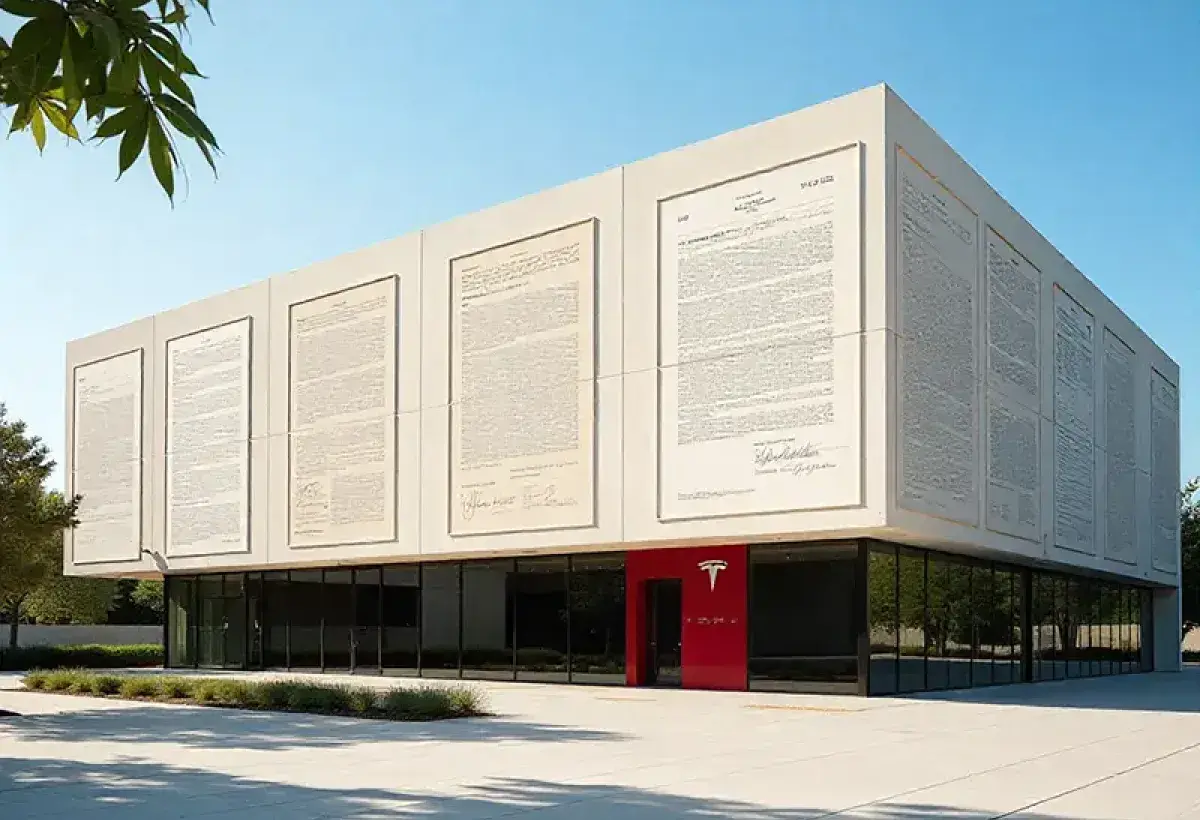
Tesla’s public narrative changed significantly after a legal dispute involving its early leadership. Following internal disagreements and leadership changes, Martin Eberhard filed a lawsuit related to how Tesla portrayed its founding story. This dispute highlighted tensions between early contributors and later leadership over recognition and credit.
The case was settled in 2009, resulting in an agreement that allowed five individuals to be listed as cofounders of Tesla. These included Martin Eberhard, Marc Tarpenning, Ian Wright, Elon Musk, and JB Straubel. While this settlement broadened the list of recognized founders, it did not change the chronological reality of who created the company.
The settlement was a compromise rather than a historical correction. It acknowledged the contributions of later figures while preserving legal peace. However, it also contributed to public confusion by blurring the difference between founding a company and joining it after incorporation.
Legal settlements often reshape corporate narratives, especially when branding and public perception are involved. In Tesla’s case, the outcome reinforced a simplified story that benefited the company’s image while sidelining uncomfortable details about its early conflicts. Understanding this context helps explain why misconceptions about Tesla’s origins persist.
Image
7. Tesla nearly went bankrupt before Musk took over
By 2008, Tesla was facing a severe financial crisis. Development costs had ballooned, production delays plagued the Roadster, and the global financial downturn made fundraising extremely difficult. The company was on the brink of collapse, with payroll and supplier payments at risk.
During this period, Elon Musk stepped in more aggressively. He invested additional personal funds and ultimately assumed the role of chief executive officer. This marked a turning point in Tesla’s history. Musk’s willingness to take control and inject capital helped keep the company alive during its most vulnerable moment.
This phase is often cited as evidence of Musk’s importance to Tesla, and rightly so. Saving a company from failure is a significant achievement. However, it does not retroactively make someone a founder. Tesla’s survival story is distinct from its creation story, and both deserve to be understood on their own terms.
The near bankruptcy experience shaped Tesla’s culture and leadership style moving forward. Risk tolerance increased, decision making became more centralized, and public messaging grew bolder. Musk emerged as the public face of the company during this crisis, which further cemented his association with Tesla in the public mind.
Image
8. Musk did not design Tesla’s technology from scratch
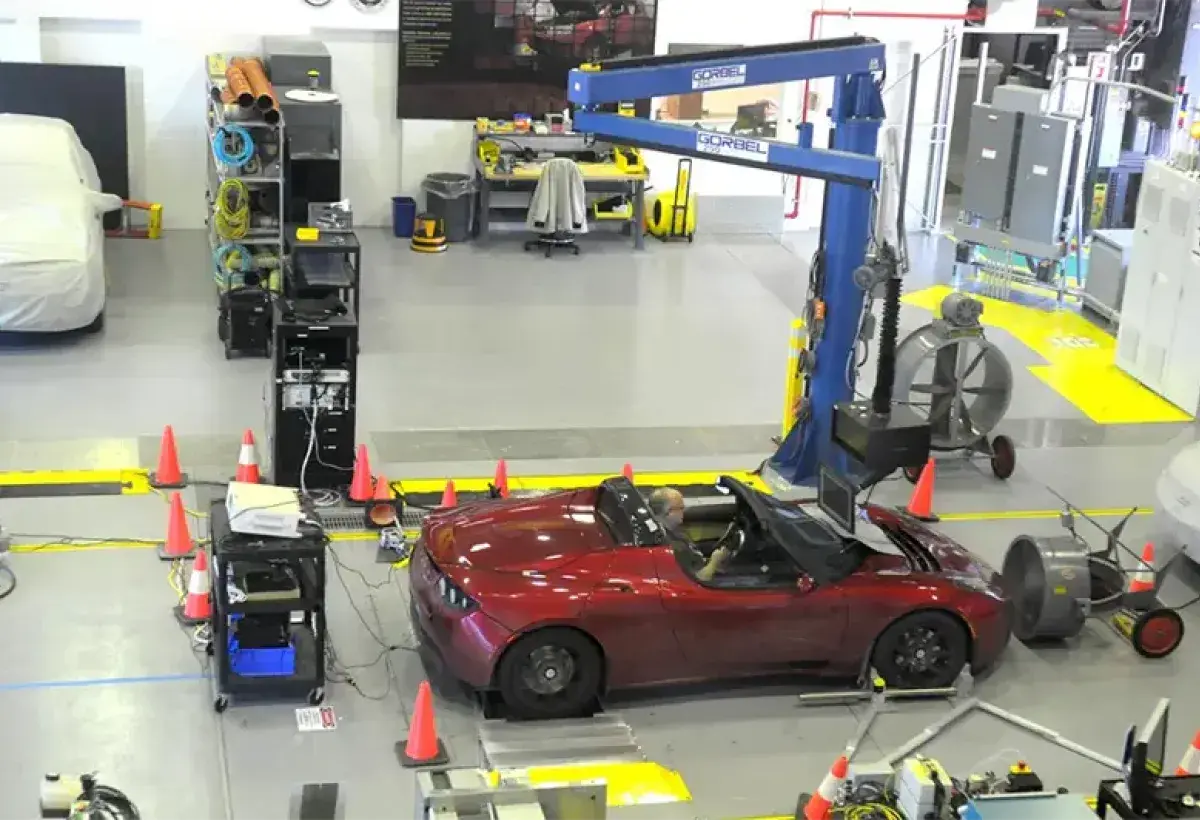
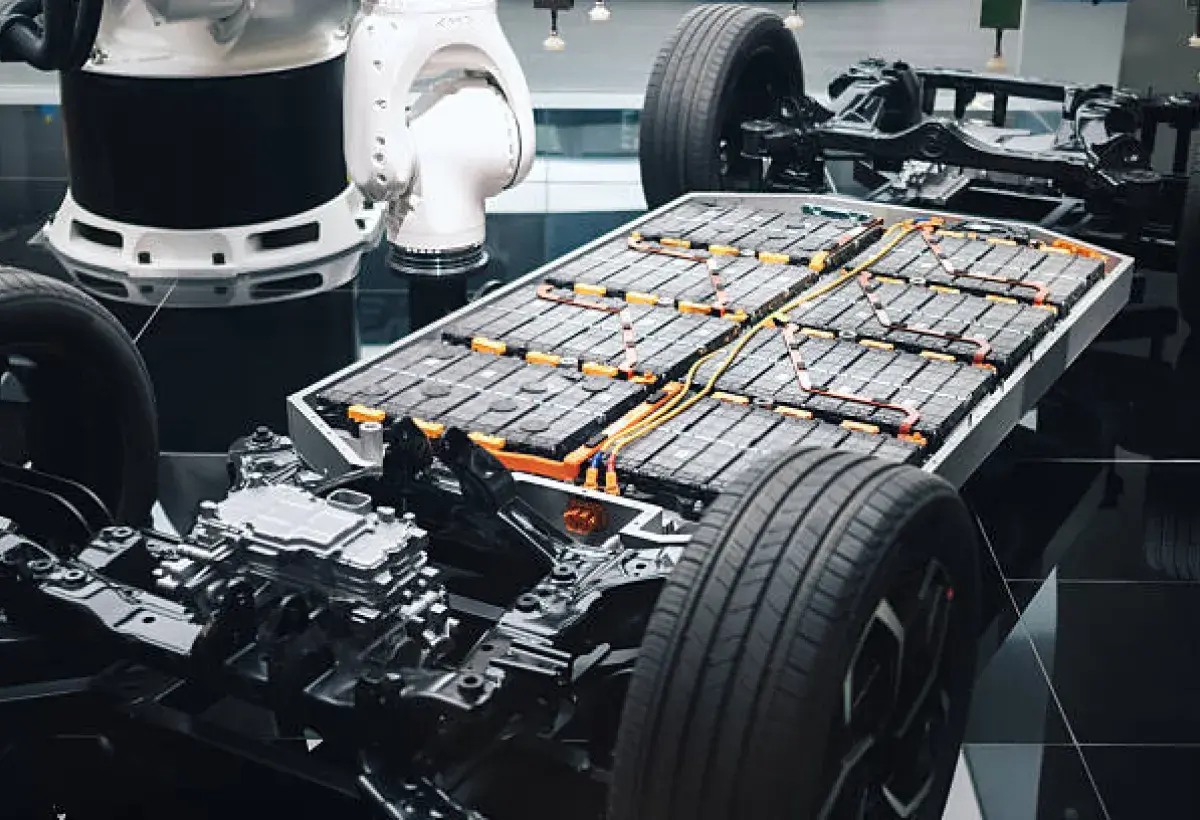
Tesla’s early technology was the result of collaboration among engineers, external partners, and licensed innovations. One of the most influential figures in this area was JB Straubel, who joined Tesla early and played a key role in battery systems and electric motor development. Straubel’s technical expertise shaped many of Tesla’s foundational designs.
In addition, Tesla licensed ideas and technology from companies like AC Propulsion, which had already developed electric drivetrain concepts. These technologies were adapted and improved rather than invented from nothing. This approach allowed Tesla to move faster while building on proven research.
Elon Musk contributed to product direction and performance goals, but he was not the primary designer of Tesla’s early technology. His strength lay in vision, risk taking, and pushing teams to aim higher. Engineering execution depended on specialists who worked behind the scenes.
The myth of a single individual designing Tesla’s technology obscures the reality of modern engineering. Complex systems like electric vehicles require teams of experts. Tesla’s success came from integrating existing knowledge with new ideas, not from reinventing every component.
Image
9. Musk’s role grew over time but it was not original
Elon Musk’s influence at Tesla expanded gradually rather than instantly. Initially an investor and chairman, he gained more control as the company faced repeated challenges. Over time, his vision for Tesla became more central to its identity, especially after he became CEO and product architect.
This evolution is often misunderstood as evidence that Musk was always in charge. In reality, his authority increased as circumstances changed. Board dynamics, financial pressure, and leadership turnover all contributed to his growing role. This process took years and involved significant conflict and restructuring.
Musk’s transformation of Tesla is undeniable. He pushed the company toward mass market vehicles, global expansion, and ambitious timelines. These contributions reshaped Tesla into what it is today. However, they occurred long after the company was founded and operational.
Recognizing this timeline allows for a more accurate appreciation of Tesla’s history. Creation, survival, and transformation are different phases. Musk dominated the latter two, but the first belonged to others who rarely receive equal recognition.
Image
10. Most people believe the Musk myth
The idea that Elon Musk created Tesla persists because it aligns with modern storytelling preferences. Media narratives favor clear heroes, simple origins, and recognizable faces. Musk’s charisma, public presence, and later success made him an ideal focal point for Tesla’s story.
Over time, repetition turned assumption into belief. Articles, interviews, and social media posts reinforced the simplified version until it became accepted as fact. Few people question it because the alternative requires a more nuanced understanding of corporate history.
The truth does not diminish Musk’s impact. He backed Tesla, scaled it, and helped save it at a critical moment. These achievements are substantial on their own. However, they are different from founding a company and deserve to be understood accurately.
By separating myth from fact, Tesla’s story becomes more interesting rather than less. It highlights the importance of teamwork, timing, and persistence. It also honors the contributions of those who were there at the beginning, working quietly before success seemed inevitable.
Image
Tesla’s creation story is not a tale of a single genius striking gold but a layered history shaped by multiple minds, shifting leadership, and relentless experimentation. When the spotlight focuses too narrowly on one individual, it distorts how innovation truly happens. Tesla was born from the ideas of Martin Eberhard and Marc Tarpenning, nurtured by engineers and early believers, and later transformed by bold leadership during moments of crisis. Each phase mattered, and none existed in isolation.
Understanding these distinctions provides a clearer view of entrepreneurship itself. Companies rarely emerge fully formed or perfectly led from day one. They evolve through trial, conflict, and collaboration. Tesla’s early years were messy, uncertain, and deeply human. Those qualities are often edited out of simplified narratives, yet they are the very elements that make the story instructive.
Elon Musk’s role in Tesla is significant and lasting. He helped guide the company through its darkest financial moments and pushed it toward unprecedented scale and ambition. Without his involvement, Tesla might not exist today in its current form. At the same time, without the groundwork laid by its original founders, there would have been nothing for Musk to invest in or lead.
Separating myth from reality does not weaken Tesla’s legacy. It strengthens it. It shows that revolutionary companies are built by teams willing to take risks long before recognition arrives. It reminds us that credit should be shared where it is due. Most importantly, it encourages a more honest understanding of how progress is made, not through legends, but through people working together across time.