

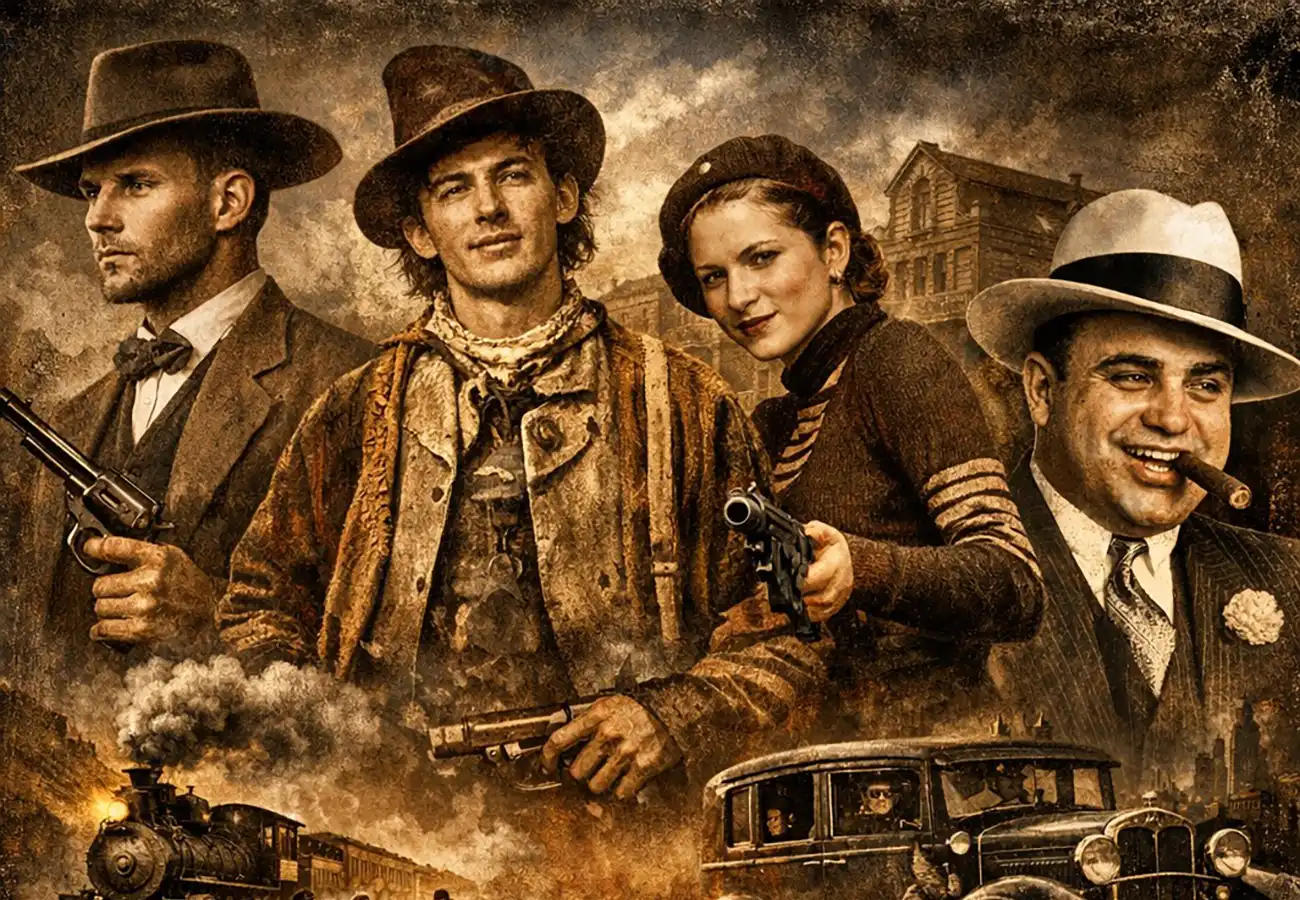
Outlaws have fascinated the world for centuries. Across cultures and time periods, stories of criminals who lived beyond the reach of the law have captured the imagination of writers, historians, filmmakers, and ordinary readers alike. These figures often existed in a gray space between villain and legend. Some were ruthless criminals responsible for violence and chaos, while others became symbols of rebellion against injustice, authority, or harsh social conditions. Over time their stories grew larger than life, blending fact with folklore until the truth became difficult to separate from myth.
The appeal of outlaws is deeply rooted in human curiosity about freedom, risk, and defiance. Many of these individuals operated in eras when law enforcement was limited, territories were expanding, and political or social systems were in flux. In those environments a daring criminal could become a folk hero or an infamous villain depending on who told the story. Newspapers, dime novels, and later radio and film helped turn real criminals into legendary characters whose reputations traveled far beyond the places where they actually lived.
The American frontier produced some of the most famous outlaws in history, but the phenomenon was not limited to the United States. Australia, India, Mexico, and other regions have their own legendary rebels and bandits whose lives became part of national folklore. Some robbed banks or trains. Others led gangs that terrorized entire regions. A few even transitioned from criminal lives into political or cultural icons. Their motivations ranged from greed and survival to revenge and rebellion against oppression.
What makes these figures particularly fascinating is how their stories evolved long after their deaths. Films, books, and popular culture often romanticized them, portraying them as daring antiheroes rather than criminals. In reality many of them caused fear and suffering for ordinary people. Yet the legends endured because they embodied something dramatic and unforgettable about their time periods.
From the dusty towns of the American Wild West to the rugged landscapes of Australia and the villages of rural India, these outlaws left behind stories that still echo through history. Some died in violent confrontations with authorities. Others vanished into mystery. A few even managed to reinvent themselves in unexpected ways.
1. Jesse James (United States)
Image
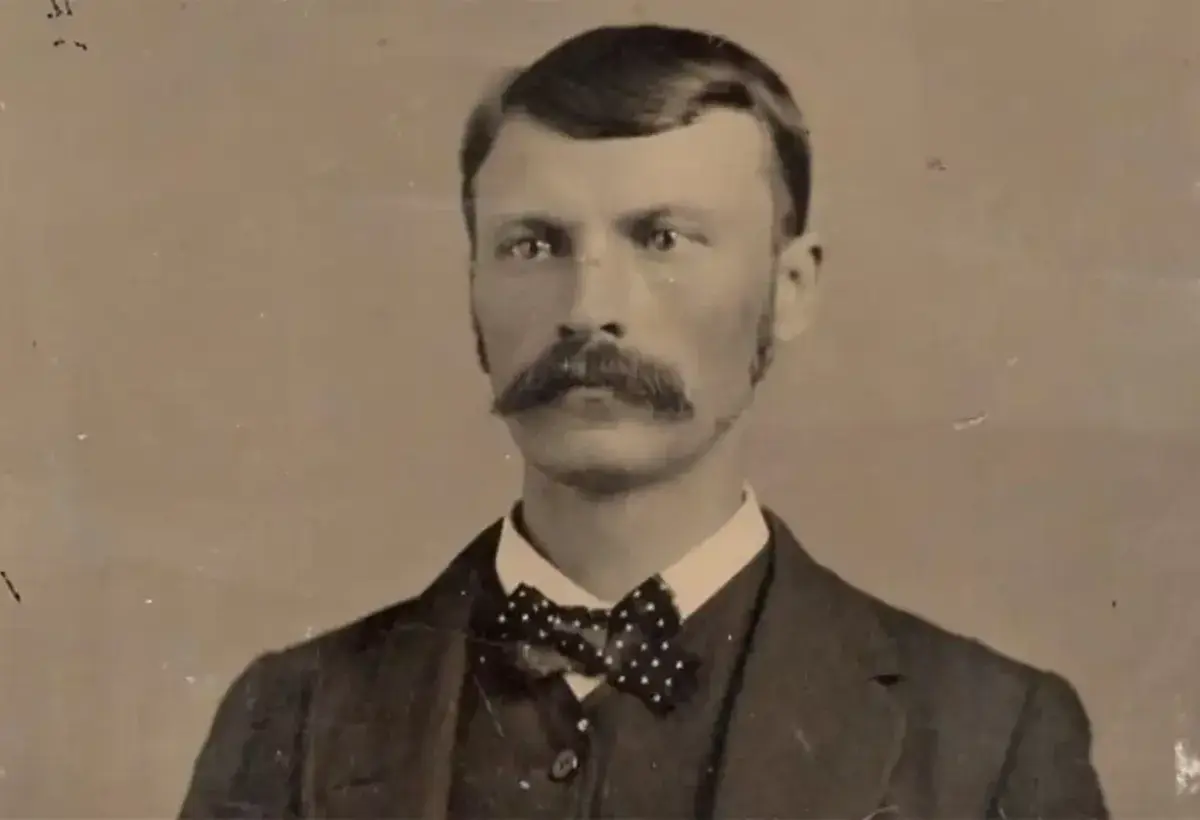
Jesse James remains one of the most famous outlaws in American history. Born in Missouri in 1847, he grew up during a turbulent time when the United States was divided by the Civil War. As a teenager he joined a group of Confederate guerrilla fighters who operated in Missouri and Kansas. These guerrillas used ambush tactics and brutal raids, experiences that shaped James and influenced the path he would take after the war ended.
When the Civil War concluded in 1865, many former guerrilla fighters struggled to return to normal life. Jesse James and his brother Frank instead turned to crime. Along with several associates they formed the James Younger Gang. The group quickly gained notoriety for robbing banks, stagecoaches, and later trains across the Midwest. Their robberies were bold and often carefully planned, making them difficult for authorities to capture.
Newspapers of the time played a major role in building the legend of Jesse James. Some editors sympathetic to former Confederate fighters portrayed him as a heroic figure who resisted Northern authority and corporate power. These stories painted him as a kind of American Robin Hood, although historical evidence shows he rarely gave anything back to ordinary people. In reality many innocent bystanders were harmed or killed during the gang’s robberies.
One of the most famous incidents in James’s career occurred in 1876 during a failed bank robbery in Northfield, Minnesota. The gang encountered unexpected resistance from armed citizens and the robbery collapsed in chaos. Several members of the gang were killed or captured, leaving Jesse and Frank James among the few survivors. The event marked a turning point that weakened the gang’s operations.
For the next several years Jesse James continued committing robberies with new partners while living under assumed identities. Despite a growing network of law enforcement officers and private detectives searching for him, he managed to evade capture for a long time.
His life ended suddenly in 1882. While living in Missouri under the name Thomas Howard, he was betrayed by one of his own gang members. Robert Ford shot Jesse James in the back of the head while James stood on a chair adjusting a picture on the wall of his home. The killing instantly became one of the most infamous betrayals in American outlaw history.
Even after his death Jesse James remained a powerful cultural figure. Books, films, and songs turned his life into legend. Today he represents both the violent reality of frontier crime and the enduring fascination with outlaws who challenge authority.
2. Billy the Kid (United States)
Image
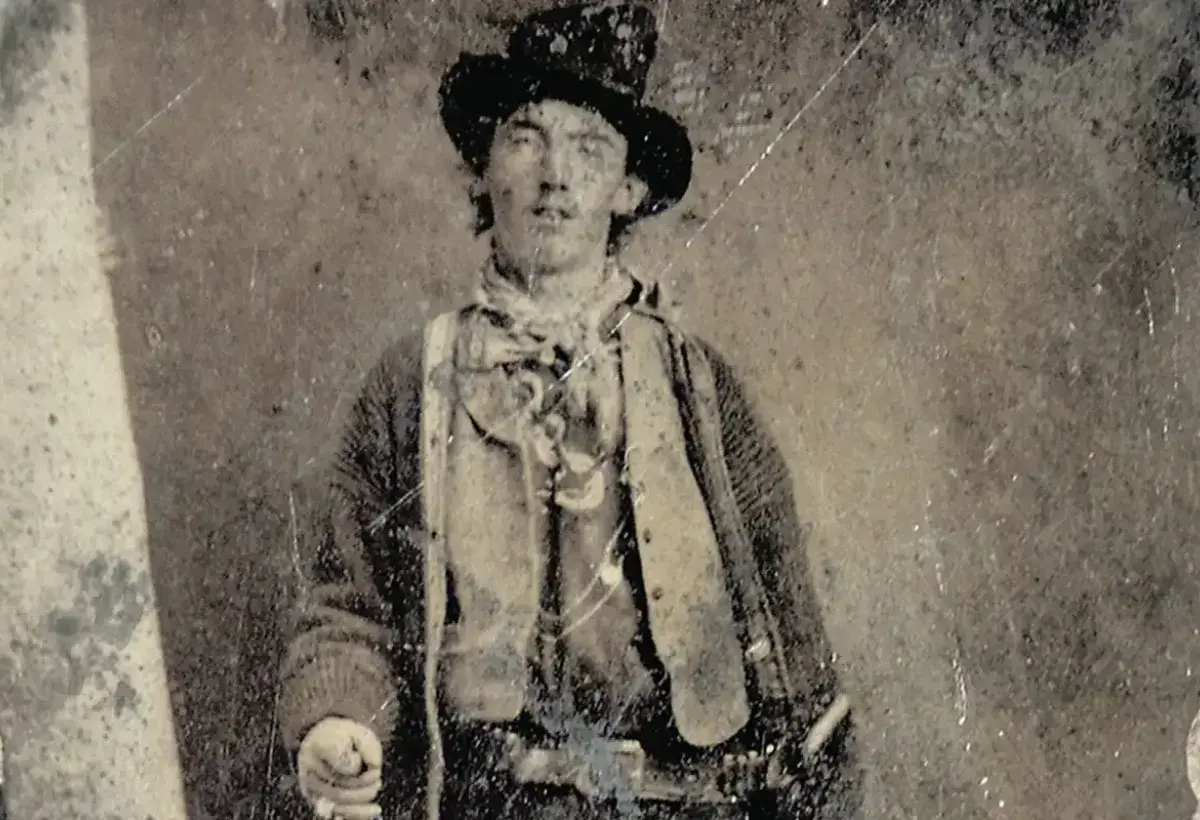
Billy the Kid is one of the most romanticized gunslingers of the American frontier. Born Henry McCarty around 1859, he lived a short but dramatic life that helped shape the mythology of the Wild West. His early years were marked by poverty and constant movement across the American Southwest. After the death of his mother he drifted into a life of petty crime and survival in frontier towns where law enforcement was often weak.
The nickname Billy the Kid followed him throughout his brief career as an outlaw. Despite his youthful appearance he developed a reputation as a skilled gunfighter and a daring escape artist. Stories claimed that he killed twenty one men by the age of twenty one, although historians debate the accuracy of that number. What is certain is that Billy became deeply involved in violent conflicts during the Lincoln County War in New Mexico.
The Lincoln County War was a struggle between rival business factions competing for economic control of the region. Billy aligned himself with one group known as the Regulators. The conflict quickly escalated into gun battles, assassinations, and widespread lawlessness. During this time Billy the Kid gained both allies and enemies as he participated in several violent encounters.
Following the end of the conflict Billy continued to live outside the law. Authorities across the territory sought to capture him, but his ability to slip away from danger made him famous. His most legendary escape occurred after he was captured and sentenced to hang in 1881. While being guarded in a courthouse he managed to seize a weapon, kill two deputies, and flee the building. The daring escape spread his legend throughout the West.
The pursuit of Billy the Kid eventually fell to Sheriff Pat Garrett. Garrett had once known Billy personally, which added an element of personal drama to the chase. After months of searching, Garrett finally tracked him to Fort Sumner in New Mexico.
On a July night in 1881 Garrett confronted Billy in a darkened room and fired a fatal shot. Billy the Kid died at approximately twenty one years old, leaving behind a legend that far outlived his brief life.
In the decades that followed, novels and films transformed Billy the Kid into a symbol of youthful rebellion. While historians continue to debate the details of his life, his story remains one of the most enduring legends of the American frontier.
3. Bonnie and Clyde (United States)
Image
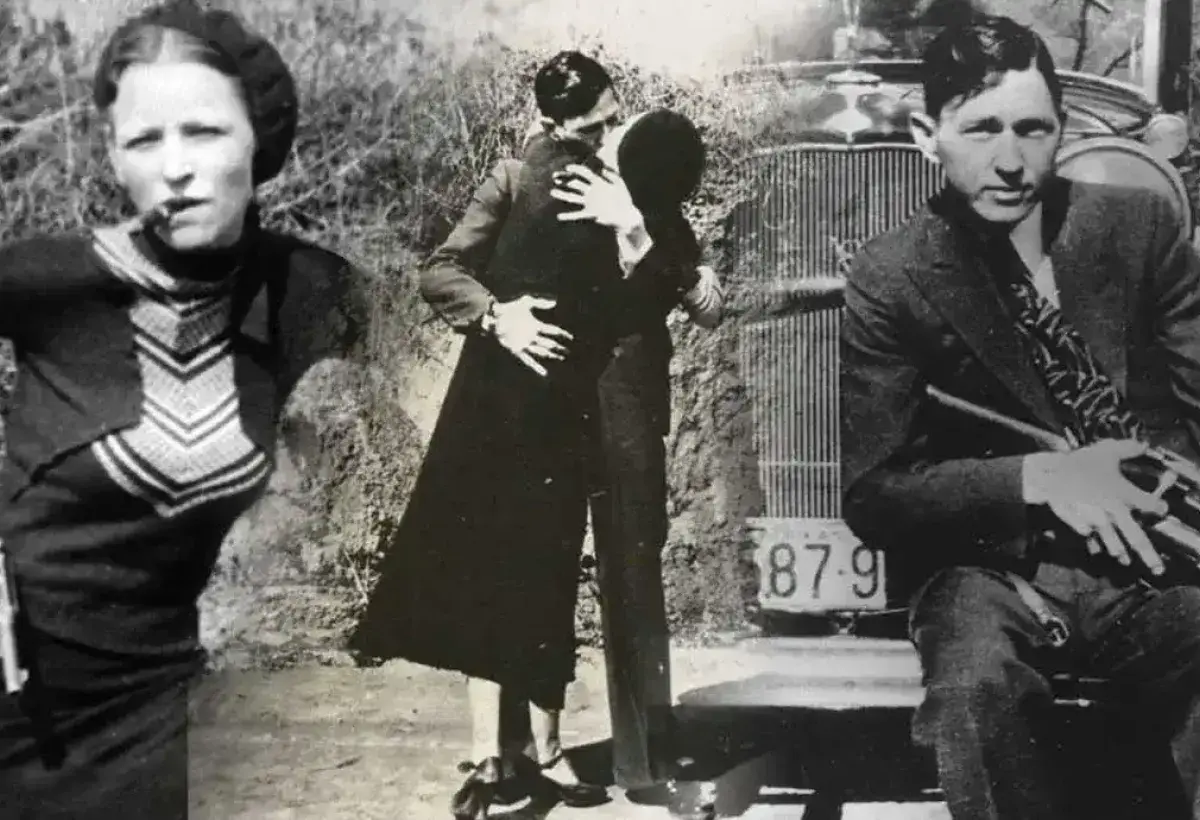
Bonnie Parker and Clyde Barrow became one of the most infamous criminal couples in American history. Their story unfolded during the Great Depression, a time when economic hardship shaped the lives of millions of people. Against this backdrop the pair carried out a series of robberies and violent crimes that captured national attention.
Clyde Barrow grew up in poverty in Texas and had already been involved in criminal activity before meeting Bonnie Parker. Bonnie was a young woman with literary ambitions who found herself drawn to Clyde’s rebellious lifestyle. Their relationship quickly became intense, and Bonnie chose to follow Clyde even as he continued committing crimes.
Beginning in 1932 the couple embarked on a multistate crime spree across the central United States. Along with a small group of accomplices they robbed banks, gas stations, and small stores. Their crimes often involved stolen cars and rapid escapes across state lines, which made them difficult for local authorities to capture.
Newspapers played a significant role in building the myth of Bonnie and Clyde. Dramatic headlines and photographs helped turn them into notorious celebrities. One famous image showed Bonnie holding a pistol and smoking a cigar while posing beside Clyde. The photograph fueled public fascination with their rebellious image.
Despite the romantic aura that surrounded them, the reality of their crimes was violent and tragic. Several police officers and civilians lost their lives during confrontations with the gang. As their crimes escalated, law enforcement agencies across multiple states coordinated efforts to stop them.
The chase finally ended in May 1934. Acting on a tip about their location, a group of law enforcement officers set up an ambush along a rural road in Louisiana. When Bonnie and Clyde arrived in their stolen car the officers opened fire, unleashing a barrage of bullets that instantly killed both of them.
The dramatic end of their lives only intensified the legend. Films, books, and songs later portrayed them as tragic lovers defying the system. While the romantic narrative persists, historians continue to emphasize the destructive consequences of their crimes.
4. Al Capone (United States)
Image
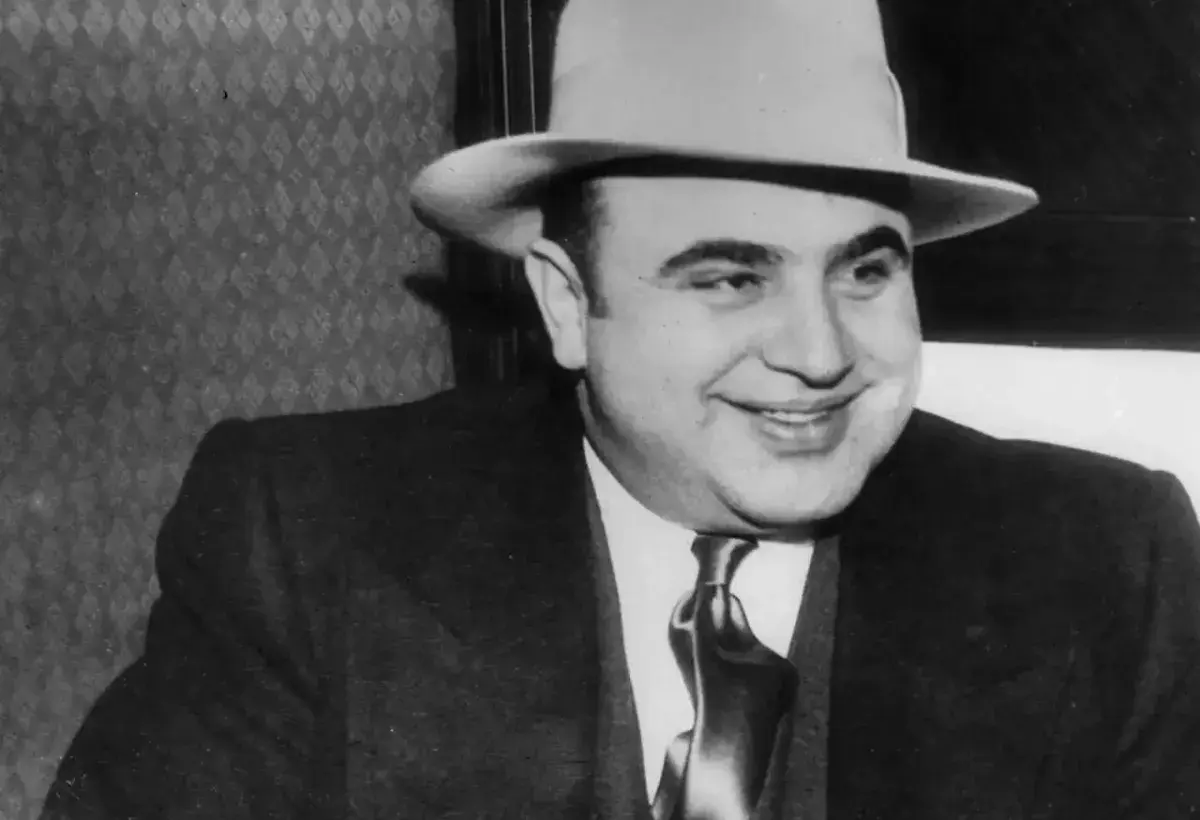
Al Capone stands as one of the most powerful crime figures in American history. Unlike many outlaws who operated on the frontier, Capone built his empire in the heart of a major city. During the Prohibition era of the 1920s the United States banned the production and sale of alcohol. This law created a massive underground market that organized crime groups rushed to control.
Born in Brooklyn in 1899 to Italian immigrant parents, Capone became involved in street gangs at a young age. His criminal career accelerated when he moved to Chicago and joined the organization run by Johnny Torrio. When Torrio retired, Capone rose to become the dominant crime boss in the city.
Capone’s organization controlled bootlegging operations that supplied illegal alcohol to thousands of customers. Speakeasies across Chicago relied on his network to stay stocked with liquor. In addition to alcohol smuggling, Capone’s empire included gambling operations, prostitution rings, and protection rackets that generated enormous profits.
His power was maintained through intimidation and violence. Rival gangs frequently clashed with Capone’s organization in brutal confrontations. The most infamous event linked to Capone’s reign was the Saint Valentine’s Day Massacre in 1929. In that incident seven members of a rival gang were executed by men disguised as police officers. Although Capone denied direct involvement, the massacre cemented his reputation as a ruthless crime boss.
Despite his notoriety Capone initially managed to avoid serious legal consequences. Witnesses were often too frightened to testify against him, and corruption within local institutions made prosecution difficult. For years authorities searched for a way to bring him to justice.
Ultimately Capone was not convicted for violent crimes. Instead federal investigators focused on his finances. By carefully documenting his income and expenses they proved that he had failed to pay taxes on his illegal earnings. In 1931 Capone was convicted of tax evasion and sentenced to prison.
He eventually served time in Alcatraz, where declining health weakened him significantly. After his release he lived quietly in Florida until his death in 1947. Even today Al Capone remains a symbol of organized crime during the Prohibition era.
5. Ned Kelly (Australia)
Image
Ned Kelly is one of the most famous historical figures in Australia and remains a controversial symbol of rebellion. Born in 1854 to Irish immigrant parents in the British colony of Victoria, Kelly grew up in a rural environment marked by tension between poor settlers and colonial authorities. His family had frequent encounters with police, which shaped his distrust of law enforcement from an early age.
As a young man Kelly became involved in several disputes with the authorities. Conflicts between the Kelly family and local police escalated over time, eventually leading Ned and his brother Dan to flee into the bush. There they formed a small group of outlaws that became known as the Kelly Gang.
The gang carried out bank robberies and raids on rural towns while evading large police search parties. During this period Kelly also wrote a lengthy document explaining his grievances against the colonial government and police forces. Known as the Jerilderie Letter, the document presented Kelly as a rebel fighting against injustice.
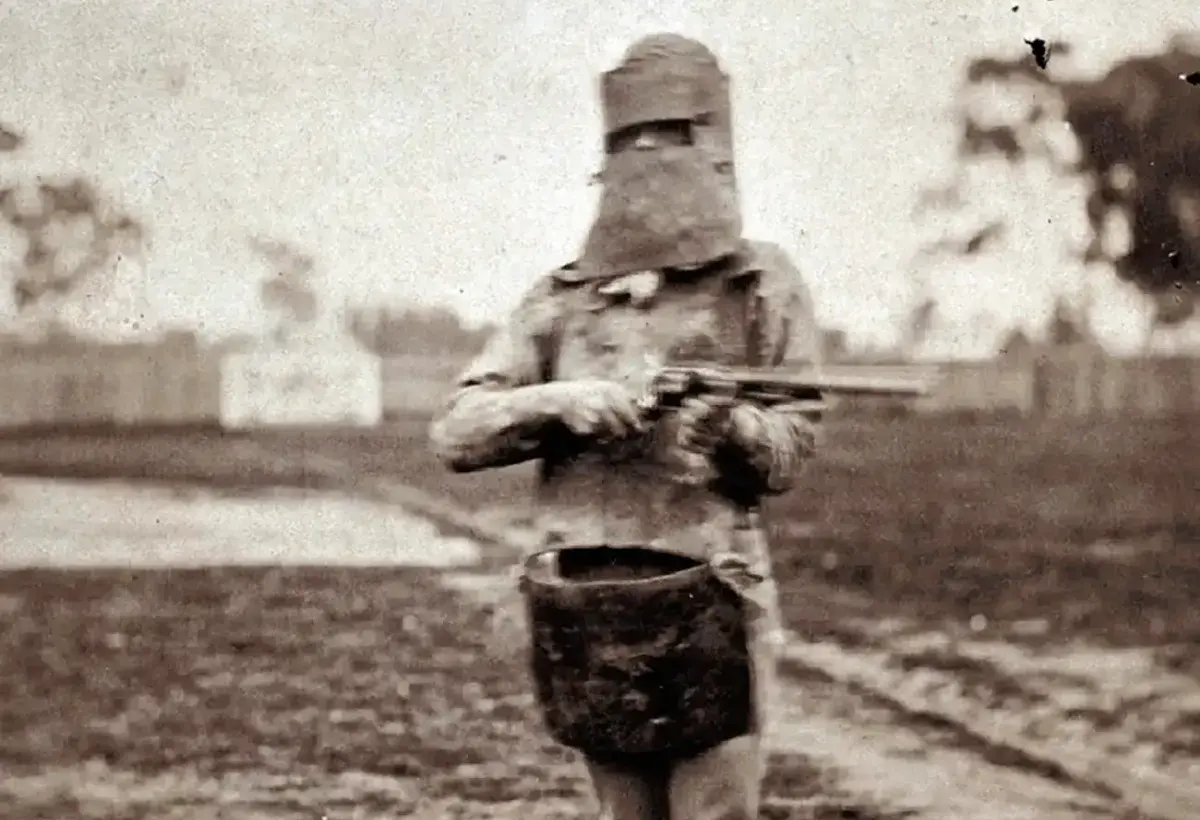
What truly cemented his legend was the gang’s use of homemade armor during their final confrontation with police. The armor consisted of heavy metal plates that covered the chest, back, and head. It was designed to deflect bullets during gun battles.
In 1880 police surrounded the gang at a small settlement called Glenrowan. Wearing their improvised armor, the gang members confronted officers in a dramatic shootout. The armor did protect parts of their bodies, but it also limited their movement and visibility. During the battle Ned Kelly was eventually wounded in the legs and captured.
He was taken to Melbourne where he stood trial for murder and other crimes. Despite public debate about his actions and motives, he was found guilty and sentenced to death. In November 1880 Ned Kelly was executed by hanging at the age of twenty five.
Over time Kelly became a powerful cultural symbol in Australia. Some view him as a violent criminal, while others see him as a folk hero who resisted colonial injustice. His story continues to inspire books, films, and historical debates throughout Australia.
6. Butch Cassidy and the Sundance Kid (United States and South America)
Image
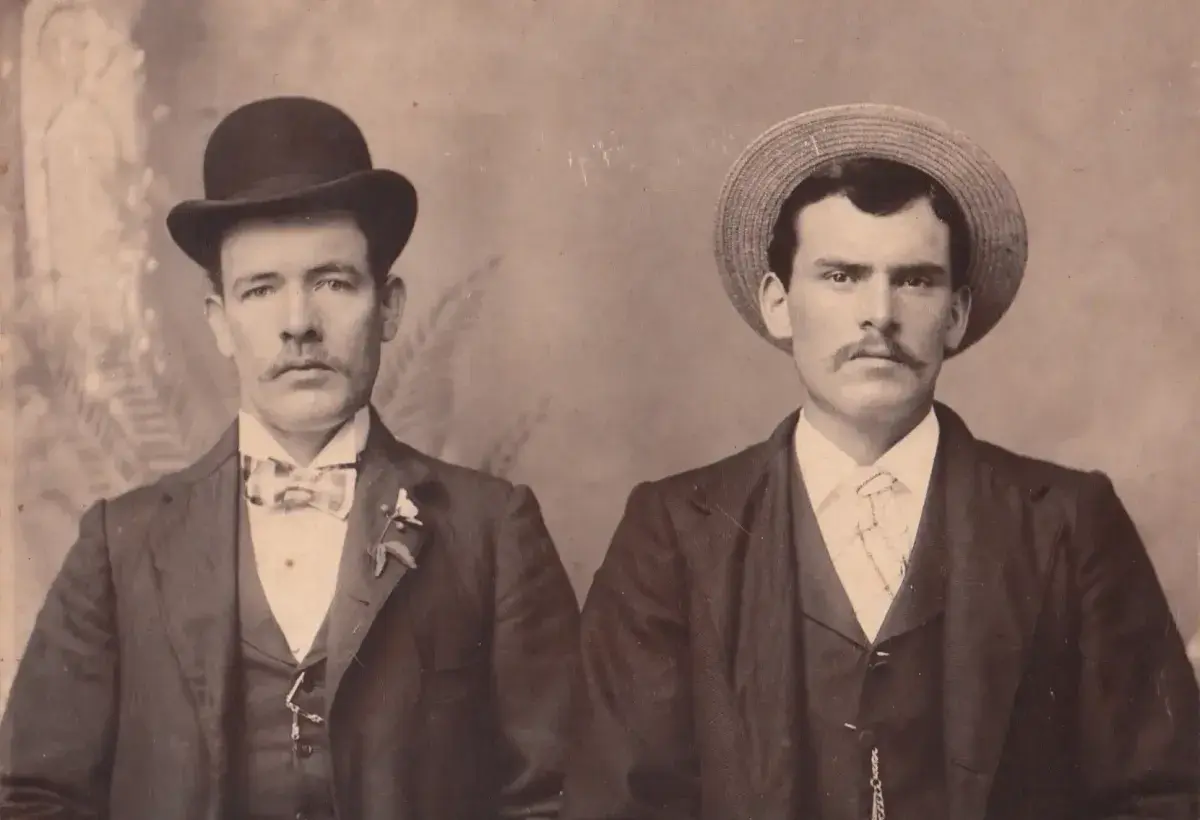
Butch Cassidy and the Sundance Kid were leaders of a notorious outlaw group known as the Wild Bunch. Their real names were Robert LeRoy Parker and Harry Longabaugh. Together they became famous for orchestrating daring train and bank robberies across the American West during the late nineteenth century.
Butch Cassidy was known as the strategic mind of the group. He preferred careful planning and often attempted to avoid unnecessary violence during robberies. The Sundance Kid, on the other hand, had a reputation as a skilled gunfighter whose quick draw made him a dangerous opponent.
The Wild Bunch carried out a series of successful robberies that attracted national attention. Their targets included banks, payroll offices, and railway companies transporting large sums of money. The gang’s ability to strike quickly and disappear into remote territories made them difficult to capture.
As pressure from law enforcement increased, Cassidy and Sundance eventually fled the United States. They traveled to South America along with Sundance’s partner Etta Place. In Argentina they attempted to establish a quieter life by purchasing land and operating a ranch.
However their past eventually caught up with them. After several years they were suspected of returning to criminal activity in Bolivia. In 1908 Bolivian soldiers confronted two American bandits believed to be Cassidy and Sundance following a robbery.
According to reports from the time, the pair were surrounded in a small building and engaged in a final gunfight with authorities. When the shooting ended both men were dead. Some historians believe that one may have shot the other before taking his own life to avoid capture.
Despite these reports, the exact details of their deaths remain uncertain. Over the years numerous theories have suggested that one or both men survived and returned secretly to the United States. These mysteries helped keep their legend alive in popular culture.
7. Phoolan Devi – The Bandit Queen (India)
Image
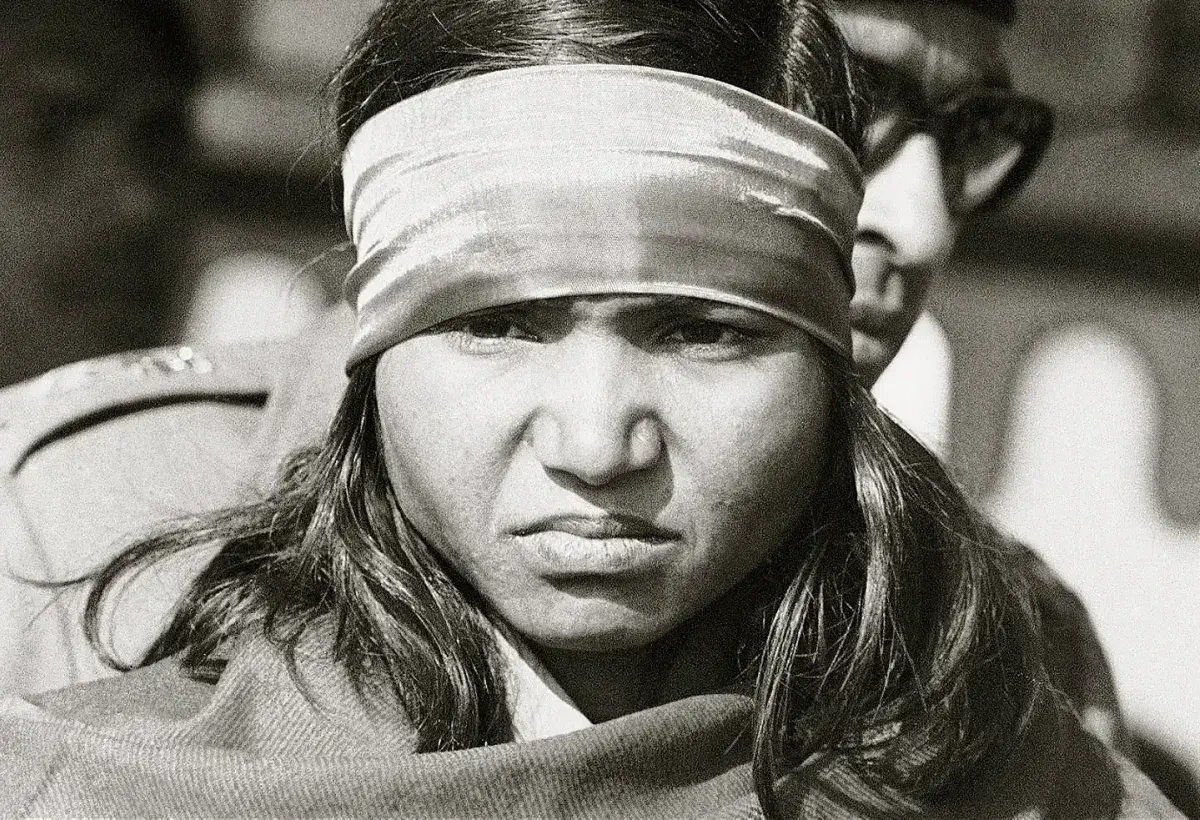
Phoolan Devi’s life story is one of the most complex and controversial in modern outlaw history. Born into a poor family in rural India in 1963, she experienced severe hardship from an early age. Social discrimination, poverty, and abuse shaped the circumstances that eventually pushed her toward a life of banditry.
As a young girl she was forced into marriage with a much older man and endured physical abuse. After escaping that situation she faced continued violence and exploitation within her community. Eventually she was kidnapped by a gang of bandits operating in the ravines of northern India.
Within that world she developed survival skills and gradually rose in status among the group. Over time Phoolan Devi became associated with a series of robberies and violent acts carried out by bandit gangs in the region. Her reputation grew rapidly, and newspapers began calling her the Bandit Queen.
The most infamous event connected to her name occurred in 1981 in the village of Behmai. In what was described as an act of revenge against men accused of abusing her, members of her gang killed several villagers. The incident shocked the nation and intensified efforts by authorities to capture her.
After years of pursuit Phoolan Devi eventually surrendered to police in 1983. The terms of her surrender included assurances that she would not face the death penalty. She spent more than a decade in prison awaiting trial.
In a dramatic turn of events she was released in the 1990s after charges against her were withdrawn. Phoolan Devi later entered politics and was elected to the Indian Parliament as a representative advocating for marginalized communities.
Her life ended tragically in 2001 when she was assassinated outside her home in New Delhi. To this day opinions about Phoolan Devi remain sharply divided. Some see her as a criminal responsible for violence, while others view her as a symbol of resistance against oppression.
8. Joaquin Murrieta (Mexico and California)
Image
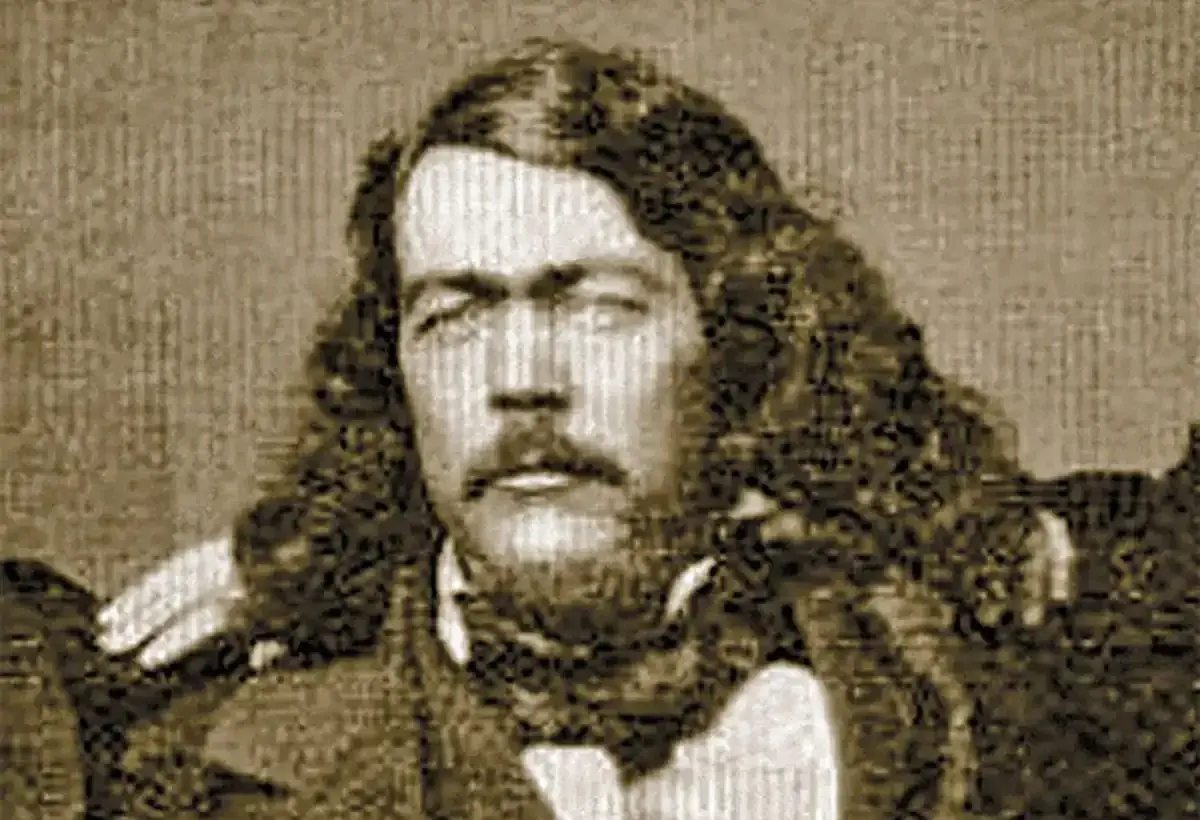
Joaquin Murrieta is a legendary figure associated with the California Gold Rush of the 1850s. According to historical accounts he was a Mexican immigrant who arrived in California hoping to find opportunity in the gold fields. Instead he encountered discrimination and hostility during a period when tensions between American settlers and Mexican miners were extremely high.
Stories about Murrieta claim that he suffered brutal treatment at the hands of vigilantes who resented the presence of foreign miners. Some accounts say that his family was attacked and that he was publicly humiliated. These experiences supposedly drove him to seek revenge against those he believed had wronged him.
Murrieta soon became associated with a band of outlaws accused of robbing stagecoaches, stealing horses, and attacking settlements across California. Authorities blamed him for numerous crimes and placed a bounty on his capture. The legend portrayed him as a fearless bandit who moved swiftly through the countryside while eluding capture.
Among Mexican communities Murrieta developed a different reputation. Many saw him as a defender of their rights during a time of intense discrimination. This reputation earned him the nickname Mexican Robin Hood in later folklore.
The pursuit of Murrieta eventually ended in 1853 when California Rangers confronted a group of suspected bandits. According to official reports Murrieta was killed during the encounter. To prove the claim, authorities reportedly preserved the severed head of the outlaw as evidence.
However, uncertainty surrounded the identification of the body. Over time rumors spread that Murrieta had escaped and lived elsewhere under a new identity. These mysteries fueled the growth of his legend throughout California and Mexico.
Writers and storytellers later transformed Murrieta into a heroic character representing resistance against injustice. His legend even influenced fictional characters such as Zorro. Whether seen as a criminal or a symbol of rebellion, Joaquin Murrieta remains one of the most enduring figures of the Gold Rush era.
9. John Dillinger (United States)
Image
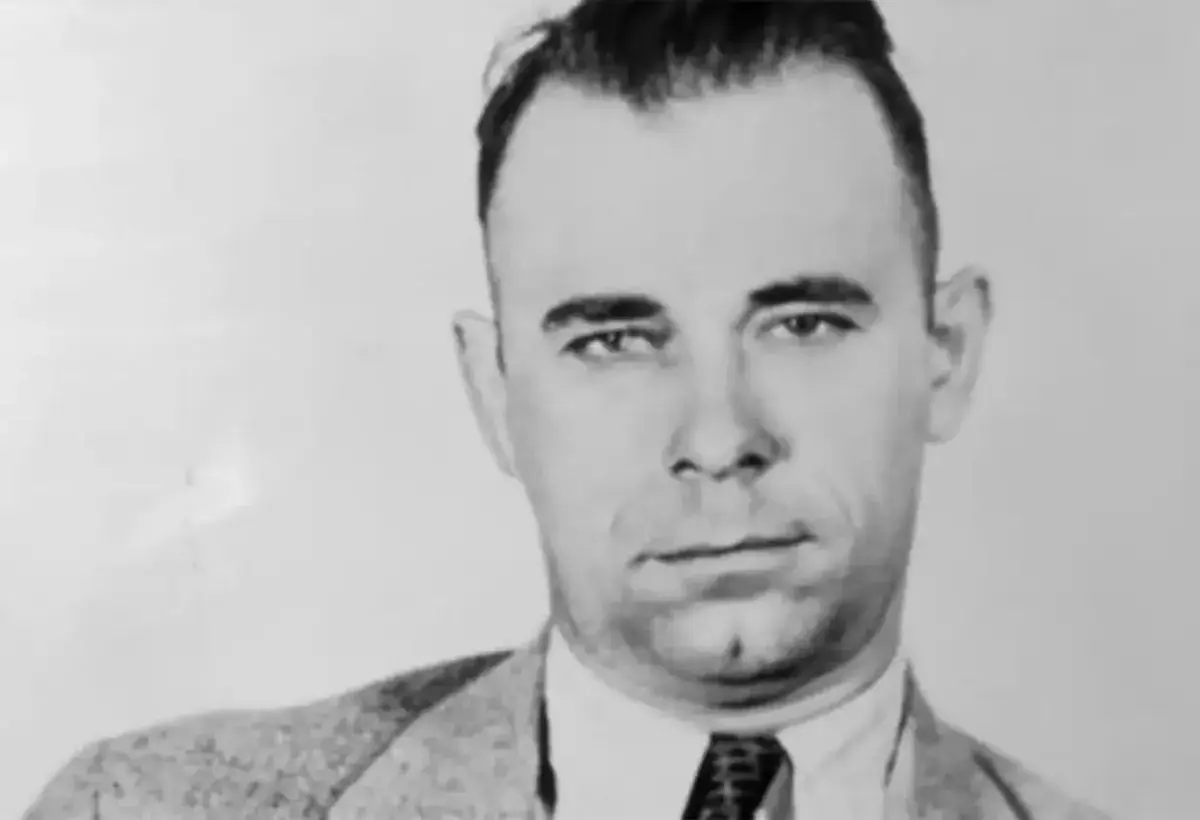
John Dillinger became America’s most famous bank robber during the early years of the Great Depression. Born in Indiana in 1903, he struggled with discipline and authority from a young age. After committing a robbery in his early twenties he was sentenced to prison, where he spent nearly a decade.
During his time behind bars Dillinger met experienced criminals who helped shape his future. When he was released in 1933 he quickly assembled a gang of associates and began planning bank robberies across the Midwest. The economic desperation of the era created an atmosphere in which bank robbers sometimes gained public sympathy.
Dillinger’s robberies were marked by speed, planning, and boldness. His gang frequently used powerful weapons and stolen cars to escape authorities. Several banks were robbed in rapid succession, and Dillinger soon became a national figure.
His ability to escape from custody added to his legend. In one famous incident he carved a fake gun from wood and used it to intimidate guards during a jailbreak. The daring escape embarrassed law enforcement agencies and intensified efforts to capture him.
As Dillinger’s crimes escalated the federal government became involved in the search. The Bureau of Investigation, which later became the FBI, placed him at the top of its most wanted list.
The chase ended in July 1934 outside the Biograph Theater in Chicago. Acting on a tip from an informant, federal agents waited outside the theater where Dillinger was watching a film. When he emerged, agents attempted to arrest him. Dillinger tried to flee down an alley but was shot and killed by officers.
His dramatic life and violent end made him a central figure in American crime history. Movies and books continue to portray Dillinger as one of the most daring criminals of the Depression era.
10. Belle Starr – The Bandit Queen of the West (United States)
Image
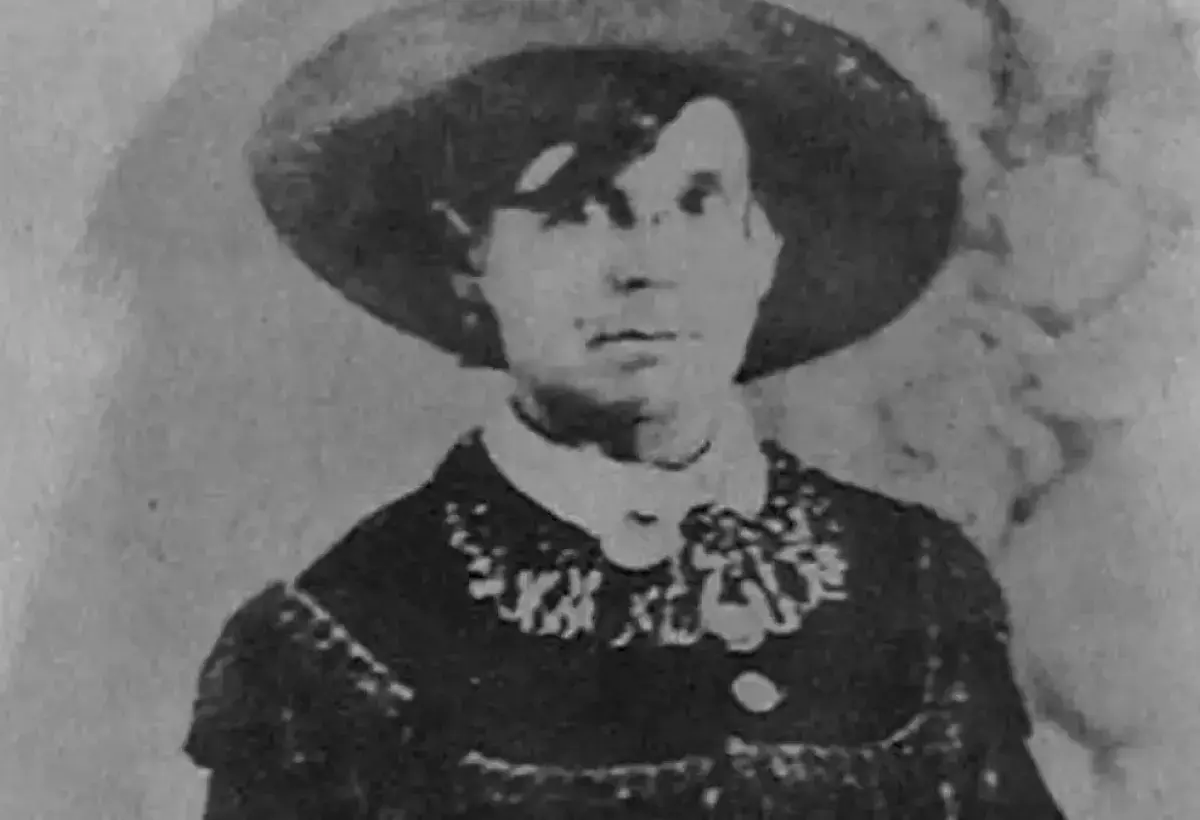
Belle Starr stands out as one of the few women to achieve notoriety in the outlaw culture of the American West. Born Myra Maybelle Shirley in Missouri in 1848, she grew up during the chaotic years surrounding the Civil War. Her family had connections with Confederate supporters, which brought them into contact with several notorious outlaw groups.
During her early adulthood Belle developed friendships with figures associated with the James Younger Gang. These connections placed her within the social circles of well known criminals, and over time she became linked to horse theft operations and other illegal activities.
After marrying several men who were themselves involved in crime, Belle Starr settled in Indian Territory, which is present day Oklahoma. The region at the time was known as a refuge for outlaws who sought to avoid strict law enforcement in other parts of the country.
Belle cultivated a striking public image that contributed to her legend. She often dressed in elegant clothing while riding horses sidesaddle and carrying pistols. Newspapers portrayed her as a glamorous outlaw queen who commanded respect among criminals.
Although she was arrested and imprisoned at one point for horse theft, Belle Starr managed to maintain her reputation and influence in outlaw circles. Stories about her life often blended truth with exaggeration, making it difficult to separate fact from myth.
Her life ended mysteriously in 1889 when she was ambushed and shot while riding near her home. The identity of the killer was never conclusively proven. Some suspected enemies from criminal disputes, while others believed family conflicts may have been involved.
Belle Starr’s legend grew after her death as writers and filmmakers portrayed her as the Bandit Queen of the West. Today she remains a fascinating example of how women also played roles in the outlaw history of the frontier.
Outlaws continue to capture the imagination long after their lives have ended. Across centuries and continents their stories have been retold through books, films, songs, and folklore. The enduring fascination comes from the way these individuals challenged authority and lived lives filled with danger, risk, and dramatic turning points.
Yet the legends often hide the harsh realities behind these stories. Many of the figures remembered today caused suffering for innocent people through violence, theft, and intimidation. The romantic image of the outlaw sometimes grew from newspapers seeking dramatic headlines or from storytellers who reshaped events to fit popular narratives.
At the same time some outlaws became symbols of resistance for communities that felt oppressed or ignored by powerful institutions. Figures like Ned Kelly or Joaquin Murrieta were viewed by supporters as rebels fighting against injustice, even while authorities labeled them criminals. These conflicting perspectives show how history can produce very different interpretations of the same individual.
Another reason these figures endure in popular culture is that their lives often ended suddenly and dramatically. Shootouts, ambushes, betrayals, and mysterious disappearances created powerful final chapters that kept their stories alive. When a life ends in such a dramatic way it invites speculation, mythmaking, and endless retelling.
Modern entertainment has played a major role in preserving these legends. Hollywood films, television series, novels, and documentaries continue to revisit the lives of famous outlaws. Each new generation interprets these characters differently, sometimes emphasizing their rebellious spirit and other times examining the darker consequences of their actions.
In the end the history of outlaws reflects more than crime. It reveals the social tensions, economic struggles, and cultural conflicts of the eras in which these individuals lived. By examining their stories we gain insight into the societies that produced them and the reasons why their legends continue to endure.
From dusty frontier towns to crowded city streets, these outlaws carved their names into history. Whether remembered as villains, rebels, or tragic figures, their stories remain some of the most compelling tales from the darker side of the past.