

Plastic is part of almost everything we use daily, yet most people rarely stop to consider how it truly affects our lives and the planet. From the containers in our kitchens to the packaging of products we buy in stores, plastic is everywhere. Its convenience, durability, and versatility make it one of the most widely used materials in human history. Despite its prevalence, there are surprising facts about plastic that many people do not know. These facts reveal both the power and the impact of this material, showing that it is more than just a convenient tool for packaging and manufacturing. Plastic has shaped modern life in ways that go far beyond what we see on a daily basis. It influences technology, medicine, environmental systems, and even the food we consume.
The story of plastic is one of human ingenuity, but it also carries long-term consequences that are only now becoming widely understood. Understanding plastic requires examining its history, production, and the environmental challenges associated with it. It is a material that has made life easier and more efficient, yet it is also persistent and durable, sometimes to a fault. The widespread use of plastic has created new industries and new ways to live, but it has also introduced complex problems that humanity must address. These problems include pollution, microplastics, and the massive amounts of plastic waste that accumulate in landfills and oceans. Even as awareness grows, the scale of production and disposal continues to increase.
By learning about the origins and effects of plastic, individuals can gain insight into their own consumption habits and consider ways to reduce the negative impacts. The following ten facts explore some of the most surprising and important aspects of plastic. They show that plastic is not only a material of convenience and innovation but also a material that has lasting effects on our environment and our health.
1. Plastic is just over 100 years old
Plastic is just over 100 years old. The first fully synthetic plastic, Bakelite, was invented in 1907 by Leo Baekeland. This invention marked a turning point in human history because it allowed materials to be molded into shapes that were previously impossible with wood, metal, or natural resins. Bakelite was non-conductive and heat-resistant, which made it ideal for use in electrical components, radios, and telephone casings.
The development of Bakelite opened the door for an entirely new category of materials that could be mass-produced for industrial and domestic use. Over time, plastics evolved into many different types such as polyethylene, PVC, polystyrene, and polypropylene. Each of these materials brought unique properties and applications that changed the way people lived, worked, and consumed goods. Plastics allowed for lightweight containers, waterproof materials, and strong packaging that could protect products during transport.
The speed at which plastic became integrated into daily life is remarkable. Within a few decades of its invention, it had become a fundamental part of household products, industrial machinery, and consumer goods. While it solved many problems and brought convenience, it also introduced challenges that were not fully understood at the time. The durability that made plastic so valuable in the early twentieth century now contributes to long-term environmental concerns.
Image

2. We produce over 400 million tons each year
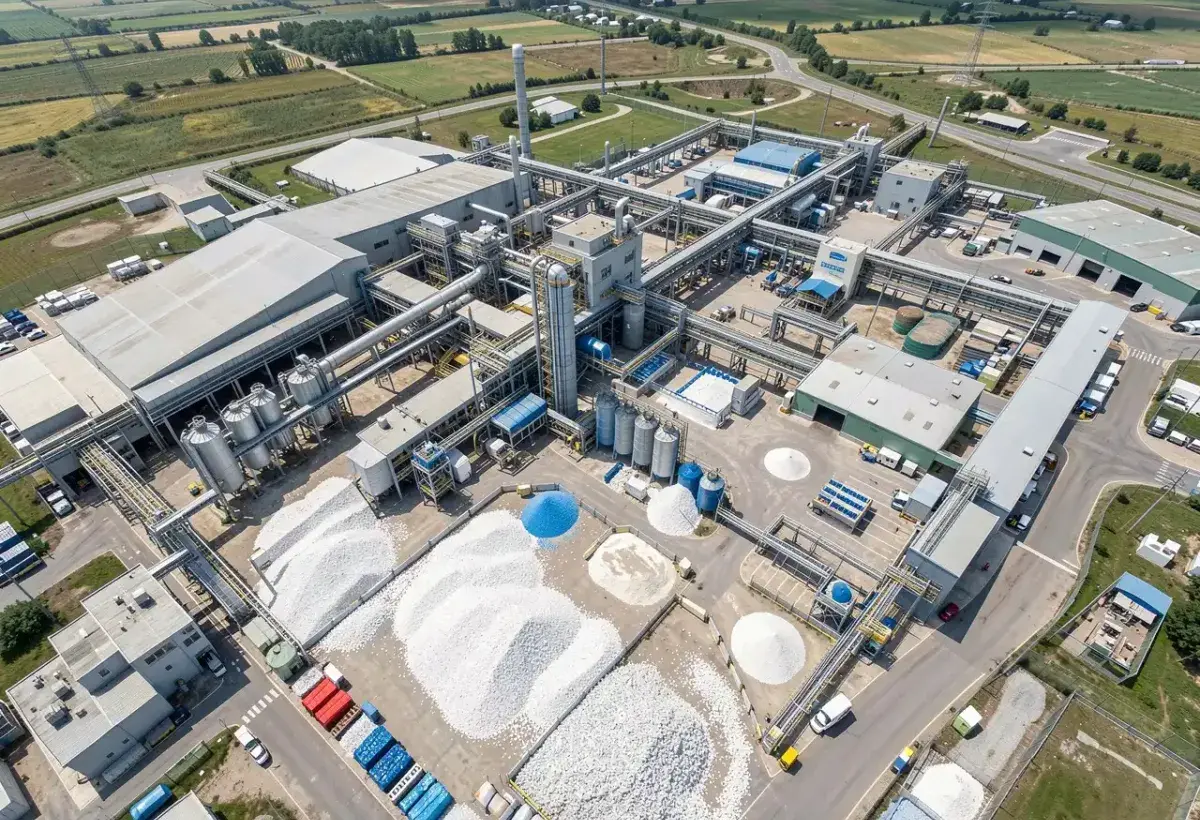
We produce over 400 million tons each year. Plastic production has grown exponentially since the early twentieth century, becoming a cornerstone of global manufacturing. Much of this production is directed toward single-use plastics such as bottles, bags, and packaging materials. These items are convenient for consumers but often end up in landfills or in the environment, creating pollution and waste management challenges.
The process of creating plastic begins with fossil fuels like petroleum and natural gas, which are refined and transformed into polymers. This means that plastic production is directly tied to energy consumption and greenhouse gas emissions. The scale of production is staggering. Each year, millions of tons of plastic are distributed across every continent, in forms ranging from durable industrial products to disposable consumer goods. The reliance on plastic is so pervasive that it has become difficult to imagine modern life without it.
The environmental consequences are significant. Oceans, rivers, and urban environments are increasingly filled with discarded plastic products, which can persist for decades or even centuries. The production of over 400 million tons annually also highlights the importance of recycling, reducing consumption, and finding sustainable alternatives. By recognizing the scale of plastic production, individuals and industries can better understand their role in reducing the negative impacts associated with this material.
Image
3. Plastic can take hundreds of years to break down
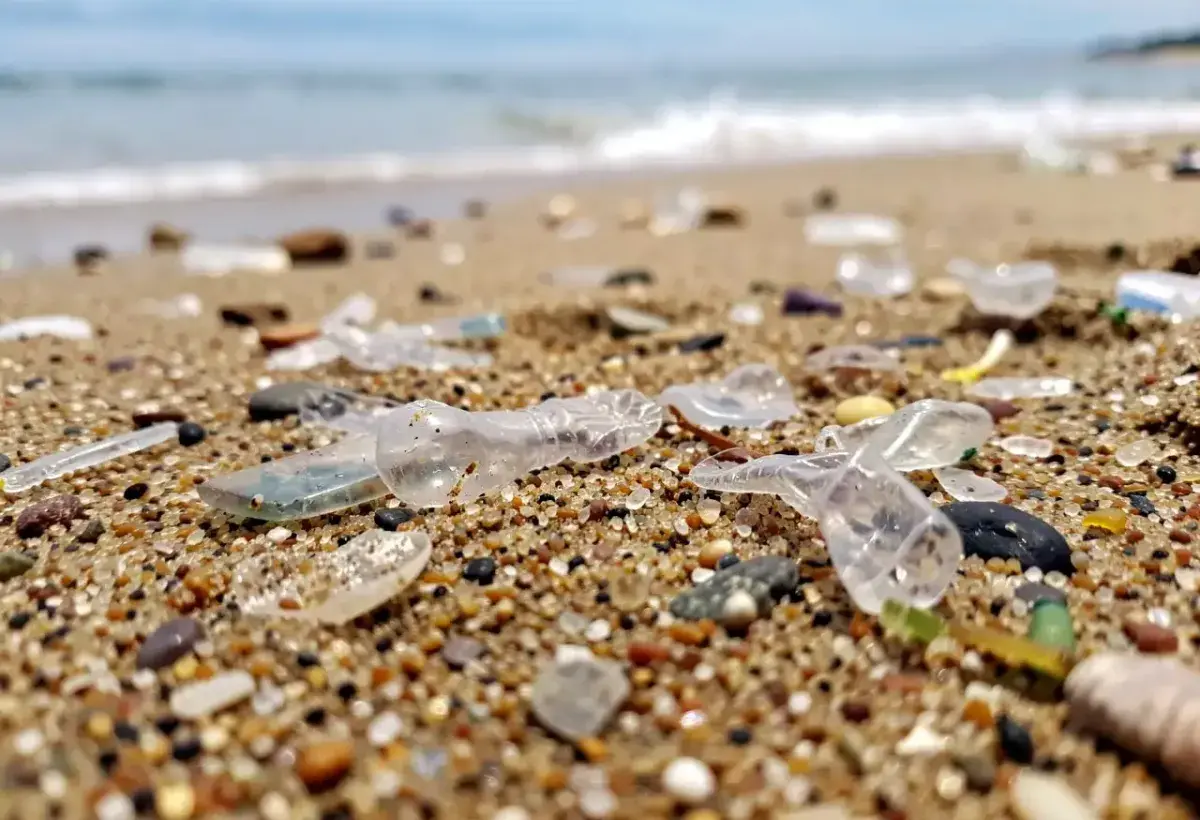
Plastic can take hundreds of years to break down. Depending on the type, it can last anywhere from 20 to 500 plus years in landfills or the ocean. This durability is advantageous in manufacturing and everyday applications because it ensures products remain intact and functional for long periods. At the same time, it becomes a liability when plastics are discarded.
Items such as bottles, packaging, and containers do not biodegrade in the same way that natural materials do. Instead, they slowly fragment into smaller pieces over time, forming microplastics that permeate the environment. These microplastics are difficult to detect and remove, accumulating in soils, rivers, oceans, and even the air we breathe. Wildlife often ingests these fragments, leading to injury, poisoning, and disruption of ecosystems.
The persistence of plastic in the environment also complicates recycling efforts. Even when materials are collected for recycling, contamination and the variety of plastic types make complete recovery difficult. Understanding the extended lifecycle of plastic reinforces the need for careful management, responsible consumption, and the development of alternatives that maintain utility while reducing environmental harm.
Image
4. The Pacific Ocean has a plastic "island"
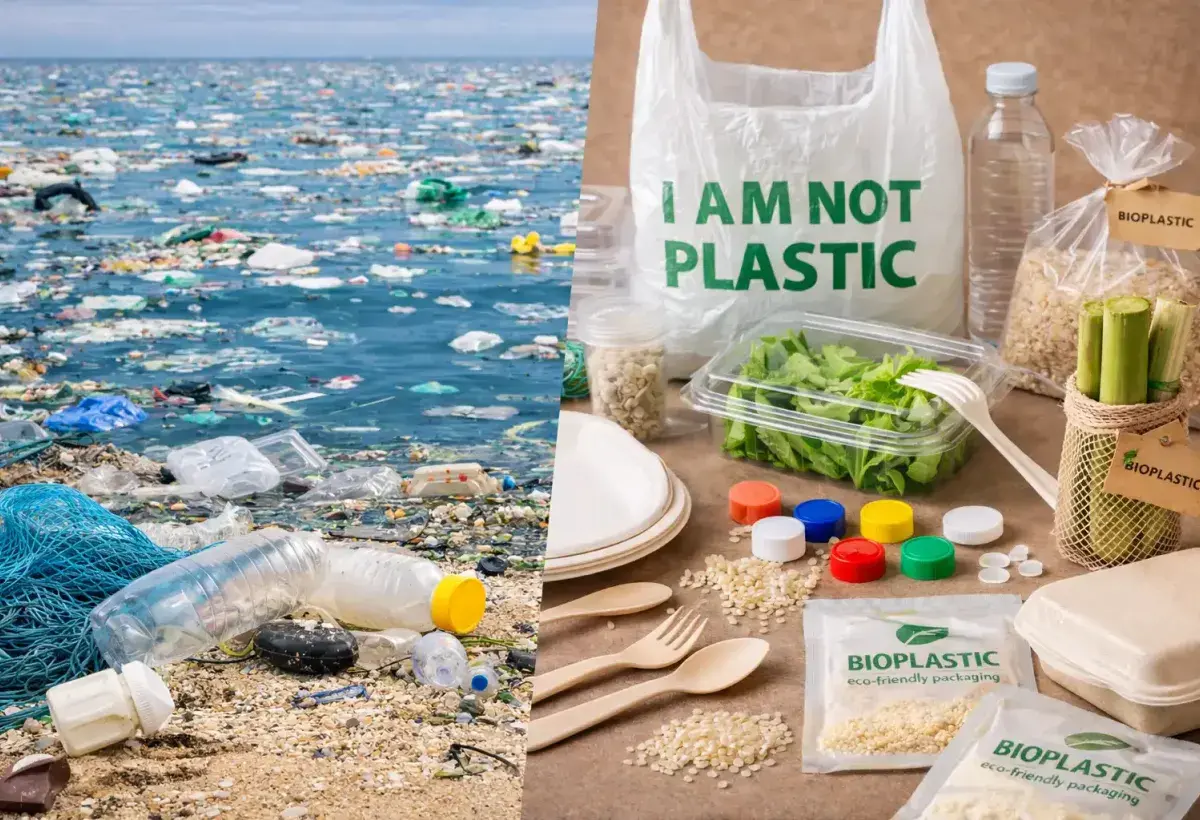
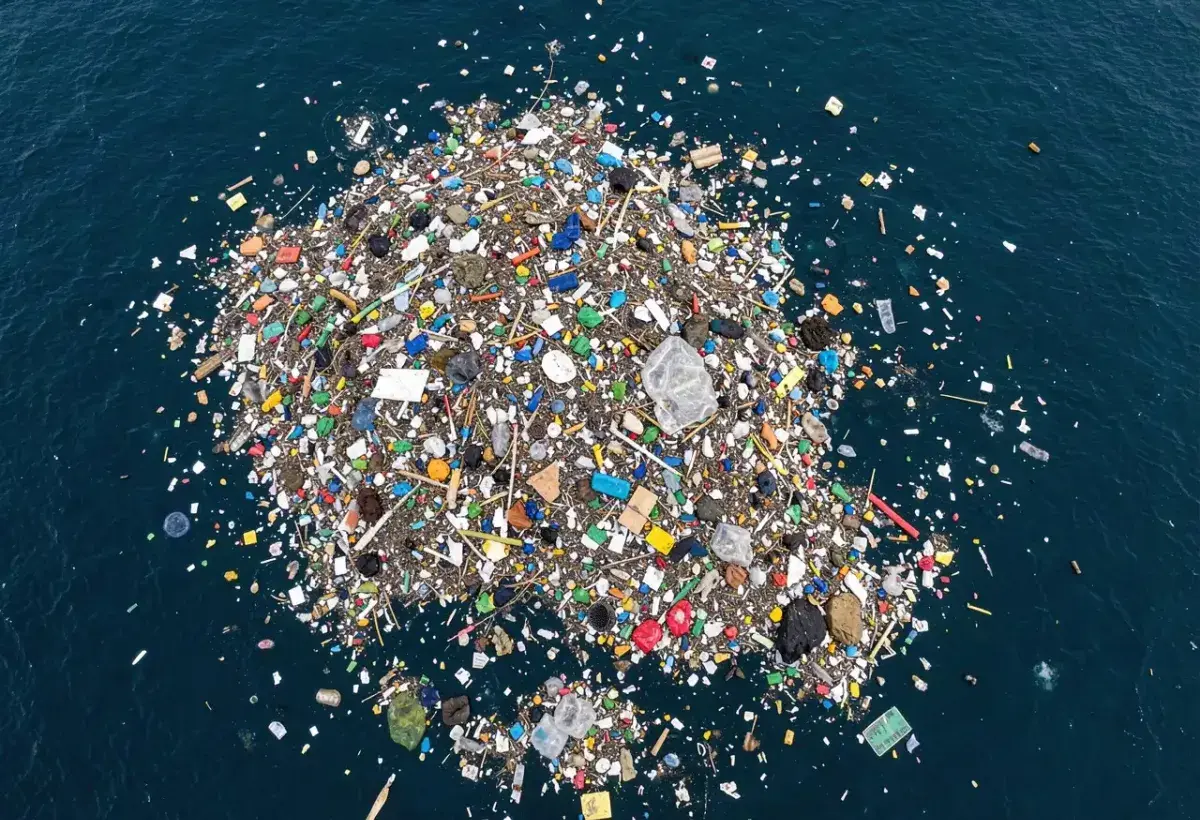
The Pacific Ocean has a plastic "island." The Great Pacific Garbage Patch is a floating mass of plastic debris, estimated to be twice the size of Texas. It is composed of bottles, packaging, fishing nets, and countless small fragments that have accumulated due to ocean currents. This concentration of plastic demonstrates how widespread and persistent plastic pollution has become.
Animals such as sea turtles, birds, and fish frequently mistake plastic for food, resulting in ingestion, entanglement, and death. The patch is not a solid landmass but a dense area of floating debris that poses challenges for navigation and ecosystem health. Cleanup is complicated because removing plastic from the ocean without harming wildlife requires careful planning and technology.
This "island" illustrates that plastic pollution does not remain localized but can travel vast distances, impacting ecosystems far from the source. It also highlights the need for international cooperation in addressing plastic pollution, as waste generated in one region can end up affecting distant waters. Awareness of such environmental phenomena can motivate individuals and organizations to consider their plastic use and support initiatives aimed at protecting marine environments.
Image
5. Plastic is made from fossil fuels
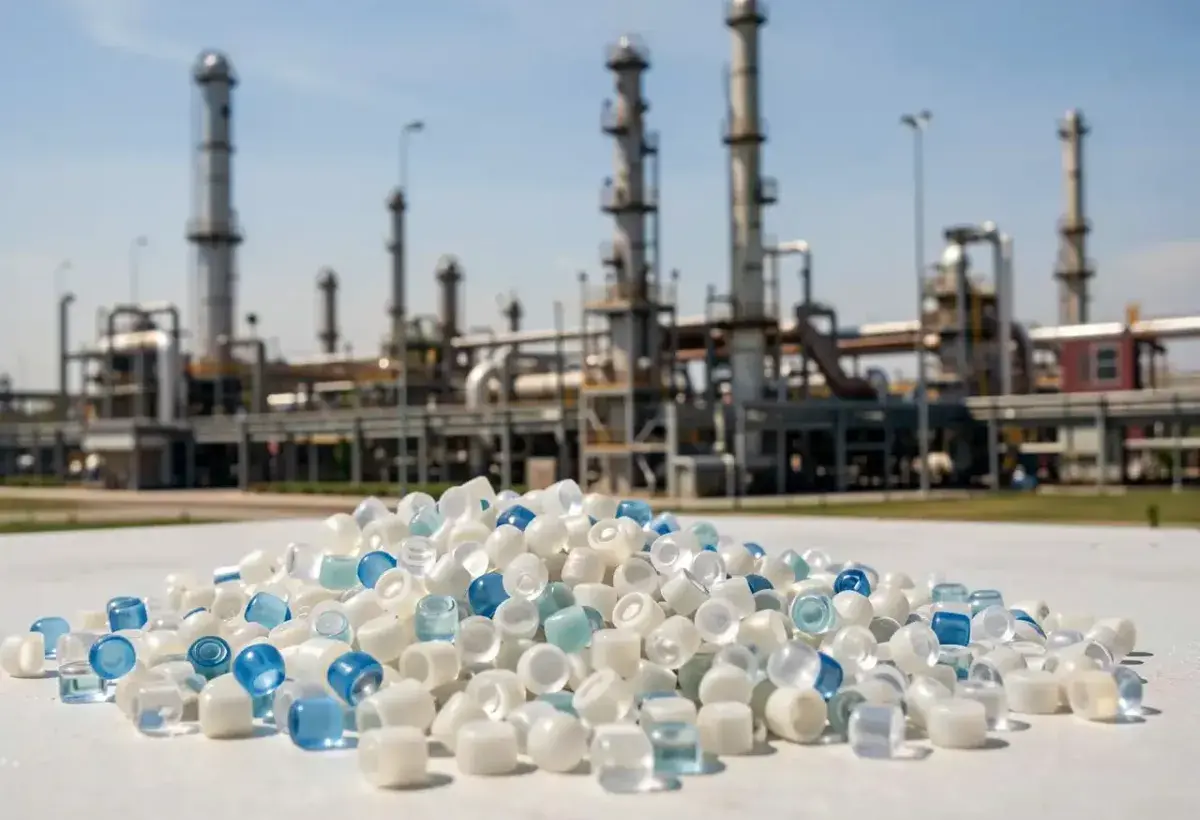
Plastic is made from fossil fuels. Most plastics are derived from petroleum or natural gas, linking them directly to climate change. These raw materials are refined and processed to create polymers that can then be molded into a wide variety of products. Every step of the production process, from extraction to manufacturing, consumes energy and contributes to greenhouse gas emissions.
This means that plastic is not only a material problem but also an energy and climate problem. The reliance on fossil fuels creates environmental pressures beyond waste and pollution, connecting plastic production to broader concerns about resource depletion and sustainability. Reducing the environmental impact of plastic requires a comprehensive approach, including alternative materials, improved recycling, and reduced consumption.
While plastics provide undeniable benefits, including convenience, durability, and affordability, their link to fossil fuels underscores the hidden costs of their production. Understanding this connection encourages consumers and industries to consider the full lifecycle of plastic products, from creation to disposal, and to explore ways to reduce environmental impact.
Image
6. Microplastics are everywhere
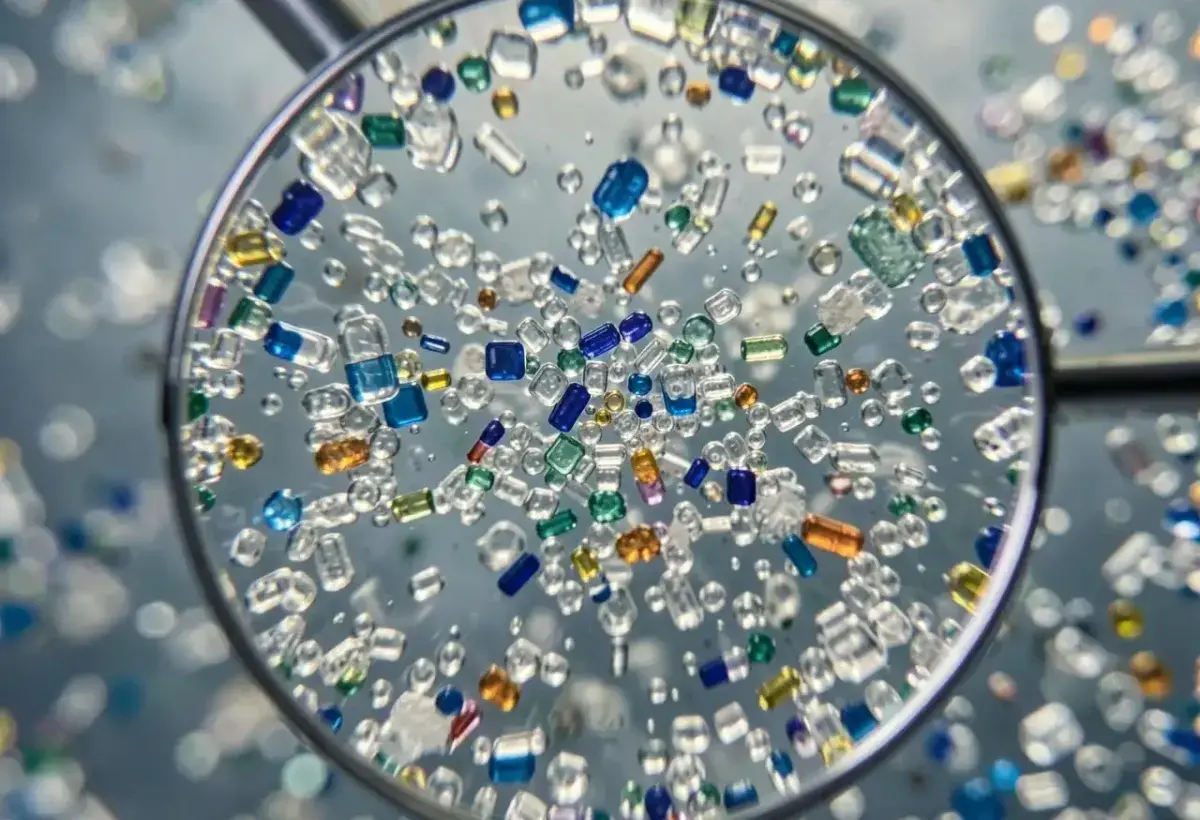
Microplastics are everywhere. Tiny plastic particles have been found in drinking water, sea salt, and even the air we breathe. These particles are often smaller than five millimeters in diameter and are difficult to see with the naked eye. They originate from the breakdown of larger plastic debris, synthetic clothing fibers, personal care products, and industrial materials. Over time, plastic fragments into smaller and smaller pieces, eventually becoming microplastics that are nearly impossible to remove from the environment.
Microplastics are not just an environmental issue. They are also a growing human health concern. Research has found these particles in seafood, bottled water, and even in some household dust. Animals often mistake microplastics for food, and these particles can accumulate in tissues, potentially carrying toxic chemicals and pollutants. When humans ingest microplastics, the long-term health effects are still being studied, but evidence suggests they may affect the immune system and disrupt normal biological functions. The pervasive presence of microplastics highlights the far-reaching impact of plastic pollution. It is no longer confined to visible waste or distant oceans; it is in the water we drink, the food we eat, and the air we breathe.
Addressing microplastic pollution requires systemic solutions. Reducing single-use plastics, improving waste management, and supporting innovations like biodegradable materials can all help. Public awareness also plays a key role in encouraging responsible consumption and disposal of plastics. Microplastics are a reminder that even small particles can have a large environmental and health impact. Understanding their presence and potential risks is essential to creating a more sustainable relationship with plastic.
Image
7. Recycling rates are still low
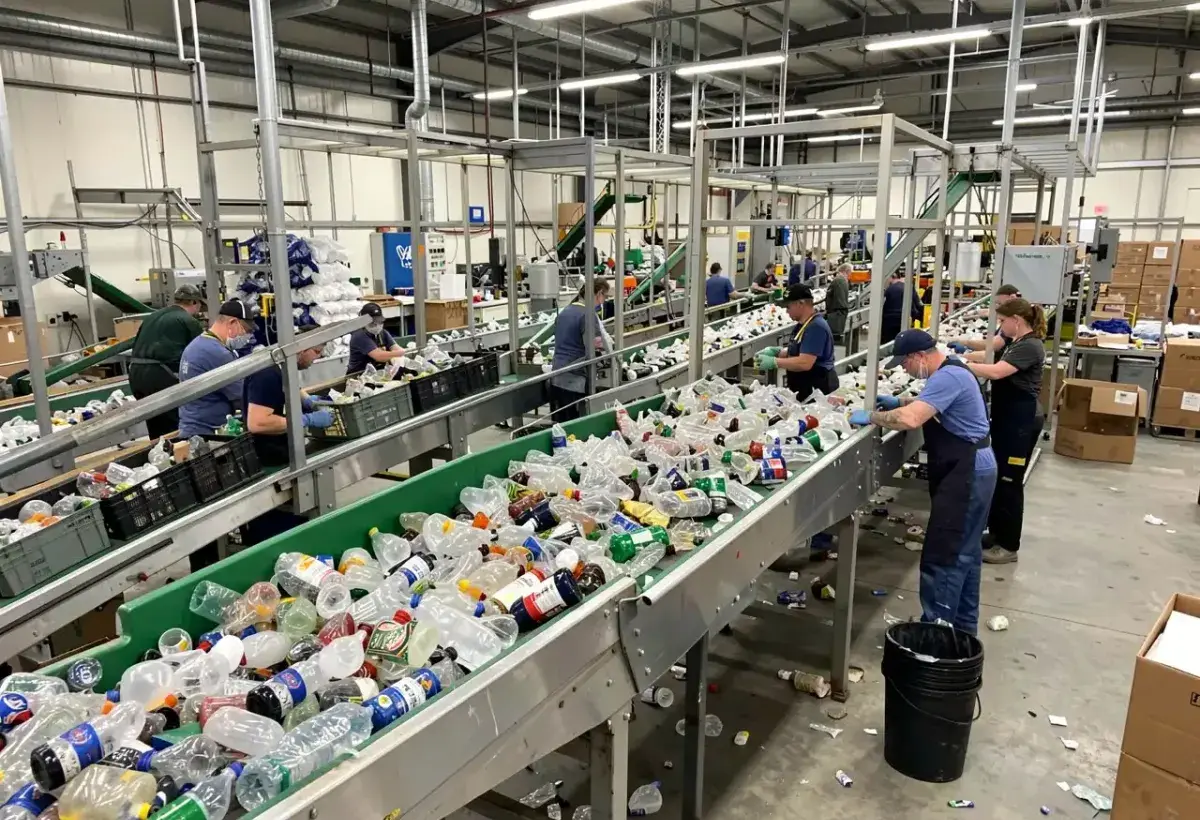
Recycling rates are still low. Only about 9 percent of plastic ever produced has been recycled, leaving the vast majority to accumulate in landfills, be incinerated, or pollute the natural environment. While recycling programs exist in many countries, several factors limit their effectiveness. Plastics often become contaminated, are of mixed types, or are designed in ways that make recycling difficult or uneconomical.
The low recycling rate has significant consequences. Landfills continue to grow, oceans and rivers are polluted, and valuable materials are lost instead of being repurposed. Even in regions with advanced recycling infrastructure, a large portion of plastic still escapes proper processing. The complexity of plastic types, combined with consumer habits and inadequate systems, makes recycling a challenge. Efforts to improve collection, sorting, and processing technologies are ongoing, but progress is slow relative to the scale of plastic production.
Increasing recycling rates requires more than technology. It requires changes in consumer behavior, product design, and government policy. Reducing consumption, reusing materials, and choosing products designed for recyclability can all help. While recycling alone cannot solve the plastic problem, it is a critical component of a multi-pronged approach to reducing plastic pollution. Awareness of the low recycling rate emphasizes the need for collective action to manage plastic responsibly.
Image
8. There are thousands of types of plastic
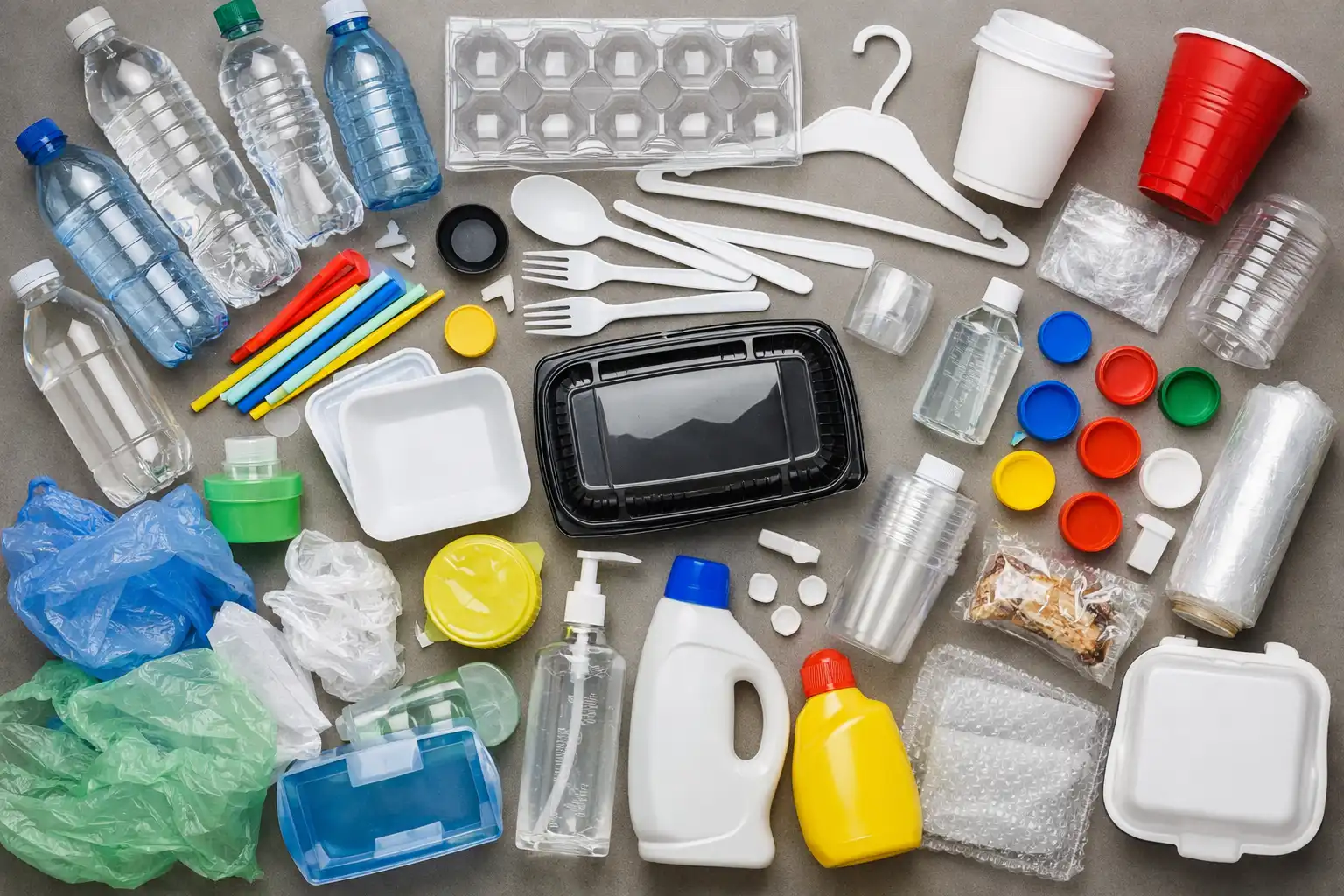
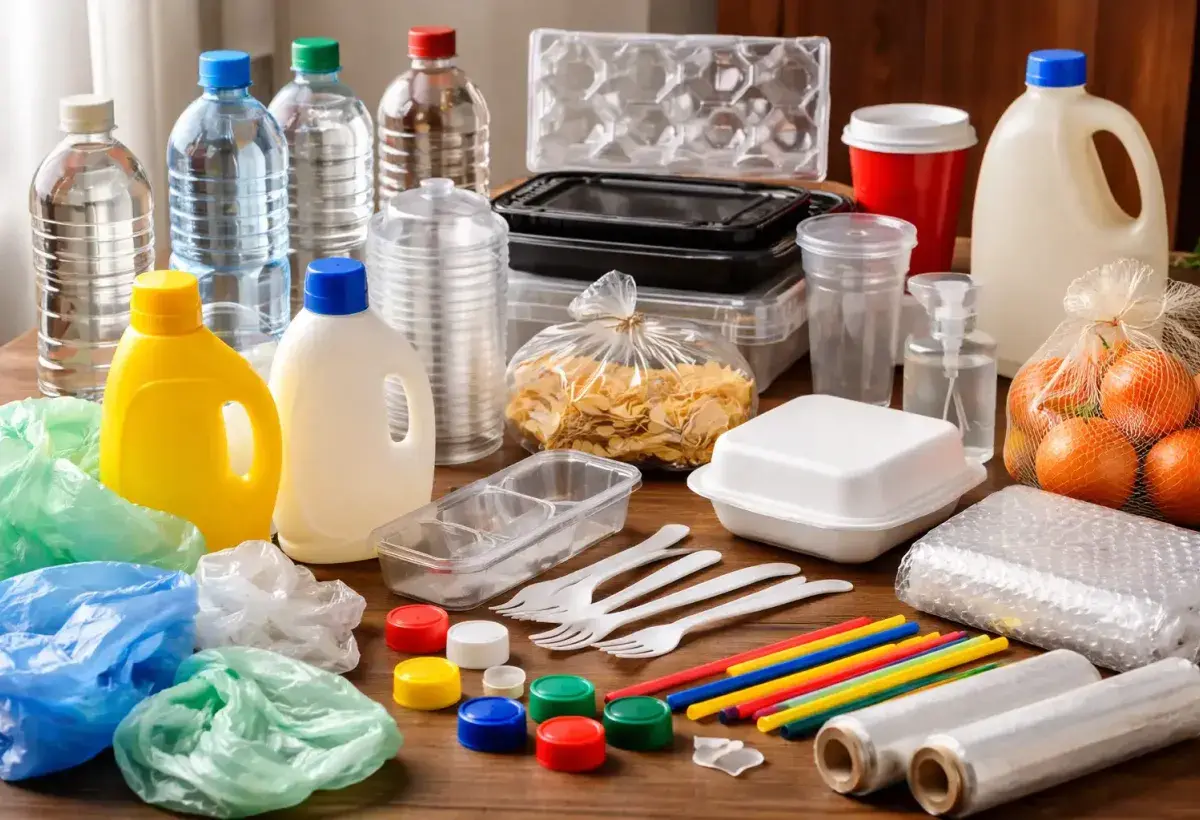
There are thousands of types of plastic. Not all plastics are the same, and each has unique chemical and physical properties. Some plastics are flexible, others rigid; some are clear, others opaque; some can withstand high temperatures, while others degrade when exposed to sunlight. This diversity allows plastic to be used in a vast range of applications, from packaging to electronics to medical devices.
However, the variety of plastics makes recycling more complicated. Different types require specific processing methods, and mixing incompatible plastics can reduce the quality of recycled materials or make recycling impossible. This complexity contributes to low recycling rates and increases the likelihood that plastic waste will end up in the environment. Understanding the many types of plastic is important for improving recycling systems and developing more sustainable alternatives. Researchers and manufacturers are exploring ways to standardize plastics or design them for easier recycling, but the current landscape remains complex.
The diversity of plastics is both a strength and a challenge. It enables innovation across industries while creating obstacles for waste management. Awareness of these differences helps consumers make better choices and encourages industries to design products that balance utility with sustainability. The thousands of types of plastic demonstrate that this material is not simple and that its environmental impact is equally nuanced.
Image
9. Plastic changed medicine and technology
Plastic changed medicine and technology. From disposable syringes to lightweight prosthetics and smartphones, plastic has revolutionized modern life. In medicine, plastics allow for sterile equipment that reduces the risk of infection. Surgical gloves, IV bags, tubing, and implants rely on plastic for safety, affordability, and convenience. In technology, plastics provide insulation, durability, and lightweight components that make modern devices possible.
The impact of plastic is visible in everyday life. Electronics, household appliances, and medical tools are more reliable, affordable, and accessible because of plastic materials. Without plastic, many medical procedures would be riskier, and electronic devices would be heavier, less durable, and more expensive. The innovation enabled by plastic has transformed industries and improved quality of life worldwide. At the same time, widespread use creates waste and environmental challenges, particularly for single-use medical devices and short-lifespan consumer products.
The story of plastic in medicine and technology demonstrates how a single material can drive human progress while also requiring careful management. Awareness of its benefits encourages responsible use and innovation aimed at reducing environmental harm without compromising the advancements plastic has made possible.
Image

10. Bioplastics might be the future
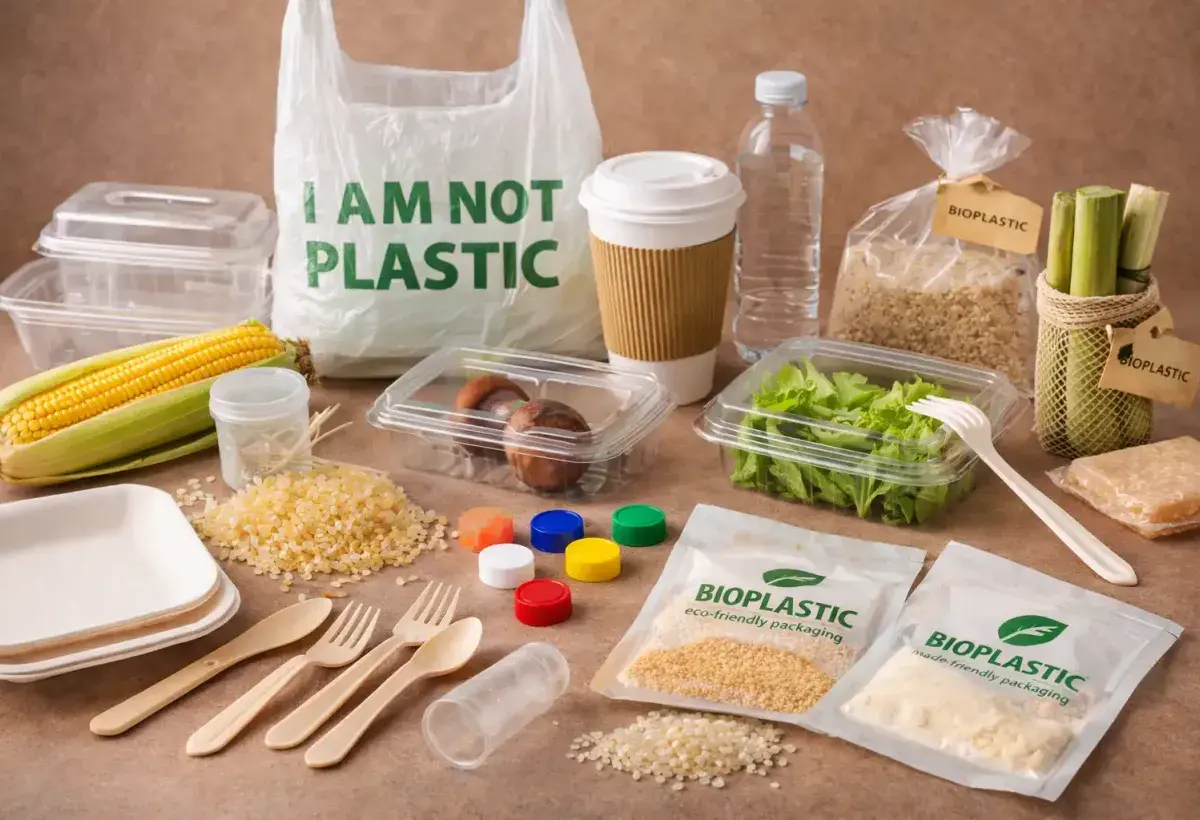
Bioplastics might be the future. Researchers are developing plastics from corn, sugarcane, algae, and even mushrooms that could break down faster. These materials aim to provide the convenience and versatility of traditional plastics while reducing long-term environmental impacts. Some bioplastics are designed to degrade under specific conditions, offering an alternative to conventional plastics that persist for centuries.
The development of bioplastics presents both opportunities and challenges. Production costs, scalability, and potential competition with food resources are concerns. However, bioplastics could reduce reliance on fossil fuels and lower greenhouse gas emissions associated with conventional plastic production. Innovations in this field are promising, offering a path toward more sustainable manufacturing and consumption practices.
Adoption of bioplastics requires collaboration across industries, governments, and consumers. Policy incentives, research investment, and public awareness can accelerate the transition. If implemented effectively, bioplastics could maintain the benefits of plastic while addressing many of its environmental drawbacks. They represent hope for a future in which materials provide utility without long-lasting harm to ecosystems and human health.
Image
Plastic is a material of contrasts. It is indispensable in modern life, enabling technological innovation, convenience, and medical advances, yet it poses complex environmental challenges. Its history spans just over a century, but within that short timeframe, plastic has become ubiquitous. We produce hundreds of millions of tons annually, much of which persists in the environment for centuries, accumulates in oceans, and infiltrates ecosystems as microplastics. The low recycling rate and the variety of plastic types further complicate management efforts, requiring coordinated action from governments, industries, and individuals.
Despite these challenges, there is hope. Awareness is growing, bioplastics are emerging, and initiatives to reduce single-use plastic and improve recycling are gaining momentum. Understanding the full scope of plastic’s impact—from its origins and production to its environmental and technological implications—allows us to make informed choices. By reducing consumption, supporting sustainable alternatives, and innovating responsibly, society can harness the benefits of plastic while mitigating its harmful effects.
Plastic is more than a convenience. It is a reflection of human ingenuity and a challenge for stewardship. Our actions today will determine whether future generations inherit a planet overwhelmed by plastic or one where innovation and sustainability coexist. Plastic teaches us the importance of responsibility in using even the most common and useful materials. Through thoughtful action, we can continue to benefit from plastic without compromising the health of our planet or the well-being of all who inhabit it.
Image