



Gasoline is something most of us use almost every day without thinking too much about it. We hear advice from friends, family, and even social media about the best ways to save fuel, improve engine performance, or extend the life of our cars. Some of these tips have been passed down for decades and sound reasonable, but not all of them are backed by science or automotive engineering principles. In fact, many commonly believed tips are outright myths. Believing them can cost you money, reduce efficiency, or even harm your vehicle over time. Understanding the truth about gasoline is important for every driver, whether you are commuting to work daily, running errands, or going on a road trip.
Some myths persist because they were once true for older cars but no longer apply to modern vehicles. Others continue simply because they are repeated so often that people assume they must be correct. For example, myths about premium fuel, warming up engines, and using additives have been circulated for years despite advances in engine technology. It is easy to fall into these traps, especially when gas prices fluctuate and everyone wants to save a few dollars at the pump.
Explore ten of the most common myths about gasoline. Each myth will be explained in detail with factual information that can help you make better decisions for your car. You will learn why some practices do not improve performance, what actually matters for fuel efficiency, and how to avoid costly mistakes. By the end of this guide, you will have a clearer understanding of how gasoline works and how to take care of your vehicle in practical, evidence-based ways. Knowing the truth behind these myths will save you both time and money and make your driving experience smoother and more efficient.
1. Premium Gas Makes Your Car Run Better
Image
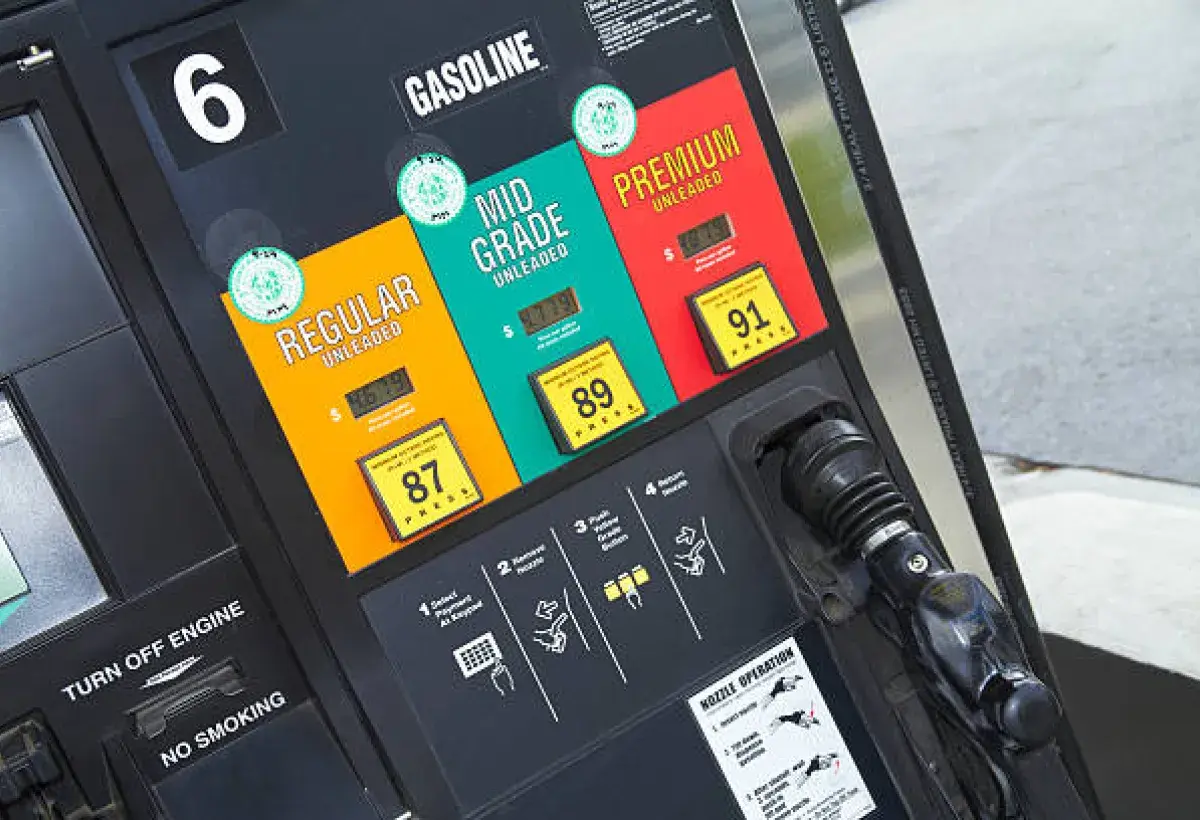
Many people assume that using premium gasoline will improve the performance of any car, making the engine smoother, more powerful, and more fuel efficient. The truth is that premium fuel only benefits vehicles designed to use high-octane gasoline. Most cars are built to run on regular fuel, and using premium in these vehicles does not increase horsepower or improve fuel economy. Premium fuel is formulated for engines with higher compression ratios, which are often found in performance or luxury cars. Using it in a regular car is usually an unnecessary expense without any tangible benefits.
Car manufacturers clearly state the type of fuel that should be used in each vehicle. Following this recommendation is the best way to ensure optimal performance. It is also important to note that some premium fuels may contain extra detergents or additives designed to reduce deposits in the engine, but regular gasoline from reputable brands often includes similar cleaning agents. Spending extra on premium fuel when your car does not require it is generally a waste of money. The engine is capable of adjusting to the octane rating it receives within its recommended range, so there is no hidden performance advantage for vehicles designed for regular gas. Understanding this can prevent unnecessary expenses and help you make smarter choices at the pump.
2. You Should Warm Up Your Car for Minutes Before Driving
Image

For years, drivers were told to let their car run idle for several minutes before driving to avoid engine damage. This advice comes from older vehicles that relied on carburetors rather than fuel injection. Modern engines, however, are designed to reach operating temperature quickly and efficiently. They do not require long warm-up periods before driving. In fact, driving gently immediately after starting the engine is generally the best way to bring the car up to operating temperature.
Idling for extended periods wastes fuel and increases emissions, which is not environmentally friendly. The engine warms more effectively when the vehicle is in motion because moving parts are actively lubricated and fuel combustion occurs under load. Even in colder climates, a minute or two of gentle driving is sufficient for the engine oil to circulate and for the car to reach a proper temperature. Understanding the differences between older engines and modern systems can save fuel, reduce pollution, and prevent unnecessary wear caused by excessive idling. This knowledge allows drivers to adopt smarter habits without risking damage to their vehicles.
3. Filling Up in the Morning Saves Money
Image

Some drivers believe that filling up in the morning gives more gasoline because fuel is denser at cooler temperatures. While gasoline does contract slightly when cooler, modern underground storage tanks at gas stations maintain a relatively stable temperature. This means the amount of fuel you receive does not significantly change throughout the day. Any difference in volume due to temperature is negligible and unlikely to affect your savings in a meaningful way.
Gas prices fluctuate due to supply and demand, not the time of day. Trying to time your visit based on temperature is unlikely to save you money. The best way to get a fair price is to track local fuel trends, choose reputable stations, and fill up when prices are reasonable. Focusing on these practical strategies is more effective than worrying about the small theoretical differences caused by temperature changes. Understanding this myth allows you to focus on real ways to save on fuel while avoiding unnecessary stress over timing.
4. Additives and Miracle Fuel Boosters Improve Mileage
Image
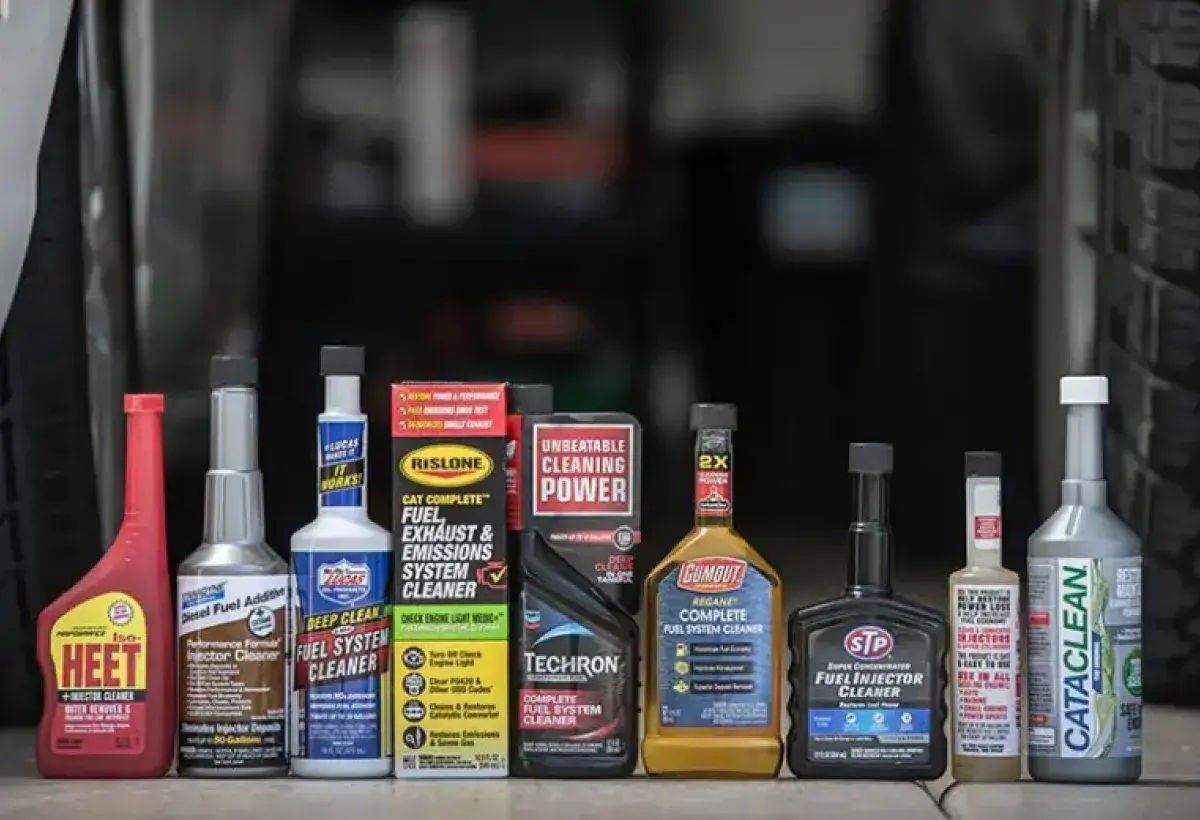
Many products on the market claim to boost fuel efficiency or clean your engine with just a few ounces added to the gas tank. While some additives can help maintain engine cleanliness, most over-the-counter fuel boosters do not provide measurable improvements in fuel economy. Some may even contain chemicals that could damage components or sensors if used excessively. The engine and fuel system are already designed to handle fuel efficiently, and reputable gasoline brands include detergents that help prevent buildup.
Drivers hoping for dramatic mileage gains should be skeptical of claims that seem too good to be true. Maintaining a regular service schedule, keeping tires properly inflated, and driving smoothly are proven ways to improve efficiency. Over-reliance on chemical boosters is unnecessary for modern vehicles and could create maintenance problems rather than solving them. Understanding the limits of additives helps you make smarter decisions and focus on steps that truly matter for fuel economy and engine health.
5. Letting Your Tank Run Near Empty Is Harmless
Image
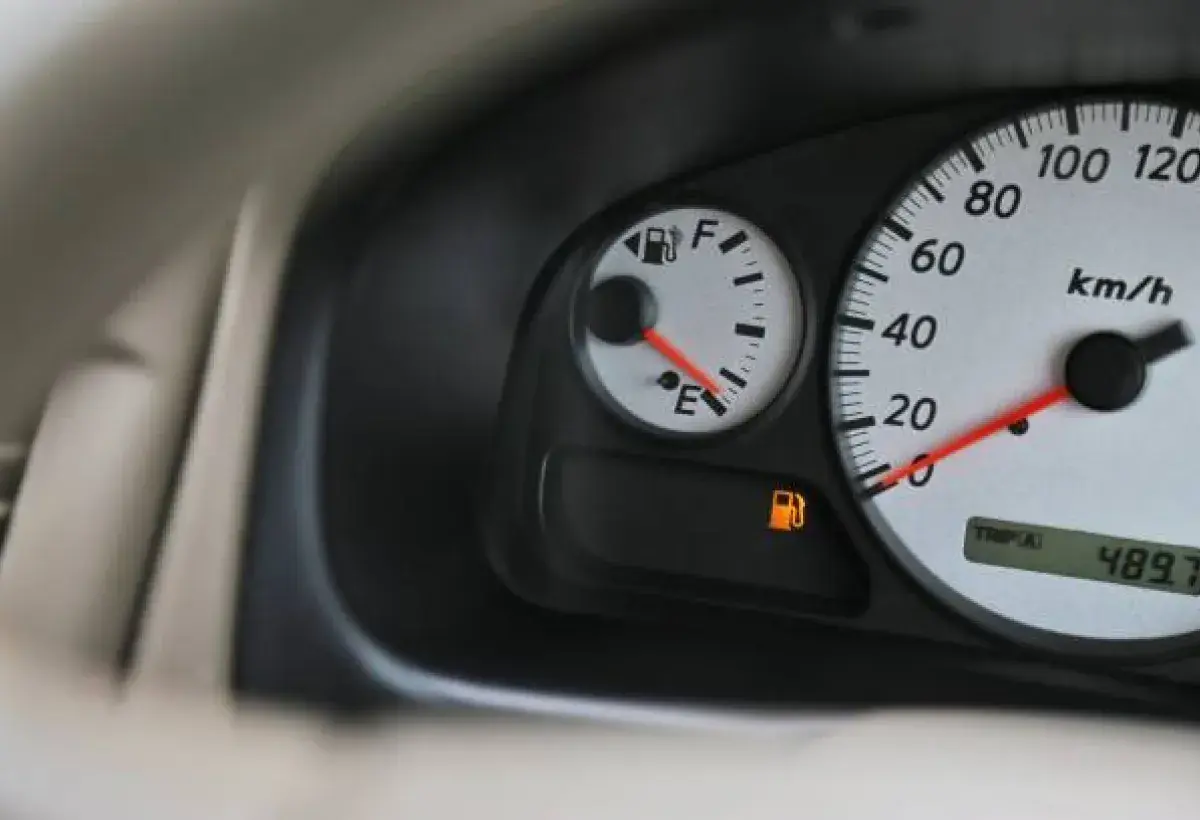
Some drivers think it is safe to regularly let their fuel tank run low before refueling. In reality, running on low fuel can strain the fuel pump, which relies on gasoline for lubrication and cooling. Consistently running the tank near empty increases the risk of overheating the pump and drawing sediment from the bottom of the tank. This can lead to clogged filters, reduced performance, and costly repairs over time.
Keeping the tank at least a quarter full helps ensure consistent fuel flow, reduces wear on the pump, and prevents fuel contamination issues. It also offers practical benefits in case of emergencies when a station is not nearby. Understanding the risks associated with low fuel levels encourages drivers to adopt habits that protect their vehicle and avoid preventable maintenance problems. Maintaining a reasonable fuel level is a simple but effective step in extending the life of your fuel system and ensuring reliable vehicle performance.
6. Manual Transmissions Always Save Gas
Image

Many people believe that cars with manual transmissions are always more fuel efficient than automatic vehicles. This was true in the past when automatic systems were less advanced. Today, modern automatic transmissions can match or even surpass the fuel efficiency of manual vehicles. Advanced computer control allows automatic transmissions to optimize gear changes and engine performance more effectively than most drivers can manually achieve.
The efficiency of a vehicle depends on several factors, including engine size, weight, aerodynamics, and driving habits. Choosing a manual transmission does not guarantee better mileage. In fact, inexperienced drivers may use gears inefficiently, causing more fuel consumption than a well-engineered automatic system. Understanding this myth allows drivers to choose the type of transmission that best suits their needs without assuming one is automatically superior in fuel efficiency. Focus on driving style and maintenance practices to maximize mileage rather than relying solely on transmission type.
7. Turning Off Your Engine at Red Lights Is Bad
Image

Some people worry that turning off the engine at traffic lights or long stops wears out the starter and harms the vehicle. In reality, turning off the engine during extended stops can save fuel and reduce emissions. Modern starters and ignition systems are built to handle frequent starts without significant wear. While extremely frequent starting in older vehicles could cause starter wear, most cars today are designed to manage this without problems.
Stopping the engine at long lights is an environmentally friendly and fuel-saving habit. Even a few seconds of idling wastes fuel compared to restarting the engine. Knowing when it is appropriate to turn off the engine helps drivers reduce consumption and emissions in urban traffic and contributes to better environmental outcomes. This practical approach to fuel management can be easily incorporated into daily driving routines.
8. A Clean Air Filter Dramatically Improves Fuel Economy
Image
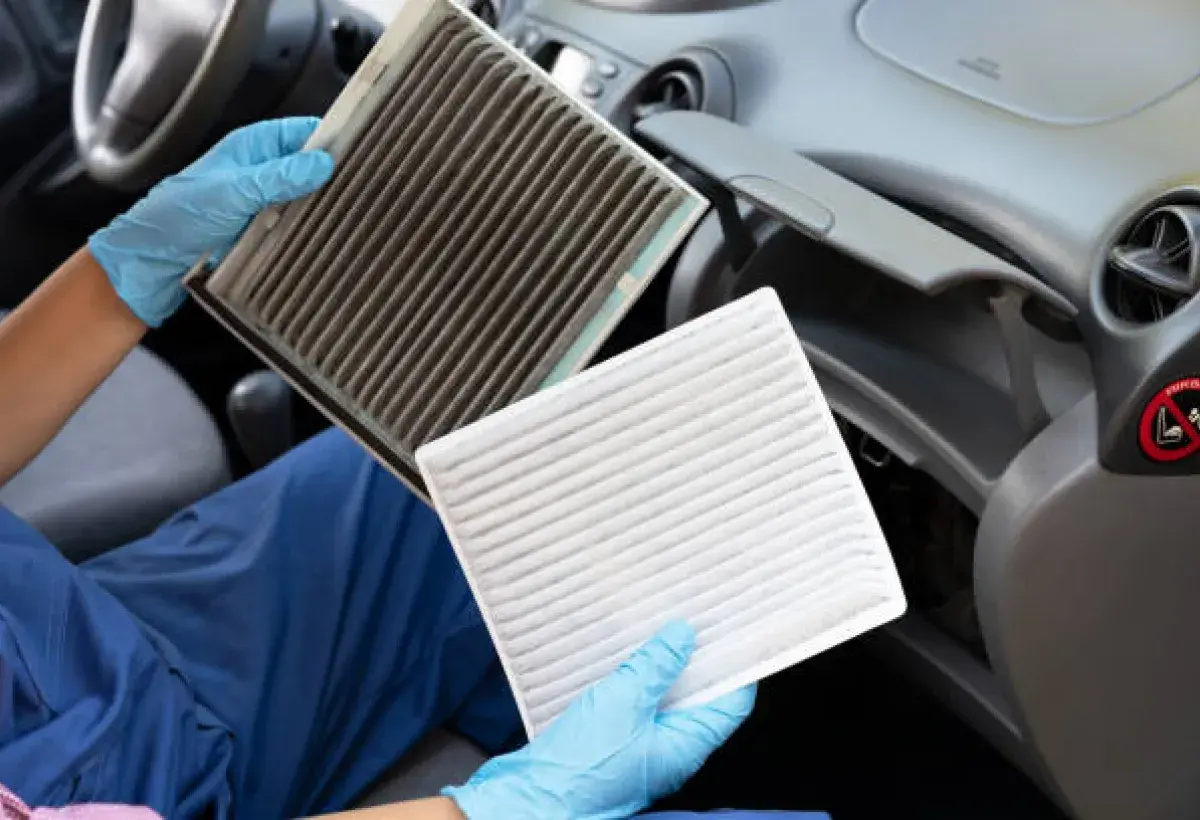
A clogged air filter can affect engine performance, but in most modern cars, it has little effect on fuel economy. Engines are equipped with sensors that compensate for airflow restrictions to maintain efficiency. While keeping a clean air filter is important for optimal engine health, drivers should not expect dramatic improvements in mileage from simply replacing the filter.
Replacing the air filter according to the manufacturer’s schedule ensures proper airflow and engine performance. It also helps prevent long-term damage caused by dust and debris. Understanding the realistic benefits of maintenance tasks helps drivers focus on actions that truly impact fuel efficiency. Maintaining a clean air filter is good practice, but it is not a magic solution for saving fuel.
9. Bigger Cars Always Burn More Gas
Image

Many assume that larger vehicles are always less fuel efficient than smaller ones. While weight and aerodynamics play a role, engine efficiency is equally important. A small car with a poorly designed engine can consume more fuel than a larger car with a highly efficient engine. Modern technology allows larger vehicles to optimize performance and achieve competitive mileage.
When choosing a vehicle based on fuel consumption, it is important to consider the full package, including engine design, transmission, weight, and aerodynamics. Size alone does not dictate fuel efficiency. Understanding this myth helps drivers make informed decisions based on actual performance data rather than assumptions about vehicle dimensions. Evaluating multiple factors ensures better choices for fuel economy and practicality.
10. All Gas Stations Sell the Exact Same Fuel
Image
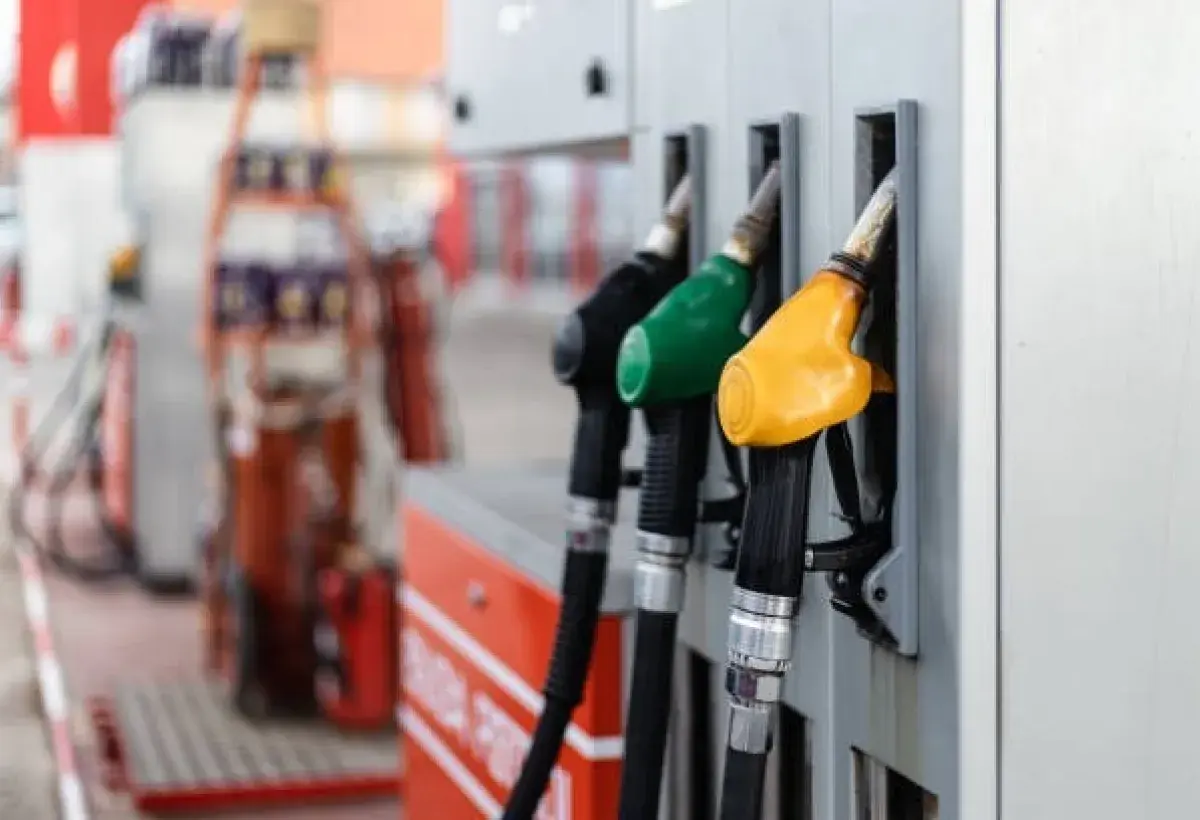
It is commonly believed that fuel is identical at all stations, but there are differences between brands. While the base gasoline meets the same legal standards, many brand-name stations add proprietary detergents and additives. These additives help keep the engine cleaner, reduce deposits, and maintain long-term performance. Over time, these differences can have a small but measurable effect on engine health.
Choosing reputable stations with high-quality additives is a simple way to protect your engine. This does not mean you must always pay premium prices, but being aware of the subtle differences can guide your decisions. Understanding this fact allows drivers to combine cost savings with maintenance awareness. Not all fuels are the same, and smart choices can extend the life of your vehicle.
Gasoline is a critical part of everyday driving, yet it is surrounded by myths that can confuse even experienced drivers. From assumptions about premium fuel and additives to ideas about engine warm-up and manual transmissions, many of the tips people follow are outdated or simply incorrect. Believing these myths can lead to unnecessary expenses, reduced efficiency, and avoidable maintenance problems. By understanding the facts, drivers can make better decisions that save money, improve performance, and protect their vehicles.
Modern vehicles are equipped with advanced engineering that allows them to operate efficiently under a variety of conditions. Many old rules no longer apply, and some advice that seems logical has no real effect on mileage or engine health. Paying attention to manufacturer recommendations, using high-quality fuel from reputable stations, maintaining proper tire pressure, and practicing smooth driving are practical ways to achieve better fuel efficiency. Avoiding unnecessary additives, extended idling, and running tanks near empty are simple habits that prevent damage and reduce costs over time.
Being aware of these ten common myths empowers drivers to make informed choices rather than relying on hearsay. Understanding the science behind gasoline and engine operation promotes smarter driving and better maintenance habits. It also helps avoid misconceptions that could lead to wasted money or engine problems. The key takeaway is that knowledge and attention to detail are far more effective than following advice that is based on outdated practices or assumptions.
Drivers who adopt these insights will notice more consistent performance, potentially lower fuel costs, and fewer maintenance surprises. Learning the truth about gasoline encourages responsible and efficient driving habits while allowing vehicles to perform as intended. Staying informed about myths and realities is an essential part of car ownership that benefits both the driver and the environment. By separating fact from fiction, everyone can enjoy a smoother, safer, and more cost-effective driving experience.