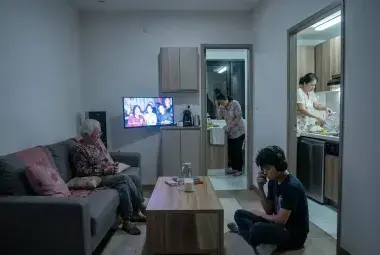


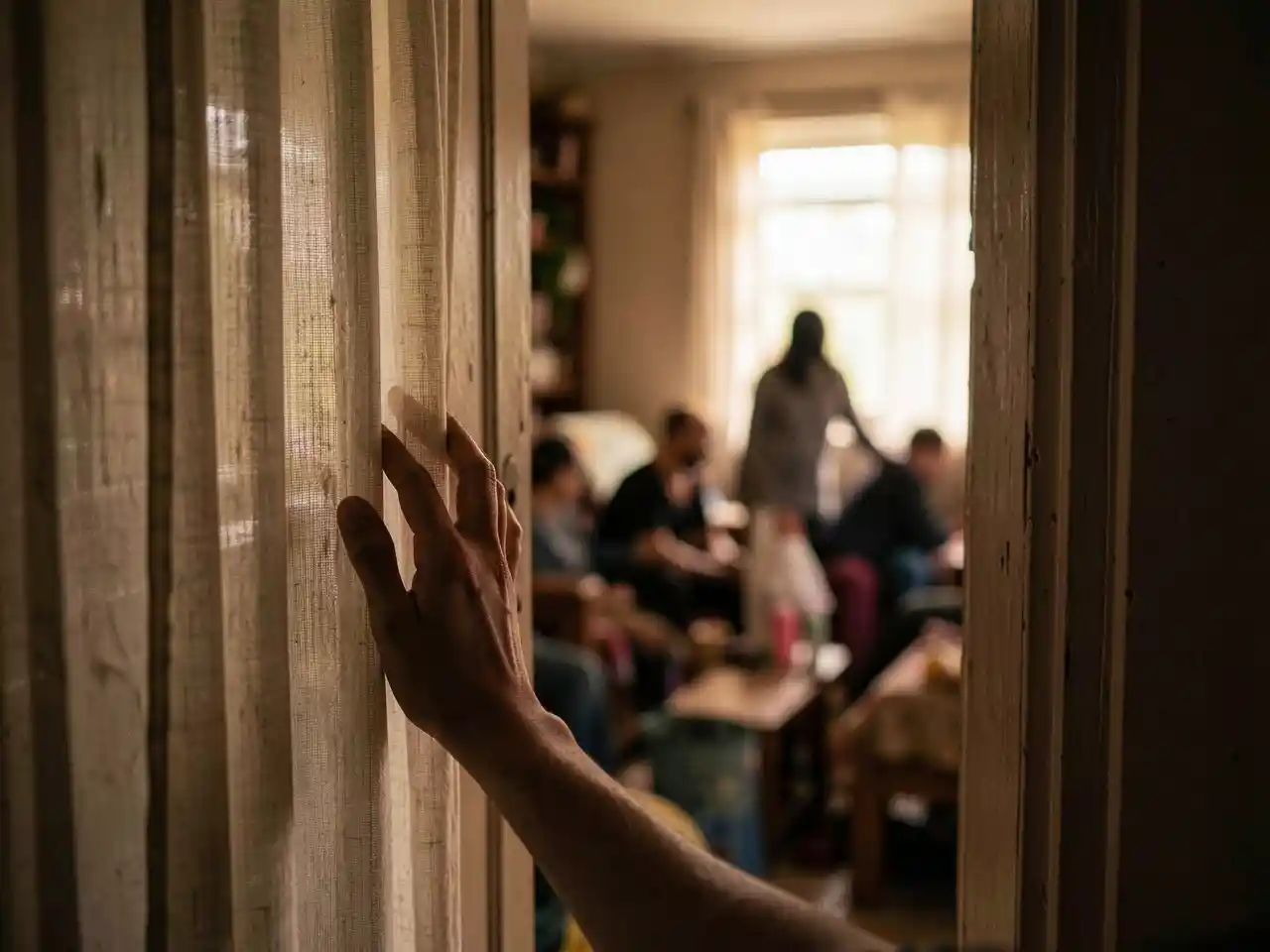
Filipino families have long prided themselves on close-knit multigenerational homes where grandparents, parents, and grandchildren live under one roof. This arrangement is rooted in love, duty, and cultural tradition. It is meant to provide support, nurture familial bonds, and offer a sense of belonging.
Yet beneath the surface of this cherished tradition lies a quiet but growing crisis. Homes that should be sanctuaries have increasingly become battlegrounds of exhaustion, resentment, and suppressed emotions. The very setup intended to offer comfort is now straining mental health. Young adults retreat to bathrooms to cry in private. Overseas Filipino workers sacrifice personal comfort to fund households they barely recognize. Grandparents sometimes feel unappreciated by the very children they raised.
The statistics are telling. According to the University of Santo Tomas 2024, 68 percent of Filipinos living in multigenerational homes report anxiety. A UP Population Institute survey in 2023 found that 84 percent of young adults admit they have no private space. The problem is not merely physical; it is emotional and psychological. Constant negotiation, the guilt of wanting independence, and the suffocating pressure to conform to family expectations all take their toll.
For many, moving out is not financially feasible and can be culturally frowned upon. So how can families survive and even thrive without breaking apart? The answer lies in intentional, small changes that restore dignity, privacy, and peace.
The Hidden Costs of Togetherness
1. The Privacy Famine
In a country where space is a luxury, personal boundaries often become the first casualty. Ana, a 24-year-old, recalls, "I changed my tampon in the Jeepney terminal bathroom because our house has no locks." Her experience is far from unique.
Cramped quarters mean bedrooms double as workstations, dining tables become study desks, and bathrooms are sometimes the only refuge. The lack of personal space does not just cause discomfort; it undermines mental health. Constant exposure leaves individuals feeling perpetually on edge, anxious, and unable to recharge.
Image
2. Generational Conflict
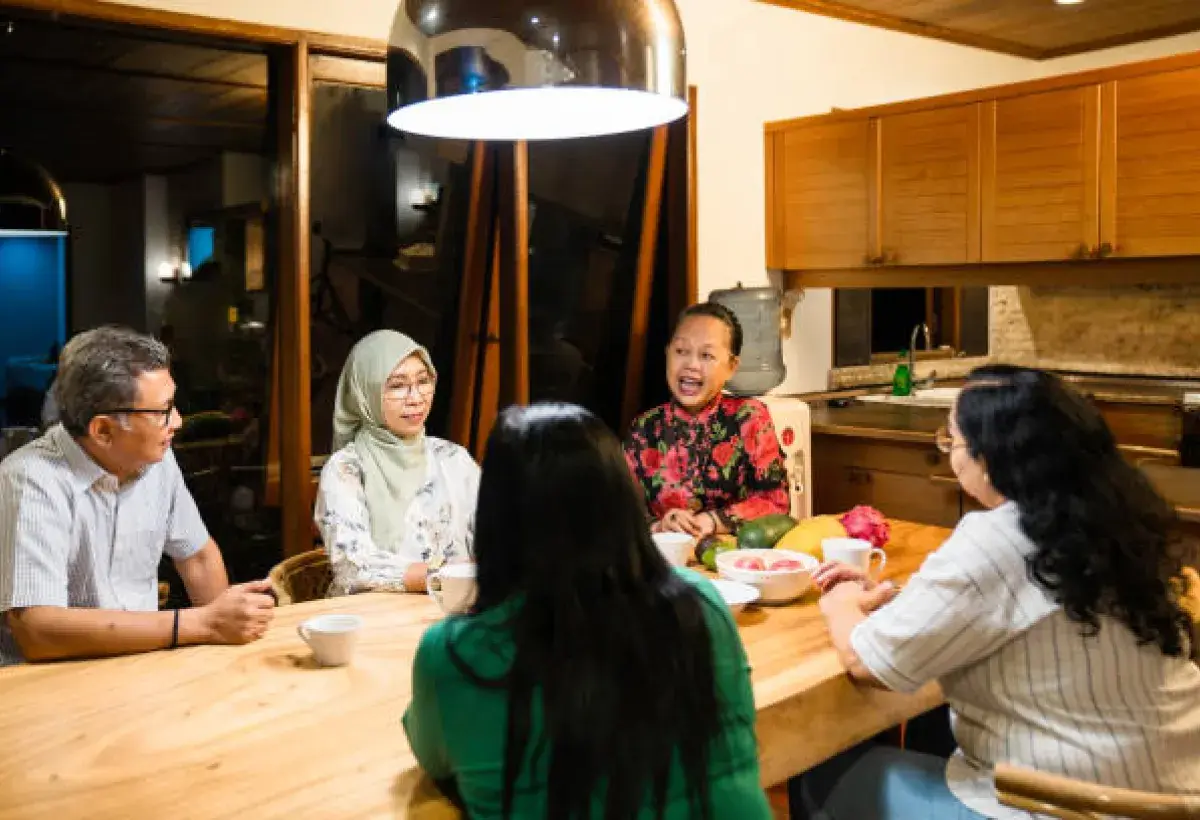
Family disputes over respect, authority, and values are increasingly common. Research shows that 61 percent of conflicts in multigenerational households arise from differing expectations. Gen Z members often demand a voice in decisions, while elders maintain traditional values, asserting authority through phrases like "Walang hiya" when challenged.
Everyday interactions can escalate quickly. A simple request to lower the TV volume might trigger accusations of ingratitude. Social media use, viewed as harmless by younger generations, can become a moral failing in the eyes of grandparents. These repeated skirmishes create lingering resentment, leaving love buried beneath layers of frustration.
3. Silent Sacrifices
For overseas Filipino workers, the emotional cost can be profound. Marco, who works in Dubai, shares, "I pay for this house but sleep on the floor when I visit." Many OFWs pour their earnings into homes they barely inhabit, only to return as temporary guests in spaces they helped build.
Meanwhile, stay-at-home adult children juggle caregiving duties and careers, putting their own ambitions on hold to meet family expectations. The unspoken rule of multigenerational households often becomes, "You owe your family everything even if it costs you yourself." This dynamic fosters burnout, suppressed desires, and unresolved emotional stress.
Solutions Without Moving Out
Multigenerational living does not have to be a source of despair. With creativity, empathy, and practical solutions, families can reclaim harmony and personal space.
1. The Five-Square-Meter Escape
Privacy does not require a separate room. Small creative solutions can carve out a sanctuary within shared spaces. A Php 300 room divider, a curtained-off bunk bed, or a repurposed balcony can serve as a personal retreat.
Tintin from Cebu shares, "My office is a curtained-off corner of our bedroom. It is tiny, but it is mine." These micro-sanctuaries provide a sense of control and mental breathing room, essential for managing stress and maintaining well-being.
2. The Respect Reset Family Meeting
Conflict decreases significantly when families communicate using "I feel" statements. Research from Ateneo University shows that framing concerns around emotions instead of blame reduces conflict by up to 40 percent.
Instead of explosive arguments, families can try this approach: "Lolo, I love you, but when you call me 'tanga' over WiFi issues, I shut down. Can we try 'Pwede ba ituro mo sa’kin?' instead?" By reframing concerns around emotions, elders understand the impact of their words while preserving their dignity. This method fosters empathy and encourages constructive dialogue.
3. Noise Management Hacks
Peaceful coexistence often comes down to small compromises. Noise, a common source of tension in multigenerational households, can be managed without resentment.
For elders, inexpensive earplugs soften early morning or late-night disturbances including prayer or television. For younger members, brown noise playlists or headphones reduce exposure to debates or discussions. These simple adjustments make shared living tolerable and prevent small annoyances from escalating into major conflicts.
4. Scheduled Solitude
Families benefit from structured routines that respect individual downtime. Scheduling quiet hours or designating specific times for personal activities ensures everyone can enjoy uninterrupted solitude. Even 30 minutes of undisturbed privacy can rejuvenate a stressed adult or a teenager coping with academic pressures.
5. Mutual Accountability
Living together successfully requires everyone to take responsibility for maintaining peace. Clear agreements on shared chores, respectful communication, and personal boundaries foster mutual respect. Families can create small rituals, such as weekly check-ins or shared meal planning, that promote collaboration without friction.
Rebuilding Home Without Breaking Family
Multigenerational living can still be fulfilling. The key is acknowledging that merely tolerating one another is not the same as thriving together. Families must actively create environments that protect privacy, honor emotions, and encourage compromise.
The Santos family provides a shining example. Their 30-square-meter home was once a pressure cooker of conflicts. Through intentional communication, creative space solutions, and respect-driven compromise, they transformed their small house into a "peace zone." No one had to move out.
Their secret was simple: "We stopped pretending everything was fine and started fixing what was not." By implementing small, meaningful changes, families can create homes that support mental health, foster love, and maintain cultural and familial bonds.
Families must share their survival strategies. The more we speak about these challenges and solutions, the more we break the silence surrounding the hidden struggles of multigenerational living.
Image

Multigenerational households remain a cornerstone of Filipino culture. While challenges related to privacy, generational conflict, and personal sacrifice are real, they are not insurmountable. With intentional solutions such as micro-sanctuaries, respectful communication, noise management, structured solitude, and mutual accountability, families can thrive under one roof without compromising their mental health or family bonds.
Arthur's Note
AI tools assisted with data compilation and structure. All analysis and conclusions represent my original academic work. Based on verified data, peer-reviewed literature, and insights from national and global agencies and with the help of AI for deep research.
References
-
University of Santo Tomas 2024. Multigenerational Stress in PH Homes.
-
UP Population Institute 2023. Conflict Resolution in Filipino Families.
-
University of the Philippines 2023. Living Conditions of Young Adults in Multigenerational Households Report.