The Most Predictable Demographic Shift in Human History
The aging of the global population is no longer a distant projection, it is a measurable reality reshaping economies, healthcare systems, and social structures worldwide.
In 2023, approximately 1.1 billion people globally were aged 60 and above. By 2030, this number will reach 1.4 billion - it means there will be aged 60 or over in every six people globally, and this is not a distant reality. It is our present society. And by 2050 it will exceed 2.1 billion, effectively doubling within three decades. At the same time, the population aged 80 years and older is expected to triple, reaching 426 million people by mid-century.
This transformation is not confined to wealthy nations. In fact, two-thirds of older adults by 2050 will live in low- and middle-income countries, where healthcare systems and pension structures are often least prepared for rapid demographic change. Despite decades of warnings from demographers, the scale of this transition remains underestimated in public discourse and policy planning.
The issue is not merely longevity. It is the institutional readiness of societies to support longer lives.
Loneliness and Social Isolation: A Public Health Risk
Social isolation has emerged as one of the most significant yet underrecognized risks affecting older adults. Studies estimate that 25 - 50% of people over the age of 65 experience loneliness, depending on the region and measurement methodology.
Loneliness is Not Simply an Emotional Condition
It is associated with measurable physiological consequences, including increased cardiovascular risk, cognitive decline, and higher mortality rates. Research consistently identifies social isolation as a major determinant of health outcomes in older populations. In many societies today, the growing loneliness among older adults is not simply the result of aging itself. It is deeply connected to the way our societies have changed over the past few decades.
One Major Factor is Migration
Across the world particularly in Asia millions of younger adults leave their hometowns or even their countries in search of better opportunities. They move to large cities or work abroad, often to support their families financially. While these decisions are made out of responsibility and sacrifice, they can unintentionally leave aging parents behind, living alone for long periods of time.
Urbanization Also Plays a Role
As communities transform into modern cities, traditional neighborhood networks that once provided informal support begin to weaken. In the past, elders often lived in close-knit communities where relatives, neighbors, and friends were within walking distance. Today, many older adults find themselves in environments where social connections are less frequent and daily interactions become more limited.
Image

Another Important Change is the Decline in Birth Rates
Families are becoming smaller in many parts of the world. Where previous generations might have had four or five children, today many households have one or two. This means fewer potential caregivers available to support aging parents later in life.
These trends are particularly visible across many Asian societies. In countries such as the Philippines, Thailand, China, and South Korea, large numbers of younger adults migrate for work while older family members remain in their hometowns or rural communities. As a result, millions of older adults now spend much of their later years living alone, maintaining independence but also facing the growing risk of social isolation.
Altogether, migration, urbanization, and declining fertility are quietly reshaping the traditional systems of family support that older generations once relied upon. Understanding these shifts is essential if societies hope to respond effectively to the challenges of aging populations.
The Economic Pressure of Population Aging
Population aging carries profound economic implications. Many pension systems worldwide were designed when life expectancy was significantly shorter and populations were younger. Today those systems are under strain. Key structural pressures include:
Shrinking workforce-to-retiree ratios
As birth rates decline and life expectancy rises, fewer workers support a growing retired population.
Limited pension coverage in developing regions
Across many Asian countries, a large portion of older adults remain outside formal pension systems.
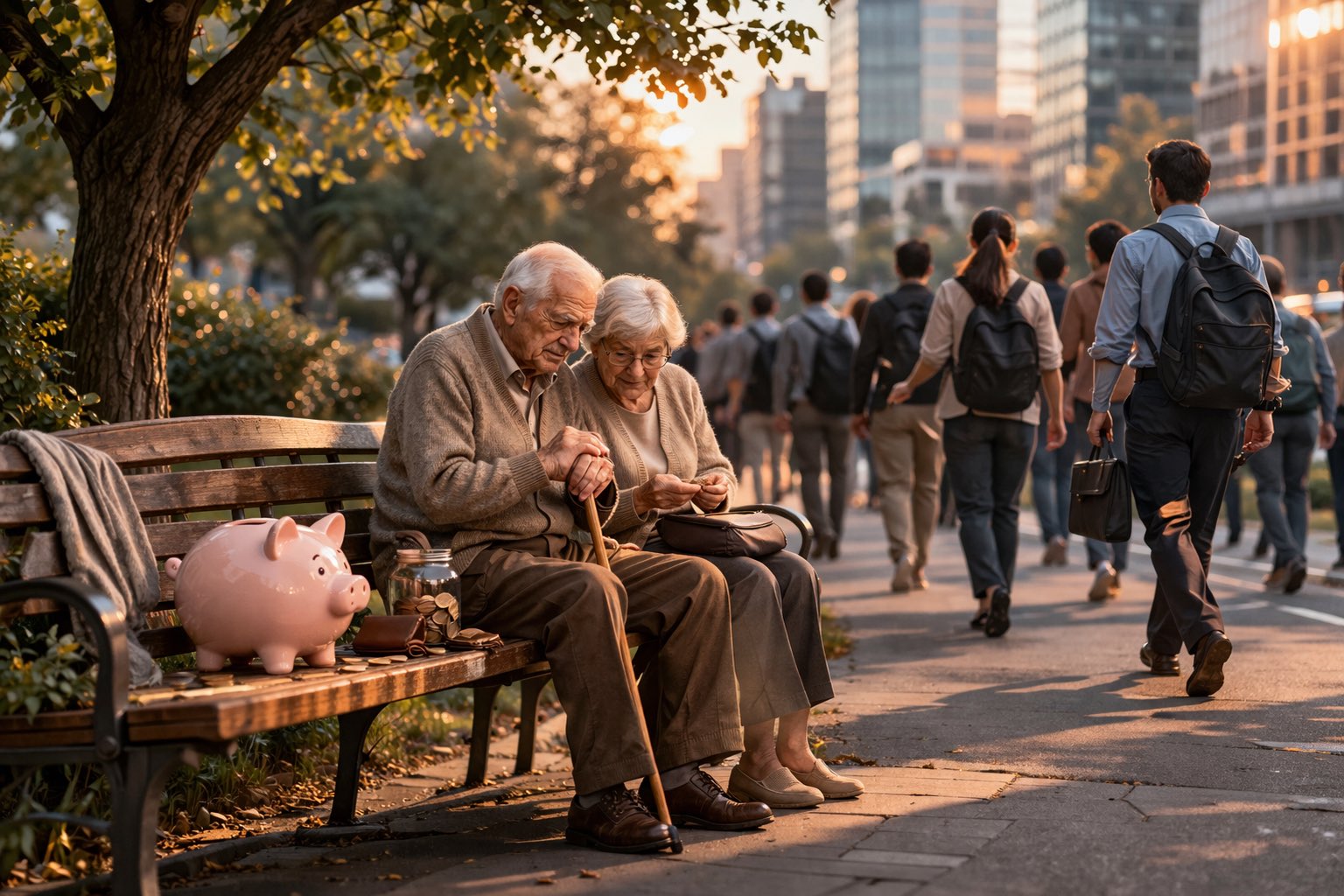
Growing old-age poverty risk
In several developed countries, older adults represent one of the fastest-growing demographics experiencing housing insecurity.
Without structural reforms to retirement systems, labor participation, and savings mechanisms, aging populations may place increasing fiscal pressure on governments.
Healthcare Systems Under Growing Strain
Aging populations also transform healthcare demand. Chronic diseases, neurodegenerative disorders, and long-term care needs increase significantly with age. Globally, approximately 57 million people were living with dementia in 2021, and projections suggest this number could exceed 150 million by 2050.
The implications of an aging population for healthcare systems are significant and far-reaching. As people live longer, the demand for medical care does not simply increase it changes in nature.
Healthcare systems are seeing a growing need for geriatric care, a specialized field that focuses on the complex health needs of older adults. Conditions associated with aging, such as cardiovascular disease, arthritis, dementia, and frailty, often require continuous monitoring and long-term management rather than short, one-time treatments.
Image
At the same time, societies are beginning to require a much broader network of long-term care services. These include home care support, assisted living facilities, rehabilitation services, and nursing care designed to help older adults maintain dignity and independence as their health needs evolve.
This shift also creates a greater demand for specialized medical professionals. Geriatricians, geriatric nurses, physiotherapists, occupational therapists, and dementia care specialists are becoming increasingly essential in supporting aging populations.
However, many countries are not yet prepared for this transition. In numerous regions, there is already a shortage of trained geriatric specialists and limited infrastructure for long-term care. Hospitals, clinics, and public health systems were historically designed to respond primarily to acute illnesses—conditions that appear suddenly and are treated over a relatively short period of time.
The reality of aging societies is different. Older adults often live for decades with chronic conditions that require ongoing care, coordinated medical support, and sustained health management. As a result, healthcare systems around the world are being challenged to shift from treating short-term illnesses to supporting longer lives shaped by chronic and age-related health needs.
The Invisible Workforce: Family Caregivers
Behind nearly every elder care system in the world stands a group that often receives little public recognition: family caregivers.
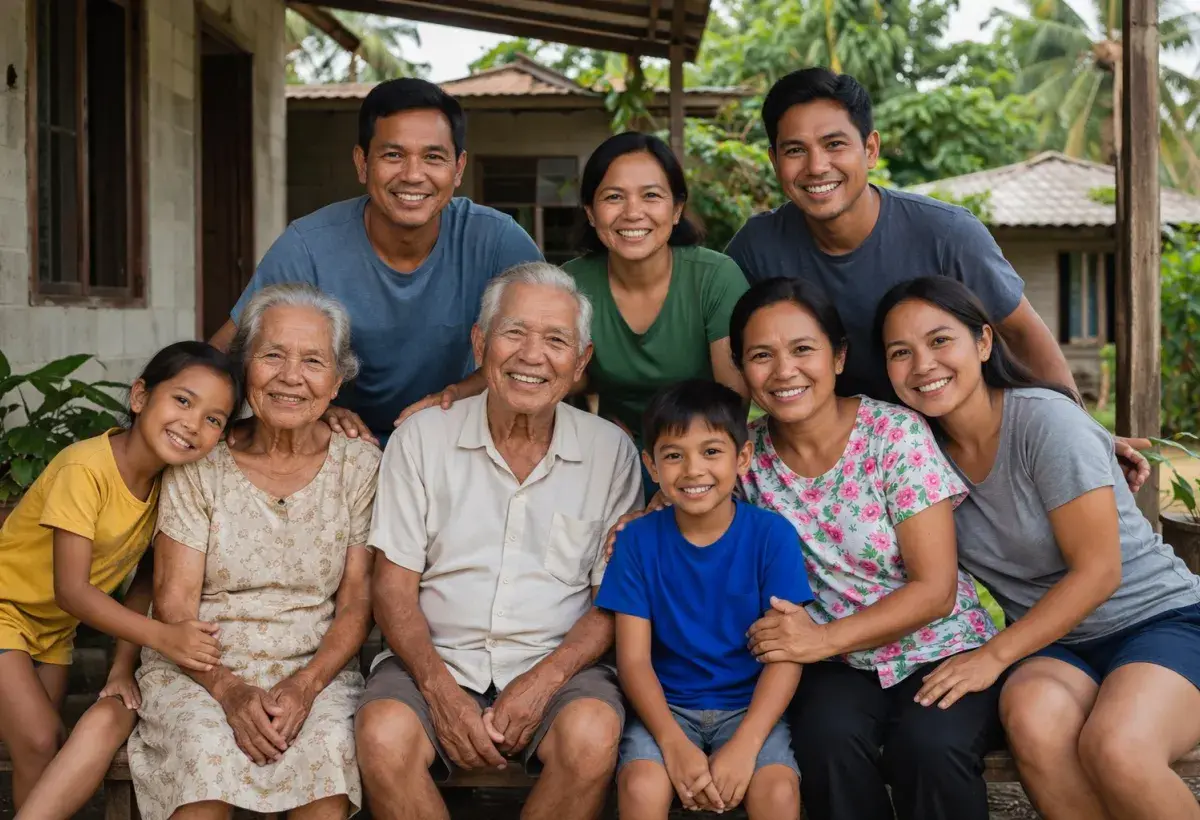
In most countries, the majority of long-term care for older adults is not delivered by hospitals or professional institutions. Instead, it takes place quietly within homes, carried out by spouses, children, and other relatives who step in to support aging family members. These caregivers assist with daily routines, accompany loved ones to medical appointments, manage medications, and provide emotional support often while balancing their own work and family responsibilities.
Although this form of care is deeply rooted in family values and cultural expectations, it also comes with significant challenges. Many caregivers face financial strain, especially when caring responsibilities require them to reduce working hours or leave employment altogether. Others experience limited career opportunities, as long-term caregiving commitments can interrupt professional growth and economic stability.
Beyond the financial impact, caregiving can also carry a heavy emotional burden. The ongoing responsibility of supporting an aging parent or spouse particularly when dealing with chronic illness or cognitive decline can lead to stress, fatigue, and burnout. Despite the scale of their contribution, family caregivers remain largely invisible in policy discussions and economic statistics. Yet without their unpaid labor and dedication, many healthcare systems would struggle to meet the growing demands of aging populations.
Recognizing and supporting this invisible workforce is becoming an increasingly important part of the global conversation on aging and long-term care.As family sizes shrink and life expectancy increases, this informal care model is becoming increasingly difficult to sustain. Several countries have begun recognizing caregiving as a policy issue, introducing caregiver benefits, flexible work policies, and long-term care insurance programs. However, such measures remain uneven globally.
Image

Lessons from Countries That Are Preparing
Although the challenges are significant, several countries offer examples of proactive adaptation.
Japan: Facing one of the oldest populations in the world, Japan has invested heavily in robotics, smart homes, and community-based elder care programs.
Sweden: The Swedish model integrates universal healthcare with publicly funded long-term care systems that support aging in place.
Thailand: Community health volunteers play a central role in monitoring and supporting older residents in rural communities.
These models demonstrate that effective responses require long-term planning across multiple sectors.
Preparing for the Silver Economy
While population aging is often discussed in terms of challenges and pressures on healthcare systems or pension funds, it is equally important to recognize the opportunities it presents. Around the world, economists and policymakers are increasingly using the term “Silver Economy” to describe the growing economic ecosystem centered on the needs, preferences, and contributions of older adults.
As life expectancy increases and more people remain active later in life, entire industries are evolving to serve this demographic shift. In healthcare, innovation is accelerating in areas such as longevity medicine, assistive technologies, and digital health tools designed to help older adults maintain independence and quality of life.
Urban planners and developers are also rethinking the way cities and communities are designed. Age-friendly housing, accessible infrastructure, and inclusive urban spaces are becoming essential features of societies that expect a larger proportion of older residents.
Financial institutions, meanwhile, are expanding services that support retirement planning, pension management, and long-term financial security, helping individuals navigate longer lifespans and more complex retirement journeys.
Beyond healthcare and finance, the Silver Economy extends into areas such as education, travel, and employment opportunities for older adults. Many retirees today remain healthy, active, and eager to continue contributing their knowledge and experience. As a result, new opportunities are emerging for lifelong learning programs, senior-friendly tourism, and flexible work arrangements that allow older adults to stay engaged in society.
Seen from this perspective, population aging is not simply a demographic challenge. It is also a transformation that is reshaping markets, industries, and the way societies think about later life.Older adults represent one of the fastest-growing consumer segments globally. Policies that enable healthy, productive aging can transform demographic change into economic opportunity.
A Structural Challenge, Not a Personal One
Population aging is neither a temporary trend nor an isolated issue affecting a single generation. It is a structural transformation that will influence labor markets, healthcare systems, urban planning, and family dynamics for the remainder of the 21st century.
The essential question is not whether societies will age. They already are.
The real question is whether institutions governments, businesses, and communities will adapt quickly enough to ensure that longer lives are accompanied by dignity, economic security, and social inclusion. How societies respond to this demographic shift will shape the quality of life not only for today's older adults but for every generation that follows.
Image
Suggesed Citation
Lendez, M. (2026). The Silent Crisis: The aging population no one is prepared for. Developer of Ikigai-Bayanihan purpose-driven retirement framework.
About the Author:
Dr. Mariza Lendez, DBA - Founder of Global Retirement Radar and developer of the Ikigai–Bayanihan Purpose-Driven Retirement Framework, a research-based model addressing the social, economic, and community dimensions of global population aging.
Explore the Ikigai-Bayanihan Retirement Model presented by Chikicha Co-founder:
https://www.chikicha.com/chikicha-co-founder-present-ikigai-bayanihan-retirement-model-iafor-egen-2026
Acknowledgment to the Contributors on Pixabay, thank you for these photos.
References
-
United Nations Department of Economic and Social Affairs. (2023). World Population Prospects 2023.
-
World Health Organization. (2025). Ageing and Health.
-
World Health Organization. (2021). Mental Health of Older Adults.
-
Holt-Lunstad, J., Smith, T., Baker, M., Harris, T., & Stephenson, D. (2015). Loneliness and Social Isolation as Risk Factors for Mortality. Perspectives on Psychological Science.
-
World Bank. (2022). Aging in the Philippines: Pension System Gaps and Reforms.
-
OECD. (2022). Health at a Glance: Long-Term Care Workforce Shortages.
-
Alzheimer’s Disease International. (2023). Global Dementia Report.
-
AARP Foundation. (2023). Loneliness and Social Isolation Among Older Adults.
Image