What Really Happens to Your Skin After 40: Part 1 | Part 2 | Part 3 | Part 4 | Part 5 | Part 6 | Part 7
Article 1 of 7 in the “Aging Skin After 40” Series
Understanding Skin Aging as a Biological Process
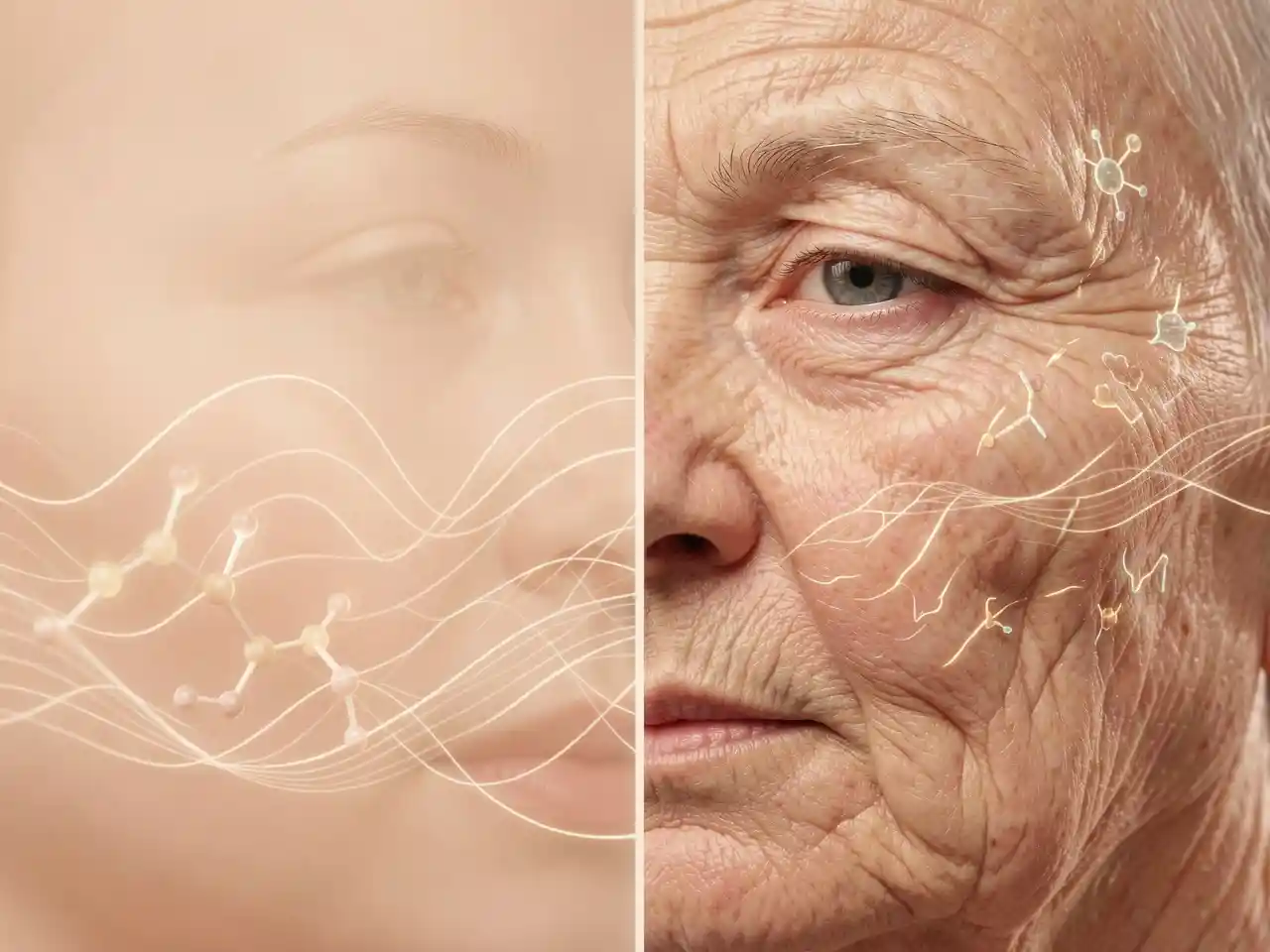
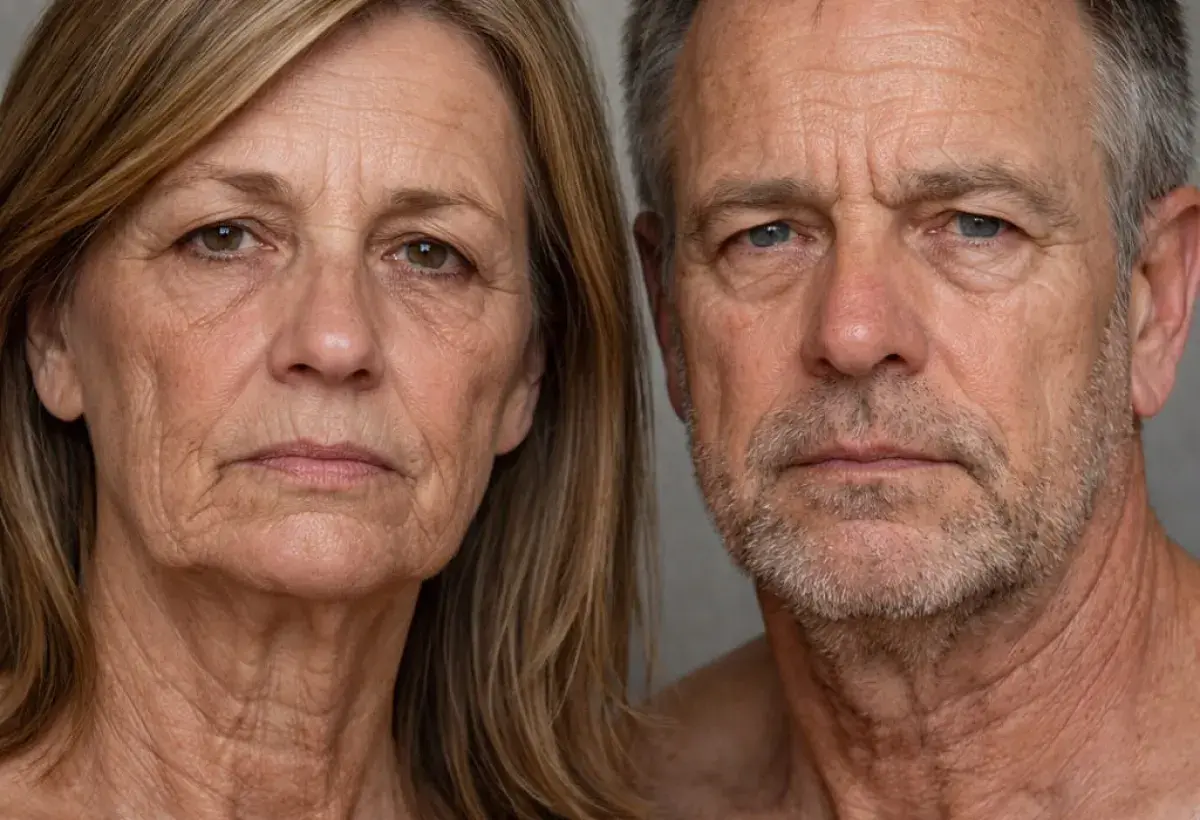
Skin aging is often framed as a cosmetic concern, yet it is fundamentally a biological process shaped by structural, cellular, and environmental changes over time. After the age of forty, these changes become more pronounced as collagen production declines, elastin fibers lose integrity, and the skin’s ability to retain moisture weakens.
Research in dermatology has consistently shown that skin aging results from both intrinsic factors, such as genetics and hormonal shifts, and extrinsic factors, including ultraviolet exposure, pollution, and lifestyle behaviors. These combined influences gradually alter the skin’s architecture, leading to reduced firmness, increased dryness, and the formation of fine lines and wrinkles (Schagen et al., 2012; Krutmann et al., 2021).
Collagen Decline and Structural Changes
Collagen provides the structural framework that maintains skin firmness and elasticity. Beginning in early adulthood and accelerating with age, collagen synthesis declines while degradation increases. This imbalance contributes directly to sagging and wrinkle formation.
Enzymatic processes, particularly those involving matrix metalloproteinases (MMPs), have been shown to break down collagen in response to environmental stressors such as UV radiation. Over time, this degradation exceeds the body’s ability to repair, leading to visible structural changes in the skin (Quan & Fisher, 2015; Quan & Fisher, 2022).
Oxidative Stress and Environmental Exposure
One of the primary drivers of skin aging is oxidative stress. Reactive oxygen species generated by UV exposure, pollution, and metabolic activity damage cellular components, including lipids, proteins, and DNA. This oxidative damage accelerates collagen breakdown and impairs the skin’s natural repair mechanisms.
Contemporary research has reinforced that environmental exposure plays a central role in premature aging, often referred to as the “skin exposome.” This framework highlights how cumulative external stressors interact with biological systems to influence how the skin ages over time (Krutmann et al., 2021; Sies et al., 2022).
Image
The Skin Barrier and Functional Absorption
The skin functions as a protective barrier, regulating what enters and exits the body. While certain substances can penetrate the skin, the extent of absorption depends on molecular size, formulation, and skin condition.
Dermatological research has established that most topical ingredients are limited in their penetration, with the outermost layer of the skin serving as a primary defense mechanism (Bos & Meinardi, 2000). More recent work has emphasized the importance of the stratum corneum as an active defensive system, maintaining hydration, regulating pH, and supporting enzymatic processes essential for skin integrity (Elias, 2020).
This understanding shifts the focus from exaggerated absorption claims to a more accurate perspective: effective skincare supports the skin’s function locally, rather than relying on systemic absorption.
Epigenetics and Skin Aging
Emerging research has introduced the concept of epigenetics in skin aging, referring to how gene expression is influenced by environmental and lifestyle factors. While the genetic code remains unchanged, external influences can activate or suppress pathways related to inflammation, repair, and aging.
Studies have suggested that bioactive compounds, particularly plant-derived polyphenols, may influence these pathways and support cellular resilience. Although this field continues to evolve, current evidence reinforces the role of lifestyle and environmental exposure in shaping how aging manifests at the molecular level (Schagen et al., 2012; Działo et al., 2023).
Why Aging Accelerates After Forty
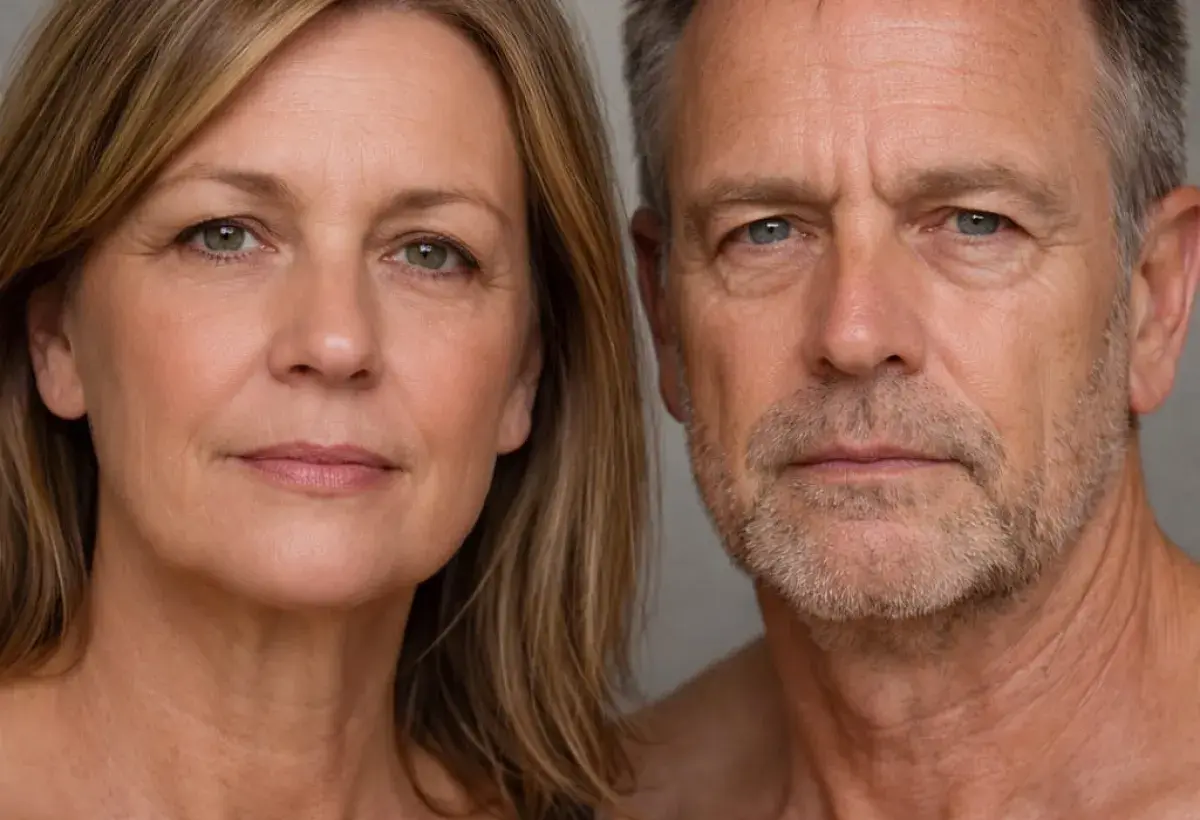
The visible acceleration of aging after forty is not driven by a single factor but by the convergence of multiple biological processes. Collagen production declines while degradation increases, oxidative stress accumulates, hormonal support diminishes, and barrier function weakens. At the same time, cellular repair mechanisms become less efficient.
These changes interact in a compounding manner, making the effects more noticeable over time. Understanding this convergence reframes aging not as an isolated issue, but as a systemic shift that requires a comprehensive and sustained approach.
Image
A Practical Approach to Supporting Aging Skin
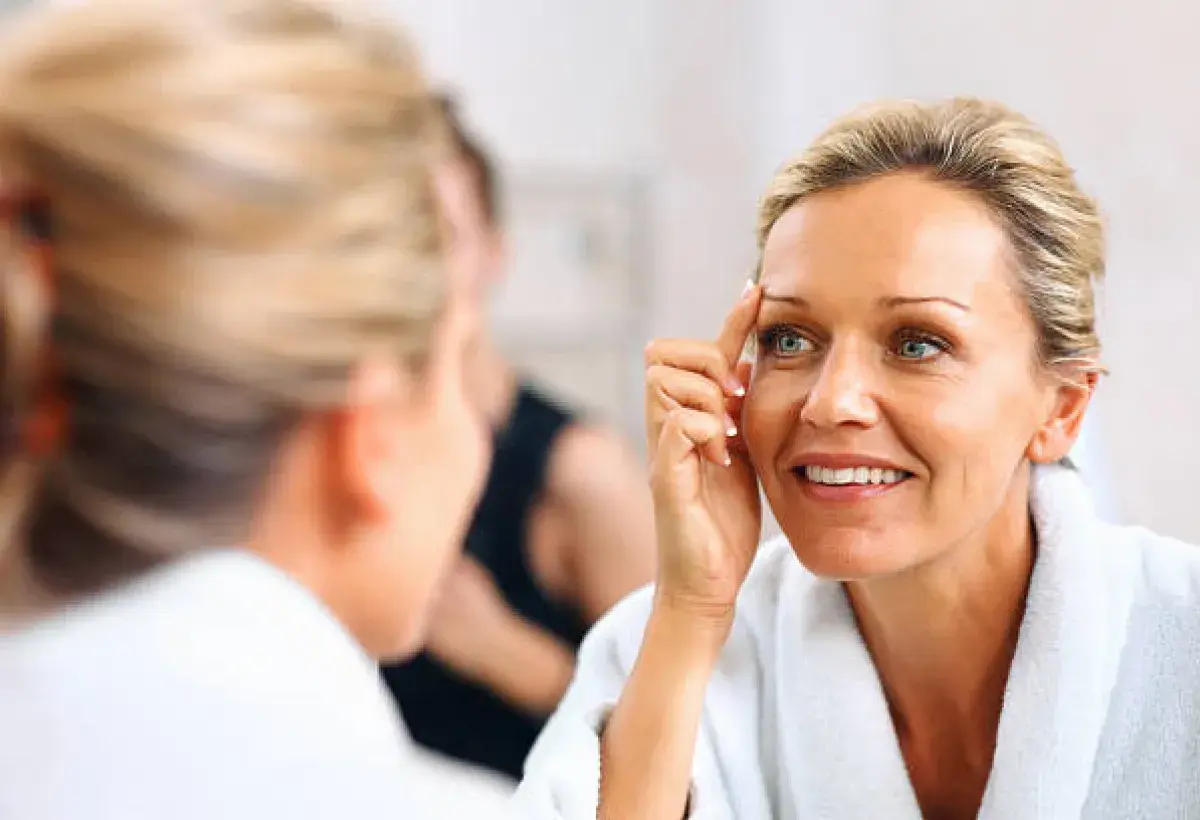
Effective skincare after forty is not defined by complexity but by consistency and alignment with skin physiology. Protecting the skin from further damage, maintaining hydration, and supporting structural integrity form the foundation of long-term skin health.
Daily use of broad-spectrum sunscreen remains one of the most effective strategies for preventing collagen degradation. Antioxidants help reduce oxidative stress, while moisturizers support barrier function and water retention. These practices do not reverse aging but contribute to preserving skin quality over time.
Lifestyle factors also play a significant role. Sleep, nutrition, hydration, and stress management influence the biological processes that determine how the skin ages. When combined with appropriate topical care, these factors create a more stable environment for skin function and resilience.
Conclusion
Skin aging after forty reflects a complex interplay of biological processes, environmental exposure, and lifestyle influences. Collagen decline, oxidative stress, hormonal changes, and barrier dysfunction collectively shape how the skin evolves over time.
Understanding these mechanisms allows for a shift in perspective—from attempting to reverse aging to supporting the systems that maintain skin integrity. When approached with consistency and scientific clarity, skincare becomes less about correction and more about preservation.
Aging, in this context, is not something to resist, but something to manage with intention, knowledge, and care.
Image
Suggested Citation
Lendez, M. (2026). What really happens to your skin after 40: The science of aging, elasticity loss, and wrinkles (Article 1 of 7 in the “Aging Skin After 40” series). Chikicha Skin & Healthy Aging.
About the Author
Dr. Mariza Lendez is the developer of the Ikigai-Bayanihan Purpose-Driven Retirement Framework, a model that redefines aging through purpose, dignity, and community-centered living.
Aging Skin After 40 Series
👉 The Science of Aging, Elasticity Loss, and Wrinkles
👉 Top 10 Botanical Extracts That Firm and Repair Aging Skin: 2024 Science-Backed Guide
👉 The Gut-Skin Axis: How Probiotics Are Clinically Proven to Reduce Wrinkles from Within
👉 The Collagen Diet: 12 Science-Backed Foods to Rebuild Aging Skin from Within
👉 Acid Mantle Repair: The Hidden Key to Plumper, Wrinkle-Resistant Skin
👉 Beauty Sleep Redefined: How Your 2AM Melatonin Surge Rebuilds Collagen and Smooths Wrinkles
👉 Facial Yoga and Gua Sha: 2024 Science on Non-Invasive Lifting and Collagen Boosting
Disclaimer
Chikicha does not sell or promote any of the products mentioned in this article. The content is intended solely for educational and informational purposes.
The author, Mariza Lendez, is not a medical practitioner. This article does not provide medical advice, diagnosis, or treatment. Readers are encouraged to consult a qualified healthcare professional.
REFERENCES
Bos, J. D., & Meinardi, M. M. H. M. (2000). The 500 Dalton rule for the skin penetration of chemical compounds. Experimental Dermatology.
Działo, M., et al. (2023). Plant-derived compounds in dermatology. Molecules. https://doi.org/10.3390/molecules28020654
Elias, P. M. (2020). Stratum corneum defensive functions: An integrated view. Experimental Dermatology. https://doi.org/10.1111/exd.14154
Hall, G., & Phillips, T. J. (2005). Estrogen and skin: The effects of estrogen on the skin. Journal of the American Academy of Dermatology.
Krutmann, J., et al. (2021). The skin aging exposome. Journal of Dermatological Science. https://doi.org/10.1016/j.jdermsci.2021.02.008
Quan, T., & Fisher, G. J. (2015). Role of matrix metalloproteinases in skin aging. Journal of Investigative Dermatology.
Quan, T., & Fisher, G. J. (2022). Matrix metalloproteinases and skin aging. Journal of Investigative Dermatology.
Schagen, S. K., Zampeli, V. A., Makrantonaki, E., & Zouboulis, C. C. (2012). Discovering the link between nutrition and skin aging. Dermato-Endocrinology.
Sies, H., et al. (2022). Oxidative stress and antioxidants. Journal of Nutrition.