The Filipino Elder Care Crisis: Structural Gaps in a Rapidly Aging Society
Part of the SILVER CHALLENGES AND OPPORTUNITIES Series
A System Under Transition
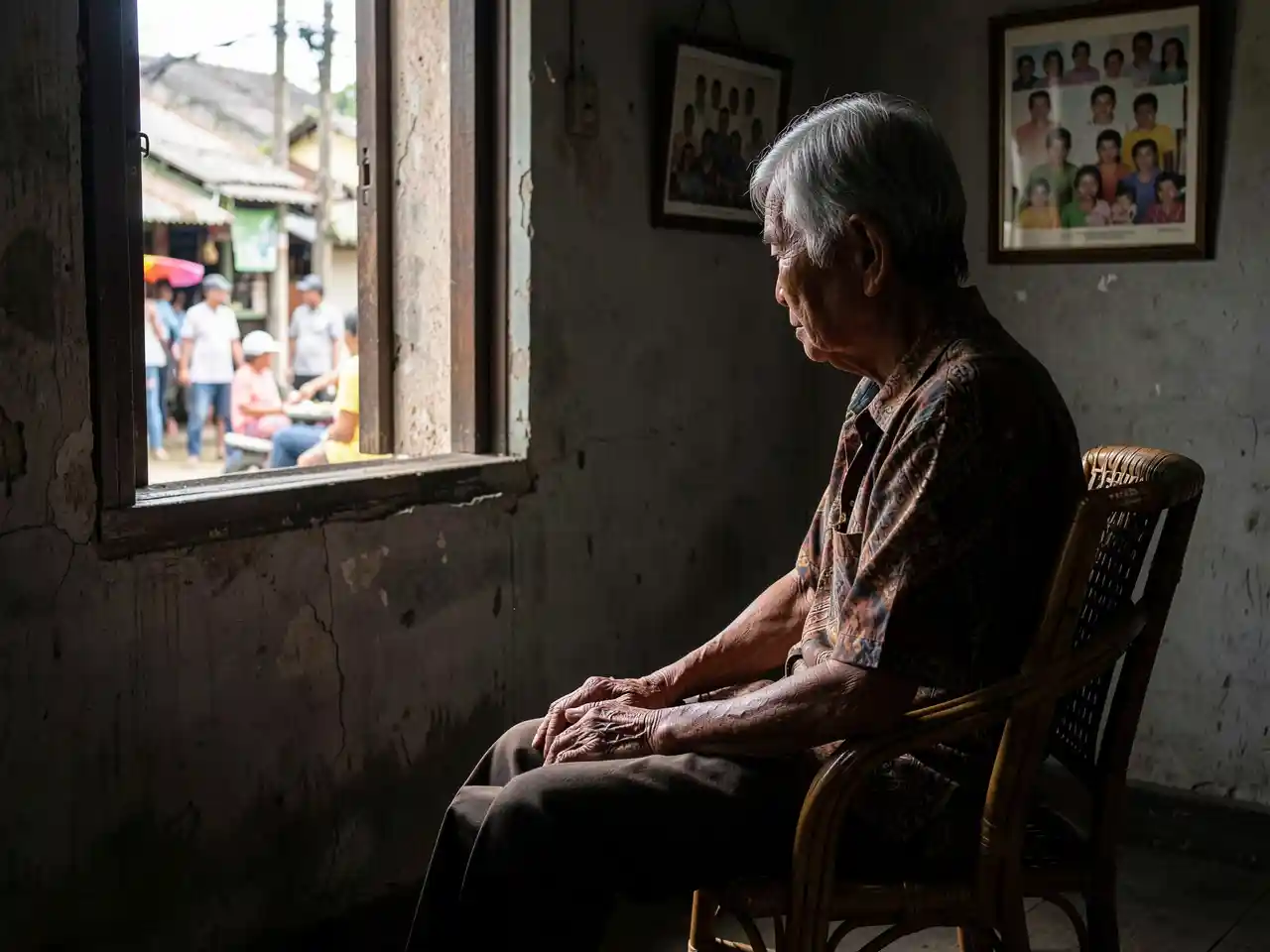
Filipino society has long been anchored in the principle of pag-aaruga sa matanda, where caring for aging parents is viewed as both a moral obligation and a cultural cornerstone. This expectation, reinforced by the concept of utang na loob, historically ensured that older adults remained integrated within family systems.
However, this model is undergoing structural strain. Economic migration, urbanization, and shifting labor patterns have redefined family dynamics, weakening the traditional support system that once sustained elder care. What was previously a reliable informal safety net is increasingly fragmented, exposing older adults to risks of financial insecurity, social isolation, and unmet health needs.
Demographic Acceleration and Policy Lag
The Philippines is entering a critical demographic phase. The Philippine Statistics Authority (2023) projected a substantial increase in the country’s older population by 2050, reflecting a broader global trend toward population aging. Similarly, the United Nations (2023) reported that aging populations are accelerating across both developed and developing regions, with significant implications for social protection systems.
Despite these projections, policy development in the Philippines has not advanced at the same pace. Comparative data from the World Bank (2022) indicated that the country’s preparedness for aging remains limited relative to regional counterparts, particularly in areas such as pension coverage, healthcare infrastructure, and long-term care systems.
This divergence between demographic change and policy readiness represents a central vulnerability in the country’s aging landscape.
Erosion of the Family-Based Care Model
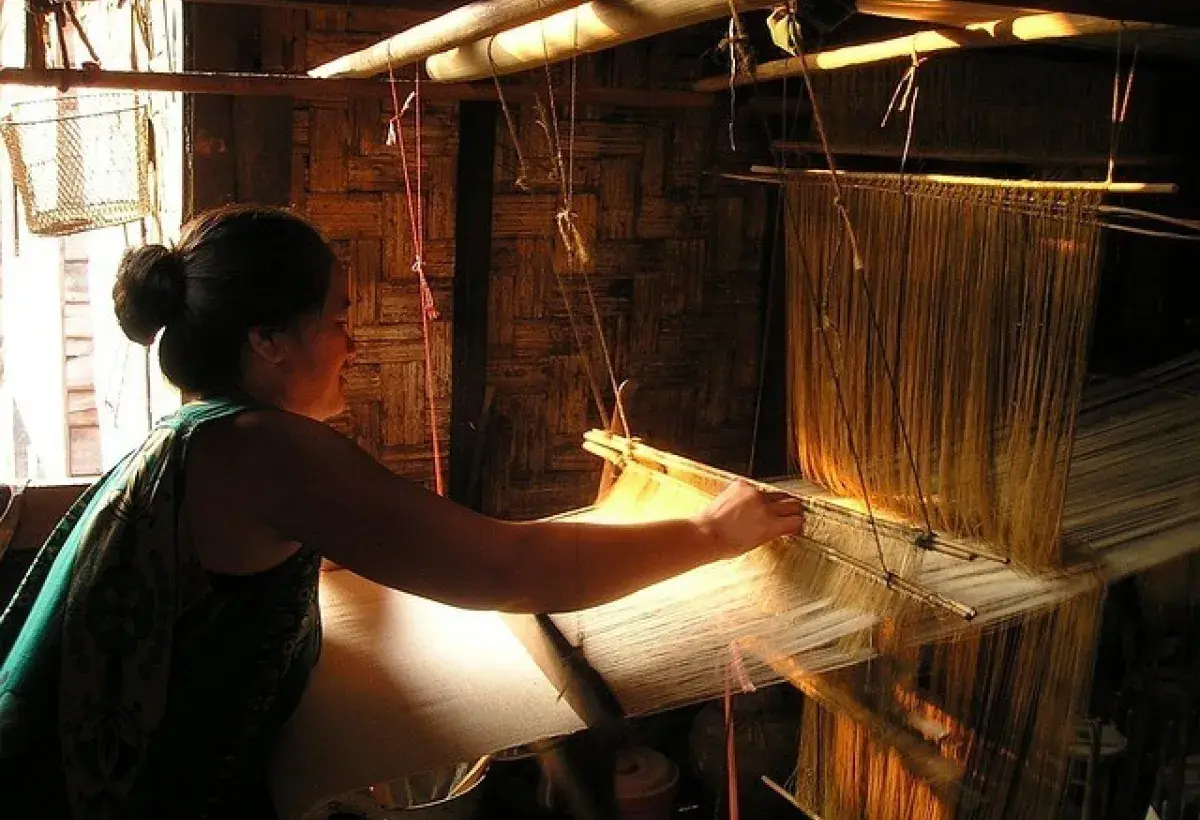
Family-based care has historically functioned as the primary mechanism for supporting older adults. However, large-scale labor migration has altered this arrangement. Millions of Filipinos working abroad contribute significantly to the economy through remittances, yet their absence reshapes caregiving structures within households.
The Philippine Statistics Authority (2023) reported sustained levels of overseas employment, reflecting the country’s dependence on labor export. While remittances provide financial stability, they do not replace the relational and physical dimensions of caregiving.
At the same time, urbanization has concentrated younger populations in cities, further distancing them from aging family members in rural areas. These combined forces have gradually shifted elder care from direct family involvement to fragmented and often informal arrangements.
Image
Gaps in Social Protection and Healthcare Systems
The limitations of family-based care are compounded by gaps in formal support systems. Pension coverage in the Philippines remains uneven, particularly among individuals who spent their working years in the informal sector. The World Bank (2022) noted that a significant portion of older adults lacks adequate income security in retirement.
Healthcare infrastructure presents additional challenges. The Department of Health (2023) acknowledged constraints in geriatric care capacity, including shortages of specialists and limited integration of long-term care services within the public health system.
Unlike countries such as Japan and Sweden, which have developed comprehensive long-term care frameworks, the Philippines continues to rely on fragmented programs. Existing policies, while beneficial in specific areas, do not yet constitute a cohesive national strategy for aging.
The Data: A Looming Crisis in Numbers
ASEAN'S SILVER TSUNAMI: PHILIPPINES VS. NEIGHBORS
| Country | % Population 65+ (2023) | Projected % 65+ (2050) | Senior Growth Rate (2023-2050) |
| Philippines | 7.5% | 18.4% | 3.5% annually (Fastest) |
| Thailand | 13.5% | 30.1% | 2.8% |
| Vietnam | 8.3% | 20.9% | 2.9% |
| Singapore | 18.4% | 33.5% | 2.3% |
| Indonesia | 6.6% | 14.8% | 2.5% |
Global Aging Snapshots:
-
Global: 1 in 6 people will be over 65 by 2050 (UN, 2023).
-
Japan: Super-aged society, 30% seniors, high-tech solutions (UN, 2023).
-
Sweden: Universal elder care, but 32% tax rates (OECD, 2021).
-
Philippines: The UN projects 23.3 million Filipino seniors by 2050, equivalent to the entire population of Taiwan today (PSA Census, 2023; World Bank, 2022).
This crisis is not distant. By 2030, 1 in 10 Filipinos will be over 60, straining an already fragile healthcare and pension system.
AGING POPULATION CRISIS IN 4 KEY REGIONS
| Country | % 65+ (2023) | % 65+ (2050) | Senior Growth Rate | Key Stat Highlight |
| Philippines | 8% | 18% | 3.5% (fastest) | 23.3M seniors by 2050 |
| Japan | 30% | 38% | 1.1% | 1 in 3 people elderly |
| Sweden | 20% | 25% | 0.9% | 98% get state elder care |
| Global | 10% | 16% | 2.1% | 1.5B seniors worldwide by 2050 |
Comparative Insights from Global Models
International experiences demonstrate that effective elder care systems require coordinated policy, sustained investment, and societal commitment.
Japan, for instance, has implemented long-term care insurance and integrated technological innovations to address workforce shortages. The Government of Japan (2023) reported that these measures supported both institutional and home-based care.
Sweden’s model emphasizes universal access and strong municipal responsibility, ensuring that older adults receive consistent support regardless of income. The Organisation for Economic Co-operation and Development (2021) highlighted Sweden’s comprehensive approach to social care and health integration.
These examples illustrate that aging populations can be supported effectively when systems are designed proactively rather than reactively.
Toward a Structured National Response
Addressing the elder care crisis in the Philippines requires a transition from reliance on informal systems to the development of structured, sustainable frameworks.
A comprehensive response would involve strengthening pension systems to ensure broader coverage, expanding healthcare capacity with a focus on geriatric services, and developing community-based care models that support both families and older adults.
Equally important is the recognition that caregiving is not solely a private responsibility. It is a shared societal function that must be supported by policy, infrastructure, and institutional accountability.
A Defining Moment for Aging Policy
The Philippines stands at a critical juncture. The convergence of demographic change, economic pressures, and evolving family structures demands a reexamination of how aging is supported.
The challenge is not merely to respond to an aging population, but to anticipate its needs and design systems that ensure dignity, security, and inclusion. Delayed action will increase vulnerability, while proactive investment can transform aging into a period of continued participation and stability.
The trajectory is clear. The question is whether systems will evolve in time to meet it.
Image

Suggested Citation
Lendez, M. (2026). The Filipino elder care crisis: Structural gaps in a rapidly aging society. Part of the Silver Challenges and Opportunities Series. Developed within the Ikigai-Bayanihan Purpose-Driven Retirement Framework.
About the Author
Written by Dr. Mariza Lendez, the developer of the Ikigai-Bayanihan Purpose-Driven Retirement Framework, a model that redefines aging through purpose, dignity, and community-centered living.
Explore the Ikigai-Bayanihan Retirement Model presented by Chikicha Co-founder:
https://www.chikicha.com/chikicha-co-founder-present-ikigai-bayanihan-retirement-model-iafor-egen-2026
References
Department of Health. (2023). Philippine health system capacity and aging population.
Government of Japan. (2023). Annual report on the aging society. Cabinet Office.
Organisation for Economic Co-operation and Development. (2021). Health at a glance: Sweden.
Philippine Statistics Authority. (2023). Population projections.
United Nations. (2023). World population prospects.
World Bank. (2022). Aging in the Philippines: Time to act.