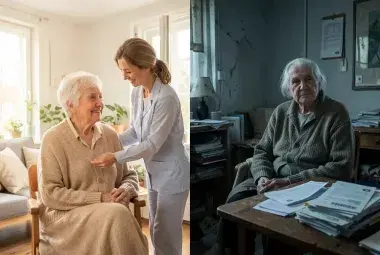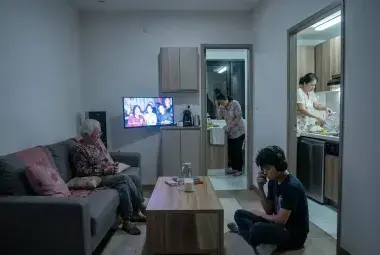
Caregiving is not a task to be completed.
When someone you love begins to need extra support, the decision is rarely simple. It is not just about what kind of care is available it is about what your family can realistically sustain, emotionally, physically, and financially.
Caregiving, in its truest sense, is not a task to be completed. It is a long-term relationship that evolves. What works today may not work six months from now. And the most difficult part is that love alone, while essential, is not always enough to carry the full weight of care.
What follows is not a rigid guide, but a grounded way to think through your options with clarity and compassion.
1. Family or Informal Caregiving (Home-Based, Relative-Led)
This is often the first instinct. To care for someone at home, within the familiarity of family, feels natural and deeply human. There is comfort in shared history, in routines that do not feel clinical, and in the quiet reassurance of being surrounded by loved ones.
However, what begins as an act of devotion can gradually become physically demanding and emotionally complex. The body tires. Sleep becomes irregular. Roles shift as children become caregivers, spouses become nurses. Over time, unspoken expectations can build, and when responsibilities are unevenly distributed, tension silently follows.
The critical question here is not “Can we do this?” but rather, “Can we sustain this without harming ourselves or each other?”
Family caregiving works best when it is not carried alone. Clear communication, shared responsibilities, and external support whether occasional respite care or medical guidance, are not luxuries; they are necessities.
2. Hiring a Private Caregiver (Live-in or Hourly Support)
Bringing in a trained caregiver often represents a shift from emotional caregiving to structured support. It allows families to remain present without being overwhelmed by the demands of daily physical care.
A professional caregiver can assist with bathing, medication management, mobility, and monitoring tasks that require both skill and consistency. This option can restore balance within the household, allowing family members to return to work, rest, or simply reconnect with their loved one beyond the role of “care provider.”
Yet this arrangement requires thoughtful management. Trust must be built deliberately. Expectations must be clearly defined. And supervision, especially in the early stages, is essential to ensure quality and alignment with your family’s values.
Financially, this option can be significant, particularly for long-term or 24-hour care. The decision, therefore, becomes a balance between affordability and sustainability.
This approach is often most effective when families remain actively involved, not as primary caregivers, but as engaged partners in care.
Image
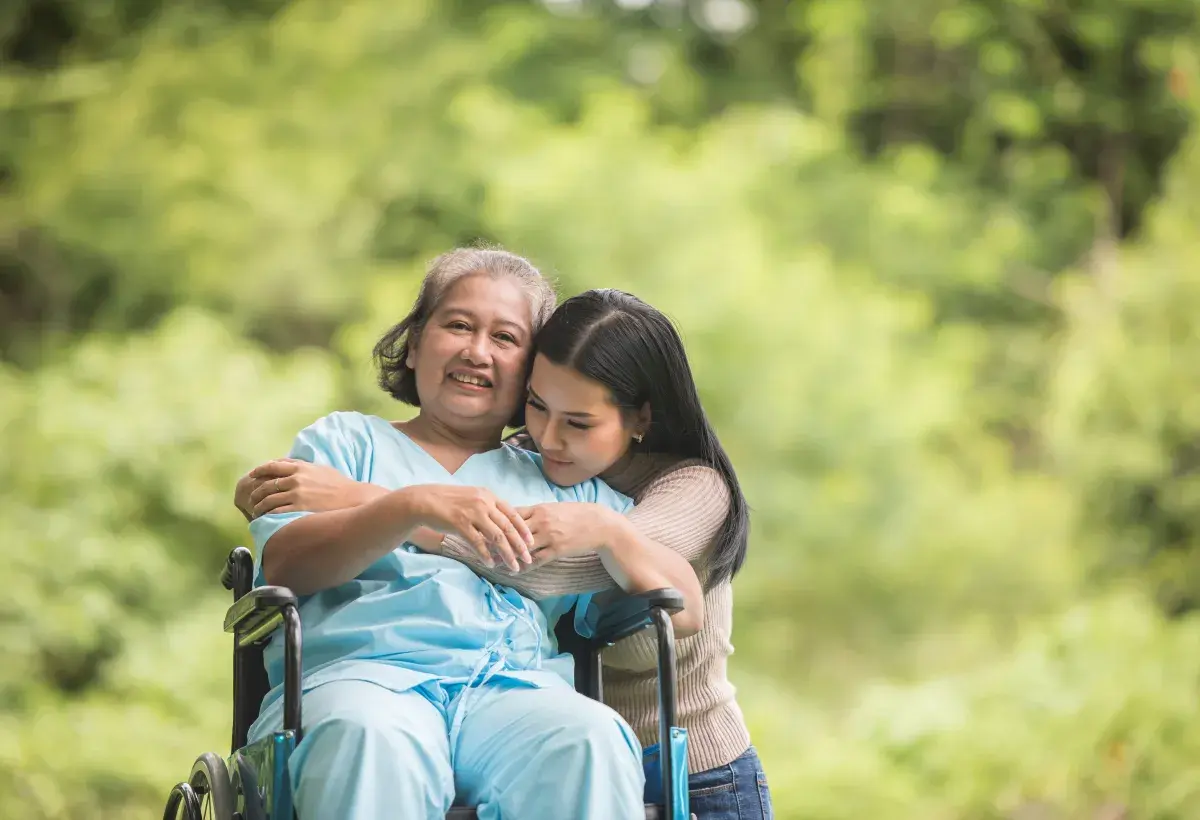
3. Adult Day Care Services and Community-Based Programs
This is one of the most underutilized yet practical forms of caregiving support. It introduces structure, social interaction, and professional oversight during the day, while still allowing the individual to return home in the evening.
For the care recipient, this means stimulation, routine, and connection elements that are especially important in slowing cognitive and emotional decline. For the family caregiver, it provides something equally vital: time to rest, work, or simply breathe.
However, this model has its limitations. It does not cover evenings, nights, or emergencies. Transportation can become a logistical concern. And for individuals with advanced medical needs or severe cognitive impairment, it may not provide sufficient support.
This option works best during the early to mid-stages of care, when independence is reduced, but not entirely lost.
4. Assisted Living and Nursing Facilities
There comes a point in some caregiving journeys when the level of care required exceeds what can safely be provided at home. This is often the most emotionally difficult transition, as it can feel like a departure from personal responsibility.
But it is important to reframe this decision. Choosing professional, facility-based care is not an act of abandonment but often an act of protection.
In these settings, care is continuous. Medical needs are monitored. Rehabilitation services are accessible. There is structure, safety, and a team of trained professionals equipped to handle complex conditions.
Still, the emotional weight remains. Feelings of guilt, distance, or loss of familiarity can arise for both the family and the individual receiving care. Not all facilities provide the same quality of environment or attention, making careful selection essential.
When considering this path, the guiding principle should be this: Is the level of care required beyond what we can safely and consistently provide at home?
If the answer is yes, then seeking institutional support becomes not only reasonable, but responsible.
Final Reflection
Caregiving is not a single decision - it is a series of decisions made over time. It requires honesty about limitations, humility to seek help, and courage to adapt when circumstances change.
There is no perfect model. There is only the model that works best for your loved one and for those providing the care.
What matters most is not whether care happens at home, through a professional, or within a facility. What matters is that it is delivered with dignity, consistency, and respect for the person receiving care, and for the caregiver as well.
Image

About the Author
The author is a registered nurse with both clinical and personal experience in caregiving. Grounded in the belief that prevention is always better than cure, she advocates for early awareness, proactive health management, and informed decision-making to reduce the long-term burden of care. Her perspective bridges medical knowledge with lived family realities, offering guidance that is both practical and compassionate.