Asia Is Aging First Series: Part 1: Why Ageing Has Become Everyone’s Business | Part 2: What “Active Ageing” Really Means for Everyday Life | Part 3: Designing a Society That Ages Well
Part 2 of 3: What “Active Ageing” Really Means for Everyday Life
“Healthy ageing is about creating the environments and opportunities that enable people to be and do what they value throughout their lives.”
— World Health Organization (2020)
From Concept to Lived Framework
As Asia becomes home to the largest population of older adults globally, discussions on ageing can no longer remain abstract. They must be grounded in evidence, socially contextualized, and attentive to lived experience.
Within this context, active ageing as articulated by the World Health Organization, supported by the United Nations Population Fund, and reinforced by the Organisation for Economic Co-operation and Development emerges not as an aspirational slogan, but as a practical and human-centered framework for navigating longer lives.
Crucially, active ageing is not about extending productivity indefinitely or resisting the passage of time. It is about preserving the conditions that allow individuals to remain themselves capable, connected, and engaged across the life course.
Reframing Ageing: Beyond Linear Models
For much of modern history, ageing followed a linear trajectory: education, employment, and eventual withdrawal. Retirement marked not only the end of work, but a contraction of expectations. Older age was often associated with disengagement from economic, social, and civic life.
Contemporary evidence no longer supports this model. Increased longevity has introduced variability rather than uniformity. Some individuals remain active and independent well into advanced age, while others encounter periods of vulnerability earlier. Many move between these states over time.
This variability underscores a key insight: ageing is not prescriptive but adaptive. According to the World Health Organization, active ageing is defined as the process of optimizing opportunities for health, participation, and security to enhance quality of life as people age (World Health Organization, 2020). The emphasis is not on constant activity, but on functional ability, the capacity to live in accordance with one’s values.
Image
Health: From Disease to Functional Ability
One of the most significant conceptual shifts in ageing research concerns the definition of health itself. In later life, health is no longer equated solely with the absence of disease. Many individuals live extended lives while managing chronic conditions, yet remain capable, engaged, and purposeful.
Recognizing this, the World Health Organization places functional ability at the center of its Decade of Healthy Ageing framework (World Health Organization, 2020). Functional ability encompasses physical mobility, cognitive capacity, emotional resilience, and social connectedness.
This reframing shifts the focus of health systems from treating isolated conditions to sustaining everyday capability. Continuity of care, particularly at the community and primary-care levels, becomes essential.
For individuals, the implication is clear: health in later life is not defined by perfection, but by the ability to continue living meaningfully within changing conditions.
Participation: Sustaining Presence and Contribution
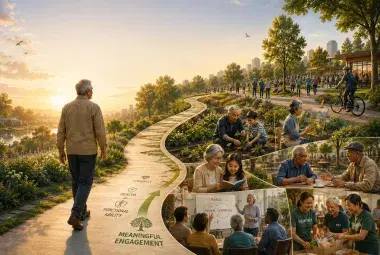
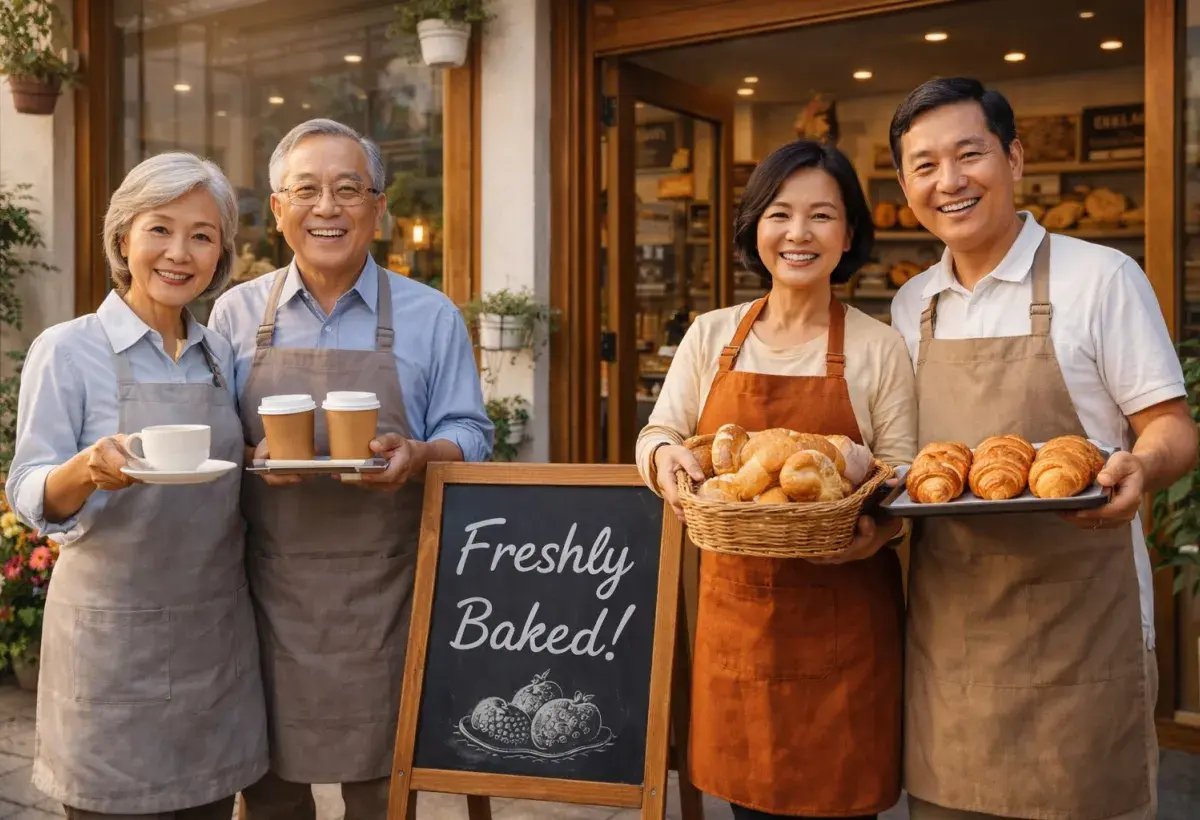
Participation represents the second pillar of active ageing and extends beyond formal employment. It includes caregiving, mentoring, volunteering, civic engagement, and creative contribution.
What matters is not the form of participation, but the sustained experience of connection, relevance, and contribution. Evidence has consistently shown that social participation is associated with improved well-being, reduced loneliness, and better mental health outcomes.
Regional analyses by the United Nations Population Fund have emphasized that older adults remain contributors when systems support continued engagement (UNFPA Asia-Pacific, 2025).
Work, in this context, is not reducible to economic output alone. It provides structure to daily life, reinforces identity, and sustains social interaction. It also supports financial autonomy, which remains closely linked to dignity and independence.
Within the framework advanced by the Organisation for Economic Co-operation and Development, work in later life is understood as a choice rather than an obligation. However, this choice depends on enabling conditions, including access to lifelong learning, age-inclusive labor markets, and protection against age-based discrimination.
Security: The Structural Foundation of Dignity
Security, though often less visible, is foundational to active ageing. It encompasses stable income, access to healthcare, safe housing, and reliable systems of support.
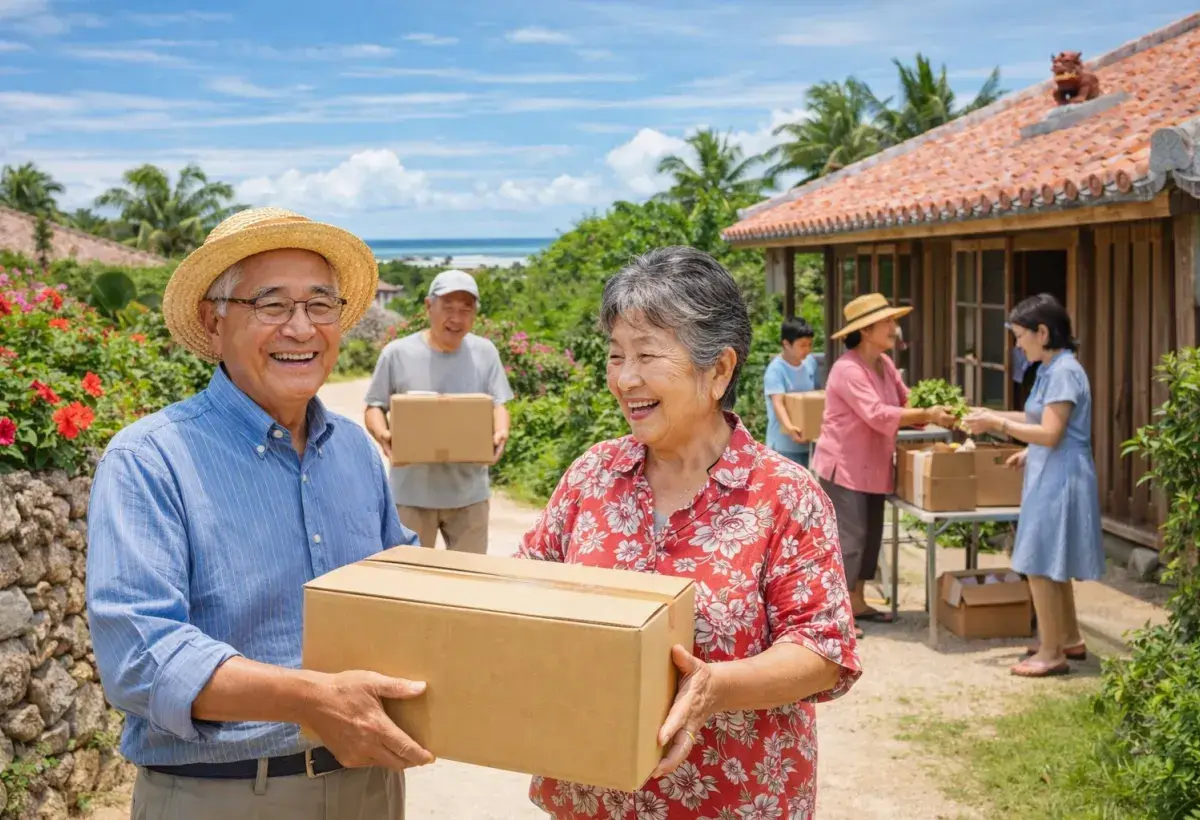
Without these conditions, longevity may amplify vulnerability rather than well-being. The United Nations Population Fund has highlighted persistent inequalities across Asia, particularly among women and individuals in informal labor sectors (UNFPA Asia-Pacific, 2025).
Active ageing therefore recognizes that dignity in later life is not sustained by individual effort alone. It is structurally enabled. The quality of ageing depends on the environments in which individuals live, as much as on the choices they make.
From Framework to Everyday Life
Active ageing is not a prescription, nor a checklist. It is an orientation grounded in evidence and aligned with lived experience.
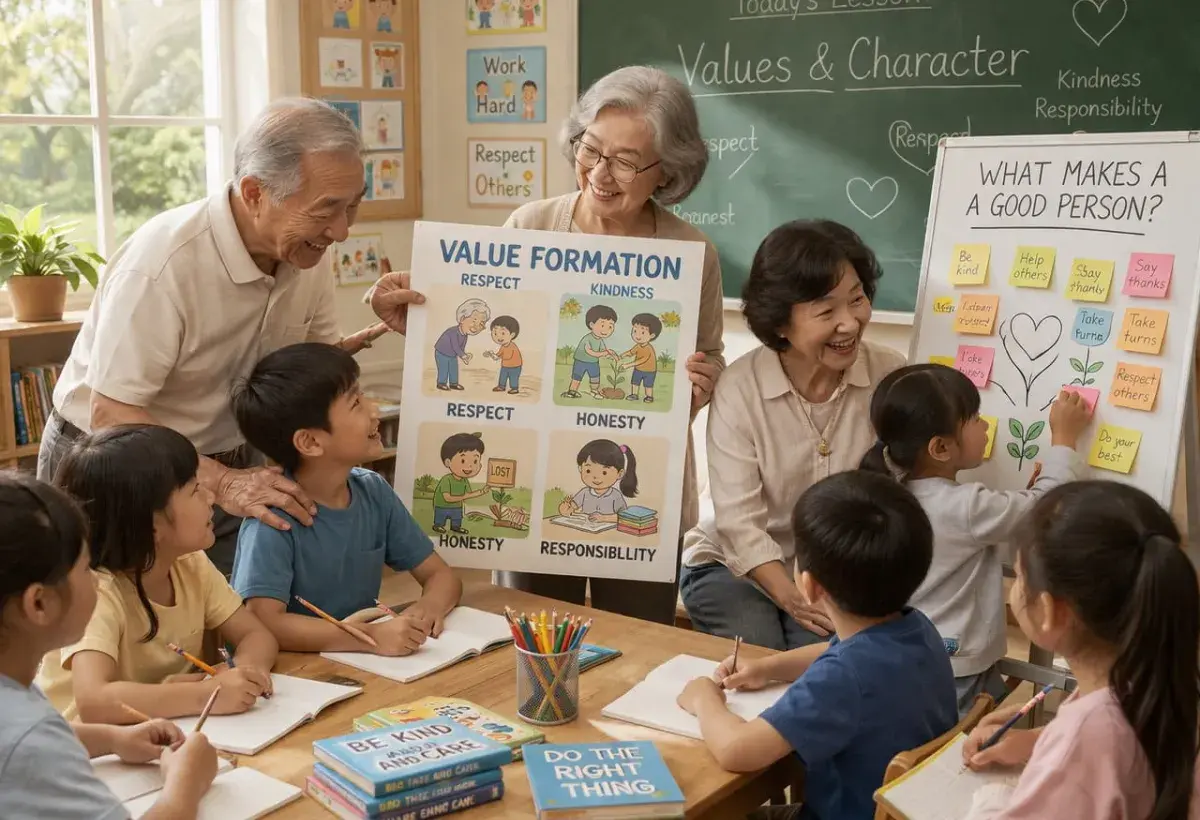
It reflects a set of conditions rather than a set of instructions. Ageing well is less about resistance and more about adaptation. Social connection remains as critical as physical health. Learning and curiosity continue across the lifespan. Contribution evolves rather than disappears.
Many individuals already live according to these principles intuitively. The framework of active ageing provides language to describe and validate these patterns, linking lived experience with structural understanding.
Image
Conclusion: Ageing as a Shared and Structured Condition
Two ideas emerge with particular clarity. First, ageing is not defined by decline, but by functional ability with the capacity to continue living in alignment with one’s values despite changing conditions. This reframing, grounded in the work of the World Health Organization, calls for a more accurate and less reductive understanding of health.
Second, ageing is not solely an individual experience. It is a socially shaped reality. Participation, work, and security are not simply personal choices; they are enabled or constrained by the environments in which individuals live, as consistently emphasized by the United Nations Population Fund and the Organisation for Economic Co-operation and Development.
Together, these insights challenge a longstanding assumption that ageing is something to be managed privately. Longer lives do not guarantee ease, yet they do not inevitably lead to decline. They unfold within a landscape shaped by both personal adaptation and structural support.
The question, therefore, is no longer whether ageing will occur, but under what conditions it will unfold and how individuals and societies respond to those conditions.
Understanding this requires a shift in perspective. Ageing is not a problem to resist, but a phase to be navigated with clarity, dignity, and intention.
It is within this broader horizon that the discussion must continue. If the quality of ageing depends not only on individuals but on the systems surrounding them, then responsibility extends beyond personal preparation.
In Part 3, the focus turns to this systemic dimension examining how governments, communities, and institutions must respond, and what it truly means to build societies where longer lives are not only possible, but sustainable and meaningful.
Image
Suggested Citation
Lendez, M. (2026). Asia is aging first: Why the world’s longest lives are becoming everyone’s concern (Part 2 of 3): What “active ageing” really means for everyday life. Developer of the Ikigai-Bayanihan Purpose-Driven Retirement Framework
About the Author
Written by Dr. Mariza Lendez, the developer of the Ikigai-Bayanihan Purpose-Driven Retirement Framework, a model that redefines aging through purpose, dignity, and community-centered living.
Asia Is Aging First Series: Why the World’s Longest Lives Are Becoming Everyone’s Concern
References
- World Health Organization. (2020). Decade of Healthy Ageing 2020–2030.
- United Nations Population Fund. (2025). Asia-Pacific Regional Population Outlook.
- Organisation for Economic Co-operation and Development. (2025). Ageing and Employment Policies.