What Really Happens to Your Skin After 40: Part 1 | Part 2 | Part 3 | Part 4 | Part 5 | Part 6 | Part 7
Article 3 of 7 in the “Aging Skin After 40” Series
Rethinking Skin Aging: Beyond the Surface
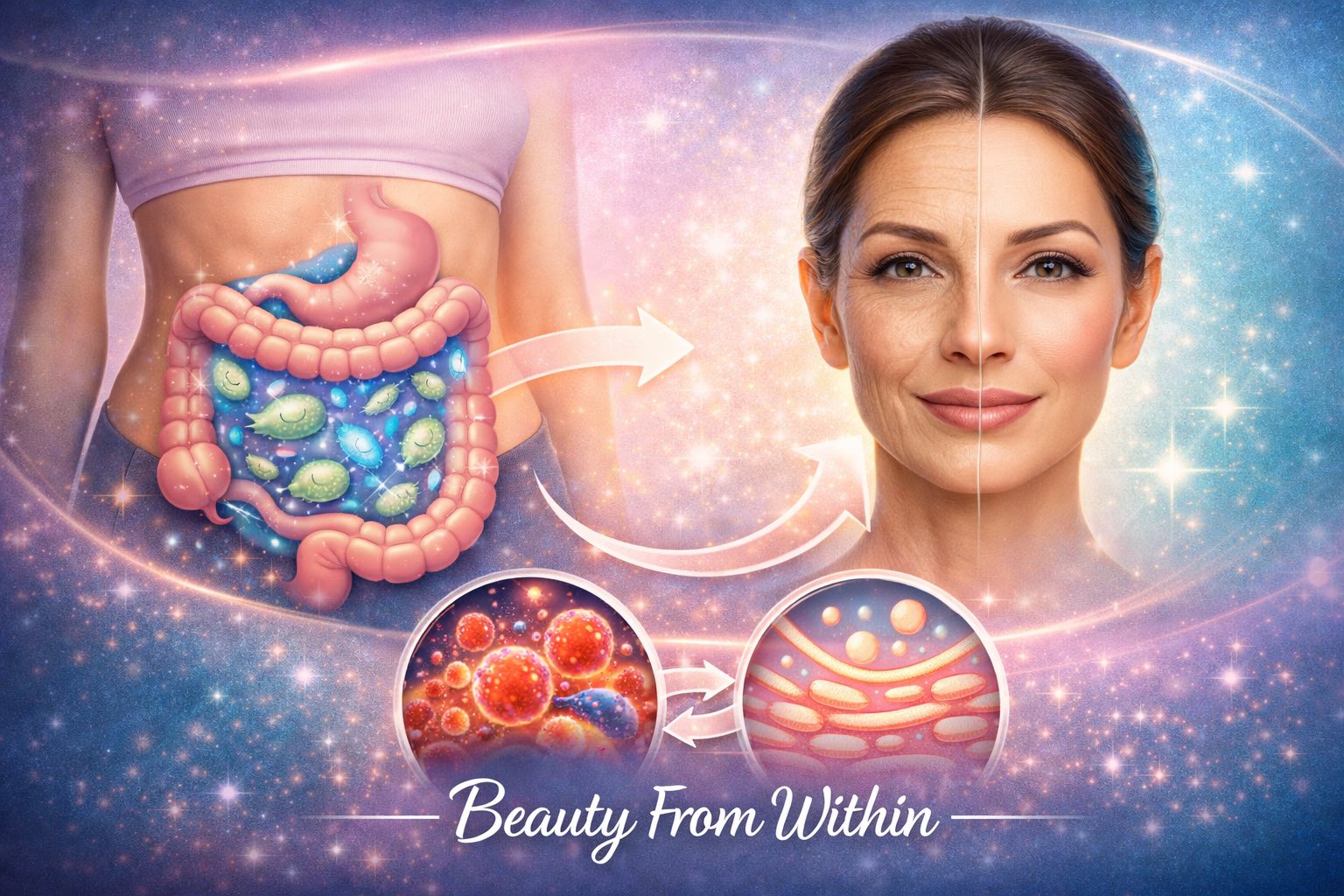
Skin aging has traditionally been approached as a surface-level concern, addressed through topical treatments and external interventions. However, advances in microbiome research have reframed this understanding, identifying the gut as a key regulator of skin health. This relationship, known as the gut–skin axis, reflects a bidirectional communication system linking intestinal microbiota with skin physiology through immune, metabolic, and neuroendocrine pathways (Salem et al., 2018; Mahmud et al., 2022).
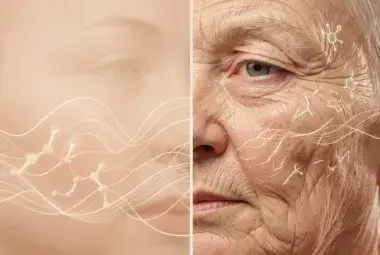
For individuals over forty, this connection becomes increasingly relevant. Age-related changes in the gut microbiome, including reduced diversity and increased dysbiosis, have been associated with heightened systemic inflammation. These internal changes are reflected externally through reduced elasticity, impaired barrier function, and increased skin sensitivity. In this context, skin aging is not merely a surface phenomenon, but a manifestation of internal biological shifts.
The Biological Pathways of the Gut–Skin Axis
The gut microbiome influences skin health primarily through immune modulation and inflammatory regulation. Beneficial microbial strains have been shown to reduce the expression of pro-inflammatory cytokines, including interleukin-1β (IL-1β) and tumor necrosis factor-alpha (TNF-α), both of which contribute to collagen degradation and tissue breakdown (Mahmud et al., 2022).
At the same time, microbial metabolites such as short-chain fatty acids (SCFAs) play a role in maintaining epithelial integrity and regulating immune responses. These compounds contribute indirectly to skin health by reducing systemic inflammation and supporting barrier function. As inflammation is a central driver of aging, the regulation of these pathways becomes critical in preserving skin structure over time.
Image
Probiotics and Their Role in Skin Health
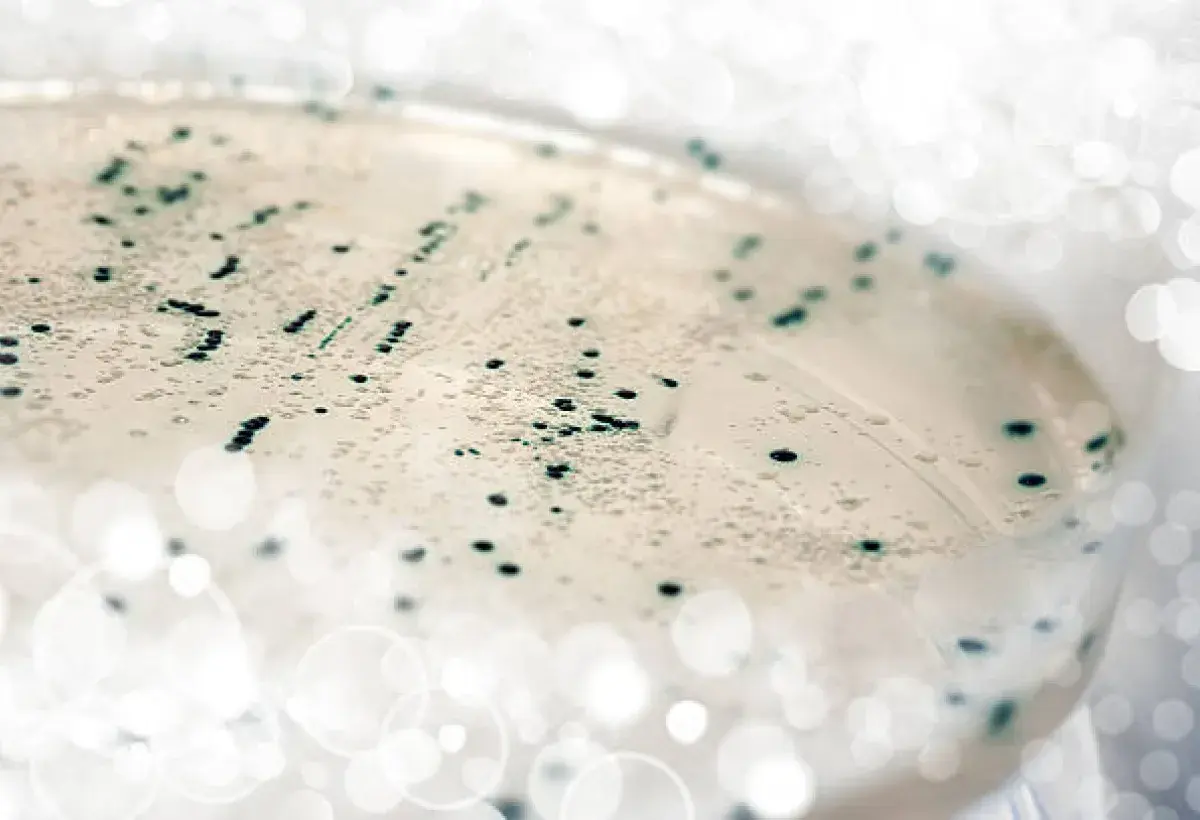
Probiotics live microorganisms that confer health benefits when consumed in adequate amounts, have been increasingly studied for their role in dermatology. Clinical and review-based evidence has suggested that certain probiotic strains may improve skin conditions by modulating inflammation, enhancing barrier function, and influencing immune responses (Knackstedt et al., 2020; Salem et al., 2018).
While the degree of improvement varies across studies, the consistent finding is that probiotics contribute to a more balanced internal environment. This balance supports the skin indirectly, rather than acting as a direct replacement for topical treatments. Importantly, the effects of probiotics are strain-specific, meaning that not all formulations produce the same outcomes.
The Role of the Skin Barrier and Microbial Balance
The skin barrier, composed primarily of lipids and structural proteins, is influenced by both internal and external factors. Emerging research has shown that gut microbiota can affect skin barrier integrity by modulating systemic inflammation and nutrient absorption (Mahmud et al., 2022).
A balanced microbiome supports the absorption of nutrients essential for skin health, including vitamins, minerals, and amino acids involved in collagen synthesis. Conversely, dysbiosis may impair these processes, leading to reduced skin resilience and increased vulnerability to environmental stressors. This reinforces the idea that maintaining gut health is integral to supporting the skin’s structural integrity.
Beyond Probiotics: The Role of Diet and Prebiotics
The effectiveness of probiotics is closely linked to the environment in which they function. Prebiotics - non-digestible fibers that feed beneficial bacteria play a crucial role in sustaining microbial balance. Together, probiotics and prebiotics form a synergistic system that supports long-term microbiome stability.
Dietary patterns rich in fiber, polyphenols, and fermented foods have been associated with improved microbial diversity and reduced inflammation (Mahmud et al., 2022). Polyphenols, found in foods such as green tea, berries, and pomegranate, further support microbial balance by promoting the growth of beneficial bacteria. These interactions illustrate that skin health is influenced not by isolated interventions, but by sustained dietary patterns.
Image

A Systemic Approach to Skin Aging
The gut–skin axis represents a shift from localized treatment to systemic understanding. Rather than focusing solely on topical applications, this perspective emphasizes internal regulation as a foundation for skin health. The microbiome functions as a central mediator, influencing inflammation, nutrient utilization, and immune responses.
This does not diminish the role of topical skincare, but reframes it within a broader system. When internal balance is supported, the skin is better positioned to respond to external treatments. Over time, this integrated approach contributes to improved resilience, more stable hydration, and a reduction in visible signs of aging.
Conclusion
The relationship between the gut and skin reflects a broader principle: the body functions as an interconnected system, where internal balance shapes external outcomes. The gut--skin axis provides a framework for understanding how microbiome health influences inflammation, barrier function, and collagen preservation.
For individuals over forty, this perspective offers a more sustainable approach to aging. Rather than seeking rapid correction, it emphasizes long-term regulation and support. By nurturing the microbiome through diet, lifestyle, and targeted supplementation, it becomes possible to influence how the skin ages from within.
Healthy skin, in this sense, is not only applied. it is cultivated.
Image

Suggested Citation:
Lendez, M. (2026). The gut–skin axis: How the microbiome influences aging skin from within (Article 2 of 7 in the “Aging Skin After 40” series). Chikicha Skin & Healthy Aging.
About the Author
Dr. Mariza Lendez is the developer of the Ikigai-Bayanihan Purpose-Driven Retirement Framework, a model that redefines aging through purpose, dignity, and community-centered living.
Aging Skin After 40 Series
👉 The Science of Aging, Elasticity Loss, and Wrinkles
👉 Top 10 Botanical Extracts That Firm and Repair Aging Skin: 2024 Science-Backed Guide
👉 The Gut-Skin Axis: How Probiotics Are Clinically Proven to Reduce Wrinkles from Within
👉 The Collagen Diet: 12 Science-Backed Foods to Rebuild Aging Skin from Within
👉 Acid Mantle Repair: The Hidden Key to Plumper, Wrinkle-Resistant Skin
👉 Beauty Sleep Redefined: How Your 2AM Melatonin Surge Rebuilds Collagen and Smooths Wrinkles
👉 Facial Yoga and Gua Sha: 2024 Science on Non-Invasive Lifting and Collagen Boosting
Disclaimer
Chikicha does not sell or promote any of the products mentioned in this article. The content is intended solely for educational and informational purposes.
The author, Mariza Lendez, is not a medical practitioner. This article does not provide medical advice, diagnosis, or treatment. Readers are encouraged to consult a qualified healthcare professional.
References
Knackstedt, R., Knackstedt, T., & Gatherwright, J. (2020). The role of topical probiotics in skin conditions: A systematic review. Journal of Clinical and Aesthetic Dermatology, 13(2), 37–44.
Mahmud, M. R., Akter, S., Tamanna, S. K., et al. (2022). Impact of gut microbiome on skin health: Gut–skin axis. Nutrients, 14(21), 4467. https://doi.org/10.3390/nu14214467
Salem, I., Ramser, A., Isham, N., & Ghannoum, M. A. (2018). The gut microbiome as a major regulator of the gut–skin axis. Frontiers in Microbiology, 9, 1459. https://doi.org/10.3389/fmicb.2018.01459