What Really Happens to Your Skin After 40: Part 1 | Part 2 | Part 3 | Part 4 | Part 5 | Part 6 | Part 7
Article 5 of 7 in the “Aging Skin After 40” Series
The Overlooked System That Determines Skin Aging
In the pursuit of anti-aging solutions, attention is often directed toward active ingredients such as retinoids, peptides, and antioxidants while one of the most fundamental systems of the skin remains overlooked: the acid mantle. This thin, slightly acidic film, composed of sebum, sweat, and lipids, functions as the skin’s primary protective interface with the external environment.
Dermatological research has consistently emphasized that the integrity of the skin barrier, including its acid mantle, is central to maintaining hydration, elasticity, and resilience. When intact, this system regulates moisture retention and protects against environmental aggressors. When disrupted, it accelerates transepidermal water loss (TEWL), increases sensitivity, and contributes to visible signs of aging (Elias, 2020; Proksch et al., 2008).
Why Barrier Decline Accelerates After Forty
As the skin ages, its ability to produce lipids and maintain an optimal pH gradually declines. This shift weakens the acid mantle and compromises the structural integrity of the stratum corneum. The result is not only dryness, but a reduced capacity to defend against external stressors such as UV radiation, pollution, and harsh skincare formulations.
Research has shown that an impaired barrier leads to increased TEWL, which in turn reduces skin elasticity and amplifies the appearance of fine lines and wrinkles (Elias, 2020). In this state, even advanced skincare products struggle to perform effectively, as the skin is no longer able to retain or properly utilize active ingredients. The effectiveness of any anti-aging routine, therefore, depends first on the condition of the barrier itself.
Image
Understanding the Acid Mantle as a Functional System
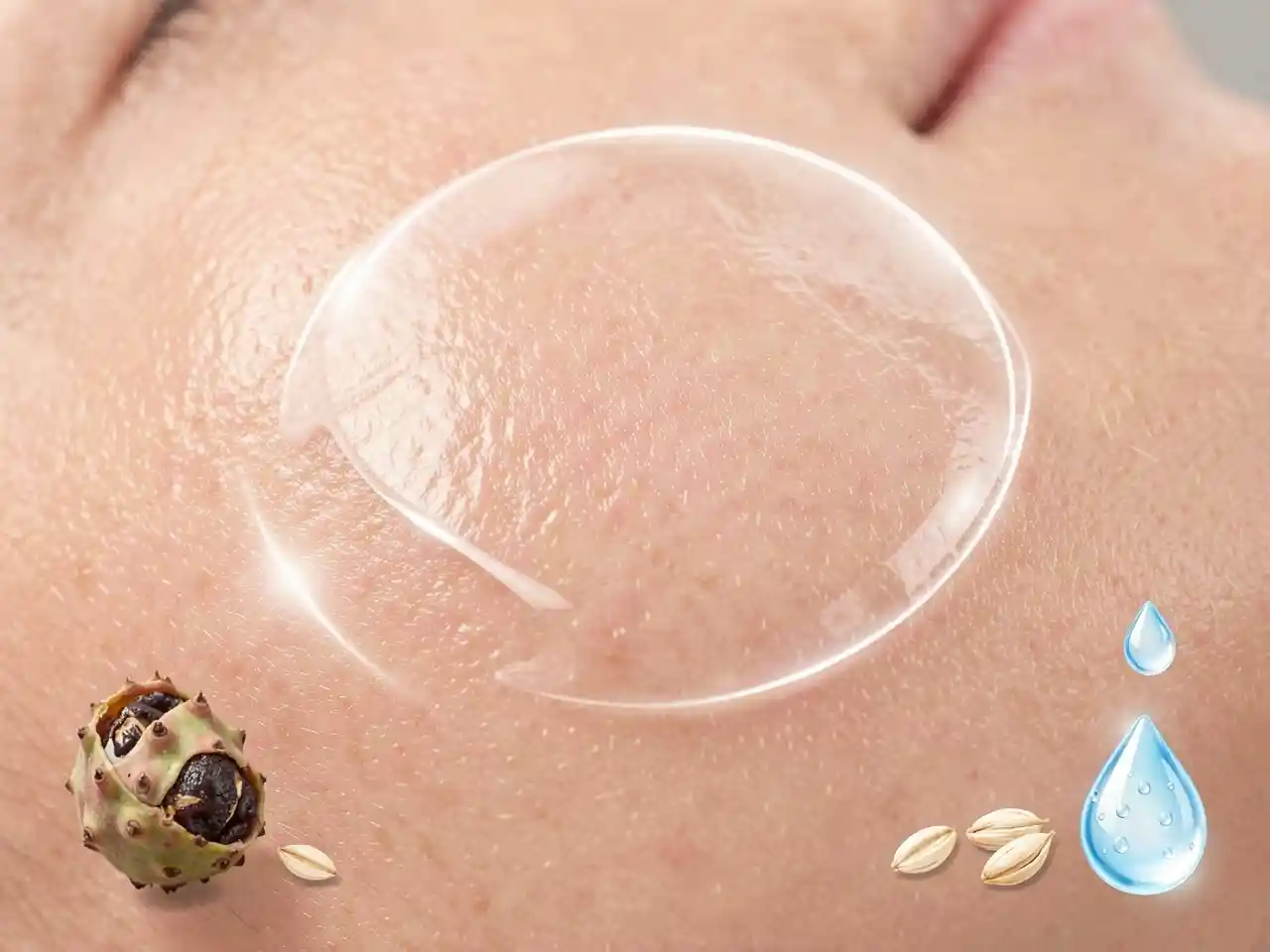
The acid mantle is not a static layer but a dynamic biochemical environment. Its slightly acidic pH, typically ranging between 4.5 and 5.5, supports enzymatic activity necessary for lipid synthesis and microbial balance. This acidity inhibits the growth of harmful bacteria while promoting the activity of enzymes responsible for maintaining the skin’s structural cohesion.
Disruption of this pH - whether through alkaline cleansers, over-exfoliation, or environmental exposure can impair these processes. Studies have demonstrated that even small deviations in pH can alter enzyme activity and weaken barrier function, leading to increased irritation and reduced resilience (Proksch et al., 2008). Maintaining this balance is therefore essential not only for protection, but for the skin’s ability to repair itself.
Barrier Repair Through Lipids and Hydration
Effective barrier repair focuses on restoring both hydration and lipid balance. The skin requires a combination of water-binding components and lipid-replenishing agents to rebuild its structure and function.
Plant-derived oils rich in essential fatty acids contribute to barrier repair by replenishing lipid content and reducing TEWL. These lipids integrate into the stratum corneum, reinforcing its structure and improving its ability to retain moisture (Zielińska & Nowak, 2020). At the same time, humectants draw water into the skin, supporting hydration at a surface and cellular level.
However, hydration alone is insufficient. Without lipid reinforcement, water evaporates quickly, leaving the skin dehydrated despite the use of hydrating products. This interplay between water and lipids highlights the importance of a layered approach to barrier repair.
The “Soak-and-Seal” Principle in Skin Physiology
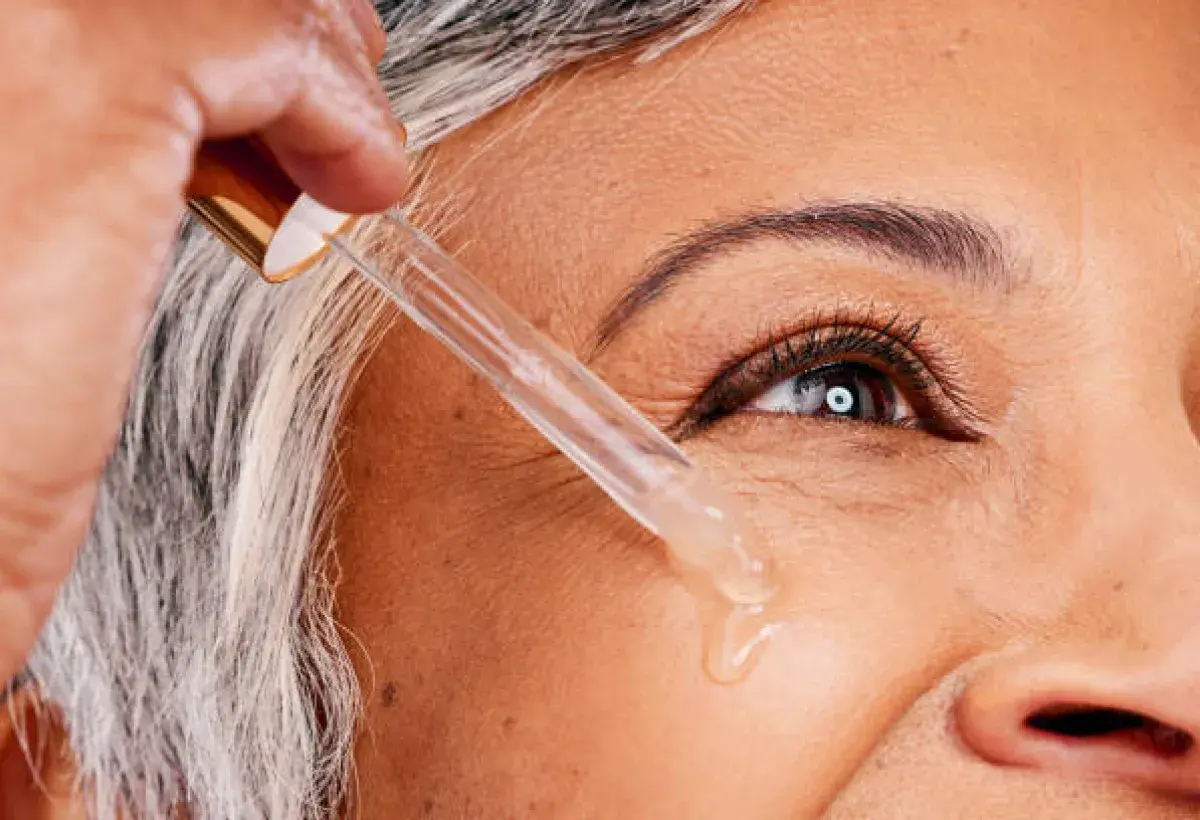
Dermatological principles support a simple but effective method of barrier restoration: applying hydration followed by occlusion. This approach, often referred to as “soak-and-seal,” reflects how the skin naturally retains moisture.
Hydration increases water content within the stratum corneum, while occlusive or lipid-rich substances reduce TEWL and lock in that moisture. Clinical dermatology has long recognized that occlusion enhances barrier recovery by creating an environment that supports enzymatic repair processes and lipid organization (Elias, 2020).
This method is not a trend but a reflection of how the skin functions. When applied consistently, it supports gradual improvement in texture, elasticity, and overall resilience.
Image

Common Practices That Disrupt the Acid Mantle
Modern skincare routines often include practices that inadvertently weaken the barrier. Over-cleansing, frequent exfoliation, and the use of high-pH products can strip essential lipids and disrupt the acid mantle.
Excessive use of active ingredients, particularly without adequate barrier support, can lead to cumulative irritation. While exfoliation and actives play a role in skin renewal, their effectiveness depends on the skin’s ability to recover. Without a stable barrier, these practices can accelerate rather than slow visible aging.
Environmental factors, including low humidity and pollution, further contribute to barrier disruption. These external stressors increase oxidative stress and exacerbate moisture loss, reinforcing the need for protective and restorative strategies.
A Systemic Approach to Skin Resilience
Barrier repair is not a temporary intervention but a foundational aspect of long-term skin health. When the acid mantle is restored and maintained, the skin becomes less reactive, more hydrated, and structurally more stable.
This improved stability enhances the effectiveness of other skincare products, allowing active ingredients to function as intended. Rather than competing with irritation or dehydration, these products can operate within a balanced environment.
Over time, consistent barrier support contributes to visibly smoother skin, reduced fine lines, and improved elasticity. These changes are not immediate but reflect cumulative improvements in the skin’s underlying structure.
Conclusion
The acid mantle represents a fundamental, yet often overlooked, determinant of skin aging. Its role extends beyond protection, influencing hydration, enzyme activity, microbial balance, and overall skin function.
For individuals over forty, restoring and maintaining this system becomes essential. Without a stable barrier, even the most advanced treatments cannot deliver sustained results. With it, the skin regains its capacity to retain moisture, resist damage, and maintain structural integrity.
In this sense, effective skincare begins not with correction, but with restoration, supporting the systems that allow the skin to function as it was designed to.
Image

Suggested citation:
Lendez, M. (2026). Acid mantle repair: The hidden key to plumper, wrinkle-resistant skin (Article 5 of 7 in the “Aging Skin After 40” series). Chikicha Skin & Healthy Aging.
About the Author
Dr. Mariza Lendez is the developer of the Ikigai-Bayanihan Purpose-Driven Retirement Framework, a model that redefines aging through purpose, dignity, and community-centered living.
Aging Skin After 40 Series
👉 The Science of Aging, Elasticity Loss, and Wrinkles
👉 Top 10 Botanical Extracts That Firm and Repair Aging Skin: 2024 Science-Backed Guide
👉 The Gut-Skin Axis: How Probiotics Are Clinically Proven to Reduce Wrinkles from Within
👉 The Collagen Diet: 12 Science-Backed Foods to Rebuild Aging Skin from Within
👉 Acid Mantle Repair: The Hidden Key to Plumper, Wrinkle-Resistant Skin
👉 Beauty Sleep Redefined: How Your 2AM Melatonin Surge Rebuilds Collagen and Smooths Wrinkles
👉 Facial Yoga and Gua Sha: 2024 Science on Non-Invasive Lifting and Collagen Boosting
Disclaimer
Chikicha does not sell or promote any of the products mentioned in this article. The content is intended solely for educational and informational purposes.
The author, Mariza Lendez, is not a medical practitioner. This article does not provide medical advice, diagnosis, or treatment. Readers are encouraged to consult a qualified healthcare professional.
REFERENCES
Elias, P. M. (2020). Stratum corneum defensive functions: An integrated view. Experimental Dermatology. https://doi.org/10.1111/exd.14154
Proksch, E., Brandner, J. M., & Jensen, J. M. (2008). The skin: An indispensable barrier. Experimental Dermatology. https://doi.org/10.1111/j.1600-0625.2008.00786.x
Zielińska, A., & Nowak, I. (2020). Fatty acids in vegetable oils and their importance in cosmetic dermatology. International Journal of Molecular Sciences. https://doi.org/10.3390/ijms21145038