A Demographic Revolution Already Underway
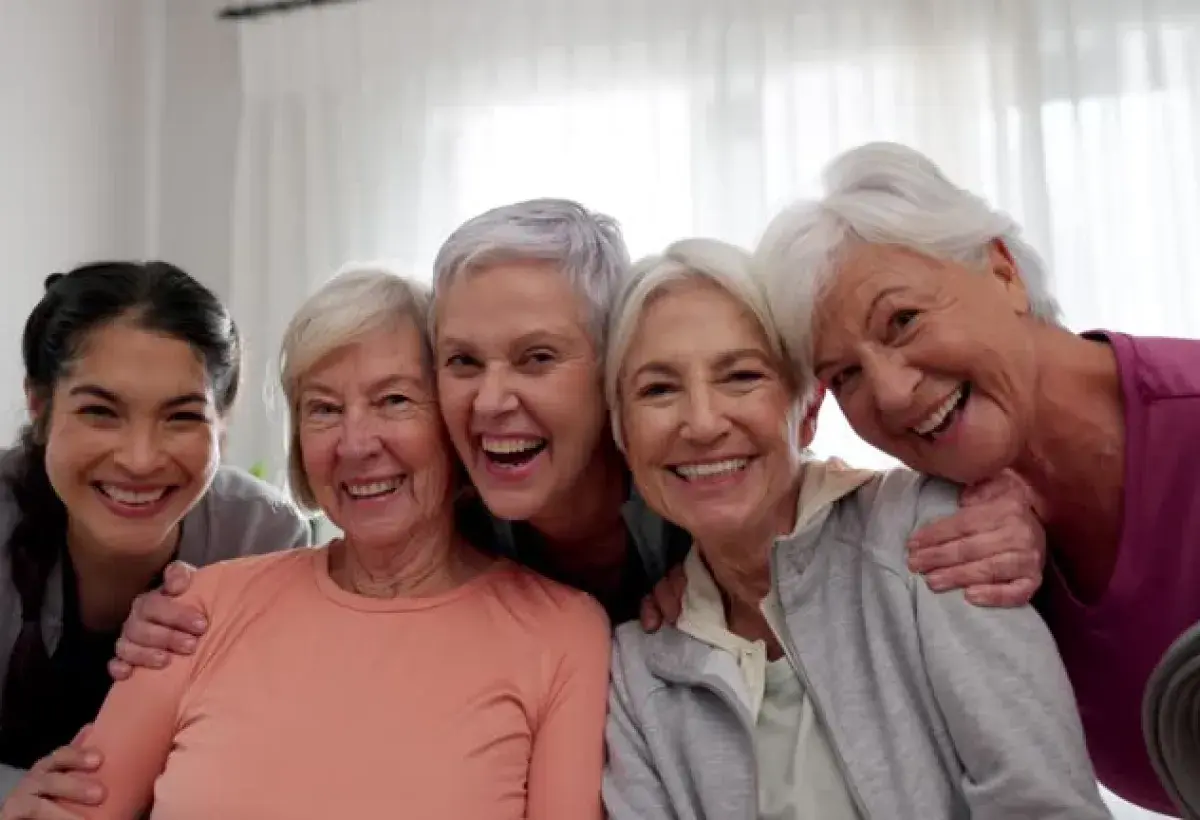
The world is entering a demographic era without precedent. By 2050, the global population of women aged 60 and above is projected to exceed 1.1 billion, nearly doubling from approximately 664 million today (United Nations, Population Division). Never before have so many women lived so long beyond midlife, nor held such sustained influence over families, economies, and social systems.
Longevity, however, is not synonymous with well-being. Extended life expectancy without corresponding quality of life risks transforming added years into prolonged periods of chronic illness, economic disengagement, and unrealized potential. Within this context, menopause once treated as a private biological milestone emerges as a public health, economic, and social inflection point. How societies respond to the needs of post-menopausal women will shape the resilience of communities and institutions for decades to come.
Image
The Numbers Behind the Shift
Population data make the scale of this transition unmistakable. According to projections from the United Nations Department of Economic and Social Affairs, women aged 60 and older will represent more than 11 percent of the global population by 2050, up from just over 8 percent in 2023. Growth is even more pronounced among women aged 65 and above, whose numbers are expected to more than double over the same period.
Two forces drive this shift. First, fertility has declined sharply. The global total fertility rate has fallen from approximately five births per woman in the 1950s to around 2.3 in the early 2020s, with further declines projected (UN DESA). Second, female life expectancy has increased markedly, rising from 64.2 years in 1990 to nearly 76 years by 2023 (World Health Organization). These trends define a world in which women spend a substantial portion of their lives often two to three decades post-menopause.
| Year | Women Aged 60+ | % of Global Population | Women Aged 65+ | % of Global Population |
| 2023 | 664 million | 8.3% | 402 million | 5.0% |
| 2050 | 1.135 billion | 11.6% | 862 million | 8.8% |
A Global Pattern, Unevenly Distributed
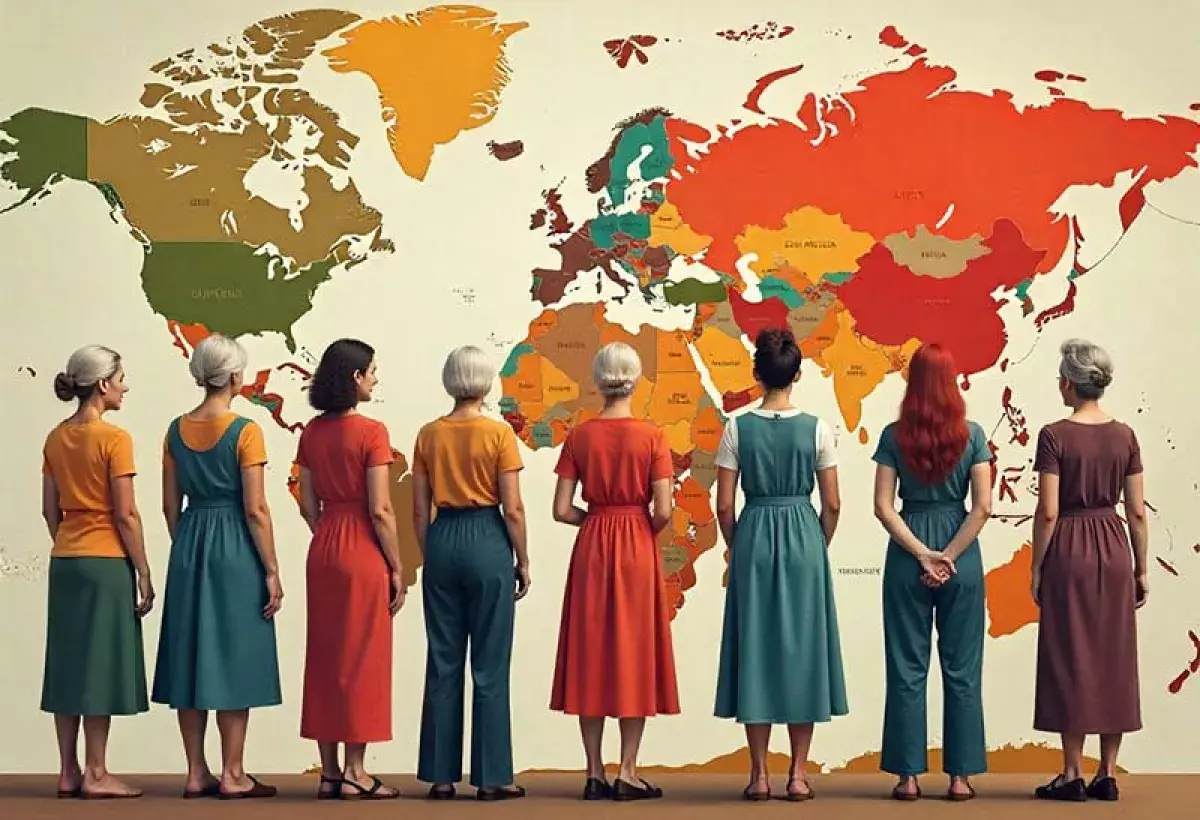
While population aging is universal, its pace and impact vary widely across regions. Europe and North America currently have the highest proportions of older women, but the most rapid growth is occurring elsewhere. Eastern and Southeast Asia are projected to see the number of women aged 65 and above nearly double by 2050. Even faster relative growth is expected in Latin America, South Asia, Sub-Saharan Africa, and North Africa and West Asia regions often least prepared in terms of healthcare infrastructure and social protection systems (UN DESA).
These regional differences matter. They determine where pressures on healthcare, caregiving, housing, and labor markets will be most acute, and where the consequences of delayed preparation will be most costly. The aging of women is not uniform. Regional differences reveal where the pressure on healthcare, social services, and communities will be most acute:
| Region | 2023 Women 65+ | % of Regional Population | 2050 Projected | % of Regional Population | Growth 2023–2050 |
| Europe and North America | 70 million | 19.1% | 92 million | 27.3% | +31% |
| Eastern and Southeast Asia | 182 million | 14.8% | 345 million | 30.1% | +90% |
| Oceania | 2.2 million | 12.6% | 3.8 million | 18.9% | +73% |
| Latin America and the Caribbean | 28 million | 8.9% | 70 million | 19.4% | +150% |
| Central and South Asia | 65 million | 6.8% | 170 million | 14.6% | +162% |
| Sub-Saharan Africa | 14 million | 3.0% | 42 million | 4.9% | +200% |
| North Africa and West Asia | 17 million | 5.8% | 59 million | 12.5% | +247% |
Note: These trends illustrate that population aging is a global phenomenon, but its intensity varies. Developing countries will face the fastest growth with the least prepared infrastructure.
Image
Economic Implications Beyond Aging
The rise of post-menopausal women is reshaping the global economy.
Dependency ratios are increasing, with fewer working-age adults supporting a growing older population. Projections indicate that the number of older adults per 100 workers will rise substantially in the coming decades, placing strain on pension systems, healthcare financing, and public budgets (World Bank).
Yet this demographic shift is not solely a fiscal challenge. It also represents the expansion of what analysts describe as the longevity economy economic activity generated by the needs, consumption, and participation of older adults. Estimates suggest this sector already contributes trillions of dollars globally, spanning healthcare, housing, transportation, financial services, and technology.
Women over 60 are central to this economy. They increasingly control household wealth, make long-term financial decisions, and influence consumption patterns. Whether this economic power translates into productivity and stability depends heavily on health, autonomy, and inclusion.
Communities, Care, and Social Infrastructure
As women live longer, community design and social services must adapt.
Walkable neighborhoods, accessible housing, reliable transportation, and integrated care models become essential features of age-responsive societies. The World Health Organization emphasizes that healthy aging depends not only on medical care, but also on supportive physical and social environments (WHO, Ageing and Health).
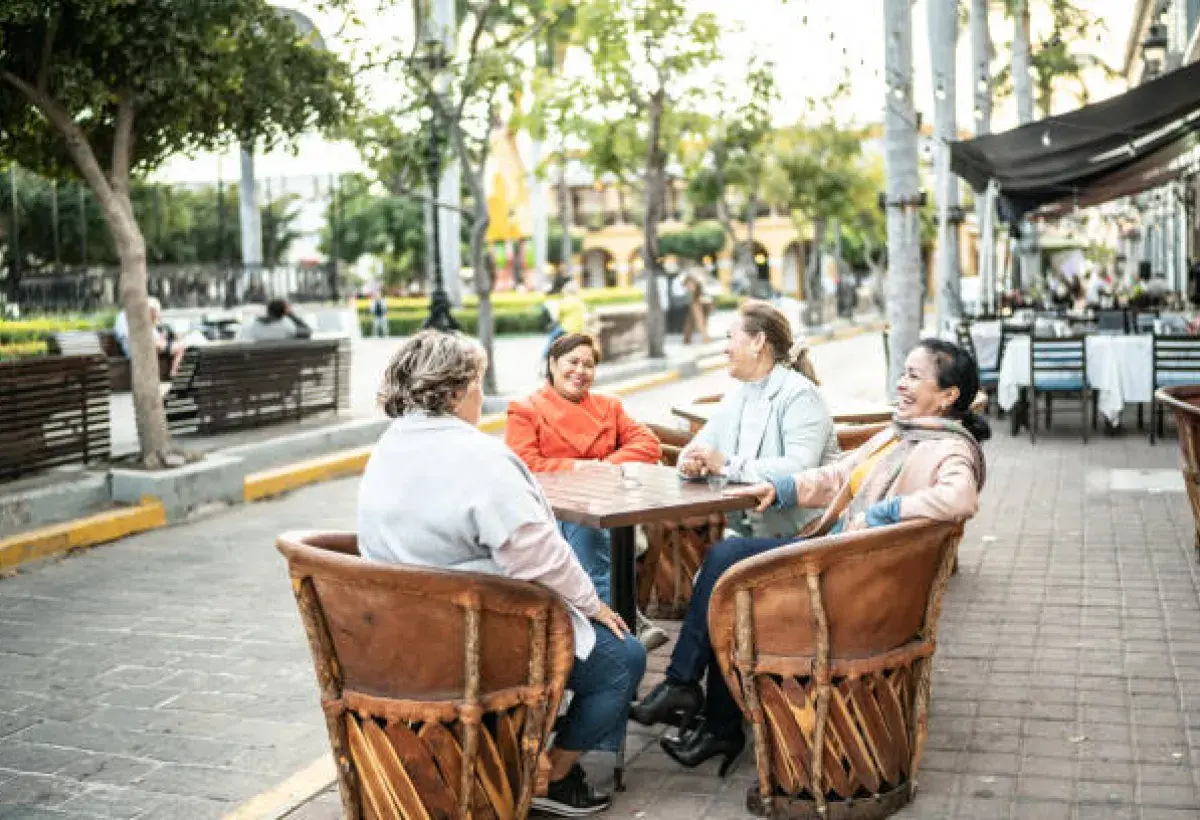
Social isolation adds another layer of risk. A significant proportion of older women live alone, particularly in urban settings, increasing vulnerability to loneliness and poor health outcomes. These patterns point to the need for community-level responses alongside national policy frameworks.
Image
Rethinking Work and Retirement
The notion of retirement at a fixed age is increasingly misaligned with demographic reality. Many women in their late 50s and 60s remain capable, skilled, and willing to work. However, menopause can intersect with workplace structures in ways that accelerate premature exit from employment.
Evidence synthesized by global labor and health organizations indicates that menopausal symptoms can influence attendance, concentration, and retention in the absence of supportive environments. In aging economies, the loss of experienced women from the workforce represents not only a personal disruption but a systemic inefficiency. Understanding menopause within workforce planning is therefore less about accommodation and more about sustaining human capital.
Families, Caregiving, and Shifting Power
Longer life expectancy also reshapes family dynamics.
Many women find themselves caring simultaneously for aging parents, partners, and adult children a phenomenon intensified by delayed parenthood and declining family size. According to analyses by UN Women and HelpAge International, women continue to perform the majority of unpaid caregiving across regions, often at the expense of economic participation and personal well-being.
At the same time, longevity increases women’s financial and social influence. By later life, women frequently become primary decision-makers within households and communities. Their health and autonomy therefore have implications that extend beyond individual outcomes to broader social stability..
Image

Health, Autonomy, and the Post-Menopausal Life Course
Post-menopause can account for up to one quarter of a woman’s lifespan.
During these years, the prevalence of chronic conditions such as cardiovascular disease, osteoporosis, and cognitive decline increases. The World Health Organization identifies midlife as a critical window for influencing long-term health trajectories, reinforcing the importance of life-course approaches to aging.
Access to menopause-related care, however, remains uneven. In some regions, the majority of women lack access to basic information or services related to menopausal health. This disparity underscores why post-menopausal women should not be viewed as passive recipients of care, but as an informed and influential population whose needs and capacities shape public priorities.
A Narrow Window for Preparation
The expansion of women over 60 is not a distant forecast it is a present reality unfolding across workplaces, communities, and households. Societies face a narrowing window to shift from reactive responses to anticipatory planning; from stigma and silence to recognition and support; and from viewing aging as a burden to understanding it as a predictable driver of economic and social change.
The question is no longer whether this transformation will occur. It is whether institutions are prepared to respond in ways that sustain dignity, productivity, and resilience. The future of over one billion post-menopausal women and the stability of families, communities, and economies will be shaped by the choices made today.
Author’s Reflection
This article invites a broader view of menopause as a defining element of demographic change rather than a private life event. In an era of declining fertility and extended longevity, post-menopausal life increasingly influences economic capacity, caregiving structures, and social cohesion. Recognizing this shift is a first step toward long-term societal readiness.
Image

Suggested citation
Lendez, M.(2026). The Menoverse: Navigating the Future for Over 1.1 Billion Women. Developer of Ikigai-Bayanihan purpose-driven retirement framework.
About the Author
Dr. Mariza Lendez, DBA, is the developer of the Ikigai–Bayanihan Purpose-Driven Retirement Framework, a community-centered model that redefines aging through purpose, connection, and sustainable living. Her work focuses on helping individuals navigate aging with clarity, dignity, and informed decision making.
Explore the Ikigai-Bayanihan Retirement Model presented by Chikicha Co-founder:
https://www.chikicha.com/chikicha-co-founder-present-ikigai-bayanihan-retirement-model-iafor-egen-2026
References
-
United Nations Department of Economic and Social Affairs. World Population Prospects (2022).
-
United Nations Department of Economic and Social Affairs. World Population Ageing (latest edition).
-
World Health Organization. Ageing and Health; Decade of Healthy Ageing Progress Report (2024).
-
World Bank. World Development Indicators (2024).
-
UN Women & HelpAge International. Recognising Older Women: Gender Equality for All Ages (2022).