
The Global Retirement Radar: Mexico | Thailand | Malaysia | Costa Rica | Portugal | Panama | Ecuador | Philippines | Vietnam | Spain
Thailand: A Gentle Land of Smiles, But Should You Call It Home?
Few places in the world greet visitors with the warmth Thailand is known for. From the quiet temples of Chiang Mai to the beaches of Phuket and the vibrant street life of Bangkok, the country offers a lifestyle that feels both relaxed and culturally rich. Markets buzz with life, neighbors greet one another with the traditional wai, and everyday life unfolds at a pace that many retirees find refreshing.
For decades, Thailand has drawn international retirees seeking affordability, excellent healthcare, and a welcoming culture. It regularly appears among the world’s most attractive retirement destinations in global lifestyle and retirement studies. Yet retirement abroad is never defined only by beautiful landscapes or low costs. Visa policies, healthcare access, language barriers, and long-term stability shape the real experience of aging in a foreign country.
Thailand offers opportunity and comfort but also practical realities that retirees must understand before deciding whether the Land of Smiles can truly become home.
Global Retirement Radar - Country Snapshot
| Country | Thailand |
| Region | Southeast Asia |
| Global Retirement Ranking | Consistently ranked among top retirement destinations (Global Retirement Index - International Living) |
| Cost of Living | Approximately 40 - 50% lower than the United States (Numbeo Index) |
| Typical Retiree Budget | $1,500 - $2,500 permonth depending on location and lifestyle |
| Healthcare |
|
| Residency Requirements |
O-A Retirement Visa for individuals age 50+ requiring:
|
| Popular Retirement Locations | Chiang Mai, Hua Hin, Bangkok, Phuket, and Udon Thani |
| Key Advantages | Affordable healthcare, tropical climate, strong expat communities, & cultural respect for elders |
| Key Considerations | Language barriers, visa bureaucracy, political fluctuations, & rural healthcare limitations |
Image

Why Retirees Are Moving to Thailand
Thailand’s appeal lies in a combination of affordability, quality healthcare, and lifestyle diversity. Retirees can choose between mountain cities, coastal towns, or large metropolitan centers. The cost of living allows many retirees to maintain a comfortable lifestyle on a modest pension while still enjoying travel, dining, and leisure activities.
Thailand’s government also encourages retirement migration through visa programs designed for older foreign residents. These policies, combined with well-developed expatriate communities, have helped the country become one of Asia’s most recognizable retirement destinations.
For many retirees, the move to Thailand represents more than financial practicality it offers the possibility of reinventing daily life in a culture that values community and hospitality.
Advantages of Retiring in Thailand
Affordable Healthcare with Global Reputation
Thailand has become one of the world’s leading medical tourism hubs. Private hospitals such as Bumrungrad International Hospital and Bangkok Hospital attract international patients with advanced medical facilities and internationally trained physicians.
Medical procedures can cost 60 - 80 percent less than comparable treatments in the United States, while maintaining high standards of care. Routine consultations often range from $30 to $70, making preventive care accessible for many retirees. Healthcare quality indicators and aging population trends are monitored by organizations such as the World Health Organization.
Cultural Respect for Elders
Thai culture places strong emphasis on respect for older adults.
Influenced by Buddhist traditions and family values, elders are commonly treated with courtesy and recognition within communities. Simple gestures, such as priority seating or respectful greetings, contribute to a social atmosphere many retirees find welcoming. For retirees coming from societies where aging can sometimes feel isolating, this cultural attitude can provide a renewed sense of dignity.
Image

Nature and Lifestyle
Thailand offers a wide range of natural environments suitable for different lifestyles.
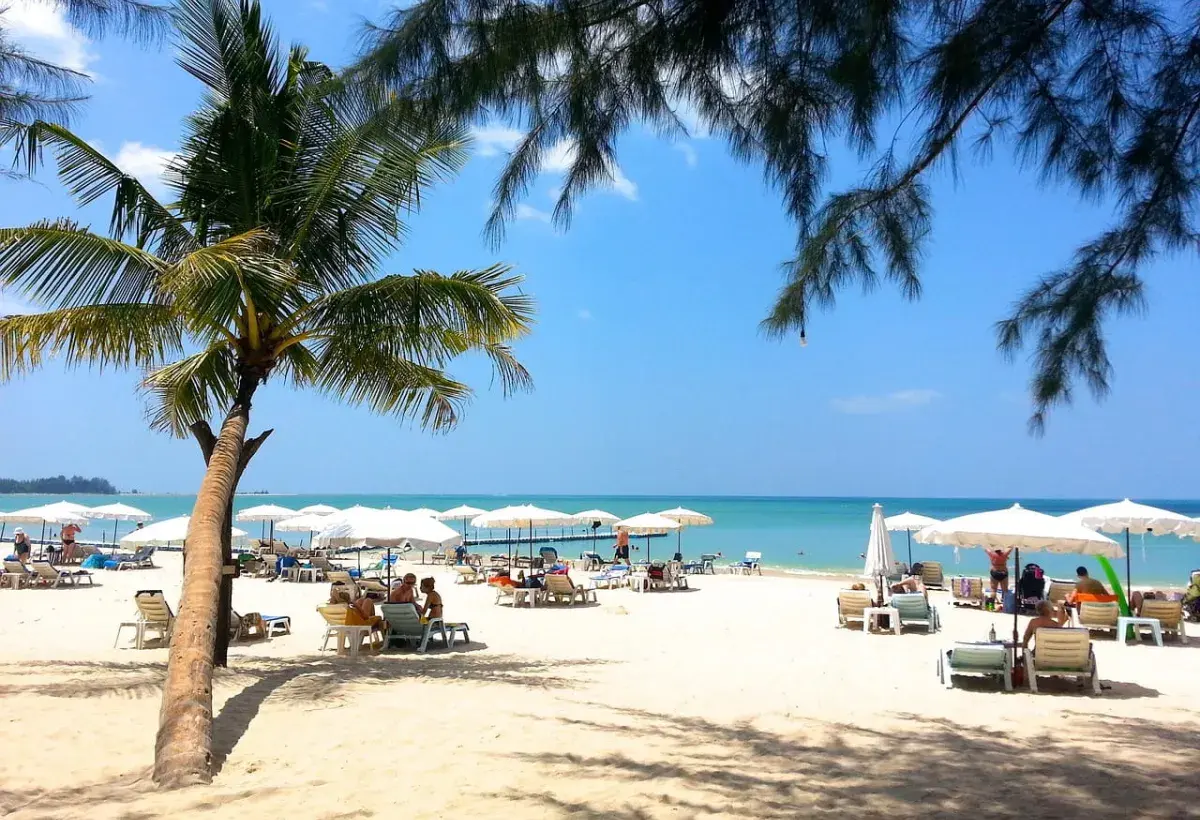
Coastal regions provide warm sea breezes and beach walks, while northern cities like Chiang Mai offer cooler mountain climates and green landscapes. Access to nature, parks, and outdoor activities can support physical and emotional well-being in retirement. Studies in journals such as Journal of Aging and Health have linked access to natural environments with improved mental health and reduced stress in older adults.Active Expat Communities
Thailand hosts large international retiree communities, particularly in Chiang Mai, Hua Hin, and Phuket. These communities provide social clubs, volunteer opportunities, cultural exchanges, and recreational activities ranging from language classes to cooking workshops. For many retirees, these networks become essential sources of friendship and support.
Challenges Retirees Should Understand
Language Barriers
English is widely spoken in tourist areas and international hospitals, but outside major cities communication can become difficult. Learning basic Thai phrases can significantly improve daily interactions with neighbors, service providers, and local authorities.
Political Fluctuations
Thailand has experienced periods of political instability over the past decades. While daily life for expatriates often continues normally, policy changes especially visa regulations can occur unexpectedly. Retirees should remain informed about immigration policies.
Bureaucratic Processes
The O-A retirement visa requires financial documentation, background checks, and annual renewals. Some retirees choose to use visa assistance services to simplify the application process and ensure compliance with changing regulations.
Healthcare Gaps in Rural Areas
While major cities offer advanced medical facilities, rural healthcare systems may have limited specialist care. Retirees planning to live outside large urban centers should consider their access to hospitals and emergency medical services.
Image
Retirement Community Options
Retirees in Thailand generally settle into three types of environments. Urban living in Bangkok offers access to the country’s best hospitals, international airports, and modern conveniences. Coastal communities such as Hua Hin or Phuket provide relaxed seaside lifestyles with established expatriate populations. Northern cities like Chiang Mai attract retirees seeking cooler climates, lower costs, and strong social networks.
Each location offers a different balance between affordability, lifestyle, and healthcare access.
Most Popular Retirement Cities
-
Chiang Mai: A mountain city known for its lower living costs and active expatriate communities.
-
Hua Hin: A quieter coastal town popular with retirees seeking relaxed beach living.
-
Bangkok: Thailand’s capital provides world-class hospitals, international airports, and cultural diversity.
-
Phuket: An island destination offering luxury coastal living and international medical facilities.
-
Udon Thani: A growing retirement hub, particularly for retirees with Thai family connections.
Latest Developments (2024 - 2026)
Thailand continues to develop its healthcare and retirement infrastructure. According to global health monitoring by the World Health Organization, the country has expanded healthcare coverage and continues to improve access to medical services as its population ages.
Demographic analysis from the World Bank also indicates that Thailand is entering a rapidly aging phase, prompting policy discussions around elder care systems and healthcare capacity. These developments highlight Thailand’s growing importance as both a retirement destination and an aging society preparing for future demographic shifts.
Image

Numbers and Insights
• Thailand’s cost of living is roughly 40 - 50% lower than the United States
• Medical procedures can cost 60 - 80% less than in Western countries
• The country is entering an aging society phase, with increasing demand for elder care services (World Bank data)
• Major international hospitals continue to expand services for global patients
Conclusion
Thailand offers retirees something many people seek but struggle to find: affordability combined with vibrant daily life.
Warm weather, cultural richness, accessible healthcare, and welcoming communities have made the country one of the most attractive retirement destinations in Asia. Yet retirement abroad always requires thoughtful preparation. Language barriers, bureaucratic processes, and healthcare access outside major cities can shape the long-term experience.
For retirees willing to adapt and plan carefully, Thailand can provide more than just a pleasant place to grow older. It can offer the opportunity to live with curiosity, connection, and renewed purpose under the gentle warmth of the Thai sun.
Author: Dr. Mariza Lendez, DBA - Founder of Global Retirement Radar and developer of the Ikigai–Bayanihan Purpose-Driven Retirement Framework, a research-based model addressing the social, economic, and community dimensions of global population aging.
Explore the Ikigai-Bayanihan Retirement Model presented by Chikicha Co-founder:
https://www.chikicha.com/chikicha-co-founder-present-ikigai-bayanihan-retirement-model-iafor-egen-2026
Image

Acknowledgment to the Conributors on Pixabay, thank you for these photos.
Explore Each Country in the Global Retirement Radar
Sources
-
World Health Organization. Promoting Health and Well-Being of Older Persons in ASEAN (2025).
-
World Bank. Caring for Thailand’s Aging Population (2024).
-
United Nations Economic and Social Commission for Asia and the Pacific. Demographic Change in Southeast Asia(2023).
-
Asian Development Bank. Thailand Long-Term Care System for Older Persons (2024).
-
International Living. Global Retirement Index (2023–2025).
-
Bangkok Post. Medical tourism and healthcare industry reports (2024–2025).
-
Peer-reviewed journals including Journal of Aging and Health, Gerontology & Geriatric Medicine, and Ageing & Society.