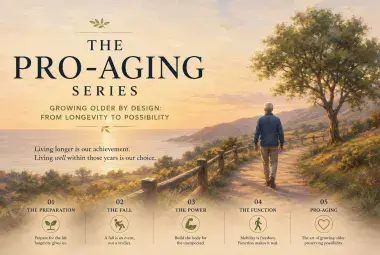
Because the next chapter of life deserves more than comfort, it deserves meaning, connection, and joy.
In a world where aging no longer signals retreat but invites reinvention, the Global Retirement Radar offers a carefully curated map for retirees seeking to live with dignity, connection, and renewed purpose. This guide highlights ten countries where seniors can embrace purposeful living while balancing practical realities such as cost of living, climate, healthcare, community engagement, and visa access.
The top ten countries for 2025 are Mexico, Thailand, Malaysia, Costa Rica, Ecuador, Vietnam, Portugal, the Philippines, Panama, and Spain. Each destination offers unique advantages and challenges. Beyond geographical relocation, the Global Retirement Radar aims to provide retirees with the tools to make informed, intentional decisions aligned with personal values and life goals.
These countries have been evaluated not just for surface-level appeal but for their capacity to support sustainable, meaningful retirement. Peer-reviewed studies, government data, and global indexes informed the analysis, ensuring that recommendations are grounded in verifiable evidence rather than trends or marketing hype.
The Purposeful Retirement Compass
Global Retirement Radar functions not as a simple ranking but as a decision-making compass. It encourages retirees to assess each country according to five key pillars: affordability, climate, community, visa access, and purpose-driven opportunities. it asks for a better question: “Where can I truly live with purpose?”
1. Affordability (Beyond the Surface)
It’s not just about rent but about healthcare access, daily living comfort, and financial sustainability over time. A truly affordable country is one where your resources support peace of mind and not just survival. Retirees are encouraged to evaluate their budget holistically, considering both predictable and unexpected costs.
2. Climate shapes your daily life more than you think.
Climate plays a critical role in shaping quality of life. Temperate environments encourage movement, reduce the risk of seasonal illness, and enhance overall mood and vitality. It is not merely about weather, it is about sustaining the energy for daily living. Warm, stable climates support consistent physical activity and promote long-term well-being. Countries such as Thailand, Costa Rica, and the Philippines exemplify this advantage, offering tropical warmth alongside natural landscapes that invite outdoor engagement and active lifestyles.
Image

3. Community (Where Life Feels Shared, Not Lived Alone)
Community is not simply about proximity, it is about belonging. Meaningful retirement is deeply tied to social integration and the ability to form authentic human connections. Environments that nurture active expatriate networks, demonstrate cultural openness toward seniors, and uphold family-oriented values create a powerful buffer against isolation. In these settings, retirees are not outsiders observing life, they are participants within it. The result is not just reduced loneliness, but a sustained sense of relevance, connection, and life satisfaction (HelpAge International, 2023)
4. Visa Access (The Foundation of Stability and Freedom)
A destination may inspire but only legal access allows it to become a life. Visa frameworks are therefore central to long-term retirement planning. While some countries offer structured retirement visas, others present alternative pathways through investment programs, spousal sponsorship, or extended residency permits. Navigating these systems requires foresight and precision. Legal stability is not merely administrative, it underpins peace of mind, financial continuity, and the freedom to build a life without disruption.
For official guidance, retirees may consult:
| Thailand Immigration Bureau | Retirement visa policies |
| Instituto Nacional de Migración | Residency requirements |
| Malaysia My Second Home Programme | Long-term stay program |
| Dirección General de Migración y Extranjería | Pensionado visa |
5. Purpose-Driven Living (The Core of a Life Well Lived)
Beyond comfort and convenience lies a deeper human need: purpose. Retirement reaches its fullest expression when it becomes a stage for continued contribution, growth, and engagement. Opportunities to mentor, volunteer, learn, or participate in community life are not optional, they are essential to psychological and emotional well-being. Inspired by IKIGAI, the philosophy of living with intention, purpose-driven environments enable retirees to maintain clarity, identity, and inner fulfillment. Because longevity without purpose is not living, it is simply passing time (United Nations Department of Economic and Social Affairs, 2024).
Country Highlights: What Makes Each Unique
Each of the ten countries offers a distinct retirement experience. Mexico and Thailand provide affordability paired with rich cultural immersion. Malaysia and Panama combine modern infrastructure with stable healthcare and favorable expatriate policies. Costa Rica emphasizes wellness and environmental awareness, while Ecuador and Vietnam balance cost-effective living with cultural richness. Portugal and Spain offer European charm, historical heritage, and robust medical systems. The Philippines offers tropical climate, English-friendly communities, and vibrant local culture.
Although the benefits are diverse, each location requires realistic planning. Retirees must consider tax residency rules, healthcare quality, property ownership regulations, and language barriers. The Global Retirement Radar highlights both the advantages and the challenges, ensuring seniors approach relocation with informed expectations. Each one is not just a place to live but a different way to experience life.
| Mexico & Thailand | Affordable, vibrant, culturally rich |
| Malaysia & Panama | Structure, modern, expat-friendly |
| Costa-Rica | Wellness,sustainability, nature-centered living |
| Ecuador & Vietnam | Low cost, high cultural immersion |
| Portugal & Spain | Strong healthcare, European lifestyle |
| Philippines | English-speaking, warm, deeply community-oriented |
Image

Affordability vs Reality
Affordability is often the first consideration for retirees, but it must be evaluated in context. Monthly expenses for a comfortable retirement vary by country. For example, in Southeast Asia, retirees can live comfortably on $1,000 to $1,500 per month, covering rent, utilities, food, and healthcare. In parts of Latin America and Europe, the range may rise to $2,000 to $3,000, reflecting higher healthcare standards and property costs.
Infrastructure including healthcare, transportation, and digital connectivity, affects quality of life. Countries with developed private healthcare options, like Portugal and Malaysia, offer both reliability and accessibility. Conversely, emerging retirement destinations such as Vietnam and Ecuador require careful location selection to ensure adequate access to services.
Lifestyle choices are equally important. Tropical climates support outdoor exercise and wellness routines. Cultural engagement and social networks reduce isolation, boost mental health, and increase life satisfaction. Opportunities to volunteer, participate in community events, or mentor younger generations add layers of purpose to retirement years.
What Most People Overlook (access and legal considerations)
Visa accessibility shapes long-term feasibility. Some countries, such as Thailand and Malaysia, provide formal retirement visas with age and financial requirements. Others, including Vietnam and Mexico, rely on extended tourist, investor, or spouse-based visas. Retirees must plan proactively to maintain lawful residency and avoid interruptions that may affect social services or healthcare coverage.
Tax residency is another important consideration. Spending more than 183 days per year in a country may trigger legal obligations for income reporting or taxation. Consulting with local legal and financial advisors ensures retirees avoid unintended penalties while maximizing retirement stability.
Image

Retirement Is Not a Location. It’s a Design
Ultimately, retirement is more than a location, it is a phase of life defined by purpose. Countries that support social engagement, lifelong learning, and contribution to community enhance fulfillment. Programs for seniors, cultural activities, mentorship, volunteer work, and faith-based participation help retirees maintain mental sharpness and emotional resilience.
The Global Retirement Radar emphasizes that the best retirement destination is one where seniors feel seen, valued, and capable of pursuing their IKIGAI, or personal reason for being. Whether it is enjoying daily walks along Spain’s historic plazas, engaging in environmental projects in Costa Rica, or participating in local festivals in the Philippines, retirees benefit from immersive experiences that sustain both health and happiness.
The Global Retirement Radar 2025 highlights ten countries where retirees can pursue meaningful, affordable, and healthy lifestyles. It is a guide for intentional decision-making, emphasizing realistic assessments of cost, climate, healthcare, community, and visa options. Choosing a retirement destination requires careful evaluation, personal reflection, and alignment with one’s values and aspirations.
Retirement is no longer a final chapter; it is a deliberate and fulfilling next stage of life. The Global Retirement Radar serves as a compass for seniors to design a retirement that balances independence, cultural immersion, purpose, and well-being. By combining research-backed insights with practical considerations, retirees can select a country that nurtures both longevity and satisfaction, ensuring that the years ahead are lived with joy, dignity, and clarity.
About the Author
Written by Dr. Mariza Lendez, the developer of the Ikigai-Bayanihan Purpose-Driven Retirement Framework, a model that redefines aging through purpose, dignity, and community-centered living. Her work advances a paradigm where later life is not a period of decline, but a stage of continued contribution, meaningful engagement, and collective well-being.
Explore the Ikigai-Bayanihan Retirement Model presented by Chikicha Co-founder:
https://www.chikicha.com/chikicha-co-founder-present-ikigai-bayanihan-retirement-model-iafor-egen-2026
Image

References
- HelpAge International. (2023). Global AgeWatch insights report 2023.
https://www.helpage.org - International Living. (2025). Annual global retirement index 2025.
https://internationalliving.com - Organisation for Economic Co-operation and Development. (2023). Pensions at a glance 2023.
🔗https://www.oecd.org/pensions/pensions-at-a-glance/ - United Nations Department of Economic and Social Affairs. (2024). World population ageing 2024 highlights.
https://www.un.org/development/desa/pd/ -
World Bank. (2024). Population ages 65 and above (% of total population).
https://data.worldbank.org