The Ultimate Retinol Buying Guide: What to Know Before You Start
Retinol is often called the gold standard in skincare and for good reason. It can improve fine lines, smooth texture, clear breakouts, and even out skin tone. But here’s where many people get it wrong: they treat retinol like a quick fix. They start strong, expect fast results, and end up with irritation instead of improvement.
The truth is simpler. Retinol works but only when used with understanding and patience.
1. What Retinol Actually Does
Retinol is a form of Vitamin A. Once applied, your skin slowly converts it into retinoic acid the active form that tells your skin to behave differently. It speeds up cell turnover, meaning old, dull skin is replaced more efficiently with newer, healthier cells. Over time, this leads to smoother texture, clearer pores, and softer lines.
-
But here’s the part most people don’t realize:
retinol is not immediate. It’s cumulative.
It works quietly in the background, improving your skin week by week and not overnight.
2. Skin Type Determines Strategy
Retinol is not one-size-fits-all. The way you use it should match your skin not the trend. If your skin is oily or acne-prone, you may tolerate retinol more easily. Lightweight serums or gels tend to work best here, helping manage oil without feeling heavy.
If your skin is dry or sensitive, the approach needs to be slower and more supportive. Lower concentrations and hydrating formulas make a big difference in keeping irritation under control.
For mature skin, retinol becomes less about “fixing” and more about maintaining structure. Cream-based formulas tend to work better, supporting both renewal and elasticity.
-
The key idea is simple:
you don’t force retinol on your skin you let your skin adapt to it.
3. Understanding Strength (Without Overdoing It)
It’s easy to assume that stronger means better. With retinol, that’s rarely true. Higher concentrations can work faster but they also increase the chance of irritation. And once irritation starts, consistency usually stops.
-
A better approach is gradual:
start low, build tolerance, and let results follow.
Because in the long run, consistency will always outperform intensity.
4. Forms of Retinoids: Not All Are the Same
All retinoids come from Vitamin A - but they don’t behave the same way. Some need several steps before becoming active. Others act almost immediately. That difference determines both their strength and how your skin reacts to them.
Retinol is the most common starting point. It’s gentler because it takes time to convert, giving your skin space to adjust. Retinaldehyde works faster, with fewer steps involved. It delivers stronger results, but requires some level of tolerance already in place.
Retinoic acid is the active form itself direct and powerful. This is where results are most visible, but also where irritation risk is highest. Then there’s bakuchiol- a plant-based option. It doesn’t follow the same pathway, but it offers similar benefits with less irritation, making it a good alternative for sensitive skin.
-
So the real question isn’t, “What’s the strongest?”
It’s, “What can my skin handle consistently?”
Image
5. Formulation and Packaging Matter More Than You Think
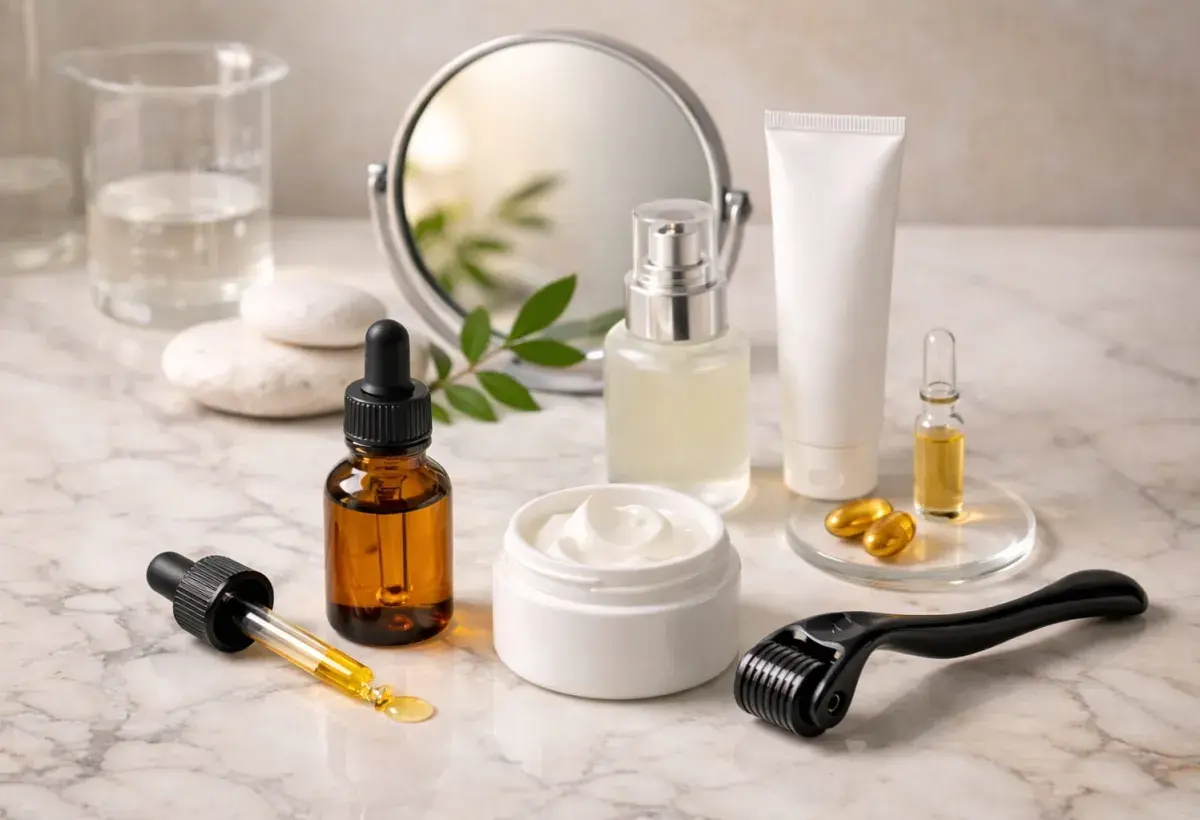
Retinol is sensitive. Light and air can break it down, making it less effective over time. That’s why good formulations are usually stabilized and stored in opaque, air-tight packaging. It’s a small detail but it determines whether the product actually works by the time it reaches your skin.
6. Supporting Ingredients: Keep It Balanced
Retinol works best when it’s supported and not overloaded.
Ingredients like niacinamide, hyaluronic acid, ceramides, and peptides help your skin stay calm, hydrated, and resilient while adjusting. They don’t compete with retinol - they make it easier to use consistently.
On the other hand, layering too many strong actives like exfoliating acids, can tip the balance and lead to irritation. The same goes for unnecessary fragrance, especially if your skin is already adjusting.
-
The goal isn’t to build a complicated routine.
It’s to create a stable one your skin can handle long-term.
7. How to Use It (Without Overcomplicating It)
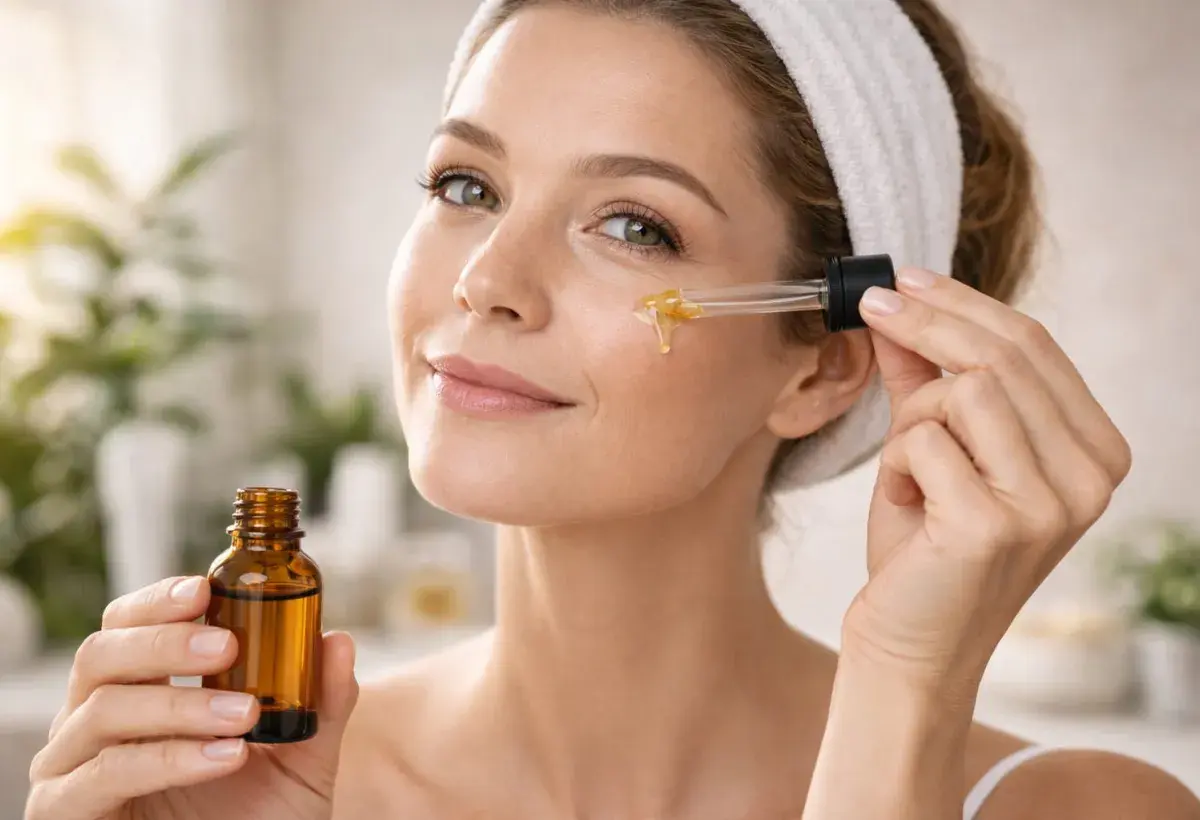
Retinol works best when used at night, when the skin naturally repairs itself and is less exposed to sunlight. A simple approach is enough. Apply it, follow with a moisturizer, and give your skin time to adjust. Starting a few times a week allows your skin to build tolerance without becoming overwhelmed.
As your skin becomes more comfortable, frequency can increase but only if it’s responding well. Some dryness or peeling in the beginning is normal. It’s part of the adjustment process. But pushing too fast usually does more harm than good.
-
And one non-negotiable: sunscreen.
Retinol makes your skin more sensitive to the sun, so protection during the day is essential.
Final Thought
Retinol is not a quick glow solution it’s a long-term investment in your skin. It doesn’t transform overnight. It works gradually, quietly improving how your skin functions over time.
When used correctly, it becomes less about chasing results, and more about maintaining healthy, stable skin. And in the long run, that’s what actually shows.
Image
About the Author
The author is a registered nurse with both clinical and personal experience in caregiving. Guided by the belief that prevention is always better than cure, she advocates for early awareness, intentional living, and informed decision-making to reduce long-term burdens whether in health or in life.