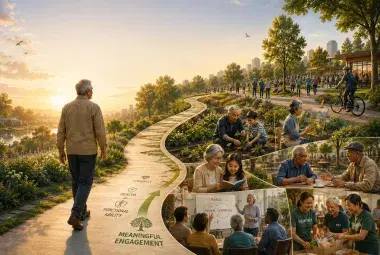
Asia Is Aging First Series: Part 1: Why Ageing Has Become Everyone’s Business | Part 2: What “Active Ageing” Really Means for Everyday Life | Part 3: Designing a Society That Ages Well
Designing a Society That Ages Well: From Understanding to Design
The preceding discussions established two essential foundations. First, population ageing is no longer a distant demographic projection but a defining structural transformation, particularly in Asia, where the pace of transition is unprecedented (United Nations Department of Economic and Social Affairs [UN DESA], 2022; UNFPA Asia-Pacific, 2025). Second, the experience of ageing is shaped not by age itself, but by functional ability, participation, and security across the life course (World Health Organization, 2020).
Taken together, these insights lead to a more fundamental question: how must societies evolve in order to age well alongside their populations?
This question shifts the focus from individual adaptation to collective design. Ageing, while lived personally, is structured socially. Its outcomes are determined not only by individual choices, but by the systems, environments, and policies within which those choices are made.
Ageing as a Societal Design Challenge
Active ageing is often discussed at the level of individuals, yet its enabling conditions are fundamentally collective. No degree of personal preparation can fully compensate for fragmented systems, exclusionary environments, or policies that fail to anticipate longer lives.
This is why leading global institutions including the World Health Organization, the United Nations Population Fund, and the Organisation for Economic Co-operation and Development have converged on a shared position: ageing well is a matter of design.
Early investment in inclusive systems, long-term planning, and age-integrated environments produces not only better outcomes for older adults, but greater societal resilience overall (World Health Organization, 2020; OECD, 2025). Ageing, therefore, is not simply something societies respond to; it is something they shape.
Image
Rethinking Health Systems for Longer Lives
One of the most immediate areas requiring transformation is the structure of health systems. Systems historically designed around acute and episodic care are increasingly misaligned with ageing populations, where chronic conditions and gradual functional decline are more prevalent.
In response, the World Health Organization has advocated a transition toward integrated, person-centered care, emphasizing continuity across the life course and prioritizing the maintenance of functional ability (World Health Organization, 2020).
This shift involves strengthening primary and community-based care, integrating medical and social services, and moving beyond disease treatment toward capability preservation. Health, in this framework, is no longer a series of isolated interventions, but a sustained relationship between individuals and systems.
The implications are practical and immediate. Whether individuals experience ageing as supported or fragmented depends largely on how these systems are structured.
Valuing Contribution Across the Life Course
How societies define contribution in later life reflects deeper assumptions about human value. Evidence from the Organisation for Economic Co-operation and Development has shown that premature exclusion of older adults from labor markets carries measurable economic costs, particularly in ageing societies facing workforce contraction (OECD, 2025).
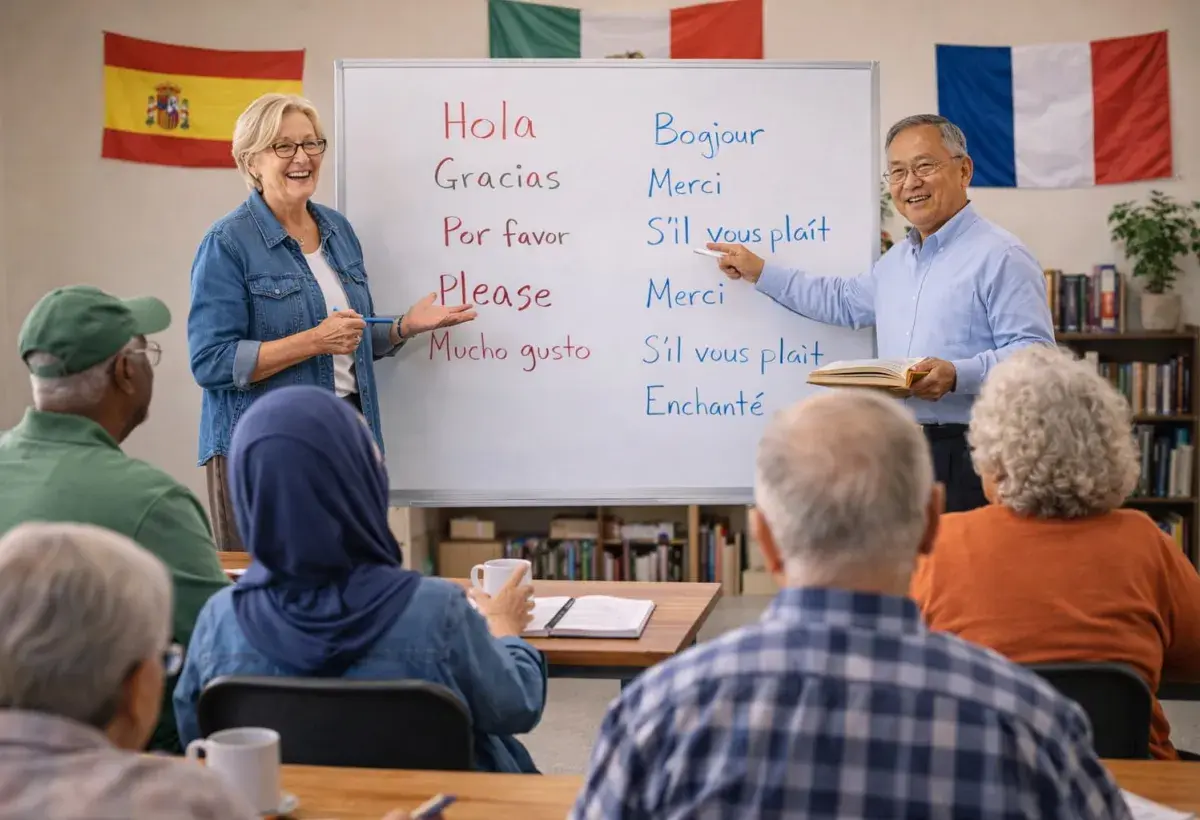
Yet the significance of contribution extends beyond economic productivity. Continued engagement whether through work, caregiving, mentorship, or community participation provides continuity of identity, sustains social connection, and supports psychological well-being.
When these roles are removed abruptly, the loss is not merely financial. It is existential.
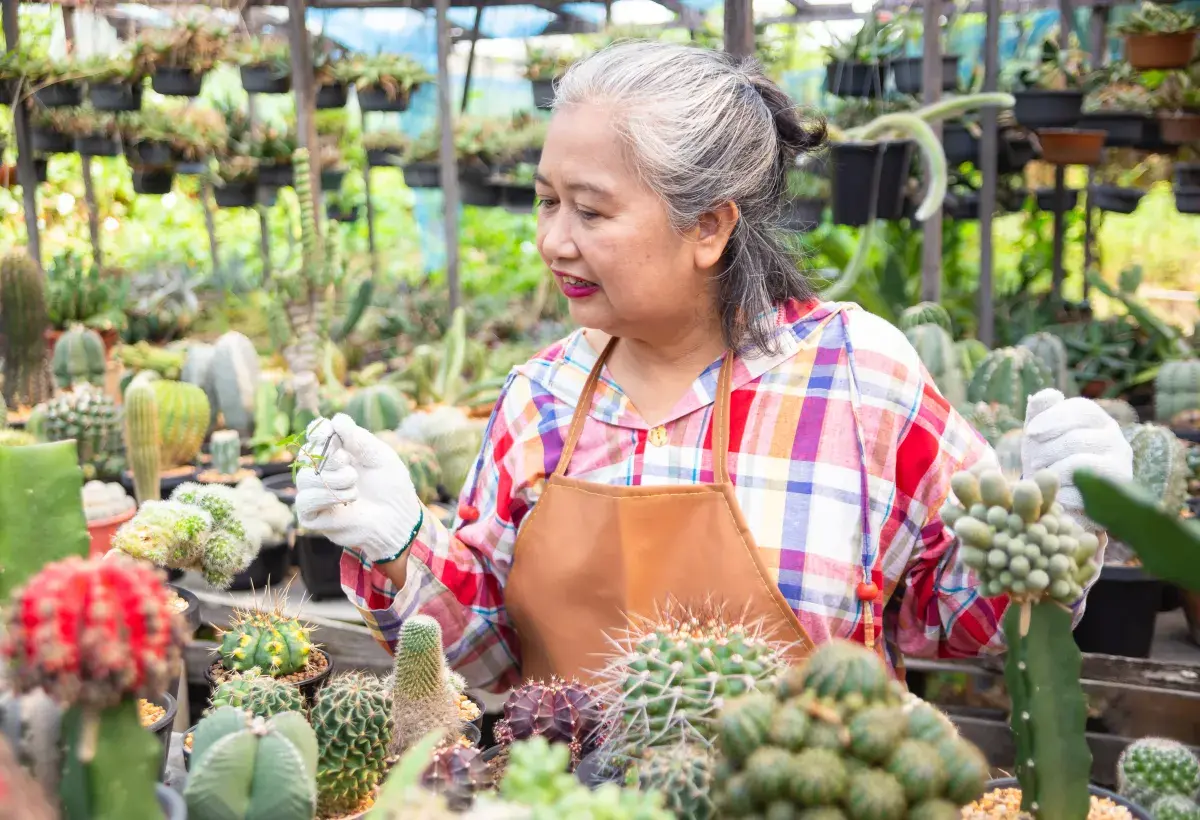
Purpose functions as a stabilizing force across the life course. It preserves continuity between past and present, reinforces self-worth, and anchors meaning in times of transition. Importantly, purpose is not imposed externally but emerges from alignment between individual capacity and available opportunities for meaningful engagement.
This insight carries structural implications. Supporting purpose in later life is not about prescribing activity, but about preserving choice. Age-inclusive labor markets, lifelong learning opportunities, and protection against age discrimination enable individuals to continue contributing in ways that reflect their values and circumstances.
In doing so, societies affirm a fundamental principle: human value does not diminish with age.
Image

Security as the Foundation of Dignity
Among the pillars of ageing well, security remains both foundational and often overlooked. It encompasses stable income, access to healthcare, appropriate housing, and reliable long-term support systems.
Without these conditions, extended longevity may amplify vulnerability rather than well-being. The United Nations Population Fund has highlighted persistent inequalities across Asia, particularly among women and individuals in informal labor sectors (UNFPA Asia-Pacific, 2025).
Security, therefore, is not an auxiliary concern. It is the condition that makes all other aspects of ageing possible. A society that neglects this foundation risks transforming longevity into prolonged uncertainty. One that strengthens it enables ageing with dignity and confidence.
The Role of Age-Friendly Environments
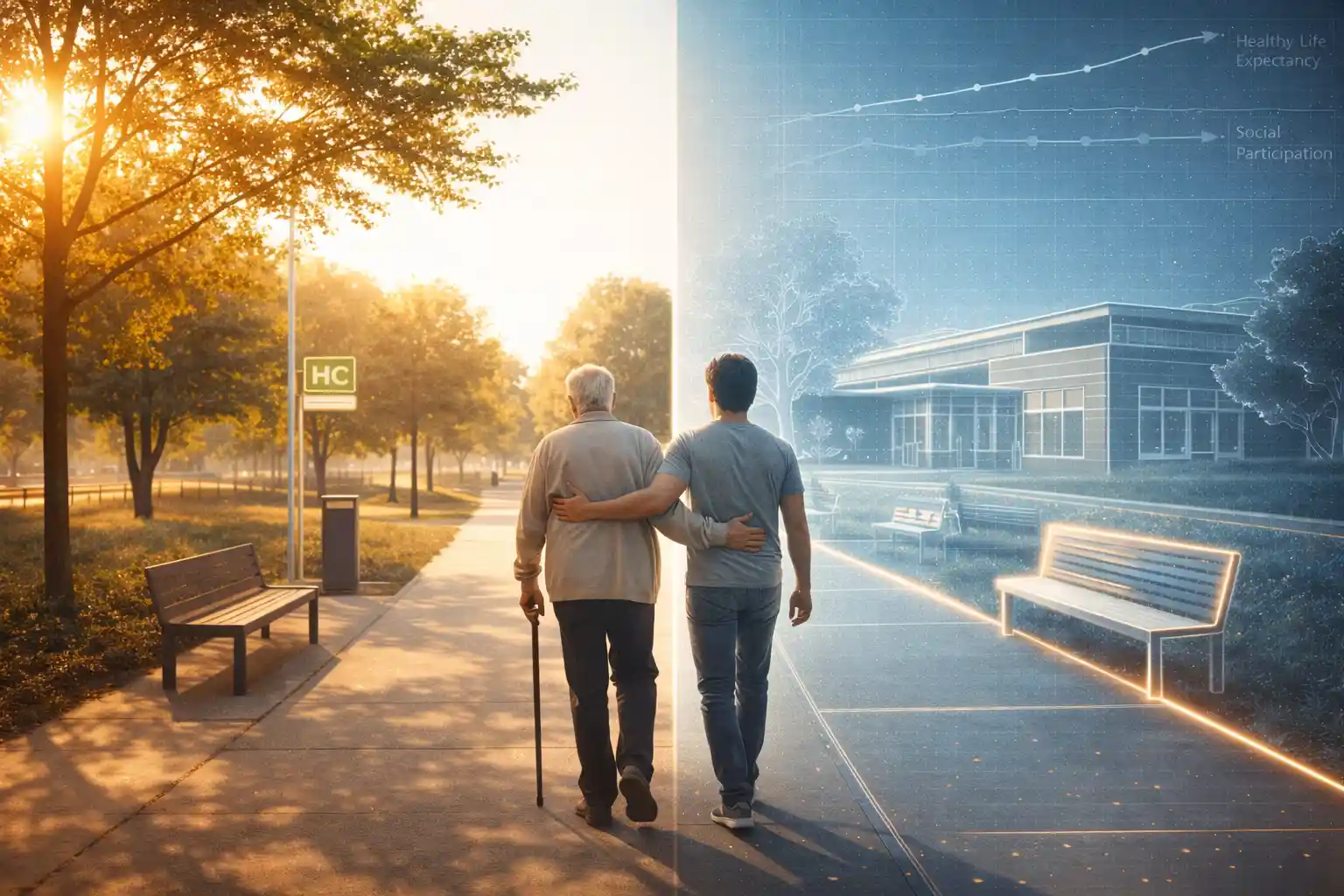
Beyond formal systems, the design of everyday environments exerts a decisive influence on ageing outcomes, with the World Health Organization emphasizing that age-friendly environments – defined by accessible transportation, walkable communities, safe public spaces, and adaptable housing, enable sustained participation, independence, and functional ability across later life (World Health Organization, 2020).
These elements are often subtle, yet their effects are cumulative. When environments are inclusive, individuals remain visible and engaged. When they are not, exclusion emerges not through choice, but through structural limitation.
Design, in this context, becomes a form of social inclusion.
Image
Measuring What Matters
As societies age, the metrics used to define progress must evolve. Traditional indicators, such as life expectancy alone, are no longer sufficient. Increasingly, global institutions emphasize measures that reflect lived experience, including healthy life expectancy, functional ability, social participation, and financial security (World Health Organization, 2020; OECD, 2025).
This shift represents more than a technical adjustment. It reflects an ethical reorientation. Extending life without ensuring its quality constitutes incomplete progress. The goal is no longer longevity alone, but meaningful longevity.
Conclusion: Ageing as a Test of Societal Maturity
Asia’s demographic transition is no longer a projection. It is a lived reality. The region now hosts the largest and fastest-growing population of older adults, reflecting decades of success in improving health and extending life.
Yet this achievement carries new responsibilities. Without structural adaptation, longer lives risk being accompanied by prolonged vulnerability, inequality, and exclusion.
Across this three-part series, a clear trajectory has emerged. Ageing is not merely a demographic shift. It is a structural, experiential, and societal transformation.
The World Health Organization reframes ageing around functional ability and integrated care. The United Nations Population Fund highlights the inequalities that shape ageing outcomes. The Organisation for Economic Co-operation and Development underscores the economic and social value of inclusion across the life course.
Together, these perspectives move ageing beyond a problem to be managed, toward a condition that requires systemic redesign.
What ultimately emerges is not only a technical challenge, but a societal one. A society that ages well does not attempt to resist ageing or defer it indefinitely. It creates the conditions for longer lives to remain meaningful, secure, and dignified.
In doing so, it affirms a fundamental truth: ageing is not a burden to be carried, but a shared human experience—one that reflects how deeply a society understands the value of life across time.
To engage with this series, therefore, is not simply to understand ageing. It is to confront a broader question:
What kind of society do we become when more of us live longer—and how prepared are we to honor those years?
Image

Suggested Citation
Lendez, M. (2026). Asia is aging first: Why the world’s longest lives are becoming everyone’s concern (Part 3 of 3): Designing a society that ages well. Developer of the Ikigai-Bayanihan Purpose-Driven Retirement Framework.
About the Author
Written by Dr. Mariza Lendez, the developer of the Ikigai-Bayanihan Purpose-Driven Retirement Framework, a model that redefines aging through purpose, dignity, and community-centered living.
Asia Is Aging First Series: Why the World’s Longest Lives Are Becoming Everyone’s Concern
References
- World Health Organization. (2020). Decade of Healthy Ageing 2020–2030.
- United Nations Population Fund. (2025). Asia-Pacific Regional Population Outlook.
- Organisation for Economic Co-operation and Development. (2025). Ageing and Employment Policies.
- United Nations Department of Economic and Social Affairs (UN DESA). (2022). World Population Prospects 2022.