What Really Happens to Your Skin After 40: Part 1 | Part 2 | Part 3 | Part 4 | Part 5 | Part 6 | Part 7
Article 2 of 7 in the “Aging Skin After 40” Series
By Mariza Lendez
Rethinking Botanicals in Modern Skin Science
Botanical extracts have transitioned from traditional remedies to subjects of rigorous scientific inquiry. Advances in dermatology and phytochemistry have demonstrated that plant-derived compounds contain diverse bioactive molecules capable of influencing multiple biological pathways, including oxidative stress regulation, inflammation control, and extracellular matrix support (Działo et al., 2016; Krutmann et al., 2021).
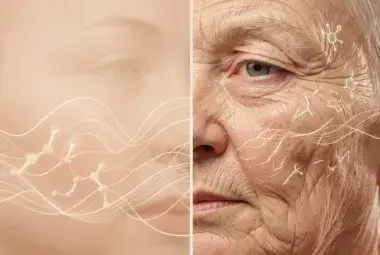
This shift is particularly relevant after the age of forty, when intrinsic aging processes begin to dominate. Collagen production declines, the skin barrier weakens, and cumulative environmental exposure accelerates structural damage. Contemporary research has framed this process within the concept of the “skin exposome,” emphasizing that aging results from the interaction between biological aging and environmental stressors (Krutmann et al., 2021). In this context, botanicals offer supportive, not corrective mechanisms that align with the skin’s natural physiology.
Bioavailability and Skin Compatibility
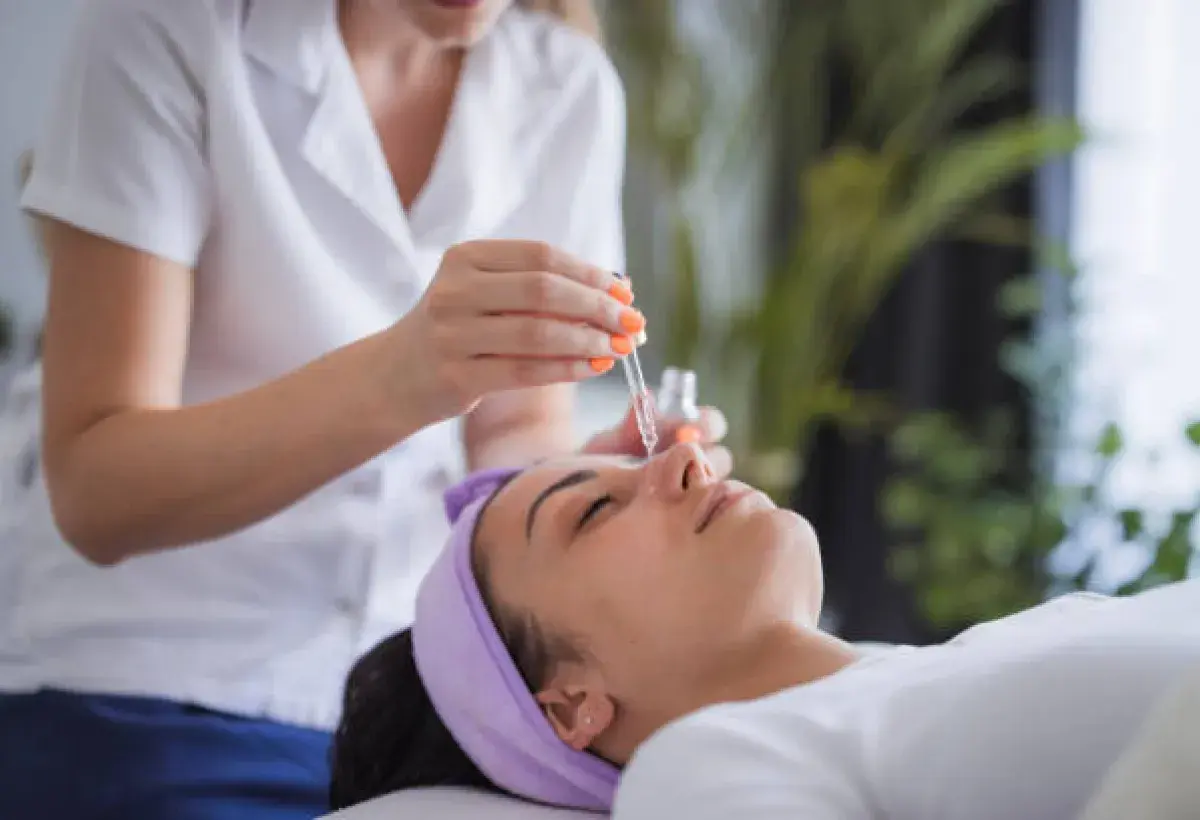
The effectiveness of topical ingredients depends on their ability to penetrate the skin and remain biologically active. Plant-derived compounds, particularly polyphenols and lipids, have demonstrated favorable interactions with skin cells due to their structural compatibility and multifunctional properties (Działo et al., 2016).
Rather than positioning botanicals as universally superior to synthetic ingredients, current evidence supports a more balanced perspective. Botanical compounds may be better tolerated in aging or sensitive skin due to their anti-inflammatory and antioxidant characteristics. Their strength lies in their ability to engage multiple pathways simultaneously, contributing to hydration, protection, and repair without overwhelming the skin.
Image
Botanical Support for Collagen and Skin Structure
Collagen degradation is a defining feature of aging skin, driven in part by increased activity of matrix metalloproteinases (MMPs), enzymes responsible for breaking down collagen fibers (Quan & Fisher, 2022). Botanical compounds may contribute to maintaining collagen integrity by reducing oxidative stress and modulating these enzymatic pathways.
Centella asiatica (Gotu Kola) has been shown to stimulate fibroblast activity and support collagen synthesis through triterpenoid compounds, contributing to improved skin structure and repair (Bylka et al., 2013).
Bakuchiol has emerged as a plant-derived alternative to retinoids. A randomized controlled trial demonstrated that bakuchiol improved wrinkles and pigmentation comparably to retinol, with fewer adverse effects, making it suitable for long-term use in aging skin (Dhaliwal et al., 2019).
These findings suggest that botanical compounds support collagen not by replacing it, but by optimizing the conditions under which it is produced and preserved.
Hydration, Barrier Function, and Structural Integrity
Skin hydration and barrier integrity are central to maintaining elasticity and preventing visible aging. Age-related decline in lipid production weakens the stratum corneum, increasing transepidermal water loss and reducing resilience (Elias, 2020).
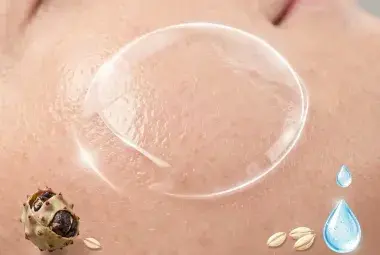
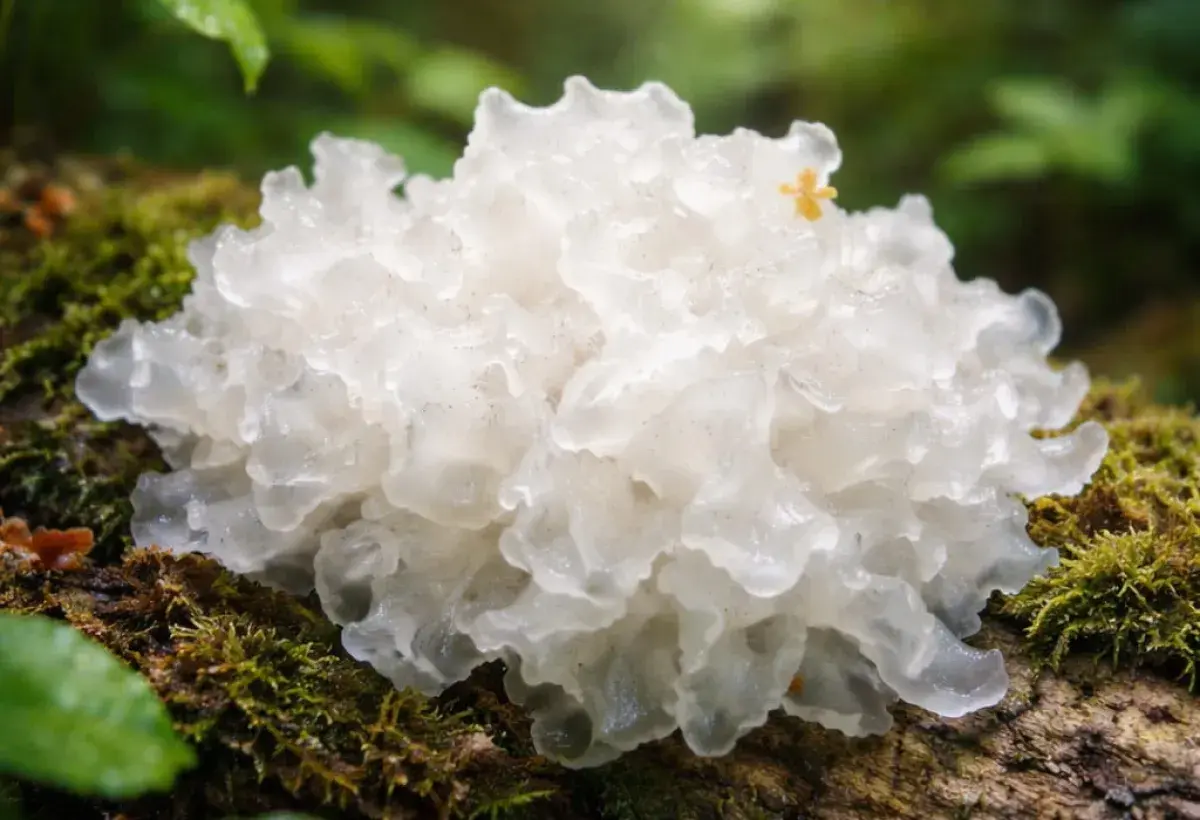
Tremella fuciformis (snow mushroom) has demonstrated strong water-retention capacity due to its polysaccharide structure, supporting sustained hydration and improved skin texture (Zhang et al., 2020).
Plant-derived lipids, including those rich in essential fatty acids, contribute to restoring the skin barrier and reducing moisture loss (Zielińska & Nowak, 2020). These mechanisms support not only hydration but also the structural integrity necessary for long-term skin function.Antioxidant Protection and Environmental Defense
Image
Oxidative stress remains a central driver of skin aging, influenced by UV exposure, pollution, and metabolic processes. Botanical extracts rich in polyphenols have demonstrated the ability to neutralize reactive oxygen species and reduce inflammatory signaling, thereby protecting skin structure (Musial et al., 2020; Sies et al., 2022).
These compounds also play a role in limiting collagen degradation by inhibiting oxidative pathways that activate matrix metalloproteinases (Quan & Fisher, 2022). While antioxidants do not reverse aging independently, they contribute significantly to slowing structural decline and preserving skin integrity over time.
Inflammation, Enzymatic Activity, and Skin Stability
Chronic low-grade inflammation contributes to the gradual breakdown of skin structure. Botanical extracts have been studied for their ability to modulate inflammatory pathways and inhibit enzymes involved in collagen degradation.
Research has shown that certain plant compounds exhibit anti-collagenase and anti-elastase activity, helping to preserve the extracellular matrix and maintain skin firmness (Thring et al., 2020). These effects are not immediate but accumulate over time, reinforcing the importance of consistent application.
A System, Not a Single Ingredient
The effectiveness of botanical skincare lies in the interaction between multiple compounds rather than reliance on a single ingredient. Hydrators, antioxidants, and collagen-supporting agents work together to create an environment in which the skin can function optimally.
Morning routines may emphasize antioxidant protection, while evening routines focus on repair and barrier reinforcement. Layering water-based formulations followed by lipid-rich products supports both absorption and moisture retention. Over time, these patterns contribute to cumulative improvements in skin resilience and texture.
Image
Conclusion
Botanical extracts, when supported by scientific evidence and applied consistently, offer a meaningful approach to supporting aging skin. They do not replace clinical interventions but complement them by reinforcing the biological systems that sustain skin health.
For individuals over forty, the focus shifts from rapid correction to long-term preservation. Botanicals align with this shift by supporting hydration, protecting against environmental stress, and contributing to collagen stability.
In this framework, skincare becomes less about isolated solutions and more about sustained interaction with the body’s natural processes—where consistency, rather than intensity, determines long-term outcomes.
Image
Suggested Citation
Lendez, M. (2026). Top botanical extracts that firm and repair aging skin: A science-grounded guide (Article 5 of 7 in the “Aging Skin After 40” series). Chikicha Skin & Healthy Aging.
About the Author
Dr. Mariza Lendez is the developer of the Ikigai-Bayanihan Purpose-Driven Retirement Framework, a model that redefines aging through purpose, dignity, and community-centered living
Aging Skin After 40 Series
👉 The Science of Aging, Elasticity Loss, and Wrinkles
👉 Top 10 Botanical Extracts That Firm and Repair Aging Skin: 2024 Science-Backed Guide
👉 The Gut-Skin Axis: How Probiotics Are Clinically Proven to Reduce Wrinkles from Within
👉 The Collagen Diet: 12 Science-Backed Foods to Rebuild Aging Skin from Within
👉 Acid Mantle Repair: The Hidden Key to Plumper, Wrinkle-Resistant Skin
👉 Beauty Sleep Redefined: How Your 2AM Melatonin Surge Rebuilds Collagen and Smooths Wrinkles
👉 Facial Yoga and Gua Sha: 2024 Science on Non-Invasive Lifting and Collagen Boosting
Disclaimer
Chikicha does not sell or promote any of the products mentioned in this article. The content is intended solely for educational and informational purposes.
The author, Mariza Lendez, is not a medical practitioner. This article does not provide medical advice, diagnosis, or treatment. Readers are encouraged to consult a qualified healthcare professional.
References
Bylka, W., Znajdek-Awiżeń, P., Studzińska-Sroka, E., & Danczak-Pazdrowska, A. (2013). Centella asiatica in dermatology. Advances in Dermatology and Allergology. https://doi.org/10.5114/pdia.2013.33378
Dhaliwal, S., et al. (2019). Bakuchiol vs retinol. British Journal of Dermatology. https://doi.org/10.1111/bjd.16918
Działo, M., et al. (2016). Plant phenolics in dermatology. Molecules. https://doi.org/10.3390/molecules21020160
Elias, P. M. (2020). Skin barrier function. Experimental Dermatology. https://doi.org/10.1111/exd.14154
Krutmann, J., et al. (2021). The skin aging exposome. Journal of Dermatological Science. https://doi.org/10.1016/j.jdermsci.2021.02.008
Musial, C., et al. (2020). Polyphenols and skin aging. Molecules. https://doi.org/10.3390/molecules25122767
Quan, T., & Fisher, G. J. (2022). MMPs in skin aging. Journal of Investigative Dermatology.
Sies, H., et al. (2022). Oxidative stress and antioxidants. Journal of Nutrition.
Thring, T. S., et al. (2020). Anti-collagenase activity of plant extracts. BMC Complementary Medicine. https://doi.org/10.1186/1472-6882-9-27
Zhang, L., et al. (2020). Tremella polysaccharides. Carbohydrate Polymers. https://doi.org/10.1016/j.carbpol.2020.116481
Zielińska, A., & Nowak, I. (2020). Fatty acids and skin barrier. International Journal of Molecular Sciences. https://doi.org/10.3390/ijms21145038