Who supports the caregivers when they themselves age?
For generations, women’s sustained and largely invisible labor has formed the foundation of societal stability, economic productivity, and intergenerational well-being. This labor spans unpaid domestic work, emotional support, caregiving, and formal participation in the workforce. While it has enabled families, markets, and governments to function efficiently, it has also imposed cumulative personal and economic costs on women. As this same cohort of women enters later life, a structural question emerges:
This article examines the multigenerational returns generated by women’s labor, the systemic costs borne by women across the life course, and why demographic realities particularly menopause and population aging make the current care model unsustainable without urgent reform.
Introduction: The Invisible Engine of Human Capital
Economic growth is typically attributed to markets, institutions, and technological progress. Less visible, yet equally foundational, is the continuous labor that sustains human capital: childrearing, household management, elder care, and emotional regulation. Globally, women perform the majority of this work.
This labor operates as a structural subsidy to economies. It reduces public spending on care, supports labor force participation, and stabilizes households across economic cycles. However, it is rarely compensated, formally recognized, or protected within social insurance systems.
A demographic reality intensifies this imbalance: women live longer than men and now comprise the majority of older adults worldwide. As fertility declines and family structures shrink, the traditional assumption that women will also provide care in later life becomes increasingly untenable.
The Multigenerational Returns on Women’s Labor
When we talk about women’s work, we often isolate it into categories motherhood, employment, caregiving as if these roles operate independently. In reality, women’s labor functions as a continuous system that produces returns across generations, markets, and public institutions. These returns are substantial, measurable, and widely documented, even if they are rarely acknowledged in economic accounting.
Image

HUMAN CAPITAL FORMATION
Women’s caregiving plays a decisive role in shaping human capital from the very beginning of life. Global evidence consistently shows that maternal investment in nutrition, early health, and emotional development is among the strongest predictors of child survival, educational attainment, and long-term productivity. These early-life investments compound over time, influencing workforce quality, innovation capacity, and national competitiveness decades later (World Health Organization, 2022).
Economists increasingly describe this as a form of “nurturance capital” the foundational labor that allows future workers and citizens to thrive. Yet while its returns are long-term and collective, the costs are immediate and largely absorbed by individual women, often through reduced income, time scarcity, or delayed career progression (UN Women, 2023).
LABOR MARKET ENABLEMENT
At the household level, unpaid domestic and emotional labor has historically enabled uninterrupted participation in paid work most often by men. By absorbing daily care responsibilities, women effectively reduced household-level productivity costs, allowing labor markets to operate as if workers were unencumbered by caregiving needs. This arrangement functioned as an indirect subsidy to employers and governments alike.
What has changed is not the burden itself, but women’s position in the labor market. As women’s paid employment became essential to economic growth, unpaid care responsibilities did not recede. Instead, they remained disproportionately female, producing what the International Labour Organization now describes as a persistent “double burden” of paid and unpaid work one that constrains women’s earnings, advancement, and long-term security (ILO, 2024).
ELDER CARE SUBSTITUTION
This dynamic intensifies later in life. Women continue to provide the majority of long-term care for aging parents, spouses, and relatives, particularly in countries where public elder care systems are underdeveloped. By filling these gaps, women’s unpaid labor allows governments to delay or limit investment in universal long-term care infrastructure. The Organisation for Economic Co-operation and Development has repeatedly warned that this reliance on informal care masks the true cost of aging societies. While fiscally convenient in the short term, it transfers long-term economic risk to households specifically to women through lost income, reduced pensions, and deteriorating health (OECD, 2023).
Image

The Care Penalty Across the Life Course
The cumulative impact of these responsibilities is neither accidental nor evenly distributed. It follows a clear life-course pattern. Women who become mothers experience measurable earnings penalties linked to career interruptions and reduced working hours, resulting in lower lifetime income and pension accumulation a phenomenon consistently documented across advanced and emerging economies (OECD, 2023). Many then enter midlife as part of the so-called “sandwich generation,” simultaneously supporting children and aging parents. This period is associated with elevated stress, higher rates of chronic illness, and increased likelihood of labor force exit (WHO, 2022).
By old age, the consequences converge. Longer life expectancy combined with lower lifetime savings places women at significantly higher risk of poverty and dependency in later life. According to UN Women (2023), older women are disproportionately represented among those with insufficient retirement income precisely because care work was never treated as pensionable labor.
These outcomes are often framed as individual trade-offs or personal choices. In reality, they are the predictable results of a system that systematically externalizes the cost of care onto women while distributing its benefits across families, markets, and states.
Menopause as a Demographic and Economic Turning Point (2030 Onward)
By 2030, a historically large cohort of women will be transitioning through peri-menopause and post-menopause, marking a significant demographic milestone with direct economic and care-related implications. Clinical consensus places the menopausal transition most commonly between the ages of 45 and 55, a life stage that increasingly overlaps with peak career responsibility, intensifying elder caregiving demands, and critical periods of financial planning for later life (The Menopause Society, 2023).
Menopause is therefore not solely a biological event but a structural intersection point within the life course. Growing evidence from health and labor research shows that menopausal transition is associated with higher prevalence of sleep disturbance, musculoskeletal discomfort, cardiovascular risk, and mental health strain. When these health changes occur in environments lacking appropriate workplace recognition or accommodation, they are linked to increased absenteeism, reduced work capacity, and, in some cases, premature withdrawal from the labor force.
These effects are further compounded when menopause coincides with caregiving responsibilities for aging parents or spouses a common scenario given rising life expectancy and delayed fertility. The convergence of physiological transition, professional obligation, and unpaid care labor places women at heightened risk of economic vulnerability during a period traditionally assumed to be one of peak productivity and earnings stability.
At the population level, the implications extend beyond individual outcomes. The cumulative effect of menopause-related workforce disengagement contributes to measurable productivity losses, increased healthcare utilization, and the erosion of experienced labor supply. This occurs at precisely the moment when aging societies face tightening labor markets and growing dependency ratios. Failure to integrate menopause into workforce health policy and care system planning therefore represents not only a gender equity gap, but a structural economic inefficiency with long-term consequences.
Image

Global demographic trends intensify the caregiver paradox:
These menopause-related pressures do not occur in isolation. They are unfolding within a wider demographic transformation that further intensifies the caregiver paradox. Across most regions, sustained declines in fertility have reduced the number of adult children traditionally available to provide informal care, weakening family-based support structures that earlier generations relied upon. At the same time, continued gains in life expectancy are extending the duration of later life, increasing both the prevalence and complexity of chronic care needs.
This demographic imbalance is compounded by the persistent fragmentation and underfunding of public care systems, particularly in long-term and community-based care. As a result, the gap between care demand and formal service provision continues to widen. International authorities, including the World Health Organization and the International Labour Organization, have repeatedly cautioned that existing care infrastructures are misaligned with current and projected population structures. Without structural reform, demand for care is expected to exceed both family capacity and institutional readiness, placing increasing strain on households and accelerating the breakdown of informal care models.
The Structural Failure: Who Cares for the Caregivers?
The prevailing care model rests on a fragile assumption: that unpaid female labor is infinite, elastic, and permanently available. For decades, this assumption allowed families, labor markets, and governments to function without fully accounting for the true cost of care. That premise is now structurally unsound.
The women who have historically absorbed the bulk of caregiving responsibilities are themselves aging. At the same time, family structures are shrinking due to sustained declines in fertility, reducing the number of potential caregivers within households. This demographic shift coincides with women’s deep integration into formal labor markets, where their participation is no longer supplementary but economically essential.
Compounding this strain is a policy blind spot. Menopause an inevitable life-stage transition affecting a large share of the experienced workforce remains largely unaddressed in health systems, labor regulations, and workplace design. As a result, many women navigate overlapping pressures: physiological transition, peak professional responsibility, and intensifying caregiving demands, often without institutional support.
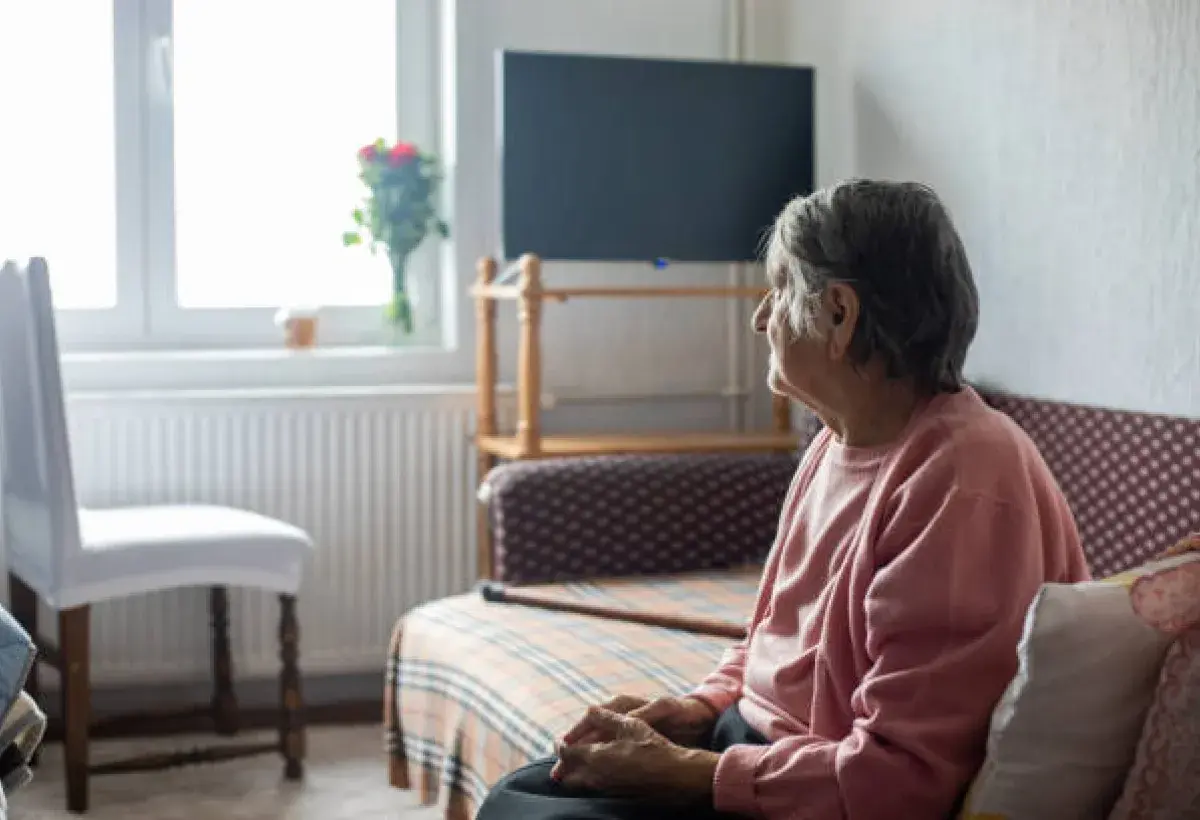
Without structural reform, the consequences are predictable. Aging women face heightened risks of social isolation, financial insecurity, and inadequate access to care. The paradox is stark: those who sustained families, economies, and public systems through decades of unpaid and underrecognized labor are now entering a life stage in which the very systems they upheld offer limited protection in return.
Image

Policy Integration: From Informal Reliance to Public Systems
A systemic recalibration of care begins with policy integration. Aging societies can no longer rely on informal, unpaid caregiving predominantly provided by women as a substitute for public care systems. Demographic aging, declining fertility, and rising female labor force participation have fundamentally altered the feasibility of this model. Evidence from global institutions consistently shows that informal care alone cannot meet projected demand for long-term and elder care beyond the next decade.
Recent analysis by the International Labour Organization estimates that unpaid care responsibilities exclude over 700 million women globally from full labor force participation, reinforcing gender inequality while constraining economic growth (ILO, 2024). The ILO further notes that without public investment in care infrastructure including long-term care financing and formal care services countries will face simultaneous labor shortages and care deficits as populations age (ILO, 2022; ILO, 2024).
Universal long-term care financing has therefore emerged as a structural necessity rather than a social policy option. The World Health Organization emphasizes that fragmented and means-tested care systems are ill-suited for aging populations, warning that the absence of integrated long-term care financing increases risks of elder poverty, caregiver burnout, and preventable health deterioration (WHO, 2022). WHO projections indicate that demand for long-term care will more than double by 2050, while informal caregiver supply continues to decline.
Paid caregiving leave for all genders is a critical complement to long-term care systems. The ILO’s most recent care economy assessments stress that gender-neutral, adequately compensated caregiving leave is essential to preventing women’s disproportionate withdrawal from the labor market during caregiving periods (ILO, 2022). Where caregiving leave remains unpaid or culturally feminized, long-term earnings losses and pension gaps persist, transferring future welfare costs back to the state.
Finally, integrating unpaid care work into national economic accounts is increasingly recognized as a prerequisite for evidence-based policymaking. According to UN Women, the exclusion of unpaid care from national accounting systems systematically undervalues women’s economic contribution and distorts fiscal priorities (UN Women, 2023). Time-use data and satellite accounts, now adopted or piloted in several countries, provide governments with clearer visibility into care deficits and enable more accurate planning for social protection, pensions, and health systems.
Together, these findings point to a clear conclusion: without formal public systems to finance, regulate, and distribute care, societies will continue to externalize costs onto aging women undermining both gender equality and economic sustainability.
Image

Author’s Reflection
Viewed through an economic lens, women’s labor has functioned as a continuous yet largely unpriced input into human capital formation, labor market stability, and public sector cost containment. Early investments in maternal health, education, and caregiving generate long-term returns by improving child survival, educational attainment, and workforce productivity. This “nurturance capital” underpins innovation and economic growth, yet its opportunity costs foregone income, constrained career mobility, and reduced pension accumulation are borne almost entirely by women rather than reflected in national accounts.
Within households, unpaid domestic and emotional labor historically enabled uninterrupted participation in paid work, particularly for men. By absorbing the daily productivity costs of care, women effectively subsidized an economic model dependent on continuous labor supply. Even as women’s participation in paid employment expanded, unpaid care responsibilities remained disproportionately female, compounding workloads while simultaneously contributing trillions of dollars to global economic output.
This structural reliance extends into later life. Women provide the majority of long-term care for aging relatives, offsetting persistent gaps in healthcare and social protection systems. Their unpaid labor allows governments to defer investment in universal long-term care infrastructure, transferring fiscal risk from the public sector to households. Women thus function as the stabilizing buffer within under-resourced care systems, mitigating costs that would otherwise surface as public expenditure.
The sustainability of societies therefore depends not only on growth metrics, but on how they manage the life course of those who made that growth possible. Aging women particularly those transitioning through menopause sit at the convergence of caregiving, labor participation, health demands, and demographic change. Providing structured support for this group is not a welfare concession; it is a rational economic correction to decades of deferred costs embedded within existing growth models.
Image
Suggested citation
Lendez, M.(2026). The Caregiver’s Paradox: Who Supports the Bedrock of Society When They Age? Developer of Ikigai-Bayanihan purpose-driven retirement framework.
About the Author
Dr. Mariza Lendez, DBA, is the developer of the Ikigai–Bayanihan Purpose-Driven Retirement Framework, a community-centered model that redefines aging through purpose, connection, and sustainable living. Her work focuses on helping individuals navigate aging with clarity, dignity, and informed decision making.
References
Budig, M. J., Hodges, M. J., & Ray, V. (2023). Motherhood wage penalties: Historical persistence and contemporary trends. American Sociological Review, 88(4), 567–590.
An updated longitudinal analysis extending the foundational work on motherhood penalties into current labor market structures.
International Labour Organization. (2022). Care at work: Investing in care leave and services for a more gender-equal world of work. Geneva: ILO.
Provides comprehensive global data on unpaid care work, care leave policies, and implications for labour participation.
International Labour Organization. (2024). Unpaid care work and labour force participation: A global statistical brief.Geneva: ILO.
Updated statistical evidence on how unpaid care responsibilities continue to exclude women from full economic participation.
Organisation for Economic Co-operation and Development. (2025). Gender Equality in a Changing World: The Role of Care and Work. Paris: OECD Publishing.
Recent assessment of gender gaps in paid and unpaid work, with policy recommendations linked to pension outcomes.
UN Women. (2023). Forecasting time spent in unpaid care and domestic work: Global estimates to 2050. New York: UN Women.
Provides forward-looking estimates on unpaid care work burdens and demographic drivers.
World Health Organization. (2022). World Report on Ageing and Health 2022. Geneva: WHO.
Updated global evidence on aging trends, health risk burdens, and long-term care needs.
World Health Organization. (2023). Menopause in the Workplace: Evidence and Policy Implications. Geneva: WHO.
A systematic review of menopause’s implications for labour force participation and workplace policy.
Image Acknowledgment
Some images used in this article were sourced from Freepik and Pixabay and are used in accordance with their respective free-use licensing terms. The creators of these images are gratefully acknowledged.
Image