When Survival Outpaces Society: When Medicine Succeeds but Society Is Unprepared

As medicine extends human survival, are our healthcare systems, families, and communities prepared for life after survival? A Level 5 discussion on longevity policy.
Bipolar Disorder Series
A powerful 3-part series exploring bipolar disorder through modern psychiatric science, trauma, stress, aging, cognition, stigma, and human dignity challenging how society, healthcare systems, families, and institutions understand mental health today.
Bipolar Disorder - Article 3 of 3: Aging, and the Human Systems Surrounding It
Bipolar disorder is no longer understood as simple mood instability. This in-depth article explores how modern psychiatric science connects bipolar disorder with trauma, stress, sleep disruption, aging, cognition, neurological health, stigma, and social systems. Drawing from WHO, NIMH, and contemporary psychiatric research including Sajatovic et al. (2024), the article examines the growing crisis of older-age bipolar disorder and challenges policymakers, healthcare institutions, families, and society to rethink mental health, aging, and human dignity in the modern era.

MIPAA Series (Part 2 of 3) Advancing Health and Well-being: Building Systems for Longer, Healthier Lives
Explore how the United Nations Madrid International Plan of Action on Ageing (MIPAA) addresses health and well-being in aging societies. Learn how preventive care, integrated health systems, and long-term care are shaping healthier, longer lives in the silver economy.
Generation Shapers (Start Here) The Invisible Economy of Mothers and the Future of Aging Systems
She built a generation, yet the system left her behind. A powerful series on motherhood, unpaid care work, and why aging women face economic vulnerability and what must change.
When Energy Changes: Understanding Fatigue as We Age
Understand what medical science says about fatigue as we age why energy changes, common biological causes, and when tiredness deserves attention grounded in trusted research.
The Menoverse: Navigating the Future for Over 1.1 Billion Women
By 2050, over 1.1 billion women will be aged sixty and above. Supporting their health, particularly through menopause, is critical for global economic stability, workforce participation, and social well-being. Explore the societal, economic, and health imperatives of this demographic shift.
Health Economic: Menopause at a Global Scale
By 2030, 774 million women will be post-menopausal, creating significant health, economic, and social implications. Explore why menopause is a population-level phenomenon and the systemic solutions required to support aging women.
The Maria Pension Plan: The Hidden Cost of Unpaid Care in an Aging World
Unpaid caregiving sustains economies but leaves millions of women financially vulnerable. This article examines its hidden costs and the policy reforms needed for fair retirement systems.
The Unpaid Debt: Why Our Aging Women Are a National Security Issue
Unpaid care work sustains economies yet leaves aging women economically vulnerable. This article examines pensions, menopause, demographic risk, and why unpaid caregiving has become a national security issue.
Menopause in a Low-Fertility World: Why It Matters More Than You Think
As global fertility rates decline and life expectancy rises, menopause is becoming a critical societal and economic issue. Explore why supporting midlife women is essential for the future of balanced communities.
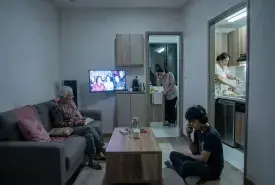
When Home Hurts: The Hidden Strain of Multigenerational Living in the Philippines
Filipino families in multigenerational homes face privacy struggles, generational conflict, and silent sacrifices. Learn life-saving strategies to reclaim peace and strengthen family bonds without moving out.
Multigenerational Living in the Philippines: Why “Family First” is Breaking Us Apart
Explore the realities of multigenerational living in the Philippines mental health, privacy, caregiving burden, and how “family first” is reshaping modern Filipino household
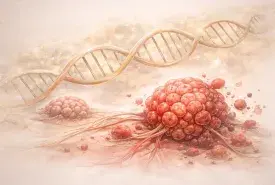
What Exactly Is Cancer? Breaking Down the Basics
Understand what cancer really is from, how it begins at the cellular level to how it spreads. Learn the science behind tumors, DNA mutations, and key risk factors in a clear, evidence-based guide.
Caregiving 101: Comparing Different Approaches to Providing Care
A thoughtful, practical guide to caregiving options -family care, private caregivers, community programs, and facilities, helping you make compassionate, sustainable decisions for your loved ones.