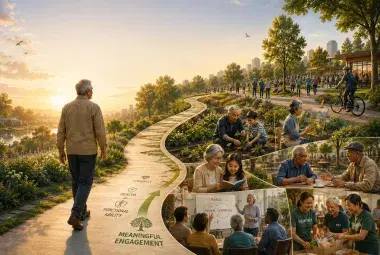
When Medicine Succeeds but Society Is Unprepared
Medicine has become increasingly successful at extending survival, but societies have not evolved at the same pace in designing systems of long-term care, caregiving, and shared responsibility.
Introduction
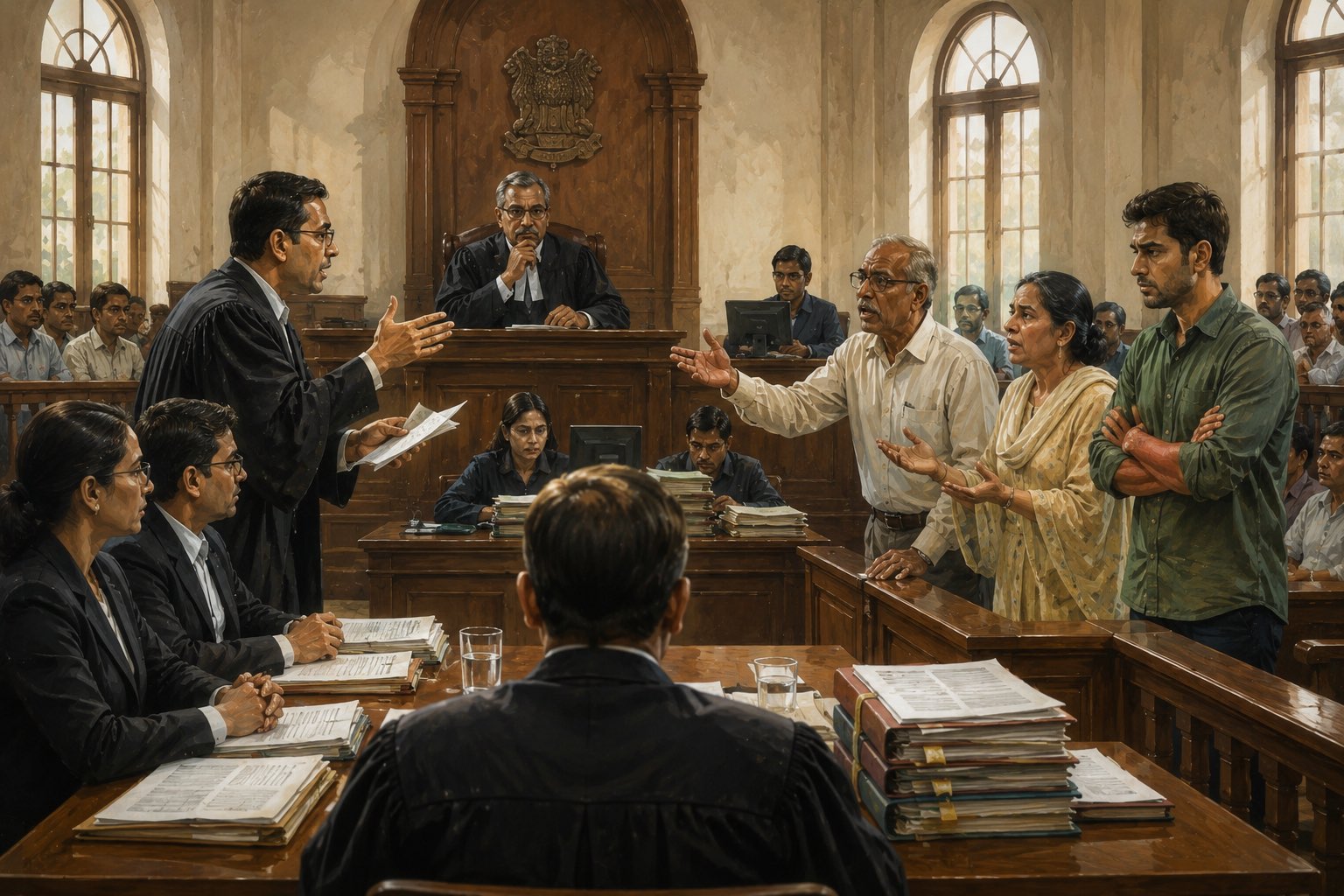
On 8 May 2026, the Calcutta High Court issued its judgment in Apollo Multispecialty Hospitals Limited & Another v. State of West Bengal & Others (W.P.A. No. 26195 of 2024), a case arising from an unusual and complex set of circumstances. The petitioner was not a family member but the hospital itself, seeking judicial guidance on how to address situations where medically discharged patients remain in hospital because no appropriate caregiver or alternative placement is available.
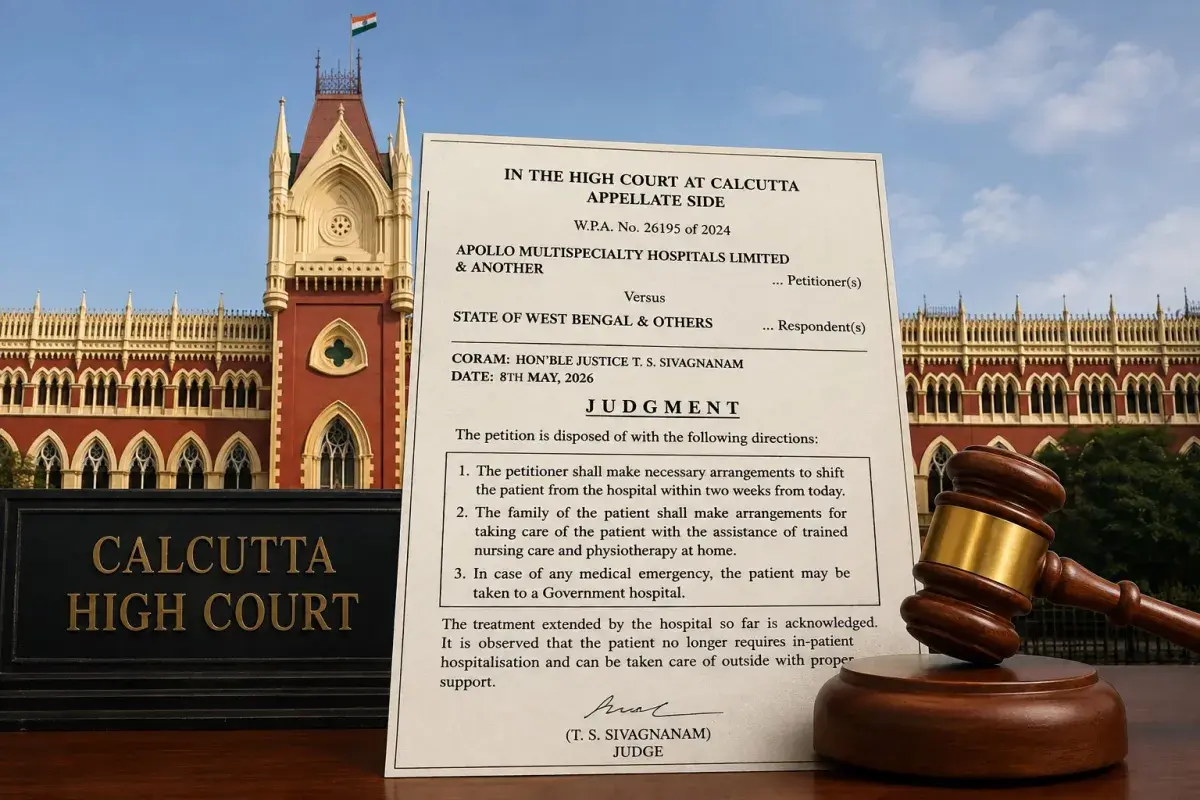
The patient, a woman who sustained a severe traumatic brain injury in a motorcycle accident in September 2021, had remained hospitalized for nearly four years. During that period, hospital charges exceeded ₹1,09,03,348 (approximately US$113,000). The judgment records that insurance covered approximately ₹5.7 lakh (about US$5,900), while the husband had paid ₹15,000 (about US$156). An independent medical board appointed by the Court concluded that the patient no longer required inpatient hospitalization and that her continuing care could be managed at home with trained caregivers. Based on these findings, the Court directed the husband to take his wife home, instructed the State to provide a wheelchair, directed government hospitals to provide treatment if required in the future, and emphasized that the order was made in the peculiar facts of the case and should not be treated as a judicial precedent.
Although the judgment concerns one family, one hospital, and one legal proceeding, the questions it raises extend far beyond the courtroom. It exposes a structural challenge confronting many ageing societies: medicine has become increasingly capable of saving lives, yet the systems responsible for supporting people after survival have not evolved at the same pace.
Instead of asking who was right or wrong here, this article asks a different question: What does this event reveal about the systems we have built?
Medical Progress Has Outpaced Social Infrastructure
Few achievements of modern civilization rival the advances of contemporary medicine. Conditions that were once rapidly fatal including severe trauma, stroke, cardiovascular disease, and many forms of cancer, are now increasingly survivable because of improvements in emergency medicine, surgery, intensive care, pharmaceuticals, and rehabilitation.
Yet survival is only the first chapter of recovery.
Many individuals who survive catastrophic illness continue to require years of rehabilitation, assistance with activities of daily living, home modifications, medical equipment, caregiver support, and long-term monitoring. In many countries, these services have developed unevenly compared with advances in acute medical care. Recognizing this change, the World Health Organization's Decade of Healthy Ageing (2021- 2030) emphasizes that healthy ageing extends beyond disease treatment to maintaining functional ability through integrated health and long-term care systems. The challenge is no longer solely how to save lives, but how to support the lives that medicine has made possible.
Image
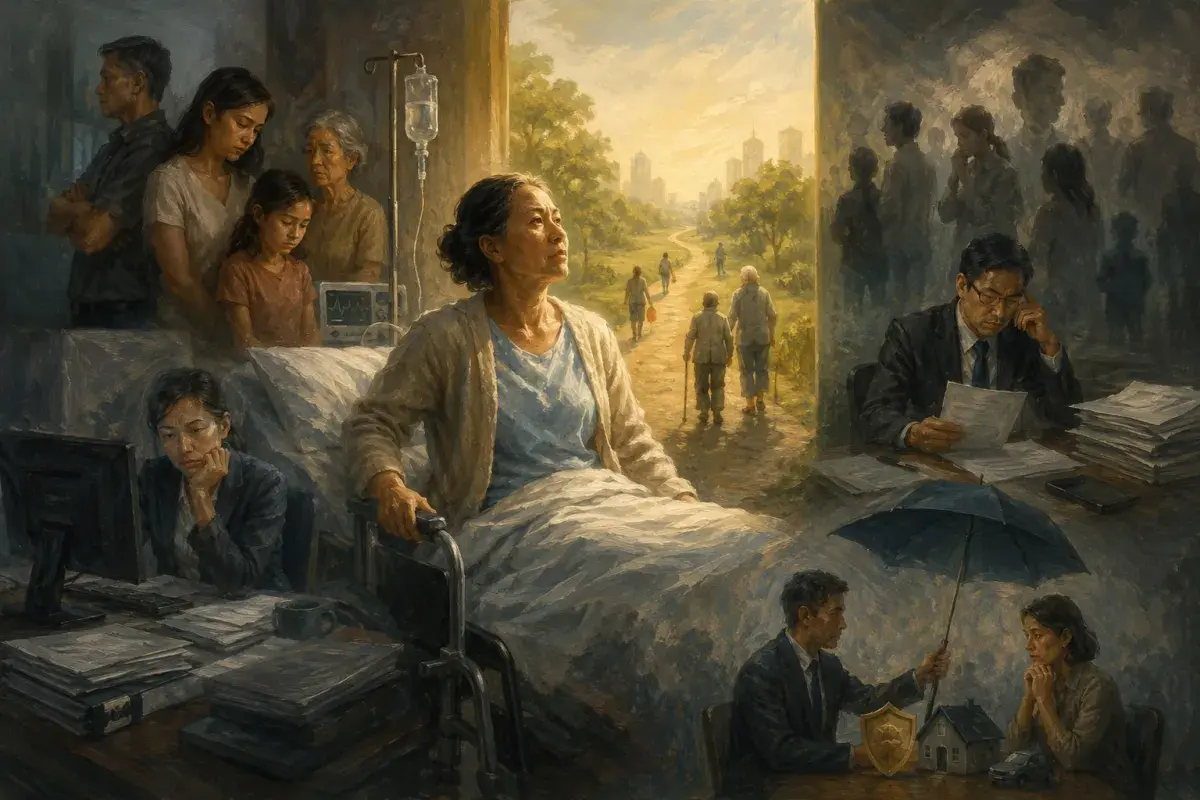
Hospitals Were Never Designed for Long-Term Living
Hospitals occupy a unique role within healthcare systems. They are designed to diagnose, stabilize, and treat acute illness, but were never intended to become permanent residences.
When medically discharged patients remain hospitalized because no suitable alternative exists, the consequences extend beyond financial costs. Acute-care beds become unavailable for new emergencies, healthcare professionals continue providing services beyond the intended scope of hospitalization, operational pressures increase, and hospitals assume responsibilities traditionally associated with families, rehabilitation centres, or long-term care facilities.
The Calcutta High Court recognized this distinction when it observed that hospitals cannot function as shelter homes for medically discharged patients. This observation highlights a structural mismatch between healthcare institutions and the growing demand for long-term care.
Families Have Become the Invisible Healthcare Workforce
Across the world, the largest providers of long-term care are neither governments nor hospitals, they are families: spouses, adult children, siblings, and relatives provide countless hours of unpaid assistance each year, often managing medications, mobility, feeding, transportation, financial affairs, and emotional support.
Despite their indispensable role, family caregivers frequently receive limited formal training, minimal financial assistance, inadequate respite services, and little psychological support. As populations age and chronic conditions become more common, the demands placed upon informal caregivers continue to expand.
This reality invites an important policy question. In many cultures, family care remains a deeply valued responsibility. The fundamental question is, will societies provide families with sufficient resources, education, and support to fulfil that responsibility sustainably.
Where Does Responsibility End?
Perhaps the most intellectually significant aspect of the Calcutta High Court judgment is not the legal directive itself, but the way it exposes the boundaries of institutional responsibility within contemporary healthcare systems. Rather than revealing the failure of a single individual or organization, the case illustrates what happens when multiple institutions each reach the limits of their respective mandates.
The hospital fulfilled its fundamental role by providing emergency treatment, specialized medical care, and prolonged hospitalization following the patient's traumatic brain injury. An independent medical board subsequently concluded that acute inpatient hospitalization was no longer medically necessary and that continuing care could be provided outside the hospital through appropriate rehabilitation and trained caregiving support. At the same time, government shelters acknowledged that they were neither designed nor adequately equipped to accommodate individuals with ongoing medical dependency, while government hospitals remained available to provide future clinical treatment should new medical needs arise.
Image
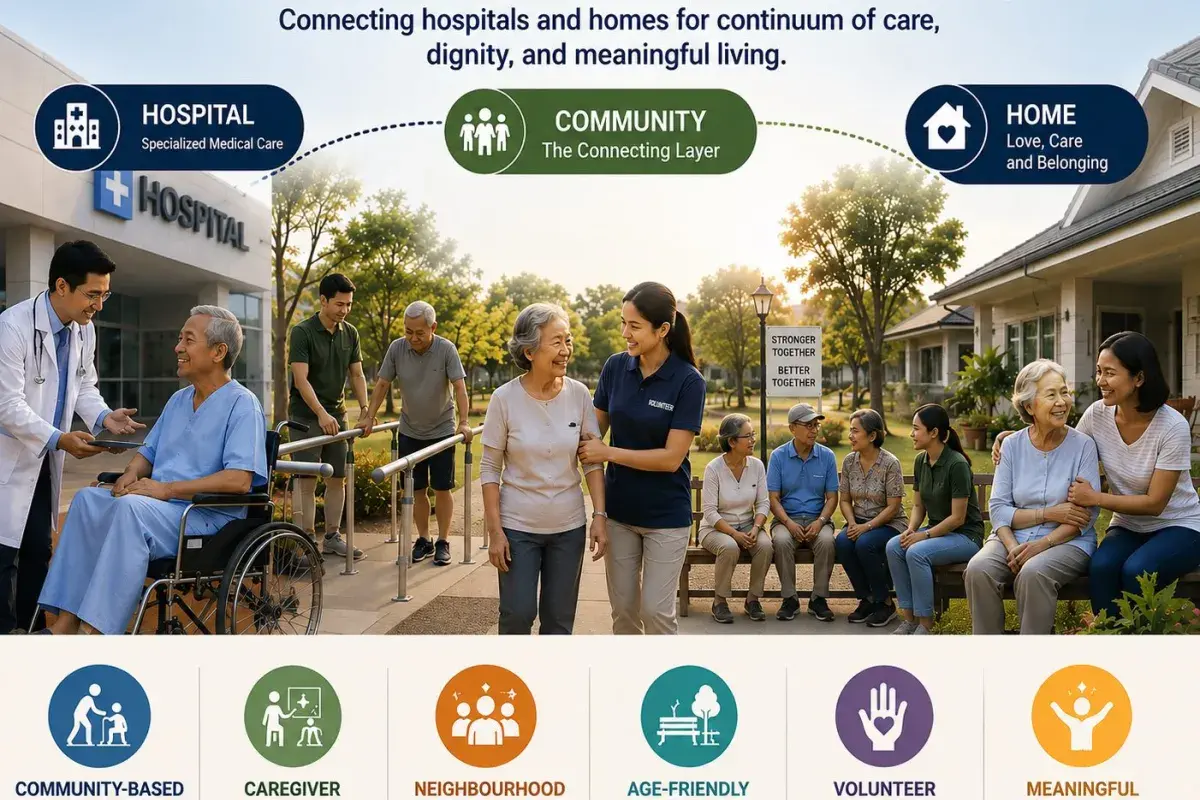
Altogether, these responses reveal an important distinction between acute medical care, post-acute rehabilitation, long-term care, and social support. Acute care seeks to stabilize life-threatening conditions. Post-acute care focuses on recovery and functional improvement following hospitalization. Long-term care assists individuals whose health conditions require continuing support over extended periods, while social and community services enable individuals to live safely and meaningfully within their communities. Although these components form a continuum of care, they frequently operate within separate institutional, financial, and administrative frameworks.
The Court was therefore confronted with a question that extended beyond the circumstances of one family: Who assumes responsibility after medicine has accomplished what it can?
The answer could not be found within any single institution because no institution, acting alone, was designed to address the full continuum of care. This transforms the discussion from a legal dispute into a question of governance. As populations live longer with chronic illnesses, disabilities, and complex health needs, the challenge is no longer simply expanding medical capacity. It is ensuring that healthcare systems, rehabilitation services, long-term care providers, social protection programmes, community organizations, and families function as coordinated components of a single ecosystem of care. Without such integration, responsibility risks becoming fragmented across institutional boundaries precisely when individuals require continuity, coordination, and sustained support the most.
The Calcutta case therefore offers a broader lesson for ageing societies. It reminds us that while medicine has become increasingly successful at preserving life, the responsibility for sustaining life after survival cannot rest upon hospitals alone. It must be shared across the wider architecture of society.
Longevity Is No Longer Primarily a Medical Question
For much of the twentieth century, the success of medicine was measured by its ability to save lives. Advances in public health, emergency medicine, surgery, and disease management dramatically reduced premature mortality and extended life expectancy across the world. Today, however, a new reality has emerged. As medicine becomes increasingly successful at helping people survive conditions that were once fatal, the defining challenge is no longer survival itself, but what follows. The question has shifted from "Can we save this life?" to "How do we support the life that has been saved?"
This transition moves longevity beyond the boundaries of healthcare alone. Living well in later life depends not only on hospitals and medical treatment, but also on rehabilitation, long-term care, caregiver support, age-friendly housing, financial security, accessible transportation, digital inclusion, and opportunities for continued participation in society. Recognizing this shift, international frameworks such as the World Health Organization's Decade of Healthy Ageing (2021–2030) emphasize maintaining functional ability through integrated health and social care rather than focusing solely on disease treatment. Longevity, therefore, is no longer primarily a medical achievement; it has become a measure of how effectively societies coordinate healthcare, social policy, and community support to sustain life with dignity after survival.
The Calcutta High Court case illustrates this transition with unusual clarity. Medicine had already accomplished its essential task-the patient survived. The question before the Court was who should assume responsibility for care beyond the hospital. In that sense, the case reveals a defining challenge of the twenty-first century: medicine may determine how long people live, but society increasingly determines how well they are able to live after survival. The future of longevity, therefore, is not simply a question of better medicine, but of building stronger communities capable of sustaining life beyond the hospital.
Image
Conclusion: Are We Ready for the Age of Longevity?
The Calcutta High Court judgment should not be remembered merely as an unusual legal dispute involving one hospital and one family. It is better understood as a case study in a broader transition unfolding across ageing societies worldwide.
Advances in medicine have enabled millions of people to survive illnesses and injuries that would once have been fatal. Yet survival has introduced responsibilities that extend far beyond the walls of hospitals. Long-term care, caregiver support, rehabilitation, age-friendly communities, and coordinated health and social services are no longer peripheral concerns; they have become integral to the sustainability of modern healthcare systems.
The question before us, therefore, is: Has society evolved sufficiently to support the lives that medicine has helped preserve? The case from Calcutta is unlikely to be the last of its kind. As populations continue to age and more people survive complex illnesses, similar questions will emerge in different countries, under different legal systems, and within different cultural contexts. What appears today as an extraordinary case may become an increasingly familiar policy challenge.
This invites us to ask three questions that extend well beyond the courtroom.
-
If medicine has transformed humanity's ability to save lives, have our public policies evolved with equal determination to support life after survival?
-
If families remain the cornerstone of long-term care, have we equipped them with the knowledge, resources, and institutional support necessary to carry responsibilities that are becoming increasingly complex?
-
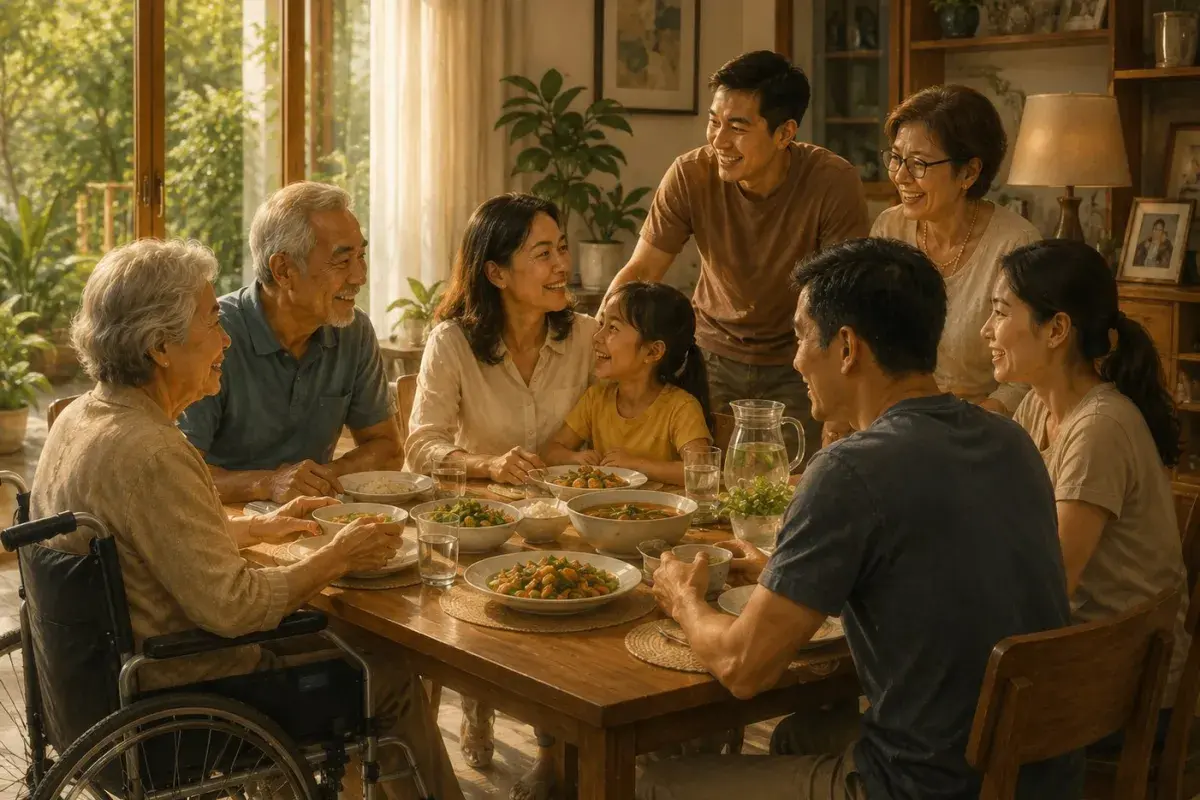
And if longevity is one of humanity's greatest achievements, are we designing societies that merely enable people to live longer, or societies that enable them to continue living with dignity, purpose, connection, and meaningful participation?
As populations age, who should bear responsibility for sustaining the lives that medicine has helped preserve- the hospital, the government, the family, or society as a whole?
The future of longevity will ultimately be measured not only by the years medicine adds to life, but by how wisely societies choose to support the lives that those additional years make possible.
Image
Suggested Citation
Lendez, M. (2026). When Survival Outpaces Society: When Medicine Succeeds but Society Is Unprepared. Chikicha Longevity. (the author is the developer of the Ikigai-Bayanihan Framework for Purposeful Aging).
About the Author:
Dr. Mariza Lendez is a researcher, social entrepreneur, and creator of the Ikigai-Bayanihan (Purpose + Collective Ethos) Retirement Model, an innovative framework that integrates purpose, community engagement, and sustainability to support meaningful aging and later-life well-being.
References
Apollo Multispecialty Hospitals Limited & Another v. State of West Bengal & Others, W.P.A. No. 26195 of 2024 (Calcutta High Court, May 8, 2026). https://indiankanoon.org/doc/62807008/
World Health Organization. (2017). Global strategy and action plan on ageing and health. World Health Organization. https://www.who.int/publications/i/item/9789241513500/
World Health Organization. (2021). Decade of healthy ageing: Baseline report. World Health Organization. https://www.who.int/publications/i/item/9789240017900?
World Health Organization. (2025). Integrated care for older people (ICOPE): Guidance for person-centred assessment and pathways in primary care (2nd ed.). World Health Organization. https://www.who.int/publications/i/item/integrated-care-for-older-people-%28-icope%29-guidance-for-person-centred-assessment-and-pathways-in-primary-care?
United Nations Department of Economic and Social Affairs. (2023). World Social Report 2023: Leaving no one behind in an ageing world. United Nations. https://social.desa.un.org/publications/2023-leaving-no-one-behind-in-an-ageing-world?
Organisation for Economic Co-operation and Development. (2024). How's Life? 2024: Well-being and resilience in times of crisis. OECD Publishing. https://www.oecd.org/en/publications/2024/11/how-s-life-2024_bdcf2f9f.html?
World Health Organization. (2020). Decade of Healthy Ageing: Plan of Action. World Health Organization. https://www.who.int/publications/m/item/decade-of-healthy-ageing-plan-of-action?