What Really Happens to Your Skin After 40: Part 1 | Part 2 | Part 3 | Part 4 | Part 5 | Part 6 | Part 7
Article 4 of 7 in the “Aging Skin After 40” Series
By Mariza Lendez
Go Beyond Pills and Powders
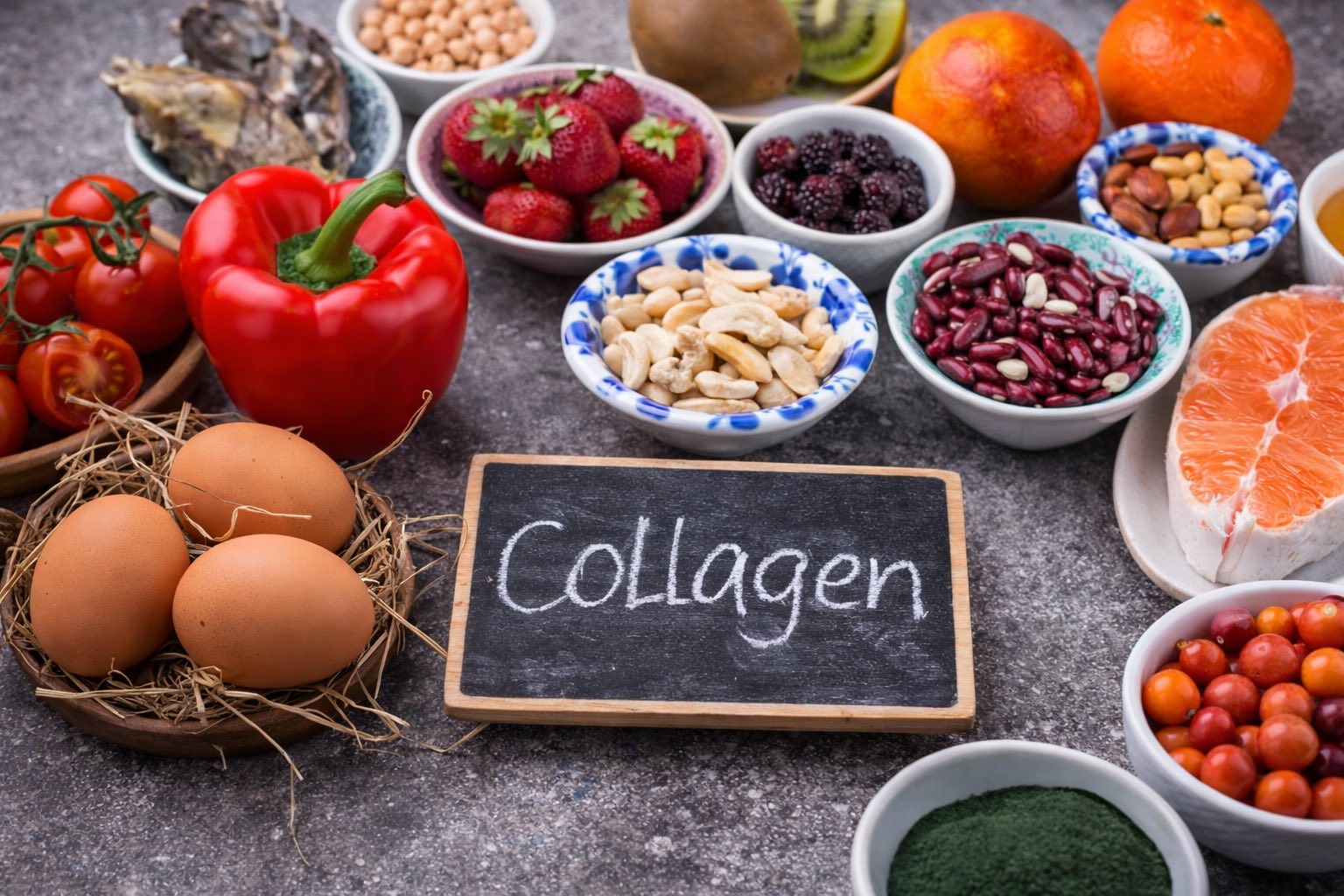
There is a shift happening in how we understand skin aging. For years, collagen has been marketed as something to consume in isolated, powdered form - measured, flavored, and conveniently packaged. Yet emerging research has challenged this reductionist view, demonstrating that whole-food nutrient matrices enhance collagen bioavailability and utilization more effectively than isolated supplementation (Paul & Cole, 2021; de Miranda et al., 2021).
This distinction becomes more critical after the age of forty, when fibroblast activity declines and the skin’s regenerative responsiveness slows. The body no longer responds optimally to fragmented inputs, requiring instead a coordinated supply of amino acids, antioxidants, and enzymatic co-factors. In this context, food becomes a regulatory signal guiding how collagen is synthesized, stabilized, and preserved (Zague et al., 2020).
The Biological Foundation of Collagen Renewal
Collagen is a structural protein network composed primarily of glycine, proline, and hydroxyproline, forming the architectural framework of the skin. However, its synthesis depends on enzymatic processes that require specific co-factors. Vitamin C plays a central role in hydroxylation reactions necessary for collagen stability, while copper activates lysyl oxidase, enabling cross-linking of collagen fibers (Pullar et al., 2017; Chen et al., 2021).
Recent studies have reinforced that collagen production is not driven by protein intake alone but by the presence of synergistic nutrients that regulate gene expression and fibroblast activity (de Miranda et al., 2021). Without these supporting elements, collagen synthesis becomes inefficient, and structural integrity declines over time.
The Collagen-Restoring Foods
What supports collagen renewal is not a single nutrient, but a network of biologically active compounds found in whole foods. Each of the following contributes uniquely to collagen synthesis, stabilization, or protection:
- Eggshell membrane has been shown to contain collagen, elastin, and glycosaminoglycans that improve skin elasticity and reduce wrinkle depth (Asserin et al., 2015; Ruff et al., 2021).
- Wild salmon skin provides marine collagen peptides and omega-3 fatty acids, which reduce inflammation and support dermal matrix integrity (Bianchi et al., 2020).
- Kakadu plum is one of the richest natural sources of vitamin C, supporting collagen synthesis and protecting against oxidative degradation (Williams et al., 2020).
- Bone broth, when slow-cooked, releases collagen-derived amino acids and glycosaminoglycans that contribute to skin hydration and elasticity (de Miranda et al., 2021).
- Camu camu contains polyphenols and vitamin C that help inhibit matrix metalloproteinases (MMPs), enzymes responsible for collagen breakdown (Inoue et al., 2021).
- Spirulina has demonstrated the ability to stimulate procollagen gene expression and improve skin repair mechanisms (Ju et al., 2021).
These foods act synergistically, enhancing fibroblast signaling and creating an internal environment conducive to sustained collagen regeneration.
Image
What Undermines Collagen Without You Noticing
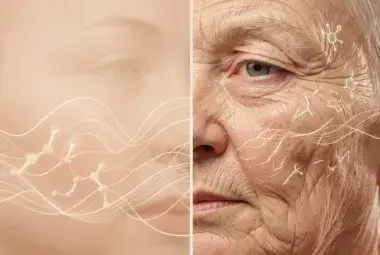
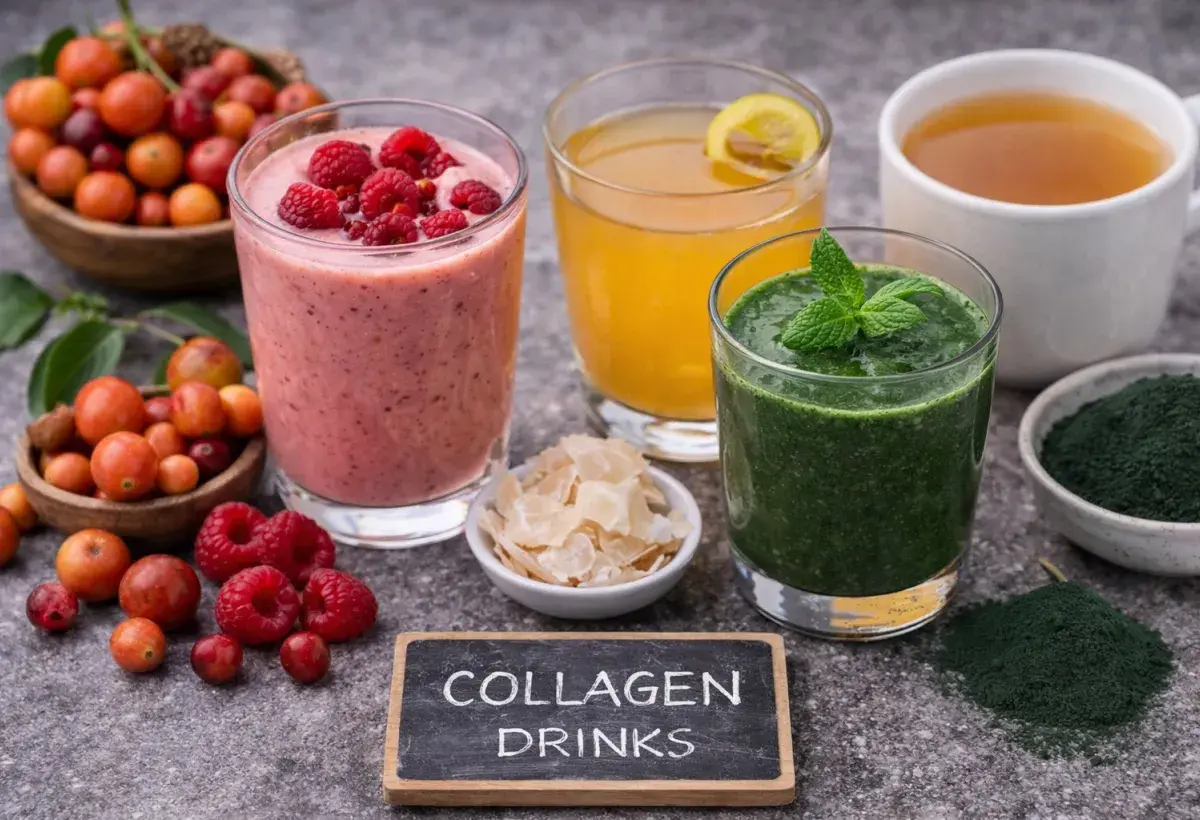
Collagen degradation is often accelerated not by a single factor, but by repeated exposure to dietary and environmental stressors. Advanced glycation end-products (AGEs), formed during high-heat cooking and excessive sugar intake, have been shown to stiffen collagen fibers and impair skin elasticity (Uribarri et al., 2015; Nowotny et al., 2021).
Recent evidence has further demonstrated that glycation alters collagen structure at the molecular level, reducing its functional integrity and accelerating visible aging (Ott et al., 2020). Additionally, dietary patterns that interfere with nutrient absorption such as excessive processed food intake, may limit the availability of collagen-supporting compounds, compounding the effects of degradation over time.A Nutritional Pattern, Not a Prescription
Collagen renewal is not driven by isolated interventions but by consistent dietary patterns. Nutrient timing and combination influence how effectively the body utilizes collagen-building components. Meals that combine amino acids with vitamin C-rich foods enhance collagen synthesis, while omega-3 fatty acids support anti-inflammatory pathways essential for skin repair (Calder, 2020).
Over time, these patterns reinforce biological rhythms of repair and regeneration. The body responds not to occasional inputs, but to sustained signals that align with its physiological processes. In this sense, dietary consistency becomes a form of structural support for the skin.
Rethinking Collagen Supplements
Collagen supplementation remains widely used, yet its effectiveness varies significantly depending on formulation and context. Hydrolyzed collagen peptides have shown some benefits in improving skin elasticity and hydration, but their efficacy is influenced by molecular weight, absorption, and the presence of co-factors (Paul & Cole, 2021).
More recent analyses emphasize that supplements alone may not replicate the synergistic effects of whole foods, where nutrients are naturally combined in biologically active forms (de Miranda et al., 2021). Without essential co-factors such as vitamin C and trace minerals, collagen peptides may not be efficiently utilized, limiting their long-term impact.
Image
The Forgotten Amazonian Input
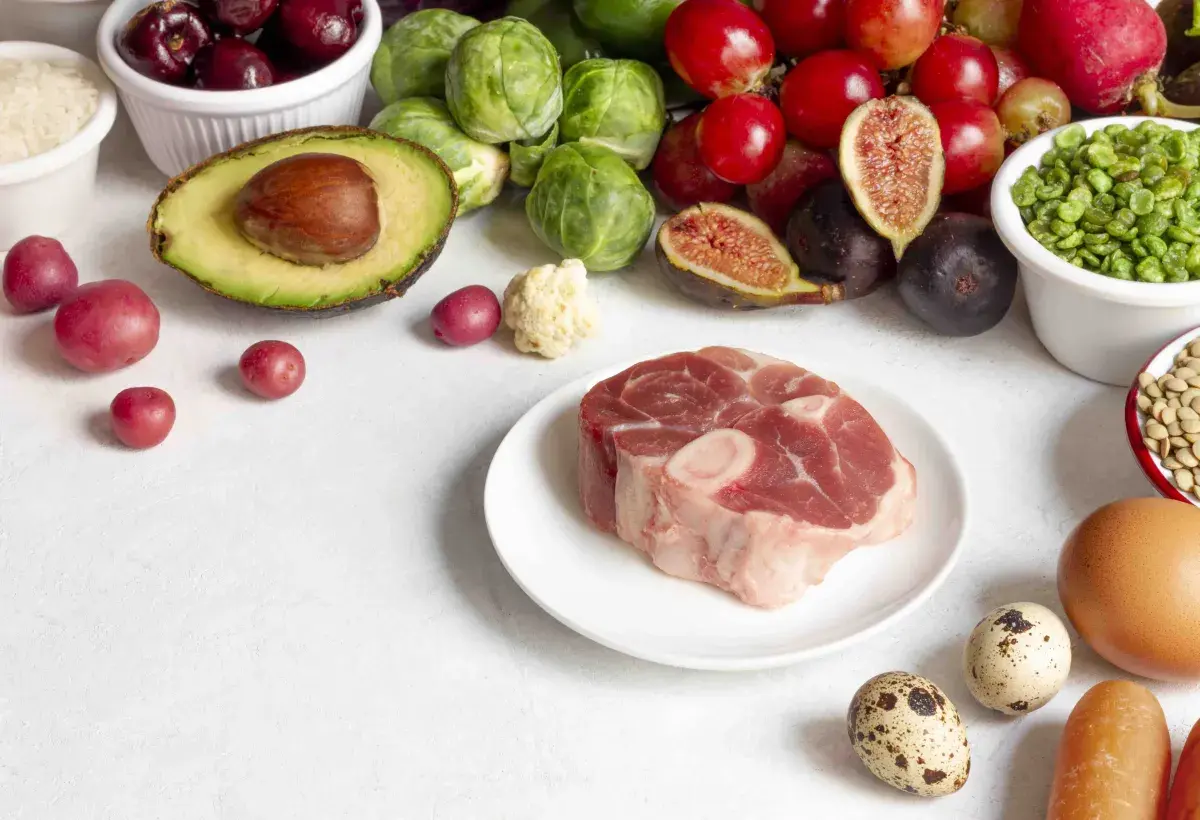
Sacha Inchi has emerged as a nutrient-dense seed rich in essential amino acids and omega-3 fatty acids. Its composition supports both collagen synthesis and anti-inflammatory balance, two processes central to skin aging. Recent nutritional analyses have highlighted its potential role in supporting skin structure and metabolic health (Garmendia et al., 2020).
While research is still developing, its profile reflects a broader principle: traditional, minimally processed foods often contain complex nutrient systems that align with the body’s natural repair mechanisms.
Conclusion
Skin aging reflects the cumulative effects of internal biological processes shaped by daily inputs. Collagen, as the structural foundation of the skin, responds not only to what is applied externally but to what is consistently provided internally.
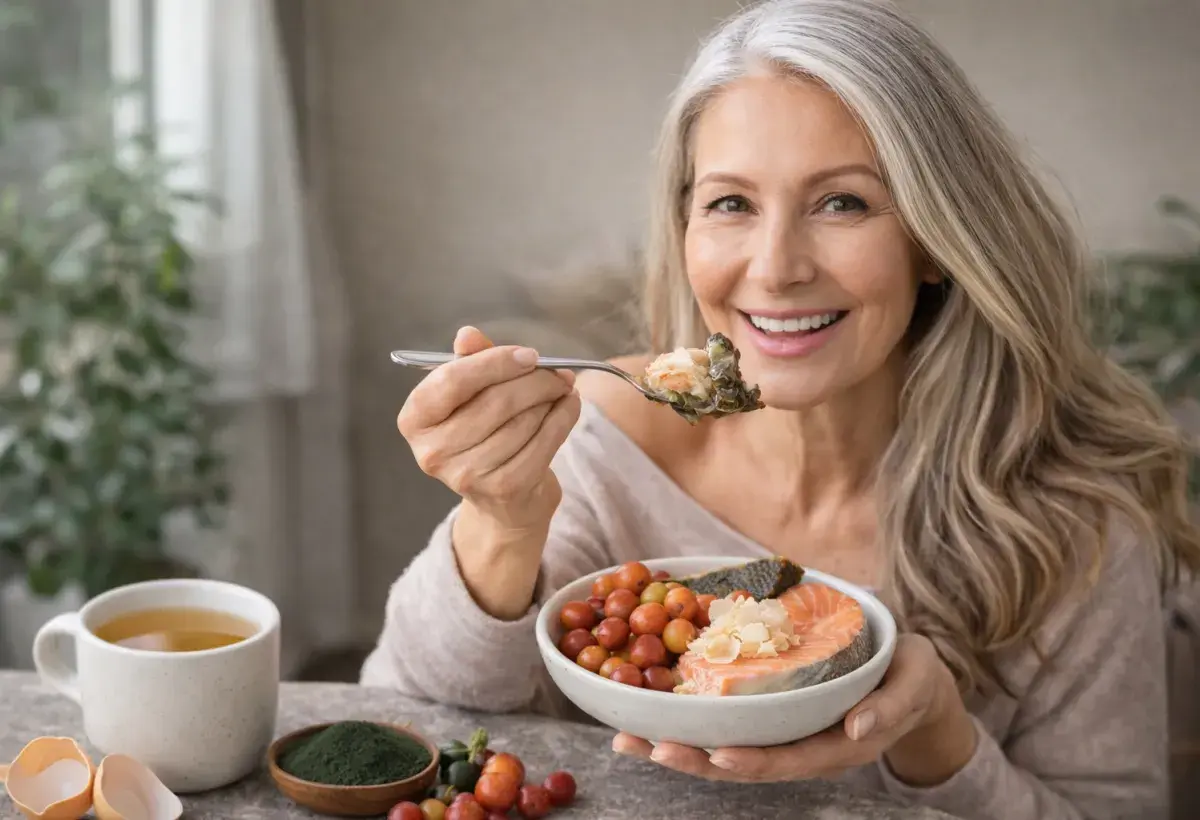
Food, in this context, becomes a form of biological communication guiding cellular behavior, influencing regeneration, and determining long-term resilience. When nutrients are delivered in their complete, synergistic forms, the body is better equipped to maintain structural integrity and adapt to the changes that come with age.
The question is no longer whether collagen can be restored, but whether the body is being supported in a way that allows it to do so effectively.
Image
Suggested Citation:
Lendez, M. (2026). The collagen diet: Science-backed foods to rebuild aging skin from within (Article 3 of 7 in the “Aging Skin After 40” series). Chikicha Skin & Healthy Aging.
About the Author
Dr. Mariza Lendez is the developer of the Ikigai-Bayanihan Purpose-Driven Retirement Framework, a model that redefines aging through purpose, dignity, and community-centered living.
Aging Skin After 40 Series
👉 The Science of Aging, Elasticity Loss, and Wrinkles
👉 Top 10 Botanical Extracts That Firm and Repair Aging Skin: 2024 Science-Backed Guide
👉 The Gut-Skin Axis: How Probiotics Are Clinically Proven to Reduce Wrinkles from Within
👉 The Collagen Diet: 12 Science-Backed Foods to Rebuild Aging Skin from Within
👉 Acid Mantle Repair: The Hidden Key to Plumper, Wrinkle-Resistant Skin
👉 Beauty Sleep Redefined: How Your 2AM Melatonin Surge Rebuilds Collagen and Smooths Wrinkles
👉 Facial Yoga and Gua Sha: 2024 Science on Non-Invasive Lifting and Collagen Boosting
Disclaimer
Chikicha does not sell or promote any of the products mentioned in this article. The content is intended solely for educational and informational purposes.
The author, Mariza Lendez, is not a medical practitioner. This article does not provide medical advice, diagnosis, or treatment. Readers are encouraged to consult a qualified healthcare professional.
REFERENCES
Dermatology & Skin Aging Authorities
American Academy of Dermatology
Skin aging, collagen loss, and structural changes
https://www.aad.org/public/everyday-care/skin-care-basics/anti-aging
World Health Organization (2023)
Aging, noncommunicable diseases, lifestyle factors
Collagen Synthesis & Skin Physiology
Pullar, J. M., Carr, A. C., & Vissers, M. C. (2017)
Vitamin C and collagen synthesis
Nutrients
https://doi.org/10.3390/nu9080866
Chen, Q., et al. (2021)
Copper metabolism and connective tissue integrity
Nutrients
https://doi.org/10.3390/nu1308264
Collagen + Nutrition
de Miranda, R. B., et al. (2021)
Dietary collagen and skin health
Journal of Cosmetic Dermatology
https://doi.org/10.1111/jocd.13676
Paul, C., & Cole, C. (2021)
Collagen peptides and skin outcomes
Journal of Cosmetic Dermatology
https://doi.org/10.1111/jocd.13887
Zague, V., et al. (2020)
Collagen peptides and dermal metabolism
Nutrients
https://doi.org/10.3390/nu12082345
Food-Based Skin Support
Calder, P. C. (2020)
Omega-3 and inflammation
Nutrients
https://doi.org/10.3390/nu12072069
Bianchi, F. M., et al. (2020)
Marine peptides and skin bioactivity
Marine Drugs
https://doi.org/10.3390/md18010023
Garmendia, F., et al. (2020)
Sacha Inchi nutrient profile (omega + amino acids)
Journal of Food Composition and Analysis
https://doi.org/10.1016/j.jfca.2020.103524
Collagen DEGRADATION
Nowotny, K., et al. (2021)
Advanced glycation end products (AGEs) and aging
Nutrients
https://doi.org/10.3390/nu13020523
Ott, C., et al. (2020)
AGEs and tissue aging
Biomolecules