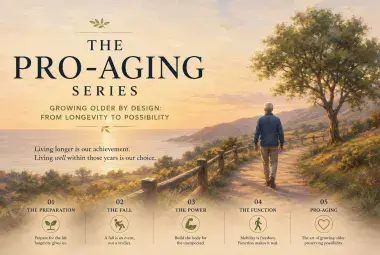
Part of the SILVER CHALLENGES AND OPPORTUNITIES Series
The Fragile Promise of Togetherness
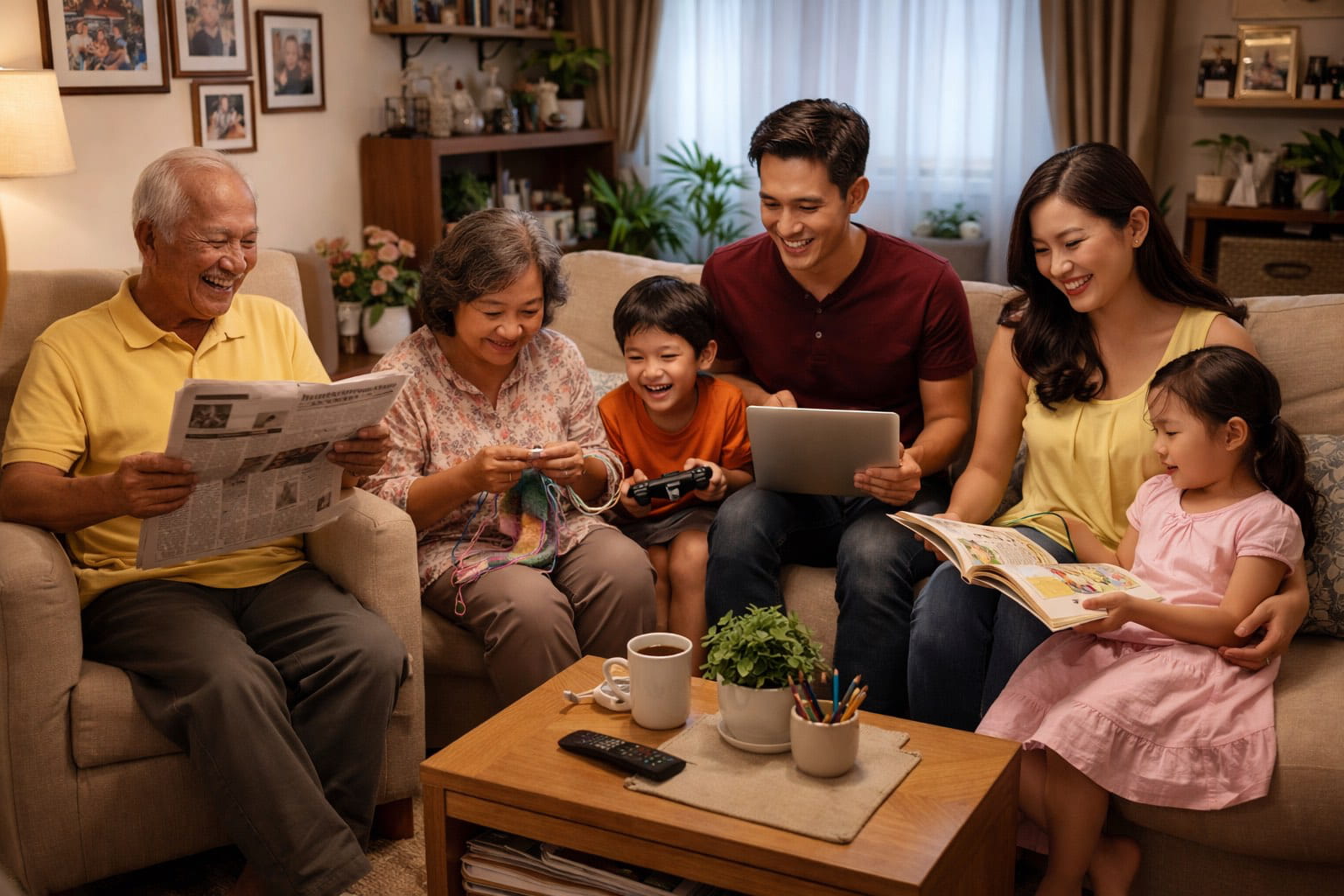
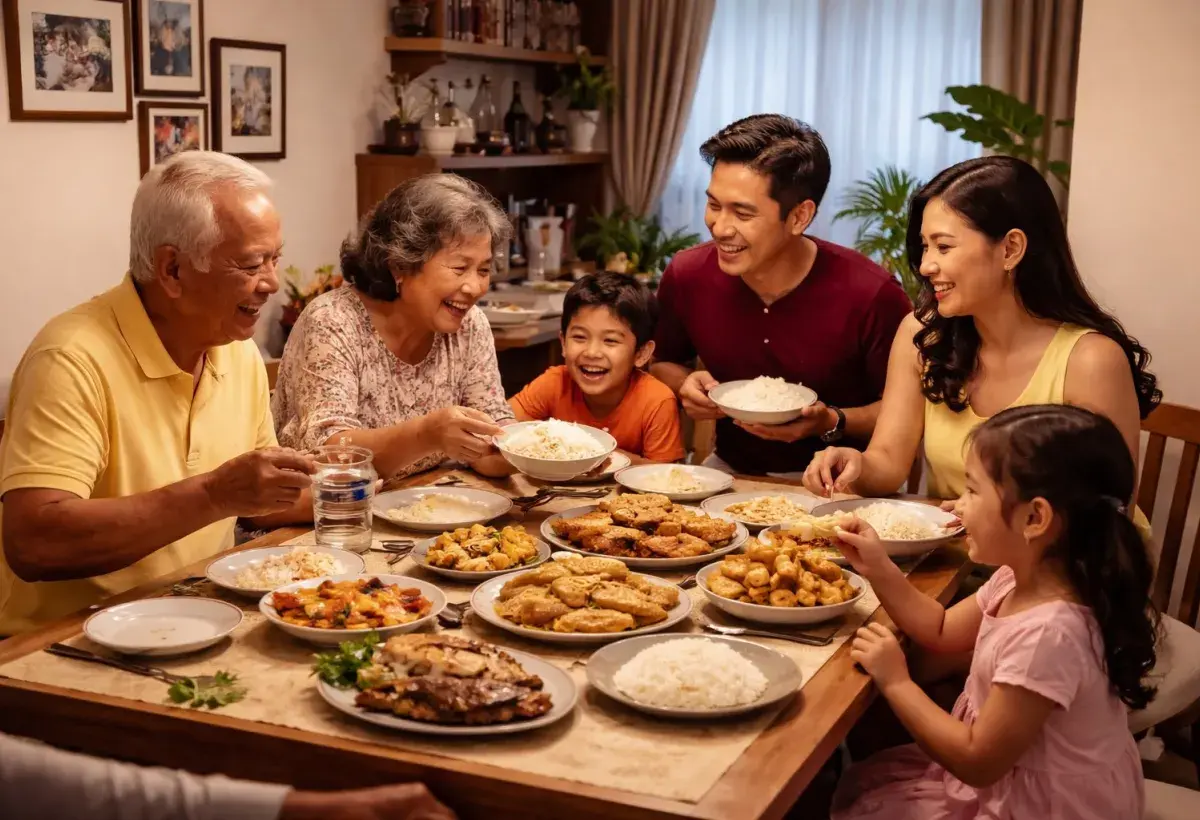
Filipino families have long upheld multigenerational living as a symbol of unity, care, and shared responsibility. Grandparents, parents, and children living under one roof is often seen as a strength an embodiment of pagmamahaland bayanihan within the household.
Yet beneath this ideal lies a growing tension. What was once a source of comfort is, for many families, becoming a source of emotional strain. Homes meant to provide refuge are increasingly spaces of negotiation, fatigue, and unspoken frustration.
This shift is not a rejection of cultural values. It is a reflection of changing realities, urban density, economic pressure, and evolving expectations across generations.
The Rise of Intergenerational Friction
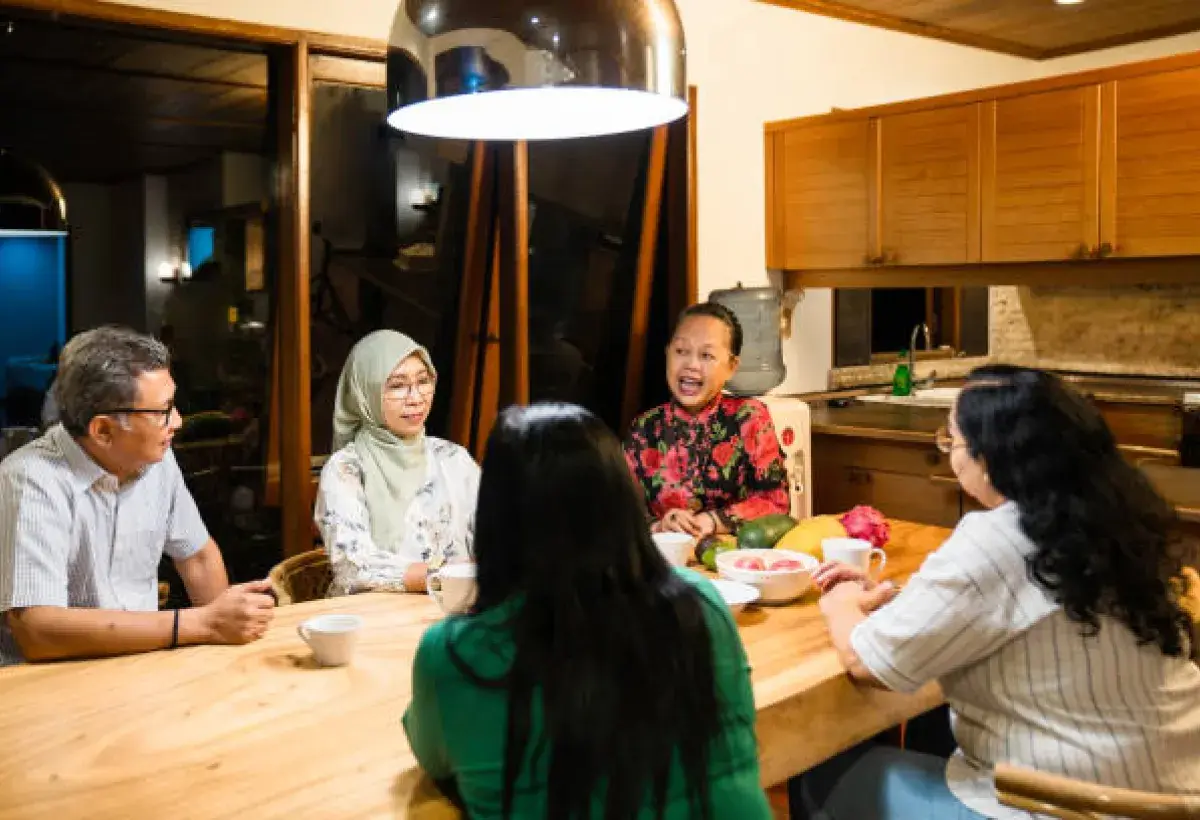
Differences in values, communication styles, and expectations are becoming more pronounced within shared households. Younger generations, shaped by digital exposure and mental health awareness, increasingly assert boundaries and autonomy. Older generations, grounded in tradition, often interpret this as a challenge to authority.
Research on family dynamics in the Philippines, including studies from the University of the Philippines and University of Santo Tomas, highlights how these misalignments contribute to recurring household conflict.
These tensions are rarely about a single issue. They accumulate through everyday interactions by the tone of voice, decision-making, or differing views on respect. Over time, unresolved friction erodes emotional safety within the home.
Image
The Weight of Silent Sacrifice
Multigenerational living often relies on unspoken expectations. Financial providers, caregivers, and household managers carry roles that are rarely negotiated but deeply felt.
For overseas Filipino workers, the emotional disconnect can be particularly stark. Many invest in homes they rarely occupy, returning not as central figures but as temporary participants in family life.
Within the household, caregiving responsibilities frequently fall on one member, often women, who balance employment, domestic duties, and elder care. According to the World Bank (2023), unpaid care work remains disproportionately carried by women in the Philippines.
This imbalance creates a quiet but persistent form of burnout, one that is rarely acknowledged because it is framed as duty.
The Erosion of Personal Space
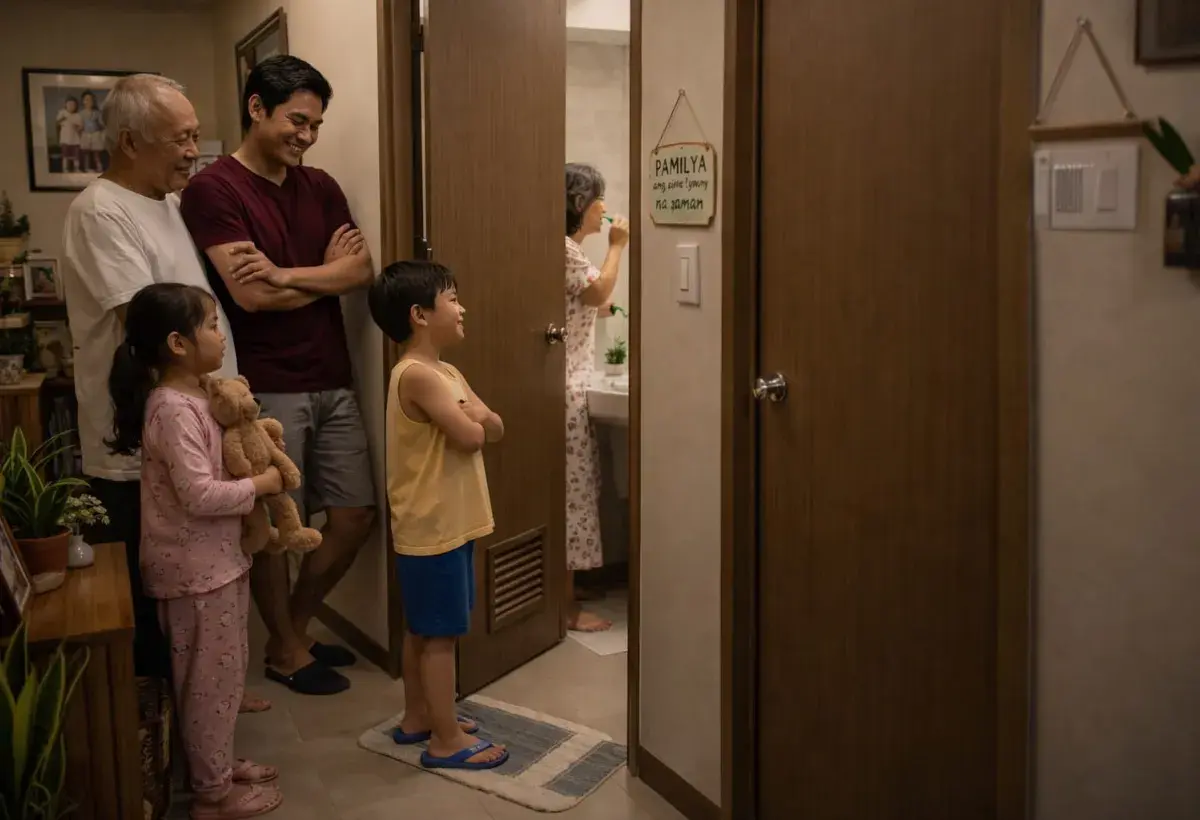
Space is not only physical; it is psychological. In densely populated urban homes, privacy becomes a limited resource.
Rooms serve multiple functions, and moments of solitude are often interrupted or unavailable. This constant exposure can lead to heightened stress, reduced emotional regulation, and a diminished ability to recover from daily pressures.
Global findings from the World Health Organization (2021) link overcrowded living conditions to increased risks of anxiety, tension, and interpersonal conflict. In the Philippine context, where multigenerational living is common, these effects are amplified by cultural expectations to remain accommodating and silent.
Image
Reframing Survival Within Shared Spaces
Despite these challenges, multigenerational living does not have to lead to breakdown. Families that adapt intentionally can transform shared spaces into functional and supportive environments.
Practical strategies are emerging across households:
- Micro-sanctuaries: Even small, defined personal spaces like curtained corners, designated chairs, or time-based ownership of areas can restore a sense of control and privacy.
- Structured communication: Using non-confrontational language, such as “I feel” statements, reduces defensiveness and opens dialogue.
- Noise management: Simple tools like headphones or agreed quiet hours minimize daily irritants.
- Scheduled solitude: Allocating uninterrupted time for individual use supports mental recovery.
- Shared accountability: Clearly defined roles and responsibilities reduce resentment and imbalance.
These are not radical changes. They are practical adjustments that align traditional values with modern constraints.
From Endurance to Intentional Living
The challenge facing Filipino families is not whether to preserve multigenerational living, but how to sustain it without compromising well-being. Endurance alone is no longer sufficient. Thriving requires intentional systems with clear communication, equitable roles, and respect for individual needs.
The concept of “family first” must evolve. It cannot mean self-sacrifice to the point of emotional depletion. It must include the well-being of each member, not just the survival of the collective.
A home fulfills its purpose not when people simply stay together, but when they are able to live together with dignity.
Image
Suggested Citation
Lendez, M. (2026). When home hurts: The hidden strain of multigenerational living in the Philippines. Part of the Silver Challenges and Opportunities Series. Developed within the Ikigai-Bayanihan Purpose-Driven Retirement Framework.
About the Author
Written by Dr. Mariza Lendez, the developer of the Ikigai-Bayanihan Purpose-Driven Retirement Framework, a model that redefines aging through purpose, dignity, and community-centered living.
REFERENCES
World Bank. (2023). Unpaid care and domestic work in the Philippines.
World Health Organization. (2021). Global report on ageism.
University of the Philippines. (2023). Studies on household dynamics and living conditions in multigenerational families.(verify exact title before final submission)
University of Santo Tomas. (2024). Research on intergenerational stress and family dynamics in Filipino households.(verify exact title before final submission)