I. Introduction: The Living Library We Are Failing to See
In an era defined by digital acceleration, cloud-based memory, and artificial intelligence, societies have become remarkably efficient at storing and retrieving information. Yet, in this pursuit of speed and scalability, a critical form of knowledge remains undervalued, one that cannot be digitized, outsourced, or automated.
This is the knowledge carried by older adults: accumulated through decades of lived experience, embodied practice, and human interaction. It is not archived in servers but lived in memory, judgment, and instinct. As populations age globally, the question is no longer whether this knowledge exists, but whether societies are prepared to recognize and preserve it.
This form of knowledge, widely referred to as tacit knowledge, occupies a distinct category within knowledge systems. Unlike explicit knowledge, which can be codified into manuals or databases, tacit knowledge is experiential, context-dependent, and deeply personal. It developed through repetition, failure, adaptation, and reflection over time (Nonaka & Takeuchi, 1995).
A seasoned farmer reading subtle changes in soil conditions, a nurse recognizing early signs of distress before clinical indicators shift, or a community elder resolving conflict through intuition rather than protocol, these are manifestations of tacit knowledge that resist formal documentation yet remain indispensable.
What makes tacit knowledge particularly valuable is not only its depth but its responsiveness to complexity. In environments where uncertainty prevails and variables cannot be fully controlled, tacit knowledge enables nuanced decision-making.
Polanyi (1966) famously articulated this distinction by noting that “we know more than we can tell,” emphasizing that human expertise often operates beyond conscious articulation. In this sense, older adults serve as living repositories of adaptive intelligence, individuals who have internalized patterns, consequences, and human dynamics in ways that exceed algorithmic reasoning.
Despite its importance, tacit knowledge remains structurally invisible in many modern systems. Retirement policies, workplace transitions, and societal narratives often frame aging as a period of decline rather than continued contribution. This framing creates a paradox: while societies invest heavily in data and technological advancement, they simultaneously allow one of their richest knowledge resources to dissipate quietly.
The erosion of tacit knowledge is not abrupt but gradual, occurring each time an experienced individual exits without mechanisms for transfer.
The implications of this oversight extend beyond individual loss. When tacit knowledge disappears, institutions lose continuity, communities lose cultural memory, and younger generations lose access to grounded, experience-based learning. In this context, older adults are not merely beneficiaries of care systems but essential actors within knowledge ecosystems.
Recognizing them as such requires a fundamental shift, from viewing aging populations as dependents to understanding them as custodians of irreplaceable human capital.
Image

II. Intergenerational Bridges: Where Purpose Meets Practice
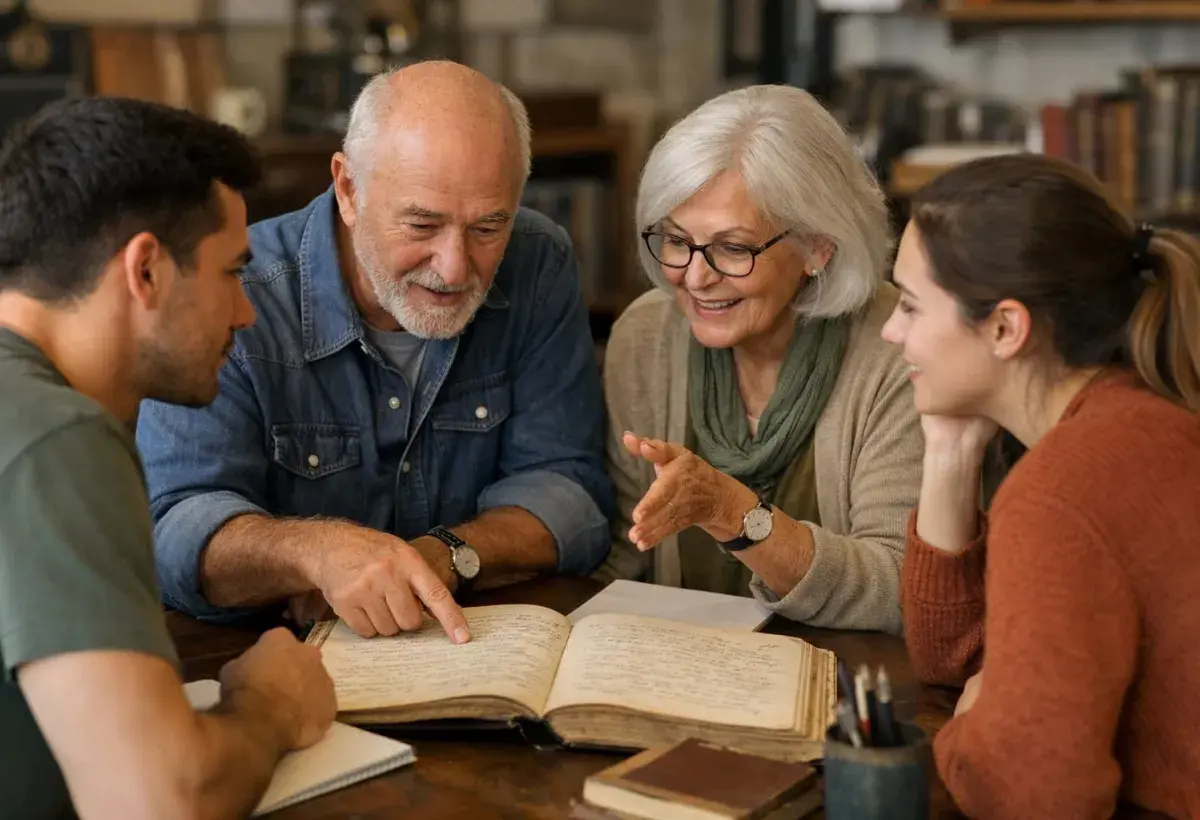
Across disciplines and cultures, evidence increasingly supports what traditional societies have long practiced: knowledge flows most effectively through relationships. Intergenerational engagement, when structured intentionally, creates environments where tacit knowledge can be transmitted, adapted, and sustained.
These exchanges are not unidirectional acts of teaching but dynamic processes of mutual learning, where both younger and older participants contribute meaningfully to shared outcomes. Empirical research reinforces the value of such interactions. Programs examined by Aria Care (2025) and Positive Maturity (2020) demonstrated that intergenerational initiatives improve psychological well-being among older adults while enhancing social awareness and practical learning among younger participants.
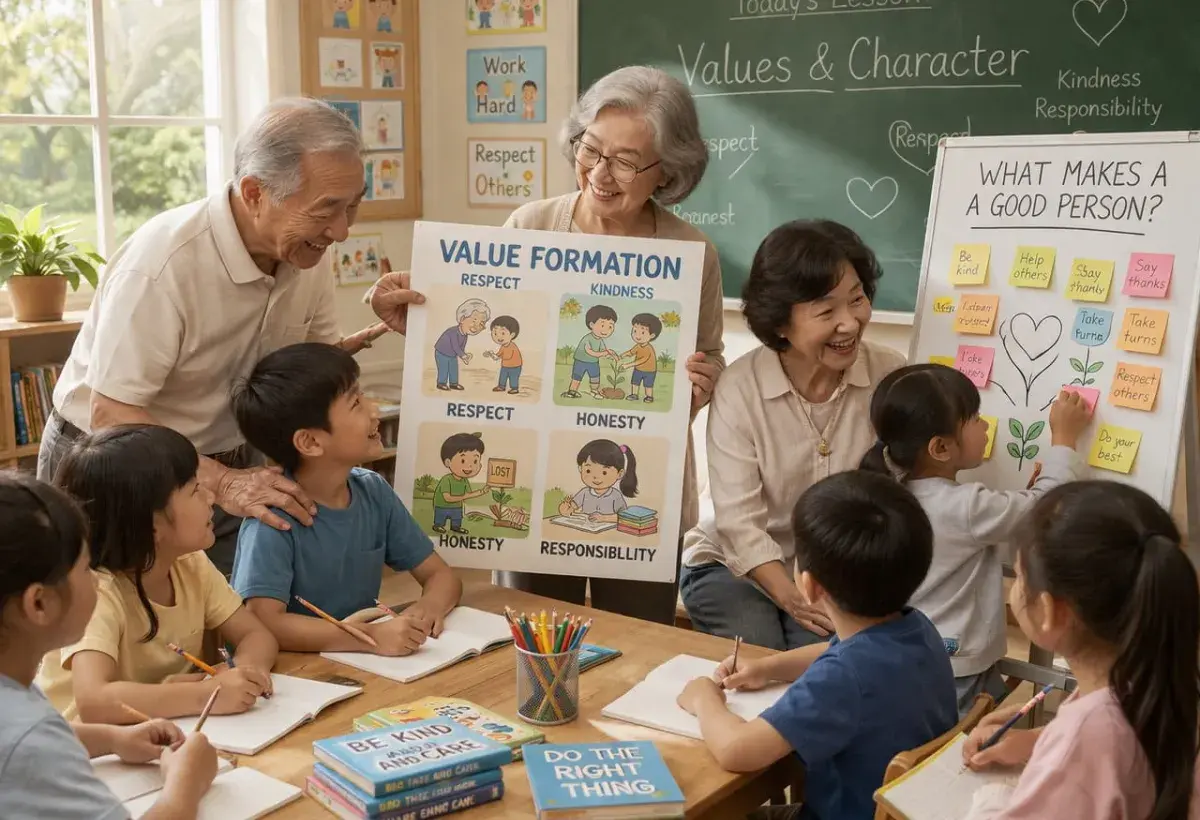
For seniors, the act of teaching and mentoring restores a sense of relevance and belonging. For youth, exposure to lived experience provides insights that formal education alone cannot deliver, particularly in areas requiring judgment, ethics, and real-world application.
At the organizational level, the benefits are equally compelling. A meta-analysis by Burmeister et al. (2021) found that intergenerational knowledge transfer significantly strengthens organizational resilience, adaptability, and long-term performance. In rapidly changing environments, the combination of experience and innovation creates a more balanced and responsive system.
However, these benefits do not emerge automatically, as Pfrombeck et al. (2024) highlighted, generational divides, often shaped by stereotypes or hierarchical assumptions can inhibit collaboration unless deliberately addressed.
This is where frameworks grounded in shared purpose become critical. The IKIGAI philosophy, for instance, offers a model for reconfiguring intergenerational relationships. Rather than positioning older adults solely as mentors and younger individuals as recipients, IKIGAI-based systems emphasize reciprocal contribution.
Knowledge exchange becomes a collaborative process where experience meets curiosity, and tradition intersects with innovation. In such environments, hierarchy gives way to partnership, and learning becomes a continuous, bidirectional process.
The success of intergenerational bridges ultimately depends on intentional design. It is not enough to place different age groups in proximity; systems must actively cultivate trust, respect, and shared goals. When these conditions are met, intergenerational engagement becomes more than a social initiative as it becomes a mechanism for sustaining knowledge, strengthening communities, and reinforcing the continuity between past, present, and future.
Image
III. The Silent Crisis: When Knowledge Disappears Unnoticed
While societies often focus on visible economic or technological disruptions, a quieter crisis unfolds in parallel, the systematic loss of knowledge embedded within aging populations. David DeLong (2004) described this phenomenon as the “silent crisis of lost knowledge,” referring to the gradual disappearance of expertise when experienced individuals retire without structured pathways for knowledge transfer.
Unlike financial losses or infrastructure failures, this erosion is rarely immediate or measurable, yet its long-term consequences are profound.
The nature of tacit knowledge makes it particularly vulnerable to this form of loss. Because it is not formally documented, its survival depends entirely on human transmission. When opportunities for mentorship, storytelling, or collaborative work are absent, tacit knowledge does not transition, it simply fades.
This creates discontinuities within organizations and communities, where younger individuals must relearn lessons that were previously understood, often at significant cost.
Beyond operational inefficiencies, the loss of tacit knowledge also disrupts identity and continuity. Professions built on accumulated expertise such as medicine, engineering, agriculture, and diplomacy rely heavily on experiential judgment. Without access to seasoned practitioners, decision-making becomes more rigid, risk increases, and the capacity for nuanced problem-solving diminishes.
In this sense, the loss of tacit knowledge is not merely a generational shift but a structural weakening of institutional memory.
The crisis is further compounded by demographic trends. As global populations age, the proportion of individuals exiting the workforce increases, intensifying the potential for knowledge loss. Yet, paradoxically, many systems continue to lack formal strategies for capturing or transferring this expertise. Retirement remains largely conceptualized as an endpoint rather than a transition phase, reinforcing the disengagement of older adults from productive roles.
Addressing this silent crisis requires reframing both policy and practice. Knowledge preservation must be treated not as an optional initiative but as a strategic priority. Without deliberate intervention, societies risk entering a future rich in information yet deficient in wisdom, a condition where access to data is abundant, but the capacity to interpret and apply it effectively is diminished.
Image

IV. The Cost of Silence: Isolation and the Erosion of Human Worth
The consequences of neglecting tacit knowledge are not limited to systems and institutions; they are deeply human. For many older adults, retirement represents not a transition into freedom but an abrupt disconnection from roles that once defined identity and purpose. Social networks narrow, daily routines lose structure, and opportunities for meaningful contribution diminish. This shift often leads to a form of social invisibility, where individuals who once held expertise and authority are no longer engaged or consulted.
Research consistently links this form of disengagement to adverse outcomes. Studies highlighted by Positive Maturity (2020) indicated that social isolation among older adults is associated with increased risks of cognitive decline, depression, anxiety, and premature mortality. The absence of purposeful engagement does not merely affect emotional well-being; it has measurable physiological and psychological consequences. In this context, the loss of tacit knowledge and the isolation of older adults are not separate issues but interconnected dimensions of the same structural problem.
Equally significant is the symbolic message conveyed when societies fail to seek or value the knowledge of their elders. When older adults are no longer asked to contribute, the implicit narrative is that their experiences are no longer relevant. This perception erodes dignity and undermines the sense of belonging that is essential for healthy aging. The result is a dual loss: individuals experience diminished self-worth, while communities forfeit access to accumulated wisdom.
The erosion of intergenerational connection also weakens social cohesion. Without regular interaction between age groups, stereotypes and misunderstandings are reinforced. Younger individuals may view aging through a lens of decline, while older adults may perceive themselves as excluded from contemporary relevance. These perceptions create barriers that further inhibit knowledge exchange and mutual understanding.
Reversing this dynamic requires more than social programs; it demands a cultural shift. Societies must move toward recognizing older adults not as passive recipients of care but as active contributors to collective well-being. Restoring dignity through engagement is not only a moral imperative but a practical strategy for strengthening social systems and preserving knowledge continuity.
Image
V. Why Tacit Knowledge Matters More Than Ever
In a world where information is increasingly accessible, it is tempting to assume that knowledge itself has become abundant and easily transferable. However, this assumption conflates information with wisdom. Information consists of data points facts that can be stored, retrieved, and analyzed. Wisdom, by contrast, involves the ability to interpret those facts, understand their implications, and apply them appropriately within complex and often unpredictable contexts.
Tacit knowledge operates at the level of wisdom. It enables individuals to navigate ambiguity, anticipate consequences, and make decisions that extend beyond procedural logic. While artificial intelligence can process vast datasets and identify patterns, it lacks the lived experience necessary to contextualize those patterns within human realities. A physician’s intuition shaped by years of patient interaction, or a leader’s judgment formed through navigating crises, cannot be fully replicated through computational means.
The growing reliance on technology makes the preservation of tacit knowledge even more critical. As systems become more automated, the human capacity for judgment and interpretation becomes a stabilizing force. Without it, decision-making risks becoming overly dependent on algorithmic outputs that may lack contextual sensitivity. In this sense, tacit knowledge serves as a counterbalance to technological abstraction, grounding decisions in human experience.
Moreover, tacit knowledge is inherently time-intensive to develop. It cannot be accelerated or mass-produced; it emerges through prolonged engagement with real-world challenges. This makes it both valuable and fragile. Once lost, it cannot be easily reconstructed. Each generation must either inherit this knowledge or rebuild it through trial and error, often at significant cost.
Recognizing the importance of tacit knowledge in contemporary society requires a shift in priorities. Rather than viewing it as supplementary to formal knowledge systems, it must be integrated as a core component of education, workforce development, and community life. Only then can societies ensure that technological advancement is complemented by the depth and nuance of human experience.
Image
VI. From Moral Duty to National Strategy
The preservation of tacit knowledge is often framed as a moral responsibility as an obligation to respect and value older adults. While this framing is valid, it is insufficient. In the context of aging populations and rapidly evolving economies, the issue must also be understood as a strategic imperative. Nations that fail to retain and utilize the knowledge of their aging populations risk diminished productivity, weakened institutions, and reduced capacity for innovation.
Key sectors illustrate the magnitude of this risk. In healthcare, the absence of experienced practitioners can affect diagnostic accuracy and patient outcomes. In agriculture, the loss of generational knowledge can impact sustainability and food security. In infrastructure and engineering, the disappearance of experiential expertise can increase the likelihood of costly errors. These are not abstract concerns but tangible challenges with direct societal implications.
Addressing these challenges requires coordinated action across multiple levels. Governments must develop policies that incentivize knowledge transfer and extend opportunities for meaningful engagement beyond traditional retirement. Educational institutions should integrate intergenerational learning into curricula, creating pathways for students to engage with experienced practitioners. Organizations must design systems that facilitate mentorship, collaboration, and the gradual transition of roles rather than abrupt disengagement.
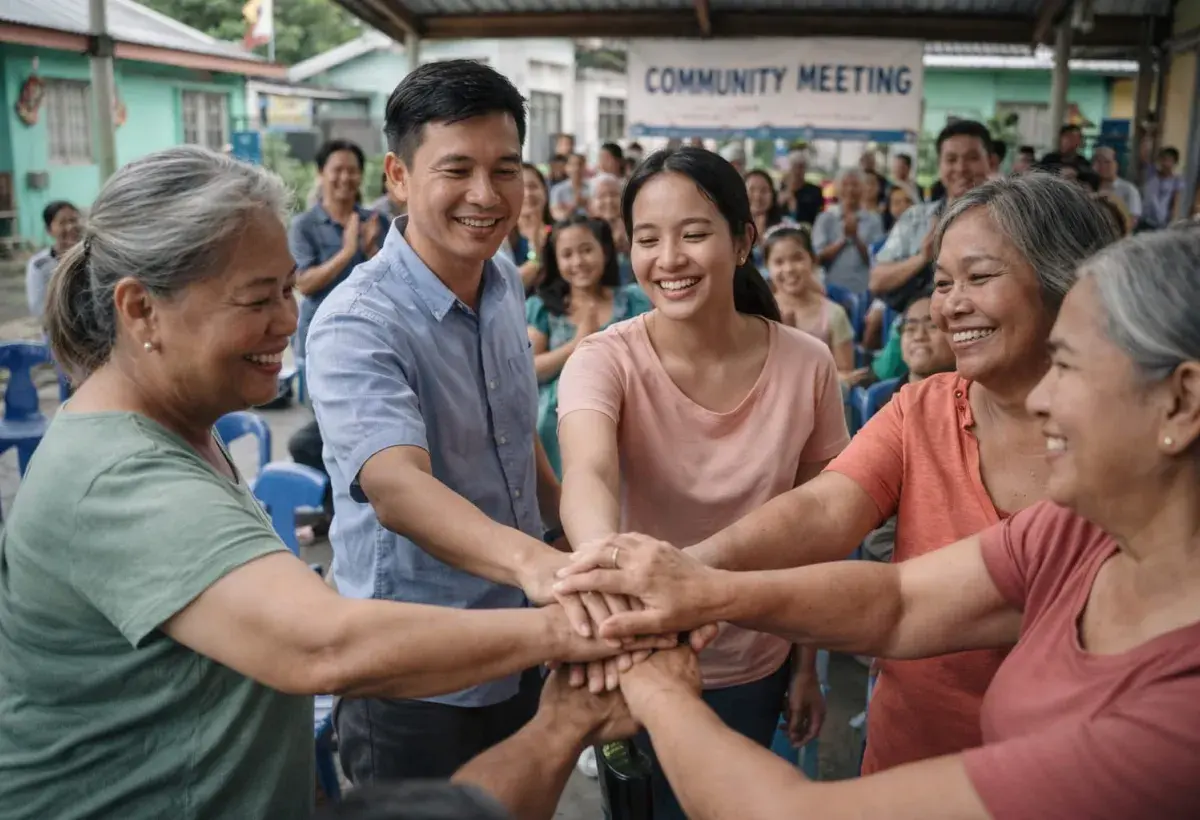
Equally important is the creation of environments where older adults can continue to contribute meaningfully. Purpose-driven communities, such as the IKIGAI Retirement Model, offer a compelling framework. By integrating living, learning, and contribution, such models transform retirement from a period of withdrawal into a phase of continued relevance and impact. Knowledge sharing becomes embedded in daily life, ensuring that tacit knowledge remains active and accessible.
Ultimately, the preservation of tacit knowledge requires alignment between cultural values, institutional structures, and policy frameworks. It is not a single intervention but a systemic approach that recognizes knowledge as a shared resource across generations. When this alignment is achieved, societies move beyond preservation toward integration, where the wisdom of one generation actively informs the progress of the next.
Conclusion: The Future Depends on What We Choose to Remember
Tacit knowledge represents humanity’s unwritten library, a repository of insight, judgment, and lived experience accumulated over time. It is not stored in archives or databases but carried within individuals who have navigated complexity, uncertainty, and change. As societies confront the realities of aging populations, the preservation of this knowledge becomes both an ethical responsibility and a strategic necessity.
The choice facing modern societies is clear. They can allow tacit knowledge to dissipate quietly, treating aging as a process of decline and disengagement. Or they can recognize older adults as essential contributors, creating systems that capture, sustain, and transmit their expertise. The latter path requires intentional investment in intergenerational engagement, policy innovation, and cultural transformation.
Preserving tacit knowledge is not about resisting progress; it is about ensuring that progress is informed by experience. It is about maintaining continuity in a world of rapid change, grounding innovation in wisdom, and strengthening the social fabric through shared understanding. In doing so, societies not only honor their elders but also secure a more resilient and informed future.
The guardians of the unwritten are already among us. The question is whether we are prepared to listen, to learn, and to build systems that ensure their knowledge endures.
Image

Suggested Citation
Lendez, M. (2026). Guardians of the unwritten: Preserving tacit knowledge in an aging world. Developed within the IKIGAI-Bayanihan Purpose-Driven Retirement Framework.
About the Author
Written by Dr. Mariza Lendez, the developer of the Ikigai-Bayanihan Purpose-Driven Retirement Framework, a model that redefines aging through purpose, dignity, and community-centered living.
Explore the Ikigai-Bayanihan Retirement Model presented by Chikicha Co-founder:
https://www.chikicha.com/chikicha-co-founder-present-ikigai-bayanihan-retirement-model-iafor-egen-2026
References
Aria Care. (2025). Intergenerational connections: The impact on seniors and youth.
Burmeister, A., Fasbender, U., & Deller, J. (2021). Knowledge transfer in age-diverse organizations: A meta-analysis. Journal of Organizational Behavior.
DeLong, D. W. (2004). Lost knowledge: Confronting the threat of an aging workforce. Oxford University Press.
Nonaka, I., & Takeuchi, H. (1995). The knowledge-creating company. Oxford University Press.
Polanyi, M. (1966). The tacit dimension. University of Chicago Press.
Positive Maturity. (2020). The benefits of senior engagement programs.
Pfrombeck, J., et al. (2024). Overcoming barriers to intergenerational learning. Human Resource Development Review.