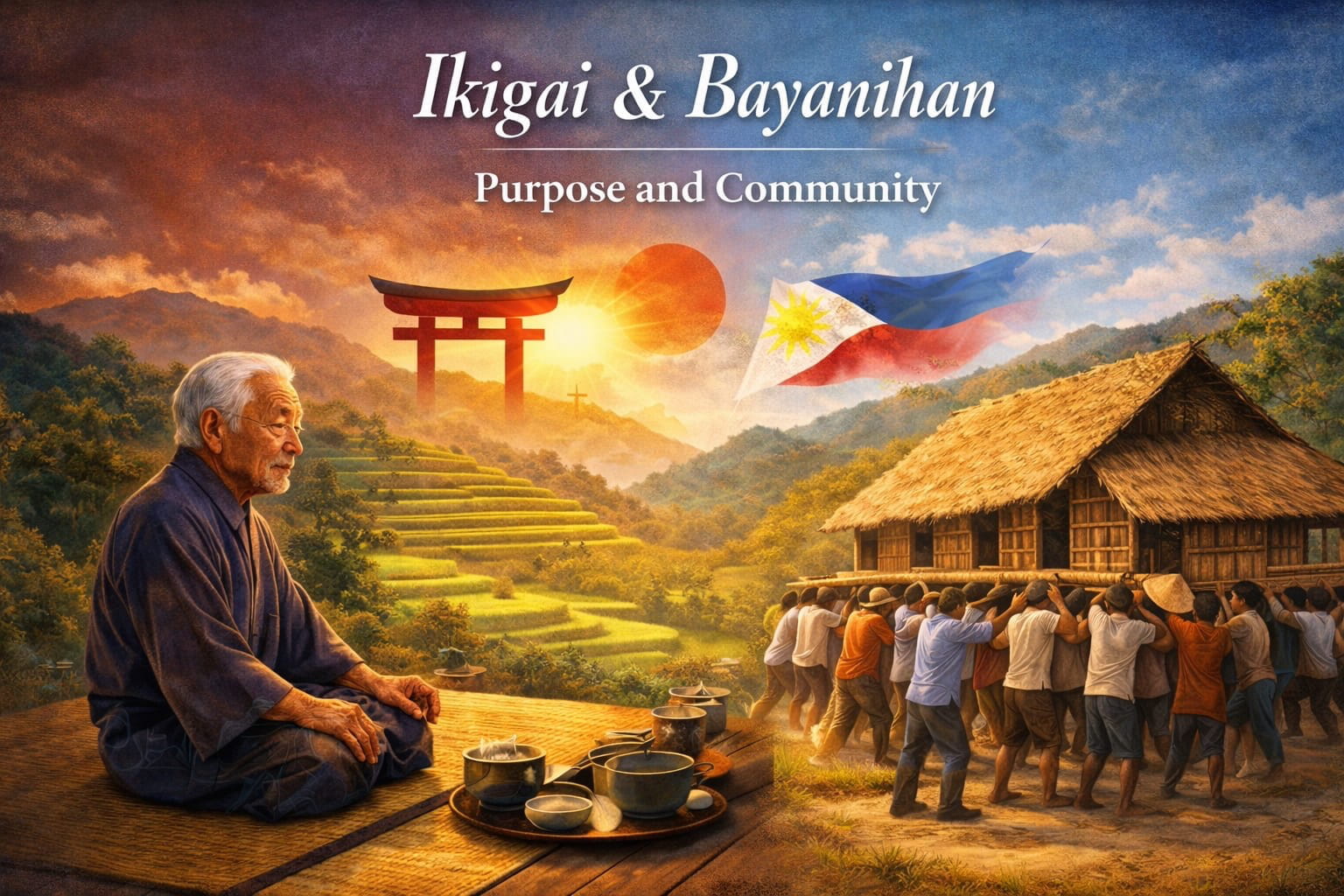
Rethinking Retirement in the Longevity Era Series: Why Retirement Needs Reinvention | The Purpose Gap in Aging Societies | The Untapped Intelligence of Retirees | What Ikigai and Bayanihan Can Teach the World About Purpose After Retirement | Designing Communities for the Re-Tire Generation
“Rethinking Retirement in the Longevity Era" is a series exploring how longer lifespans are reshaping the meaning of retirement, purpose, and community in aging societies.
When the Routine Ends
Years of schedules, responsibilities, professional relationships, and daily routines suddenly come to an end. What once structured everyday life disappears almost overnight. Some retirees welcome this change as an opportunity to slow down, travel, or explore long-delayed interests. Others, however, find that the transition raises unexpected questions about identity and direction.
Employment does more than generate income. It organizes time, fosters social interaction, and often provides a sense of usefulness within a larger system. When these anchors disappear, many individuals begin confronting a deeper reflection: beyond the roles defined by career, what gives life meaning in the years that follow?
Researchers studying retirement transitions increasingly recognize that the psychological adjustment to retirement can be just as important as financial preparation. As life expectancy continues to rise, individuals may spend twenty to thirty years in retirement, making the search for meaning in later life an increasingly important social question (United Nations Department of Economic and Social Affairs, 2023).
Image
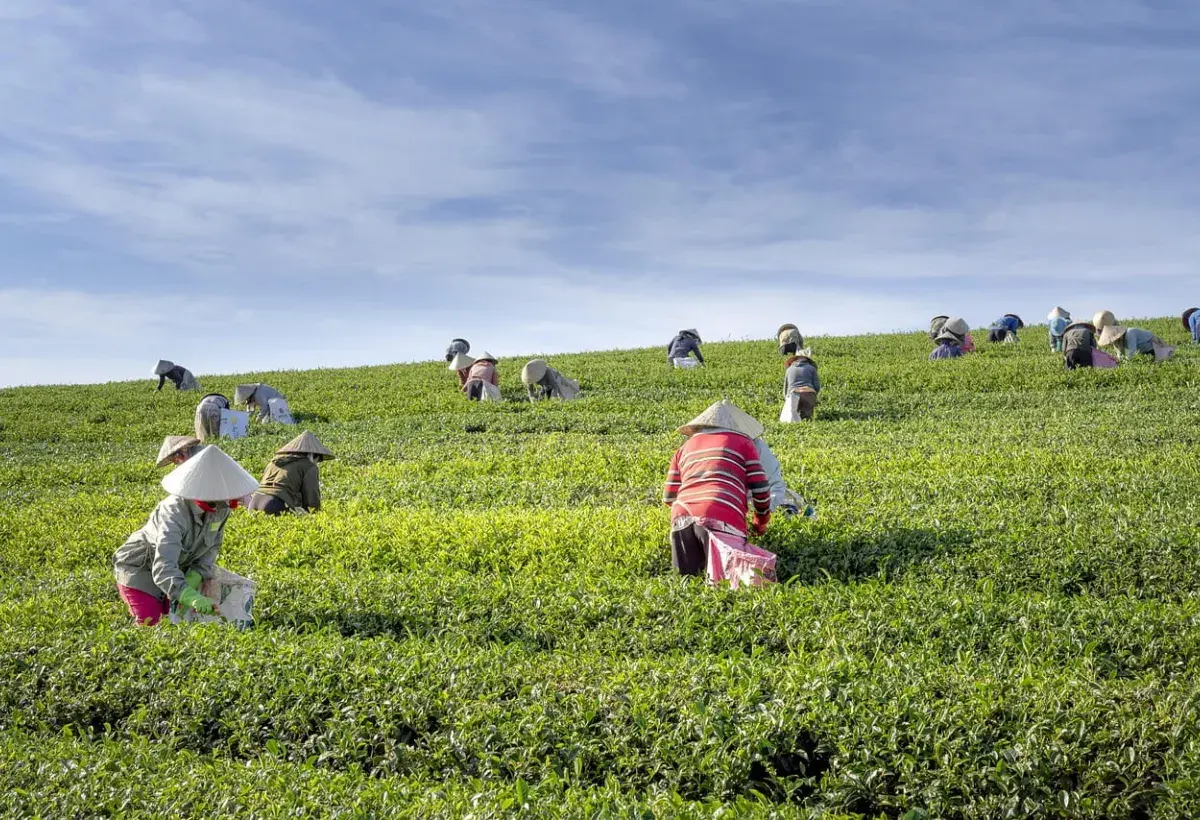
For this reason, scholars and policymakers are beginning to look beyond traditional retirement frameworks and explore cultural perspectives that emphasize purpose, social connection, and continued participation throughout life.
Across different societies, longstanding cultural philosophies have offered ways of understanding how individuals remain engaged and meaningful members of their communities even in later years. Two such perspectives emerging from Asia provide particularly valuable insights: the Japanese concept of ikigai, which emphasizes a personal sense of life worth living, and the Filipino ethos of bayanihan, which highlights the power of shared responsibility and collective support within a community.
Ikigai: A Reason for Being
In Japan, there is a concept known as ikigai, often translated as a “reason for being” or the reason one wakes up in the morning. At its heart, ikigai reflects the idea that life feels meaningful when people remain connected to activities, relationships, and contributions that matter to them. Rather than focusing only on achievement or productivity, the concept emphasizes living with a sense of purpose and personal fulfillment throughout life.
The idea of ikigai was first explored in depth by Japanese psychiatrist Mieko Kamiya (1966) in her influential work Ikigai ni Tsuite (On the Meaning of Life). Kamiya described ikigai as the feeling that life is worth living is a psychological state in which individuals perceive their existence as meaningful and valuable.
Decades later, the concept reached a global audience through the work of Héctor García and Francesc Miralles (2017), whose book Ikigai: The Japanese Secret to a Long and Happy Life introduced the philosophy to readers around the world. Their work helped popularize the idea that purpose, daily engagement, and community participation are essential ingredients of a fulfilling life, particularly in later years.
Recent scientific research has begun examining ikigai more closely. A study by Goto et al. (2024) found that older adults in Japan who reported a strong sense of ikigai also tended to experience better subjective health, lower depressive symptoms, and stronger social connections. These findings suggest that purpose is not only a philosophical idea but also an important factor supporting well-being in later life.
Altogether, these findings suggest that purpose is not merely a philosophical idea it may also function as an important psychosocial determinant of healthy aging.
Bayanihan: Purpose Through Community
While ikigai emphasizes the individual search for meaning, Filipino culture offers a complementary perspective through the concept of bayanihan, a deeply rooted ethos of collective responsibility and shared humanity.
Anthropological and sociological studies describe bayanihan as a tradition in which members of a community voluntarily assist one another, particularly during times of need. Historically, this spirit of cooperation was symbolized by the well-known image of villagers carrying a house together to help a neighbor relocate (Jocano, 1999). In contemporary Philippine society, bayanihan continues to serve as a guiding cultural principle in discussions of community resilience, civic participation, and collective responsibility (National Economic and Development Authority [NEDA], 2023).
Image
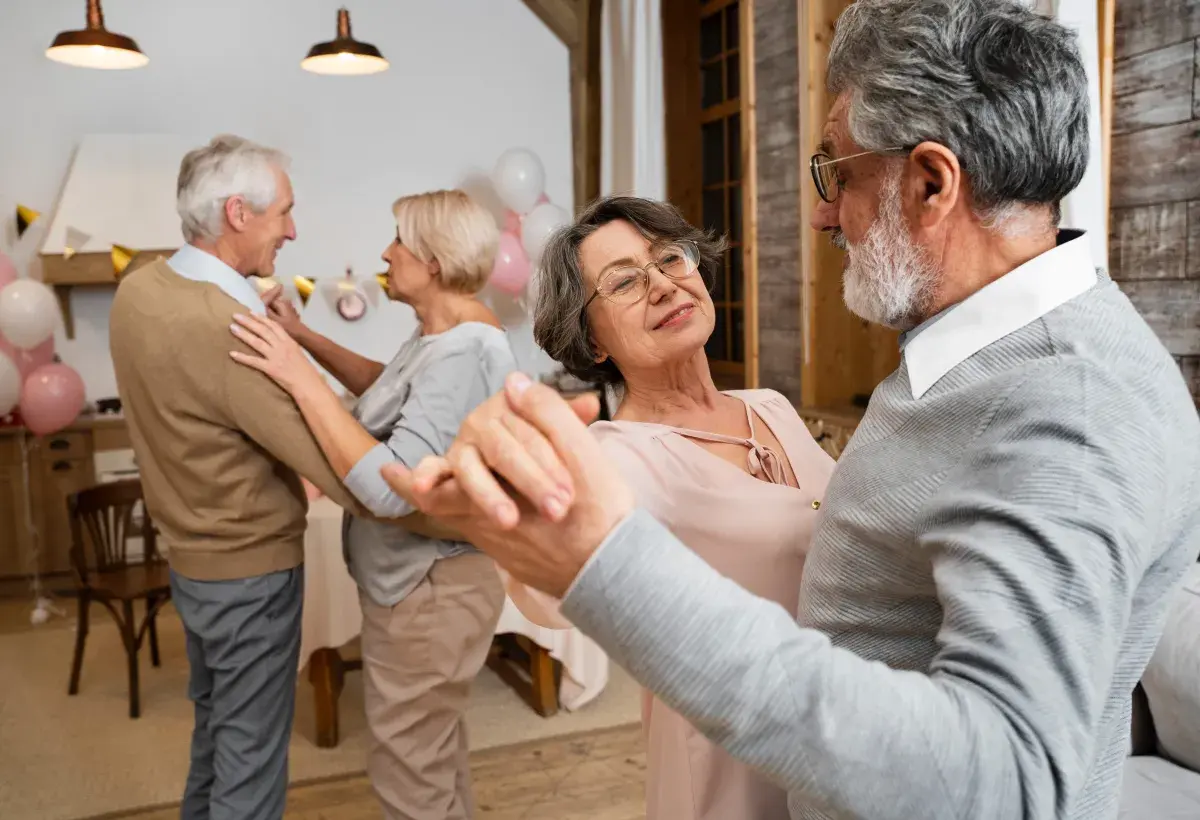
The word bayanihan comes from bayan, meaning community or nation. At its core, it reflects a cultural belief that individuals do not live in isolation but as part of a larger social fabric where mutual care and cooperation sustain the well-being of all. Purpose, in this sense, is not only something one discovers personally; it is something expressed through one’s willingness to support others.
Whereas ikigai highlights the importance of personal meaning, bayanihan emphasizes the social dimension of purpose suggesting that individual fulfillment often emerges through shared contribution within a community.
Purpose as Both Personal and Collective
Viewed together, ikigai and bayanihan offer complementary insights into the meaning of later life. Ikigai focuses on the internal dimension of purpose, helping individuals maintain a sense that their lives remain meaningful and worthwhile. Bayanihan highlights the collective dimension of purpose, reminding societies that individuals thrive when they remain connected to communities and shared responsibilities.
As populations age worldwide, these cultural perspectives offer valuable lessons. They suggest that retirement does not have to represent withdrawal from society. Instead, later life can become a period in which individuals continue contributing knowledge, experience, and social support in ways that benefit both themselves and their communities. In this way, purpose becomes not only a personal journey but also a shared social resource.
Looking Ahead: Purpose in an Age of Longevity
The growing global interest in concepts such as ikigai and bayanihan reflects a broader realization: longer lives require a deeper understanding of purpose. For much of modern history, societies structured life around a relatively short retirement period that followed decades of work. Today, however, many individuals may spend twenty or even thirty years beyond their primary careers. This new reality invites a reconsideration of what later life can become.
In this context, purpose takes on renewed importance. It is no longer simply a personal aspiration but an essential element of healthy and sustainable aging. Research increasingly shows that individuals who remain socially engaged, mentally active, and connected to meaningful roles tend to experience better well-being and resilience in later life.
The perspectives of ikigai and bayanihan together offer an important insight for aging societies. Purpose does not exist solely within the individual, nor solely within the community. Rather, it emerges through the dynamic relationship between the two between personal meaning and shared contribution.
Seen in this light, retirement may be better understood not as a withdrawal from society but as a transition into new forms of participation. The experience accumulated over decades of life knowledge, judgment, and practical wisdom remains a valuable resource for communities navigating complex social and economic challenges.
Yet many societies have not yet created pathways that allow older adults to continue sharing these contributions in meaningful ways.
This raises an important question: if purpose and community engagement are essential for healthy aging, how can societies better recognize and utilize the knowledge and experience that retirees already possess?
In the next article, we explore this often overlooked dimension of aging societies the untapped intelligence of retirees, and the remarkable reservoir of insight that remains largely underutilized in many communities around the world.
Image
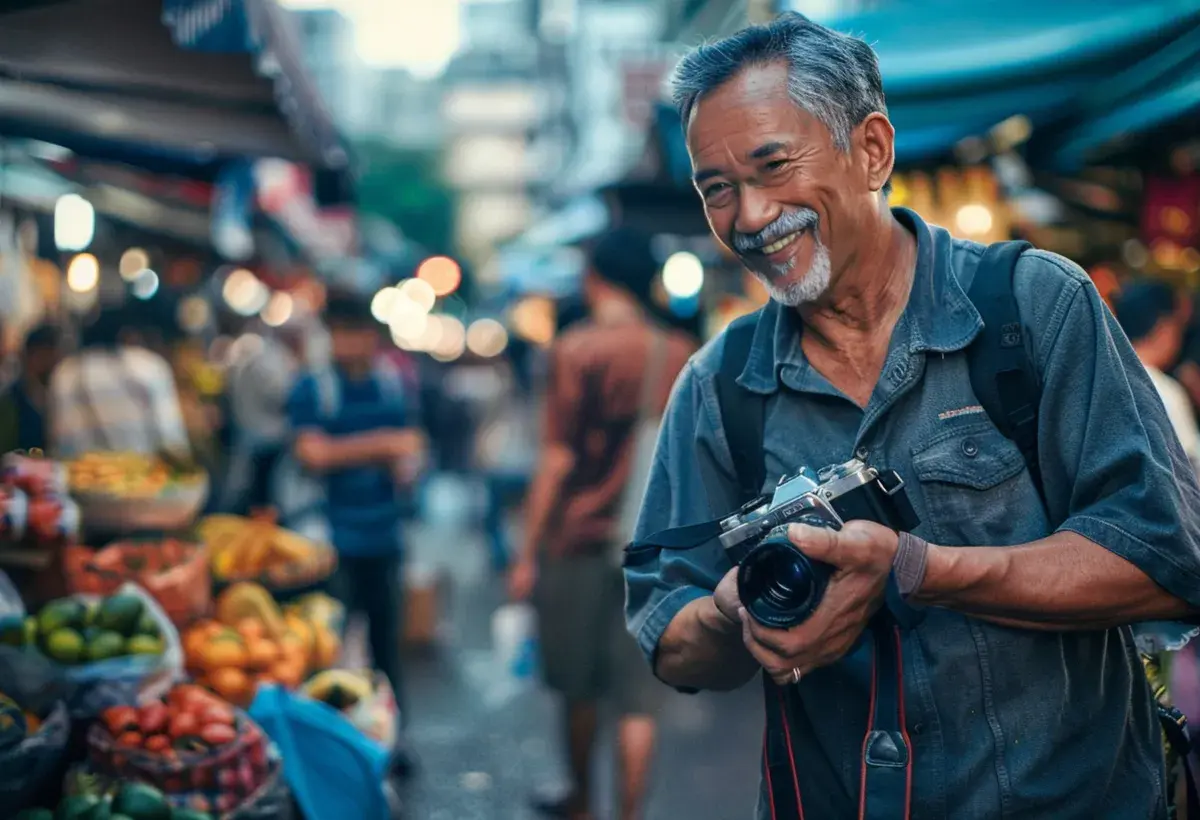
Suggested Citation
Lendez, M. (2026). Rethinking Retirement in the Longevity Era: What Ikigai and Bayanihan Can Teach the World About Purpose After Retirement. Developer of Ikigai-Bayanihan purpose-driven retirement framework.
About the Author
Dr. Mariza Lendez, DBA, is a researcher in aging studies and the Silver Economy. She is the developer of the Ikigai-Bayanihan Purpose-Driven Retirement Model and founder of Global Retirement Radar, a platform exploring retirement, longevity, and aging societies.
Acknowledgment to the Contributors on Pixabay, thank you for these photos.
Explore the Ikigai-Bayanihan Retirement Model presented by Chikicha Co-founder:
https://www.chikicha.com/chikicha-co-founder-present-ikigai-bayanihan-retirement-model-iafor-egen-2026
Rethinking Retirement in the Longevity Era Series:
- Why Retirement Needs Reinvention
- The Purpose Gap in Aging Societies
- The Untapped Intelligence of Retirees
- What Ikigai and Bayanihan Can Teach the World About Purpose After Retirement
- Designing Communities for the Re-Tire Generation
References
Fukuzawa, R., & Sugawara, I. (2023). Purpose in life and psychological well-being among older adults. Journal of Happiness Studies.
Goto, Y., et al. (2024). Ikigai and biopsychosocial health indicators among Japanese older adults. Archives of Gerontology and Geriatrics.
Hajek, A., et al. (2024). Purpose in life and health outcomes among older adults. BMC Geriatrics.
Jocano, F. L. (1999). Working with Filipinos: A Cross-Cultural Experience. Quezon City: Punlad Research House.
Kamiya, M. (1966). Ikigai ni Tsuite (On the Meaning of Life). Tokyo: Misuzu Shobo.
National Economic and Development Authority. (2023). Philippine Development Plan 2023–2028.
Sone, T., Nakaya, N., Ohmori, K., et al. (2008). Sense of life worth living (ikigai) and mortality in Japan. Psychosomatic Medicine.
Tsuzishita, R., & Wakui, S. (2021). Ikigai and health-related quality of life among older adults. Geriatrics & Gerontology International.
United Nations Department of Economic and Social Affairs. (2023). World Social Report 2023: Leaving No One Behind in an Ageing World.