

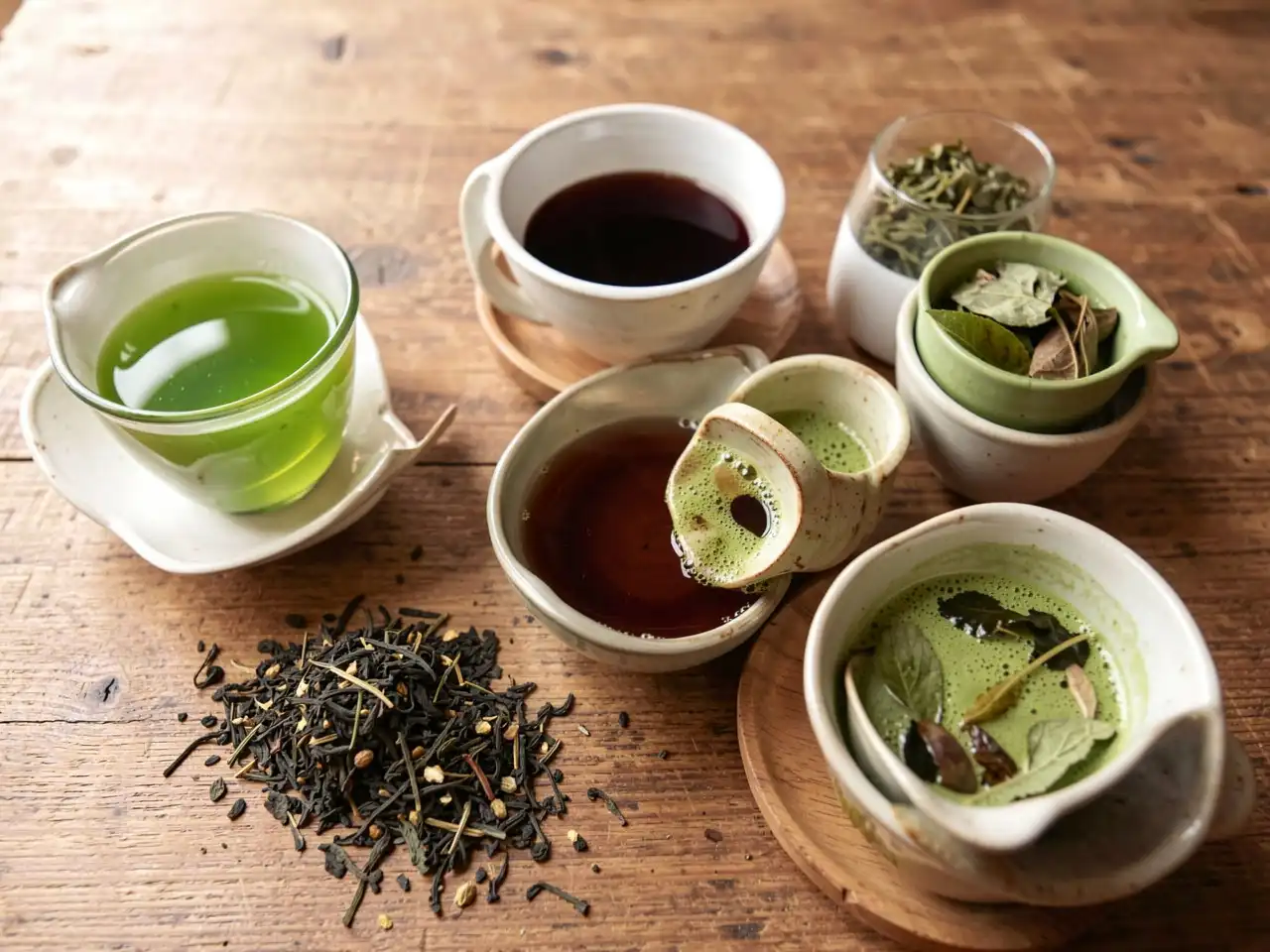
Tea is one of the oldest beverages known to humanity and it continues to hold a special place in cultures across the world. For thousands of years people have gathered around cups of tea to relax, socialize, think deeply, and even conduct business. From quiet morning rituals to elegant ceremonies, tea is far more than something that simply quenches thirst. It represents history, culture, and a shared human experience that connects people across continents and generations.
The journey of tea began in ancient Asia where it was first valued not only for its flavor but also for its medicinal qualities. Early herbalists believed that tea could cleanse the body and restore balance. Over time tea evolved from a healing tonic into a daily beverage enjoyed by emperors, monks, merchants, and farmers alike. As trade routes expanded across Asia, the Middle East, and Europe, tea traveled with them, bringing new traditions and customs to each place it reached.
Today tea is enjoyed in countless forms. Some people prefer delicate green tea brewed with precision while others love bold black tea with milk and sugar. In many parts of the world tea is infused with spices, fruits, or herbs that reflect local tastes. Matcha cafes, bubble tea shops, and traditional tea houses all show how tea continues to adapt to modern lifestyles while preserving its ancient roots.
Despite its popularity many people know surprisingly little about the drink they consume every day. The simple cup of tea sitting on your table carries a remarkable story that spans dynasties, global trade, scientific discoveries, and cultural revolutions. From the plant that produces nearly every traditional tea to the accidental invention of iced tea at a world fair, the history of tea is filled with unexpected twists and fascinating details.
The next time you pour yourself a cup you might find yourself appreciating it in a completely different way. Here are ten surprising facts about tea that reveal just how extraordinary this timeless beverage truly is.
1. Tea Is the Second Most Consumed Beverage in the World
Image

Tea holds an incredible place in global culture because it is the second most consumed beverage on Earth after water. Every day billions of people begin their morning, relax in the afternoon, or wind down in the evening with a warm cup of tea. The drink has spread across nearly every region of the planet and has become deeply embedded in daily life.
The worldwide popularity of tea can be traced to centuries of trade and cultural exchange. Merchants transported tea leaves from Asia to Europe and the Middle East where the beverage quickly gained admiration. Soon tea houses appeared in cities and towns where people gathered to discuss ideas, share stories, and enjoy the calming ritual of brewing tea.
Different countries developed their own unique tea traditions. In Japan the tea ceremony is a graceful and highly disciplined practice that reflects harmony and respect. In Britain afternoon tea became a social custom associated with elegant gatherings and delicate pastries. In India strong chai infused with spices is often enjoyed in bustling markets and roadside stalls. Morocco is famous for sweet mint tea poured with theatrical flair.
Even the way tea is prepared varies greatly depending on location. Some cultures prefer strong brews served with milk while others appreciate the delicate flavor of lightly steeped green tea. Iced tea dominates in parts of North America while hot tea remains the favorite in many Asian countries.
What unites all these traditions is the comforting experience that tea provides. It encourages people to pause for a moment in the middle of a busy day. Whether shared among friends or enjoyed alone during quiet reflection tea offers a simple yet meaningful ritual.
The sheer number of cups consumed worldwide is astonishing. Experts estimate that more than three billion cups of tea are enjoyed every single day. This staggering figure reflects how deeply tea has woven itself into the fabric of global culture.
2. All Real Teas Come from One Plant
Image
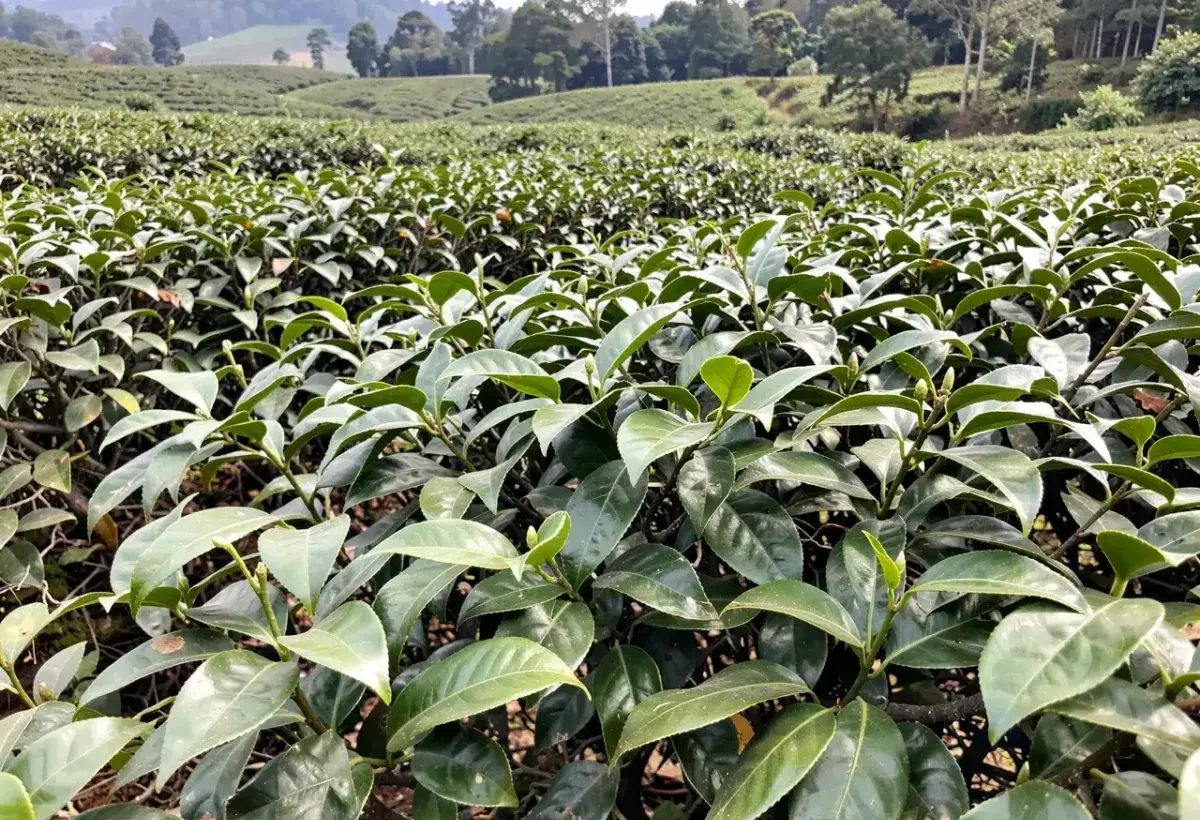
Many people assume that black tea, green tea, white tea, and oolong tea come from different plants. In reality they all originate from the same remarkable plant called Camellia sinensis. This evergreen shrub has been cultivated for thousands of years and forms the foundation of nearly every traditional tea variety.
The differences between tea types are not determined by the plant itself but by how the harvested leaves are processed. After picking the leaves producers control factors such as oxidation, drying, rolling, and aging. Each step influences the flavor, aroma, color, and strength of the final tea.
Green tea is created when freshly harvested leaves are quickly heated to prevent oxidation. This process preserves the vibrant green color and delicate grassy flavor that green tea lovers appreciate. White tea is made from young buds and minimal processing which results in a light and subtle taste.
Oolong tea sits somewhere between green and black tea in terms of oxidation. Skilled tea masters carefully manage the process to produce complex flavors that range from floral and fruity to rich and roasted. Black tea undergoes full oxidation which darkens the leaves and creates the bold flavor commonly associated with breakfast blends.
Another unique category known as pu erh tea undergoes fermentation and aging. Some varieties are matured for years or even decades which produces deep earthy flavors highly prized by collectors.
Despite their dramatic differences all of these teas share the same botanical origin. The artistry lies in the craftsmanship of processing which transforms a simple leaf into a wide spectrum of tastes and aromas.
It is also important to note that many beverages commonly called tea are technically not true tea. Herbal drinks made from chamomile, mint, rooibos, or hibiscus do not come from Camellia sinensis. These are more accurately described as herbal infusions or tisanes.
Understanding this single plant origin makes the world of tea even more fascinating. A single species has inspired centuries of innovation and cultural tradition.
3. Green Tea Boosts Brain Power
Image

Green tea has long been praised not only for its refreshing taste but also for its ability to support mental focus and calm concentration. Scientists have discovered that this effect comes from a unique combination of natural compounds found in the tea leaves.
One of these compounds is caffeine which many people recognize as a stimulant that increases alertness. However the caffeine level in green tea is typically lower than that found in coffee. This means it provides gentle energy without the intense rush or jittery feeling that some people experience with stronger beverages.
The true secret behind green tea lies in an amino acid called L theanine. This compound interacts with caffeine in a fascinating way. While caffeine stimulates the brain, L theanine promotes relaxation and mental clarity. Together they create a balanced state that allows people to stay focused while remaining calm.
Researchers have observed that this combination can improve attention, memory, and problem solving abilities. Students often choose green tea during long study sessions because it helps them stay alert without causing anxiety or restlessness.
Creative professionals also appreciate the mental state that green tea encourages. Writers, designers, and programmers frequently describe a feeling of steady concentration that allows them to remain productive for extended periods of time.
Green tea may also support long term brain health. Some studies suggest that the antioxidants found in tea leaves help protect brain cells from damage caused by oxidative stress. This protection could play a role in maintaining cognitive function as people age.
Beyond scientific findings many tea drinkers simply enjoy the calming ritual of preparing a cup of green tea. The process of heating water, watching the leaves unfurl, and inhaling the fresh aroma can provide a moment of mindfulness in a busy day.
For people seeking a gentle yet effective mental boost green tea offers a natural and enjoyable solution.
4. Black Tea Has the Most Caffeine
Image

Black tea is known for its bold flavor and deep amber color, but it also carries another distinction among traditional teas. It generally contains the highest caffeine content of all true teas derived from the Camellia sinensis plant.
The reason for this higher caffeine level lies in the way black tea is processed. After harvesting the leaves are allowed to oxidize fully. During this process the leaf structure changes which intensifies both flavor and caffeine expression. The result is a strong and invigorating beverage that many people rely on to begin their day.
For centuries black tea has served as a morning staple in many cultures. In Britain classic blends such as English Breakfast and Earl Grey are often paired with milk and sugar to create a comforting and energizing drink. In India black tea forms the base of chai which is simmered with milk and spices like cardamom, ginger, and cinnamon.
Although black tea contains more caffeine than other tea varieties it still generally has less caffeine than coffee. This makes it an appealing option for people who want an energy boost without the intensity of a strong espresso or large cup of coffee.
Another reason black tea remains so popular is its versatility. The robust flavor stands up well to milk, sweeteners, and spices. It can also be brewed strong for iced tea which makes it refreshing in warm climates.
Many tea lovers enjoy experimenting with different black tea varieties from around the world. Assam tea from India offers a malty richness while Darjeeling tea provides delicate floral notes. Chinese Keemun tea is known for its smooth smoky character.
Beyond caffeine black tea also contains antioxidants that support heart health and overall wellness. This means that the energizing cup many people depend on each morning also carries potential health benefits.
With its strong flavor, comforting aroma, and moderate caffeine boost black tea continues to be one of the most beloved beverages worldwide.
5. Herbal Teas Are Technically Not Teas
Image

Many beverages labeled as tea in grocery stores and cafes are actually not true tea at all. While they may look similar in a cup and are prepared in much the same way, herbal teas come from completely different plants.
True tea must originate from the Camellia sinensis plant. Herbal infusions on the other hand are made by steeping various flowers, leaves, roots, fruits, or spices in hot water. Because they do not come from the tea plant they are technically called tisanes.
Despite this distinction herbal teas remain extremely popular because they offer a wide range of flavors and health benefits. Chamomile tea is famous for its gentle floral taste and calming properties which make it a favorite bedtime drink. Peppermint tea provides a refreshing minty flavor that many people find soothing for digestion.
Another popular herbal infusion is rooibos which comes from a plant native to South Africa. Rooibos produces a reddish brown brew with a naturally sweet taste. It contains no caffeine which makes it appealing for people who want a relaxing drink without stimulation.
Hibiscus tea is another vibrant herbal option known for its bright crimson color and tart flavor. It is often enjoyed both hot and cold and is rich in antioxidants.
One major advantage of herbal teas is their versatility. Since they contain no caffeine they can be consumed at any time of day without affecting sleep. Many people enjoy experimenting with blends that combine herbs, fruits, and spices to create unique flavor profiles.
Although herbal infusions differ from traditional tea in origin they share the same comforting ritual of preparation. The simple act of steeping ingredients in hot water releases aromas and flavors that create a soothing sensory experience.
For tea enthusiasts exploring herbal varieties opens an entirely new world of taste and wellness possibilities.
6. Tea Was Discovered by Accident
Image
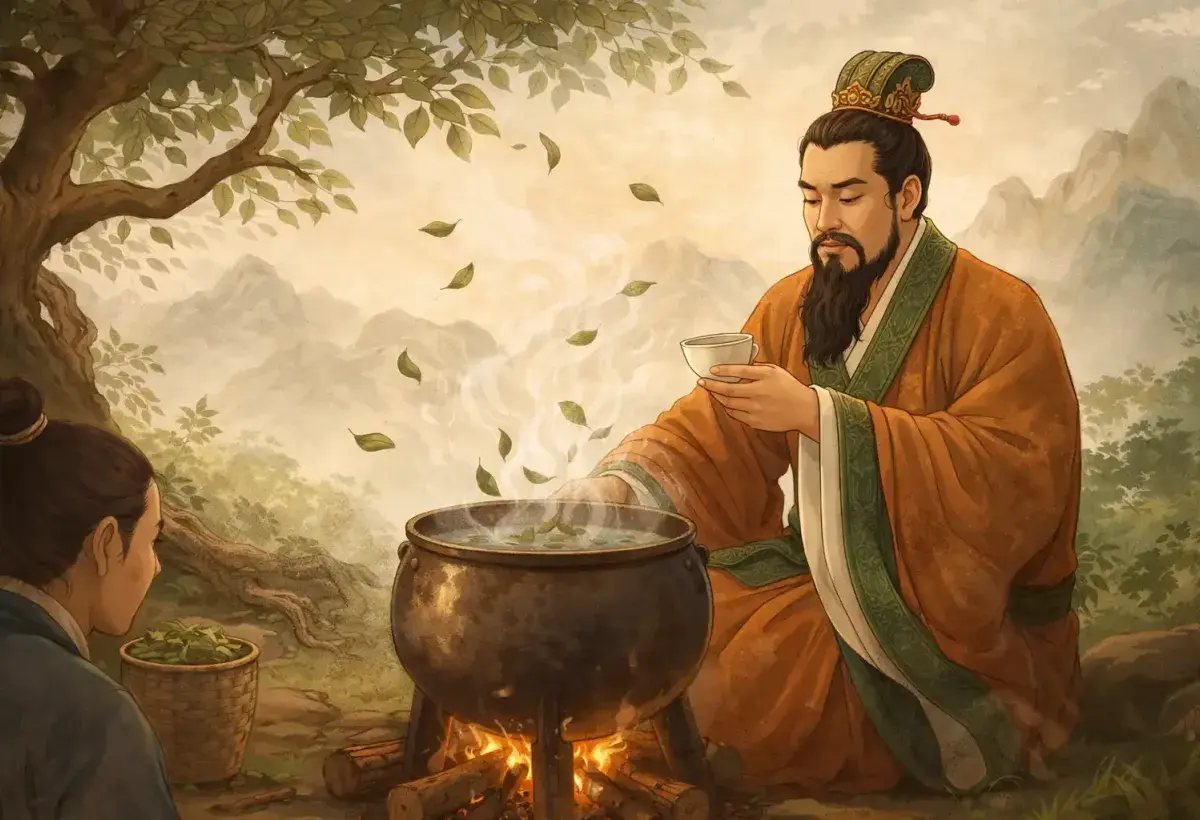
According to ancient Chinese legend the discovery of tea happened entirely by accident more than four thousand years ago. The story begins with Emperor Shen Nong, a ruler known for his interest in agriculture and herbal medicine. He believed strongly in the importance of boiling water before drinking it in order to keep people healthy.
One day while traveling through the countryside the emperor stopped to rest beneath a tree while his servants prepared boiling water. As the water heated in a pot a gentle breeze stirred the branches above. A few leaves drifted down from the nearby tree and landed in the steaming water.
The emperor noticed that the leaves began to swirl and release a pleasant aroma. Curious about this unexpected change he decided to taste the infused water. To his surprise the liquid had a refreshing flavor that was both soothing and energizing.
Shen Nong believed the drink possessed medicinal properties and began encouraging its use among his people. Over time the leaves were identified as belonging to a wild tea plant and the beverage gradually spread throughout the region.
Although historians debate the literal accuracy of the legend it captures an important truth about tea. The beverage likely originated as a medicinal infusion used by ancient herbalists. Early records suggest that tea was valued for its ability to improve digestion, increase alertness, and promote overall wellness.
As centuries passed tea evolved from a simple herbal remedy into a daily drink enjoyed by scholars, monks, and members of royal courts. During the Tang Dynasty tea culture flourished in China and specialized tea preparation techniques began to develop.
The accidental discovery described in the legend of Shen Nong reflects how many important human innovations began. A moment of curiosity led to the creation of a beverage that would eventually travel across the globe and become one of the most cherished drinks in history.
7. The British Weren’t Always Tea Drinkers
Image
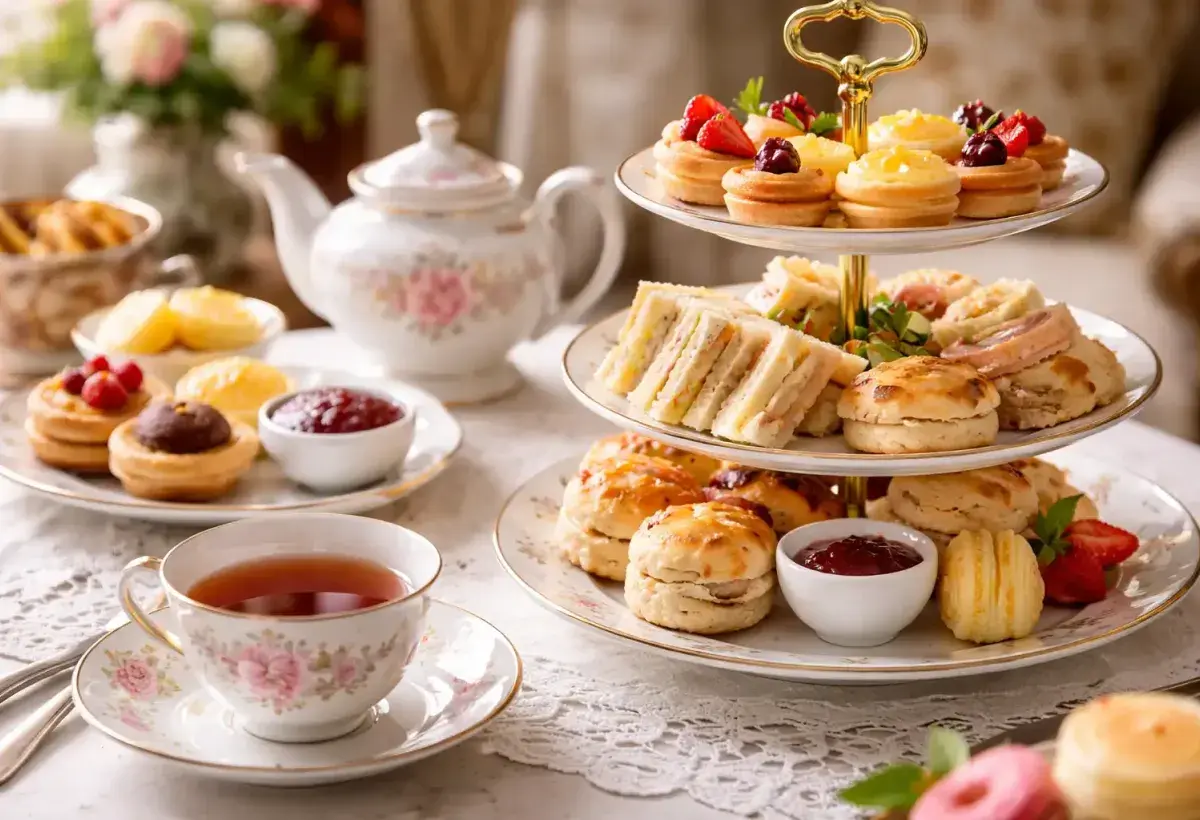
Today tea is strongly associated with British culture, but there was a time when people in Britain barely knew about it. Tea only became fashionable in England during the seventeenth century when it was introduced through international trade and royal influence.
The key figure responsible for popularizing tea in Britain was Catherine of Braganza, a Portuguese princess who married King Charles the Second in the year 1662. Catherine had grown up drinking tea in Portugal where the beverage had already become popular through trade with Asia.
When she arrived at the English royal court she continued her habit of drinking tea regularly. Members of the aristocracy quickly noticed the queen’s preference and began adopting the practice themselves. Because the beverage had to be imported from distant lands it was initially very expensive and considered a luxury reserved for wealthy households.
Tea gradually spread beyond the royal court as trade expanded and prices slowly decreased. By the eighteenth century tea had become accessible to the middle class and eventually to the working class as well. Small tea shops and social gatherings centered around tea began appearing throughout the country.
One of the most famous traditions to emerge from this cultural shift was afternoon tea. This custom involved serving tea with small sandwiches, pastries, and cakes during the late afternoon hours. It became a fashionable social event where friends gathered to talk and relax.
Tea also became an important part of daily life for workers who relied on it for warmth and energy during long days. Strong black tea with milk and sugar became the preferred style.
Over time tea transformed from an exotic luxury into a national symbol. Today Britain remains one of the most famous tea drinking nations in the world.
8. Matcha Is Pure Green Tea in Powdered Form
Image
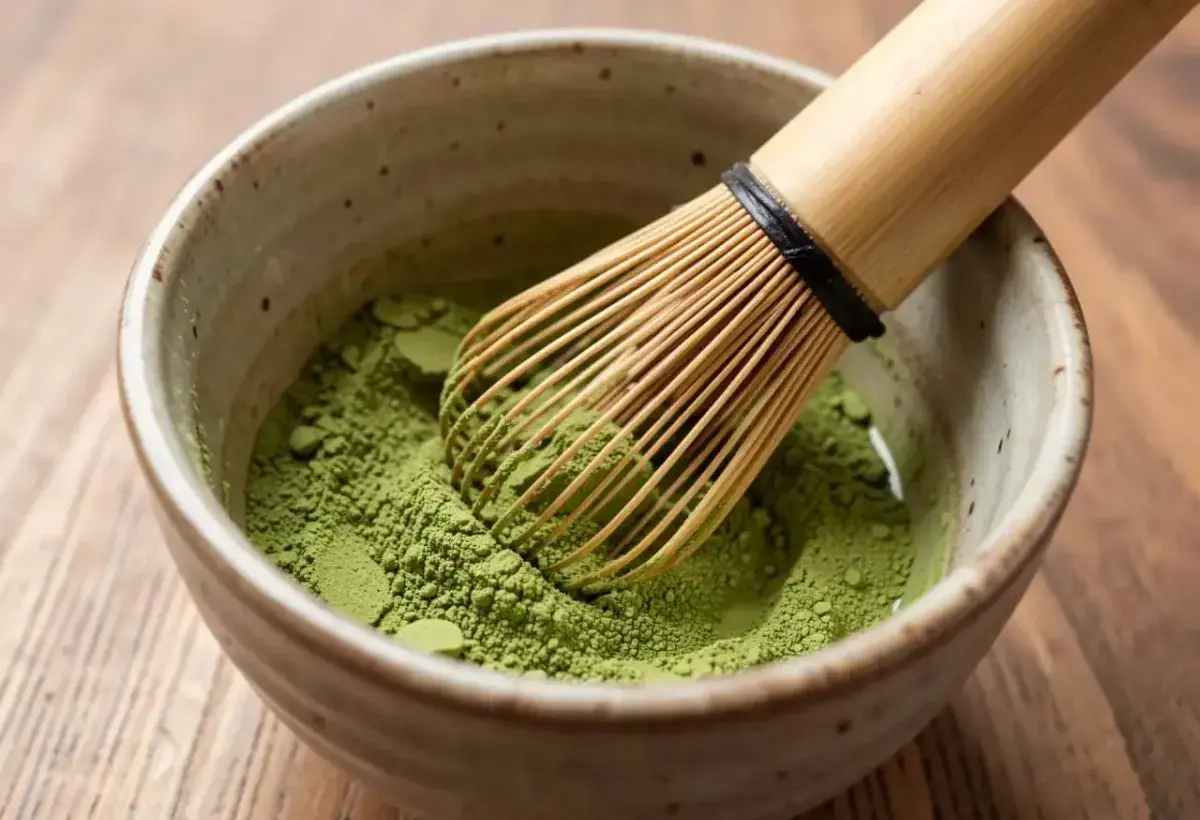
Matcha has gained global popularity in recent years, appearing in cafes, bakeries, and health focused recipes. Unlike traditional tea where leaves are steeped and removed, matcha involves consuming the entire leaf in powdered form.
The process of producing matcha begins several weeks before harvest. Tea plants destined for matcha production are shaded from direct sunlight. This encourages the leaves to produce more chlorophyll which deepens their green color and enhances the nutritional content.
After harvesting the leaves are carefully steamed, dried, and ground into a very fine powder using stone mills. The result is a bright green powder that dissolves in water rather than steeping like ordinary tea leaves.
To prepare matcha the powder is placed in a bowl with hot water and whisked vigorously using a bamboo whisk. This creates a smooth and slightly frothy beverage with a rich flavor.
Because the entire leaf is consumed matcha provides a concentrated source of nutrients and antioxidants. It also contains caffeine along with L theanine which creates a calm yet focused state of mind similar to regular green tea.
Matcha has long been associated with Japanese tea ceremonies where its preparation is treated as a mindful art form. Every movement in the ceremony reflects respect, harmony, and attention to detail.
In modern times matcha has expanded beyond traditional tea bowls. It is now used in lattes, desserts, smoothies, and baked goods. Its vibrant color and earthy taste make it a favorite ingredient among chefs and health enthusiasts.
Despite its trendy reputation matcha remains deeply rooted in centuries of cultural tradition.
9. Iced Tea Was Invented at a World’s Fair
Image

Iced tea is a refreshing drink enjoyed by millions of people, especially during hot weather. Interestingly its widespread popularity can be traced back to a single event that took place at the beginning of the twentieth century.
In 1904 the city of St Louis hosted a large international event known as the World’s Fair. Vendors from many countries gathered to showcase products and introduce visitors to new foods and beverages.
One tea merchant at the fair had planned to sell hot tea to the crowds. Unfortunately the summer heat was intense and visitors showed little interest in drinking a steaming beverage.
Faced with this challenge the vendor decided to try something different. He poured brewed tea over ice to cool it down and served it in chilled glasses. The result was instantly refreshing and visitors loved the idea.
The cold version of tea quickly became one of the most popular drinks at the fair. Word spread rapidly and iced tea began appearing in restaurants and households across the United States.
Over the following decades iced tea developed into a cultural staple. Sweetened iced tea became especially popular in the southern United States where it is often served with generous amounts of sugar.
Today iced tea is enjoyed in countless variations including flavored versions with lemon, peach, or berries. Bottled iced tea products are also widely available around the world.
It is remarkable that such a simple adaptation during a hot summer event helped create one of the most beloved cold beverages of modern times.
10. Tea Is Packed with Antioxidants
Image

Tea is not only comforting and flavorful but also rich in natural compounds that support health. Among the most important of these compounds are antioxidants which help protect the body from harmful molecules known as free radicals.
Free radicals are unstable molecules that can damage cells and contribute to aging and various health conditions. Antioxidants neutralize these molecules which helps reduce their harmful effects.
Tea contains several types of antioxidants including polyphenols and catechins. These compounds are especially abundant in green and white tea because they undergo minimal processing. Black tea also contains beneficial antioxidants although the oxidation process slightly changes their structure.
Researchers have studied tea for many years to understand its potential health benefits. Some studies suggest that regular tea consumption may support heart health by improving blood vessel function and reducing inflammation.
Other research indicates that tea may aid digestion and contribute to a healthy immune system. While tea should not be viewed as a cure for disease it can certainly be part of a balanced and health conscious lifestyle.
Another advantage of tea is that it provides these benefits without excessive calories when consumed without added sugar. This makes it an appealing choice for people who want a flavorful beverage that supports overall wellness.
Beyond its nutritional qualities tea also promotes relaxation and mindfulness. The act of brewing and sipping tea encourages people to slow down and enjoy a quiet moment.
Combining taste, tradition, and potential health benefits tea truly stands out as one of the most remarkable beverages ever discovered.
Final Sip
Tea has traveled an extraordinary path from its ancient origins to its place in modern life. What began as a simple infusion of leaves has grown into a global tradition that touches nearly every culture on Earth. Across continents people have developed unique ways of preparing and enjoying tea, yet the experience remains universally comforting.
One of the most remarkable aspects of tea is its ability to adapt. From delicate green teas served in quiet ceremonies to bold iced teas enjoyed on hot afternoons, the beverage continues to evolve while still honoring centuries of history. New trends such as matcha lattes and creative tea blends show that tea culture is constantly renewing itself.
Beyond flavor and variety tea offers something deeper. The ritual of brewing a cup encourages a pause in the middle of busy days. In many cultures tea time represents a moment of hospitality and connection. Friends gather around teapots to share conversations while families pass down tea traditions from one generation to the next.
Science has also revealed that tea contains compounds that support overall health. Antioxidants and other natural elements contribute to wellness while the balanced combination of caffeine and calming amino acids provides gentle energy.
Perhaps the most fascinating truth about tea is how a single plant has inspired thousands of years of stories, ceremonies, and innovations. Entire economies were built around the trade of tea and historic events such as the Boston Tea Party even shaped the course of nations.
The next time you lift a cup of tea you are participating in a tradition that stretches across time and geography. Whether you prefer green tea, black tea, herbal infusions, or vibrant matcha, each cup carries a legacy of discovery, culture, and shared human experience.
So take a moment to savor the aroma, appreciate the warmth, and enjoy the quiet pleasure that tea has brought to people around the world for centuries.