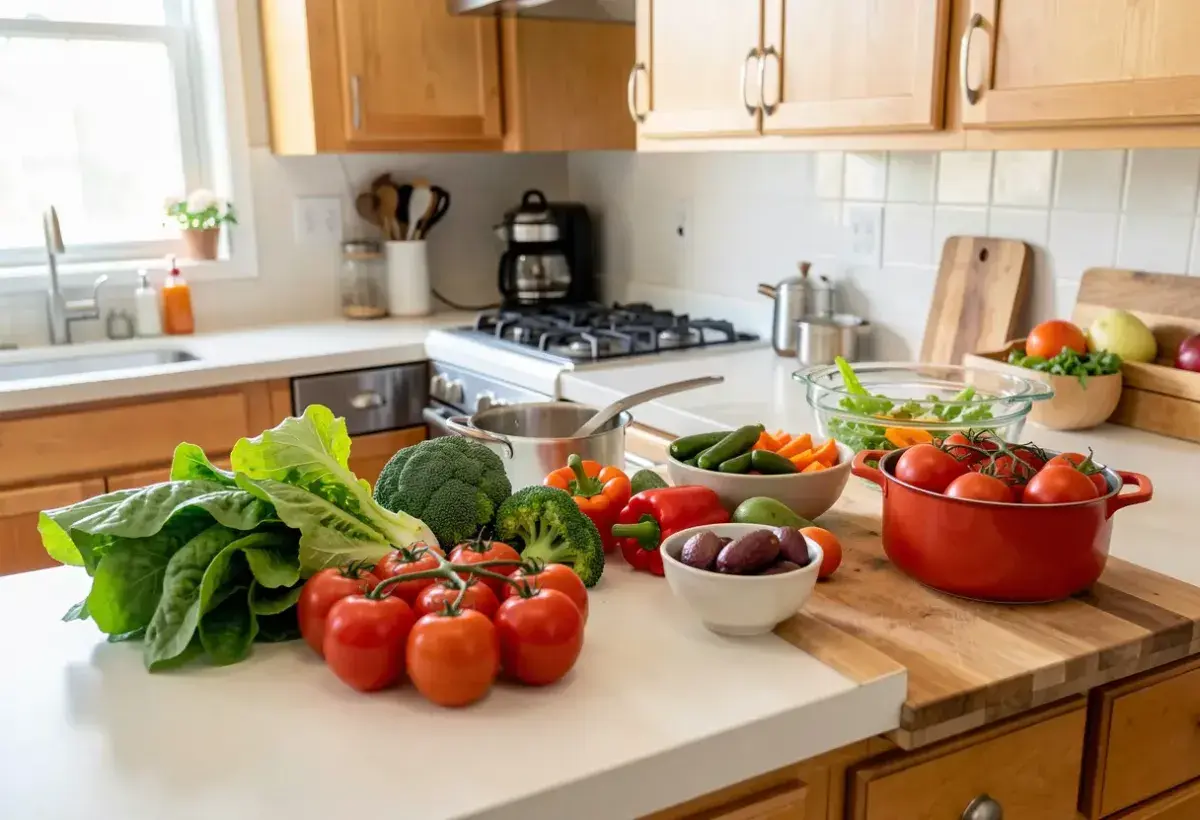


There is something deeply satisfying about cooking with vegetables that are fresh, vibrant, and full of natural flavor. Fresh vegetables do not just improve the taste of your meals. They also enhance texture, color, and nutritional value, turning everyday cooking into something that feels intentional and rewarding. Yet many people walk through markets and grocery stores unsure of how to tell the difference between produce that is truly fresh and items that simply look acceptable under bright lights. Knowing what to look for can completely change how you shop and how your food turns out at home.
Choosing fresh vegetables is a skill, not a talent you are born with. Once you understand a few simple signs, your confidence grows quickly. You start noticing how vegetables feel in your hands, how they smell, and how their colors reflect their age and quality. Over time, you waste less food, save more money, and enjoy meals that taste better without needing extra seasoning or heavy sauces. Fresh vegetables often speak for themselves when they are at their best.
Another important part of smart vegetable shopping is awareness. Understanding where your produce comes from, how far it has traveled, and how it was handled gives you an advantage as a shopper. Vegetables that arrive at your kitchen closer to harvest time usually retain more nutrients and natural moisture. This awareness also helps you support local growers and markets that prioritize quality and freshness.
We are here to help you make better choices every time you shop. These tips are practical, easy to remember, and useful whether you shop at a large grocery store, a small neighborhood market, or a local farmers market. With a little attention and a few smart habits, you can consistently bring home vegetables that look better, taste better, and last longer. Freshness is not luck. It is something you can learn to recognize with confidence.
Image
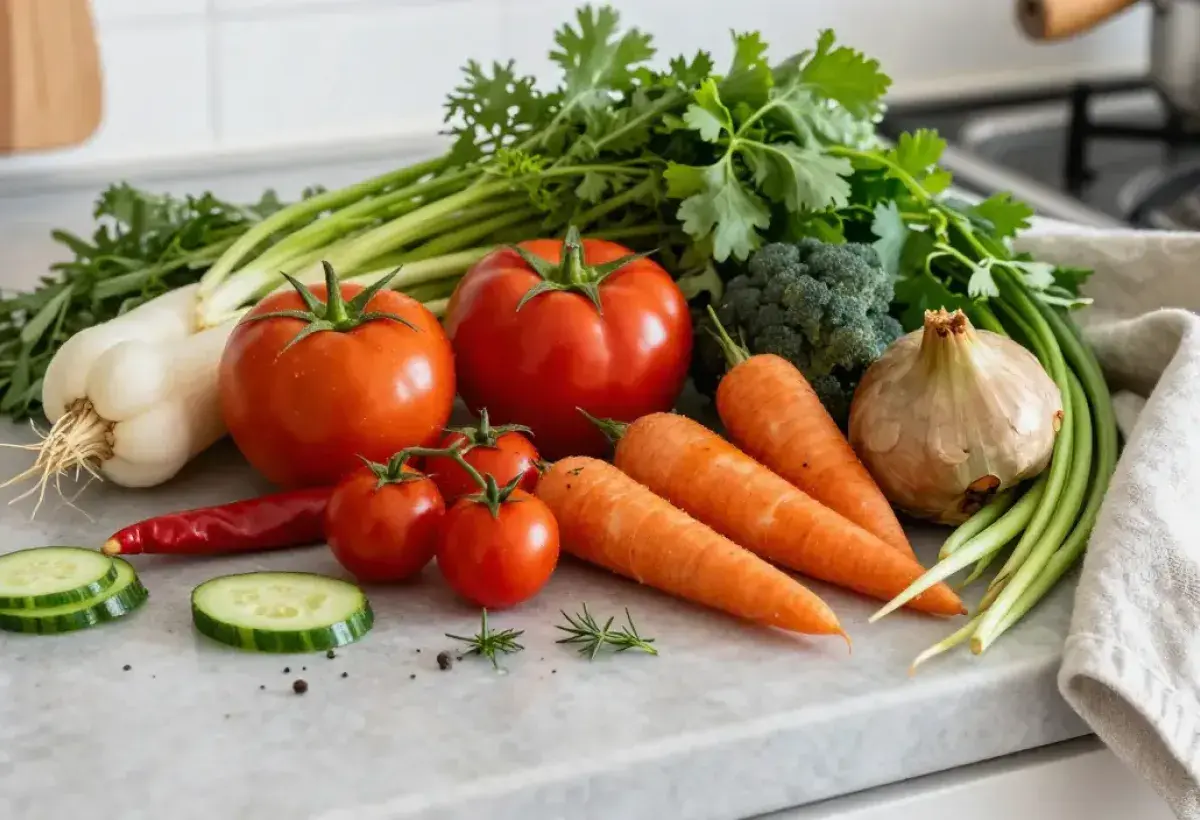
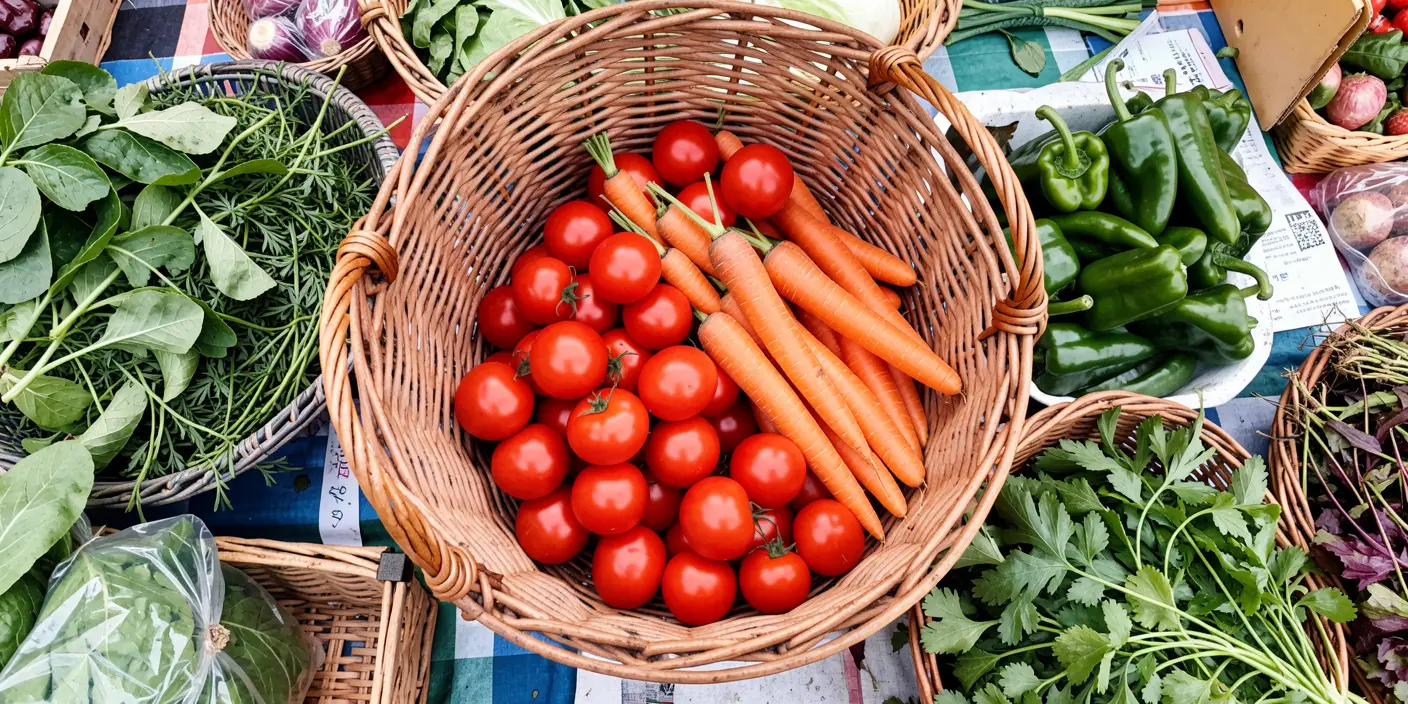
1. Know what is in season
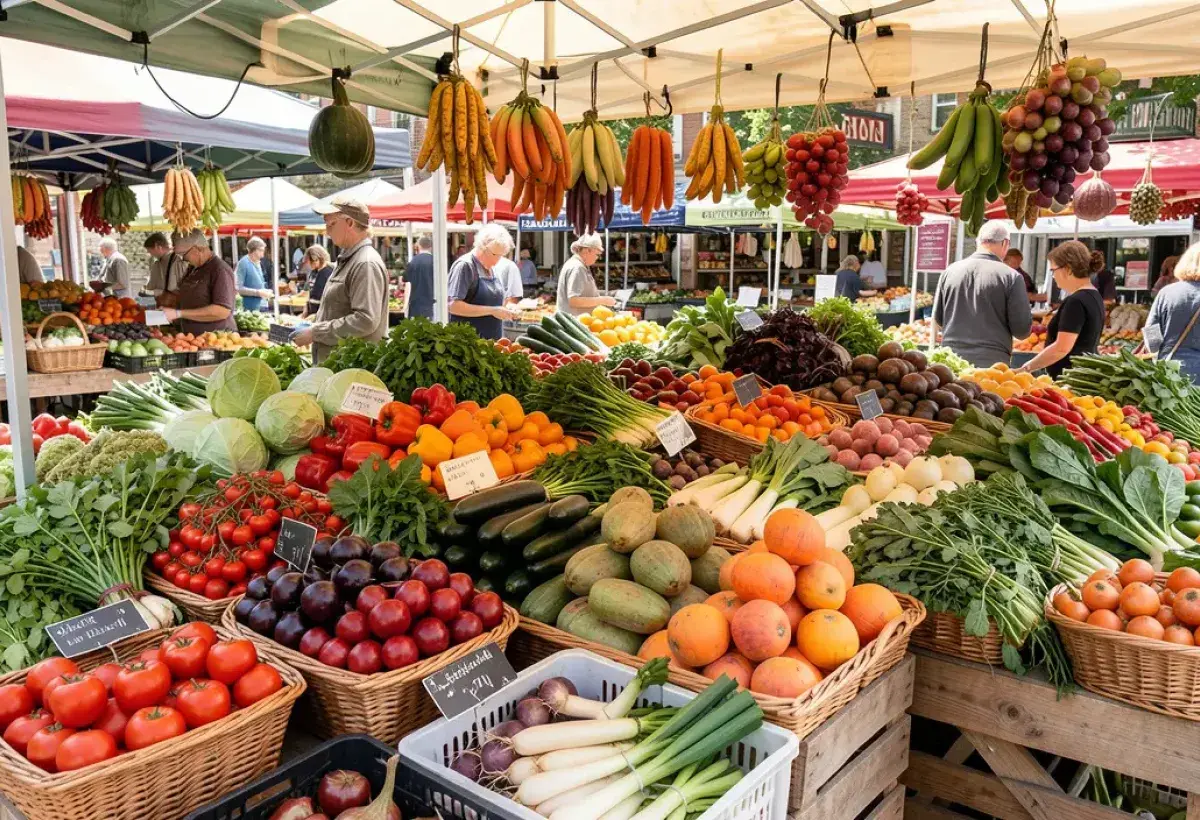
Understanding which vegetables are in season is one of the most powerful tools you can use when shopping. Seasonal vegetables are harvested at their natural peak, which means they have had time to fully develop flavor, color, and nutrients. When produce is grown and harvested in its proper season, it does not need excessive storage time or long transport routes to reach your market. This results in vegetables that taste better and feel fresher when you bring them home.
Seasonal produce is also more affordable. When a vegetable is abundant, prices naturally drop. Farmers and suppliers do not need to invest as much in artificial growing conditions or extended storage, and those savings are passed on to you. This makes seasonal shopping both a quality choice and a budget friendly one. Over time, learning seasonal patterns helps you plan meals that align with availability instead of fighting against it.
Another benefit of seasonal shopping is variety. Eating with the seasons encourages you to rotate vegetables throughout the year, which naturally diversifies your nutrient intake. Instead of relying on the same few vegetables every week, you discover new ways to cook and enjoy produce that shines during specific months. This keeps meals interesting and helps you develop a deeper connection to what you eat.
To make seasonal shopping easier, pay attention to signs in markets, talk to local vendors, or keep a simple seasonal produce chart handy. Over time, this knowledge becomes second nature. You will start noticing when vegetables look especially vibrant or abundant, and you will instinctively know they are at their best. Choosing seasonal vegetables is one of the simplest ways to guarantee freshness without extra effort.
Image
2. Check color and vibrancy
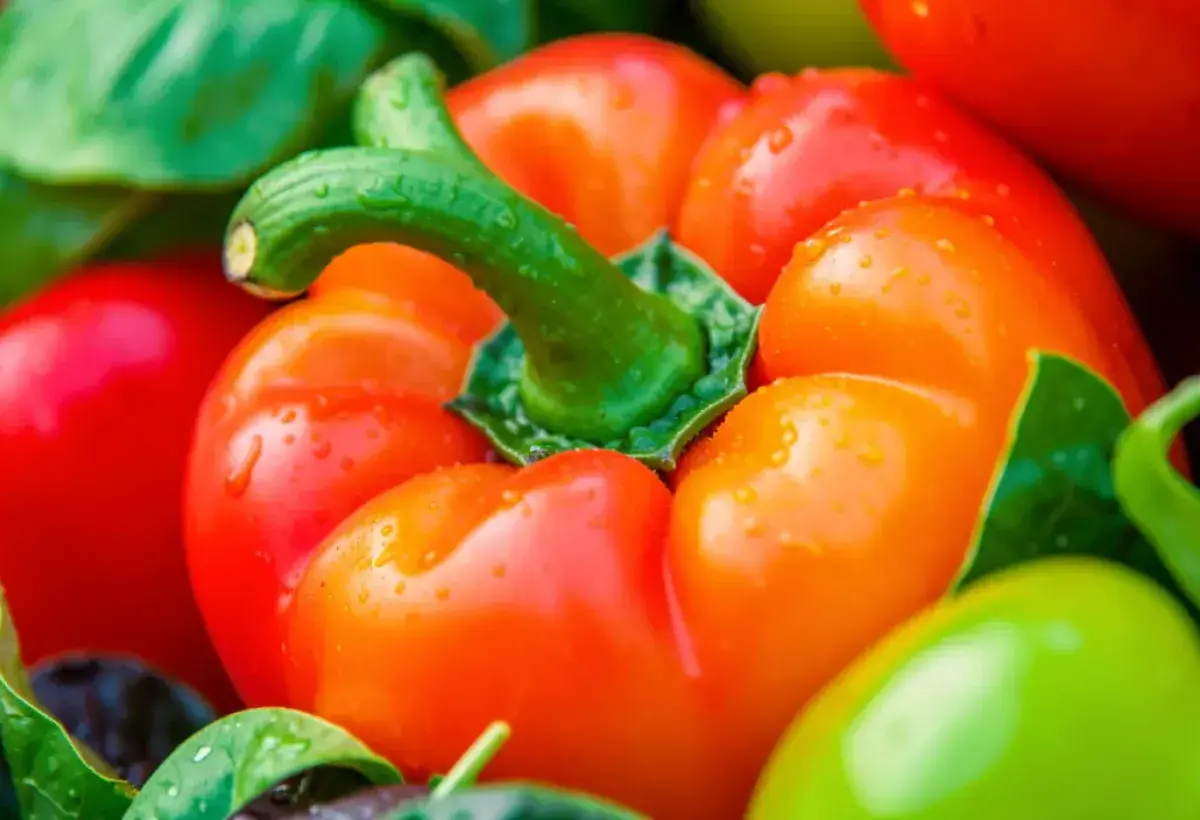
Color is one of the fastest indicators of vegetable freshness. Fresh vegetables usually display rich, even coloring that reflects healthy growth and proper handling. When you see bright greens, deep reds, and vivid oranges, you are often looking at produce that is still full of life. Dull or faded colors can suggest age, improper storage, or nutrient loss.
Uneven coloring can also be a warning sign. Spots that appear overly dark, yellowed, or pale may indicate bruising, decay, or dehydration. While natural variations exist, especially in organic produce, the overall appearance should still feel lively and balanced. Trust your eyes. If a vegetable looks tired or washed out, it likely will not deliver the flavor or texture you expect.
Color also connects directly to nutrition. Many pigments in vegetables come from natural compounds that offer health benefits. Deep green leaves often contain higher levels of vitamins, while rich orange or red vegetables are known for beneficial antioxidants. When color fades, those compounds may be diminished as well. Choosing vibrant produce helps ensure you are getting the most value from what you eat.
When shopping, compare similar vegetables side by side. Pick up two bunches of greens or two bell peppers and notice the difference. Over time, your eye becomes trained to recognize freshness instantly. This habit takes only seconds but can dramatically improve the quality of the vegetables you bring home.
Image
3. Feel the weight
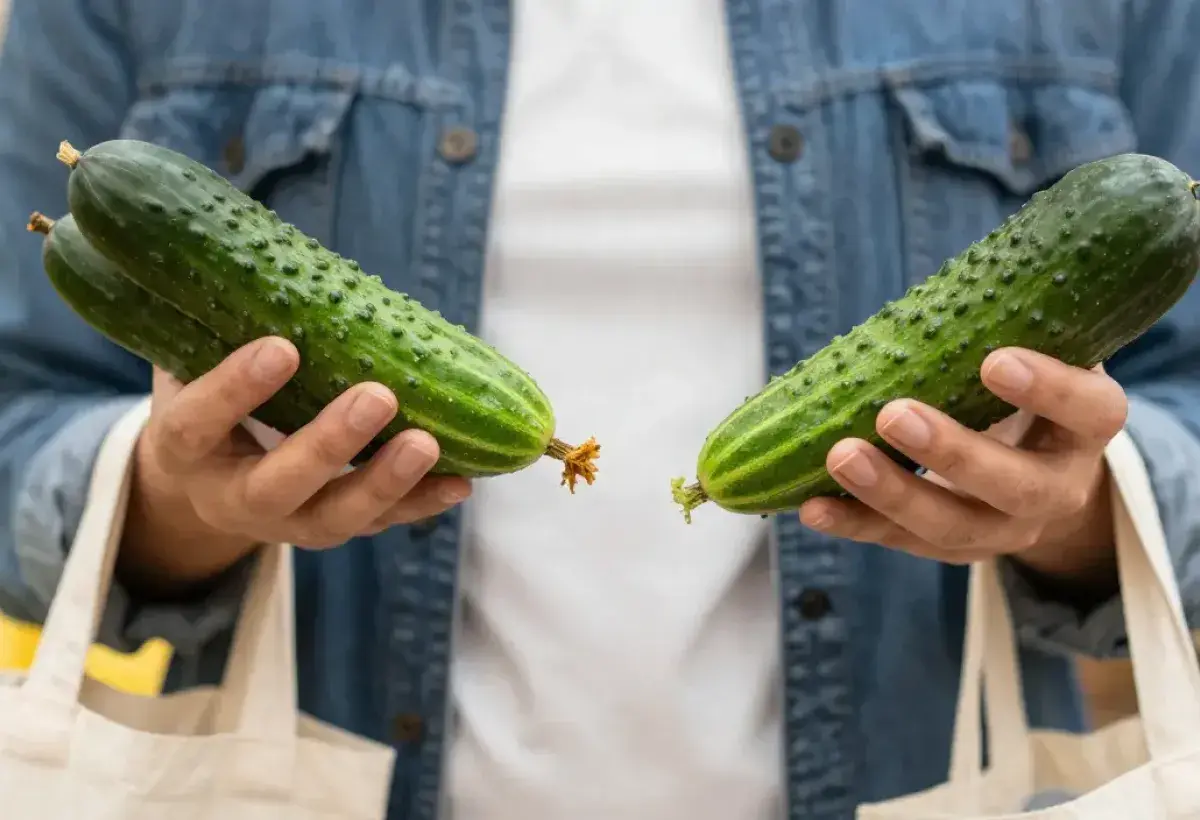
Weight is an often overlooked but extremely useful indicator of freshness. Many vegetables should feel heavier than they look, which usually means they are full of water and have not yet begun to dry out. Moisture is closely tied to texture and flavor, especially in vegetables like tomatoes, cucumbers, and peppers.
When vegetables lose moisture, they become lighter and less firm. This can lead to bland taste and a rubbery or mealy texture when cooked. By lifting and comparing similar sized vegetables, you can quickly tell which ones are fresher. The heavier option is usually the better choice, as it has retained more of its natural juices.
This technique is especially helpful when shopping for root vegetables and squashes. A fresh carrot or zucchini should feel solid and substantial in your hand. If it feels unusually light, it may be old or stored for too long. Weight is a quiet signal, but once you learn to notice it, it becomes incredibly reliable.
Using weight as a guide also reduces waste. Vegetables that retain moisture tend to last longer in your kitchen, giving you more time to use them before they spoil. This simple habit helps you get better value from every purchase while enjoying better quality meals.
Image
4. Inspect the stems and leaves
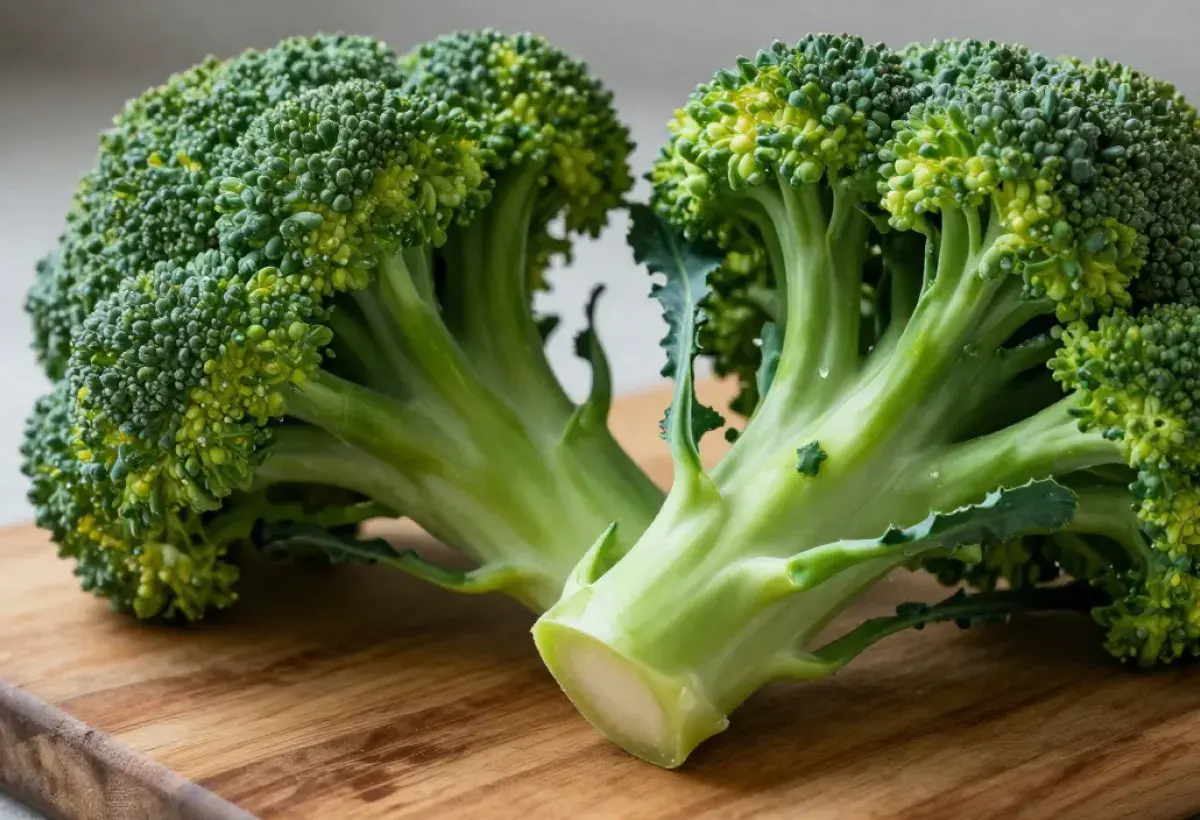
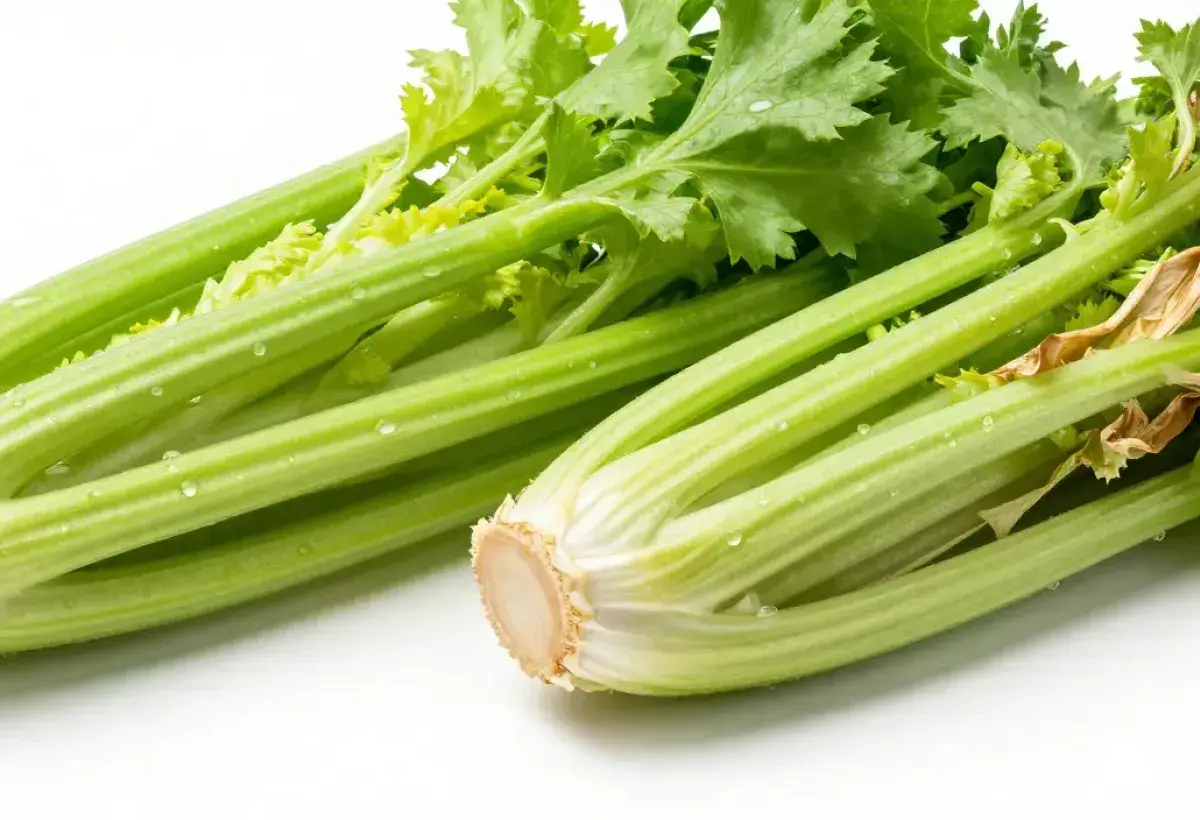
Stems and leaves reveal a great deal about how fresh a vegetable really is. For leafy greens, herbs, broccoli, and celery, these parts should look crisp, firm, and well hydrated. Limp or wilted leaves often indicate age or poor storage conditions. Once moisture is lost, it is difficult to restore freshness.
Fresh stems usually snap cleanly when bent rather than folding or bending softly. This crispness suggests that the vegetable was harvested recently and has been kept in good condition. Yellowing leaves or slimy textures are signs to avoid, as they often indicate decay that may spread quickly.
Leaves also protect vegetables during growth, so their condition reflects how gently the produce was handled. Torn, heavily damaged, or excessively trimmed leaves may suggest rough transport or extended storage. While minor imperfections are normal, overall freshness should still be obvious at a glance.
Taking a moment to inspect stems and leaves helps you avoid vegetables that may spoil quickly once you get home. It also ensures better texture and flavor in your cooking. Vegetables with healthy stems and leaves tend to perform better whether you are roasting, steaming, or eating them raw.
Image
5. Avoid wrinkles and shriveling
Wrinkles and shriveling are clear signs that a vegetable has lost moisture. This dehydration affects both texture and taste. Vegetables that appear wrinkled may feel chewy, tough, or bland when cooked. In some cases, shriveling also signals that spoilage is not far behind.
Pay close attention to the surface of vegetables like peppers, carrots, and squash. Smooth, taut skin usually indicates freshness, while wrinkled or puckered surfaces suggest age. Even if the vegetable is still usable, it will not deliver the same quality as a fresher option.
Dehydration also reduces shelf life. Wrinkled vegetables are more likely to spoil quickly once you bring them home. Choosing smooth, firm produce gives you more flexibility in your meal planning and reduces the pressure to use everything immediately.
Trust your instincts when it comes to appearance. If a vegetable looks tired or dried out, it probably is. Selecting vegetables that appear plump and well hydrated helps ensure better results in both flavor and longevity.
Image
6. Check firmness
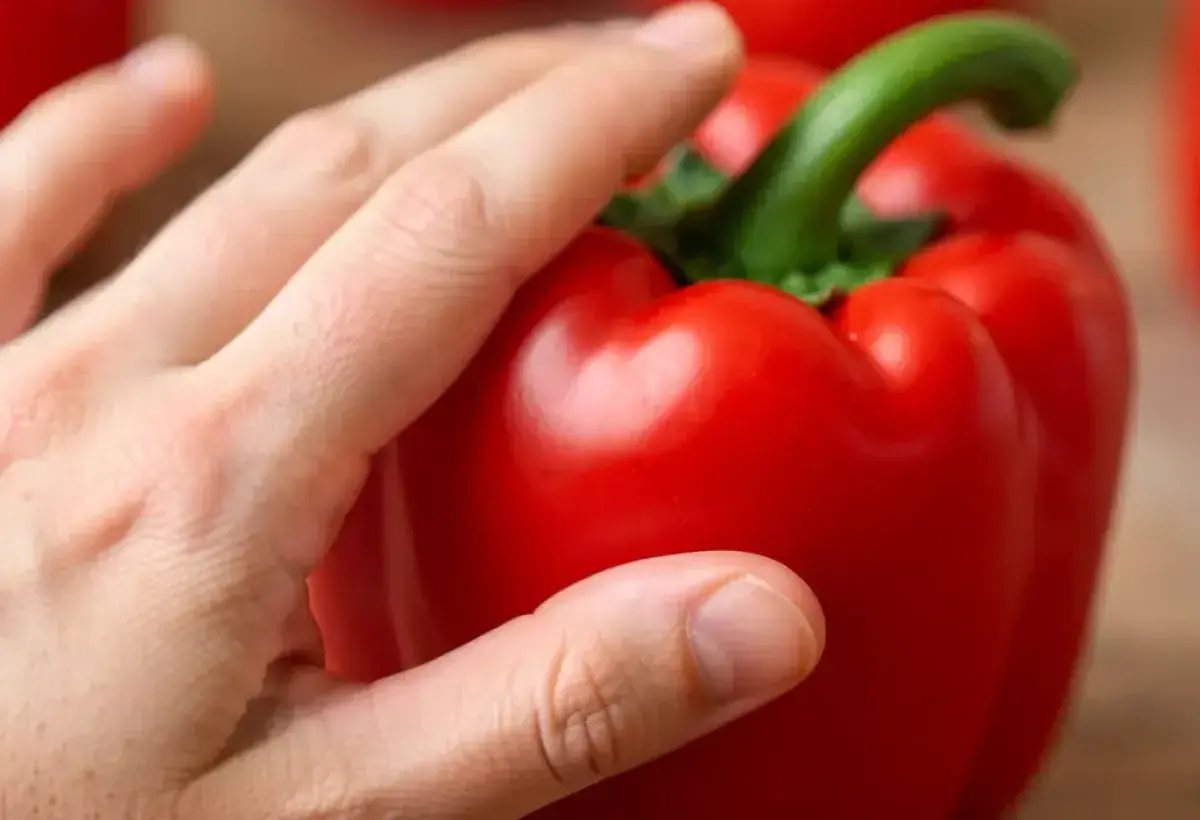
Firmness is a key indicator of freshness for many vegetables. Items like carrots, zucchini, and bell peppers should feel solid and resistant when gently pressed. Soft spots or excessive flexibility often mean the vegetable is past its prime.
Firm vegetables tend to cook more evenly and maintain their structure better. Mushy produce can break down too quickly, leading to unpleasant textures. Checking firmness takes only a second but can save you from disappointment later.
This tip is especially important for vegetables that are meant to be eaten raw. A crisp bite is part of the experience, and softness can ruin it. Firmness also reflects how well the vegetable has been stored and handled.
By consistently choosing firm produce, you build a habit that results in better meals and less waste. Over time, you will instinctively know what each vegetable should feel like when it is fresh.
Image
7. Smell matters
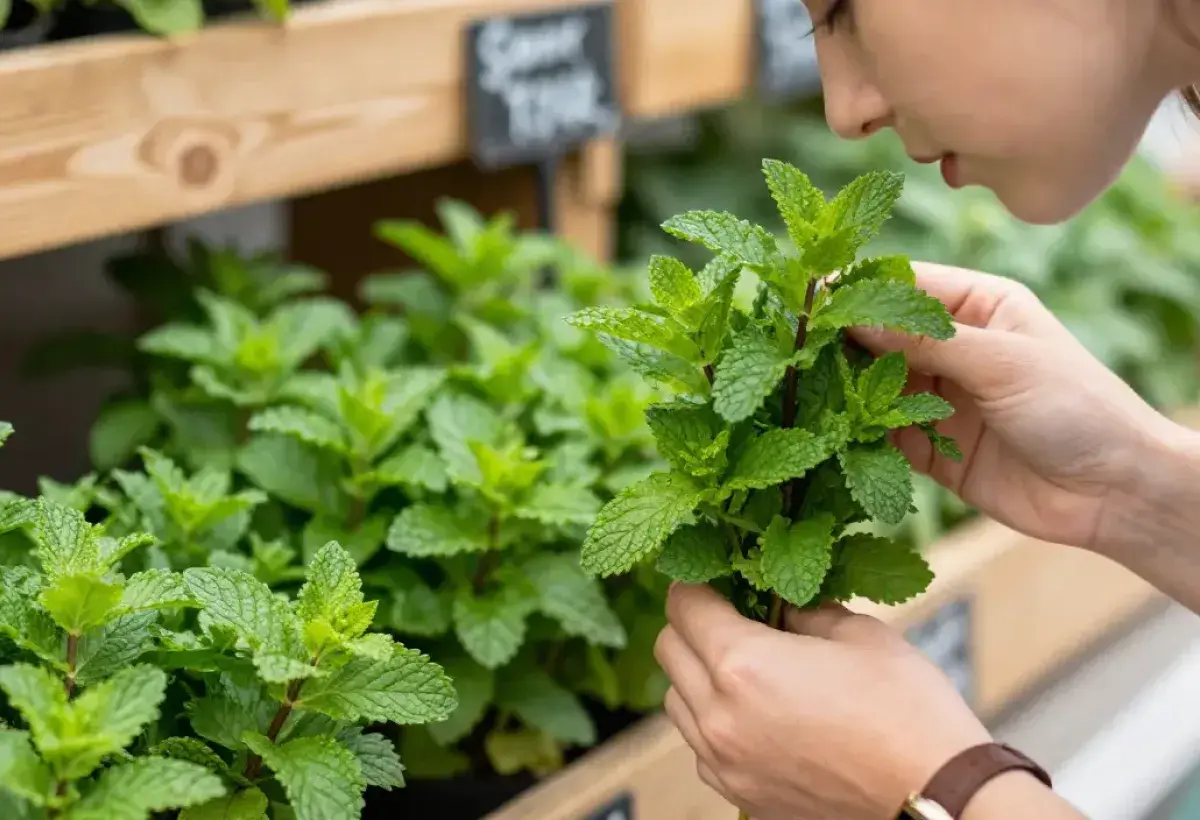
Your sense of smell is a powerful tool when choosing vegetables. Fresh produce typically has a clean, mild, and natural scent. Strong, sour, or musty odors can signal spoilage or fermentation, even if the vegetable looks acceptable.
Certain vegetables, such as onions and greens, have distinct aromas when fresh. Learning these natural scents helps you quickly identify produce that is no longer in good condition. If something smells off, trust that signal.
Smell can also reveal hidden issues. Mold or decay may not always be visible, especially in tightly packed produce. A quick sniff can save you from bringing home vegetables that will spoil quickly.
Using your senses together creates a more reliable assessment. Sight, touch, and smell all work as a team. When they align, you can be confident in your choice.
Image
8. Watch out for cuts and bruises
Small surface marks are often harmless, but deep cuts and bruises can lead to rapid spoilage. Damaged areas allow bacteria and moisture to enter, accelerating decay. Even if the rest of the vegetable looks fine, these weak points can shorten its lifespan.
Bruised vegetables may also develop off flavors and mushy textures. This is especially true for items like tomatoes and squash. While minor imperfections are normal, avoid produce with soft spots or visible mold.
Inspect vegetables carefully, especially if they are stacked or packed tightly. Damage often occurs during transport or handling. Choosing intact produce gives you better quality and longer storage time.
Being selective helps reduce food waste and ensures you get the most value from your purchase. A few seconds of inspection can make a noticeable difference.
Image

9. Buy whole when possible
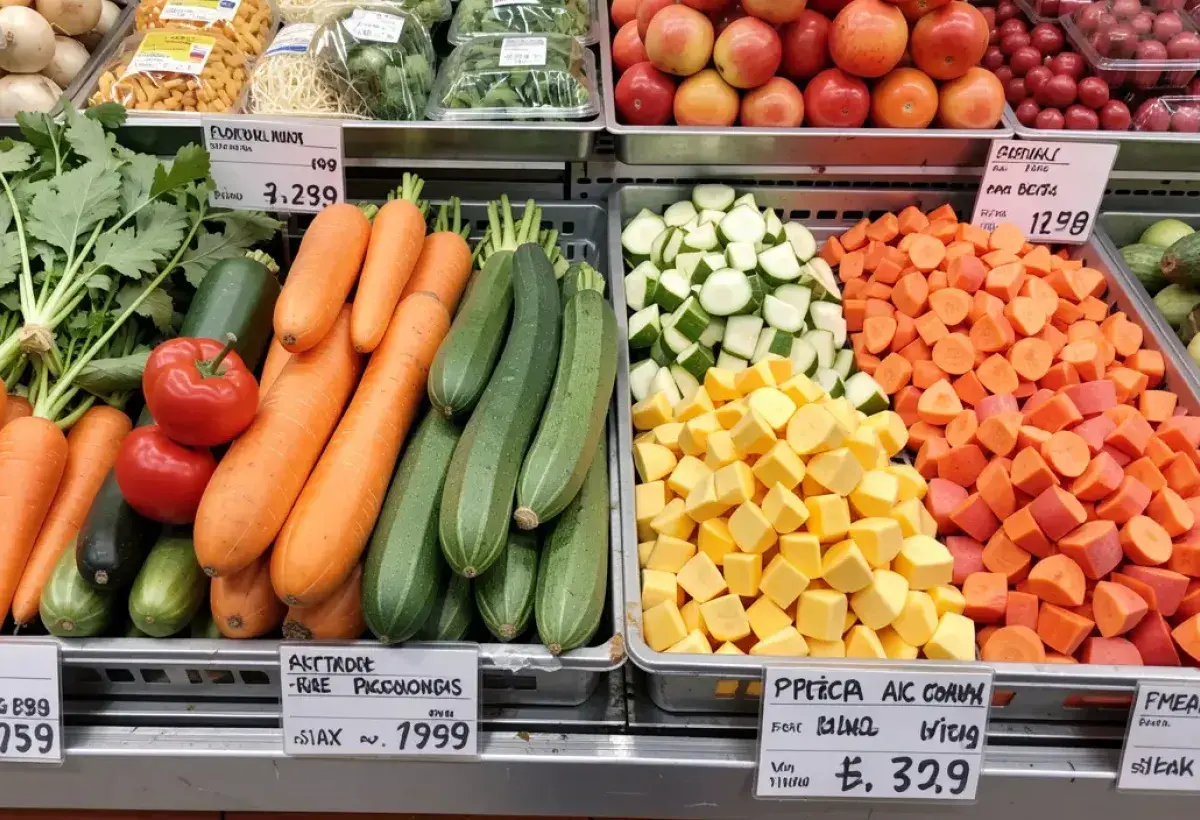
Whole vegetables generally stay fresh longer than precut options. Once a vegetable is cut, it begins to lose moisture and nutrients more quickly. Exposure to air also increases the risk of contamination and spoilage.
While precut vegetables may seem convenient, they often sacrifice quality and shelf life. Whole produce allows you to control preparation and ensures maximum freshness until you are ready to use it.
Buying whole vegetables also encourages mindful cooking. Preparing your own ingredients can be satisfying and helps you connect more closely with your food. It also allows you to customize cuts and portions.
Whenever possible, choose whole vegetables and prepare them at home. The extra effort pays off in flavor, texture, and longevity.
Image
10. Shop at trusted local markets
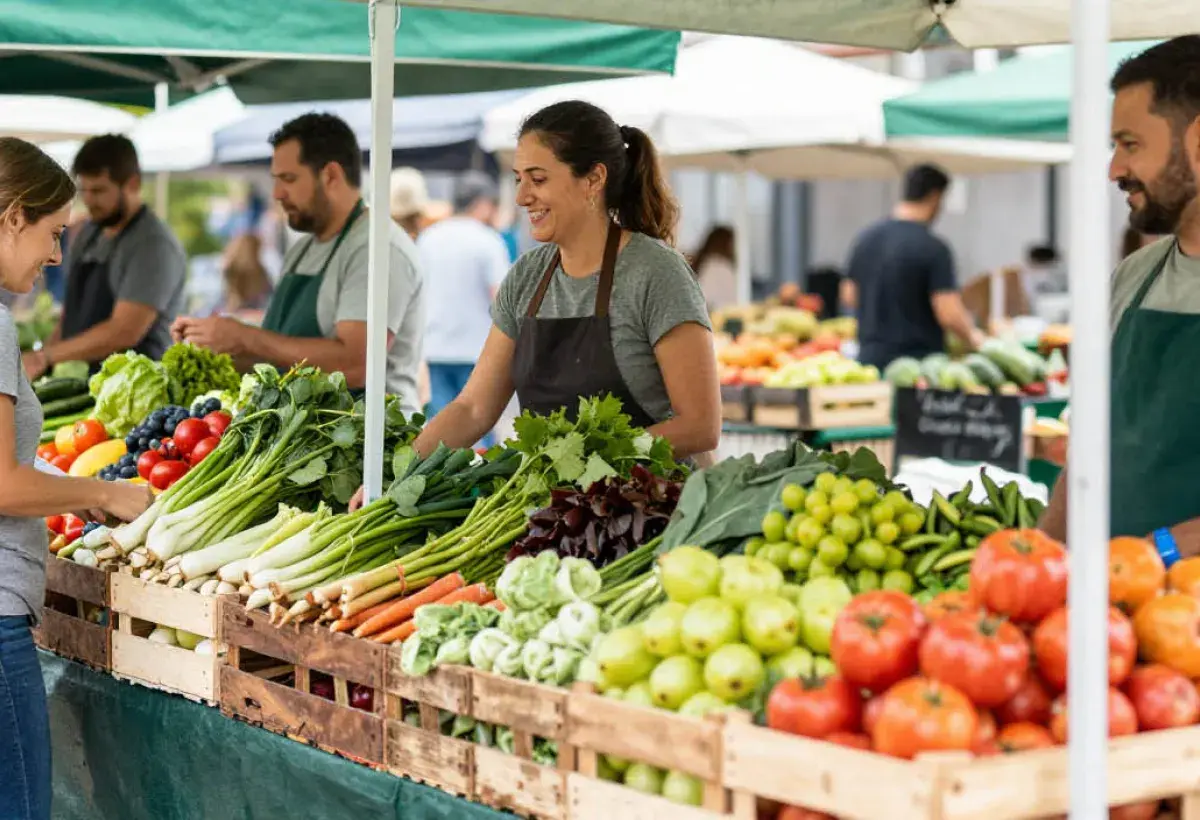
Where you shop matters just as much as what you buy. Trusted local markets and farmers markets often carry produce that has been harvested more recently. Shorter supply chains usually mean fresher vegetables.
Local vendors are also more knowledgeable about their products. They can tell you when items were harvested and how best to store them. This information adds value and confidence to your shopping experience.
Supporting local markets helps strengthen your community and encourages sustainable practices. Fresher produce often requires fewer preservatives and less packaging.
Building relationships with trusted sellers helps ensure consistent quality. Over time, you learn which sources deliver the best vegetables, making shopping easier and more enjoyable.
Image
Choosing fresh vegetables every time is not about perfection. It is about awareness, practice, and trusting your senses. With a little attention, grocery shopping becomes less of a routine task and more of an informed decision that supports your health and lifestyle. Each small habit you build adds up to better meals and a more enjoyable cooking experience.
Fresh vegetables bring natural flavor and texture to your kitchen. They make simple dishes shine and reduce the need for heavy seasoning. When produce is at its best, it speaks for itself. By applying these tips, you create a foundation for cooking that feels intentional and satisfying.
Over time, these habits become second nature. You will walk through markets with confidence, knowing exactly what to look for and what to avoid. This confidence saves time, reduces waste, and ensures you bring home ingredients you are excited to use.
A quality lifestyle is built on daily choices. Choosing fresh vegetables is one of the simplest and most rewarding choices you can make. With these smart tips, you can enjoy better food, better value, and better results every time you shop.
Image