


I did not realize it was February 14.
The day arrived quietly, without announcement in my own life. It was only when I stepped outside and saw red everywhere roses wrapped in plastic, heart-shaped balloons drifting above sidewalks, chocolates stacked like trophies that I remembered the world had declared it Valentine’s Day again.
For years now, Valentine’s Day in our home has been simple. My sons and I cook something special not extravagant, but intentional. We set the table a little more carefully. We dim the lights. We choose a film. We rarely go out. We make it feel luxurious in our own way.
As both father and mother to them, I made sure love inside our home was never dependent on bouquets or restaurant reservations. It was measured by presence. By laughter shared across a table. By the quiet safety of belonging. Perhaps, for my sons, Valentine’s Day means exactly that: not romance, but home.
But more than two decades ago, I experienced a different kind of Valentine’s Day.
Nothing about it was grand at the beginning. No gown. No dramatic gestures. No box of chocolates. Just an early dinner invitation from a gentleman. He fetched me at around five in the afternoon. We drove to a restaurant near the sea, not far from where I lived. We sat at a table facing the water, watching small boats drift under a descending sun.
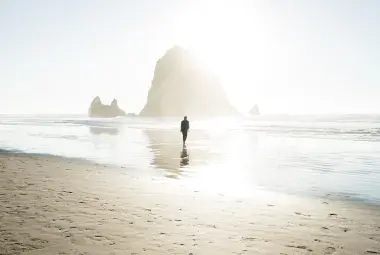
Around 5:30, he leaned slightly closer and said the sunset was more beautiful from the other side, where its reflection stretched across the water. Curious, I removed my sandals. We stepped into a small paddle boat and moved about three hundred meters away from shore. There, floating quietly, was a bamboo raft with a small linen roof. It was wide enough to move comfortably. When we climbed aboard, I saw it: a small table at the center, draped in white linen, adorned with candles, flowers, and fruit. The sea shimmered in gold. The sky was dissolving into light.
Image
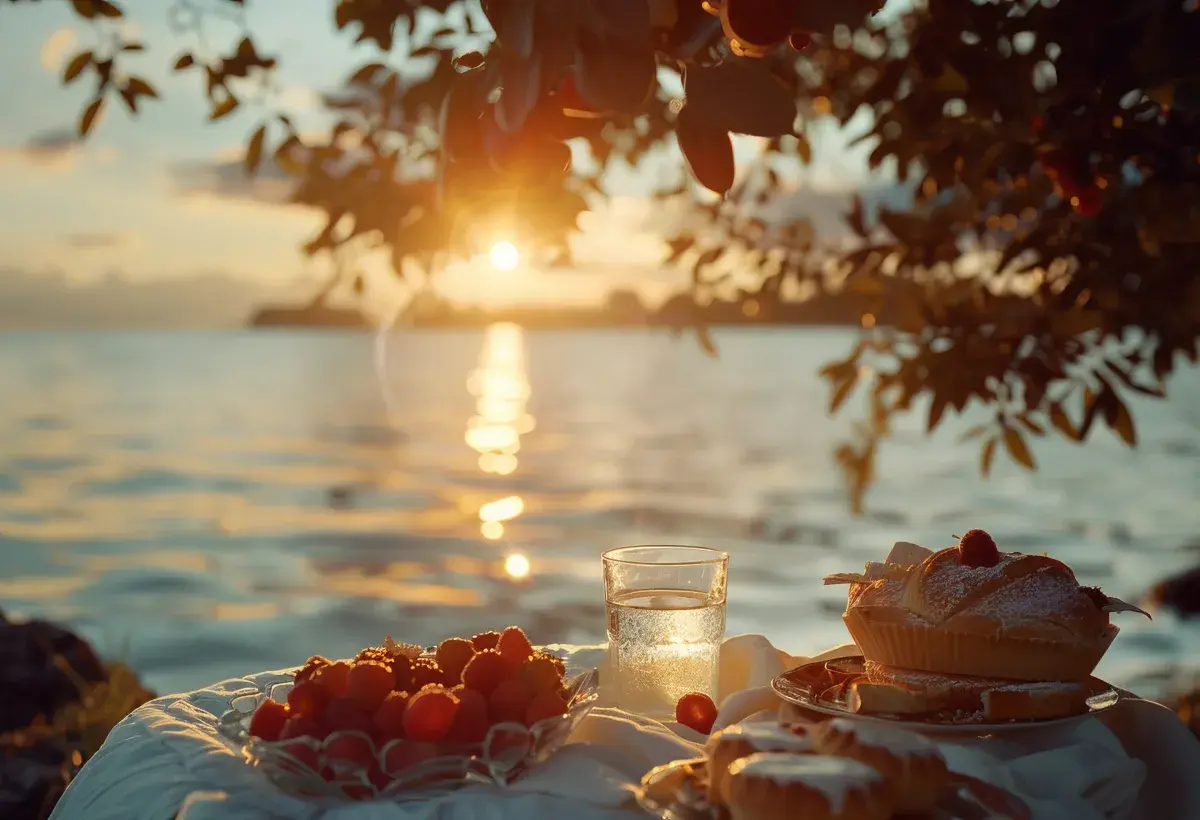
“This is our dinner table,” he said.
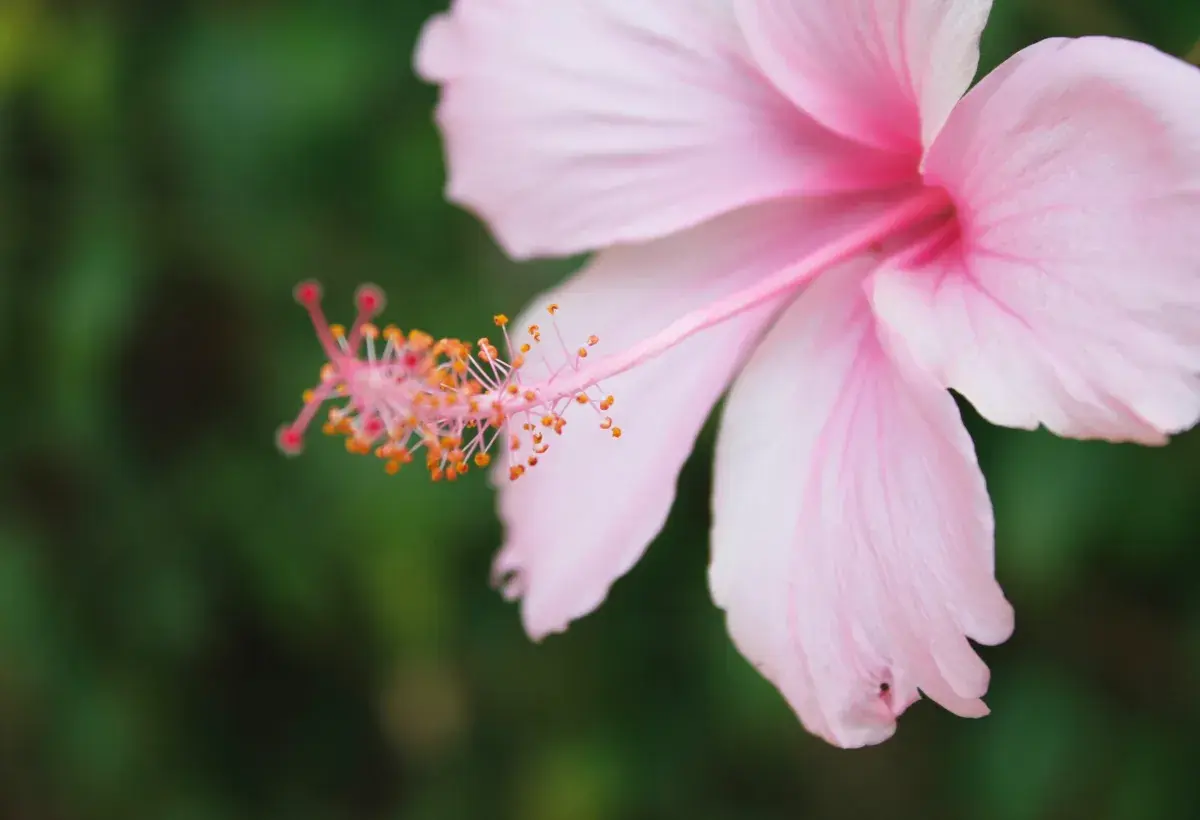
A waiter dressed in a simple white shirt approached and placed a gumamela flower gently behind my ear. That moment remains pressed in my memory like a flower kept between pages. He never reached for my hand. . .he never crossed a boundary.
We were absorbed in the vastness of nature and in the dignity of the space we occupied. The sun felt like our only witness. Then he spoke of his wife how much he adored and respected her. He told me he had gone through his lowest season, a moment when he thought he might lose not only himself but his family. And then he thanked me. “For what?” I asked.
“You were there at exactly the right time,” he replied. “You unknowingly fixed something. You don’t need to know how. Just… thank you.”
It felt like a scene from a film, yet it was real. That evening was not about romance in the usual sense. It was about gratitude. About timing. About respect. It was about two people who understood the sacredness of boundaries. He was a gentleman, and I respected him deeply. That was my first and last Valentine’s date.
Today, as I walked through the city, the contrast felt overwhelming.
Image

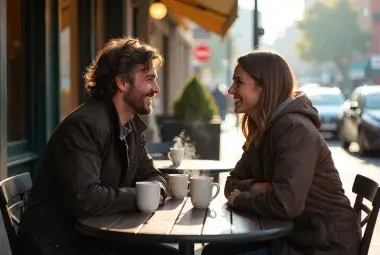
Couples filled every street and park.
Young girls carried bouquets wrapped in red paper. Women held gift bags and chocolates. Men proudly clasped hands male to female, female to female, male to male each pair dressed carefully for the occasion. Restaurants overflowed. Every corner seemed painted in red. They all looked happy.
Yet as I stood among them, I felt something shift inside me. The movement grew loud, almost frantic. It felt as though everyone was carrying proof of love in their hands. The air became heavy with performance.
Suddenly, I felt alone. Not alone because I am unloved, my home is filled with meaning. But alone in the noise. Alone in the spectacle. I found myself retreating to a quiet park, shielding myself from the celebration. I began asking questions not out of bitterness, but out of curiosity. Who declared February 14 as Valentine’s Day? How did one day become the global stage for affection?
Historically, the date is associated with Saint Valentine, a figure linked to compassion and acts of love in ancient Rome. Over centuries, the tradition evolved through poetry, cultural customs, and eventually commercial enterprise. In countries like Japan, women give chocolates to men on this day, reversing the typical narrative seen elsewhere.
What began as a quiet acknowledgment of love slowly transformed into an international industry. Perhaps that is what unsettled me. Valentine’s Day today feels amplified. Curated, photographed, and packaged. Each couple appears as if representing the day itself models of affection, ambassadors of romance. The “Heart Day” has become a performance.
But the Valentine’s Day I remember the one at the center of the sea was hidden. It was not loud. It did not ask to be seen. It did not need validation. It was simply two human beings sitting under a linen roof, floating in golden water, respecting the space between them. That memory lingers not because it was extravagant, but because it was pure.
Love, when it is deepest, does not need to announce itself.
It does not compete.
It does not measure itself against others.
It exists quietly, like the reflection of the sun on water visible only to those who pause long enough to notice.
As I watched hundreds of couples today, I realized my sadness was not about longing for romance. It was about longing for silence. For intimacy unexposed. For love that does not need to be staged… that single gumamela flower remains more vivid in my memory than all the roses I saw today.
It was given without audience.
It was received without expectation.
And it was held in a space called respect.
Where love is quiet, respect becomes its truest language.
I carry one sunset in my heart, and it has been enough.
Image