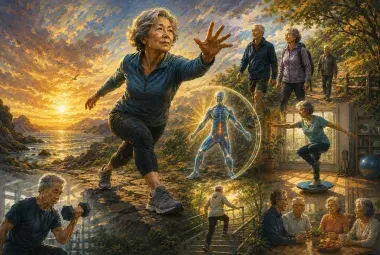
Aging does not weaken love. It refines it.
When we are young, we fall in love with intensity. Everything feels urgent, bright, electric, and we chase chemistry and excitement. We want someone who makes our hearts race and our world feel bigger.
But life has a way of reshaping us. Somewhere between building careers and burying loved ones, between raising children and facing our own mortality, our understanding of relationship matures. Experience humbles us. Loss sobers us. Time educates us. And the lens changes. It is no longer about who makes your heart race but becomes who steadies it.
Because after you have lived long enough, you realize relationships are not meant to burn quickly, they are meant to endure. In later life, what matters shifts quietly. You are no longer impressed by charm or public displays. You are drawn to someone who understands your silence. Someone who does not need constant noise to feel connected, someone whose presence feels calm, and not complicated. Dramatic declarations of love lose their appeal. What you long for instead is consistency. Steadiness. Emotional safety.
Aging humbles us in ways youth never could.
The body slows down. Energy fluctuates, friends relocate, some loved ones pass away, and in those quiet moments. . . the hospital visits, the empty chairs at family gatherings, the evenings when the house feels too still, and the meaning of relationship becomes crystal clear. It is no longer about status, not about appearance, not about social validation but becomes about emotional security. Because in aging, the greatest fear is rarely death. It is disconnection. It is the quiet house. The empty dining table. And your stories with no one who remembers how they began.
Image
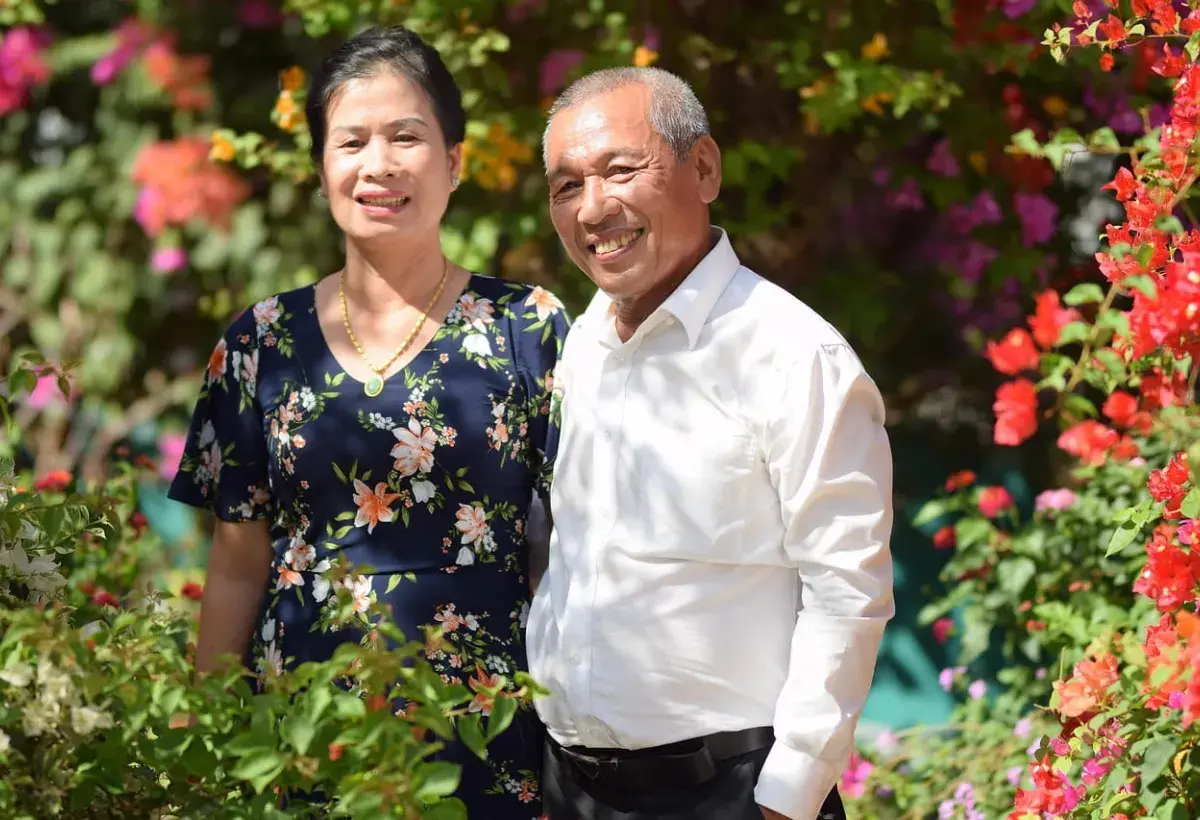
Relationships in later life become less about passion and more about partnership.
Less about attraction and more about alignment. You start to value conversations that are calm instead of chaotic. Gentleness instead of intensity. Respect instead of control. You appreciate someone who remembers your medical appointments without being asked. Someone who notices when you are more tired than usual. Someone who understands that sometimes your mood is shaped by pain, by memory, or by vulnerability and responds with patience instead of criticism.
Aging reveals fragility, yes. But it also reveals depth.
After decades of living, loving, losing, and learning, you carry a depth that youth cannot yet understand. And that depth reshapes how you see companionship. You realize that strong relationships are not built on grand gestures. They are built on simple, steady foundations. The kind that rarely draw attention but quietly hold everything together. Consistency becomes more meaningful than excitement. Patience more valuable than intensity. Kindness more attractive than charm. Forgiveness no longer optional, but necessary. And shared history that becomes sacred.
Shared history is more than memory.
It is emotional evidence that your life has been witnessed. That someone remembers who you were before the wrinkles, before the gray hair, before the world changed. There is something profoundly comforting about being known. Not just for who you are today, but for who you have been. Someone who remembers your younger dreams, your middle-aged fears, your private struggles, your quiet victories.
Image

To age alongside someone is to witness evolution. You see wrinkles form, you see resilience strengthen, you see grief endured . . and yes, you see how character refined. And that witnessing creates a kind of intimacy that no new connection can replicate overnight.
Another truth aging teaches you? There is no energy left for unnecessary conflict, drama feels heavy, ego feels exhausting, and pride feels pointless. Older adults often say they want calm in a relationship. Not boredom, not indifference, but calm. The kind that allows you to breathe fully in someone’s presence. Peace becomes priceless.
A relationship in later life must feel safe.
Safe to express fear about health.
Safe to talk about mortality.
Safe to admit loneliness.
Safe to discuss regrets without judgment.
Emotional safety becomes more important than excitement. As life narrows physically, emotional depth expands. Retirement magnifies this truth. When titles disappear and routines shift, when the busyness that once distracted you fades away. . . what remains? Connection. If there is emotional intimacy, retirement feels rich. If there is distance, it can feel painfully empty. That is why relationships in aging require intention. Listening more patiently, speaking more gently, forgiving more quickly, and appreciating more openly.
Image
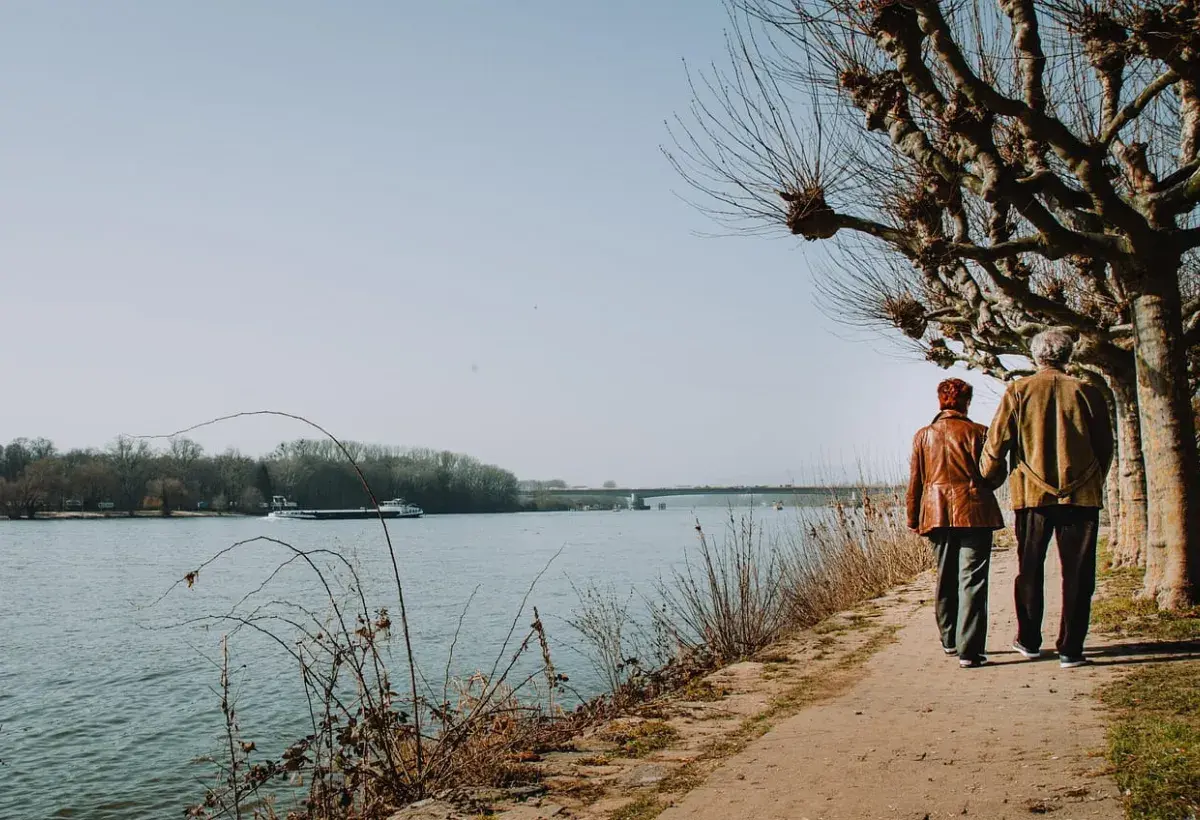
Small acts become monumental.
Sitting together over morning coffee, walking slowly in the late afternoon, watching familiar shows without saying much, and holding hands without needing a reason. These gestures may seem ordinary. But when time becomes visible, presence becomes sacred. And here is the deeper realization that only lived experience can teach: At this stage of life, the right companion matters above all.
Not just a lover. Not just a spouse. But your real partner in life.
Your buddy.
Your best friend.
The one who laughs with you when memory fails.
The one who holds your hand when strength fades.
The one who has seen you at your worst and stayed.
The right companion does not compete with you. They walk beside you. They do not try to shine over you. They protect the light you share. In the end, aging does not ask us to relive youth. It asks us to value companionship. Not to chase intensity, but to cultivate peace. Not to perform love, but to preserve it.
And when two people choose kindness over ego, patience over pride, presence over distraction, aging feels like shared endurance and it feels like dignity.
It feels like coming home. . . together.
Image
Suggested citation
Lendez, M. (2026). Aging and Relationships: The Shift from Passion to Peace. Chikicha.
About the Author
Dr. Mariza Lendez, DBA, is the developer of the Ikigai–Bayanihan Purpose-Driven Retirement Framework, a community-centered model that redefines aging through purpose, connection, and sustainable living. Her work focuses on helping individuals navigate aging with clarity, dignity, and informed decision making.
Grateful to Pixabay’s contributors. Thank you for sharing your beautiful photos.