


Anxiety often feels like an invisible weight pressing on your chest. It creeps in without warning, leaving your thoughts scattered and your heart racing. Many people assume that anxiety is inherently bad. It is often portrayed in popular media as a weakness or a flaw. But what if anxiety is actually a sign that your brain is working hard to protect you? Understanding anxiety requires looking beyond its discomfort and into the complex neural mechanisms that generate it.
Anxiety is a natural, evolutionary response that serves a survival purpose. For millions of years, human brains have relied on an internal alarm system to detect threats. This system is designed to make us alert, focused, and prepared to respond to danger. The problem is that modern life is filled with challenges that are not life threatening. The same brain circuits that evolved to help us escape predators now react to emails, presentations, traffic, or social interactions. When these signals are misaligned with actual danger, anxiety can feel overwhelming and confusing.
The Brain Behind Anxiety
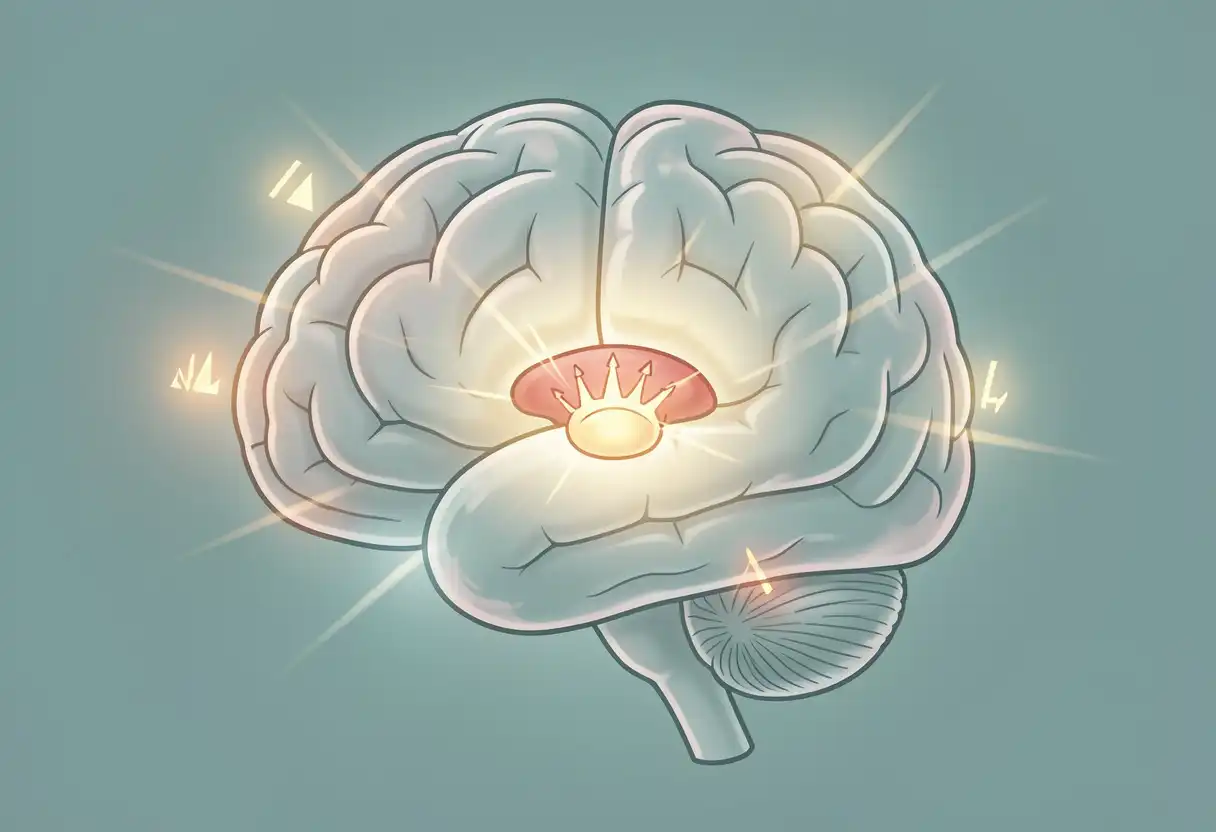
Your brain is an intricate network of structures that process information at different speeds and with varying priorities. One of the central players in anxiety is the amygdala. This almond-shaped cluster of neurons deep in the temporal lobe functions as the brain’s fear center. Its job is to identify potential threats quickly and initiate an appropriate response.
The amygdala communicates with other brain regions, including the prefrontal cortex, which is responsible for reasoning, planning, and decision making. The remarkable aspect of this system is that the amygdala often reacts before the prefrontal cortex even has a chance to weigh in. This is why anxiety can appear almost out of nowhere. You may feel nervous, uneasy, or fearful before you consciously understand why. The amygdala does not differentiate between a real and a perceived threat. Its goal is to alert you immediately so that you can take action if necessary.
Image
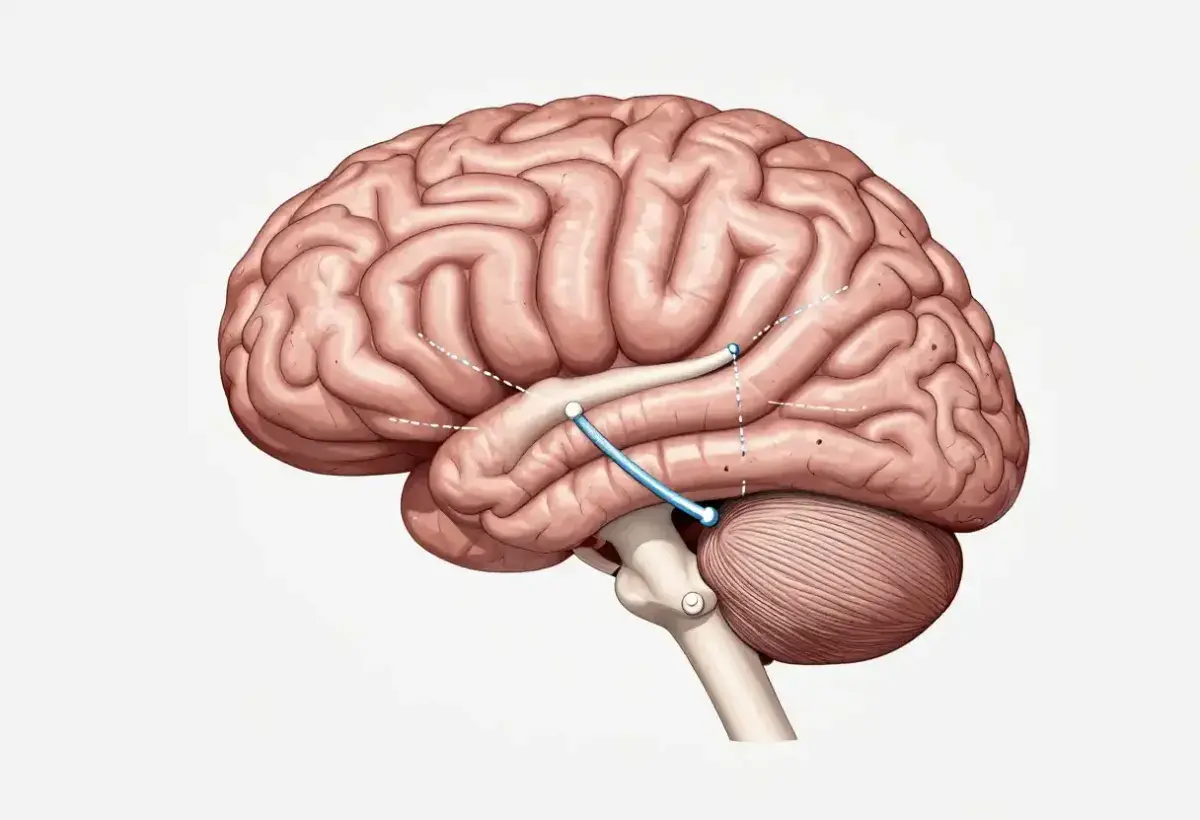
LeDoux, a renowned neuroscientist, explains that the amygdala acts as an early warning system that evolved to protect humans from life-threatening situations. In prehistoric times, this rapid response could mean the difference between life and death. Although our modern environment presents fewer physical threats, the amygdala still reacts to social and psychological stressors as if they were dangerous.
When Anxiety Becomes Unhelpful
While anxiety is fundamentally protective, it becomes unhelpful when the brain misinterprets safe situations as dangerous. Common triggers include public speaking, social events, or even approaching new experiences. In these instances, the alarm system is overactive, producing symptoms such as racing heartbeat, sweating, shallow breathing, and heightened alertness.
The intensity of anxiety is not always proportional to the actual threat. Your body may react as if you are facing a predator even when you are simply waiting for a meeting to start. This mismatch can create a cycle where anxiety feeds on itself, leading to avoidance behaviors and reinforcing fear.
Cognitive behavioral therapists often describe this as the brain learning to overreact to perceived threats. Over time, this can shape your thoughts, beliefs, and behavior patterns, making it more challenging to engage in everyday life confidently. Recognizing that anxiety is the bodyguard it is supposed to be can help shift the perspective from self-criticism to curiosity.
Image

The Language of Anxiety
Anxiety communicates through physical sensations, thoughts, and emotions. It is not a random malfunction; it is a signal system trying to convey information. Understanding this language requires attention and reflection. Asking the question, “What is this anxiety trying to protect me from?” is more constructive than, “Why am I anxious?”
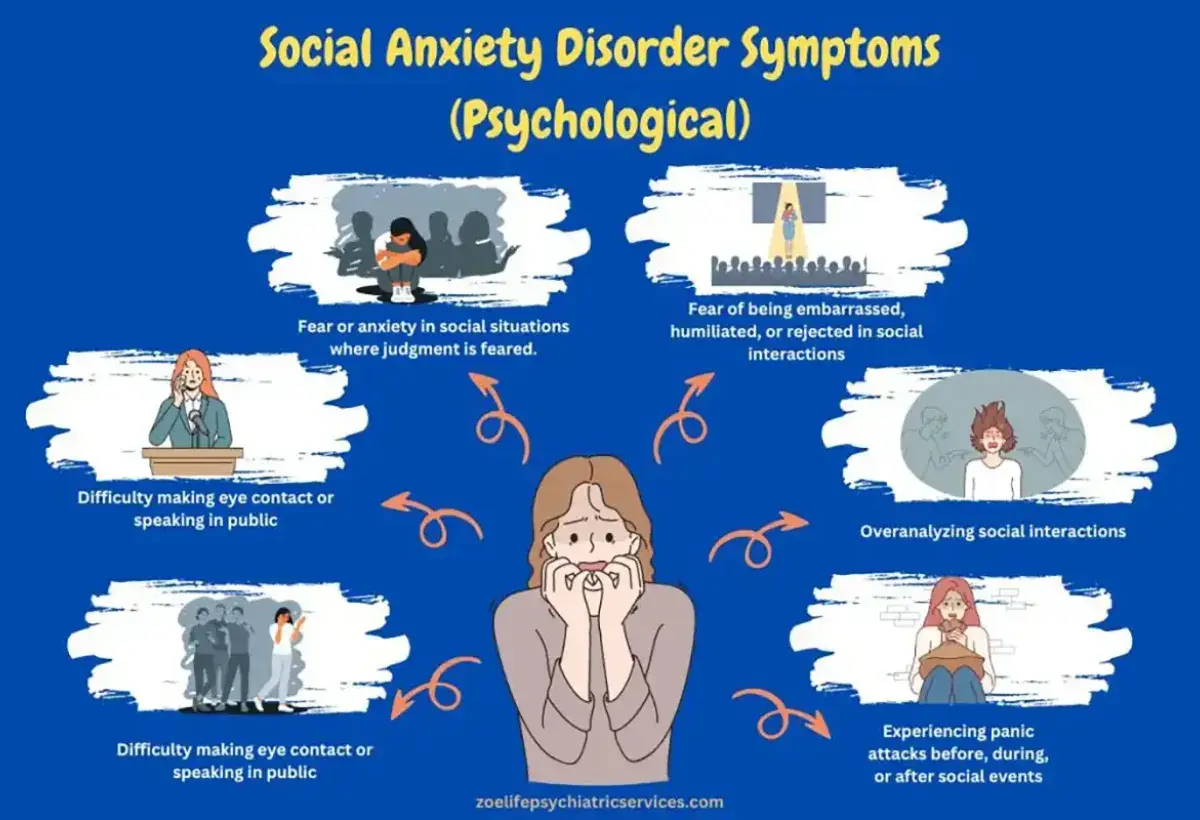
Physical sensations such as muscle tension, rapid heartbeat, and shallow breathing indicate that your body is preparing for action. Cognitive symptoms include racing thoughts, difficulty concentrating, and catastrophic thinking. Emotional manifestations range from restlessness and irritability to dread and fear. Paying attention to these cues provides insight into your brain’s priorities and helps identify underlying concerns that may not be immediately conscious.
Image
Practical Strategies for Managing Anxiety
While anxiety can be uncomfortable, it is manageable. Experts recommend a combination of mindfulness, grounding techniques, and reflective practices to retrain the alarm system and reduce the intensity of symptoms.
Grounding Techniques
The 5-4-3-2-1 technique is a simple yet effective method to bring attention to the present moment. Identify five things you can see, four things you can feel, three things you can hear, two things you can smell, and one thing you can taste. This practice anchors your mind and shifts focus away from the anxious spiral.
Breathwork
Box breathing involves inhaling for four counts, holding for four counts, exhaling for four counts, and holding again for four counts. This rhythmically balances oxygen intake and nervous system activation, promoting calm and focus.
Journaling
Writing down anxious thoughts can clarify patterns and triggers. Journaling allows you to externalize your worries and examine them objectively. Over time, this process can reveal recurring themes, helping you anticipate and prepare for situations that activate anxiety.
Image

The Role of Lifestyle in Anxiety Regulation
Lifestyle choices play a crucial role in how anxiety manifests and persists. Adequate sleep, balanced nutrition, and regular physical activity contribute to neurological and hormonal balance. Sleep deprivation increases amygdala activity and reduces prefrontal cortex regulation, intensifying anxiety responses. Similarly, poor nutrition and dehydration can amplify stress responses, leaving the brain more reactive.
Exercise is a particularly potent tool. Aerobic activity, yoga, and even brisk walking release endorphins and modulate the stress response system. Physical activity also improves sleep quality and cognitive function, reinforcing resilience against anxiety. Mindfulness practices, including meditation and body scans, train attention and enhance prefrontal cortex control over the amygdala, promoting emotional regulation.
Reframing Anxiety as a Signal
Shifting perspective on anxiety can transform how you relate to it. Instead of viewing it as a personal flaw or a burden, consider it a signal of your brain’s vigilance. Just as smoke indicates a fire nearby, anxiety indicates something in your environment or internal state that warrants attention.
Mindfulness and cognitive behavioral approaches emphasize curiosity and self-compassion. Observing anxiety without judgment reduces the emotional charge and allows you to respond rather than react. By reframing anxiety as information rather than interference, you empower yourself to make deliberate choices about action and coping strategies.
Image

Anxiety in Modern Society
Modern life presents unique challenges that amplify anxiety. Social media, constant notifications, and the expectation of continuous productivity create an environment of heightened alertness. The amygdala reacts to digital stimuli in the same way it would react to a real threat, producing stress responses that may feel disproportionate.
Understanding that anxiety is context dependent helps normalize the experience. Feeling anxious about a high stakes presentation or social interaction does not mean something is wrong with you. It indicates that your brain is assessing risk and preparing you for engagement. Recognizing this distinction reduces self-criticism and promotes adaptive coping strategies.
Professional Support and Therapy
While lifestyle strategies are beneficial, severe or persistent anxiety may require professional support. Therapists can provide tools such as cognitive behavioral therapy, exposure therapy, and acceptance-based approaches to retrain the brain’s response patterns. Medications may also be indicated in certain cases to regulate neurotransmitters involved in anxiety.
Therapist-backed interventions focus on skill development, emotional regulation, and cognitive restructuring. Working with a professional provides structure, accountability, and guidance, enabling more sustainable management of anxiety.
Image

Final Takeaway
Anxiety is not an enemy. It is an overworked bodyguard performing its job with impressive diligence. By understanding its mechanisms, acknowledging its signals, and employing practical strategies, you can transform anxiety from a source of distress into a source of insight.
Curiosity, self-compassion, and consistent practice are key. The goal is not to eliminate anxiety entirely, but to train it to respond proportionately, guide decision making, and enhance your ability to navigate complex environments.
In essence, anxiety is a misunderstood ally. Its alarm system is trying to protect you. Learning to interpret its signals and respond intentionally allows you to harness anxiety as a source of personal insight and growth.
Image
References
LeDoux, J. (2015). Anxious: Using the brain to understand and treat fear and anxiety. Viking.
American Psychiatric Association. (2013). Diagnostic and statistical manual of mental disorders (5th ed.). American Psychiatric Publishing.
Hofmann, S. G., & Gómez, A. F. (2017). Mindfulness-based interventions for anxiety and depression. Psychiatric Clinics of North America, 40(4), 739-749.
Barlow, D. H. (2002). Anxiety and its disorders: The nature and treatment of anxiety and panic (2nd ed.). Guilford Press.