


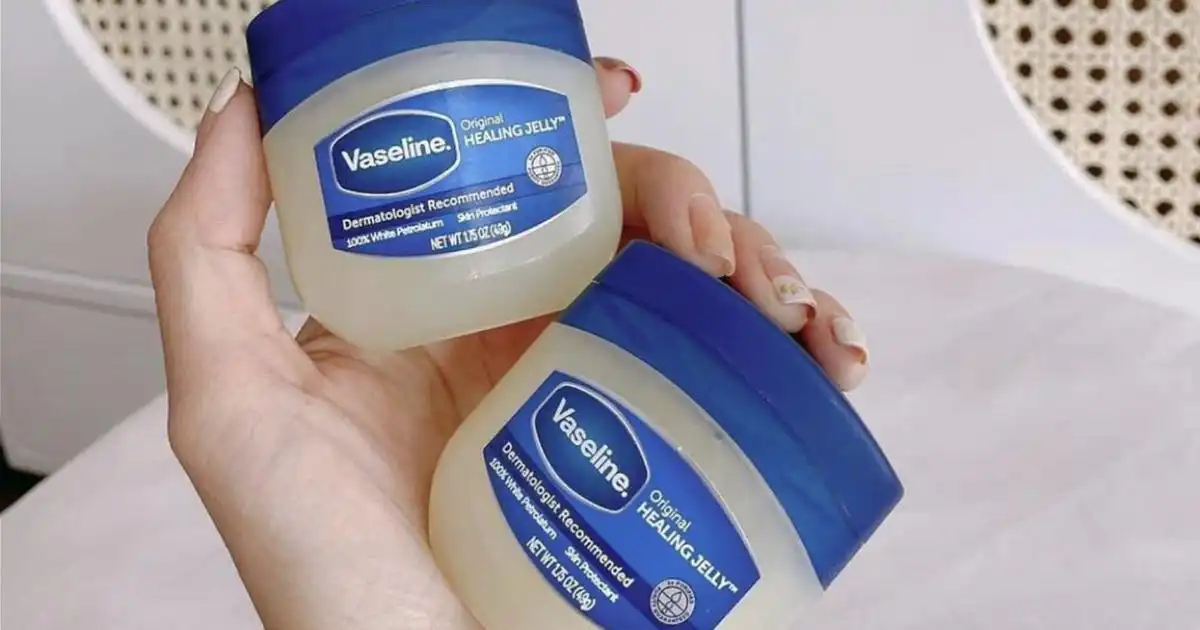
From bathroom cabinets to backstage makeup kits, Vaseline has remained one of the most recognizable and trusted skincare products in the world. For more than a century, this simple jar of petroleum jelly has quietly served families, explorers, actors, and everyday people looking for reliable skin protection. It may look plain and unassuming, yet its story is anything but ordinary. Behind that smooth and glossy texture lies a fascinating history filled with unexpected discoveries, bold marketing, scientific innovation, and cultural impact.
Most people think of Vaseline as something you reach for when your lips are cracked or your skin feels dry. However, its journey from oil field residue to global household essential is surprisingly dramatic. It began in the age of industrial oil drilling, traveled through the era of Arctic exploration, and eventually made its way into film studios and cosmetic counters. Along the way, it earned a reputation for durability, versatility, and reliability that few products can match.
What makes Vaseline truly remarkable is not just how long it has lasted, but how adaptable it has been. While the beauty and skincare industries have introduced countless new ingredients and high tech formulas, petroleum jelly has maintained a loyal following. Scientists appreciate its protective qualities, dermatologists recommend it for sensitive skin, and creative minds continue to discover new ways to use it.
If you think you already know everything about this iconic jelly, think again. From accidental discoveries to surprising habits of its inventor, the story of Vaseline is full of quirky and little known details.
1. It was discovered by accident!
The story of Vaseline begins with an unexpected observation in the oil fields of Pennsylvania during the 1860s. A young chemist named Robert Chesebrough traveled to the region to investigate new oil extraction processes. At the time, petroleum drilling was still in its early stages, and workers were constantly experimenting with ways to refine and transport crude oil. During his visit, Chesebrough noticed something unusual. Oil workers were collecting a thick residue that built up on drilling equipment. They called it rod wax.
Image
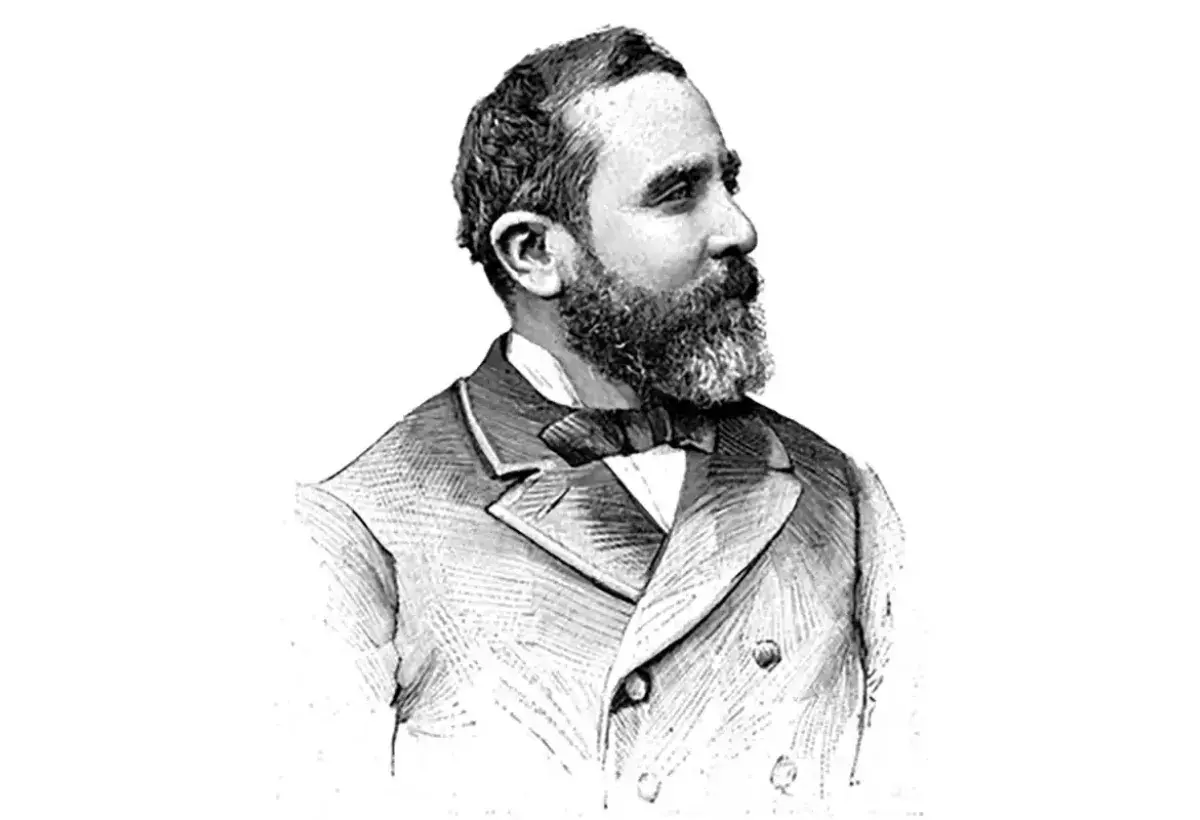
Although drillers considered rod wax a nuisance because it clogged machinery, they also believed it had healing properties. Workers would apply the sticky substance to cuts, burns, and scrapes. Chesebrough became intrigued by these claims and decided to study the material more closely. After refining and purifying the residue in his laboratory, he developed a smoother and safer version of the substance.
What started as industrial waste became a revolutionary product. Chesebrough saw potential where others saw inconvenience. He began traveling around New York to demonstrate its healing benefits. To prove his confidence, he would sometimes burn his own skin and apply the jelly to show how it aided recovery. This bold marketing tactic helped build trust among skeptical audiences.
The accidental discovery of rod wax transformed into one of the most successful skincare products in history. Without that curious moment in the oil fields, Vaseline might never have existed. It is a perfect example of how innovation often begins with simple observation and a willingness to look closer at overlooked materials.
2. The name comes from two languages
The name Vaseline was carefully crafted to reflect the nature of the product while also sounding scientific and trustworthy. Robert Chesebrough understood that branding would play a major role in the success of his invention. Instead of choosing a random name, he combined elements from two different languages to create something distinctive.
The first part of the word comes from the German word Wasser, which means water. The second part comes from the Greek word elaion, meaning oil. By blending these linguistic roots, Chesebrough created the name Vaseline. The combination subtly hinted at the product’s relationship to both oil and moisture protection. Even though petroleum jelly does not contain water, it interacts with the skin in a way that helps preserve moisture.
Image
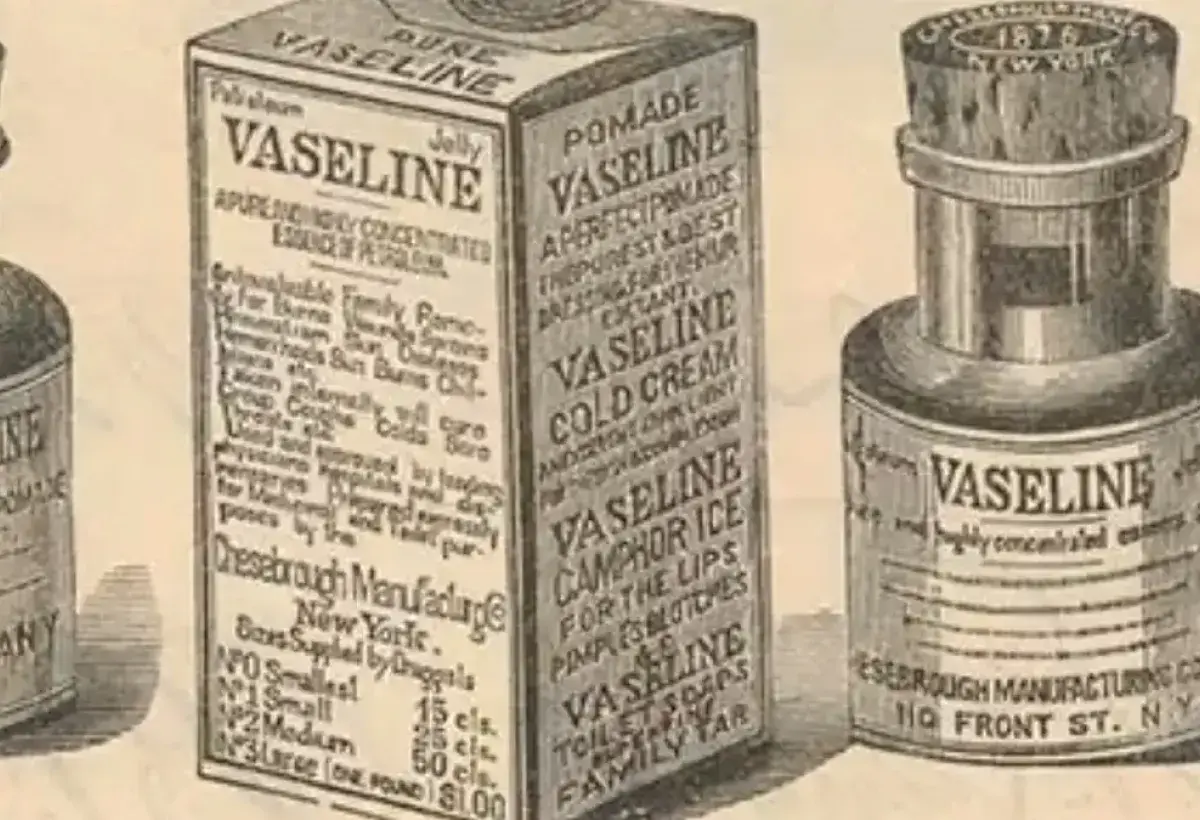
In the nineteenth century, scientific sounding names were especially powerful in marketing. Consumers often trusted products that appeared to have academic or European origins. The blend of German and Greek influences gave Vaseline an international feel that suggested research and refinement. It sounded more credible than a simple descriptive term like oil jelly.
Over time, the name became synonymous with petroleum jelly itself. In many places, people use the word Vaseline to describe any similar product, even if it comes from a different brand. This level of brand recognition shows how effective the naming strategy was. More than one hundred years later, the word still carries authority and familiarity.
The careful construction of the name demonstrates how branding can shape public perception. A thoughtful combination of language helped transform a refined oil residue into a trusted household essential.
3. Chesebrough ate a spoonful every day
Robert Chesebrough was not just the inventor of Vaseline. He was also its most enthusiastic promoter. According to historical accounts, he believed so strongly in the benefits of his product that he consumed a spoonful of petroleum jelly every day. While this may sound unusual today, it was not uncommon during the nineteenth century for inventors to publicly demonstrate their confidence in their creations.
Image

Chesebrough wanted to show that Vaseline was safe and versatile. At a time when consumer protection laws were limited, personal demonstrations carried significant weight. By ingesting the product himself, he signaled that it was harmless and pure. This bold gesture helped convince people that the jelly could be trusted for external use and beyond.
His commitment to promotion went even further. During public demonstrations, he sometimes inflicted minor burns on his skin and then applied Vaseline to show how it supported healing. These dramatic displays captured attention and generated curiosity. Crowds were fascinated by the visible results and the inventor’s confidence.
Although modern medical advice does not recommend consuming petroleum jelly, Chesebrough’s habit became part of the brand’s lore. It reinforced the image of Vaseline as a dependable and multi purpose product. His belief in the jelly was so strong that he reportedly lived into his nineties, which some admirers credited to his daily spoonful ritual.
This unusual fact highlights the passion behind the product’s early success. Chesebrough did not simply invent Vaseline and step away. He actively championed it, building a legacy that continues to this day.
4. It was originally marketed as a cure all
When Vaseline first entered the market, it was promoted as far more than a simple skin protectant. In the late nineteenth century, advertisements often described it as a remedy for a wide range of ailments. Early marketing materials claimed that it could soothe chapped skin, relieve burns, ease sore throats, and even help with chest colds.
Image
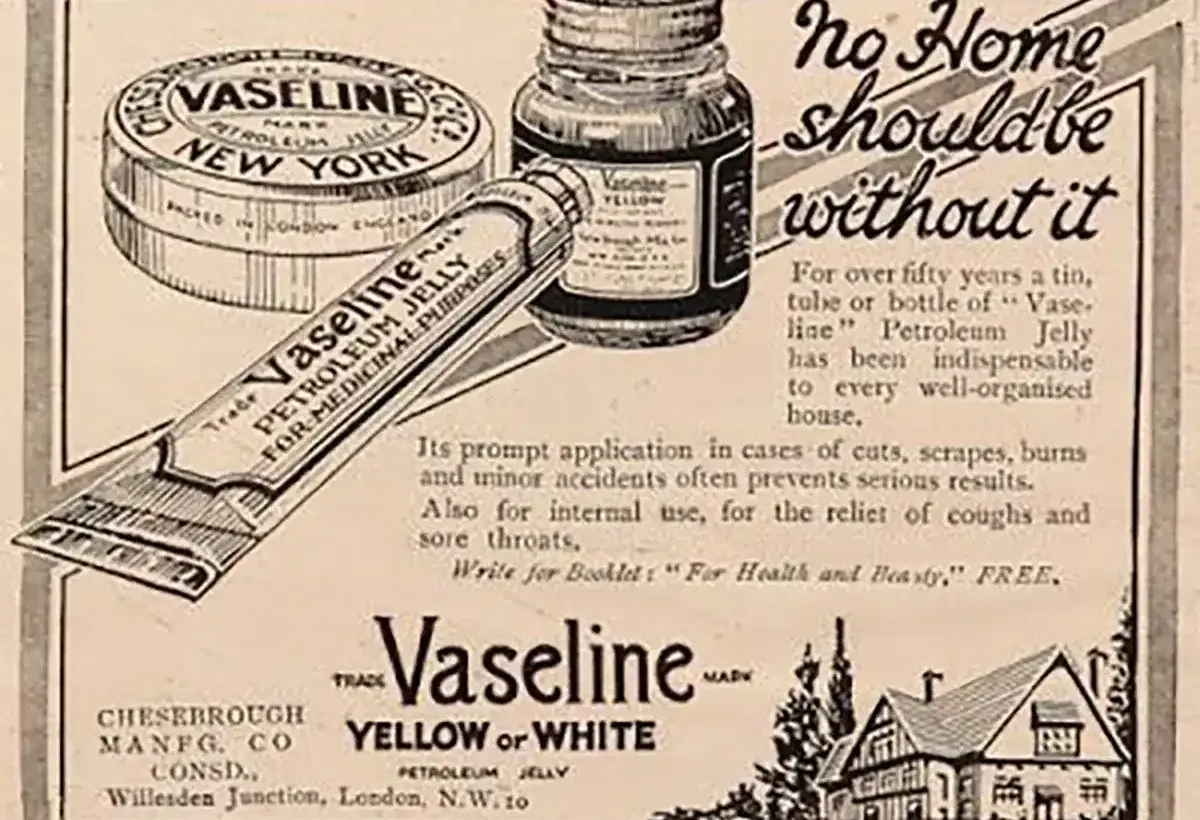
This broad approach to advertising reflected the medical culture of the time. Many products were labeled as cure alls because scientific research was still developing. Consumers were eager for solutions, and companies often highlighted multiple potential uses to attract attention. Vaseline fit perfectly into this environment because of its protective and soothing qualities.
Pharmacies and general stores displayed jars of petroleum jelly alongside tonics and herbal remedies. The packaging emphasized purity and refinement. Chesebrough secured patents and awards that added credibility to his claims. Over time, as medical standards evolved, marketing became more focused on skin care and moisture protection rather than sweeping health promises.
Despite the shift in advertising language, the versatility of Vaseline remained a selling point. People discovered countless practical uses at home, from protecting minor cuts to preventing chafing. The idea of it being a universal helper persisted, even if the official claims became more conservative.
The history of Vaseline as a cure all reveals how marketing trends evolve. It also shows how a simple product can adapt to changing scientific standards while maintaining its core identity as a reliable skin protectant.
5. It helped people survive the Arctic
Vaseline’s usefulness extended far beyond households and pharmacies. During the age of polar exploration, it played a role in protecting adventurers from extreme weather. One notable explorer associated with its use was Robert Peary, who led expeditions to the Arctic in the late nineteenth and early twentieth centuries.
In freezing temperatures, exposed skin is vulnerable to dryness, cracking, and frostbite. Explorers needed a reliable barrier to shield their faces and hands from harsh winds and icy air. Petroleum jelly provided a practical solution. When applied to the skin, it formed a protective layer that reduced moisture loss and limited direct exposure to the elements.
Image
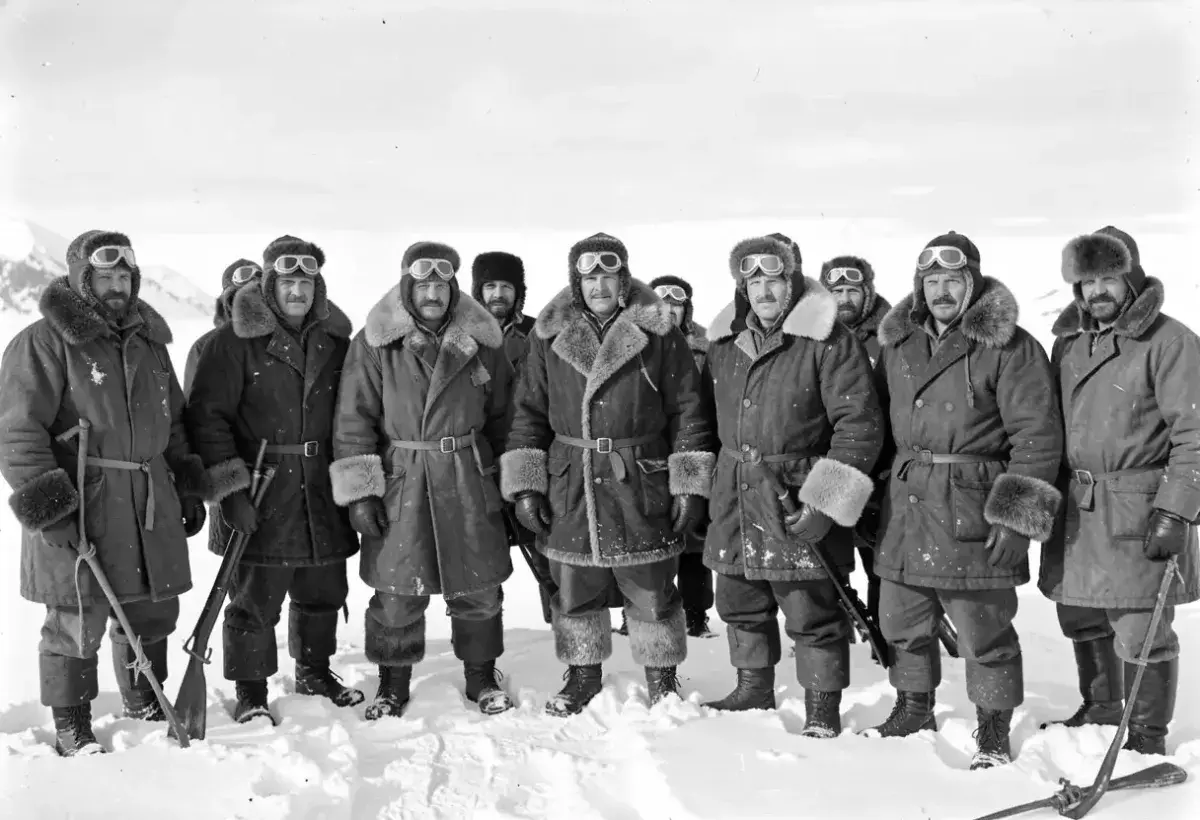
Supplies for Arctic expeditions had to be compact and versatile. Vaseline fit these requirements perfectly. It could be used for skin protection, equipment maintenance, and even minor first aid. Its stability in cold conditions made it especially valuable. Unlike some creams that might freeze or separate, petroleum jelly remained usable.
The association with daring explorers added to the product’s reputation. If it could withstand Arctic conditions, it surely could handle everyday dryness. This connection strengthened consumer confidence and reinforced the idea that Vaseline was dependable in extreme situations.
The story of its role in polar survival demonstrates how a simple substance can become essential in extraordinary circumstances. From oil fields to icy frontiers, Vaseline proved that its protective qualities were not limited to ordinary life.
6. Vaseline is practically immortal
One of the most surprising qualities of Vaseline is its remarkable stability. Unlike many cosmetic and skincare products that expire within months or a few years, petroleum jelly has an exceptionally long shelf life. When stored properly in a sealed container, it can remain usable for decades without spoiling.
Image
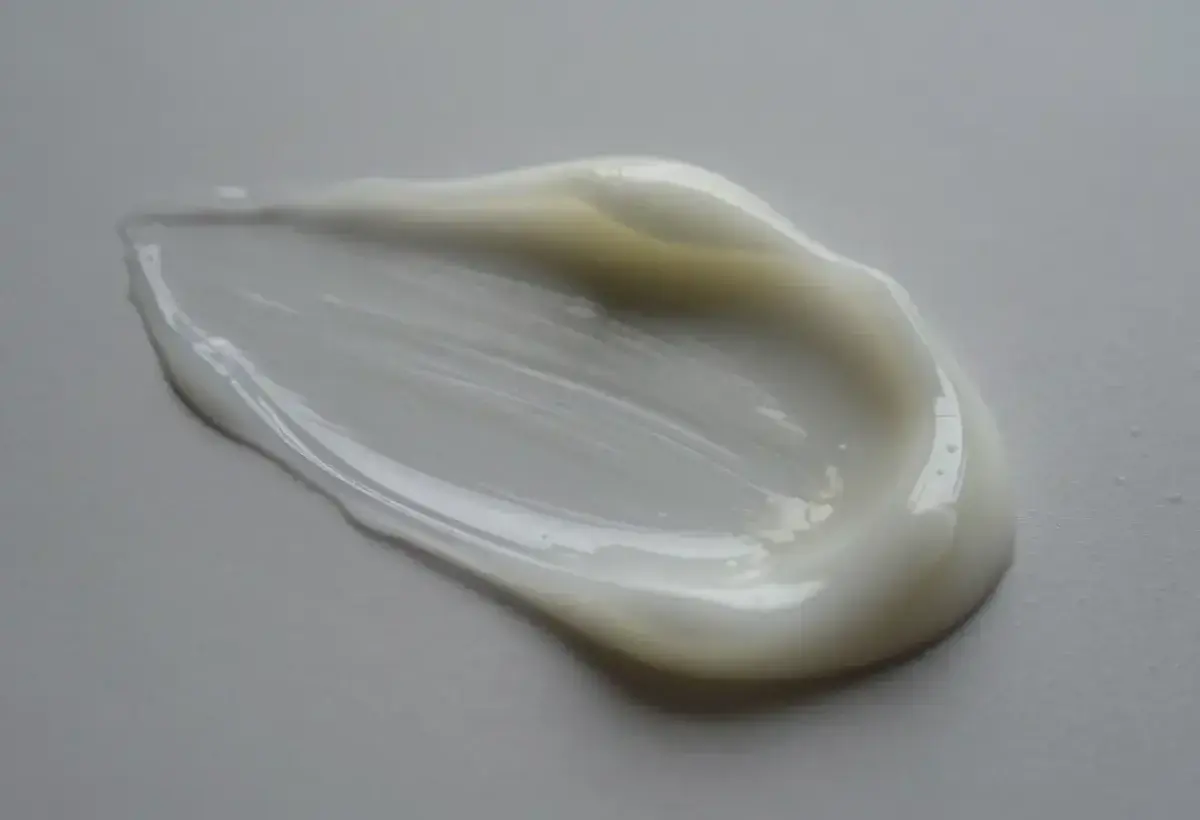
This longevity is due to its chemical composition. Petroleum jelly is a highly refined mixture of hydrocarbons. Because it does not contain water and lacks active biological ingredients, it does not easily support bacterial growth. It also does not oxidize or break down in the same way that plant based oils can. As a result, unopened jars can sit on shelves for years with little change in texture or effectiveness.
For consumers, this durability adds value. A single jar can last through countless uses without the worry of rapid expiration. It also means that emergency kits and first aid supplies containing petroleum jelly remain reliable over long periods of time. In environments where stability is crucial, such as travel or outdoor activities, this resilience is especially beneficial.
The idea that a simple jelly can endure for decades contributes to its reputation as timeless. While packaging designs and marketing campaigns have evolved, the core formula has remained consistent. That consistency reinforces trust. People know that the jar they purchase today offers the same dependable protection that generations before them relied upon.
In a world where products are frequently updated and reformulated, the near immortality of Vaseline stands out. Its stability is not just a scientific curiosity. It is a practical advantage that has helped it maintain a permanent place in households around the globe.
7. It locks in moisture, but does not add it
Many people assume that Vaseline actively hydrates the skin. In reality, its primary function is slightly different. Petroleum jelly acts as an occlusive agent, meaning it forms a barrier on the surface of the skin. This barrier helps prevent existing moisture from evaporating into the air.
Human skin naturally contains water. After washing your face or taking a shower, some of that moisture begins to escape. When a thin layer of petroleum jelly is applied, it seals the surface and reduces transepidermal water loss. This is why dermatologists often recommend applying it on damp skin for best results. The jelly traps the water that is already present rather than introducing new hydration.
Image
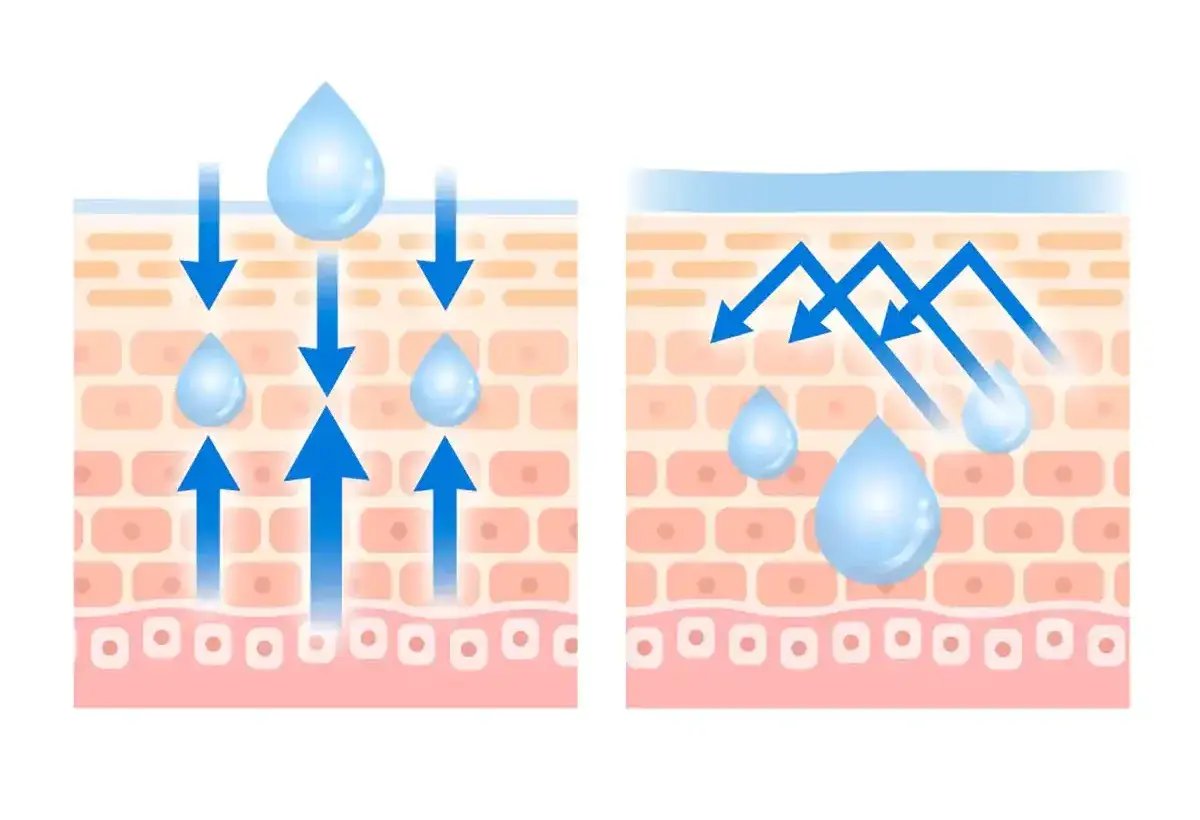
Understanding this mechanism explains why Vaseline feels soothing even though it does not contain traditional moisturizing ingredients like glycerin or hyaluronic acid. Its strength lies in protection. By shielding the skin from environmental factors such as wind and dry air, it allows the body’s natural repair processes to function more effectively.
This barrier function also makes it useful for minor cuts and scrapes. By covering the area, petroleum jelly helps maintain a moist environment that can support healing. It is simple yet scientifically sound.
Recognizing that Vaseline locks in moisture rather than adding it highlights its unique role in skincare. It complements other products instead of competing with them. When used correctly, it becomes a powerful ally in maintaining healthy and resilient skin.
8. It is used in makeup and Hollywood special effects
Beyond everyday skincare, Vaseline has found a creative home in the entertainment industry. Makeup artists often use petroleum jelly to achieve specific visual effects that look natural on camera. Its glossy finish makes it ideal for creating the appearance of dewy skin, shiny eyelids, or soft highlighted cheekbones.
Image
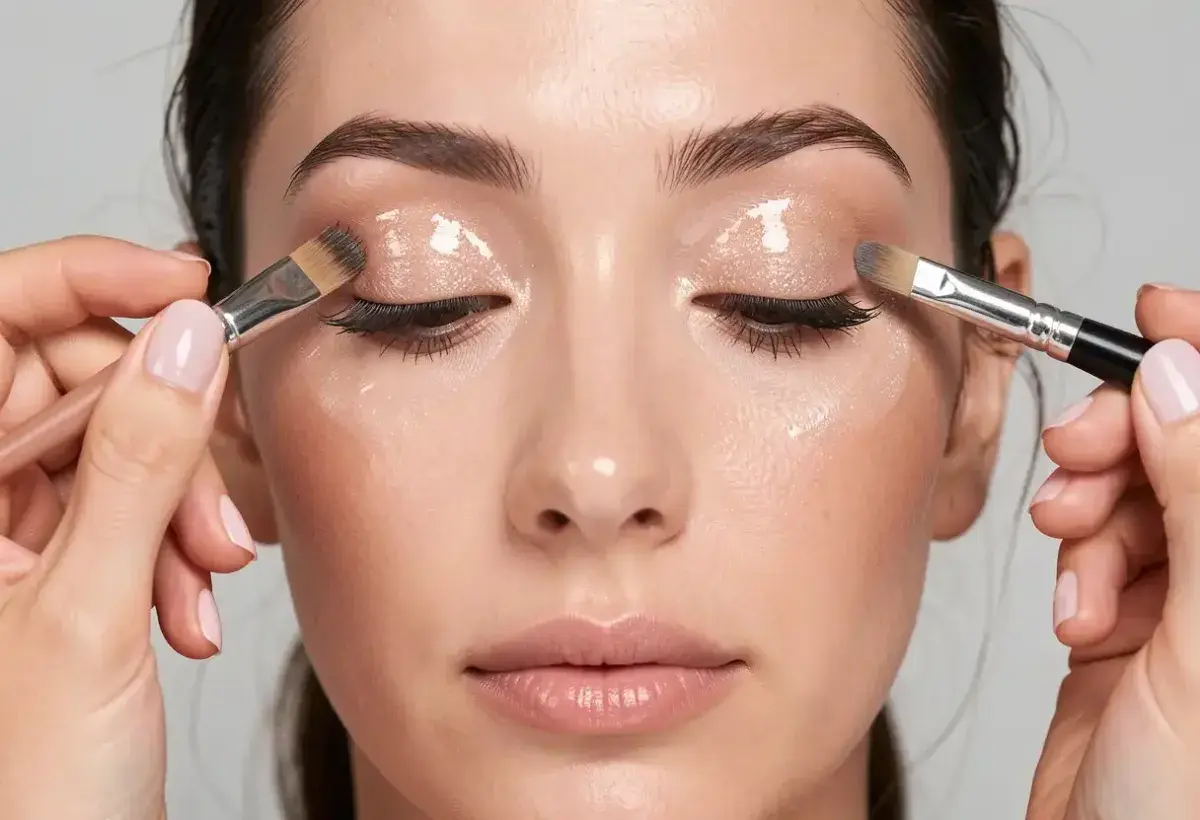
On film sets, it can be applied lightly to simulate sweat or tears. Under bright studio lights, the reflective surface catches light in a way that mimics real moisture. This technique is especially useful in dramatic scenes where characters need to appear emotional or physically exerted. Because petroleum jelly is safe for skin when used externally, it offers a convenient solution for quick touch ups.
Some artists also blend small amounts with pigments to create custom textures. The smooth consistency allows for easy manipulation. In fashion photography, it has been used to create editorial looks that emphasize glow and luminosity. Its affordability and accessibility make it a staple in many professional kits.
The versatility of Vaseline in creative settings demonstrates its adaptability. From simple lip care to cinematic illusions, it continues to surprise people with new possibilities. While audiences may never notice its presence on screen, it plays a subtle role in shaping the final image.
This behind the scenes use adds another layer to the product’s legacy. It is not only practical and protective but also artistic. In the hands of skilled professionals, a humble jar of petroleum jelly can contribute to powerful visual storytelling.
9. There is a Vaseline museum
Few everyday products can claim a place in a museum, yet Vaseline has earned that distinction. In London, the Wellcome Collection has showcased historical jars, advertisements, and artifacts related to the brand. This institution is known for exploring the connections between medicine, science, and culture, making it a fitting home for such displays.
The exhibition of vintage packaging and promotional materials highlights how the product evolved over time. Early glass jars, ornate labels, and bold claims reflect changing attitudes toward health and beauty. Visitors can observe how design trends shifted from Victorian elegance to modern minimalism.
Image
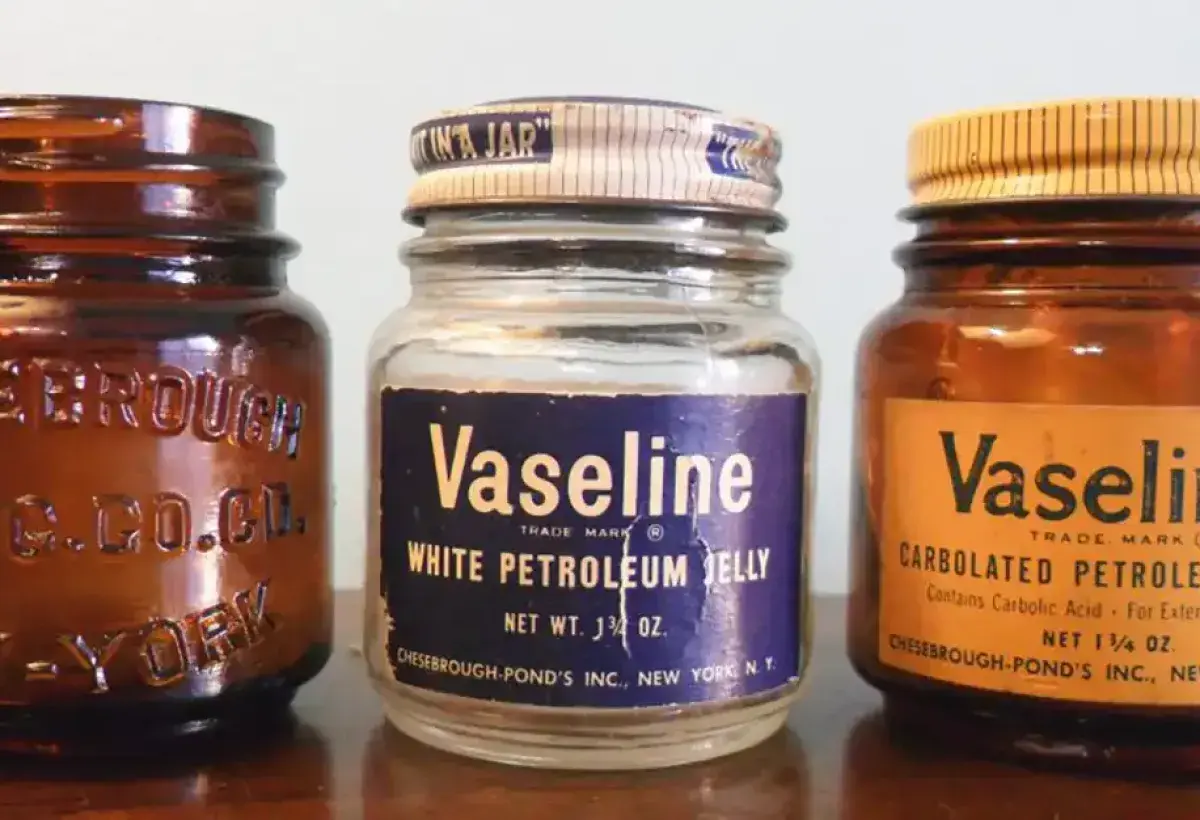
A museum display transforms a common household item into a piece of cultural history. It invites people to consider how something as simple as petroleum jelly influenced daily life across generations. From industrial beginnings to global recognition, the journey becomes tangible through preserved artifacts.
The presence of Vaseline in a respected collection also underscores its impact on public health and personal care. It represents innovation during a period of rapid scientific advancement. By studying these historical objects, visitors gain insight into the relationship between commerce, medicine, and consumer trust.
Seeing Vaseline in a museum setting encourages a new perspective. It is no longer just a jar on a shelf. It is a symbol of endurance, marketing ingenuity, and practical science that has shaped routines for more than a century.
10. Over 140 years later, it is still going strong
More than one hundred forty years after its creation, Vaseline remains one of the most recognizable skincare products in the world. In an industry driven by trends and constant innovation, this longevity is remarkable. New ingredients and advanced formulations appear every year, yet petroleum jelly continues to hold its place.
Image
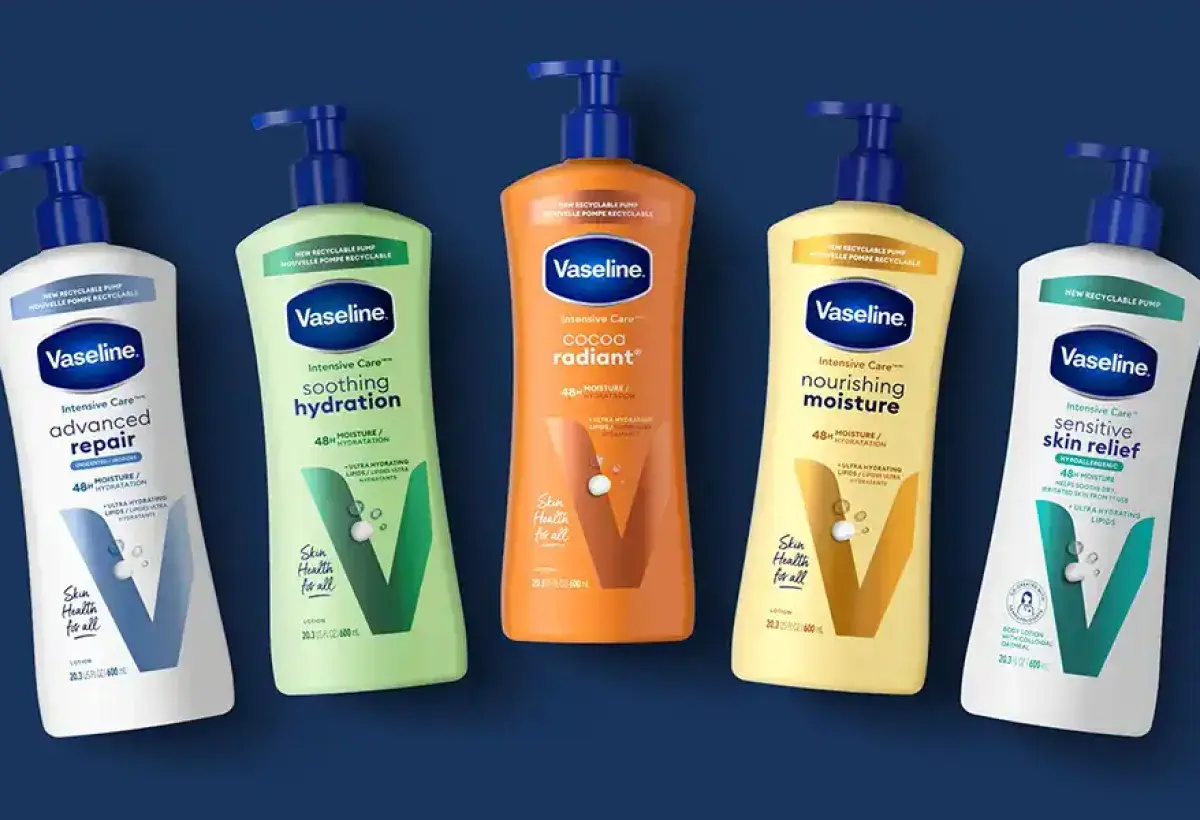
Part of its success lies in its simplicity. The formula has remained largely unchanged, which reassures loyal users. People know what to expect when they open a jar. That consistency builds long term trust. The brand has also expanded into related products such as lip therapy tins and lotions, adapting to modern preferences while preserving its core identity.
Global distribution has further strengthened its presence. From small neighborhood shops to large supermarkets, Vaseline is widely available. Its affordability makes it accessible to diverse communities. This universal appeal contributes to its continued relevance.
The endurance of Vaseline also reflects the power of foundational science. Protecting the skin barrier is a basic need that transcends fashion. As long as people experience dryness and environmental stress, a protective jelly will have value.
The story of Vaseline is ultimately about resilience. It began as an overlooked byproduct and grew into a global icon. Through changing eras and shifting consumer expectations, it has remained steady. That quiet reliability may be its greatest achievement of all.
Vaseline may appear simple at first glance, yet its history reveals a rich tapestry of innovation, ambition, and cultural influence. From an accidental discovery in the oil fields to its presence in museums and movie sets, it has traveled a remarkable path. Few products can claim such a diverse legacy that spans science, exploration, marketing, and art.
Its inventor, Robert Chesebrough, recognized potential in an unlikely substance and transformed it into something refined and useful. His dedication to promoting and demonstrating the product helped establish early trust. Over time, that trust evolved into global recognition. Generations have grown up with a familiar jar on their bathroom shelf, often without realizing the extraordinary story behind it.
The qualities that made Vaseline successful in the nineteenth century remain relevant today. Stability, versatility, and protective strength continue to define its role in skincare routines. While new trends emerge and fade, the fundamental need to protect and preserve the skin barrier endures. Petroleum jelly meets that need with simplicity and reliability.
Learning these fun and surprising facts adds depth to an everyday item. It reminds us that even the most ordinary objects can carry fascinating histories. The next time you reach for a jar of Vaseline, you may see it not just as a remedy for dry skin, but as a symbol of endurance and ingenuity that has stood the test of time.