

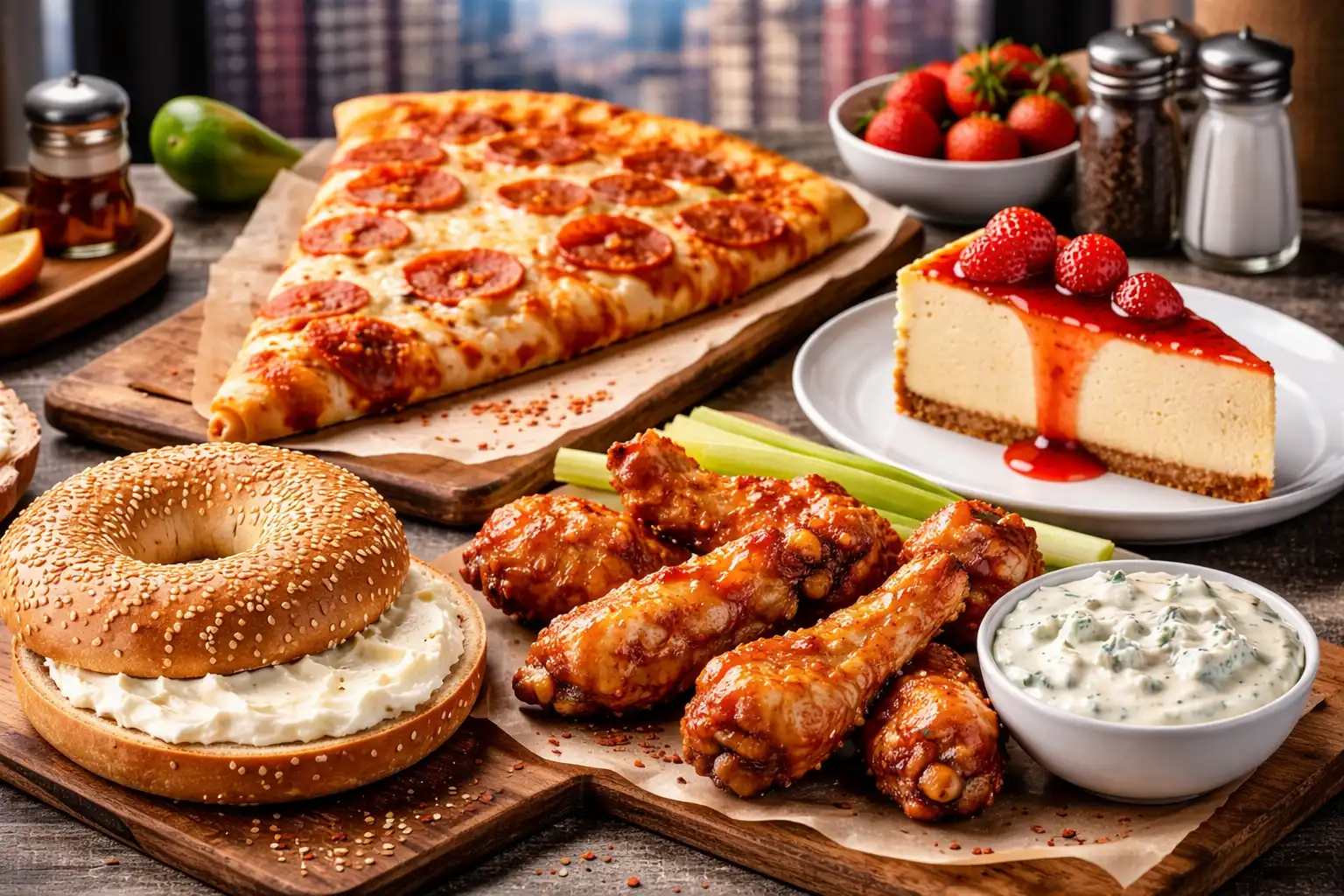
New York is more than skyscrapers and financial power. It is a state built on movement, migration, and reinvention, and nowhere is that more visible than in its food. From the crowded boroughs of New York City to the farmland of the Hudson Valley and the industrial roots of western New York, culinary traditions reflect both global influence and local pride. Every neighborhood has a flavor. Every region has a specialty.
Millions of immigrants entered America through New York, carrying recipes from Italy, Eastern Europe, Germany, Ireland, the Caribbean, and Asia. These traditions did not remain frozen in time. They evolved, shaped by local ingredients and the pace of city life. Food needed to be portable, affordable, and satisfying. At the same time, rural communities across the state developed strong agricultural identities, producing apples, dairy, and grains that became foundations of regional dishes.
What makes New York cuisine powerful is its ability to transform simplicity into identity. A slice of pizza becomes a symbol of city life. A bagel represents heritage and daily ritual. A sandwich stacked high with meat tells the story of immigrant perseverance. Even desserts reflect the confidence and boldness associated with the Empire State.
Some of these foods are found worldwide today, yet they remain deeply tied to the streets and towns where they were perfected. Others are regional treasures rarely duplicated outside state lines. Together they form a culinary map of New York that stretches from Manhattan delis to Buffalo taverns and upstate orchards.
These ten foods define what it means to taste New York.
1. New York Style Pizza
Image
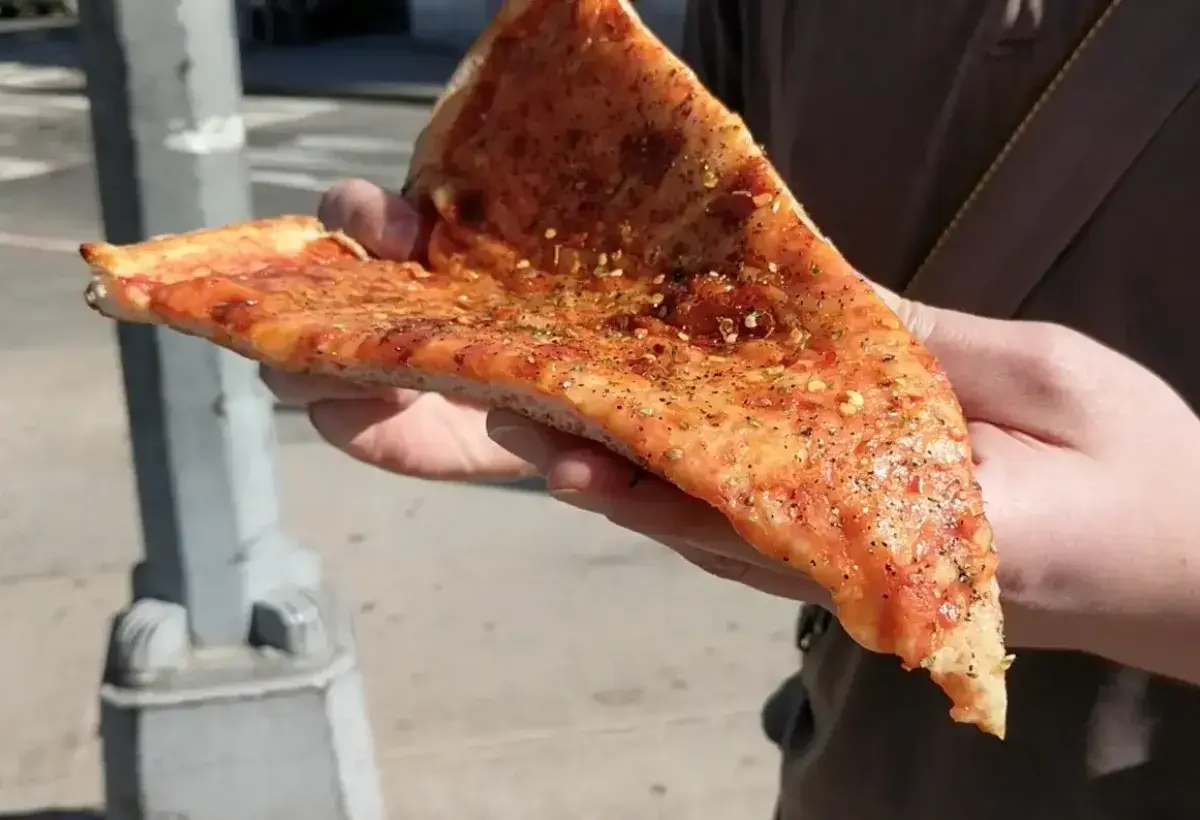
New York style pizza is one of the most recognizable foods in the world, and it is inseparable from New York City. Characterized by large thin slices with a crisp edge and soft foldable center, this pizza evolved from Italian immigrant traditions in the late nineteenth and early twentieth centuries. Over time it adapted to American ingredients and urban life, becoming something entirely distinct.
The dough is stretched thin and baked in deck ovens that create a slightly charred bottom with just enough chew. The sauce is balanced and lightly seasoned, allowing the mozzarella cheese to shine without overwhelming the crust. The slices are wide enough to fold in half lengthwise, which makes them easy to eat while walking down a crowded sidewalk. That portability became essential in a city where time is always limited.
Many believe that the mineral composition of New York water contributes to the dough’s texture. Whether scientific fact or local legend, the result is a crust that is difficult to duplicate elsewhere. Pizzerias in every borough claim their own loyal following, and debates over which shop is best can last for hours.
Pizza in New York is not reserved for special occasions. It is daily life. Office workers grab slices for lunch. Students stop in after school. Late night crowds line up after concerts and games. It crosses economic lines and cultural backgrounds, uniting millions through a simple yet perfectly executed recipe.
While New York style pizza has spread across the country and around the world, it feels most authentic when eaten under the glow of city lights, folded in hand, with the sounds of traffic and conversation all around.
2. Bagels
Image

The New York bagel is dense, chewy, and deeply rooted in immigrant history. Introduced by Jewish communities from Eastern Europe, bagels became a staple across New York City during the early twentieth century. What sets them apart is the traditional method of boiling the dough before baking, which creates a glossy crust and firm interior texture.
Authentic New York bagels are substantial without being heavy. The outside offers slight resistance while the inside remains tender and structured. Toppings range from sesame and poppy seeds to the popular everything seasoning blend. Sliced and spread with cream cheese, they form a simple yet satisfying breakfast. When layered with smoked salmon, capers, onions, and tomato, they transform into a complete meal.
Bagel shops are cornerstones of neighborhoods. Early mornings bring steady lines of customers picking up dozens for family gatherings or individual breakfasts on the way to work. The smell of freshly baked bread drifting onto sidewalks has become part of the city’s sensory identity.
As with pizza, many locals insist that New York water contributes to the superior texture. Whether myth or measurable reality, the belief reinforces civic pride. Bagels outside New York often lack the same chew and depth.
More than food, the bagel symbolizes continuity. It connects present day residents with generations who built lives in a new country while preserving culinary traditions. Each bite carries history, community, and the unmistakable rhythm of New York mornings.
3. Buffalo Wings
Image
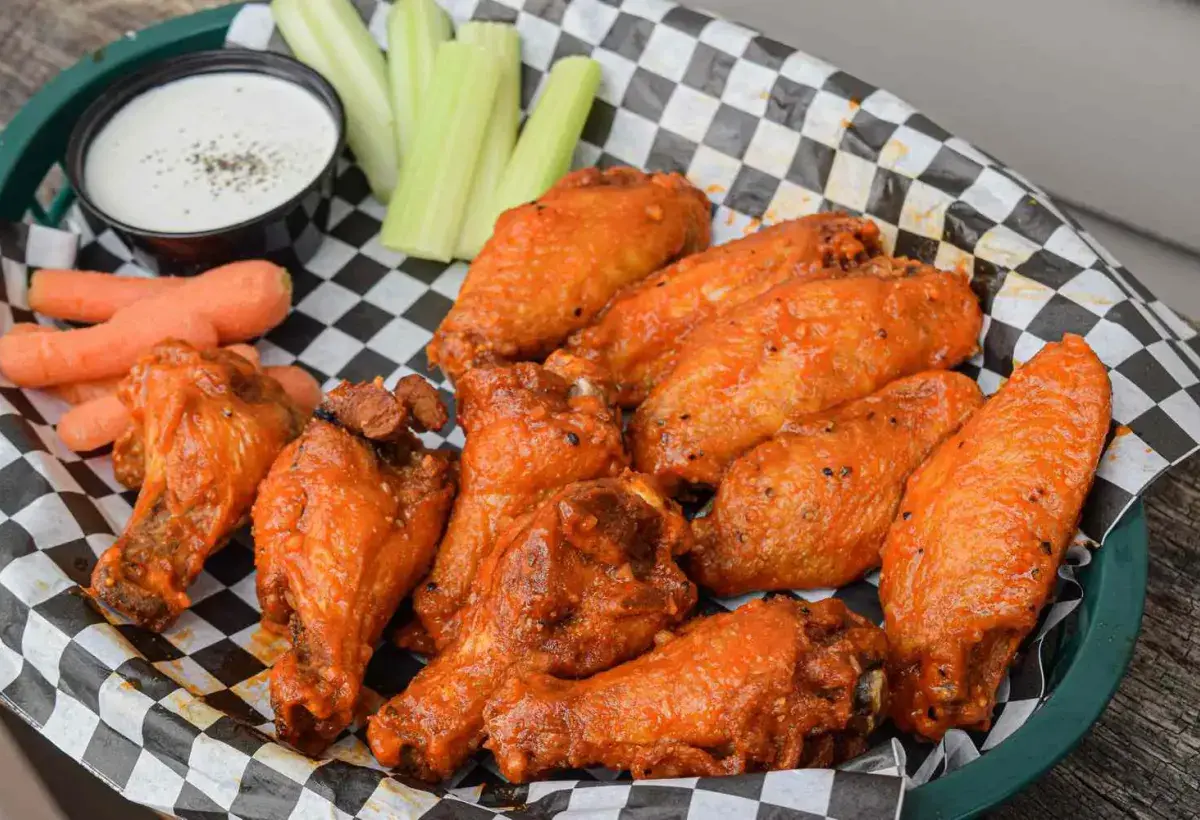
Buffalo wings were born in the city of Buffalo and have since become one of the most recognizable bar foods in America. The origin story traces back to 1964 at Anchor Bar, where chicken wings were deep fried, coated in a buttery hot sauce, and served with celery and blue cheese dressing. What began as a simple late night snack quickly transformed into a national sensation.
Traditional Buffalo wings are never breaded. They are fried until crisp, then tossed in a sauce that blends cayenne pepper heat with melted butter for richness. The balance is essential. The heat should be bold but not overwhelming, allowing the flavor of the chicken to remain present. Celery adds crunch, while blue cheese dressing cools the palate between bites.
In Buffalo, wings are more than food. They are civic pride. Restaurants across the city compete for recognition as the best wing spot, and locals debate sauce consistency, crispness, and ideal spice level with serious enthusiasm. Visitors often embark on wing tours, sampling different establishments to compare flavors and techniques.
The popularity of Buffalo wings expanded dramatically through sports culture. They became a staple at football gatherings and neighborhood taverns across the country. Despite countless variations that include barbecue, garlic, or sweet sauces, the classic Buffalo style remains the standard.
Buffalo wings reflect New York’s ability to transform humble ingredients into something iconic. They were born from creativity and resourcefulness, and they carry the personality of the city that created them. Every bite delivers heat, flavor, and a reminder of western New York’s culinary influence.
4. New York Cheesecake
Image
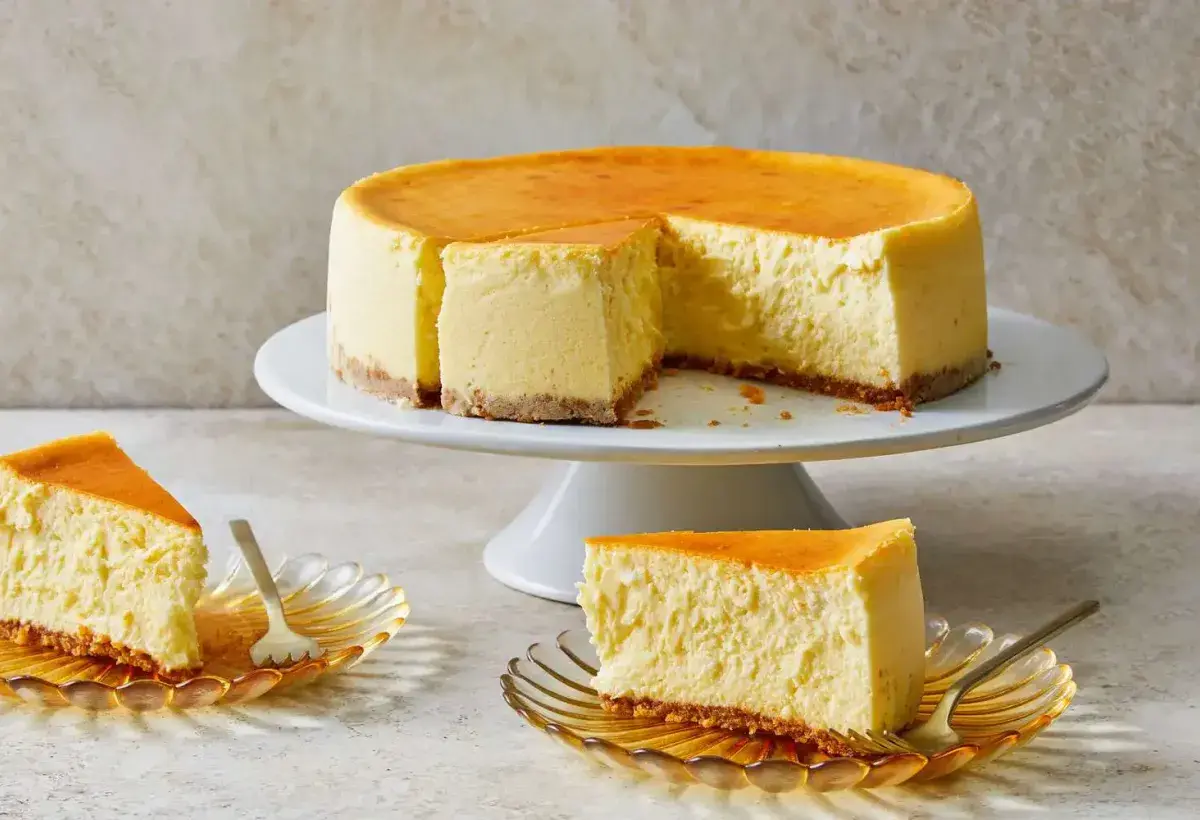
New York cheesecake stands apart from other versions because of its dense texture and rich flavor. Built primarily on cream cheese, eggs, and sugar, it delivers a smooth and velvety consistency that feels substantial without being heavy. Bakeries such as Junior's Restaurant helped establish its reputation as the gold standard for American cheesecake.
Unlike lighter cheesecakes that rely on whipped ingredients or airy textures, the New York version embraces fullness. It is typically baked in a tall pan to achieve height and structure. The surface remains pale and slightly golden, often served plain to highlight the purity of its ingredients. Some versions include a graham cracker crust, while others focus entirely on the creamy filling.
Cheesecake became popular in delicatessens and bakeries throughout New York City during the twentieth century. It was associated with celebration, indulgence, and special occasions. Families ordered whole cakes for holidays and birthdays, while diners offered slices as the perfect ending to a hearty meal.
The flavor profile is simple yet deeply satisfying. The tang of cream cheese balances sweetness, creating a dessert that feels refined but accessible. Fruit toppings such as strawberry or cherry may be added, though purists often prefer it unadorned.
New York cheesecake represents confidence in simplicity. It does not rely on elaborate decoration or excessive sweetness. Instead it showcases quality ingredients and careful technique. Like many iconic New York foods, it is bold, unapologetic, and instantly recognizable.
5. Pastrami on Rye
Image
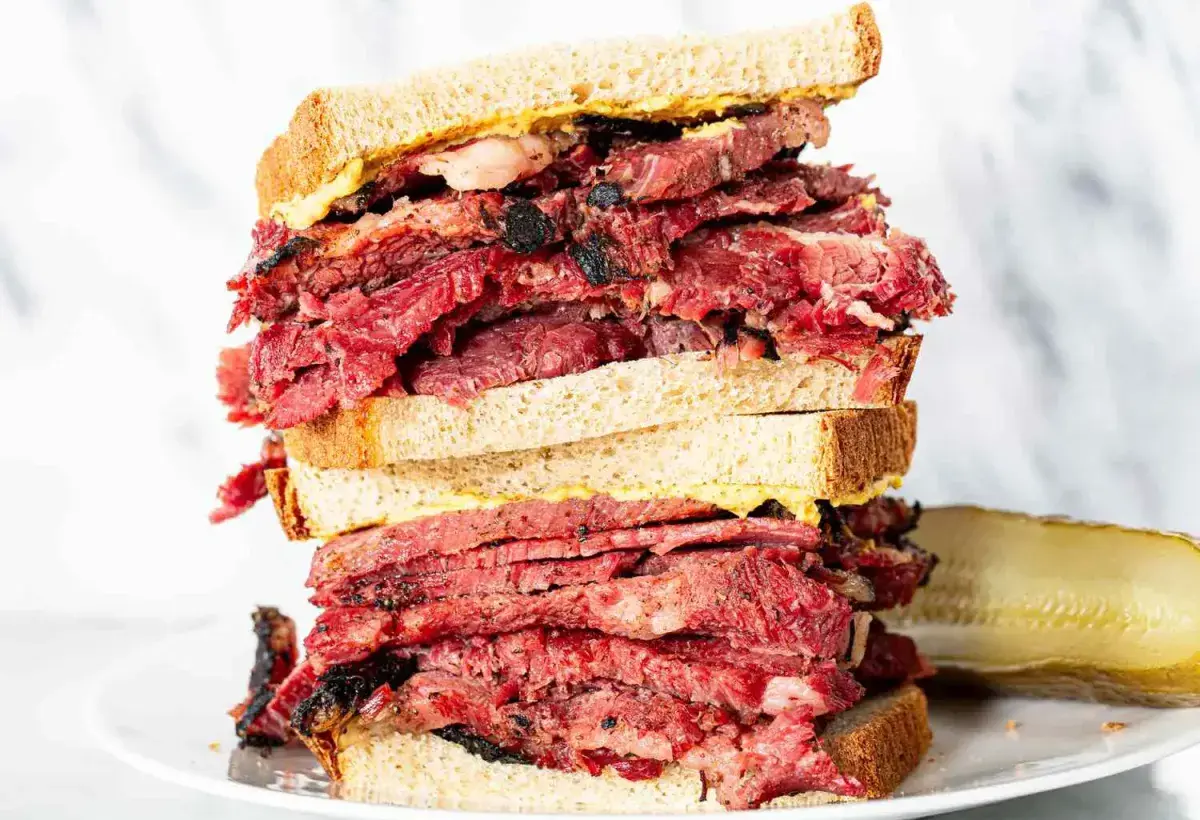
Few sandwiches capture the spirit of New York quite like pastrami on rye. At institutions such as Katz's Delicatessen, towering stacks of hand carved pastrami define the classic deli experience. The preparation process involves curing beef brisket with spices, smoking it for depth, and steaming it to tenderness before slicing.
The result is meat that is juicy, peppery, and intensely flavorful. Served on rye bread with a smear of mustard, the sandwich balances richness with sharpness. The rye adds structure and subtle tang, complementing the spices embedded in the crust of the pastrami.
New York delis flourished as gathering places for Jewish immigrant communities in the late nineteenth and early twentieth centuries. They became social hubs where conversation flowed as freely as plates of food. Portions were generous, reflecting hospitality and the desire to satisfy hardworking customers.
Pastrami on rye is not delicate. It is substantial and unapologetic. The sandwich often requires two hands and a hearty appetite. Its scale mirrors the ambition and intensity associated with the city itself.
Over time, the sandwich became a symbol of New York authenticity. Visitors seek it out as a culinary landmark, while locals treat it as tradition. It remains one of the clearest examples of how immigrant foodways shaped the identity of the Empire State, turning a simple cured meat sandwich into an enduring icon.
6. Black and White Cookie
Image

The black and white cookie is a classic New York bakery staple known for its distinctive half chocolate and half vanilla icing. Found throughout New York City, this oversized treat resembles a small cake more than a traditional cookie. Its base is soft and airy, providing a tender foundation for the glossy icing that defines its appearance.
The cookie’s visual simplicity carries symbolic appeal. The sharp division between dark and light icing has made it a cultural reference point in popular media and local conversation. Beyond symbolism, the flavor combination offers balance. The chocolate side delivers richness while the vanilla side adds sweetness and smoothness. Together they create harmony in each bite.
Black and white cookies became widely available in delis and neighborhood bakeries during the twentieth century. They were affordable and satisfying, making them popular among families and office workers alike. Many New Yorkers associate them with childhood memories, school lunches, and weekend bakery visits.
Despite their widespread availability, authentic versions maintain specific characteristics. The icing should be thick and glossy without cracking, and the cake should remain moist but structured. Bakeries often guard their recipes closely, ensuring consistency for loyal customers.
The black and white cookie represents the layered identity of New York itself. It blends traditions, communities, and flavors into a single recognizable form. Simple yet meaningful, it remains one of the most enduring sweet symbols of the Empire State.
7. Manhattan Clam Chowder
Image
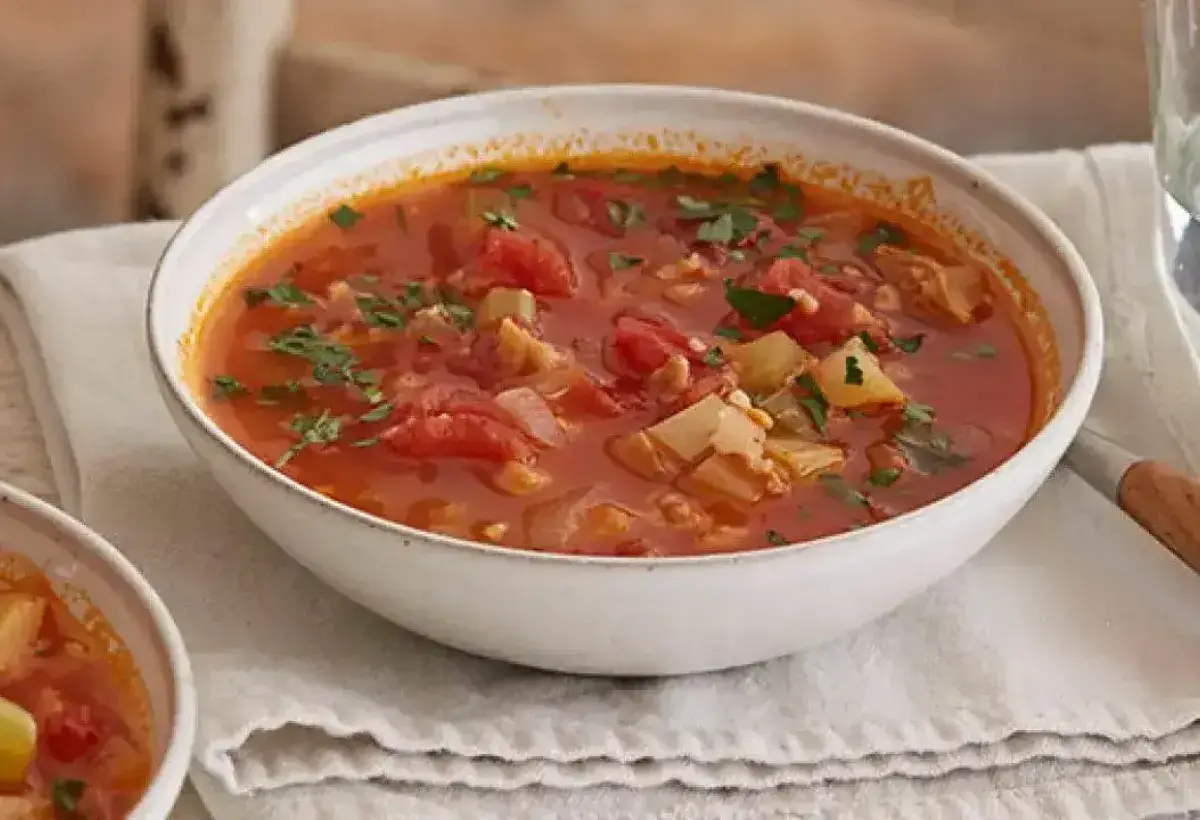
Manhattan clam chowder stands apart from other American chowders because of its tomato based broth. Associated with Manhattan, this version rejects cream in favor of a lighter, brighter profile built around tomatoes, clams, and vegetables. The result is a soup that feels both coastal and cosmopolitan, reflecting New York’s maritime access and diverse culinary influences.
The dish combines fresh clams with diced tomatoes, onions, celery, carrots, and potatoes. Herbs such as thyme and parsley add depth, while the natural brininess of the clams anchors the flavor. Unlike the thick and creamy New England version, Manhattan clam chowder has a broth that is clear and vibrant, allowing each ingredient to stand out.
Its origin sparked debate. Some traditionalists argued that tomatoes had no place in chowder, while New Yorkers embraced the variation as a reflection of their independent spirit. The rivalry between red and white chowder became part of culinary folklore, reinforcing regional pride.
Seafood restaurants throughout New York serve Manhattan clam chowder as a nod to the state’s harbor history. Fishermen and dock workers once relied on accessible seafood to create filling meals. The tomato base likely reflects Italian immigrant influence, blending coastal tradition with Mediterranean flavor.
Today, Manhattan clam chowder remains a staple in delis and diners across the state. It symbolizes New York’s willingness to reinterpret tradition rather than simply replicate it. With every spoonful, the soup tells a story of adaptation, cultural exchange, and the city’s deep connection to the Atlantic coast.
8. Garbage Plate
Image
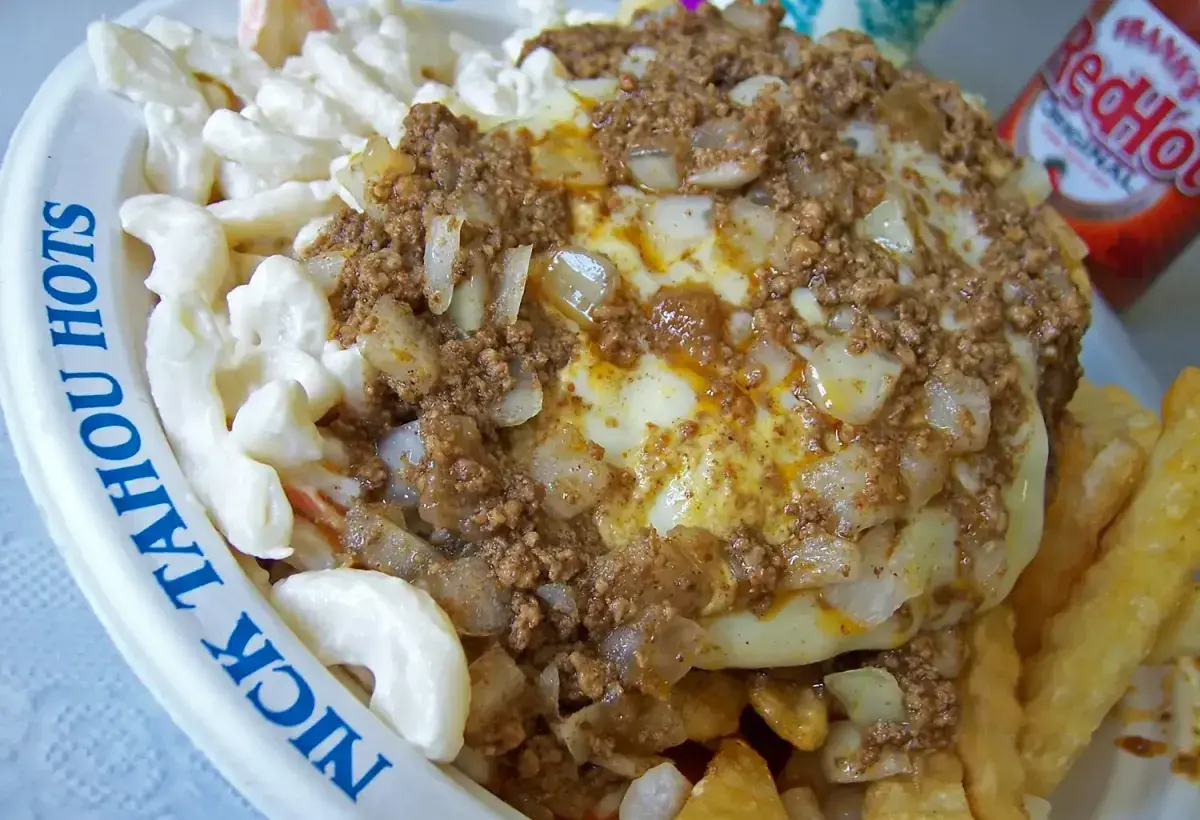
The Garbage Plate is one of upstate New York’s most distinctive creations. Originating in Rochester at Nick Tahou Hots, this hearty dish was designed to satisfy hungry students and laborers seeking a filling and affordable meal. Its name may sound unusual, but locals wear it as a badge of pride.
A traditional Garbage Plate begins with a base of home fries and macaroni salad. On top sits a choice of meat, often cheeseburgers or hot dogs, followed by a generous ladle of savory meat sauce. Mustard and chopped onions frequently complete the stack. Everything is layered on one plate, creating a combination of textures and flavors that is unapologetically indulgent.
The dish emerged in a city shaped by industry and universities. Workers needed substantial food that delivered calories and comfort. Students embraced it as a late night tradition, cementing its role in Rochester culture. Over time, variations developed, but the core concept remained intact.
The Garbage Plate reflects a straightforward philosophy. It values substance over presentation. It does not aim for elegance. Instead it celebrates abundance and flavor. Each component contributes something unique, from the creamy macaroni salad to the tangy mustard and rich meat sauce.
Today, the Garbage Plate is synonymous with Rochester identity. Visitors often seek it out as a rite of passage, while residents defend their favorite versions passionately. It stands as proof that regional pride can elevate even the most unconventional dish into a celebrated culinary landmark.
9. Utica Greens
Image
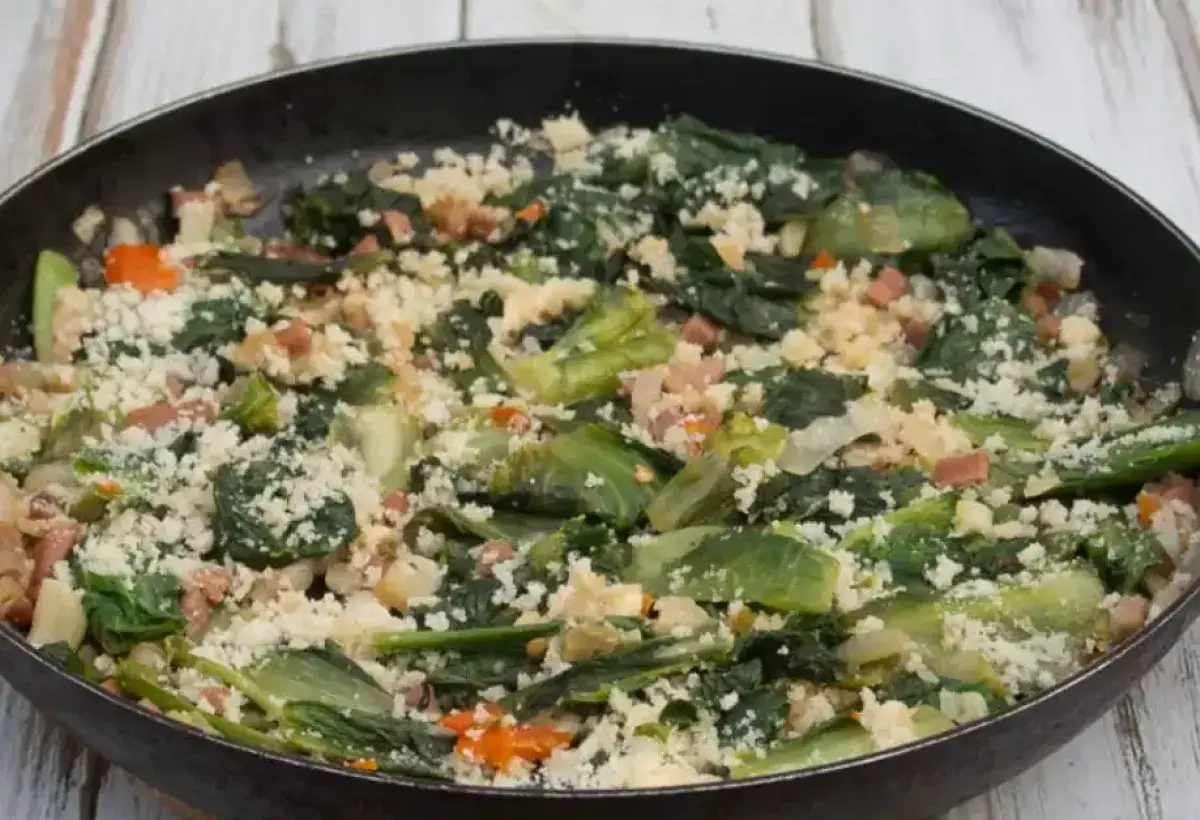
Utica Greens originated in Utica and represent the strong Italian American heritage of the region. The dish centers on escarole, a leafy green with a slight bitterness that becomes tender when sautéed. Combined with garlic, breadcrumbs, olive oil, and hot cherry peppers, it transforms into a bold and flavorful side.
Italian immigrants brought recipes that relied heavily on greens and simple ingredients. In upstate New York, they adapted those traditions using locally available produce. Utica Greens evolved as a restaurant staple, eventually becoming a signature dish of the city.
The preparation begins with sautéing garlic in olive oil before adding escarole to wilt. Breadcrumbs provide texture, while cherry peppers add heat and brightness. Some versions include prosciutto or grated cheese for added depth. The balance of bitterness, spice, and savory richness makes the dish memorable.
Utica Greens demonstrate how immigrant communities maintained culinary identity while integrating into American life. The dish is served at family gatherings, weddings, and local restaurants, reinforcing its role as both comfort food and celebration fare.
Though less nationally recognized than pizza or bagels, Utica Greens hold deep local significance. They symbolize adaptation, resilience, and pride in heritage. For residents of Utica, the dish is not just a side but a marker of community belonging.
10. Apple Cider Donuts
Image
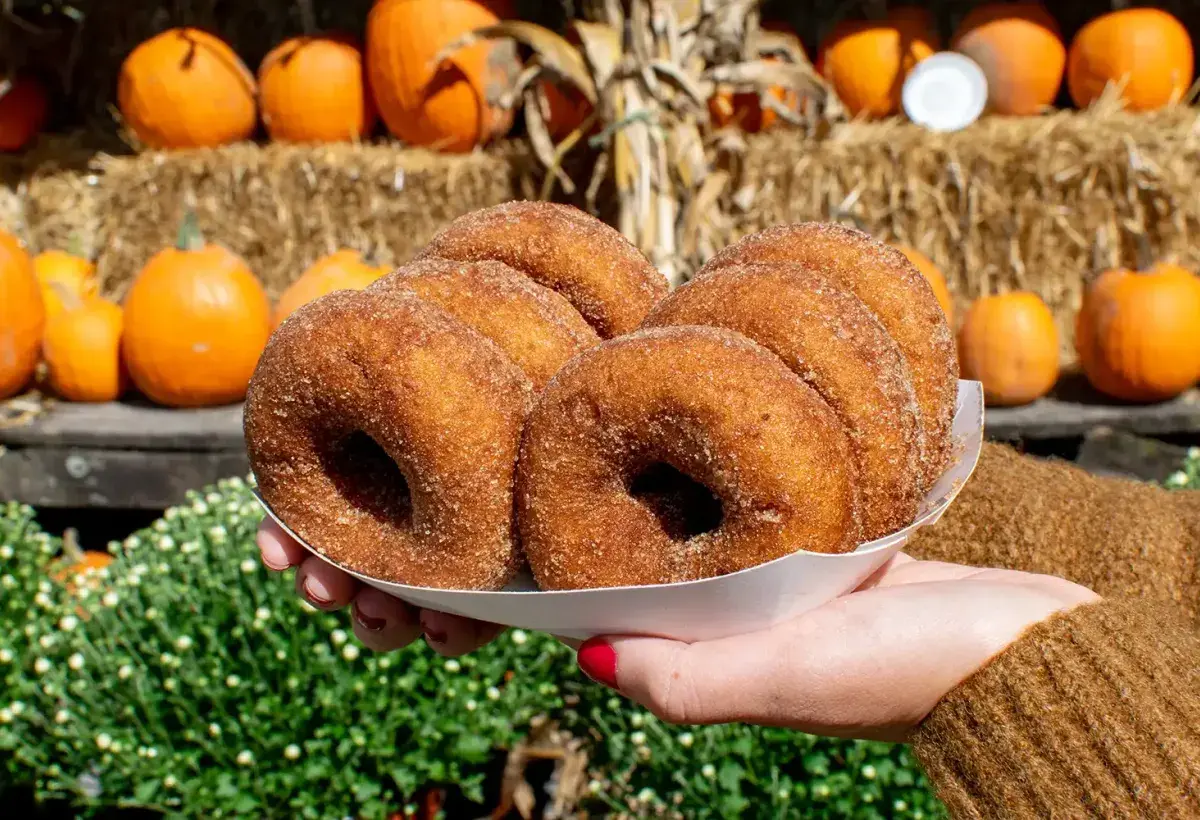
Apple cider donuts are closely tied to autumn traditions across upstate New York. The state is one of the nation’s leading apple producers, and orchards throughout the Hudson Valley and beyond press fresh cider each fall. Incorporating that cider into cake donuts creates a treat that captures the essence of the season.
The donuts are typically moist and tender with a subtle apple flavor enhanced by cinnamon and nutmeg. After frying, they are coated in cinnamon sugar that clings to the warm surface. The combination of sweetness and spice evokes crisp air, falling leaves, and harvest festivals.
Families visit orchards for apple picking and leave with bags of freshly made cider donuts. The experience becomes part of a seasonal ritual that blends agriculture with community gathering. Many farms prepare donuts on site, filling the air with the aroma of warm dough and spice.
Apple cider donuts reflect New York’s agricultural backbone. While the state is known globally for its urban centers, its rural regions play an equally important role in shaping identity. The apple industry supports local economies and culinary traditions alike.
Though similar donuts exist elsewhere, those made in New York orchards carry a distinct sense of place. They connect visitors to farmland, family, and the rhythms of the harvest season. In every bite, there is warmth, nostalgia, and unmistakable Empire State pride.
New York’s food culture tells a story as layered and dynamic as the state itself. From the towering skyscrapers of New York City to the orchards and industrial towns of upstate, each region contributes flavors that shape the Empire State’s identity. These ten foods reflect immigration, innovation, agriculture, and resilience woven together over generations.
What makes New York cuisine distinctive is its confidence. A slice of pizza does not apologize for being large and foldable. A pastrami sandwich is stacked high without hesitation. A Garbage Plate embraces abundance without concern for elegance. Even desserts such as cheesecake and black and white cookies carry bold personality.
At the same time, dishes like Utica Greens and apple cider donuts remind us that New York is not only urban. Rural traditions and immigrant communities outside the city limits have shaped culinary history just as powerfully. The balance between metropolitan energy and agricultural heritage defines the state’s food landscape.
Many of these foods have traveled far beyond New York’s borders, yet they remain most authentic at their source. The atmosphere of a Manhattan deli, a Buffalo tavern, or an upstate orchard adds meaning that cannot be exported.
Through pizza slices, chowder bowls, wings, and warm donuts, New York expresses its character. It is ambitious, diverse, and unapologetically bold. To taste these foods is to understand the Empire State in its most flavorful form.