


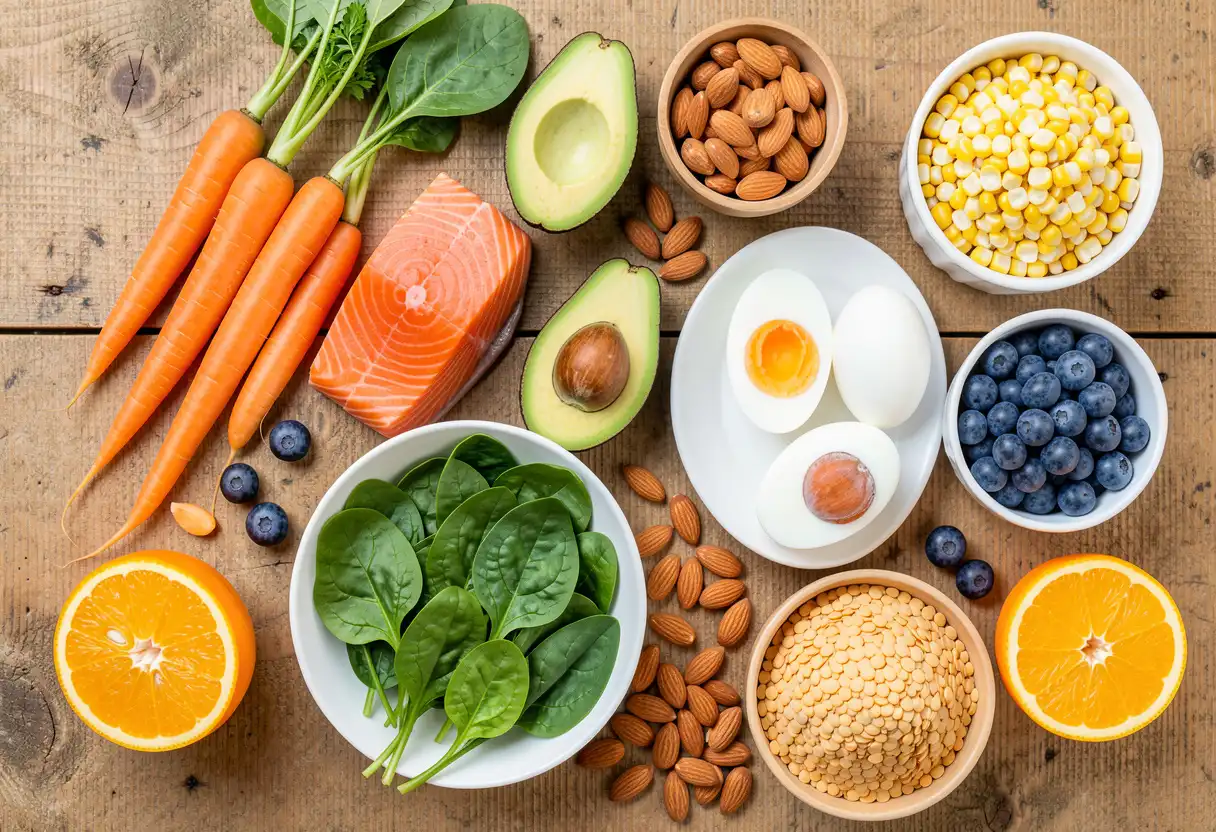
Your eyes work hard every single day. From reading on screens and driving through busy streets to enjoying sunsets and recognizing the faces of people you love, your vision supports nearly every moment of your life. Yet many people only start thinking about eye health when problems begin to appear. The truth is that what you eat today can have a powerful impact on how well you see tomorrow.
Nutrition plays a central role in protecting your eyes from common concerns such as dryness, eye strain, cataracts, and age related macular degeneration. Certain vitamins, minerals, and antioxidants help maintain the structure of the eye, support the retina, protect against harmful light exposure, and reduce oxidative stress. When your diet includes a wide range of colorful fruits, vegetables, healthy fats, and quality proteins, you are giving your eyes the nutrients they need to stay strong and resilient.
Modern lifestyles often involve long hours in front of digital devices. This constant exposure to screens can contribute to fatigue and discomfort. While good screen habits are important, your daily meals also matter more than you may realize. Nutrients such as vitamin A, lutein, zeaxanthin, omega three fatty acids, vitamin C, vitamin E, and zinc all play important roles in preserving vision and supporting overall eye health.
The good news is that eating for your eyes does not mean giving up flavor or enjoyment. Many of the best foods for vision are delicious, versatile, and easy to add to your routine. From vibrant vegetables to satisfying proteins and naturally sweet fruits, these options can elevate both your meals and your long term health.
Here are ten nutrient rich foods that are proven to support eye health while still tasting great.
1. Carrots
Rich in: Beta carotene and Vitamin A
Image

Carrots have long been associated with strong vision, and there is real science behind their reputation. They are rich in beta carotene, a plant pigment that the body converts into vitamin A. Vitamin A is essential for maintaining a clear cornea, which is the outermost layer of the eye. It also plays a critical role in supporting the retina, particularly in low light conditions.
Without enough vitamin A, the eyes may struggle to adjust in dim environments. Night blindness is one of the earliest signs of deficiency. By regularly including carrots in your diet, you help ensure that your body has the raw materials it needs to support healthy night vision and overall eye function.
Carrots also contain antioxidants that help reduce oxidative stress. Oxidative stress can damage delicate eye tissues over time, especially when combined with environmental factors such as pollution and prolonged exposure to bright light. Antioxidants help neutralize free radicals and protect cells from premature aging.
Beyond eye health, carrots are low in calories and high in fiber, making them an excellent snack option. They are naturally sweet and satisfying, whether eaten raw, roasted, blended into soups, or added to salads. Cooking carrots lightly can actually enhance the availability of beta carotene, especially when paired with a small amount of healthy fat such as olive oil.
Adding carrots to your weekly meal plan is simple and practical. Keep a bag of baby carrots in the refrigerator for quick snacking or slice them into stir fries and stews. With their vibrant color and natural crunch, carrots make it easy to nourish your eyes while enjoying every bite.
2. Salmon
Rich in: Omega three fatty acids
Image

Salmon is one of the best sources of omega three fatty acids, particularly DHA and EPA. These healthy fats are vital for maintaining the structure of cell membranes in the eyes. DHA is especially concentrated in the retina, the part of the eye responsible for detecting light and sending visual signals to the brain.
Omega three fatty acids help reduce inflammation and support healthy tear production. Many people struggle with dry eyes, especially those who spend long hours on computers or in air conditioned environments. Including salmon and other fatty fish in your diet can help improve moisture levels and overall comfort.
Research has also linked omega three intake with a lower risk of age related macular degeneration. This condition affects the central part of the retina and can lead to gradual vision loss over time. By supporting healthy blood flow and reducing inflammation, omega three fatty acids may help protect the retina from long term damage.
Salmon is not only nutritious but also versatile and flavorful. It can be grilled, baked, pan seared, or added to salads and grain bowls. Its rich texture pairs well with fresh herbs, citrus, and simple seasonings. For optimal benefits, aim to enjoy fatty fish such as salmon, mackerel, or sardines at least twice a week.
For those who do not regularly eat fish, it may be worth exploring other omega three sources such as flaxseeds or walnuts. However, salmon remains one of the most concentrated and bioavailable sources. Including it in your regular meal rotation is a powerful and delicious way to support long term eye health.
3. Spinach
Rich in: Lutein and zeaxanthin
Image

Spinach is a leafy green vegetable loaded with lutein and zeaxanthin, two powerful antioxidants that accumulate in the retina. These compounds act as natural filters that help block harmful blue light and protect the eyes from oxidative damage.
Blue light exposure has increased significantly in recent years due to smartphones, tablets, and computer screens. While blue light is part of the visible spectrum, excessive exposure may contribute to eye strain and long term retinal stress. Lutein and zeaxanthin help absorb some of this light before it can harm sensitive tissues.
In addition to filtering light, these antioxidants help reduce inflammation and protect against age related macular degeneration and cataracts. Studies suggest that individuals with higher dietary intake of lutein and zeaxanthin may have a lower risk of developing these conditions.
Spinach is also rich in vitamin C, vitamin E, and beta carotene, creating a powerful combination of nutrients that work together to support eye health. The synergy between these vitamins enhances their protective effects.
You can enjoy spinach in many ways. Add fresh leaves to salads, blend them into smoothies, or lightly sauté them as a side dish. Pairing spinach with healthy fats such as olive oil or avocado can improve the absorption of fat soluble nutrients like lutein.
With its mild flavor and impressive nutrient profile, spinach is one of the simplest and most effective foods you can add to your diet for stronger, healthier eyes.
4. Eggs
Rich in: Lutein, zeaxanthin, and zinc
Image

Eggs are a compact source of several essential nutrients for eye health. The yolk contains lutein and zeaxanthin, the same antioxidants found in leafy greens. Interestingly, the form present in eggs is highly bioavailable, meaning your body can absorb and use it efficiently.
Eggs are also an excellent source of zinc. Zinc plays a crucial role in transporting vitamin A from the liver to the retina, where it helps produce melanin. Melanin is a protective pigment that shields the eyes from damage. Adequate zinc intake supports healthy night vision and overall retinal function.
In addition to these key nutrients, eggs provide protein and other vitamins that contribute to overall health. Their balanced nutrient profile makes them a convenient and satisfying addition to any meal.
Eggs are incredibly versatile. They can be boiled, scrambled, poached, or incorporated into a variety of dishes. Including whole eggs rather than just egg whites ensures you benefit from the valuable nutrients concentrated in the yolk.
For those concerned about cholesterol, moderate egg consumption fits well within a balanced diet for most healthy individuals. When enjoyed as part of a varied meal plan rich in fruits and vegetables, eggs can be a practical and powerful ally in maintaining long term eye health.
5. Avocados
Rich in: Lutein and Vitamin E
Image

Avocados are creamy, satisfying, and packed with nutrients that benefit your eyes. They contain lutein, which helps filter harmful light and protect the retina. Regular intake of lutein has been associated with a lower risk of age related eye conditions.
Avocados are also an excellent source of vitamin E. This antioxidant protects eye cells from damage caused by free radicals. Over time, oxidative stress can contribute to the development of cataracts and macular degeneration. Vitamin E helps neutralize these damaging molecules and supports long term eye resilience.
Another benefit of avocados is their healthy fat content. The monounsaturated fats they provide not only support heart health but also enhance the absorption of fat soluble nutrients such as lutein and beta carotene from other foods. Adding avocado to a salad with spinach and carrots can increase the overall eye protective effect of the meal.
Avocados are easy to incorporate into daily meals. Spread them on whole grain toast, blend them into smoothies, or add them to salads and wraps. Their smooth texture and mild flavor make them adaptable to both savory and sweet dishes.
Including avocados in your regular diet is a simple way to nourish your eyes while enjoying a rich and satisfying ingredient that supports overall wellness.
6. Almonds
Rich in: Vitamin E
Image

Almonds are a convenient and nutrient dense snack that delivers a powerful dose of vitamin E. This fat soluble antioxidant plays a key role in protecting the eyes from oxidative damage caused by free radicals. Over time, oxidative stress can weaken cells in the retina and contribute to age related vision issues.
Vitamin E helps maintain the integrity of cell membranes, including those in delicate eye tissues. Research suggests that adequate intake may reduce the risk of cataracts and slow the progression of macular degeneration. Since the body does not produce vitamin E on its own, it must come from dietary sources like nuts and seeds.
A small handful of almonds each day can provide a significant portion of your daily vitamin E needs. They also contain healthy fats and a modest amount of zinc, which further supports eye health.
Almonds are easy to incorporate into a busy lifestyle. Enjoy them on their own, sprinkle them over yogurt, or add them to salads and oatmeal. Choosing unsalted and minimally processed varieties helps preserve their nutritional value.
With their satisfying crunch and subtle sweetness, almonds make it simple to protect your eyes while enjoying a wholesome snack.
7. Oranges
Rich in: Vitamin C
Image

Oranges are well known for their high vitamin C content. This water soluble antioxidant supports the health of blood vessels throughout the body, including those that nourish the eyes. Healthy circulation is essential for delivering oxygen and nutrients to retinal tissues.
Vitamin C also helps combat oxidative stress and may lower the risk of cataracts. The lens of the eye is particularly vulnerable to damage from free radicals. Consuming foods rich in vitamin C can help protect the lens and maintain clarity over time.
Beyond oranges, other citrus fruits such as grapefruits and lemons provide similar benefits. However, oranges remain one of the most accessible and enjoyable sources. Their natural sweetness makes them an easy addition to breakfast, snacks, or salads.
Eating whole oranges provides fiber along with vitamin C, supporting overall health and stable blood sugar levels. Freshly squeezed juice can also contribute, though whole fruit offers more complete nutritional value.
Including vitamin C rich foods regularly is a simple yet powerful way to support long term eye health while enjoying refreshing and flavorful options.
8. Blueberries
Rich in: Anthocyanins
Image

Blueberries are small but packed with powerful antioxidants known as anthocyanins. These compounds give blueberries their deep blue color and provide protective benefits for the eyes.
Anthocyanins help reduce inflammation and oxidative stress, both of which can damage eye tissues over time. Some research suggests that they may support improved night vision and enhance blood flow to the retina. Healthy circulation is crucial for maintaining optimal visual function.
Blueberries also contain vitamin C and other beneficial plant compounds that work together to support overall eye resilience. Their natural sweetness makes them an appealing alternative to processed snacks.
You can enjoy blueberries fresh, frozen, or blended into smoothies. Add them to yogurt, oatmeal, or salads for a burst of flavor and nutrition. Their versatility makes it easy to include them in your daily routine.
By incorporating blueberries into your diet, you provide your eyes with a rich source of antioxidants that help guard against daily stressors and support long term visual health.
9. Corn
Rich in: Lutein and zeaxanthin
Image

Corn is often overlooked as an eye healthy food, yet it contains valuable amounts of lutein and zeaxanthin. These carotenoids help filter harmful blue light and protect the retina from oxidative damage.
The bright yellow color of corn signals the presence of these protective compounds. Regular consumption may contribute to a lower risk of age related macular degeneration and support overall retinal health.
Corn also provides fiber and essential nutrients that contribute to general wellness. When prepared simply, such as steamed or grilled, it can be a wholesome addition to balanced meals.
Pairing corn with healthy fats like olive oil can enhance the absorption of its carotenoids. Adding it to salads, soups, or grain bowls creates both visual appeal and nutritional value.
Including a variety of colorful vegetables such as corn ensures a broader intake of protective nutrients that support long term eye function.
10. Legumes Such as Lentils and Black Beans
Rich in: Zinc and bioflavonoids
Image

Legumes such as lentils and black beans are excellent plant based sources of zinc and bioflavonoids. Zinc plays a critical role in transporting vitamin A from the liver to the retina, where it helps produce protective pigments and supports night vision.
Adequate zinc intake is associated with a lower risk of certain retinal conditions. It helps maintain the structural integrity of the retina and supports immune function within the eye.
Bioflavonoids found in legumes also contribute antioxidant support. Together, these compounds help protect against oxidative stress and inflammation.
Legumes are also high in fiber and protein, making them a satisfying and affordable addition to meals. They can be incorporated into soups, stews, salads, and grain dishes. Their mild flavor allows them to pair well with a variety of herbs and spices.
By including legumes in your weekly meal rotation, you provide your body with key minerals that support not only eye health but overall vitality and balance.
Protecting your vision does not require complicated supplements or restrictive diets. In many cases, the most effective strategy begins with simple, whole foods that are already accessible and enjoyable. By choosing meals rich in colorful vegetables, fresh fruits, healthy fats, nuts, seeds, legumes, and quality proteins, you create a strong nutritional foundation for long term eye health.
Each of the foods highlighted above offers specific nutrients that support different aspects of vision. Some help maintain the clarity of the cornea, others protect the retina from oxidative damage, and several contribute to healthy blood flow and tear production. When combined in a balanced diet, their benefits work together in a powerful and complementary way.
It is also important to remember that nutrition is only one part of a broader eye care strategy. Regular eye exams, proper screen habits, adequate hydration, and sun protection all contribute to maintaining healthy vision. However, what you place on your plate every day remains one of the most consistent and controllable factors.
Making small changes, such as adding a handful of almonds to your snack routine or including leafy greens with dinner, can have meaningful long term effects. Over time, these habits compound, supporting not only clearer vision but also overall wellness.
Your eyes serve you constantly and faithfully. Nourishing them with the right foods is one of the simplest and most rewarding ways to care for your health. By embracing these delicious and nutrient rich options, you invest in clearer sight and a vibrant future.