

Hot dogs are one of the most recognizable comfort foods in the world. Whether enjoyed at a baseball game, a backyard barbecue, a busy street cart, or a summer festival, they hold a special place in food culture. Simple in appearance yet rich in history, the hot dog has traveled across continents, evolved through generations, and become a symbol of celebration, community, and casual dining. From the crack of the bat at a stadium to the smoky aroma rising from a grill on a warm afternoon, hot dogs often accompany moments that people remember for years.
While many people see hot dogs as a straightforward snack topped with mustard or ketchup, there is much more to their story. Their roots trace back centuries to European sausage traditions. Their name carries a legend tied to sports history. Their popularity has grown to astonishing numbers, with billions consumed each year. Entire organizations are dedicated to preserving hot dog customs, and competitive eating contests draw global audiences eager to witness record breaking performances.
Hot dogs also reflect regional identity. In some cities, strict topping rules define authenticity. In others, creativity leads to gourmet versions topped with luxurious ingredients. There are even official etiquette guidelines that suggest the proper way to serve and eat one. Few foods manage to balance tradition and innovation quite like the humble hot dog.
If you thought hot dogs were simply about buns and condiments, think again. These ten fun and surprising facts reveal just how fascinating this classic favorite really is. From world records and expensive creations to historic origins and national celebrations, you are about to discover that the hot dog has a far richer story than you probably imagined.
1. Americans eat about 20 billion hot dogs each year!
Image
That number is difficult to fully grasp until you break it down. Twenty billion hot dogs annually equals roughly seventy hot dogs per person in the United States each year. If you lined them up end to end, they would stretch around the Earth more than once. That level of consumption shows just how deeply this food is woven into American culture.
Hot dogs are especially popular during the summer months. Cookouts, picnics, and sporting events drive massive sales. The Fourth of July alone accounts for hundreds of millions of hot dogs consumed in a single day. Grocery stores prepare months in advance, and stadium vendors rely on hot dog sales as a major part of their revenue.
Beyond convenience, hot dogs offer familiarity. They are affordable, quick to prepare, and easy to customize. Families can grill them at home, vendors can steam them on busy city corners, and stadiums can serve thousands within minutes. This versatility makes them one of the most accessible foods across different income levels and regions.
Their massive consumption also reflects how food traditions endure. Despite changing dietary trends and growing interest in gourmet cuisine, the hot dog remains resilient. Plant based alternatives have even expanded the category, ensuring that more people can enjoy the experience. Twenty billion per year is not just a statistic. It represents a tradition that continues to thrive generation after generation.
2. The name “hot dog” was popularized at a baseball game.
Image

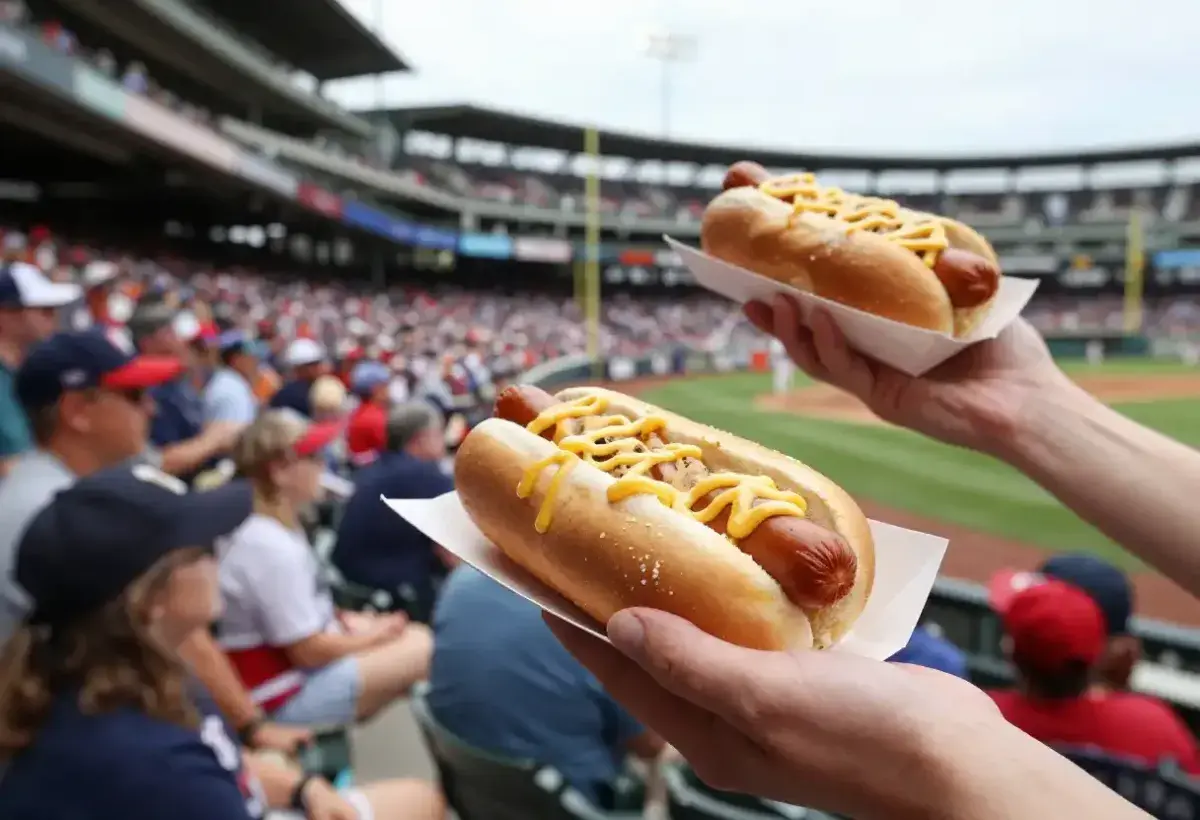
According to legend, the term became popular in the early nineteen hundreds at New York’s Polo Grounds. Vendors sold hot sausages that were sometimes called dachshund sausages because of their long shape resembling the small dog breed. As vendors shouted to attract customers, a sports cartoonist reportedly sketched a scene but could not spell the word dachshund. Instead, he labeled the sausages hot dogs, and the simpler name stuck.
While historians debate the exact details, the baseball connection remains strong. Few foods are as closely associated with the sport as the hot dog. The pairing feels natural. The ease of holding a hot dog in one hand while cheering with the other made it perfect for stadium life.
The story also shows how language evolves. A complex German word transformed into a catchy, memorable phrase that captured the imagination of fans. Over time, hot dog became the dominant term, though names like frankfurter and wiener still appear in different regions.
Today, ordering a hot dog at a baseball game feels timeless. Even as stadiums introduce gourmet options, the classic hot dog remains a symbol of America’s pastime and a reminder of how simple traditions can become lasting cultural icons.
3. The longest hot dog ever made measured over 200 feet.
Image
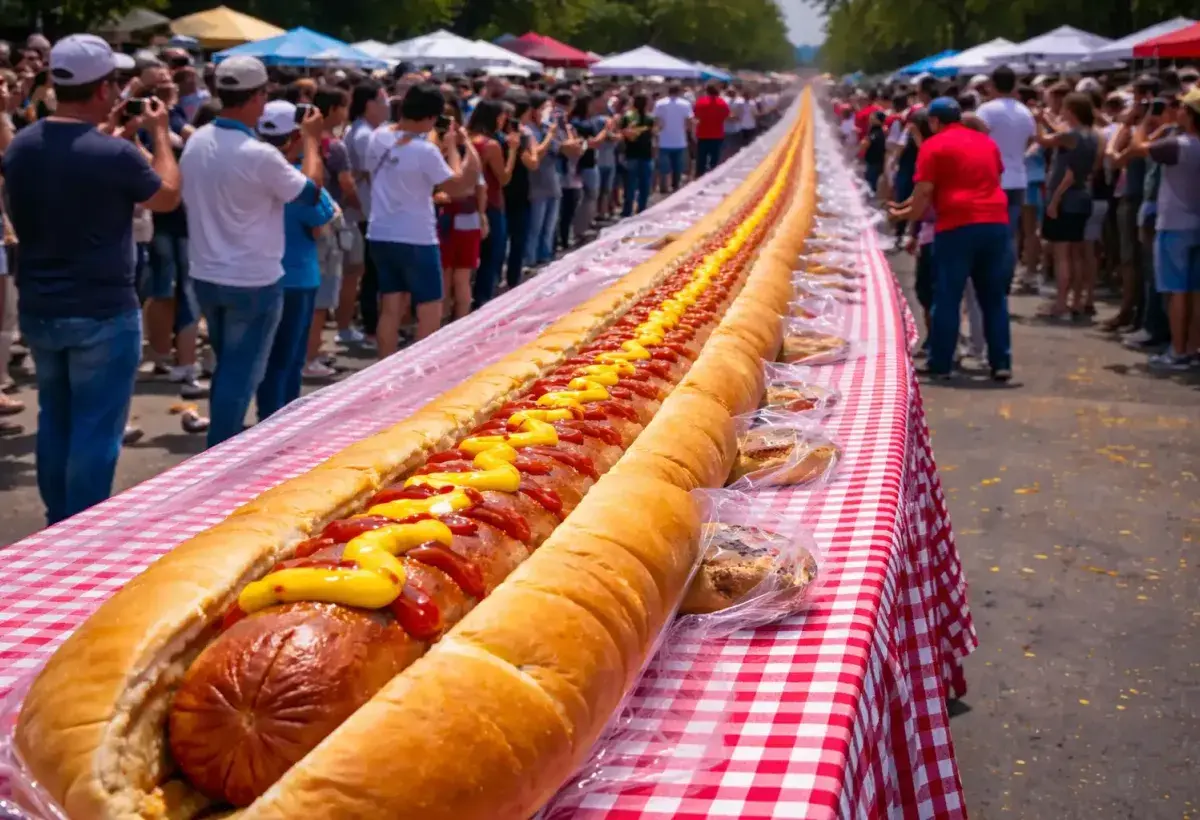
In 2011, Paraguay created a hot dog that measured 218.7 feet or 66.1 meters. Producing something of that scale required careful coordination, specialized equipment, and a large team of participants. It was not just about cooking a giant sausage. The bun also had to match the length, and the entire structure needed to remain intact.
World record attempts like this highlight how food can bring communities together. Events surrounding record breaking creations often attract large crowds, media coverage, and a festive atmosphere. They celebrate creativity, teamwork, and a shared sense of accomplishment.
Constructing a hot dog more than two hundred feet long is a logistical challenge. Temperature control, structural support, and consistent cooking across the entire length are critical. Organizers must plan every detail to meet official record guidelines.
Beyond the numbers, such feats reflect the universal appeal of the hot dog. It is recognizable in nearly every part of the world. Turning it into a record breaking spectacle transforms an everyday food into a symbol of pride and celebration.
4. July is National Hot Dog Month.
Image

In the United States, July is dedicated to celebrating the hot dog. The timing makes perfect sense. Summer is peak grilling season, and outdoor gatherings often feature hot dogs as a centerpiece. Families and friends gather in backyards, parks, and beaches, firing up grills and sharing meals under warm skies.
The Fourth of July stands out as the single biggest hot dog day of the year. Independence Day celebrations frequently include fireworks, parades, and cookouts, and hot dogs play a central role in these traditions. Vendors at public events prepare for massive demand.
National Hot Dog Month also reflects the marketing power behind beloved foods. Promotions, contests, and themed events keep the spotlight on this classic item. Restaurants may introduce special variations, and communities may host eating competitions or festivals.
Celebrating a food for an entire month demonstrates its cultural significance. Hot dogs are not merely convenient meals. They symbolize summer, freedom, and shared experiences. When July arrives, so does the unmistakable aroma of grilling hot dogs across neighborhoods nationwide.
5. The world’s most expensive hot dog costs over 100 dollars.
Image

The Juuni Ban hot dog from Tokyo Dog in Seattle elevated the humble street food into a luxury experience. Featuring wagyu beef, foie gras, black truffles, and caviar, this creation demonstrated how even the simplest foods can be transformed into fine dining statements.
Luxury versions challenge assumptions about what a hot dog can be. Instead of quick convenience, the focus shifts to premium ingredients and presentation. Wagyu beef provides rich marbling and tenderness. Foie gras adds a buttery depth. Truffles contribute earthy aroma, while caviar introduces briny complexity.
Such creations are less about everyday consumption and more about novelty and culinary artistry. They show how chefs reinterpret classics to surprise diners. The price tag may exceed one hundred dollars, but the appeal lies in experiencing something unexpected.
This extravagant example proves that hot dogs are adaptable. They can be affordable staples or indulgent delicacies. From stadium stands to upscale restaurants, the hot dog continues to reinvent itself while maintaining its iconic identity.
6. Mustard is America’s number one hot dog topping.
Image
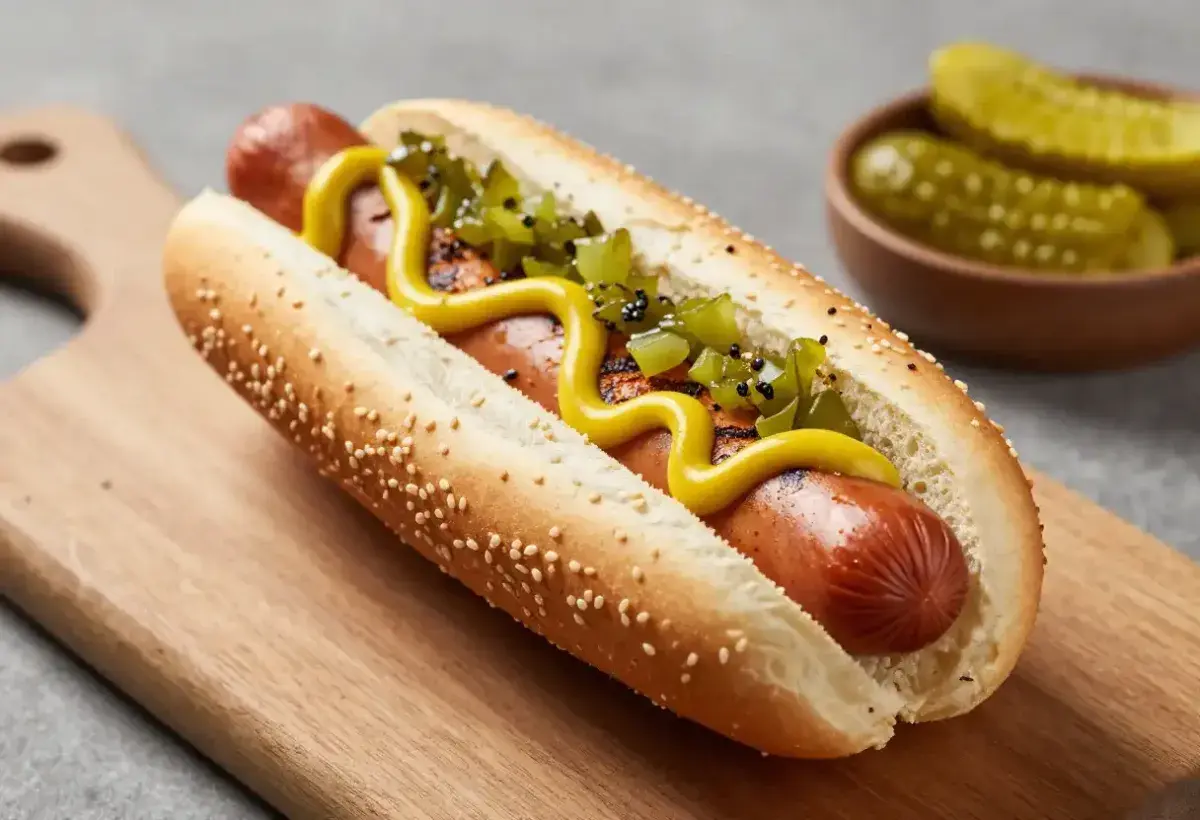
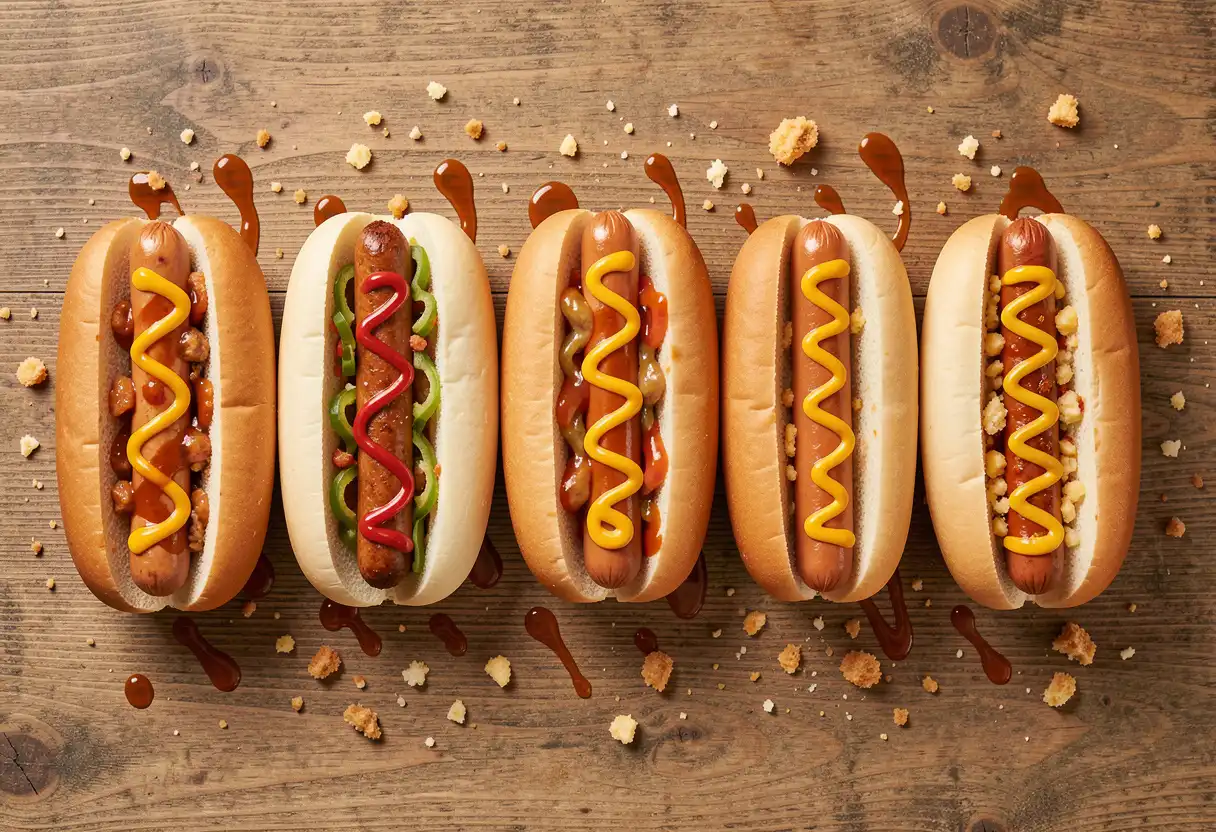
Mustard holds the top position among hot dog condiments in the United States. Its tangy flavor complements the savory sausage without overpowering it. The bright yellow color also adds visual appeal, making the hot dog instantly recognizable.
Ketchup follows closely behind, though debates about its appropriateness continue. Some purists argue that ketchup should never be used, especially on traditional regional styles. Despite this, many people enjoy the sweet contrast it provides.
Mustard varieties extend beyond the classic yellow version. Spicy brown mustard, Dijon, and specialty blends allow for flavor experimentation. Each brings a different character to the same basic foundation.
The topping debate highlights how personal food preferences can be. A simple hot dog becomes a canvas for individual taste. Whether topped with mustard alone or combined with onions, relish, or chili, the condiment choice often sparks passionate discussion among fans.
7. The term “frankfurter” comes from Frankfurt, Germany.
Image
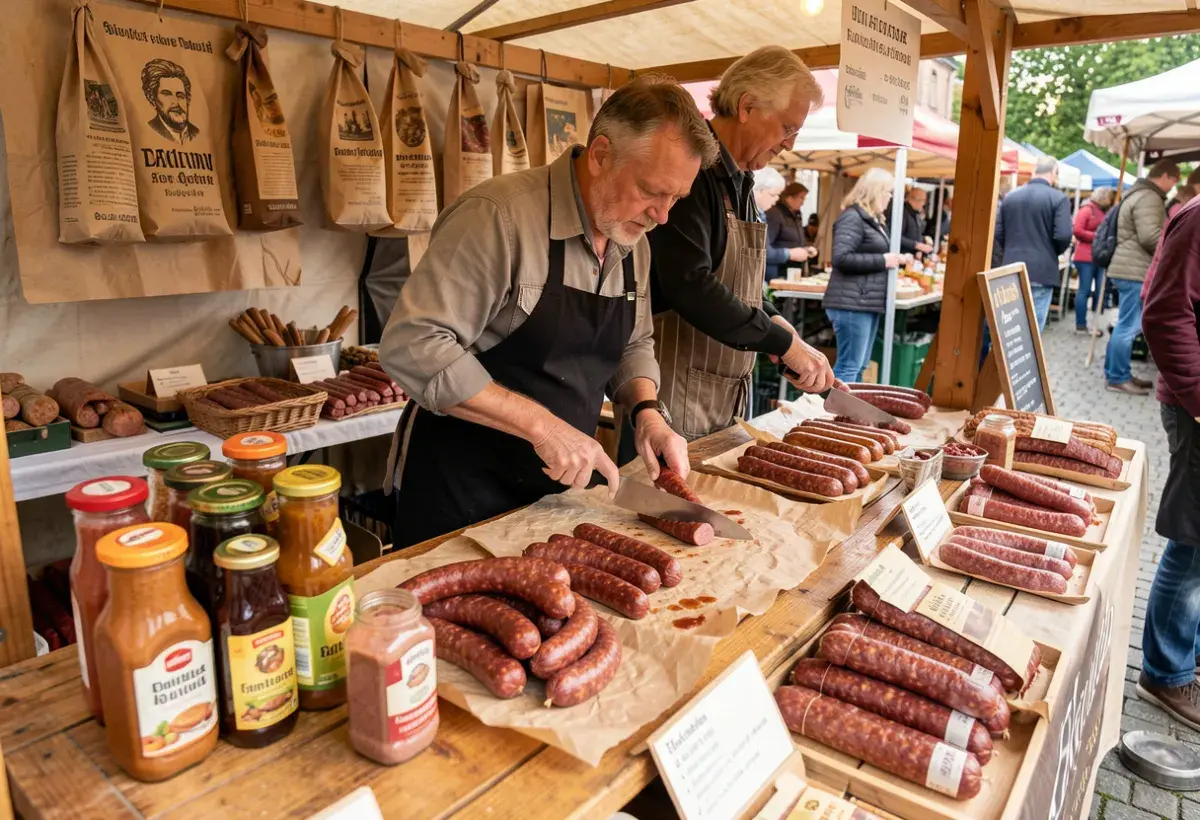
The name frankfurter traces its origins to Frankfurt, where pork sausages were produced as early as the fourteen hundreds. German immigrants later brought these sausage traditions to the United States, influencing the development of the modern hot dog.
The word wiener has a similar origin, linked to Vienna. These names reflect the European heritage behind what many consider a quintessentially American food. Over time, regional variations and production methods evolved, shaping the hot dog into its current form.
Immigration played a crucial role in American culinary history. Foods introduced by newcomers blended with local ingredients and tastes. The hot dog is one example of how cultural exchange creates lasting traditions.
Understanding the origin of frankfurter deepens appreciation for the hot dog. It is not simply a modern convenience item. It represents centuries of sausage making expertise carried across oceans and adapted to new environments.
8. There is an official hot dog etiquette guide.
Image
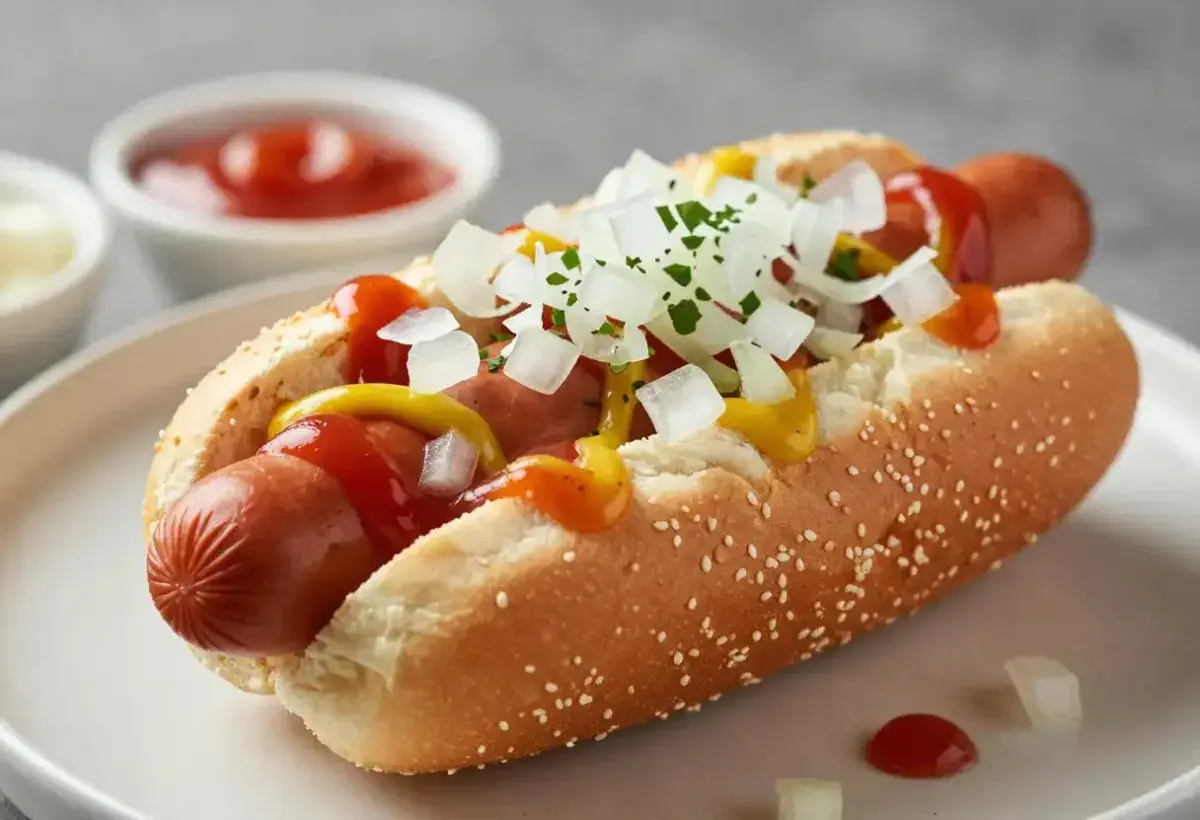
The National Hot Dog and Sausage Council offers guidance on proper hot dog etiquette. Among the recommendations are avoiding the use of a fork and knife and placing toppings on top rather than between the bun and sausage.
These rules may seem humorous, but they reflect respect for tradition. A hot dog is meant to be enjoyed casually, held in the hands, and eaten without excessive formality. Using utensils can appear overly refined for such a relaxed food.
The guidelines also address serving suggestions and pairing ideas. While not legally binding, they add an element of fun and reinforce the cultural significance of the hot dog.
Etiquette around food often reflects shared social understanding. Even a simple item like a hot dog can develop customs that people choose to follow. These unwritten rules contribute to the experience and keep traditions alive.
9. The world record for eating hot dogs is jaw dropping.
Image

Competitive eater Joey Chestnut consumed 76 hot dogs in ten minutes at the Nathan’s Hot Dog Eating Contest in 2021. This astonishing achievement drew worldwide attention and reinforced the event’s reputation as a major competitive eating spectacle.
The annual contest takes place on Coney Island and has become a Fourth of July tradition. Contestants train extensively to increase capacity and efficiency. The event combines entertainment, athletic discipline, and intense rivalry.
Watching such performances can be both impressive and overwhelming. The sheer quantity consumed in a short time challenges ordinary expectations about eating.
Records like this demonstrate the extreme end of hot dog enthusiasm. While most people enjoy them in moderation, competitive eating showcases how a simple food can anchor an internationally recognized competition.
10. Chicago style hot dogs never have ketchup.
Image
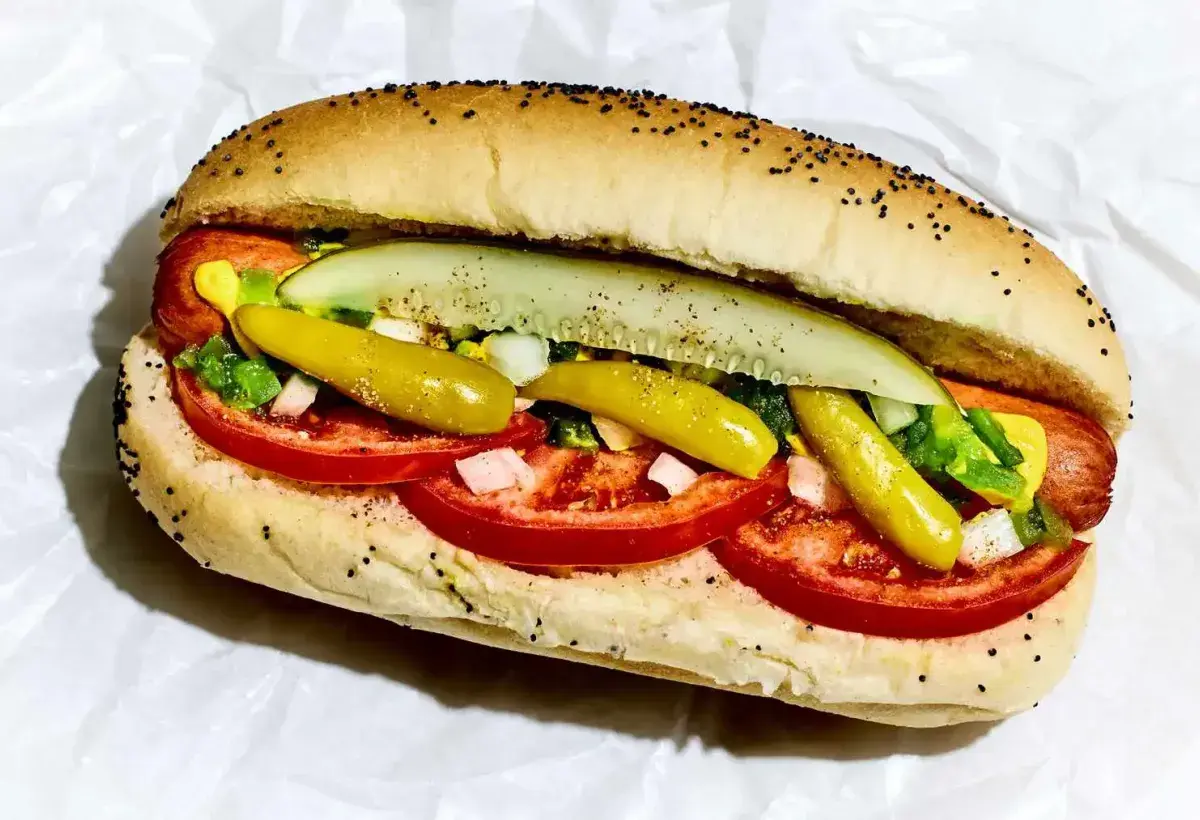
A Chicago style hot dog follows a strict formula. It includes yellow mustard, chopped onions, bright green relish, tomato slices, a pickle spear, sport peppers, and celery salt on a poppy seed bun. Notably absent is ketchup.
This combination creates a balance of flavors and textures. The crunch of onions, the sweetness of relish, the heat of peppers, and the freshness of tomato all complement the sausage. Each ingredient has a specific place and purpose.
Locals take pride in maintaining authenticity. Adding ketchup is often viewed as breaking tradition. The absence of ketchup has become part of the identity.
Regional styles like this show how food connects to community pride. A Chicago style hot dog is more than a meal. It represents history, loyalty, and a shared culinary language that residents proudly defend.
Hot dogs may appear simple at first glance, yet their story spans continents, centuries, and cultural milestones. From German sausage makers in the fourteen hundreds to modern baseball stadiums filled with cheering fans, the hot dog has evolved into a global icon. Billions are consumed each year, and entire months are dedicated to celebrating this beloved food. World records stretch its limits, gourmet chefs elevate it to luxury status, and regional traditions defend specific topping combinations with passion.
What makes the hot dog so enduring is its versatility. It fits seamlessly into everyday life while also stepping into moments of celebration. It can be a quick lunch on a busy day or the centerpiece of a national holiday gathering. It invites debate about toppings, inspires friendly competition, and even has etiquette guidelines to preserve tradition.
Despite changing food trends and growing culinary sophistication, the hot dog remains relevant. Its adaptability ensures that new generations continue to embrace it while honoring its roots. Whether enjoyed with simple mustard or loaded with classic Chicago style toppings, the hot dog remains a symbol of shared experience and uncomplicated joy.
The next time you hold a hot dog at a game, cookout, or festival, remember that you are participating in a tradition shaped by history, creativity, and community. Few foods carry such a rich and flavorful legacy.