

Pennsylvania is a state shaped by industry, immigration, farmland, and fierce local pride. From the cobblestone streets of Philadelphia to the steel heritage of Pittsburgh and the quiet farmlands of Lancaster County, food tells the story of the Keystone State better than any textbook ever could. Each region carries flavors rooted in history, brought by German settlers, Italian immigrants, Irish workers, and generations of families who turned simple ingredients into enduring traditions.
What makes Pennsylvania cuisine stand out is not just taste but identity. Many of its signature dishes are not polished restaurant inventions. They are practical foods born from necessity, long workdays, religious customs, and close knit communities. Some are humble street foods sold from carts. Others are sweet desserts tied to harvest seasons and church gatherings. A few have grown into national icons, instantly recognizable across the United States, yet they still feel most authentic when enjoyed in the towns where they were born.
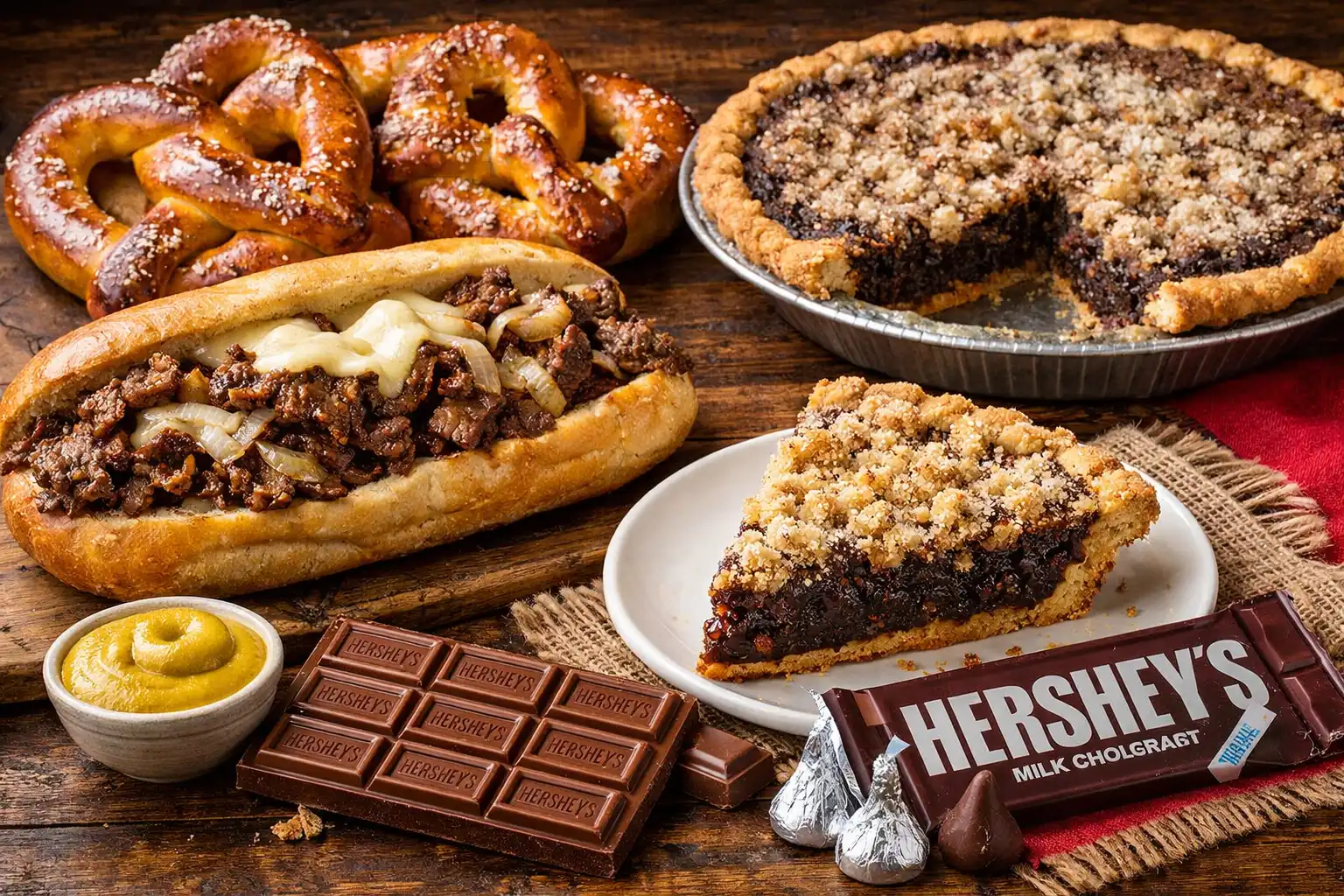
Pennsylvania Dutch cooking, heavily influenced by German heritage, remains one of the strongest culinary forces in the state. Meanwhile, cities like Philadelphia and Pittsburgh developed bold sandwiches and hearty comfort foods that reflect working class resilience. Even chocolate became part of the state’s global identity thanks to one visionary entrepreneur who built more than a factory. He built an entire town.
To understand Pennsylvania is to taste it. These ten foods are more than menu items. They represent heritage, innovation, and local pride. Whether found only in small towns or exported around the world, each dish carries a piece of the state’s story.
1. Philly Cheesesteak
Image
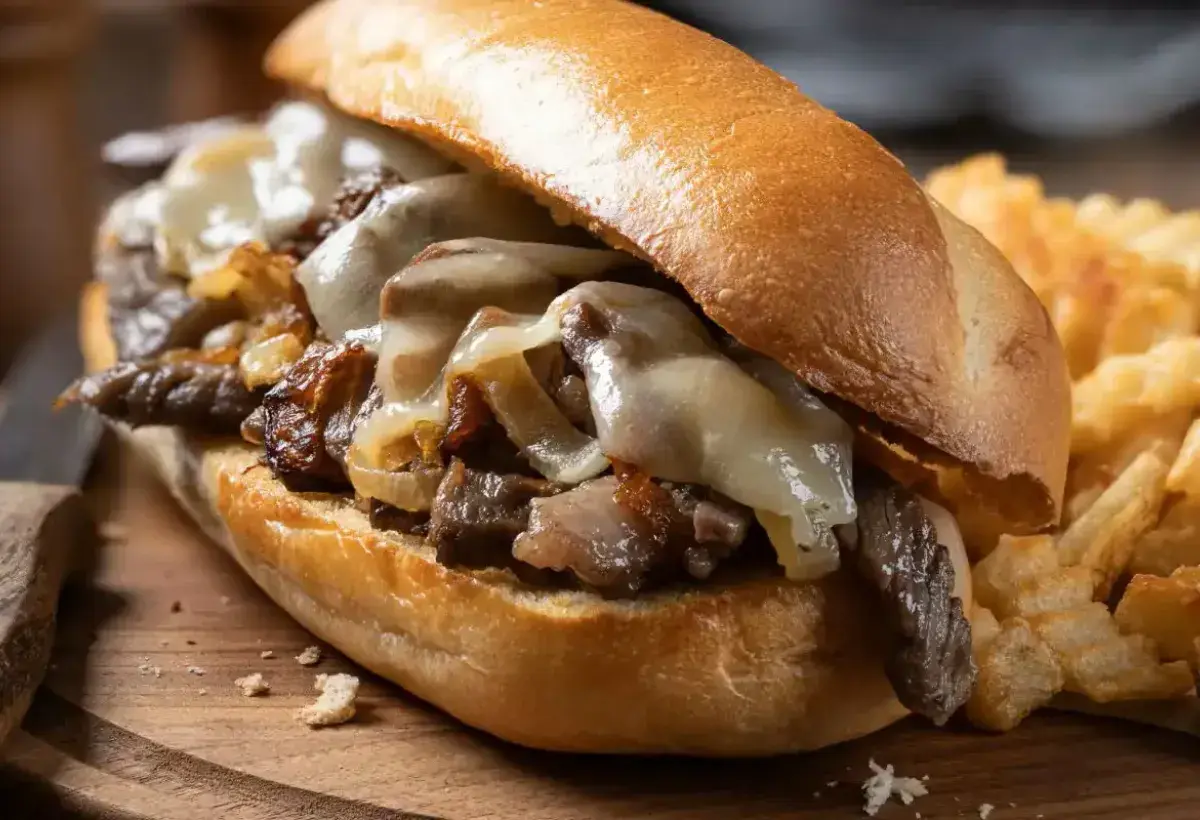
No food is more closely tied to Pennsylvania than the Philly cheesesteak. Born in Philadelphia during the early twentieth century, this sandwich transformed thinly sliced beef and bread into a culinary legend. According to local lore, hot dog vendor Pat Olivieri created the sandwich in the 1930s, eventually leading to the establishment of Pat's King of Steaks. Across the street, Geno's Steaks became a rival institution, turning the cheesesteak into both a meal and a city debate.
The core ingredients are simple. Ribeye steak is sliced thin and cooked on a flat top grill. It is placed inside a long Italian roll, often topped with melted cheese. The choice of cheese sparks passionate opinions. Some insist on Cheez Whiz for authenticity. Others prefer provolone or American cheese. Grilled onions are optional but common. Ordering has its own language, with locals quickly specifying their preference to avoid holding up the line.
The cheesesteak reflects Philadelphia’s working class roots. It is hearty, filling, and designed to be eaten quickly. Construction workers, office employees, students, and tourists all stand shoulder to shoulder at neighborhood shops. While versions exist nationwide, the real experience depends on the bread, the balance of meat and cheese, and the rhythm of the grill.
Beyond its flavor, the cheesesteak represents civic pride. It has appeared in films, television shows, and political campaign stops. Athletes celebrate victories with it. Visitors judge their trip by it. For many, the first bite marks an introduction to Pennsylvania’s bold personality.
2. Soft Pretzels
Image
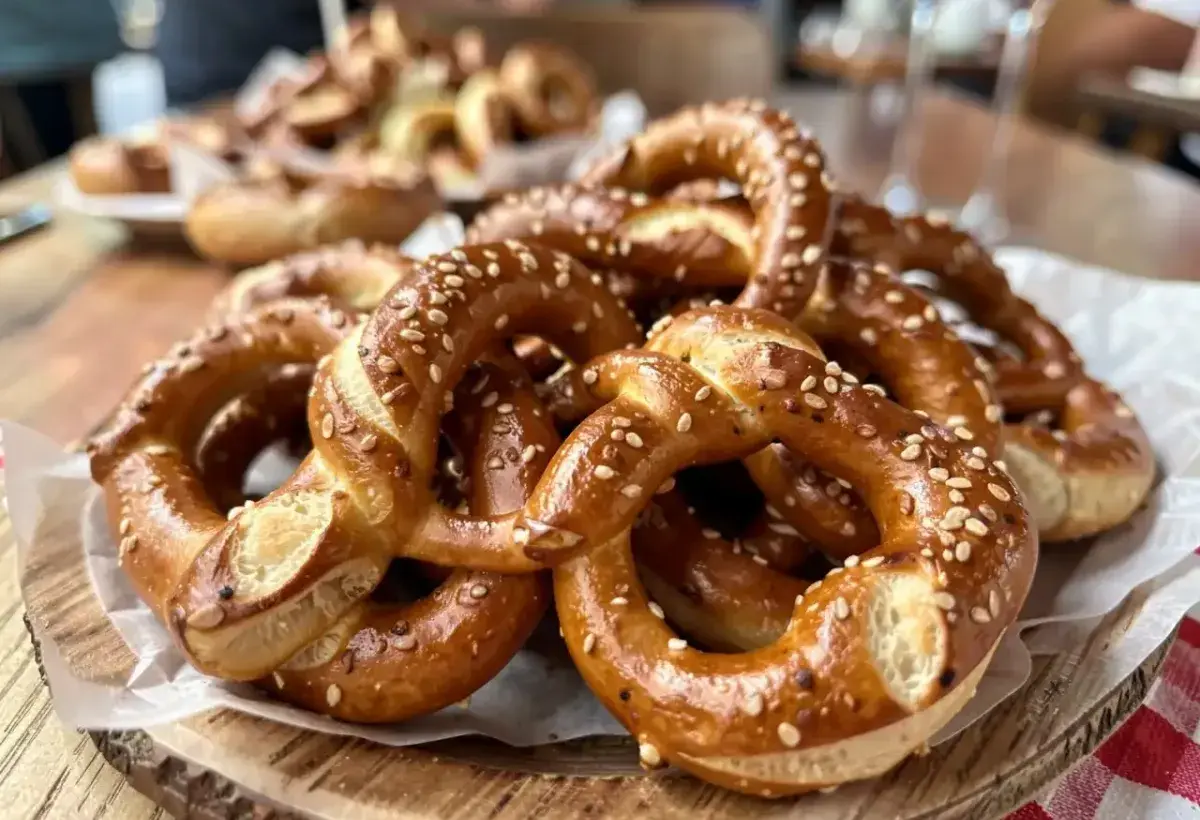
Soft pretzels are woven into daily life across Pennsylvania, especially in Philadelphia. Unlike the crunchy snack pretzels sold in bags, these are thick, chewy, and lightly salted. They are often twisted into figure eight shapes or formed into simple loops. Street vendors sell them from carts in the early morning, and bakeries produce them in batches that fill entire neighborhoods with the smell of fresh dough.
The tradition traces back to German immigrants who settled in the region, particularly in Pennsylvania Dutch communities. Pretzels were originally associated with religious symbolism and were sometimes given to children as rewards for memorizing prayers. Over time, they evolved into everyday snacks.
Philadelphia residents consume more pretzels per capita than almost anywhere else in the country. They are commonly dipped in mustard, though some enjoy them plain. In certain bakeries, pretzels are baked softer and lighter, almost bread like, while others maintain a denser chew.
Pretzels are affordable and portable, which made them perfect for factory workers and students. They are eaten at baseball games, school lunches, and family gatherings. Even convenience stores stock them near the checkout counter.
In Pennsylvania, the soft pretzel is not just a snack. It is a symbol of continuity. From immigrant ovens to modern bakeries, its twisted form connects generations through taste and tradition.
3. Shoofly Pie
Image
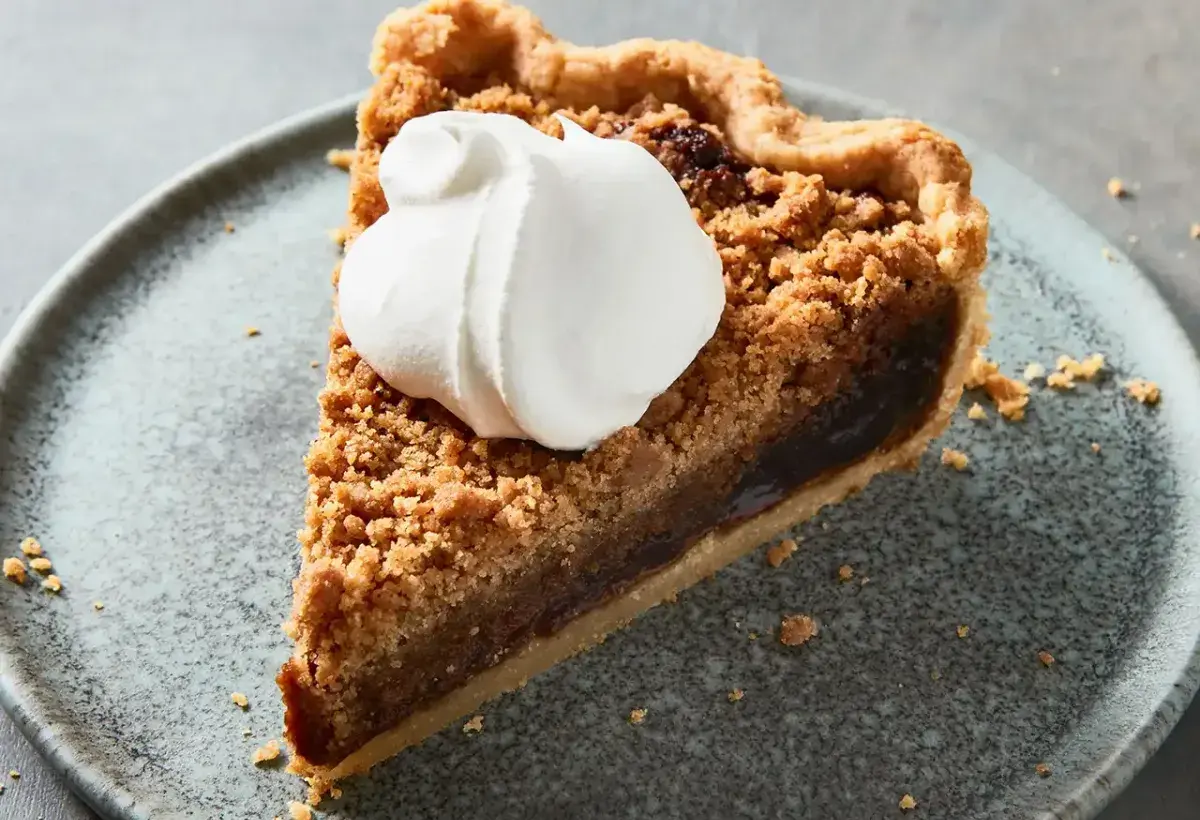
Shoofly pie is one of the most distinctive desserts associated with Pennsylvania Dutch country, particularly in Lancaster. Made primarily with molasses, brown sugar, and a crumb topping, it delivers a deep sweetness that feels both rustic and comforting.
The name supposedly comes from the need to shoo flies away from the sticky pie as it cooled on farmhouse windowsills. Whether legend or fact, the name adds charm to an already unique dessert.
There are two main varieties. Wet bottom shoofly pie has a gooey layer beneath the crumb topping, almost like a molasses custard. Dry bottom versions resemble a cake with a crumbly top. Both styles reflect practical farm cooking, using shelf stable ingredients that were readily available.
Shoofly pie became popular in Pennsylvania Dutch communities because molasses was less expensive than refined sugar. Families baked it for special occasions, church gatherings, and Sunday dinners. Today, bakeries in Lancaster County continue to sell it to visitors eager to taste authentic regional fare.
More than just a dessert, shoofly pie represents agricultural heritage. Its flavor profile is bold and unapologetically sweet. It is not subtle, and that is precisely the point. It reflects a time when recipes were shaped by necessity and shared through generations.
4. Scrapple
Image
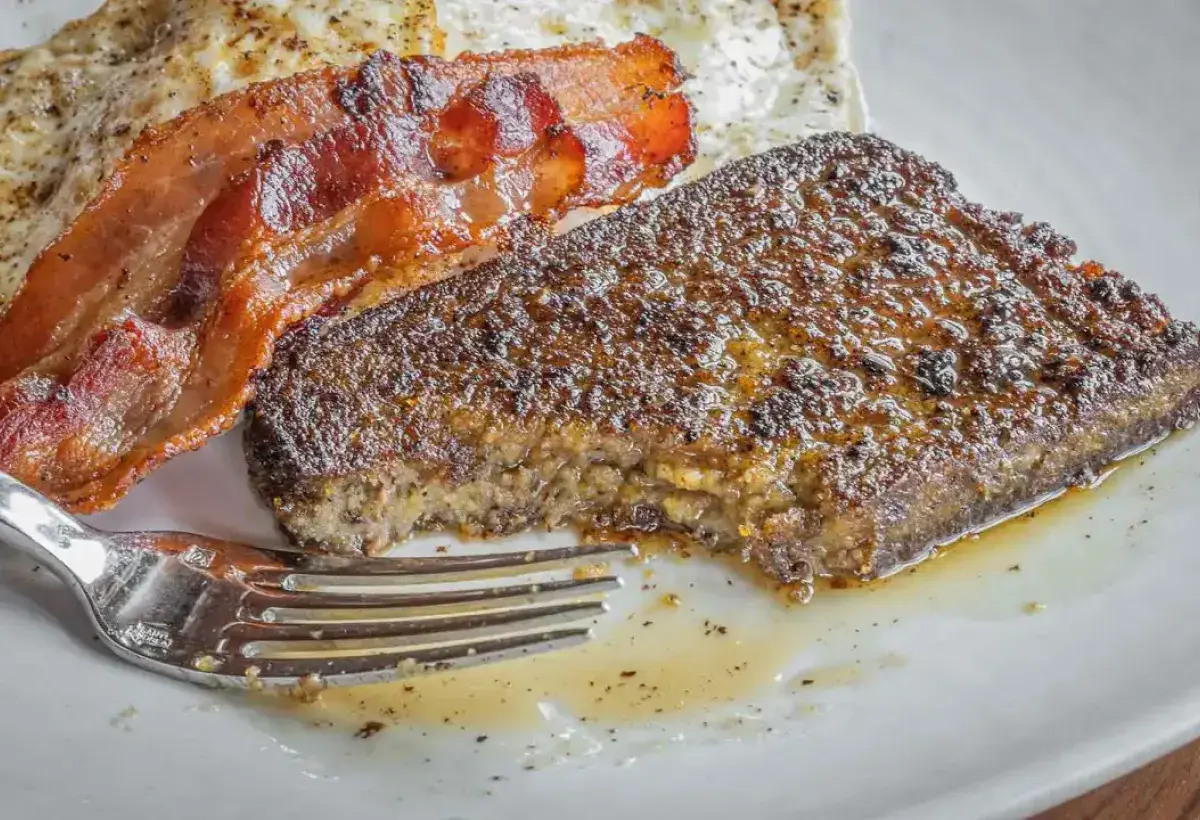
Scrapple is one of Pennsylvania’s most debated breakfast foods. Originating from Pennsylvania Dutch cooking traditions, it was designed as a way to use every part of the pig. Pork scraps were combined with cornmeal and spices, formed into a loaf, and sliced for frying.
The result is crispy on the outside and soft on the inside when cooked properly. It is typically served with eggs and toast. Some people drizzle it with syrup, while others prefer ketchup. Opinions about scrapple tend to be strong. Many who grew up with it cherish it deeply. Outsiders sometimes approach it cautiously.
Historically, scrapple reflected a no waste philosophy. Farming families could not afford to discard usable meat. By combining scraps with grain, they stretched ingredients further. This practical approach shaped much of Pennsylvania Dutch cuisine.
Today, scrapple is still widely available in supermarkets and diners across the state. Brands like Habbersett have maintained its presence in modern kitchens. It remains a staple in rural communities and urban breakfast counters alike.
Scrapple tells a story of resourcefulness and tradition. It reminds Pennsylvanians of their agricultural roots and the value placed on making the most of what is available.
5. Hershey Chocolate
Image
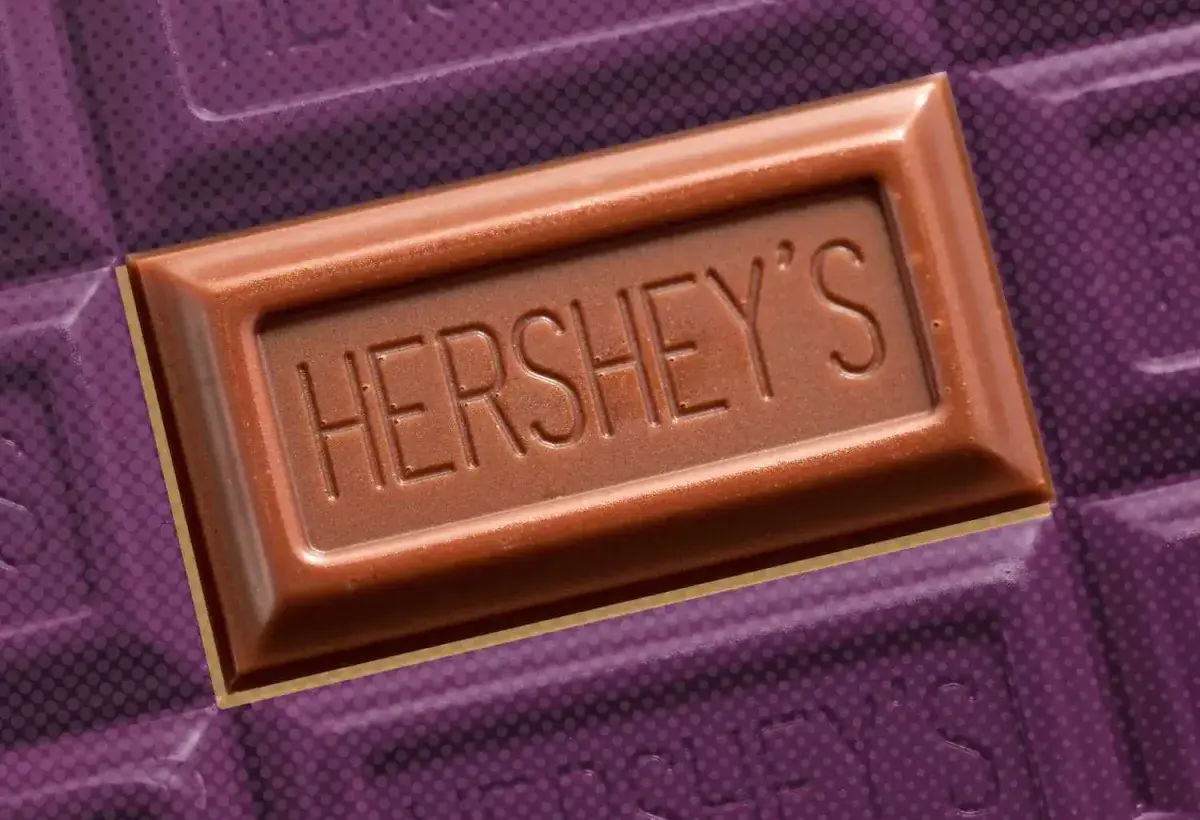
Chocolate lovers around the world recognize the name The Hershey Company, founded by Milton S. Hershey. In the town of Hershey, chocolate is not just candy. It is identity.
Milton Hershey built more than a factory. He created a community for workers, complete with housing, schools, and public amenities. His vision turned a rural area into a thriving company town. The chocolate bar, simple yet iconic, became one of the most recognizable sweets in America.
Hershey chocolate is known for its creamy texture and distinct flavor. Products like Hershey’s Kisses and milk chocolate bars are staples in households nationwide. While gourmet chocolatiers offer complex flavor notes, Hershey represents familiarity and nostalgia.
Visitors to Hershey can tour attractions dedicated to chocolate making and learn about the company’s philanthropic efforts. The legacy includes a school founded to support children in need, funded by Milton Hershey’s fortune.
Chocolate from Hershey symbolizes industrial innovation and community building. It shows how a single product can shape a town and become part of a state’s cultural and economic foundation.
6. Pierogies
Image
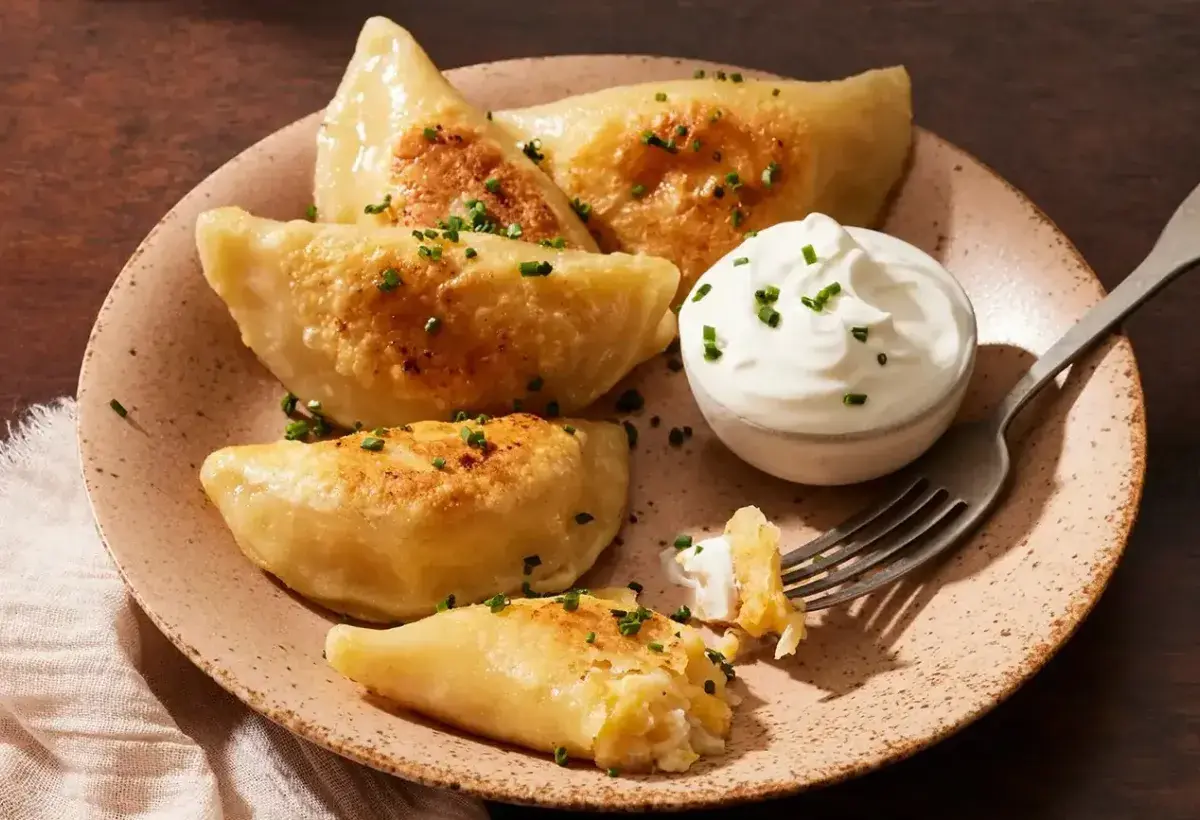
Pierogies became especially popular in western Pennsylvania, particularly in Pittsburgh, where Eastern European immigrants brought their culinary traditions. These dumplings are typically filled with mashed potatoes and cheese, though variations include sauerkraut, meat, or sweet fillings.
Boiled and then often pan fried with onions, pierogies are hearty and comforting. They became staples for steelworkers who needed filling meals after long shifts. Churches and community halls frequently host pierogi sales, reinforcing their cultural importance.
In Pittsburgh, pierogies are more than food. They are celebrated at sporting events and festivals. The city’s baseball team even features pierogi themed mascots, highlighting how deeply the dish has entered local identity.
While pierogies can be found across the United States, western Pennsylvania maintains a particularly strong connection to them. Family recipes are passed down through generations, preserving techniques and flavors.
Pierogies reflect the immigrant story that shaped much of Pennsylvania’s industrial growth. They symbolize resilience, community, and the blending of cultures that define the state.
7. Lebanon Bologna
Image
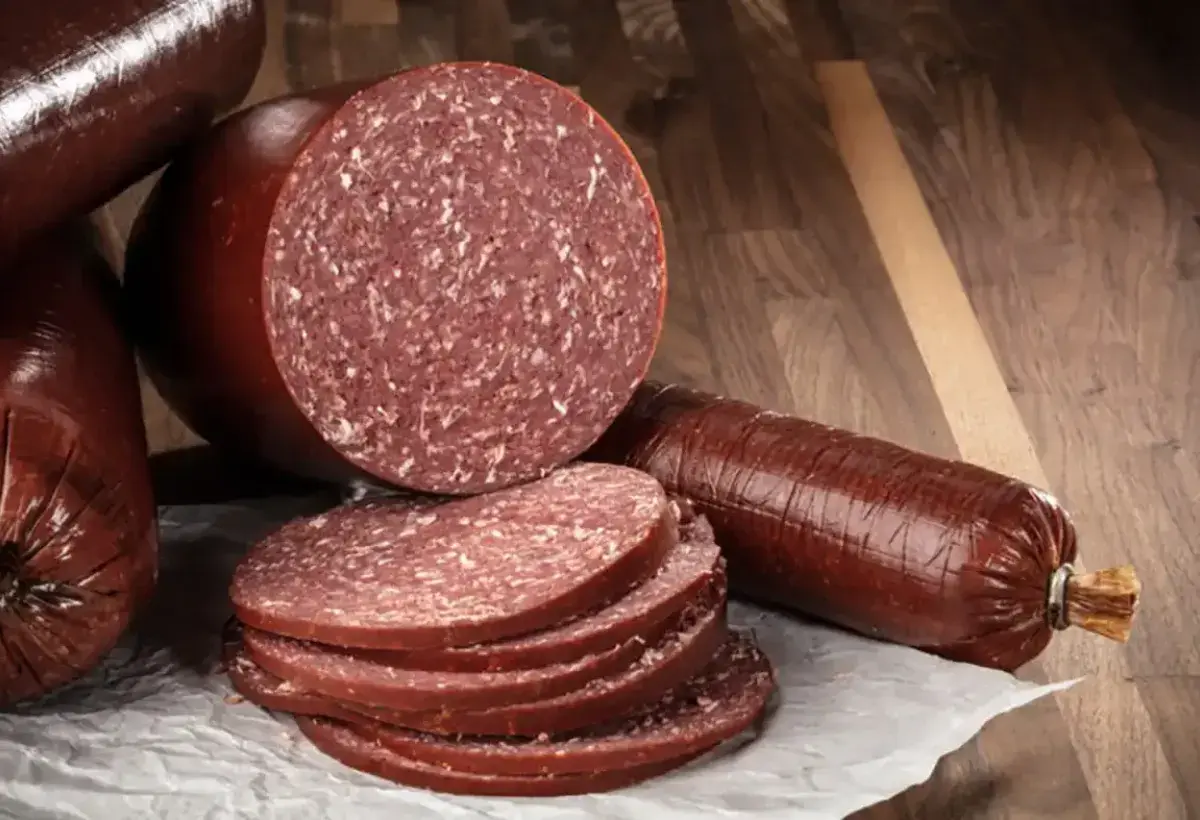
Lebanon bologna originated in Lebanon and stands apart from typical deli bologna. It is heavily smoked, fermented, and tangy, offering a bold flavor profile that surprises those expecting a mild lunch meat.
Made from beef rather than pork, Lebanon bologna developed through Pennsylvania Dutch preservation methods. Smoking and curing allowed meat to last longer before refrigeration was common. The process gives it a darker color and firm texture.
There are sweet and regular varieties, with the sweet version featuring added sugar to balance the tanginess. It is commonly sliced thin for sandwiches or paired with cheese and crackers.
Lebanon bologna remains a regional specialty, rarely duplicated perfectly outside the state. Local producers continue to use traditional techniques, preserving its authenticity.
This cured meat reflects the ingenuity of early settlers who relied on smoking and fermentation. It remains a flavorful reminder of Pennsylvania’s agricultural and immigrant heritage.
8. Primanti Brothers Sandwich
Image
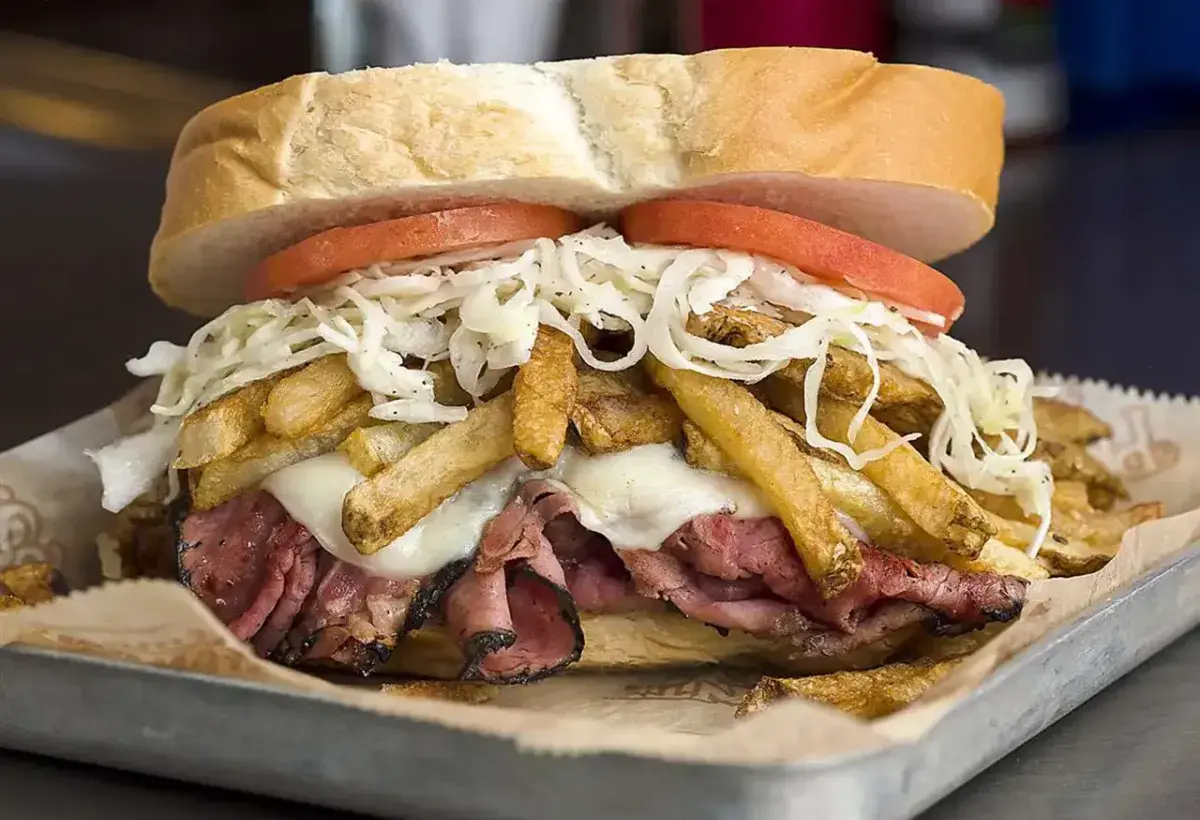
The iconic sandwich from Primanti Bros. in Pittsburgh breaks traditional sandwich rules. Instead of serving fries on the side, they are stuffed inside along with coleslaw, meat, and melted cheese between thick slices of Italian bread.
Created during the Great Depression, the sandwich was designed for truck drivers who needed a complete meal they could eat with one hand. Fries and slaw inside the bread eliminated the need for separate plates.
The combination might seem unusual, but the textures work together. The fries add salt and substance, while the vinegar based slaw cuts through the richness of the meat and cheese.
Primanti Bros has expanded beyond Pittsburgh, yet the original location remains a pilgrimage site for sports fans and visitors. The sandwich captures the city’s practical spirit and refusal to do things halfway.
It stands as a tribute to blue collar creativity and remains one of Pennsylvania’s most distinctive culinary inventions.
9. Tastykake
Image
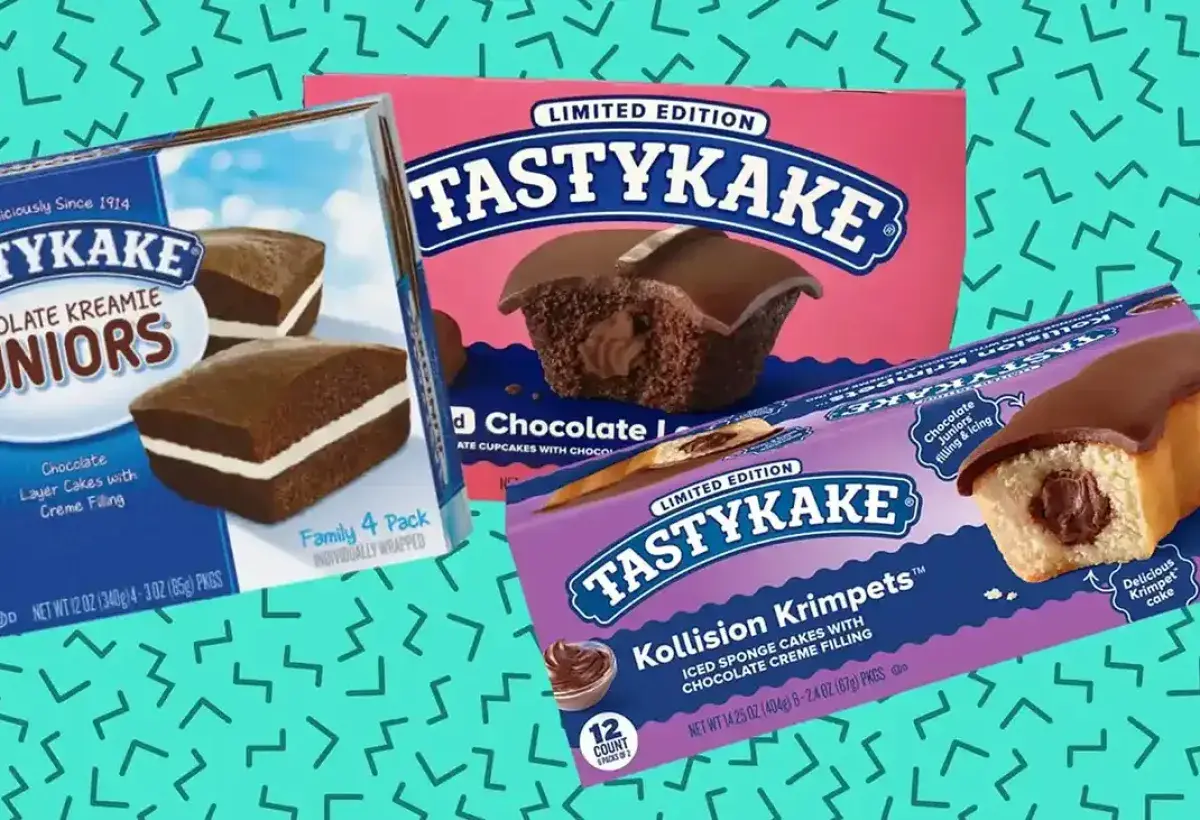
Founded in Philadelphia in 1914, Tastykake became a beloved snack brand across the Mid Atlantic region. Known for products like Butterscotch Krimpets and Kandy Kakes, Tastykake built a loyal following.
These individually wrapped treats became lunchbox staples and after school indulgences. Their long shelf life and recognizable packaging made them convenient and comforting.
For many Pennsylvanians, Tastykake evokes childhood memories. It represents a local brand that competed with national snack companies while maintaining regional loyalty.
Even as ownership changed over the decades, the brand remained closely associated with Philadelphia pride. Tastykake stands as proof that simple snack cakes can become cultural icons.
10. Apple Butter
Image
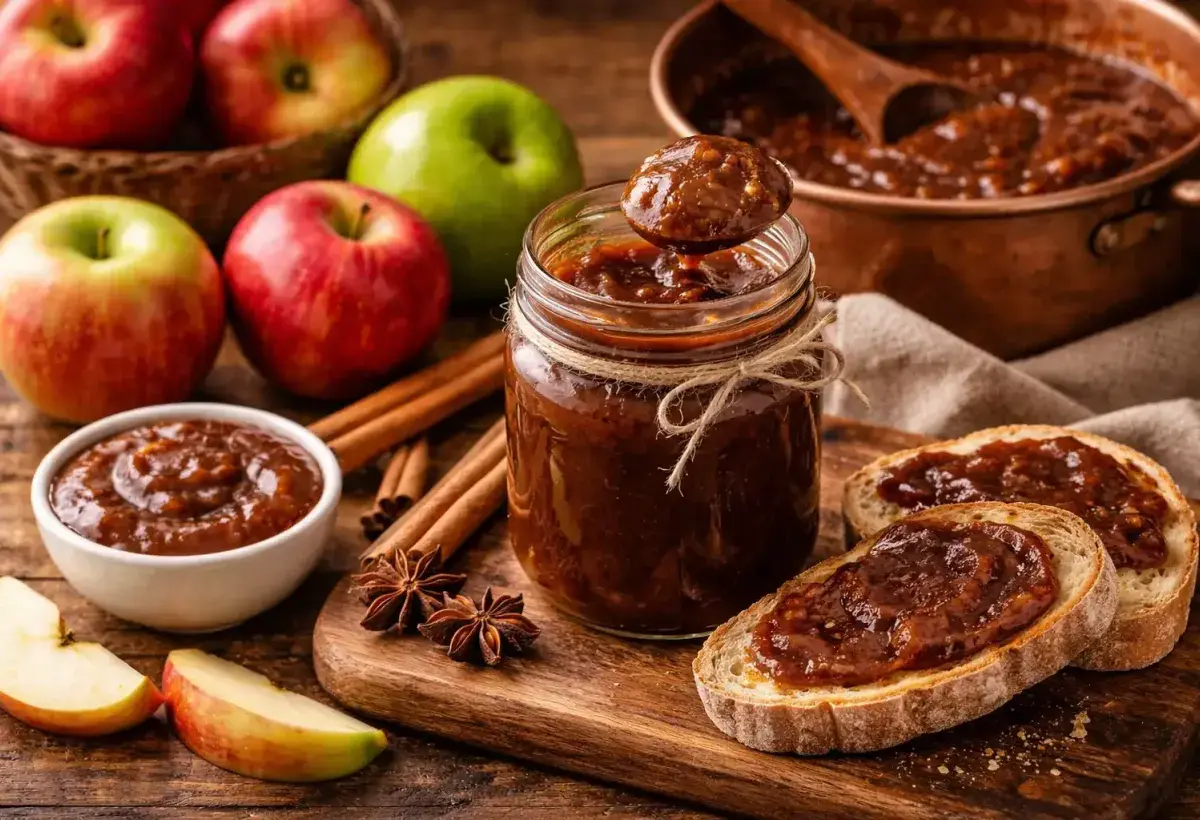
Apple butter is deeply rooted in Pennsylvania Dutch tradition. Unlike jam, it contains no actual butter. Instead, apples are slow cooked for hours until they reduce into a thick, dark spread rich with cinnamon and spice.
Historically, families gathered in the fall to prepare apple butter in large kettles over open fires. The process could take an entire day, with neighbors taking turns stirring to prevent burning. These gatherings strengthened community bonds.
Apple butter was a practical way to preserve apples for winter. Its concentrated sweetness and smooth texture made it ideal for spreading on bread or biscuits.
Today, farmers markets across Pennsylvania still sell homemade apple butter, especially in rural areas. While modern kitchens use stovetops instead of outdoor kettles, the spirit of cooperation remains part of its story.
Apple butter symbolizes harvest, patience, and tradition. It reflects the agricultural rhythms that shaped Pennsylvania’s identity and continues to connect past and present through flavor.
Pennsylvania’s food culture is a mosaic shaped by migration, industry, farmland, and fierce regional loyalty. Each dish on this list represents more than flavor. It represents people who arrived with recipes in their memory and adapted them to a new land. It reflects factory towns that needed affordable meals and farming communities that valued preservation and practicality.
From the unmistakable bite of a Philly cheesesteak to the deep molasses sweetness of shoofly pie, these foods tell stories of resilience and innovation. They highlight how necessity often sparks creativity. They also show how local pride can elevate simple ingredients into lasting icons.
Even as national chains and global cuisines expand across the United States, Pennsylvania holds tightly to its culinary heritage. Visitors may come for history or scenery, but they leave remembering what they tasted. Food creates memory, and in Pennsylvania, those memories are rich, hearty, and deeply rooted.
The Keystone State continues to evolve, yet its signature foods remain constant reminders of where it has been. Through sandwiches, sweets, spreads, and smoked meats, Pennsylvania tells its story one bite at a time.