


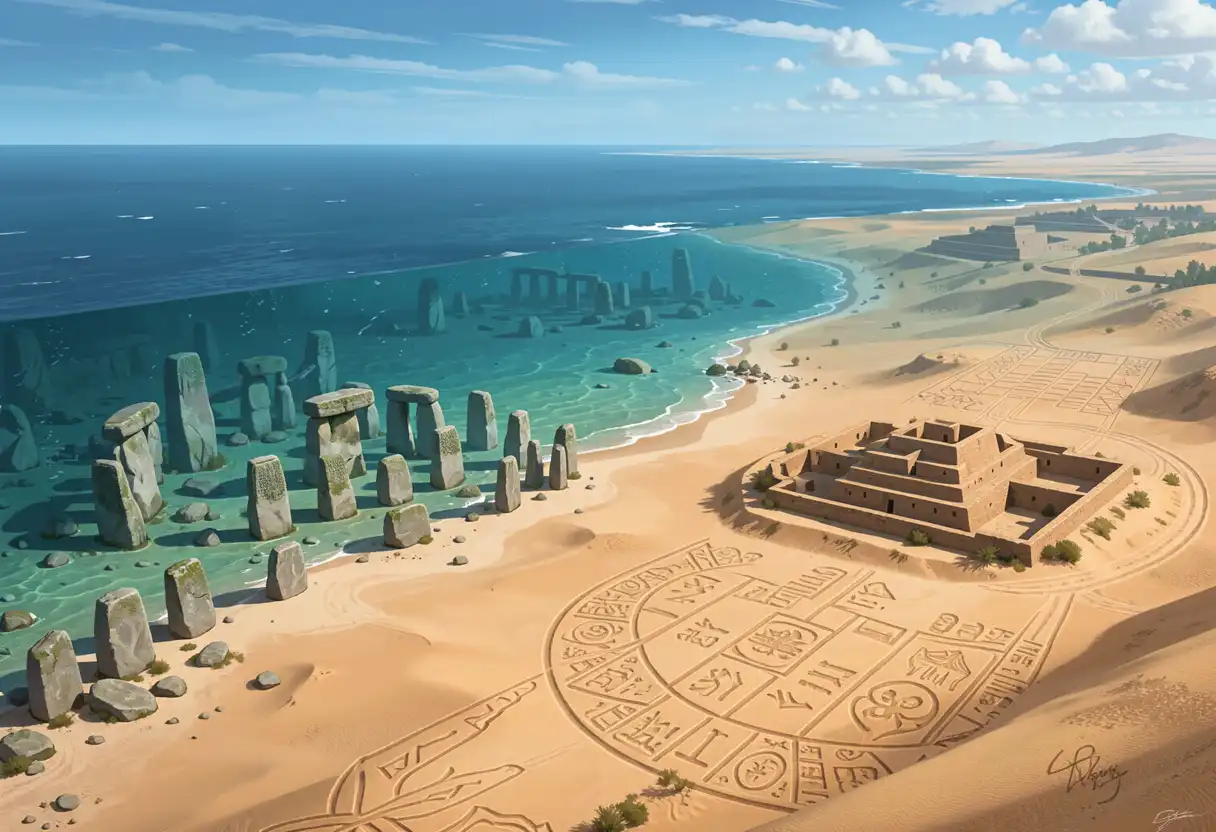
History is a vast tapestry filled with tales that are well-documented, intriguing, and sometimes completely baffling. For centuries, humans have sought to understand the origins of civilizations, the motives behind monumental constructions, and the events that shaped our world. Despite the incredible progress of archaeology, technology, and scientific research, there remain numerous mysteries that defy explanation. These enigmas challenge our understanding of human history, pushing the limits of what we know about ancient cultures and historical events.
Some mysteries captivate the imagination because they involve lost knowledge or advanced civilizations that vanished without a trace. Others remain unresolved because of cryptic artifacts, incomplete records, or unusual phenomena that leave even experts scratching their heads. The allure of these mysteries is not only in the unanswered questions but also in the stories and legends that have grown around them over the centuries. They inspire explorers, historians, and everyday people to look closer, question assumptions, and wonder about what may have been lost in the annals of time.
From legendary cities that may or may not have existed, to manuscripts written in unknown languages, to human disappearances that have never been explained, the past holds a treasure trove of puzzles. Each mystery carries with it a story that is part fact, part legend, and part imagination. While some attempts have been made to solve these enigmas, the answers often remain elusive, reminding us that history is as complex as it is fascinating. Exploring these top ten unsolved historical mysteries provides a window into our past, offering glimpses of civilizations, events, and phenomena that continue to provoke thought, debate, and curiosity.
These mysteries have stood the test of time, defying explanation and leaving questions for generations. They provoke the imagination, challenge the intellect, and invite speculation. Understanding them is not merely about finding answers but about appreciating the depth, complexity, and richness of human history. The stories of these mysteries continue to captivate, inspire research, and spark conversations across the globe. Let us journey into the past and explore ten of the most enduring unsolved mysteries that continue to baffle the world.
1. The Lost City of Atlantis
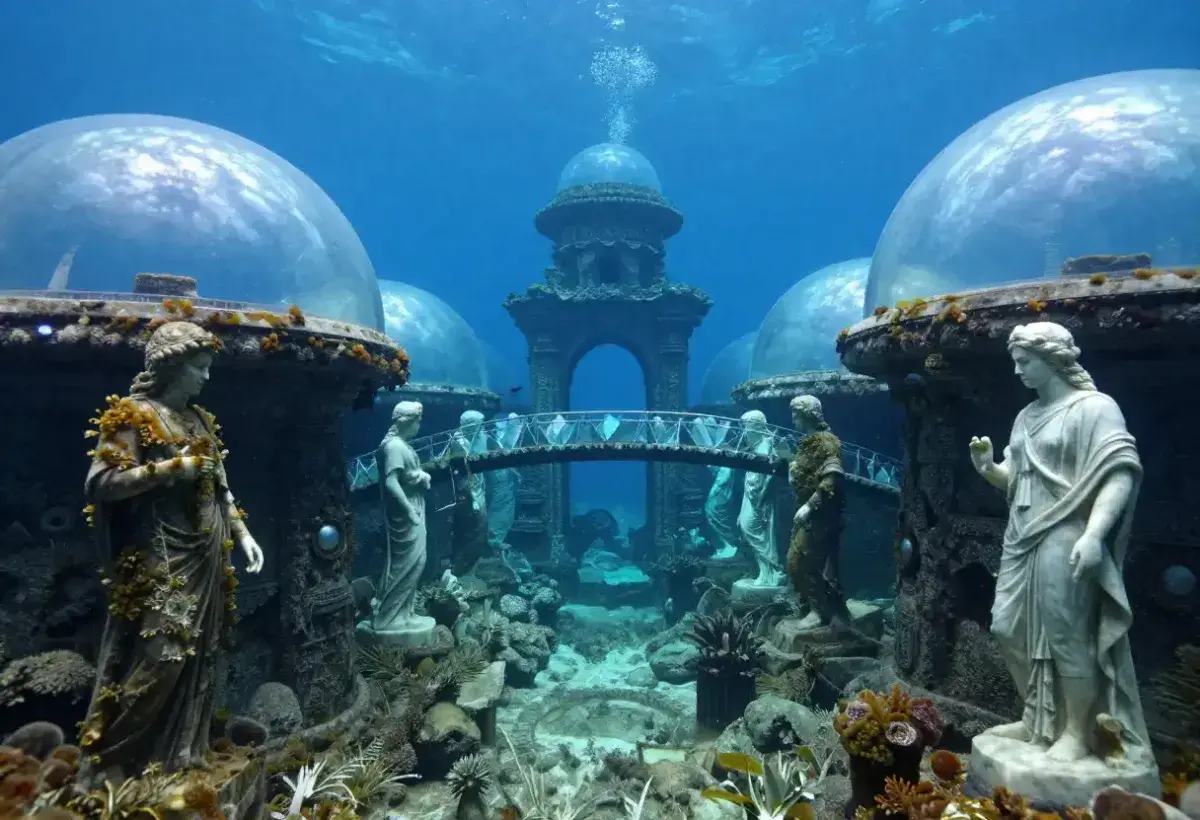
Plato, one of ancient Greece’s most influential philosophers, described Atlantis as a powerful and highly advanced civilization that existed thousands of years before his time. According to his accounts, this city possessed immense wealth, technological innovation, and a sophisticated social structure. It flourished as a maritime power but disappeared suddenly beneath the sea in a cataclysmic event. The story has been retold for centuries, captivating explorers, writers, and historians.
The debate over Atlantis is as old as the legend itself. Some scholars believe that Plato’s story was purely allegorical, designed to illustrate philosophical ideals about hubris and the downfall of nations. Others argue that it may have been inspired by real events such as the eruption of the Thera volcano or the destruction of the Minoan civilization on Crete. Over time, countless expeditions have sought to locate the city, with proposed sites ranging from the Mediterranean Sea to the Caribbean and even Antarctica. Despite these efforts, no definitive evidence has been found to confirm the existence of Atlantis.
The fascination with Atlantis goes beyond its potential location. It represents the human desire to uncover lost civilizations and understand advanced knowledge from the past. The mystery continues to inspire books, documentaries, and research, fueling speculation about technology, culture, and the possible influence of Atlantis on later societies. Whether Atlantis is fact, myth, or a combination of both, it remains one of the most enduring and intriguing enigmas in history.
Image
2. The Voynich Manuscript
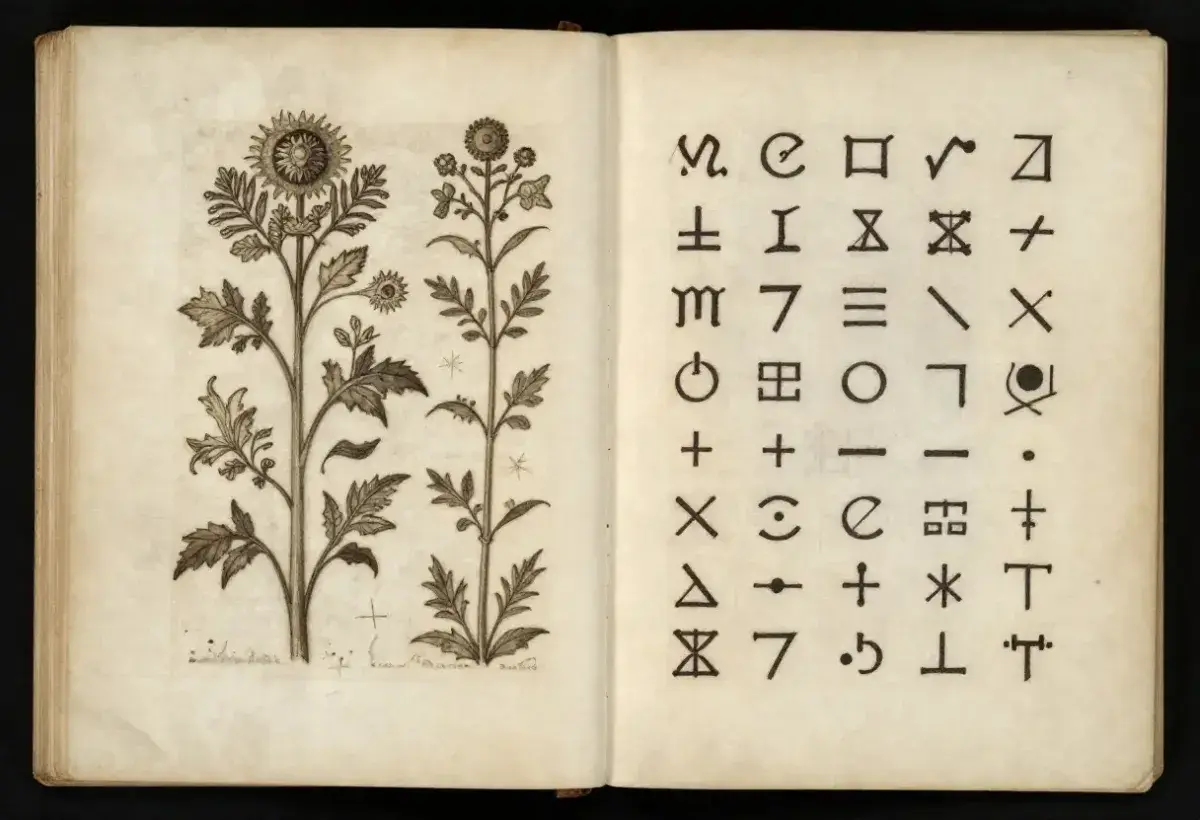
The Voynich Manuscript is perhaps the most mysterious book in the world. Dating back to the early 15th century, it is filled with strange symbols, an unknown language, and detailed illustrations of plants, astronomical charts, and human figures. Its origins are uncertain, and the identity of its author remains a complete mystery. Scholars and cryptographers have tried to decipher it for centuries, but no one has produced a universally accepted translation.
The manuscript challenges our understanding of written communication. Some researchers believe it contains coded knowledge about medicine, alchemy, or astronomy. Others argue that it could be an elaborate hoax designed to confound and intrigue. The illustrations themselves are puzzling, depicting plants that do not match any known species and diagrams that resemble celestial charts but do not align with modern astronomy. The combination of linguistic obscurity and unusual visuals makes the Voynich Manuscript a subject of fascination for historians, linguists, and amateur detectives alike.
Despite advances in artificial intelligence and cryptography, the manuscript remains indecipherable. Each attempt at translation or decoding has led to new theories but no conclusive answers. Its allure lies not just in the content but also in the mystery of its creation and purpose. The Voynich Manuscript continues to captivate the imagination, standing as a testament to the unknown possibilities of human knowledge and ingenuity.
Image
3. Stonehenge – England
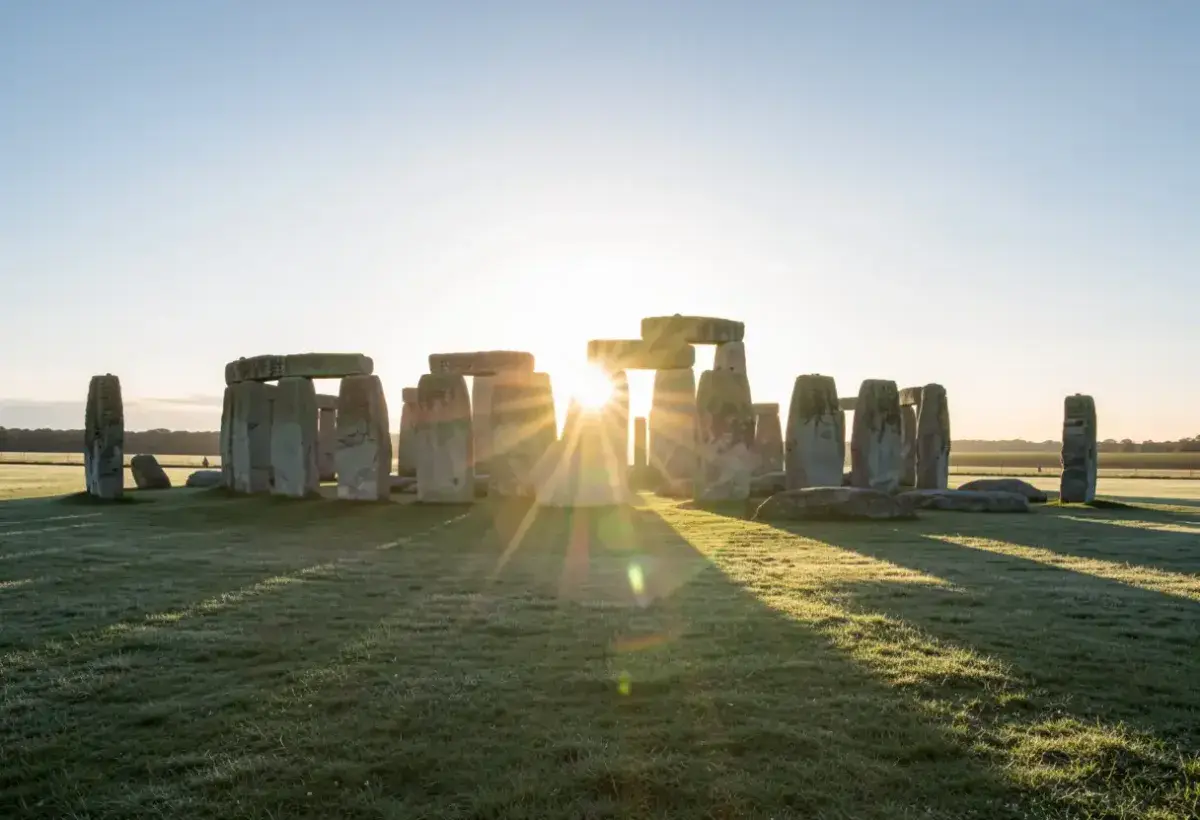
Stonehenge, located in Wiltshire, England, is one of the most iconic prehistoric monuments in the world. Its massive stone structure consists of concentric circles of towering sarsen stones and smaller bluestones, some weighing over twenty-five tons. Archaeologists have determined that construction began around 3000 BCE and continued for over a thousand years. Despite extensive study, questions about how and why it was built remain unanswered.
The engineering feat of transporting these massive stones from distant locations without modern tools is still debated. Some theories suggest the use of wooden sledges, rollers, and human ingenuity, but no conclusive evidence exists to explain the exact methods. Additionally, the purpose of Stonehenge has been widely speculated. Some believe it served as an astronomical calendar aligned with solstices, while others propose it was a religious site, a burial ground, or a place for healing rituals.
Stonehenge continues to be a symbol of mystery and wonder. Its construction demonstrates remarkable knowledge of geometry and astronomy for a prehistoric society. Visitors from around the world are drawn to its enigmatic presence, and researchers continue to uncover new findings that add layers to its story. While we may never know the full purpose or methods of its construction, Stonehenge remains a testament to human creativity and determination in the distant past.
Image
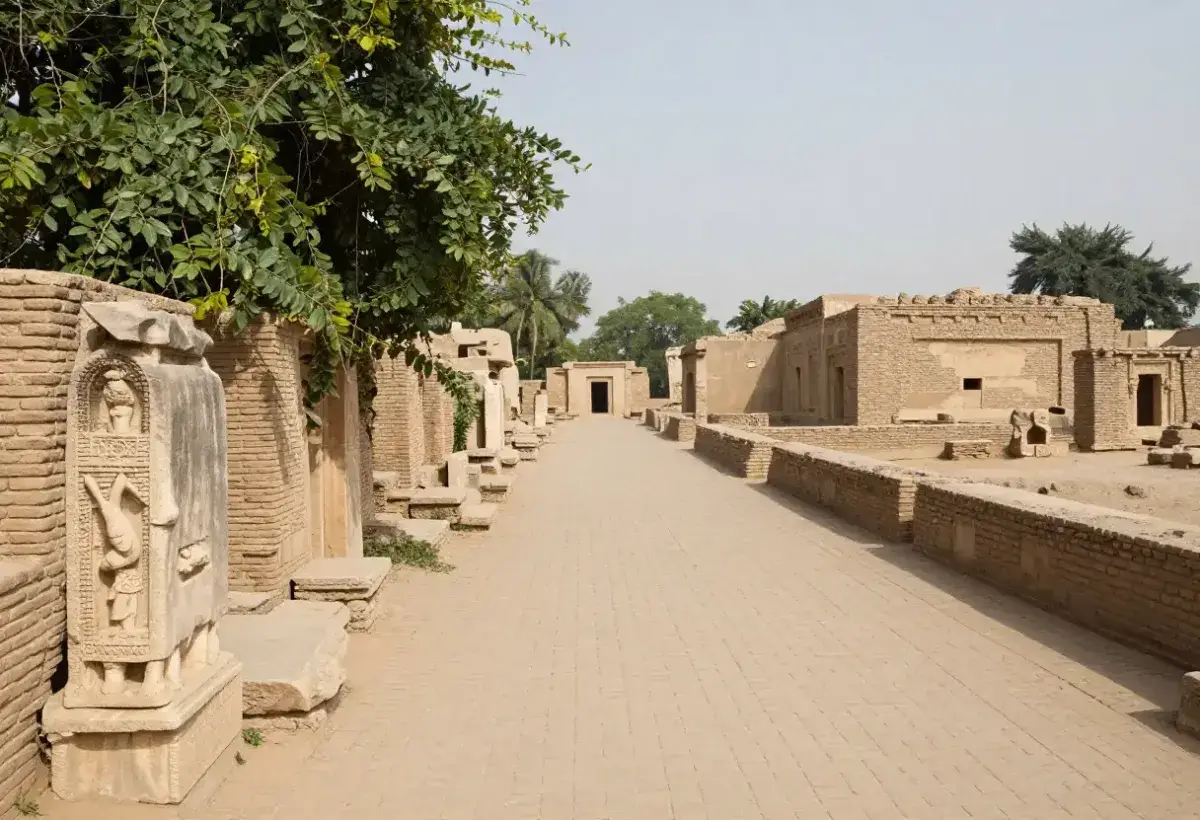
4. The Disappearance of the Indus Valley Civilization
The Indus Valley Civilization thrived between 3300 and 1900 BCE in what is now Pakistan and northwest India. Known for its well-planned cities, advanced drainage systems, and standardized weights and measures, it was one of the earliest urban societies. Yet, around 1900 BCE, this civilization vanished with little explanation, leaving behind cities that would eventually be buried and forgotten.
Scholars have proposed numerous theories to explain the sudden collapse. Some suggest climate change and prolonged drought disrupted agriculture and water supply, leading to the decline of major cities. Others argue that invasions by outside groups or internal social upheaval may have played a role. Disease outbreaks and natural disasters have also been considered. Despite extensive archaeological research, no definitive evidence has pinpointed the exact cause, leaving the disappearance shrouded in mystery.
The Indus Valley Civilization continues to fascinate researchers because of its sophistication and sudden disappearance. Its legacy includes remarkable artifacts, undeciphered scripts, and urban planning that surpasses other contemporary societies. The mystery of why such a thriving civilization ended so abruptly provides valuable insight into the fragility of human societies and the enduring questions that history poses.
Image
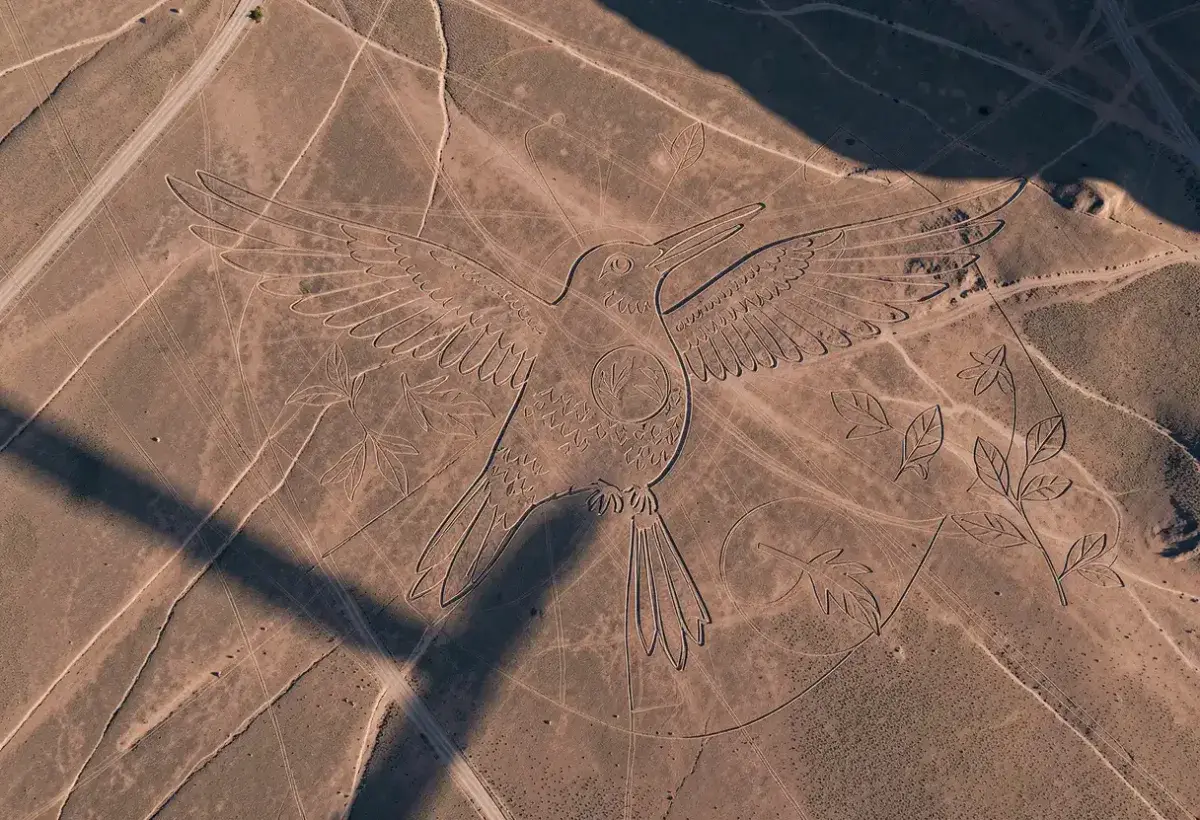
5. The Nazca Lines – Peru
The Nazca Lines are a series of enormous geoglyphs etched into the desert plains of southern Peru. Stretching over hundreds of square miles, they depict animals, plants, geometric shapes, and abstract designs. The most perplexing aspect of these lines is their scale, which can only be fully appreciated from the air, suggesting a possible connection to celestial observation or ritualistic practices.
Archaeologists have debated the purpose of the lines for decades. Some argue they served as astronomical calendars or markers for the rainy season. Others believe they were ceremonial pathways, religious symbols, or messages intended for deities. The precision and scale of these geoglyphs demonstrate a level of planning and understanding of the environment that is extraordinary for the time period, which dates back to 500 BCE to 500 CE.
Modern research continues to study the construction methods, cultural significance, and potential symbolic meanings of the Nazca Lines. The mystery of why such enormous figures were created and how they were made without aerial perspective continues to intrigue scientists and travelers alike. The Nazca Lines remain an enduring testament to the ingenuity and cultural depth of ancient peoples.
Image
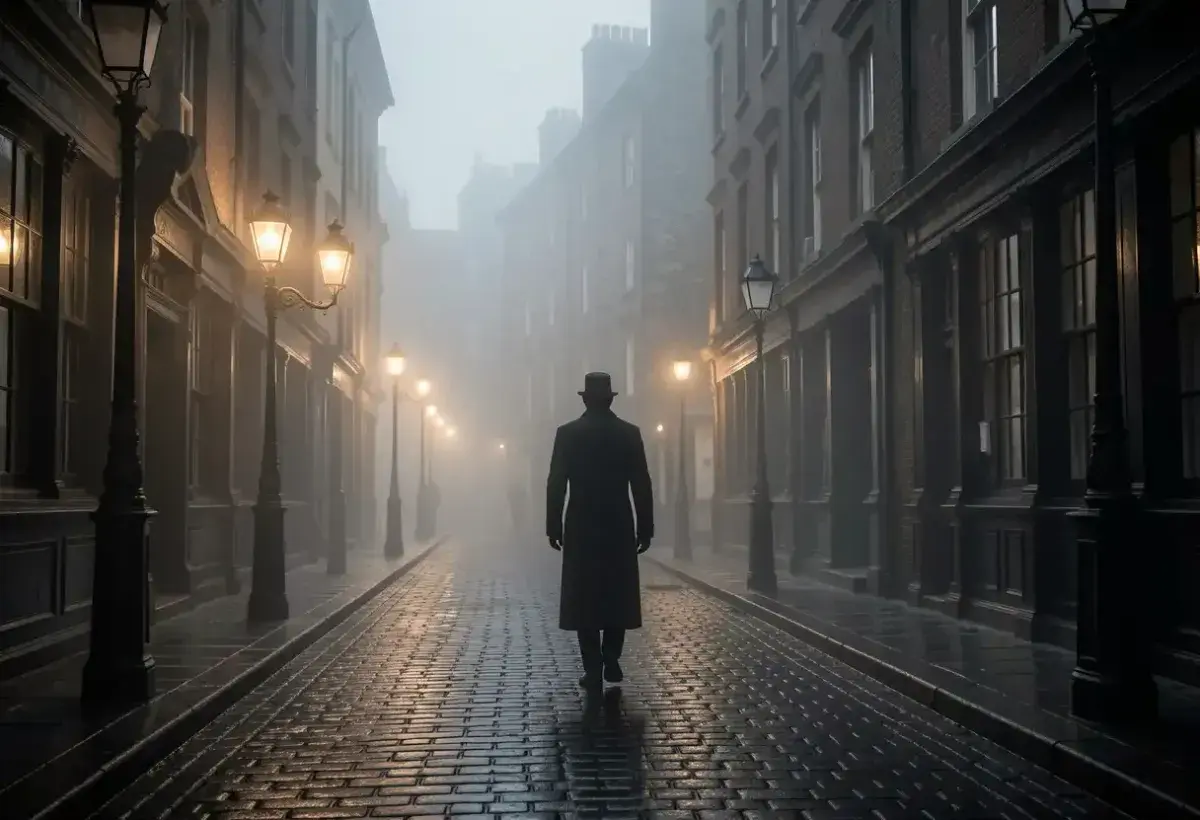
6. The Identity of Jack the Ripper
In 1888, London was terrorized by a series of gruesome murders attributed to an unidentified killer known as Jack the Ripper. Targeting women in the Whitechapel district, the murders were characterized by their brutality and precision, raising fears and fascination across the city. Despite extensive investigations at the time, the killer’s identity was never confirmed.
Over the years, countless suspects have been proposed, ranging from local residents to prominent figures. Modern forensic techniques, including DNA analysis, have been applied to the evidence, but results have been inconclusive. Letters purportedly sent by the Ripper to police and newspapers have also been analyzed, yet questions remain about their authenticity. The mystery persists not only because the killer was never caught but because the case represents one of the earliest high-profile serial murder investigations, setting a precedent for criminology and detective work.
The story of Jack the Ripper continues to captivate historians, crime enthusiasts, and the general public. His name has become synonymous with terror and mystery, representing a dark chapter in London’s history. The fascination lies not just in the crimes but in the questions about motive, opportunity, and identity that remain unanswered over a century later.
Image
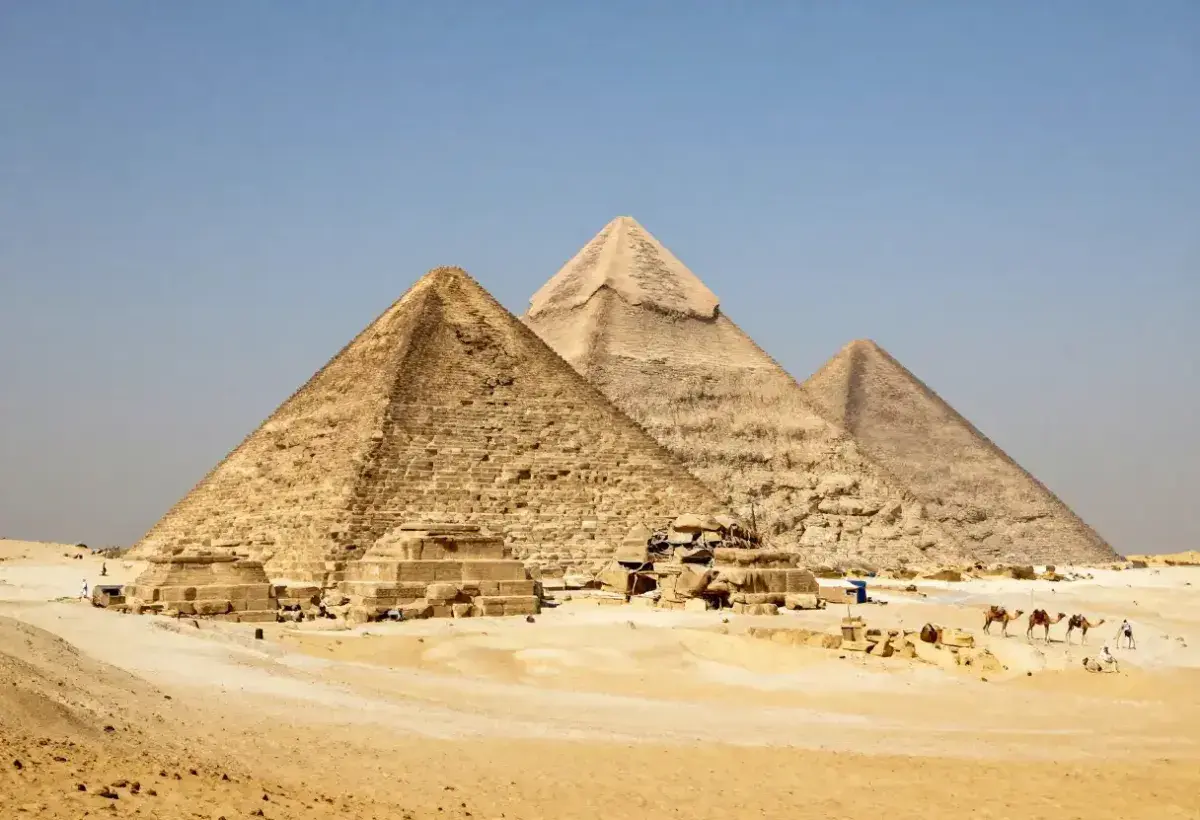
7. The Mystery of the Great Pyramids
The Egyptian pyramids, particularly the Great Pyramid of Giza, are among the most impressive architectural feats in human history. Constructed around 2580 BCE, the Great Pyramid demonstrates extraordinary precision, with blocks weighing tons and aligning with cardinal points with remarkable accuracy. Scholars still debate the methods used to transport, cut, and place these stones.
Despite extensive study, the exact techniques employed by ancient Egyptians remain unclear. Some theories suggest the use of ramps, levers, and skilled labor, but no definitive evidence explains how such a massive structure could be achieved with the tools available at the time. The alignment with celestial bodies and internal chambers adds layers of complexity, indicating advanced knowledge of mathematics and astronomy.
The pyramids serve as symbols of ancient Egyptian ingenuity, culture, and religious beliefs. They also pose questions about the level of coordination, labor organization, and architectural understanding possessed by civilizations that existed thousands of years ago. The mystery of their construction continues to inspire researchers, tourists, and historians to explore the achievements and techniques of ancient societies.
Image
8. The Roanoke Colony Disappearance – USA
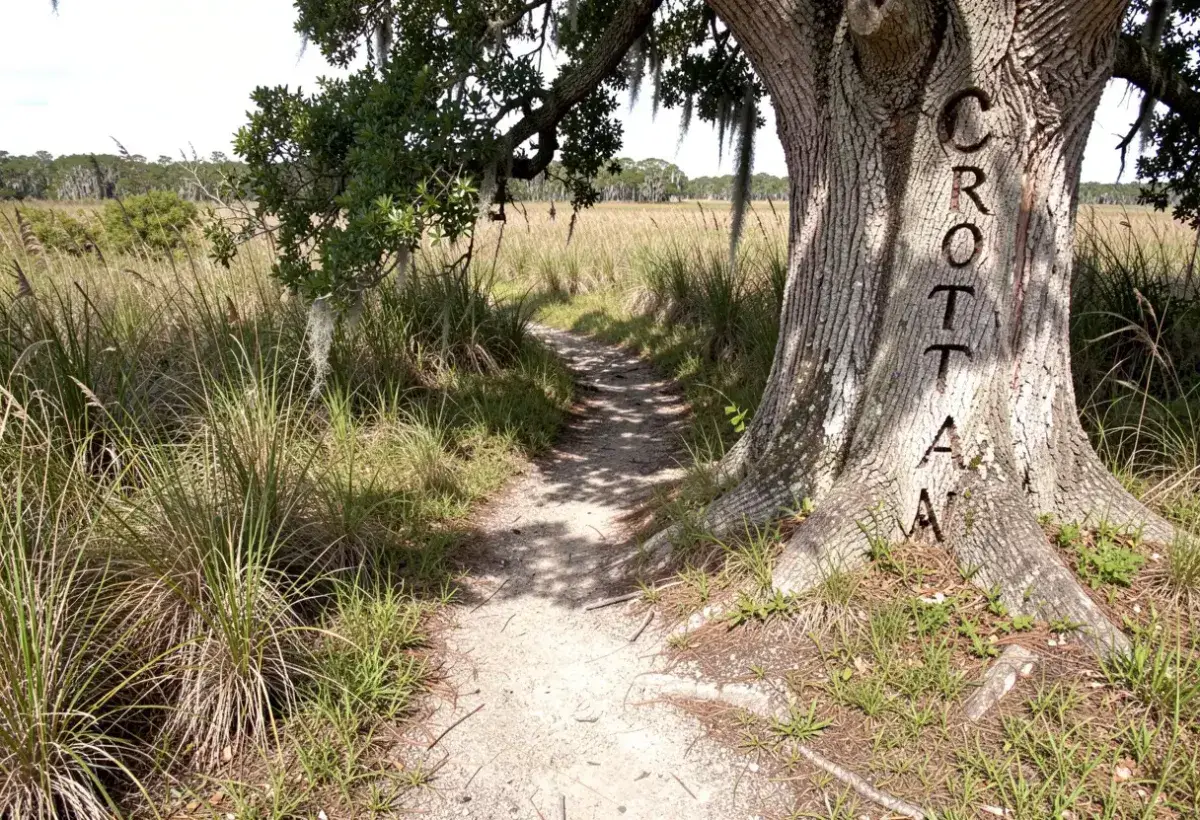
The Roanoke Colony was an English settlement established on Roanoke Island in the late 16th century. When supply ships returned in 1590, the settlers had vanished, leaving behind only the word “Croatoan” carved into a tree. No bodies, artifacts, or clues explained their disappearance. Theories range from integration with local tribes to starvation, disease, or attacks, but none have been confirmed.
Historians continue to study the colony because it represents a profound mystery in early American history. The lack of evidence and the suddenness of the disappearance fuel speculation and imaginative theories. The Roanoke case remains unique among colonial settlements because of the complete absence of definitive evidence about the settlers’ fate. Archaeological digs and historical records continue to provide insights, yet the ultimate answer remains elusive.
The story of Roanoke has become a symbol of the unknown in the age of exploration. It highlights the risks of early colonization and the gaps in historical documentation. The mystery encourages ongoing research and debate, keeping alive the question of what happened to the first English settlers in the New World.
Image
9. The Shroud of Turin
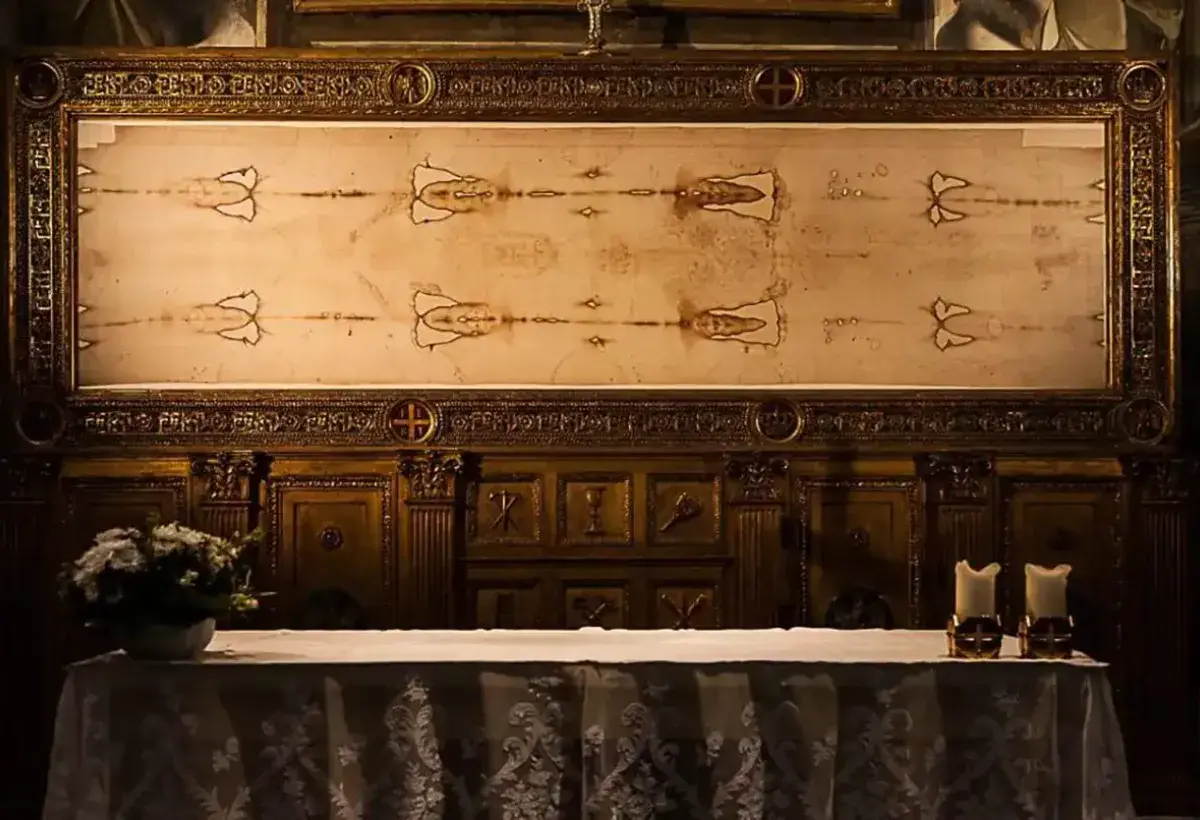
The Shroud of Turin is a linen cloth bearing the faint image of a man who appears to have suffered crucifixion. Believed by many to be the burial cloth of Jesus, it has been studied extensively using modern scientific methods, including carbon dating, microscopy, and imaging techniques. The results have been mixed, leaving the authenticity of the shroud unresolved.
Some scholars argue that the shroud is a medieval creation, potentially produced using unknown artistic or chemical techniques. Others contend that the image could be the result of a miraculous process, citing its anatomical accuracy and the complexity of the markings. The cloth has been preserved carefully over centuries, surviving fires, floods, and wars, adding to its mystique.
The Shroud of Turin continues to be an object of religious veneration, scientific study, and popular fascination. It embodies questions of faith, history, and scientific inquiry, making it one of the most enigmatic religious artifacts in the world. Whether genuine or fabricated, its presence invites reflection on the intersection of belief, evidence, and the mysteries of the past.
Image
10. Gobekli Tepe – Turkey
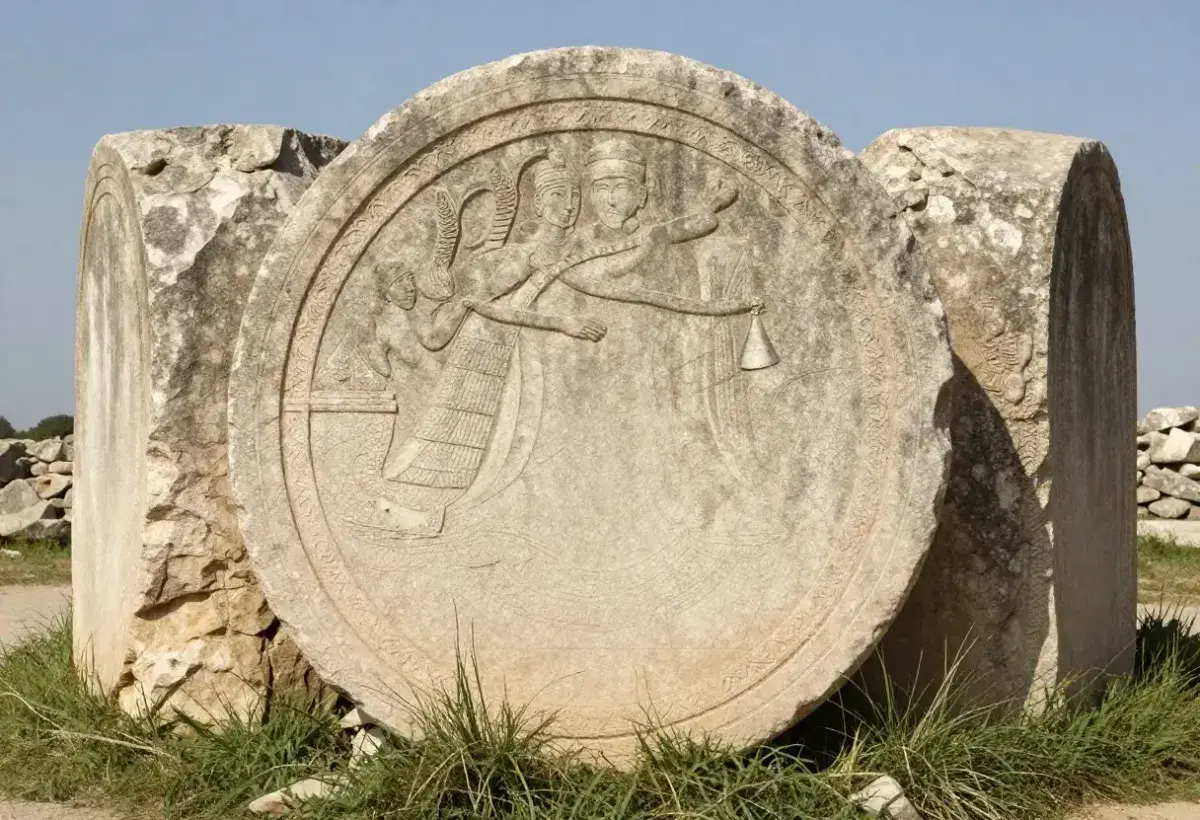
Gobekli Tepe, located in southeastern Turkey, is one of the oldest known megalithic sites in the world. Constructed around 9600 BCE, it predates Stonehenge by thousands of years and challenges assumptions about the capabilities of hunter-gatherer societies. The site consists of massive stone pillars arranged in circles, often decorated with intricate carvings of animals and abstract symbols.
The existence of Gobekli Tepe raises profound questions about the origins of civilization. How could a society with no permanent settlements, agriculture, or written language construct such complex structures? Theories suggest it was a ceremonial or religious center, yet its full purpose remains unknown. Archaeologists continue to study the site to understand construction techniques, cultural significance, and the implications for early human social organization.
Gobekli Tepe illustrates that prehistoric humans were capable of remarkable architectural and artistic achievements. Its discovery has rewritten aspects of human history and sparked debates about the development of complex societies. The site continues to attract researchers and tourists, offering a tangible connection to humanity’s distant past and the enduring mysteries that it holds.
Image
The past is filled with enigmas that defy explanation and challenge our understanding of human history. These ten unsolved mysteries highlight the achievements, complexities, and unknown aspects of civilizations long gone. From lost cities to cryptic manuscripts, from monumental structures to unexplained disappearances, each mystery serves as a reminder of the limits of human knowledge and the enduring allure of the unknown.
While technology and research continue to advance, these mysteries maintain their hold over historians, archaeologists, and the public imagination. They inspire exploration, provoke debate, and encourage us to look deeper into the human story. The fascination with historical mysteries is not only about finding answers but also about appreciating the remarkable accomplishments and the unanswered questions left behind by those who came before us.
These stories connect us to our ancestors, offering glimpses of their knowledge, beliefs, and daily lives while reminding us that some secrets may never be fully understood. The enduring intrigue of Atlantis, the Voynich Manuscript, Stonehenge, and other wonders demonstrates that the past is more than dates and events. It is a living source of curiosity, inspiration, and reflection. As we continue to investigate these enigmas, the journey of discovery itself becomes as meaningful as the answers we hope to uncover.
History may never provide all the solutions, yet the quest to understand these mysteries enriches our knowledge, sparks imagination, and keeps the spirit of inquiry alive across generations. These unsolved puzzles continue to challenge our minds and captivate our hearts, reminding us that the story of humanity is far from complete.