



Traveling often opens our eyes to how different daily life can be from one country to another. What seems completely ordinary in the United States can feel unusual or even confusing to visitors from Europe, Asia, Africa, or South America. Cultural norms are shaped by history, geography, and societal values, so habits that Americans take for granted might be rare or nonexistent elsewhere. Understanding these differences is not only fascinating but also essential for travelers and expatriates trying to navigate American life smoothly.
From social interactions to eating habits, transportation, and even public behavior, there are countless small details that reveal how unique American culture can be. Some of these differences are subtle, like the way people greet each other or how they approach customer service. Others are more obvious, such as the size of meals served in restaurants or the expectation to tip service staff. Even Americans may not consciously think about these customs, but they are deeply ingrained in everyday life.
Lets explore ten aspects of American life that may seem completely normal within the country but are surprising to people from other parts of the world. Each item provides insight into the cultural norms, the reasons behind them, and how visitors often react when they encounter these habits for the first time.
1. Tipping Culture
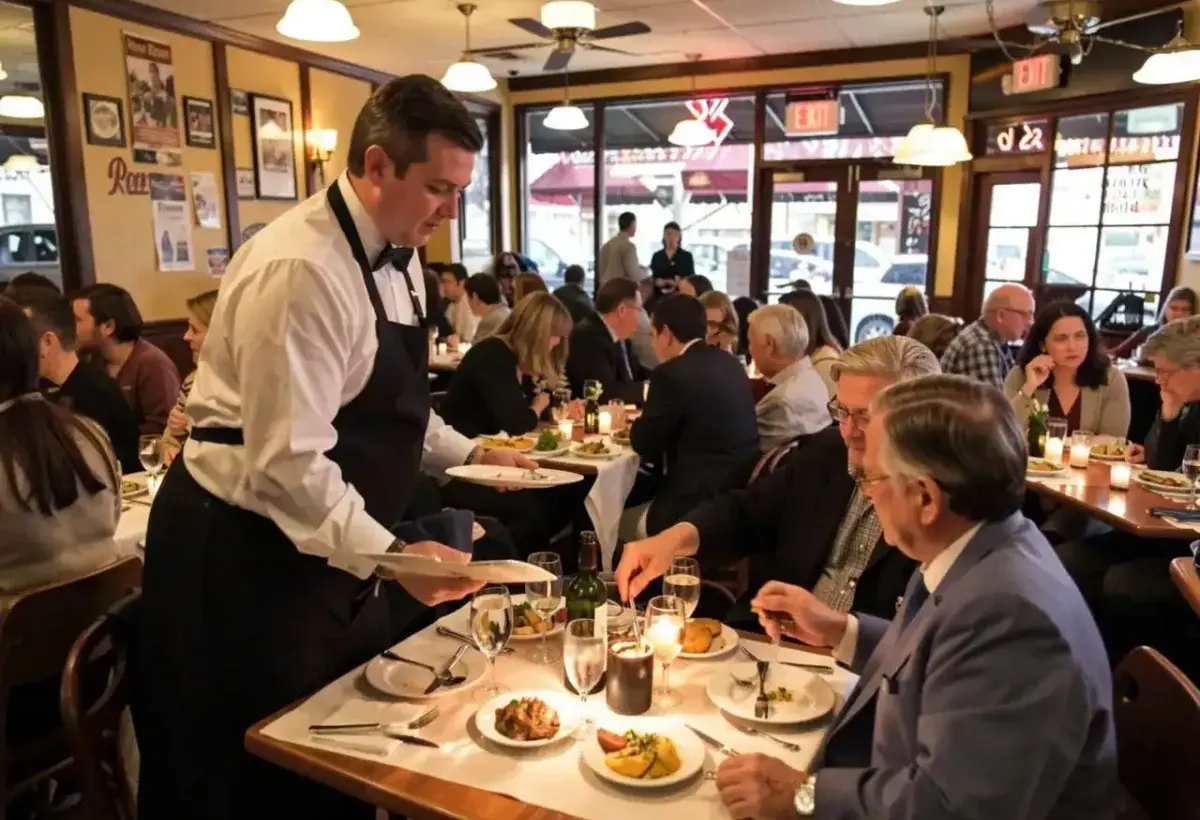
In the United States, tipping is not merely optional; it is an expected and deeply ingrained part of the service experience. Restaurants, bars, taxis, hair salons, and hotel staff rely heavily on tips as a significant portion of their income. While fifteen to twenty percent of the bill is standard, expectations vary depending on service type, region, and establishment. Visitors from countries where tipping is either minimal or included in the bill may find this system confusing or even stressful. In many European countries, for example, service charges are already included, and leaving extra is purely symbolic.
Tipping culture affects everyday life in ways that go beyond restaurants. Taxi drivers, ride share drivers, hotel housekeeping, bellhops, and delivery drivers all expect tips. Not leaving a tip or leaving less than expected can be interpreted as rudeness. Tourists often feel uncertain about how to calculate the proper amount or whether tipping is required at all. The practice emphasizes the value Americans place on personal attention, friendliness, and high-quality service. It also reflects an economic reality where hourly wages for service workers are often low. This means that tips are not merely appreciation but essential for a sustainable income.
Even fast food and casual dining are evolving to include tipping options, particularly with digital payment systems. Many Americans perceive tipping as part of social etiquette, an act that demonstrates recognition of effort. For travelers, understanding this cultural norm is essential to navigating the social landscape without causing offense. The emphasis on rewarding service underscores broader American values, including accountability, personal initiative, and a transactional sense of fairness. The tipping system may appear cumbersome or excessive to outsiders, but it has become an inseparable part of American life.
Image
2. Large Portion Sizes
Visitors to the United States are often struck by the size of meals served in restaurants, fast-food outlets, and even casual cafés. Portions tend to be much larger than those found in Europe, Asia, or Latin America, where moderation and controlled servings are more common. Breakfast plates stacked with eggs, bacon, pancakes, and oversized coffee mugs are common, while lunch and dinner entrees are frequently enough to feed two or three people elsewhere. The practice reflects a culture that values abundance, generosity, and perceived value.
Historical and economic factors play a significant role in the prevalence of large portion sizes. The availability of inexpensive food and the association of generous servings with prosperity encouraged restaurants to offer more. In addition, American consumers often equate a larger meal with better value for money. Supermarkets reinforce this habit with bulk packages, giant soda bottles, and multi-packs of snacks. While this abundance is convenient and appealing to many, it can lead to overeating and food waste, a concern often noted by travelers.
Large portion sizes also shape American social norms. Meals are social events where sharing plates is common, but even individual servings tend to be substantial. Fast-food chains amplify this trend with combo meals, large fries, and unlimited drink refills. Visitors may initially struggle to finish a single meal but gradually adapt to the abundance. This emphasis on quantity reflects the American balance of practicality and indulgence. Dining becomes both a sustenance activity and a cultural experience, where quantity is intertwined with comfort, convenience, and social expectation.
Image

3. Drive-Through Everything
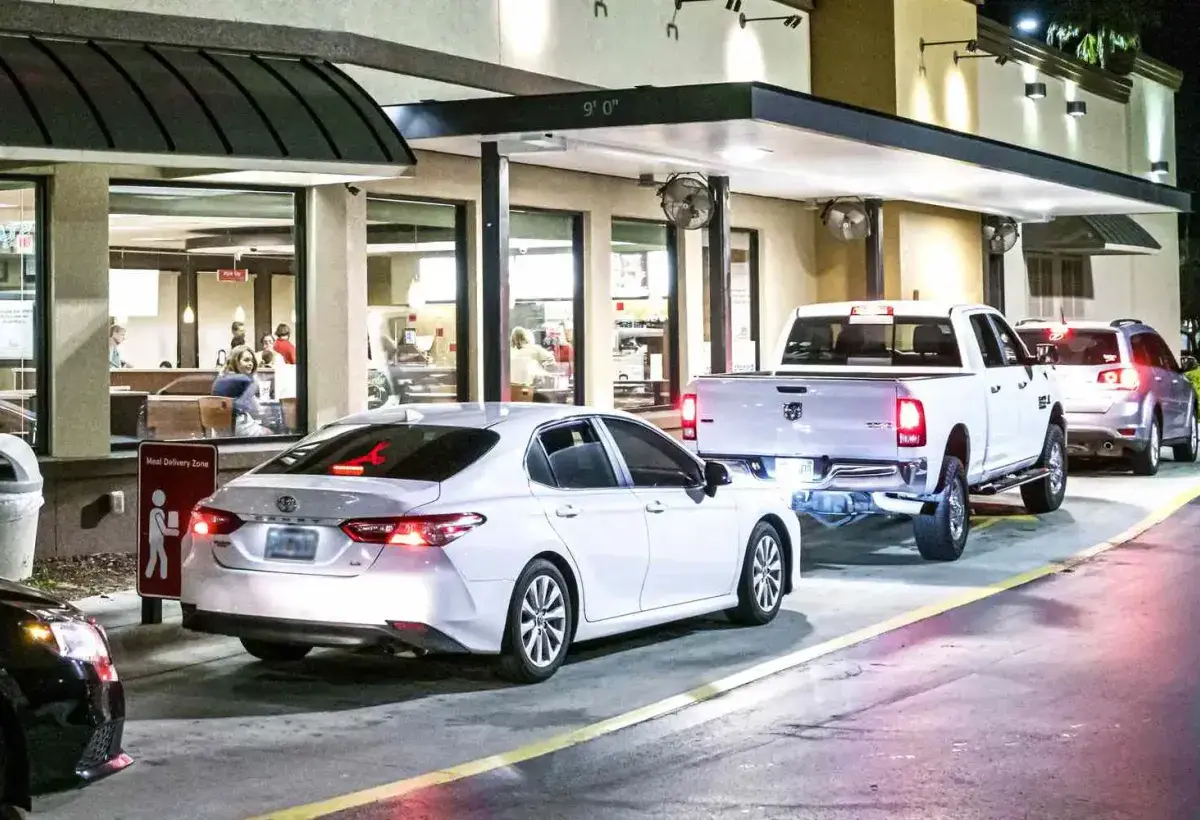
The prevalence of drive-through services is one of the most recognizable aspects of American daily life. Drive-throughs are not limited to fast-food restaurants but also extend to coffee shops, pharmacies, banks, and even liquor stores. Americans value speed and convenience, and the drive-through system allows them to complete tasks without leaving their cars. Visitors from countries with pedestrian-friendly cities may find this habit surprising. In Europe or Asia, most services require entering the building.
Drive-through culture reflects the car-centric nature of American infrastructure. Suburban planning, highway systems, and urban layouts make vehicles the primary mode of transportation. The system also highlights cultural priorities, such as efficiency, multitasking, and minimizing physical effort. Americans may grab breakfast, deposit a check, and pick up prescriptions, all without stepping onto a sidewalk. Tourists often marvel at the range of services available in this format. While convenient, drive-throughs also reinforce dependence on personal vehicles and can be environmentally taxing due to idling engines and increased fuel consumption.
For travelers, experiencing a drive-through is often an amusing and educational insight into American life. It illustrates how infrastructure, culture, and daily habits intersect to create unique conveniences. The efficiency-focused mindset behind drive-throughs is also evident in speed limits, customer service, and business hours. For outsiders, understanding this system is key to navigating daily routines in suburban and urban areas of the United States.
Image
4. Free Refills
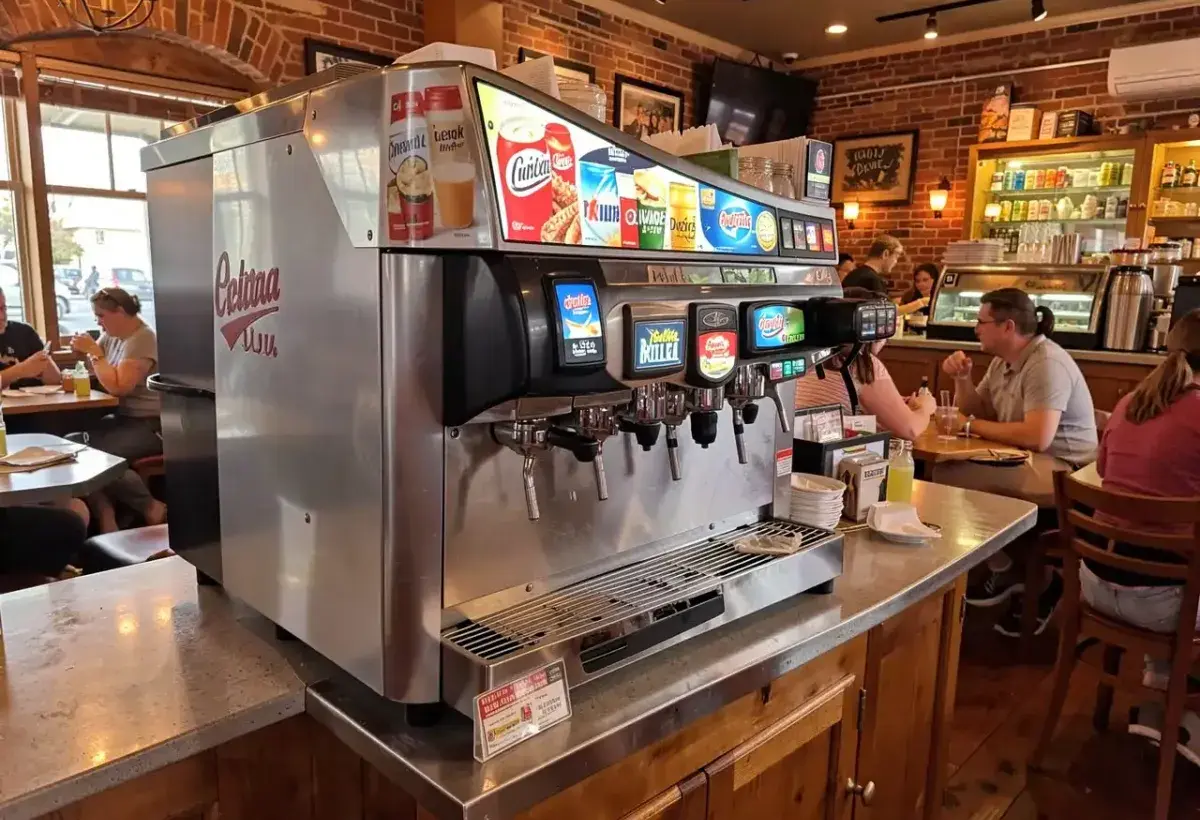
Free refills on soft drinks, coffee, tea, and sometimes even popcorn at cinemas are a practice common in the United States but relatively rare in other countries. Visitors often notice that self-serve soda fountains allow unlimited refills, and coffee shops provide complimentary top-ups without extra cost. This practice enhances customer satisfaction and encourages diners to linger and enjoy meals. In many parts of the world, beverages are sold individually, and refills come with additional charges, making the American approach feel extravagant.
The custom of free refills reflects broader American cultural values such as abundance, generosity, and perceived value. Large cups and self-service stations allow patrons to consume as much as they want, contributing to a sense of satisfaction. While convenient, the habit also raises environmental concerns due to the use of disposable cups, straws, and packaging. From a cultural standpoint, free refills demonstrate how Americans prioritize customer experience and convenience. Tourists often view it as a surprising benefit, sometimes filling multiple cups per visit and comparing the practice to their home countries.
Free refills are also tied to marketing strategies, encouraging repeat visits and loyalty. Restaurants can advertise this practice as part of the value they provide, giving the perception of getting more for less. It is a subtle reflection of American business culture, which emphasizes attracting customers through added perks and convenience. Visitors who experience this for the first time often leave with a lasting impression of the contrast between American abundance and the more measured approach seen elsewhere.
Image
5. Casual Dress Code
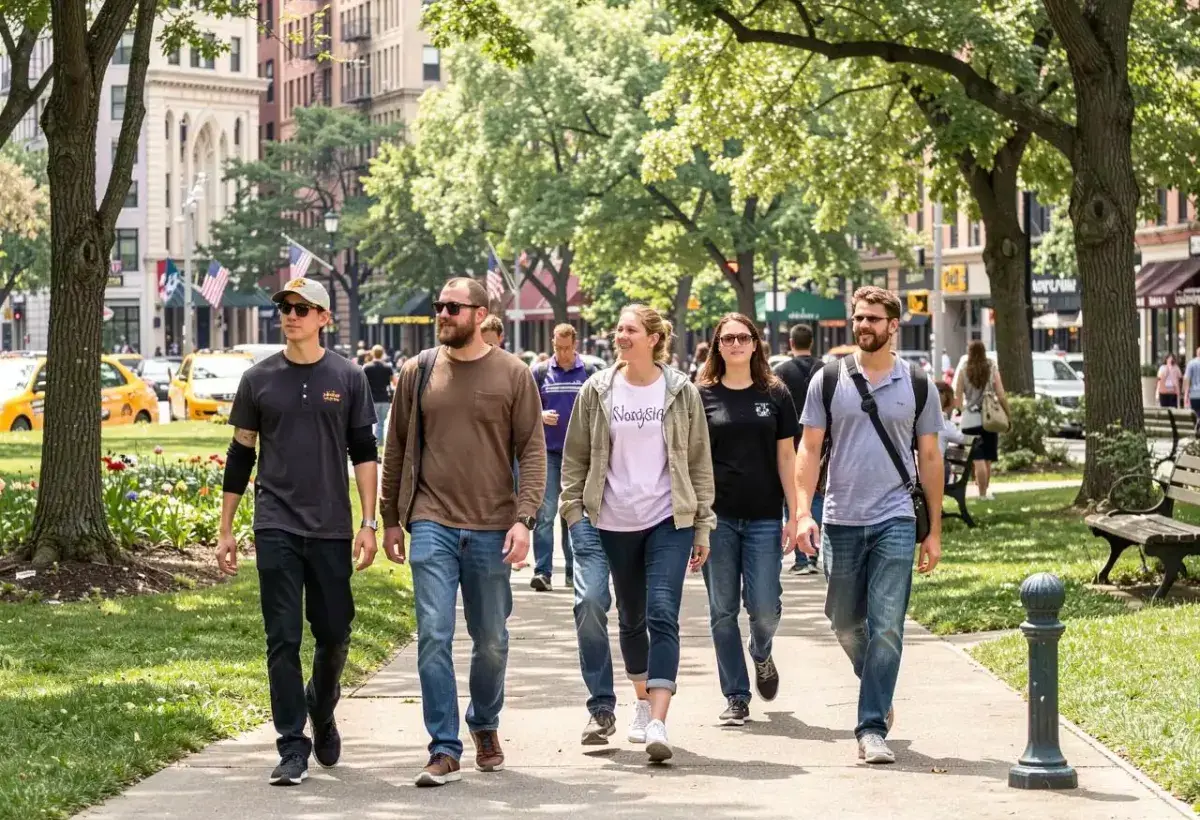
Casual dress is widely accepted across American society. Jeans, t-shirts, hoodies, and sneakers are common attire not only in leisure settings but also in workplaces and educational institutions. Business casual is the norm in offices, with formal suits reserved for special occasions. This contrasts with countries where professional or formal dress codes are more strictly enforced in daily life. Visitors often find the informality refreshing but sometimes surprising, particularly in professional or institutional environments.
The casual approach to clothing reflects cultural values such as comfort, practicality, and personal expression. Americans prioritize functionality while expressing individuality through fashion choices. Climate, lifestyle, and historical trends have also shaped this norm. For travelers, casual dress may make it easier to blend in while navigating daily activities, but it can also require attention to context when entering formal venues such as courts, governmental offices, or upscale restaurants.
Casual attire extends beyond workplaces to public spaces and social events. Walking through city streets, shopping malls, or parks, visitors will see a wide variety of clothing styles that emphasize comfort over formality. This widespread acceptance of casual dress reflects a societal preference for ease, informality, and flexibility. It demonstrates that Americans value personal comfort alongside social norms, allowing for diversity and self-expression in everyday life. The practice is both liberating and culturally informative for anyone experiencing American society firsthand.
Image
6. Openly Discussing Money
In the United States, discussing money openly is much more common than in many other parts of the world. Americans frequently talk about salaries, expenses, deals, and tipping practices in everyday conversation. It is not unusual for coworkers to share salary information, for friends to compare housing costs, or for acquaintances to discuss personal spending strategies. This openness reflects a culture that values transparency, individual empowerment, and practical knowledge. It is also tied to a societal focus on financial literacy and economic independence.
Visitors from countries where money is considered a private topic may feel uncomfortable or even intrusive when asked about income, purchases, or budgeting habits. In many European or Asian countries, talking about salaries or personal wealth is discouraged and can be interpreted as rude. In contrast, Americans often see these discussions as informative and practical. Social media amplifies this tendency, with people sharing investment tips, budget hacks, and sales promotions openly online.
Financial transparency is deeply connected to American values of fairness and self-reliance. By sharing knowledge about money, individuals help peers make better-informed decisions regarding careers, purchases, or investments. The approach is also evident in consumer habits, where people often compare product prices, service fees, or subscription plans before making choices. For international visitors, adjusting to this norm can be surprising, but it also provides insight into the cultural emphasis on independence, personal responsibility, and proactive planning.
Image

7. High School Spirit
High school spirit is a unique and highly visible part of American culture. Many high schools actively promote student participation in sports, clubs, and community events. Mascots, pep rallies, and themed dress days contribute to a strong sense of identity and pride. Football and basketball games, in particular, draw large crowds of students, parents, and local residents. This level of enthusiasm for a secondary education institution is unusual globally, where school pride may be less formalized or less tied to sports.
Visitors are often surprised by the centrality of high school culture in local communities. School colors, merchandise, and public displays of support demonstrate a commitment to collective identity and tradition. Alumni often remain engaged with their schools long after graduation, returning for games, fundraisers, or homecoming events. High school spirit fosters camaraderie among students, develops leadership skills, and strengthens community ties.
The practice also reflects a broader societal focus on teamwork, achievement, and public recognition of success. By promoting events that bring together students, families, and neighbors, high schools reinforce both social cohesion and local pride. Visitors may notice the contrasts with schools in other countries, where sports events or cultural programs are less emphasized or less celebrated. High school spirit illustrates how American communities invest in youth activities and celebrate participation, success, and loyalty in ways that are both social and highly public.
Image

8. Friendly Small Talk
Americans often engage in casual conversation with strangers, a social habit that is noticeable in daily life. Topics like the weather, weekend plans, or local sports are common starters in shops, parks, and workplaces. Small talk serves as a social lubricant, creating brief connections and establishing a sense of friendliness. While this may seem superficial, it is an important cultural norm that signals approachability and politeness.
Travelers from countries with more reserved social customs may find these interactions unusual. In some cultures, speaking to strangers without prior introduction is uncommon and even considered intrusive. In the United States, however, such conversation is expected and encouraged as a way of maintaining social cohesion and a positive atmosphere. People often smile, greet strangers, and exchange pleasantries without expecting a deep dialogue.
Small talk also functions as a practical tool. It allows people to network, establish rapport, and share information in informal contexts. Retail employees, delivery drivers, and service staff routinely engage customers with brief conversation, reinforcing social norms of friendliness and attentiveness. Tourists may find this habit refreshing and sometimes surprising, especially when it occurs in public transportation, waiting lines, or casual settings. Friendly small talk demonstrates American cultural values such as openness, sociability, and the importance of interpersonal connection.
Image

9. Fast-Paced Lifestyle
The pace of life in the United States is often noticeably faster than in many other countries. Urban centers, suburban communities, and workplaces all emphasize efficiency, punctuality, and multitasking. Americans tend to prioritize completing tasks quickly, whether in shopping, commuting, or professional activities. Visitors may notice that schedules are tightly managed, business transactions are conducted swiftly, and people expect rapid service in restaurants and stores.
This fast-paced approach stems from a culture that values productivity, ambition, and personal achievement. While it can sometimes create stress, it also drives innovation and efficiency. Daily routines often involve balancing work, errands, family, and leisure activities within limited timeframes. Even recreational activities, such as exercising or attending social events, are often scheduled with efficiency in mind.
Travelers from slower-paced societies may find the rhythm of American life overwhelming at first. However, understanding the cultural importance of speed can help visitors navigate interactions and meet expectations effectively. From public transportation to corporate meetings, the emphasis on promptness and timeliness reflects the value Americans place on planning, responsibility, and maximizing opportunities. The fast-paced lifestyle highlights the energetic and goal-oriented nature of daily life in the United States, making it both exciting and challenging for newcomers.
Image

10. Emphasis on Individual Choice
Personal freedom and individual choice are central to American culture. From career paths to consumer decisions, education, healthcare, and lifestyle, Americans are encouraged to make choices that reflect personal goals, beliefs, and values. This focus on autonomy is deeply rooted in the nation’s history and political philosophy, emphasizing independence, self-reliance, and personal responsibility.
Visitors from collectivist societies may find this approach unusual or even daunting. In some countries, family, community, or societal norms dictate many aspects of life, including education, work, and marriage. In the United States, individuals are expected to assert preferences, take responsibility for outcomes, and navigate decision-making largely independently. This cultural value also manifests in consumer culture, where a wide variety of products and services cater to personal tastes, dietary needs, or lifestyle choices.
Individual choice is celebrated as a mark of empowerment. Americans are encouraged to pursue ambitions, express opinions, and tailor their lives to personal values. While this freedom can provide opportunities, it also places pressure on individuals to succeed and make informed decisions. Visitors observing these habits gain insight into the American mindset, where independence, autonomy, and personal responsibility are not only cultural ideals but also practical necessities. Understanding this emphasis on choice helps outsiders navigate social norms, appreciate lifestyle flexibility, and respect the importance of self-determination in daily American life.
Image

The United States is a country defined by unique cultural norms, many of which may seem unusual to visitors. From tipping culture to fast-paced lifestyles, casual dress, and abundant dining portions, these habits highlight the values Americans prioritize: convenience, individuality, social engagement, and customer satisfaction. Observing and understanding these customs provides travelers with insight into the everyday life and priorities of the society.
Experiencing these norms firsthand allows visitors to navigate American culture with greater ease and avoid misunderstandings. Practices that initially feel surprising or excessive often reveal deeper societal priorities, such as efficiency, generosity, community identity, and personal autonomy. From engaging in friendly small talk to celebrating high school spirit, Americans embrace habits that emphasize both individual and collective well-being.
While cultural differences can challenge expectations, they also provide opportunities to appreciate diversity. What appears normal in the United States reflects centuries of historical, economic, and social development. Recognizing these practices helps travelers, expatriates, and observers understand how everyday actions are connected to broader cultural values. Ultimately, exploring these ten surprising norms offers a meaningful perspective on American life and highlights the richness of human cultural diversity.