


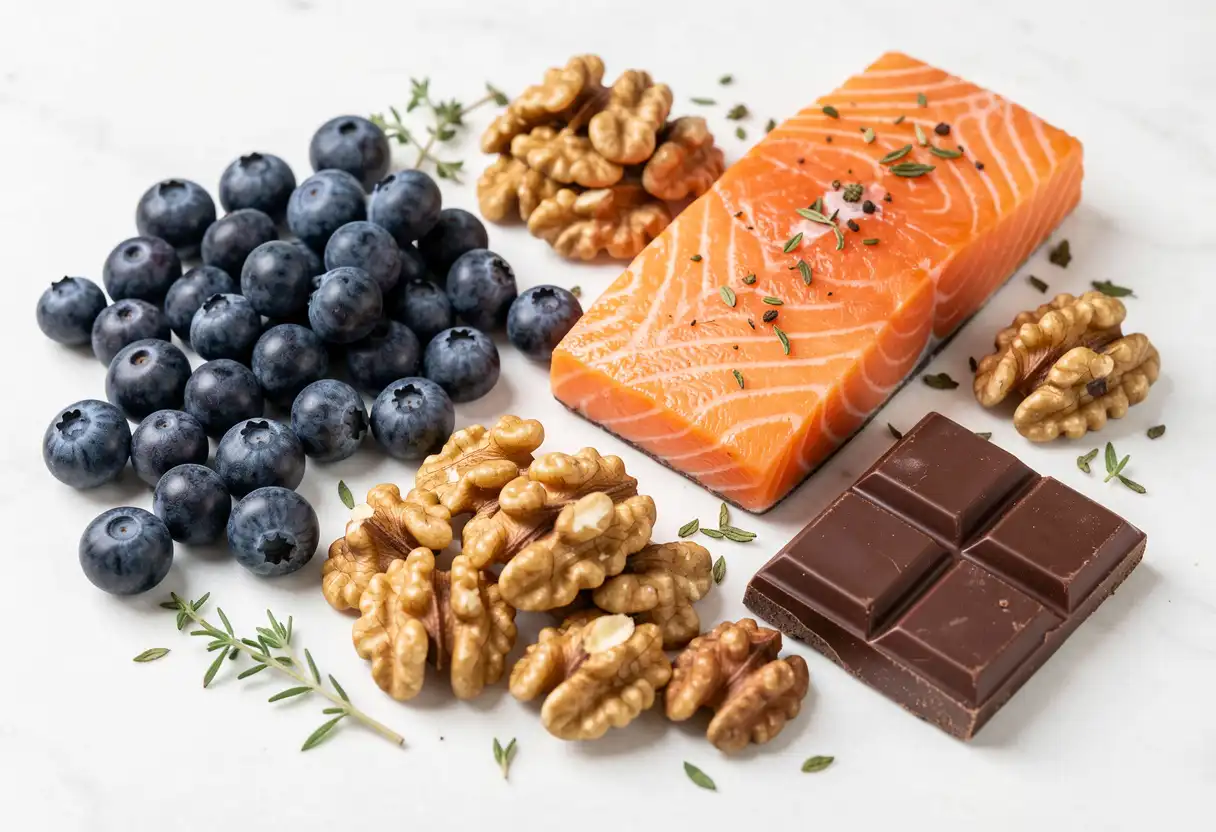
What you eat every day does far more than fuel your body. It directly affects how your brain thinks, remembers, reacts, and adapts. The brain is an energy hungry organ that relies on a steady supply of nutrients to function at its best. When your diet lacks those nutrients, focus slips, memory weakens, and mental fatigue becomes harder to ignore. When your diet supports brain health, clarity improves, concentration lasts longer, and learning feels more natural.
Modern life places constant demands on mental performance. Students juggle exams and deadlines. Professionals handle long hours and complex decisions. Even outside of work, daily tasks require attention, recall, and emotional balance. Nutrition plays a critical role in supporting these demands, yet it is often overlooked in favor of quick fixes like caffeine or supplements.
Scientific research continues to show strong connections between specific foods and cognitive performance. Certain nutrients protect brain cells from damage, improve communication between neurons, and support blood flow that delivers oxygen and glucose where it is needed most. Antioxidants defend against oxidative stress. Healthy fats strengthen brain cell membranes. Vitamins and minerals assist in neurotransmitter production and nerve signaling.
The good news is that many of the most powerful brain supporting foods are simple, accessible, and enjoyable to eat. They can be added to everyday meals without complicated planning or drastic lifestyle changes. Small consistent choices can lead to noticeable improvements in memory, focus, mood, and long term brain health.
These are scientifically supported superfoods that help nourish your brain naturally. Each one offers unique benefits and works best as part of a balanced diet that supports both mental and physical wellbeing.
1. Blueberries
Packed with antioxidants, especially flavonoids, blueberries help delay brain aging and improve short term memory.
Blueberries are often called brain berries for good reason. They are rich in flavonoids, powerful plant compounds that protect brain cells from oxidative stress and inflammation. These compounds help preserve communication between neurons, which is essential for learning, recall, and overall cognitive speed.
Studies suggest that regular blueberry consumption may improve memory function and slow down age related cognitive decline. The antioxidants in blueberries help reduce damage caused by free radicals, which can harm brain cells over time. By protecting these cells, blueberries support long term mental clarity and resilience.
Blueberries also influence brain plasticity, which is the brain’s ability to adapt, reorganize, and form new neural connections. This is especially important for learning new skills, retaining information, and recovering from mental fatigue. Enhanced plasticity helps the brain stay flexible and responsive.
Another benefit comes from improved blood flow to the brain. Blueberries support vascular health, ensuring that oxygen and nutrients are efficiently delivered to brain tissue. Better circulation means better concentration and sustained mental energy throughout the day.
Adding blueberries to your diet is easy. They can be eaten fresh, frozen, or blended into smoothies. They pair well with yogurt, oatmeal, and salads. Because they are naturally sweet, they also make a satisfying alternative to processed snacks.
Image

2. Fatty Fish (Salmon, Mackerel, Sardines)
Rich in omega three fatty acids, these help build brain and nerve cells, essential for learning and memory.
Fatty fish are one of the most important foods for brain health. They are an excellent source of omega three fatty acids, particularly DHA, which is a major structural component of the brain. A significant portion of your brain is made up of fat, and omega three fats help maintain the integrity and flexibility of brain cell membranes.
These healthy fats support communication between neurons, allowing signals to travel efficiently. This improves learning capacity, memory retention, and reaction time. Low omega three intake has been associated with memory problems and mood disturbances, highlighting how critical these fats are for mental wellbeing.
Fatty fish also play a role in reducing inflammation in the brain. Chronic inflammation can interfere with cognitive processes and increase the risk of neurological decline. Omega three fatty acids help counter this inflammation, supporting long term brain protection.
Another benefit is their effect on blood flow. Omega three fats help keep blood vessels flexible and healthy, ensuring a steady supply of oxygen and nutrients to the brain. This supports focus, alertness, and mental stamina.
Including fatty fish in your meals two to three times a week can make a meaningful difference. Grilled salmon, canned sardines, or baked mackerel are simple options that fit easily into balanced meals.
Image

3. Walnuts
Just a handful a day can improve cognitive function. Their high DHA content supports brain performance and reduces inflammation.
Walnuts stand out among nuts because their shape even resembles the human brain. Beyond appearance, they deliver nutrients that actively support cognitive health. Walnuts contain DHA, a form of omega three fat that contributes to brain structure and function.
DHA helps maintain healthy neurons and supports efficient signal transmission in the brain. This directly impacts memory formation, problem solving, and information processing speed. Regular walnut consumption has been linked to improved cognitive performance across various age groups.
Walnuts also contain antioxidants and polyphenols that reduce oxidative stress in the brain. This protection helps preserve mental sharpness and reduce inflammation that may interfere with cognitive clarity. Lower inflammation supports better focus and emotional balance.
In addition to fats, walnuts provide protein, fiber, and essential minerals that support overall nervous system health. This combination makes them a satisfying snack that stabilizes energy levels without causing sharp blood sugar spikes.
Walnuts can be eaten on their own, added to salads, stirred into oatmeal, or blended into sauces. A small daily portion is enough to support brain health without excess calories.
Image

4. Leafy Greens (Spinach, Kale, Broccoli)
Loaded with vitamin K, lutein, folate, and beta carotene all known to slow cognitive decline.
Leafy green vegetables are nutritional powerhouses for the brain. They provide a wide range of vitamins and antioxidants that protect cognitive function over time. Vitamin K supports brain cell signaling, while folate plays a key role in neurotransmitter production.
Lutein and beta carotene act as antioxidants that reduce oxidative damage in brain tissue. This protection helps maintain memory and learning abilities as the brain ages. Diets rich in leafy greens have been associated with slower rates of cognitive decline and better mental performance later in life.
Leafy greens also support blood flow and oxygen delivery to the brain. Their nutrients help maintain healthy blood vessels, which is essential for sustained focus and mental energy. Improved circulation supports attention and reduces mental fatigue.
These vegetables are also low in calories and high in fiber, making them easy to incorporate into daily meals. They support gut health, which is increasingly linked to brain health through the gut brain connection.
Adding leafy greens to smoothies, soups, stir fries, and salads is a simple way to boost brain nutrition consistently.
Image

5. Dark Chocolate
Flavonoids, caffeine, and antioxidants in dark chocolate improve brain plasticity and boost mood and memory.
Dark chocolate offers more than indulgence when consumed in moderation. It contains flavonoids that enhance blood flow to the brain, supporting attention and processing speed. These compounds help neurons communicate more effectively.
The small amount of caffeine in dark chocolate provides a gentle mental lift without the jitters often associated with coffee. Combined with theobromine, another natural stimulant, it supports alertness and mental clarity.
Dark chocolate also stimulates the release of endorphins and serotonin, which can improve mood and reduce stress. Lower stress levels support better memory and focus, as chronic stress interferes with cognitive function.
Antioxidants in dark chocolate help protect brain cells from oxidative damage. This protection supports long term cognitive resilience and brain plasticity, allowing the brain to adapt and learn efficiently.
Choose dark chocolate with a high cocoa content and minimal added sugar. Small portions can be enjoyed as part of a balanced diet.
Image

6. Eggs
Eggs are rich in choline, a nutrient used to produce acetylcholine a neurotransmitter that helps regulate memory and mood.
Eggs are one of the most complete and accessible brain supporting foods available. Their standout nutrient is choline, which plays a critical role in brain development and daily cognitive function. Choline is required for the production of acetylcholine, a neurotransmitter involved in memory formation, learning ability, and emotional regulation. Without enough choline, communication between brain cells becomes less efficient, which can affect focus and recall.
Adequate choline intake has been linked to improved verbal memory and sharper thinking across different age groups. It also supports the structure of brain cell membranes, helping neurons remain flexible and resilient. This structural support allows the brain to adapt more easily to new information and mental challenges.
Eggs also contain several B vitamins, including B6, B12, and folate. These vitamins help regulate homocysteine levels in the blood. Elevated homocysteine has been associated with cognitive decline and neurological issues. By supporting healthy levels, eggs contribute to long term brain protection.
Another benefit of eggs is their high quality protein content. Protein provides amino acids that are essential for neurotransmitter production. Stable neurotransmitter levels help regulate mood, attention, and mental clarity throughout the day.
Eggs are also easy to digest and versatile, making them suitable for breakfast, lunch, or dinner. They can be boiled, scrambled, poached, or incorporated into other meals without losing their nutritional value.
Including eggs regularly in your diet supports memory, emotional balance, and sustained mental energy, making them a reliable foundation for brain health.
Image

7. Oranges
One orange provides all the vitamin C you need in a day, which protects against age related cognitive decline.
Oranges are one of the simplest ways to support brain health through nutrition. Their high vitamin C content plays a powerful role in protecting the brain from oxidative stress. Oxidative damage can harm brain cells over time and interfere with memory and learning. Vitamin C acts as a protective shield that helps preserve cognitive function as the brain ages.
Vitamin C is also involved in the production of neurotransmitters such as dopamine and norepinephrine. These chemicals influence attention, motivation, and mental alertness. Adequate levels help maintain focus and emotional stability, especially during mentally demanding tasks.
Research suggests that individuals with higher vitamin C levels tend to perform better on tests involving memory, attention, and decision making. This makes oranges an easy and effective addition for anyone looking to stay mentally sharp.
Beyond brain protection, vitamin C supports healthy blood vessels, improving circulation and oxygen delivery to the brain. Better blood flow enhances mental stamina and reduces feelings of mental fatigue.
Oranges also provide hydration and natural sugars that supply quick energy without extreme spikes. This steady energy can be especially helpful during long workdays or study sessions.
Fresh oranges can be eaten whole, juiced, or added to salads and snacks. Because they are widely available and affordable, they offer a practical way to support brain health daily.
Image

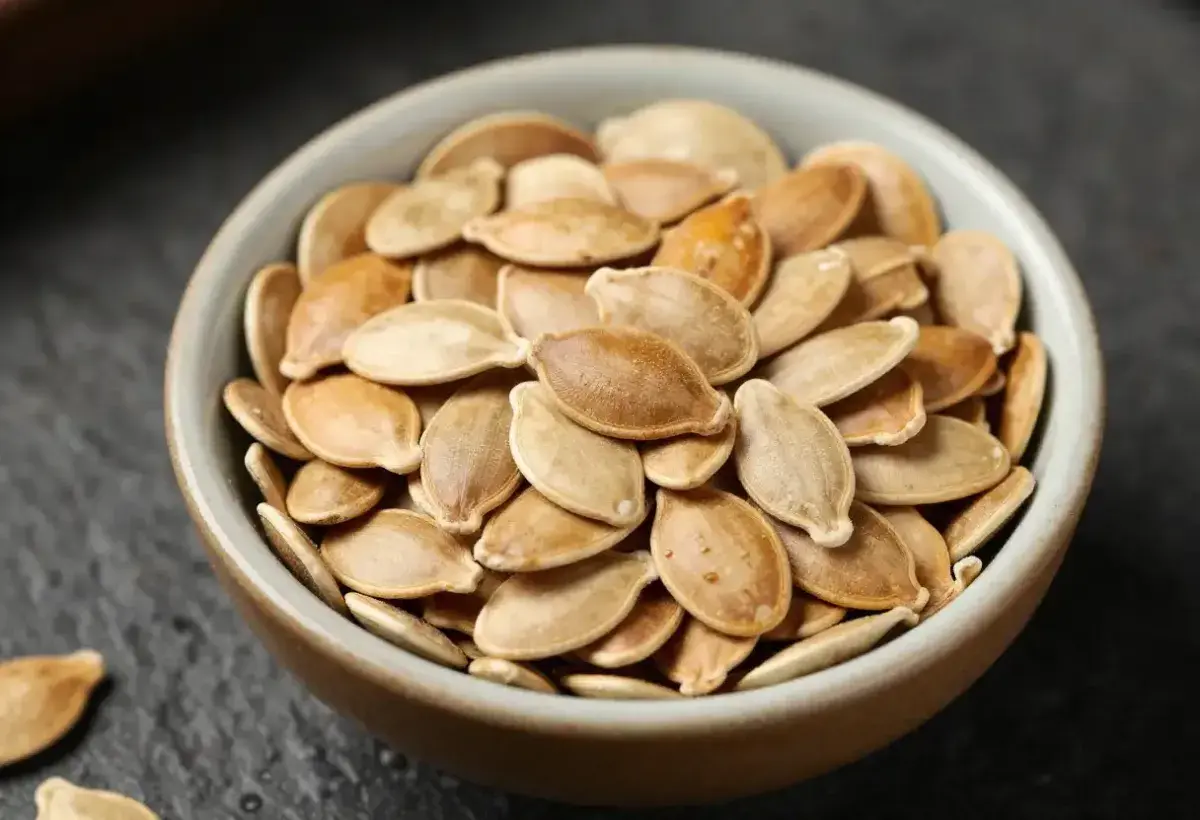
8. Pumpkin Seeds
High in magnesium, iron, zinc, and copper these minerals are crucial for nerve signaling and mental clarity.
Pumpkin seeds may be small, but they are packed with minerals that play vital roles in brain function. Magnesium is one of the most important, as it helps regulate neurotransmitters and supports learning and memory. Low magnesium levels have been linked to difficulty concentrating and increased mental fatigue.
Zinc is another key mineral found in pumpkin seeds. It is essential for nerve signaling and plays a role in memory formation and mood regulation. Zinc imbalance has been associated with cognitive impairment and emotional instability, making adequate intake especially important.
Iron supports oxygen transport in the blood, including to the brain. Without sufficient iron, the brain may not receive enough oxygen, leading to poor concentration and reduced mental energy. Copper works alongside iron to support neurotransmitter synthesis and brain signaling.
Pumpkin seeds also contain antioxidants that help protect brain cells from inflammation and oxidative stress. This protection supports long term cognitive health and mental resilience.
They are easy to add to meals as toppings for salads, yogurt, or oatmeal, or eaten on their own as a snack. A small portion delivers concentrated brain supporting nutrients without excessive calories.
Regular consumption of pumpkin seeds supports clear thinking, stable mood, and efficient brain communication.
Image
9. Grapes (Especially Red and Purple)
Contain resveratrol, an antioxidant that may protect the brain and improve memory and blood flow to the brain.
Red and purple grapes are rich in resveratrol, a powerful antioxidant known for its protective effects on brain cells. Resveratrol helps reduce inflammation and oxidative stress, two factors that can damage neurons and interfere with memory over time.
One of the most important benefits of grapes is their ability to support healthy blood flow to the brain. Improved circulation ensures that brain cells receive adequate oxygen and nutrients, which supports focus, alertness, and mental endurance.
Resveratrol has also been studied for its potential role in supporting memory and slowing age related cognitive decline. By protecting the hippocampus, a region of the brain critical for learning and memory, grapes may help preserve cognitive performance as we age.
Grapes also contain natural sugars that provide quick energy for the brain, making them a helpful snack during periods of mental exertion. Unlike processed sweets, they also deliver fiber and antioxidants that support overall health.
They can be eaten fresh, frozen, or added to meals and salads. Regular inclusion of grapes supports brain protection and sustained cognitive vitality.
Image

10. Whole Grains (Oats, Brown Rice, Quinoa)
Steady glucose from whole grains fuels the brain throughout the day, supporting focus and alertness.
The brain depends on glucose as its primary source of energy. Whole grains provide a slow and steady release of glucose, unlike refined carbohydrates that cause rapid spikes and crashes. This steady energy supply helps maintain focus, concentration, and mental endurance throughout the day.
Whole grains such as oats, brown rice, and quinoa also contain fiber, which supports stable blood sugar levels. Stable glucose levels reduce mental fog and prevent sudden drops in attention or alertness.
In addition to energy, whole grains provide B vitamins that support the nervous system. These vitamins help convert food into usable energy and support neurotransmitter production. Adequate B vitamin intake has been linked to improved cognitive performance and reduced mental fatigue.
Whole grains also support gut health, which plays an important role in brain function through the gut brain connection. A healthy gut environment contributes to better mood regulation and cognitive stability.
Replacing refined grains with whole grains is a simple dietary shift that benefits both brain and body. They can be enjoyed as breakfast cereals, side dishes, or main meal components.
Consistent consumption of whole grains supports sustained focus, clearer thinking, and long term brain health.
Image

Supporting brain health does not require complicated routines or expensive supplements. It begins with consistent food choices that nourish the brain every day. The foods listed above provide essential nutrients that protect brain cells, enhance communication between neurons, and support long term cognitive resilience.
By incorporating these superfoods into your meals, you give your brain the tools it needs to stay sharp, focused, and adaptable. Over time, these choices can support better memory, improved concentration, and a stronger foundation for lifelong mental performance.