


Coca-Cola is more than just a beverage. It is a symbol of refreshment and a staple of modern culture. Millions of people across the world reach for this fizzy drink without giving much thought to its history, yet every sip carries a story. From a humble pharmacy counter to becoming a global sensation, Coca-Cola has a fascinating journey that spans more than a century. Its rise to fame is filled with surprises, interesting decisions, and a few secrets that even casual drinkers might not know.
The story of Coca-Cola begins in the late nineteenth century when science, curiosity, and experimentation collided in a small Atlanta pharmacy. What started as an attempt to create a medicinal tonic quickly transformed into a beloved soda with a formula that has been closely guarded ever since. Over the years, Coca-Cola has influenced culture, advertising, and even the way holidays are celebrated. Its impact stretches beyond taste and refreshment, reaching art, sports, and entertainment.
Even though it is enjoyed by billions, many of the details surrounding Coca-Cola remain intriguing mysteries. The brand has cleverly combined innovation, marketing genius, and an aura of secrecy to maintain its legendary status. From the story of its accidental invention to its influence on holiday traditions and global recognition, there is so much to learn about this iconic soft drink.
Let's explore ten fascinating and refreshingly fun facts about Coca-Cola. These stories will provide a deeper appreciation for a drink that has become a cultural and historical phenomenon. You may think you know everything about this classic beverage, but some of these facts are truly surprising and delightful.
1. Invented by Accident
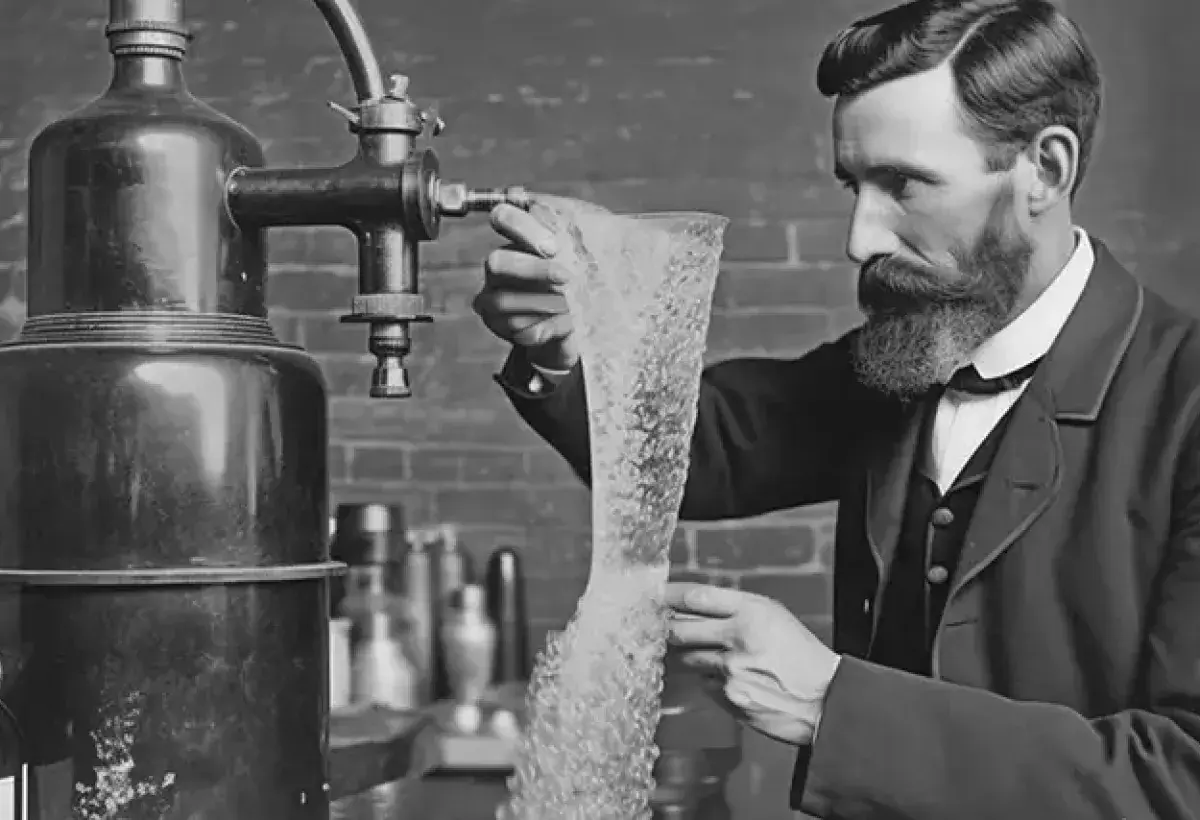
In 1886, John Pemberton, a pharmacist in Atlanta, Georgia, was experimenting with medicinal formulas to create a cure for ailments like headaches and fatigue. His goal was not to invent a soda but to develop a health tonic that would provide relief for his patients. After combining a mixture of coca leaf extract and kola nut with carbonated water, Pemberton discovered a unique flavor that delighted those who tried it. This happy accident marked the birth of what would eventually become Coca-Cola.
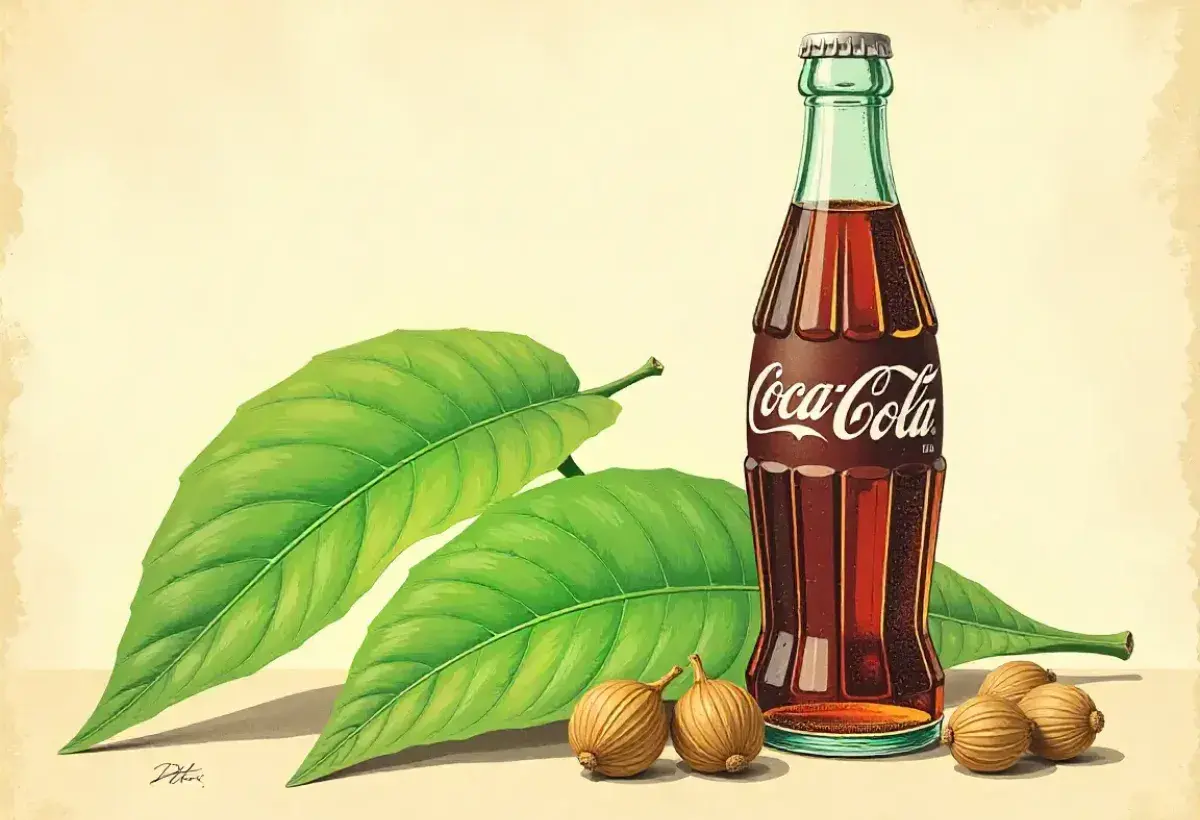
The drink was first sold at Jacobs’ Pharmacy, where it quickly became popular among the local community. Pemberton did not initially market it as a soft drink but as a health remedy. Many people were drawn to its refreshing taste, and word of mouth began spreading rapidly. Over time, the medicinal aspect faded while the enjoyment of the beverage grew. Coca-Cola’s rise from a pharmacy experiment to a household name is a story of serendipity combined with ingenuity.
Pemberton’s formula was further developed by his business partner, Frank Mason Robinson, who recognized the potential of marketing the beverage. Robinson suggested the name Coca-Cola, a combination inspired by the two main ingredients, and he also designed the now-famous flowing script logo. The accidental creation eventually evolved into a global beverage empire. Today, Coca-Cola remains one of the most beloved drinks worldwide, and its origin story continues to captivate enthusiasts who appreciate the unexpected beginnings of a true cultural icon.
Image
2. The Secret Formula Is Locked Away
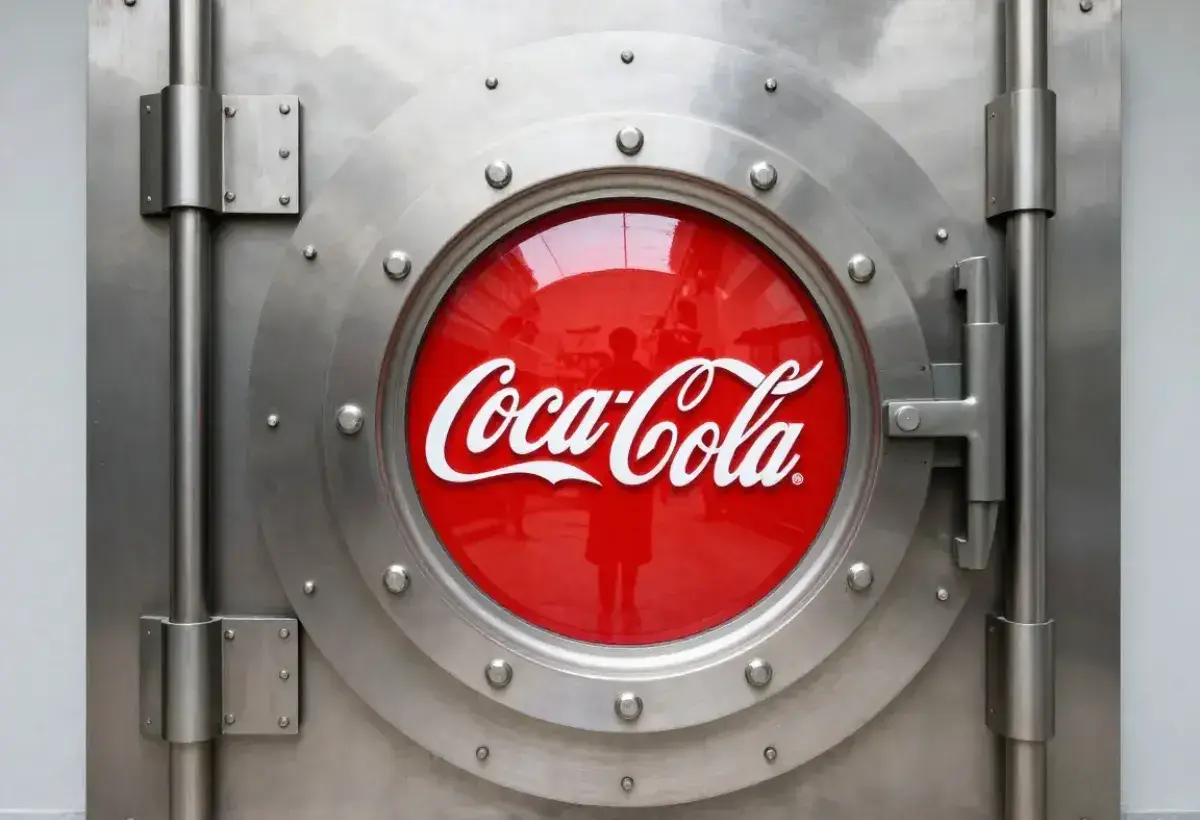
Coca-Cola is as famous for its flavor as it is for the secrecy surrounding its recipe. The exact combination of ingredients has been closely guarded for over a century, creating an aura of mystery and fascination among fans and competitors alike. The company stores the top-secret formula in a high-security vault in Atlanta. Only a few trusted executives are ever allowed access, and the recipe itself is never fully disclosed outside the company.
This secrecy has contributed significantly to the brand’s mystique. People have long speculated about the ingredients and attempted to replicate the formula, but no one has been able to perfectly recreate the original taste. The recipe is a closely held trade secret, giving Coca-Cola a competitive edge that is unmatched in the beverage industry.
Over the years, Coca-Cola has used the secret formula as a marketing tool to heighten curiosity and strengthen brand loyalty. It has become an iconic part of the brand’s identity, representing authenticity and timelessness. The locked vault is more than just a storage space; it is a symbol of the careful stewardship and legacy that Coca-Cola has maintained throughout its long history.
Fans often imagine the formula being hidden behind layers of security, accessible only under the most controlled conditions. This level of secrecy has elevated Coca-Cola from a simple soda to a cultural legend, where enjoying a bottle feels like participating in a small but delightful mystery.
Image
3. Named After Its Original Ingredients
The name Coca-Cola comes directly from the two main ingredients used in the original recipe. The coca leaf extract provided a mild stimulant, while the kola nut contributed caffeine and a distinctive nutty flavor. These ingredients gave the beverage its unique taste and energizing properties, and they inspired Frank Mason Robinson to combine them into the now-iconic brand name.
The clever naming strategy helped the beverage stand out in the market. By referencing its ingredients, Coca-Cola created an identity that was both descriptive and memorable. The choice of a name was not only practical but also visually appealing. Robinson designed the elegant script logo, which has remained largely unchanged for more than a century. This combination of a meaningful name and distinctive logo played a key role in establishing Coca-Cola as a recognizable and enduring brand.
Even after the removal of the psychoactive components of coca leaves in the early twentieth century, the name Coca-Cola remained. It became a symbol of consistency and reliability, representing a product that consumers could trust and enjoy anywhere. The brand’s connection to its original ingredients is a reminder of the thoughtful design and marketing decisions that contributed to its long-lasting success.
Image
4. First Served at a Pharmacy Counter
The first serving of Coca-Cola was sold at Jacobs’ Pharmacy in Atlanta in 1886 for just five cents. At the time, the beverage was considered a medicinal tonic rather than a treat for enjoyment. People visiting the pharmacy would enjoy a glass of the drink as part of a health regimen.
Coca-Cola’s affordability contributed to its early popularity. A nickel was accessible to most customers, allowing many people to try it without hesitation. The initial marketing emphasized both taste and purported health benefits. The combination of flavor, novelty, and accessibility helped Coca-Cola gain a loyal following quickly.
The pharmacy counter setting also influenced the way people consumed the beverage. Customers were encouraged to drink it on the spot, creating a social atmosphere where sharing the experience became part of the appeal. This small but significant introduction laid the groundwork for Coca-Cola to expand into soda fountains, restaurants, and eventually global distribution networks. The humble pharmacy counter became the starting point of a worldwide phenomenon that has continued for more than a century.
Image
5. Santa’s Modern Look Was Boosted by Coke Ads
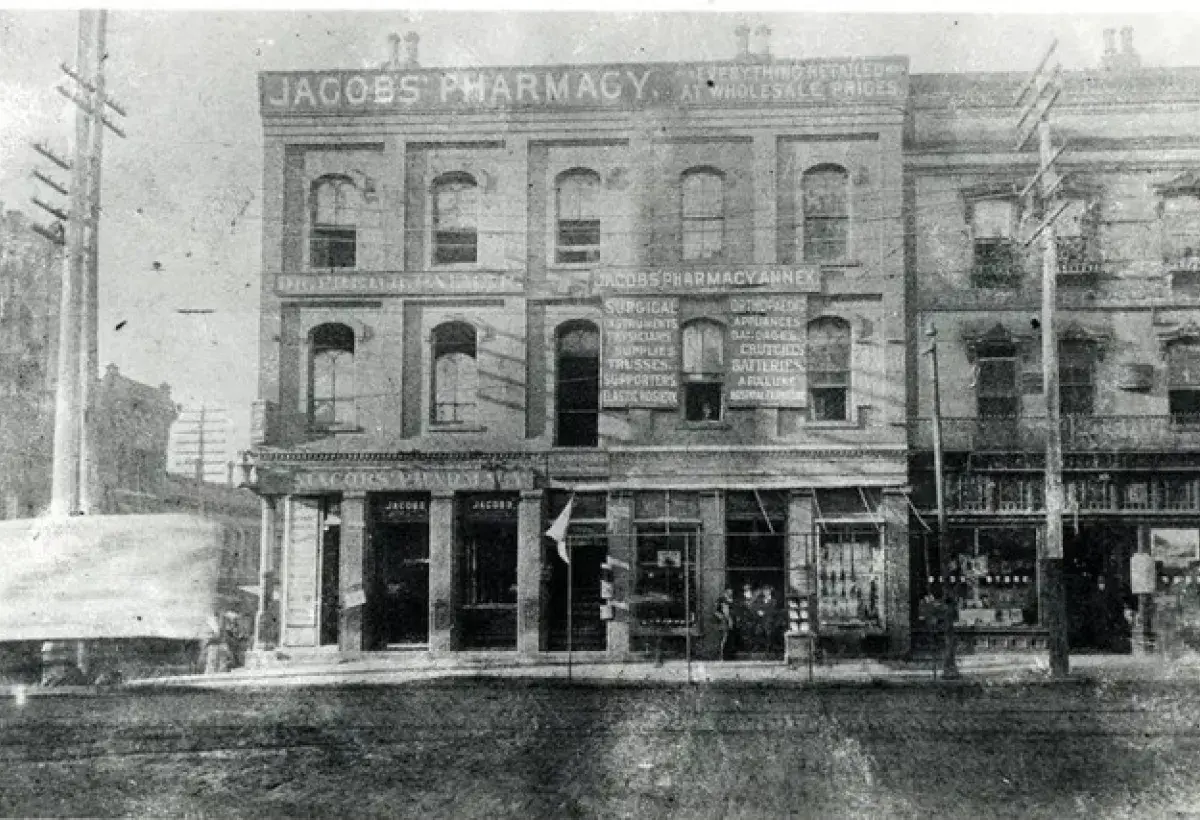
Coca-Cola played a key role in shaping the modern image of Santa Claus. In the 1930s, illustrator Haddon Sundblom created a series of Coca-Cola advertisements that featured Santa in a jolly red suit, enjoying a cold Coke. These illustrations became immensely popular and helped solidify the image of Santa as a cheerful, plump figure dressed in red with a white beard.
Before these advertisements, Santa Claus appeared in many different forms, wearing various colors and styles. Coca-Cola’s marketing campaigns gave the holiday icon a consistent and recognizable appearance that has endured for decades. These ads also emphasized warmth, joy, and the spirit of giving, associating the beverage with holiday celebrations.
By linking Coca-Cola to Christmas, the brand not only increased its visibility but also became part of cultural traditions. The holiday campaigns reinforced the idea that enjoying a Coke was a special treat during festive occasions. Today, the red-suited Santa is instantly recognizable around the world, a testament to the power of clever marketing and the influence of Coca-Cola’s creative vision.
Image
6. Second Most Recognized Word in the World
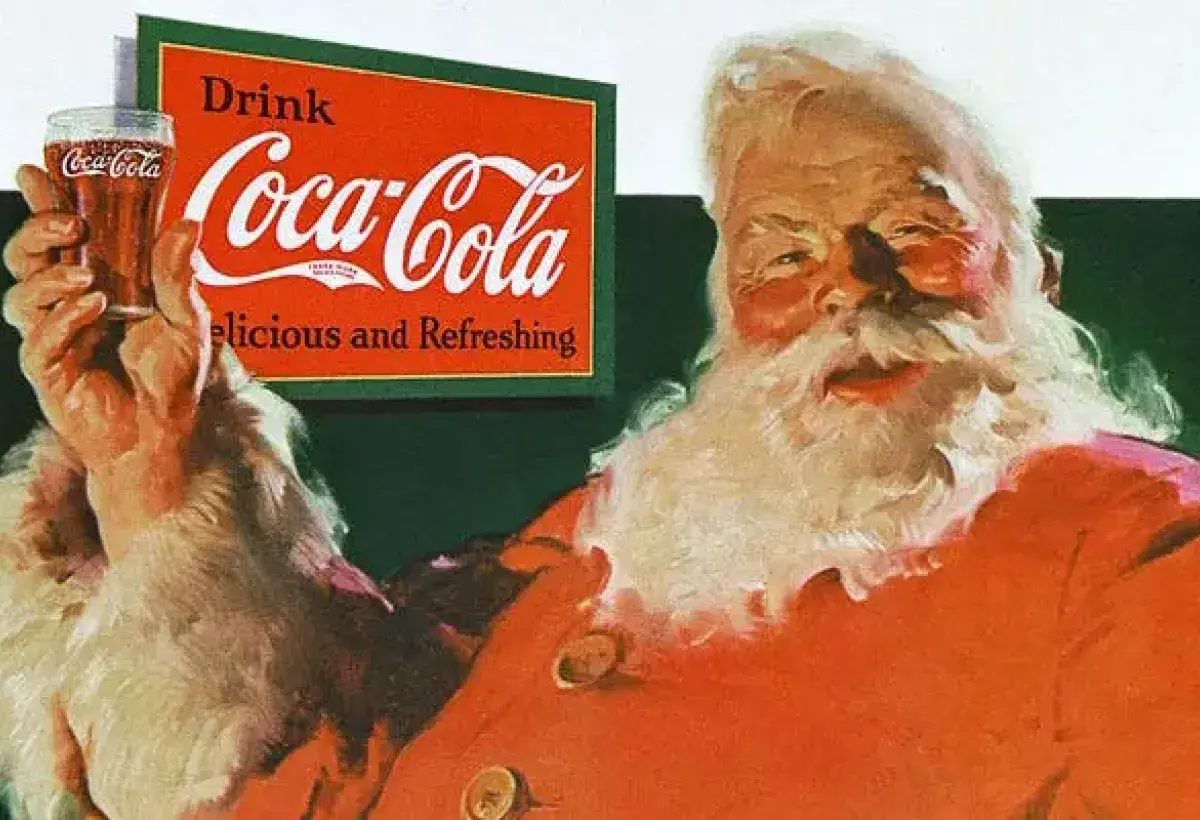
After the word OK, “Coke” is believed to be the most widely recognized word across the globe. This recognition extends beyond English-speaking countries and is a reflection of Coca-Cola’s extensive international reach and marketing strategies.
The brand’s name has become synonymous with soda itself in many regions. In some countries, people refer to any soft drink as a Coke regardless of the actual brand, highlighting the beverage’s deep cultural penetration. The simple, easy-to-pronounce name and distinctive logo contribute to its instant recognition.
This global familiarity has helped Coca-Cola maintain a dominant position in the beverage market. Consumers associate the name with quality, consistency, and enjoyment. The power of branding and repeated exposure over more than a century has made Coke a universally recognized symbol of refreshment and enjoyment.
Image
7. More Than 200 Countries Serve Coca-Cola
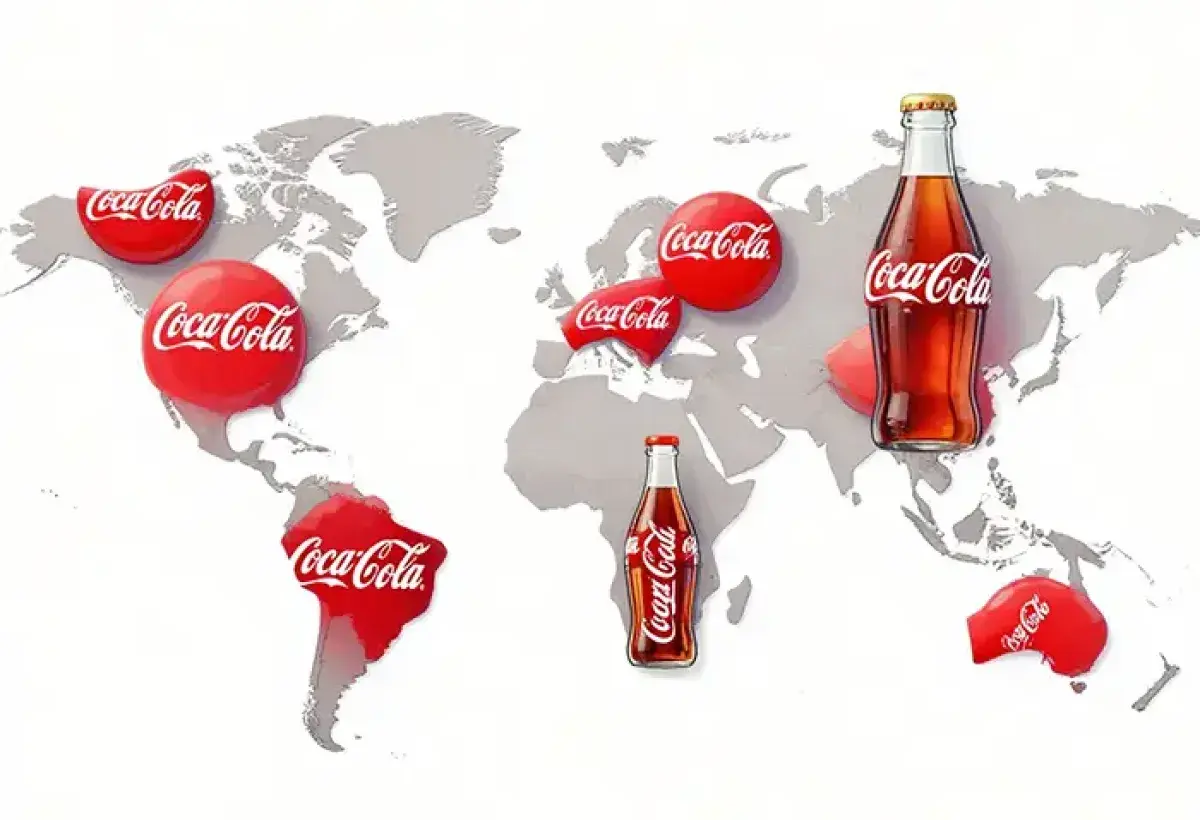
Coca-Cola is available in over 200 countries, making it one of the most widely distributed beverages in the world. From bustling cities to remote villages, people can enjoy a Coke in almost every corner of the globe. The only notable exceptions are Cuba and North Korea, where political and trade restrictions prevent the product from being sold.
The brand’s international success is due in part to its adaptability. Coca-Cola tailors its marketing campaigns and product variations to suit local tastes and preferences. This strategy has allowed the beverage to resonate with diverse cultures while maintaining a consistent brand identity.
Serving Coca-Cola worldwide requires a complex network of bottlers, distributors, and suppliers. The company’s logistical capabilities ensure that the product remains fresh and widely available. By achieving this level of global presence, Coca-Cola has become more than just a beverage; it is a cultural icon and a shared experience that connects people across continents.
Image
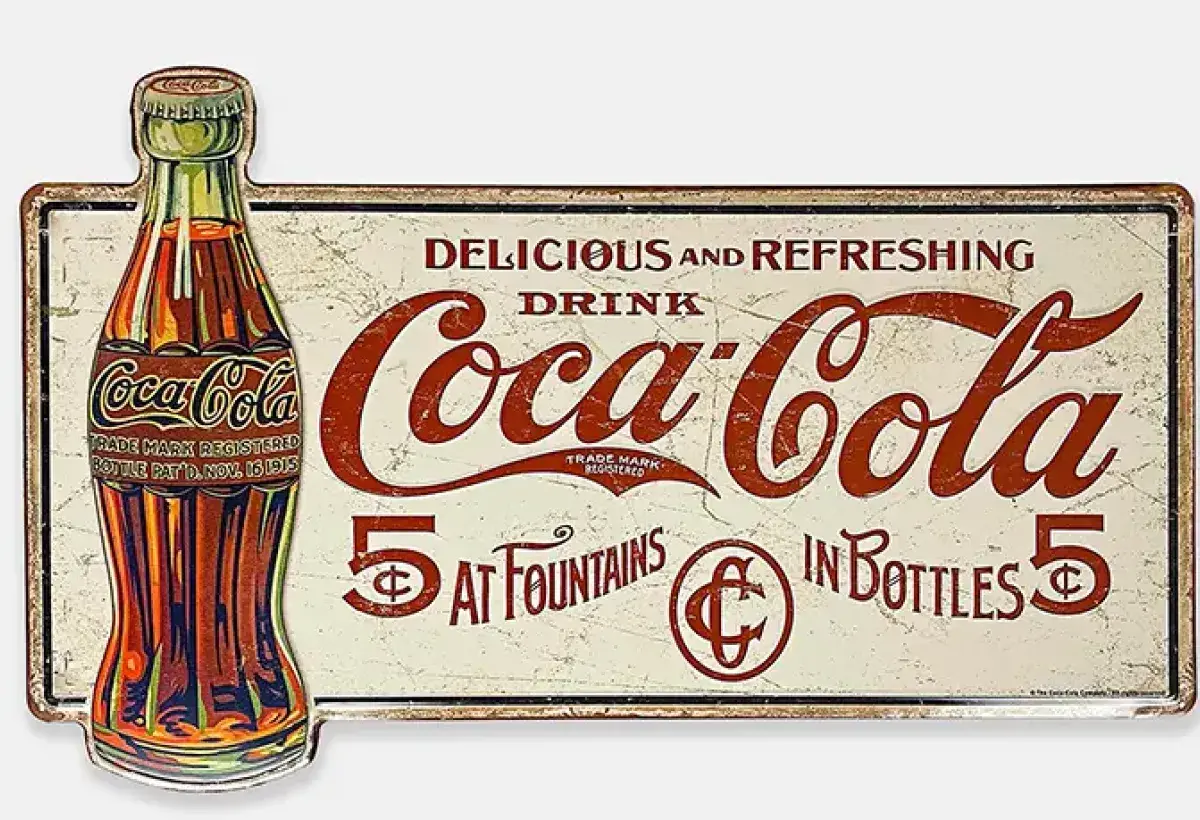
8. A Coke Bottle Once Cost Just a Nickel
For decades, a bottle of Coca-Cola cost just five cents. This price remained remarkably stable from the drink’s introduction in 1886 until the late 1950s. The consistency of the price made Coca-Cola accessible to nearly everyone, encouraging widespread adoption and loyalty among consumers.
The five-cent price point also became a memorable part of the brand’s identity. Many people remember hearing stories of how they could enjoy a refreshing Coke for a nickel, reflecting a simpler time in American history. Maintaining such a low cost for so long required careful management of production, distribution, and marketing, demonstrating the company’s commitment to affordability and customer satisfaction.
Even as inflation and changing economies eventually necessitated price adjustments, the story of the nickel Coke remains a nostalgic reminder of the beverage’s early success and enduring appeal. It illustrates how a combination of value, taste, and clever branding can create lifelong customer loyalty.
Image
9. Over 1.9 Billion Servings Every Day
Coca-Cola products are consumed in astonishing quantities every day. Nearly two billion servings are enjoyed worldwide on a daily basis, reflecting the beverage’s enduring popularity and global reach. This number includes a wide range of Coca-Cola brands and flavors, from classic Coke to Diet Coke and flavored variations.
The scale of consumption is a testament to the brand’s consistency and the universal appeal of its flavor. People choose Coca-Cola for refreshment, social occasions, or simply as a treat. The drink has become embedded in daily life for millions, making it one of the most widely consumed beverages in history.
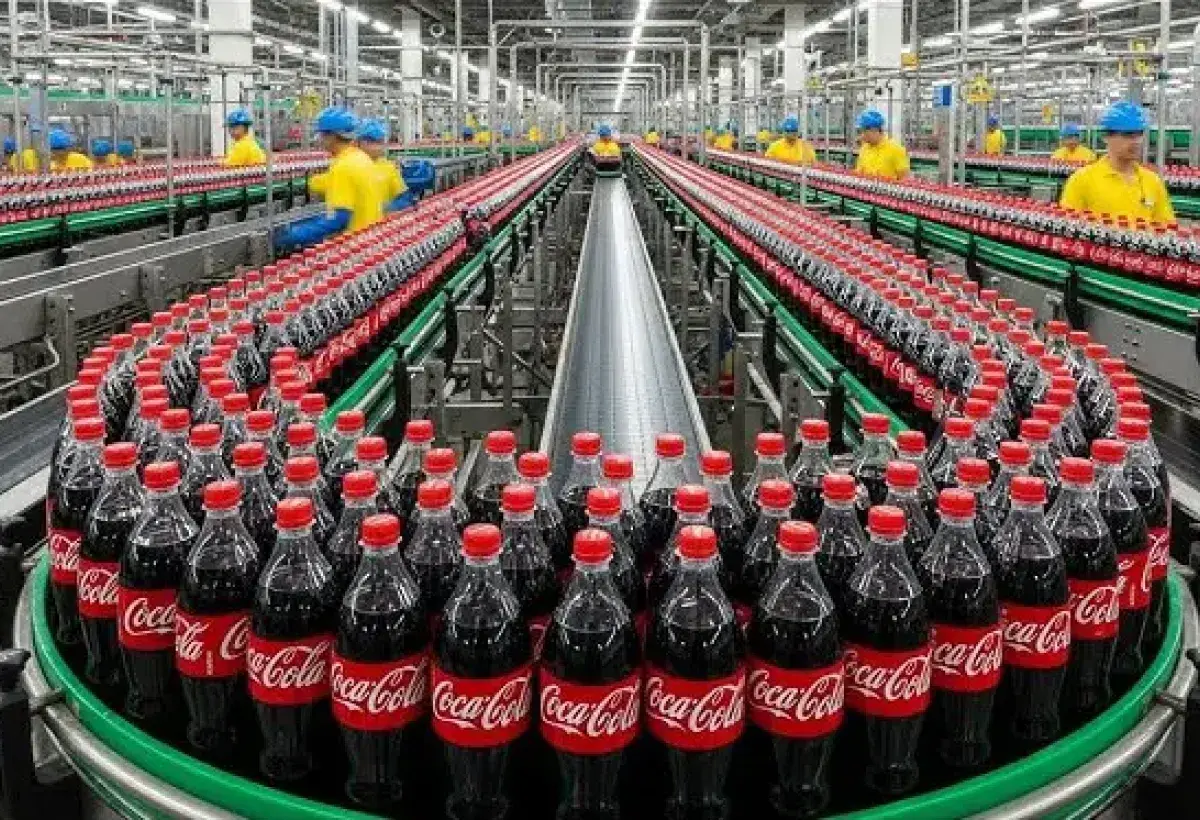
This massive consumption also demonstrates the efficiency of Coca-Cola’s production and distribution systems. The company has developed a sophisticated global infrastructure to ensure that its products are available fresh and ready to enjoy at all times. Consuming a Coke is more than just drinking a soda; it is participating in a shared experience that connects people across continents and cultures.
Image
10. Original Color Wasn’t Always Red
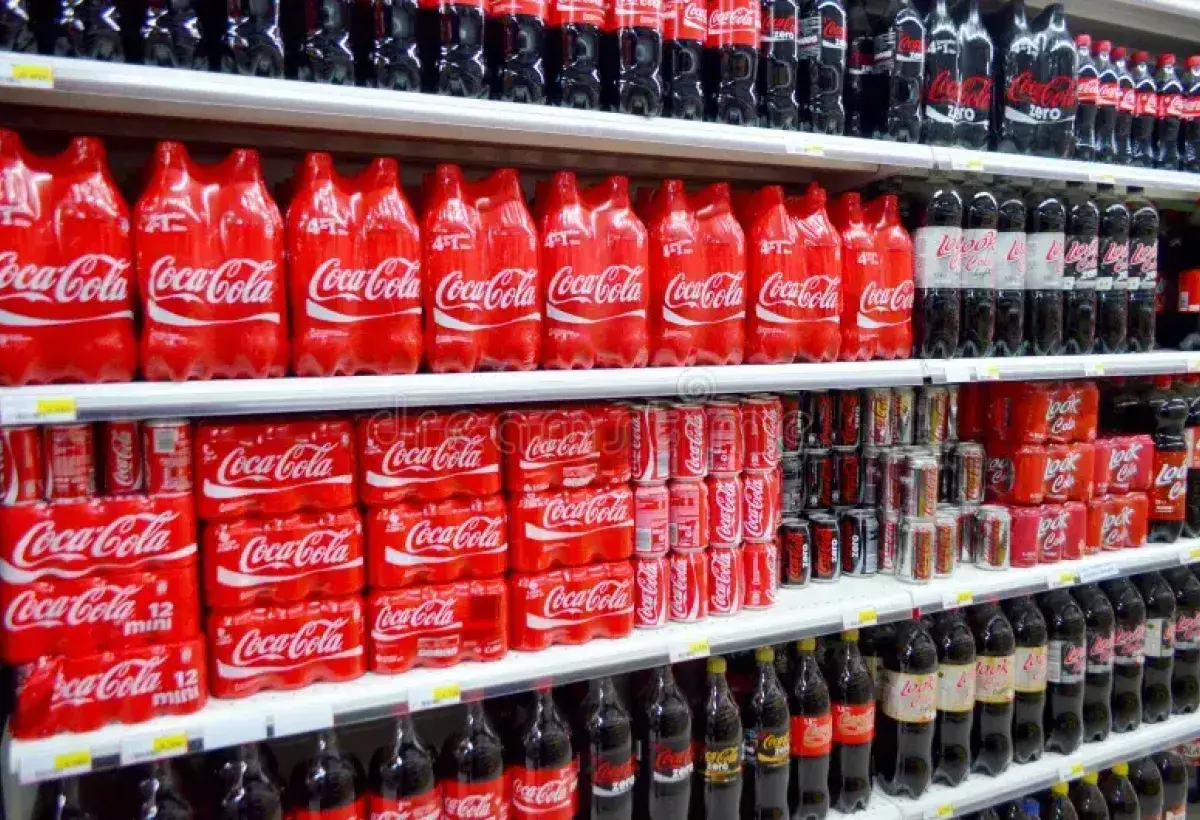
Coca-Cola’s iconic red color has become instantly recognizable, but this was not always the case. The red label and branding were introduced to help distinguish Coca-Cola barrels from those containing alcohol during transportation. The bright color made it easy for distributors and retailers to identify the product quickly.
Over time, the red branding became a central part of Coca-Cola’s identity. It evokes feelings of energy, excitement, and enjoyment, and it remains a key element in marketing campaigns, packaging, and promotional materials. The distinctive color also helps reinforce the brand’s visual consistency, making Coca-Cola instantly recognizable across stores, advertisements, and media.
This use of color highlights the importance of visual design in creating a lasting brand. The red that was originally practical has become symbolic, representing a century of refreshment, innovation, and cultural influence.
Image

Coca-Cola is far more than just a soft drink. Its story is a fascinating blend of accidental invention, clever marketing, and global strategy. From the pharmacy counter in Atlanta to nearly every corner of the world, the beverage has become a symbol of enjoyment and connection. Its secret formula, widely recognized name, and iconic branding have contributed to a legacy that continues to capture the imagination of millions.
The drink’s impact extends beyond taste. Coca-Cola has influenced culture, advertising, and even holiday traditions. Its accessibility, affordability, and refreshing quality have made it a beloved choice for generations. The sheer number of servings consumed daily demonstrates the universal appeal of this classic beverage.
Learning about Coca-Cola’s history and lesser-known facts provides a deeper appreciation for the ingenuity and vision behind the brand. Each bottle carries a story of creativity, secrecy, and marketing brilliance. Whether it is the accidental creation by a curious pharmacist, the locked-away secret formula, or the global reach that makes it familiar almost everywhere, Coca-Cola is a remarkable example of how a product can shape culture, evoke nostalgia, and bring people together.
Coca-Cola is a reminder that even the simplest pleasures can have complex and captivating histories. From its original ingredients to the iconic red label, every detail has contributed to its enduring popularity. The next time you open a bottle of Coca-Cola, you are not just enjoying a fizzy drink. You are participating in a story that spans more than a century and touches lives across the globe.
Image