


You pick up your phone to check one message. A few minutes later you are still there, thumb moving almost automatically, eyes scanning, brain buzzing. You tell yourself you will stop after one more post, one more video, one more refresh. Yet somehow the minutes turn into an hour. Sound familiar?
You are not weak. You are not lazy. And you are definitely not alone.
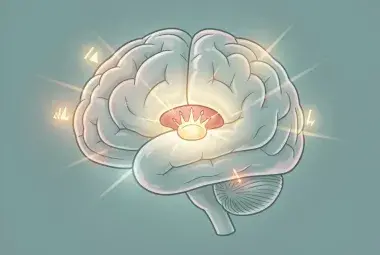
What you are experiencing is a powerful interaction between modern technology and ancient brain chemistry. At the center of it all is dopamine, a neurotransmitter that plays a crucial role in motivation, reward, and learning. Social media platforms and mobile apps are carefully designed to trigger small bursts of dopamine again and again. Each notification, like, message, and unexpected piece of content becomes a tiny psychological reward.
The result is a loop. Anticipation. Reward. Repeat.
In today’s hyperconnected world, your phone is not just a communication tool. It is a portable reward machine that fits in your pocket. And while dopamine itself is not the villain of the story, the way it is continuously stimulated can shift your attention, your habits, and even your mood.
We will explore what dopamine really does, why scrolling feels so irresistible, how overstimulation affects your brain, and most importantly how you can regain control without throwing your phone away. Because the goal is not to disconnect from modern life. The goal is to reconnect with your own focus, clarity, and balance.
Image

What Is Dopamine and Why Does It Matter
Dopamine is often called the pleasure chemical, but that label is only partly accurate. Dopamine is actually more about motivation than pleasure. It drives you toward rewards. It fuels curiosity. It pushes you to seek, explore, and achieve.
From an evolutionary perspective, dopamine helped humans survive. When early humans found food, formed social bonds, or discovered something new, dopamine reinforced that behavior. The brain essentially said, this is important for survival, do it again.
In the modern world, the same system still operates. When you receive a compliment, complete a task, or accomplish a goal, dopamine is involved. It supports learning and reinforces patterns.
The challenge is that your phone provides frequent and unpredictable rewards. A message might contain exciting news. A post might receive a surge of likes. A video might be unexpectedly funny or emotionally powerful. This unpredictability is key. The brain responds strongly to variable rewards, especially when you do not know exactly when they will appear.
Image
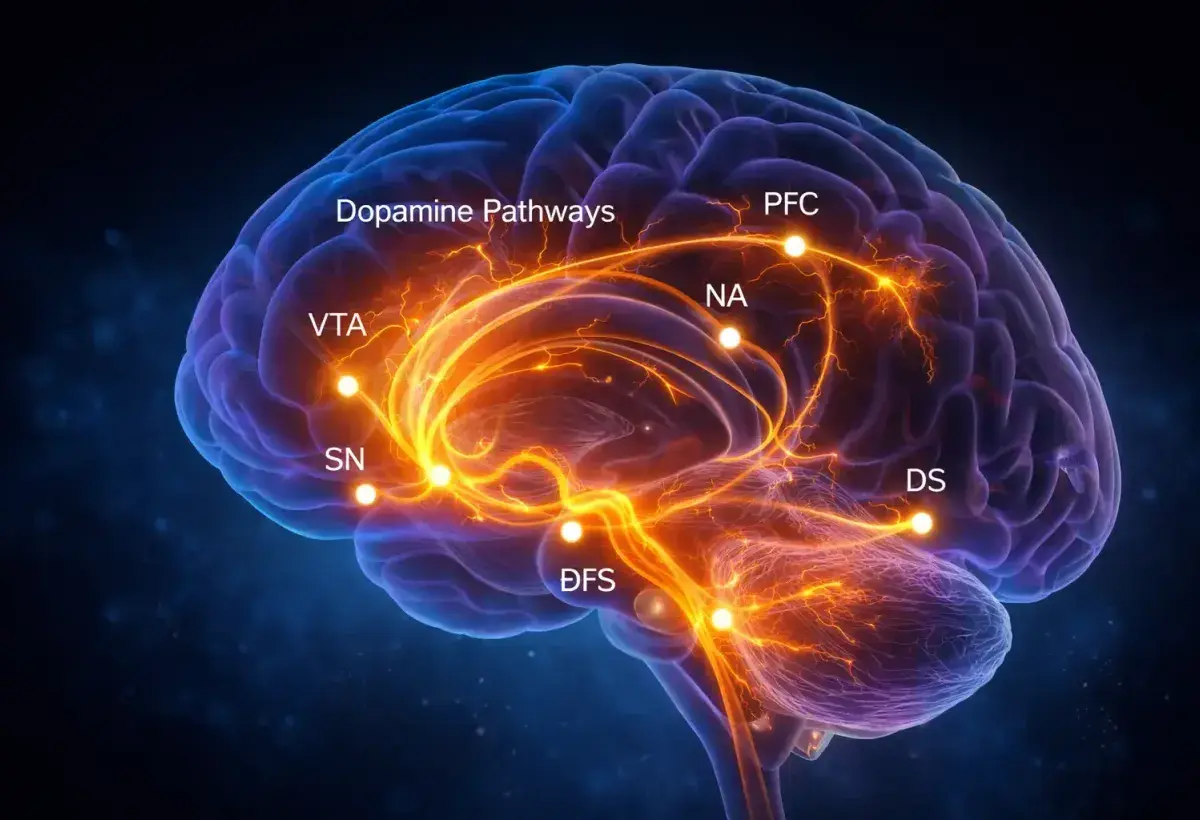
Neuroscientist Nora Volkow and colleagues have explored how dopamine pathways influence behavior and addiction. Research published in Nature Reviews Neuroscience has shown that dopamine plays a central role in reinforcing behaviors that feel rewarding. When these pathways are repeatedly activated, habits form more easily.
Your brain is not designed for infinite novelty. Yet your phone provides it.
The Infinite Scroll Effect
Social media platforms are engineered to remove natural stopping cues. In the past, reading a newspaper had a clear endpoint. Watching a television show required waiting for the next episode. Even flipping through a magazine had physical limits.
Now there is no bottom of the page.
Infinite scroll keeps content flowing seamlessly. Your brain expects that the next swipe might bring something even more interesting. The anticipation alone releases dopamine. Even before the reward arrives, your brain is preparing for it.
Image
This pattern mirrors what psychologists call a variable reward schedule. It is the same principle used in slot machines. Not every pull delivers a reward, but enough do to keep you engaged. The unpredictability strengthens the habit.
You scroll because you might find something great. Sometimes you do. That intermittent reinforcement makes the behavior sticky.
Over time, your brain begins to associate boredom or even mild discomfort with the urge to check your phone. A moment of silence becomes a cue. Waiting in line becomes a cue. Sitting alone becomes a cue. The phone becomes the automatic solution.
Why Overstimulation Changes Your Brain
Dopamine itself is not harmful. It is essential. The problem arises when stimulation is constant and intense.
When your brain receives frequent dopamine spikes from rapid digital rewards, it can gradually reduce its sensitivity. This is called downregulation. The same content that once felt exciting becomes less satisfying. You need more scrolling, more novelty, or more extreme content to feel the same effect.
Image

This helps explain why your favorite app can start to feel dull even as you continue using it. The brain adapts. Natural rewards such as reading a book, going for a walk, or having a calm conversation may feel less stimulating by comparison.
Research in behavioral neuroscience suggests that excessive stimulation can influence attention span, mood regulation, and motivation. While phones are not drugs, the underlying reward mechanisms overlap with those involved in addictive behaviors.
You may notice signs such as difficulty concentrating, restlessness when away from your device, or a sense of emptiness after extended scrolling sessions. These are not moral failings. They are feedback signals from your nervous system.
The Emotional Loop of Social Media
Dopamine is closely linked with anticipation. Social media platforms tap into social validation, which is deeply wired into the human brain.
Likes, comments, and shares act as signals of approval. Each notification carries the possibility of connection or recognition. Even negative engagement can trigger arousal and attention.
Image
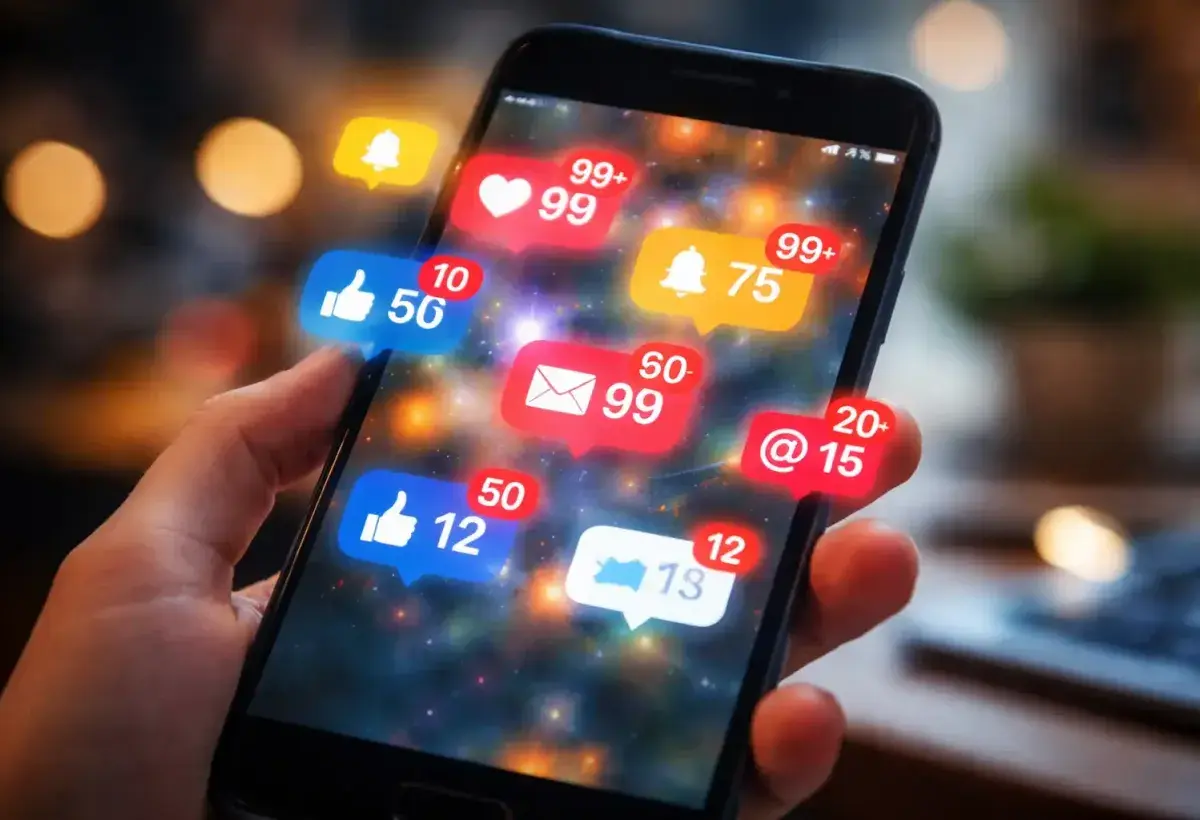
Your brain learns to check repeatedly because there might be something new waiting. That might keeps the loop alive.
Over time, the cycle can shape self perception. Instead of acting based on internal values, you may start acting based on external reactions. Posting becomes tied to expected feedback. Silence feels like rejection. Engagement feels like validation.
The emotional highs and lows mirror the fluctuations of dopamine release. It is not that social connection is unhealthy. Humans are social beings. The issue is the scale and speed at which digital platforms amplify social signals.
Signs That Dopamine Is Running the Show
It can be subtle at first. You may reach for your phone without thinking. You may open an app and forget why you did. You may feel anxious if you leave your phone in another room.
Some common indicators include compulsive checking, difficulty completing focused tasks, irritability when offline, and procrastination fueled by scrolling. You may promise yourself you will stop after five minutes, only to find thirty have passed.
Image

Awareness is the first step. When you recognize the pattern, you shift from autopilot to conscious choice. Dopamine is not the enemy. Lack of awareness is.
How to Regain Control Without Abandoning Technology
You do not need to throw your phone away or move to a remote cabin. Technology is woven into modern life. The goal is balance.
1. Create Dopamine Reset Windows
Set aside one to two hours each day with no screen use. This is not punishment. It is recalibration. During this time, allow your nervous system to settle. You may initially feel restless. That is normal.
Over time, your brain begins to resensitize to slower rewards.
Image

2. Replace Fast Dopamine with Slow Dopamine
Fast dopamine comes from rapid, high intensity stimulation. Slow dopamine comes from activities that require patience and effort. Walking in nature, journaling, painting, cooking, exercising, or learning a new skill all provide slower but deeper rewards.
These activities rebuild attention span and satisfaction.
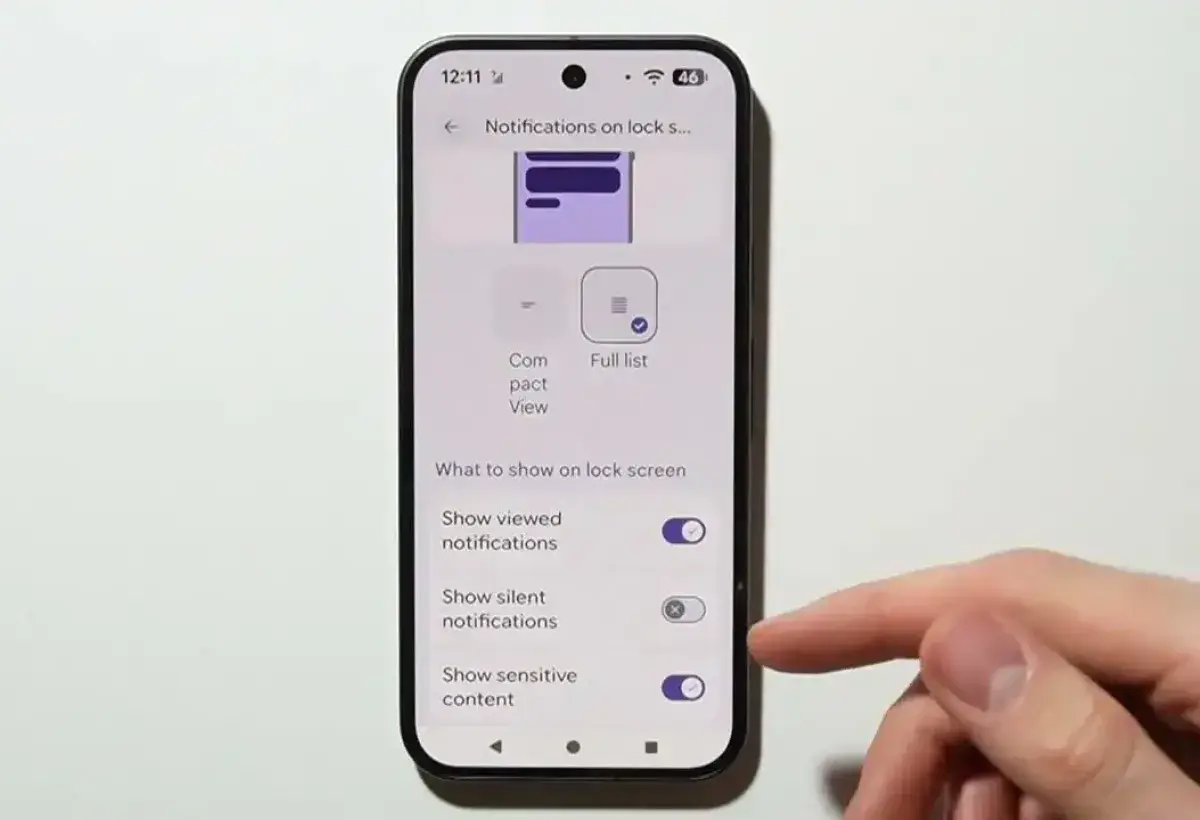
3. Turn Off Non Essential Notifications
Every notification is a potential dopamine trigger. By disabling non essential alerts, you reduce external cues that prompt checking behavior. You regain control over when you engage rather than reacting automatically.
Image
4. Introduce Friction
Move distracting apps off your home screen. Log out after each use. Keep your phone in another room while working. Small barriers create pause moments that interrupt automatic loops.
5. Practice Mindful Scrolling
Before opening an app, ask yourself why. Are you bored, anxious, or avoiding something? Naming the emotion weakens its grip. Decide how long you will stay. Use a timer if needed.
Mindfulness transforms compulsion into choice.
The Role of Self Compassion
Many people feel shame about their screen habits. Shame rarely leads to sustainable change. Self compassion does.
Your brain evolved for survival in a completely different environment. Modern technology exploits reward systems that were designed for scarcity, not abundance. Blaming yourself ignores the complexity of the system.
Instead, approach change with curiosity. Notice patterns. Experiment gently. Celebrate small wins.
Image

Therapists often emphasize that awareness precedes transformation. When you understand the mechanism, you reduce its unconscious power.
Rebuilding Attention in a Distracted World
Attention is like a muscle. It strengthens with use and weakens with neglect. Long form reading, deep work, and creative thinking require sustained focus.
Start small. Commit to twenty minutes of uninterrupted work. Gradually extend the time. Protect that window fiercely.
Consider creating phone free zones in your home such as the bedroom or dining area. Physical boundaries reinforce mental ones.
Sleep is also critical. Late night scrolling disrupts circadian rhythms and delays melatonin release. Placing your phone out of reach before bed improves rest quality and reduces morning checking impulses.
A Balanced Relationship With Dopamine
Dopamine is not the villain. It drives ambition, curiosity, and joy. Without dopamine, you would struggle to pursue goals or experience motivation.
The objective is not to suppress dopamine but to diversify it. Seek rewards from relationships, physical movement, creativity, learning, and meaningful achievement. These sources produce steadier satisfaction.
Your phone can still be part of your life. It can connect you, inform you, and entertain you. The difference lies in whether you use it intentionally or reflexively.
When you choose when and how to engage, you reclaim agency. When you pause before scrolling, you break the automatic loop.
You do not need to ditch your phone. You need to understand it.
Your brain is responding exactly as it was designed to respond. The modern digital environment simply provides more triggers than it was built to handle. Once you recognize the dopamine loop, you gain power over it.
Start with awareness. Create small boundaries. Replace fast stimulation with slower, richer experiences. Over time, your attention sharpens, your mood stabilizes, and your sense of control strengthens.
The scroll may always be there. The difference is that you no longer let it run the show.
References
Volkow, N. D., Wang, G. J., Fowler, J. S., and Tomasi, D. 2011. Addiction circuitry in the human brain. Nature Reviews Neuroscience, 12, 652 to 669.
Schultz, W. 1998. Predictive reward signal of dopamine neurons. Journal of Neurophysiology, 80, 1 to 27.
Berridge, K. C., and Robinson, T. E. 1998. What is the role of dopamine in reward, hedonic impact, reward learning, or incentive salience. Brain Research Reviews, 28, 309 to 369.
Montag, C., and Walla, P. 2016. Carpe diem instead of losing your social mind. Beyond digital addiction and why we all suffer from digital overuse. Cogent Psychology, 3, 1157281.
Alter, A. 2017. Irresistible. The Rise of Addictive Technology and the Business of Keeping Us Hooked. New York, Penguin Press.
Twenge, J. M. 2019. iGen. Why Today’s Super Connected Kids Are Growing Up Less Rebellious, More Tolerant, Less Happy and Completely Unprepared for Adulthood. New York, Atria Books.
American Psychological Association. 2020. Stress in America report on technology and social media use.