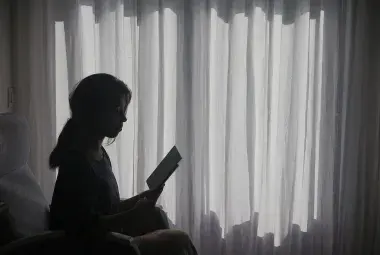



A Sacred Invitation to Write: The First Command to Reflect and Create
"and He said unto me . . . Write." Revelation 2:15
Before the rise of planners and productivity systems, before the publishing of self-help books, journals, or strategic blueprints, there was a divine command: Write.
Long before the modern world taught us the value of design, method, and clarity of vision, the Creator of heaven and earth instructed humanity with a simple but profound word: Write what you see.
Why did God say this?
Perhaps because writing is more than documentation. Writing is meditation. Writing is reflection. Writing is obedience. To write is to bring order to the thoughts swirling in our minds. It is to turn fleeting impressions into lasting wisdom. It is to process pain, record hope, and make sense of the subtle, divine whispers we hear in our hearts. Writing is both a conversation with God and a dialogue with our own soul.
From the battlefield reflections of Marcus Aurelius to the poetic legacy of Shakespeare, great minds throughout history have answered this ancient instruction. Surrounded by chaos, they wrote. Surrounded by loss and uncertainty, they composed life-giving words. Their courage to reflect, to transmute experience into thought, and to capture insight on paper continues to nourish the human spirit and modern civilization.
Perhaps God is not simply commanding us to write for posterity, but inviting us into partnership with Him in the creative process. Through writing, we learn to think clearly, act intentionally, and live meaningfully. The act of writing is an exercise in presence. It forces us to slow down, notice, and articulate. It bridges the temporal and the eternal, the seen and the unseen. Each word becomes a stepping stone toward clarity, self-awareness, and spiritual understanding.
Writing is also an act of courage. It requires vulnerability, honesty, and the willingness to encounter ourselves without disguise. In our journals, on blank pages, or even in quiet reflections shared with no one, we reveal our fears, our hopes, our questions, and our gratitude. This sacred invitation encourages us to engage fully with the human experience while recognizing the divine guidance interwoven into every thought and observation.
Image

So today, in this quiet moment, I respond to that same sacred call.
Teach me, dear God, how to write:
Not just with ink, but with intention.
Not just to remember, but to reflect.
Not just to speak, but to listen.
Not just to fill pages, but to awaken insight.
That in writing, I may know You more, and in knowing You, I may know myself more deeply. That my words may be both mirror and window—reflecting grace, revealing truth, and nurturing understanding in myself and others.
Writing is a journey of discovery, patience, and devotion. Each sentence is a prayer, each paragraph a meditation. And in this sacred dialogue, we learn that the act of writing is not only about producing words but about shaping life, character, and purpose. To write is to participate in creation, to honor the gift of consciousness, and to leave traces of wisdom for generations that follow.
Let us take up this call daily. Let us respond faithfully to the first command to write, embracing reflection, intention, and the transformative power of words. The Listening Pen becomes more than a tool; it becomes a companion in our spiritual, intellectual, and emotional growth.
✒️ The Listening Pen – Reflecting grace, one word at a time
Thanks #pexels #mylns65hoasphn @pixabay for the photos.