


The Wanderer
As I write this, it is January 4-the first Sunday of the year.
And I find myself quietly asking a question that feels both simple and strangely unsettled:
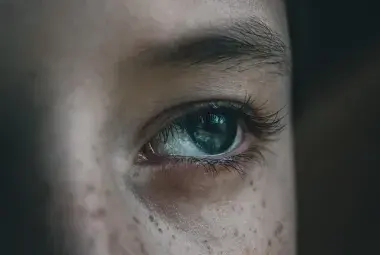
Am I now living in a new world?
Is 2026 a place I have already entered, or am I still lingering in the long emotional echo of 2025?
My mind has a habit of doing this drawing invisible borders where none truly exist. A calendar turns, a number changes, and suddenly the imagination starts negotiating with time itself. I wonder whether something has fundamentally shifted, or whether I have simply carried yesterday with me into today.
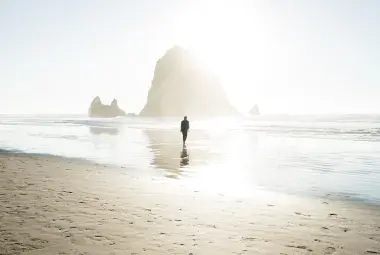
My thoughts wander.
They wander forward, projecting scenes that have not yet happened: how my life might look by the end of this month, then the quarter, then the year. I imagine outcomes. I imagine growth. I imagine failures quietly avoided or courageously faced. I imagine a version of myself standing in December, looking back.
Then another question interrupts the imagining:
Will I act on these thoughts or will they remain only thoughts?
The wandering continues.
I think about steps. About direction. About movement. About whether I will walk intentionally this year or simply drift from one obligation to another, mistaking motion for meaning. I ask myself where I am headed, why I would choose that path, and whether the destination matters as much as I think it does right now.
My mind wanders again.
Who will be with me as I take these steps?
Who will walk alongside me, quietly or closely?
Who will fall behind, and who will arrive unexpectedly?
The questions stack upon each other until they begin to blur. Wandering turns into noise. Thought becomes restless rather than reflective. And then almost without effort I stop thinking.
Not because the questions have been answered, but because they have exhausted themselves. In that pause, a verse I have known for years surfaces gently, without demand or insistence:
“Finally, brothers and sisters, whatever is true, whatever is noble, whatever is right, whatever is pure, whatever is lovely, whatever is admirable if anything is excellent or praiseworthy think about such things.”
— Philippians 4:8 (New International Version)
Image

It does not arrive as instruction. It arrives as memory.
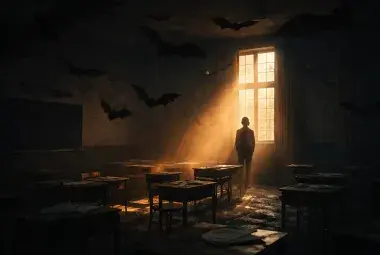
I find myself curious not in a scholarly way, but in a human one. Have others, across time, struggled with this same restless inner movement? Have they also wrestled with wandering minds, anxious projections, and the quiet weight of choosing what to think about? Without planning to, my thoughts drift toward voices far removed from my own world men who lived centuries ago, under entirely different skies, yet seemed preoccupied with the same inner terrain.
I remember a line from Meditations, where Marcus Aurelius returns again and again to a simple idea: that the quality of our thoughts shapes the quality of our lives. Not dramatically. Not rhetorically. Just plainly, almost stubbornly, as if repeating it might help it sink in not only for the reader, but for himself.
Still, my mind resists.
Is it really that simple?
Can thoughts carry that much weight?
As if answering the resistance, another voice enters the conversation this time from Letters from a Stoic, specifically Letters 105 and 106. Seneca writes not about ambition or achievement, but about discernment. About how a crowded mind becomes weakened, and how depth matters more than accumulation.
In Letter 105, he reflects on how restlessness of mind comes from wanting too many things at once, from being pulled in multiple directions without anchoring oneself. In Letter 106, he returns to the idea that it is not the quantity of what we read, absorb, or consume that strengthens us but the quality. Elsewhere in the letters, he states plainly that we must choose carefully what we allow to shape our inner world, because the mind inevitably becomes like what it repeatedly encounters.
My thoughts attempt one final argument.
Is this wisdom or just repetition dressed as insight? And then, unexpectedly, the arguing stops.
Silence.
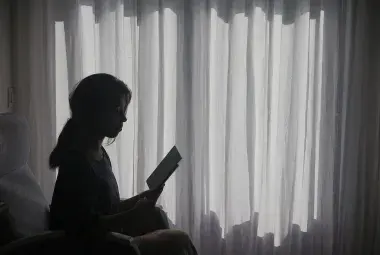
I reach for my cup of herbal tea. The steam rises gently. I take a sip. And in that ordinary moment nothing ceremonial, nothing staged I hear music drifting through the room.
“Don’t worry, be happy.”
The lyrics are familiar, almost playful. I have heard them countless times before. But this time, they land differently. Not as entertainment. Not as advice. Just as presence.
The song does not reason with me. It does not persuade. It does not explain.
It simply is.
And somehow, that is enough.
Image
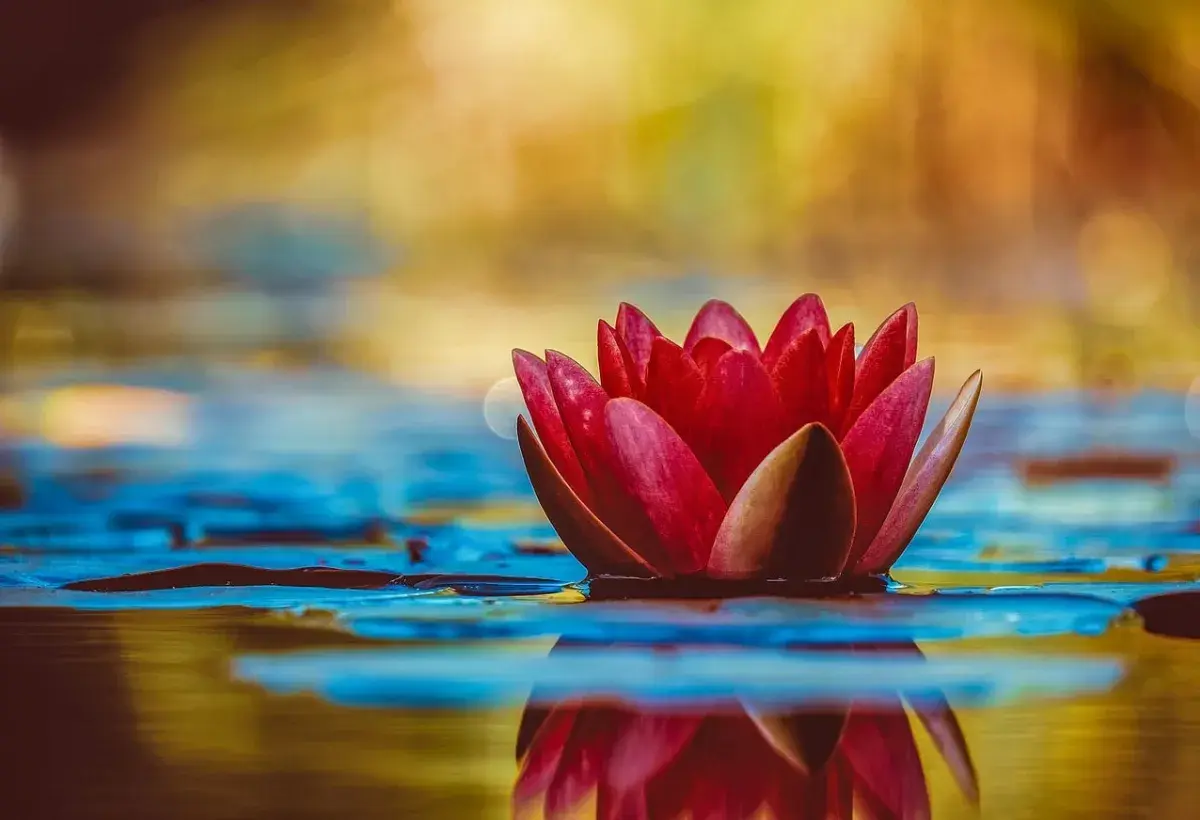
Without effort, my wandering mind settles. The questions do not vanish, but they loosen their grip. The tension between past and future softens. The need to resolve everything now quietly dissolves.
The wisdom whether from Scripture, ancient philosophy, or a simple song no longer feels like something to analyze. It feels like something already understood, waiting only to be accepted.
For the first time that morning, my mind is no longer arguing with itself. I notice something curious in that stillness: the wandering never really belonged to the calendar. It wasn’t caused by the year changing from 2025 to 2026.
It came from my attempt to control what has not yet arrived, and to interpret what has already passed.
And when that attempt eases, so does the wandering.
So today, I make no declarations.
I set no grand resolutions.
I announce no transformation.
I will probably still wander.
But perhaps I can wander differently.
If my mind drifts, I hope it drifts toward what is true.
If it lingers, I hope it lingers on what is noble and lovely.
If it gathers, I hope it gathers what is worthy of being carried.
Not perfectly. Not consistently. Just more often than before.
This year does not need to become a new world overnight. It only needs to become a more attentive one where thoughts are chosen with a little more care, and silence is allowed to speak before answers rush in.
At the end of this year, I will return here. I will look back and share where my wandering has taken me where I have been, and who I have become along the way.
For now, this is enough.
I keep walking not to arrive, but to listen
A beginning.
A quiet step into 2026.
— The Wanderer
Image
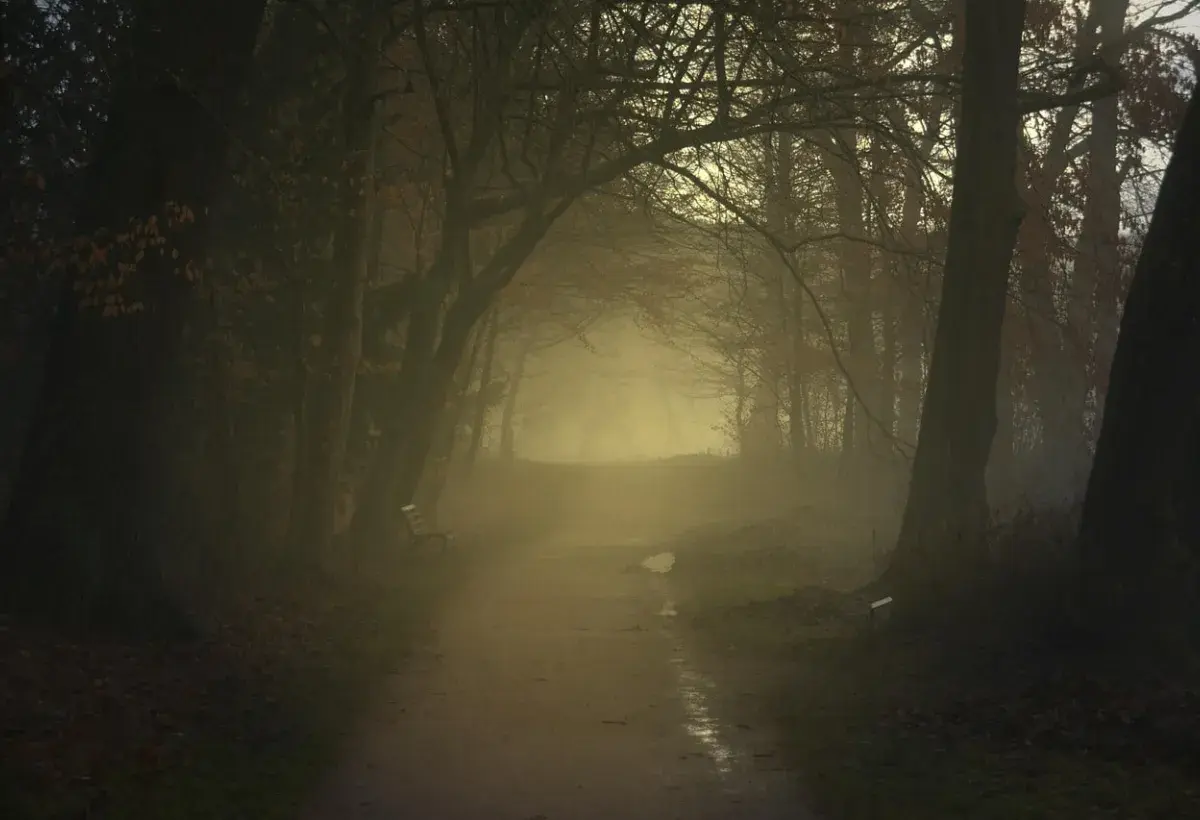
photos credit to albertoadan, jggrz, and couleur on pixabay.