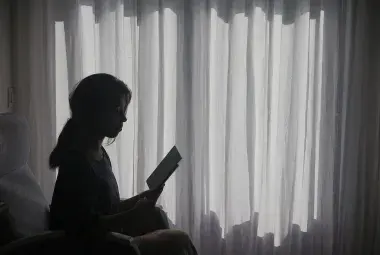



There are moments when a television episode quietly slips past entertainment and becomes something heavier and more personal. Recently I watched an episode of Boston Legal titled “It Girls and Beyond”, expecting the usual mix of clever dialogue, eccentric personalities, and sharp courtroom drama. Instead, I found myself sitting in silence after the credits rolled, thinking about a question that refuses to fade easily. Who truly owns the right to try to survive when all reasonable options are gone.
The story centers on a lawsuit against a doctor who prescribed a drug that had not yet received FDA approval to a morbidly obese patient. The patient had already exhausted conventional treatments. Diet plans had failed, surgery carried serious risks, and approved medications had delivered no meaningful results. What remained was an experimental option, one supported by limited evidence and professional judgment but not by regulatory permission. The choice was stark. Accept decline or attempt something uncertain.
Denny Crane insists on handling the case himself, determined to prove that he is still capable despite the neurological disease slowly taking his mind. Alan Shore supports him quietly as second chair, watching both the trial and his friend’s internal struggle unfold in parallel. The courtroom becomes more than a legal battlefield. It turns into a place where fear, hope, pride, and mortality intersect.
Image

At its core, the case raises a deceptively simple question. Does the government have the right to prevent an individual from pursuing experimental treatment when the alternative is continued suffering or inevitable decline. It is a question that sits uncomfortably between ethics, law, and emotion, refusing to settle into any single category.
From the perspective of the prosecution, regulation is not cruelty but protection. The district attorney argues that desperate people will do desperate things, and that fear can easily override reason. Patients in pain may cling to anything that promises relief, no matter how thin the evidence or how dangerous the risk. Without strict oversight, vulnerable individuals could be exploited by false hope, reckless practitioners, or profit driven companies selling unproven cures.
The argument is logical and grounded in history. Medicine has seen enough tragedies caused by premature enthusiasm, unsafe trials, and treatments rushed to market without proper study. Safeguards exist because suffering people have been misled before, sometimes with fatal consequences. In that sense, regulation stands as a shield, imperfect but necessary.
Yet logic alone does not quiet the emotional weight of the case.
When Denny Crane stands for his closing argument, the tone shifts. He speaks not as a lawyer first, but as a man confronting the slow erosion of his own identity. He admits his condition openly, acknowledging that his mind is deteriorating and that the person he recognizes in the mirror is gradually slipping away. The courtroom falls silent as legal theory gives way to human vulnerability.
Then he responds to the prosecutor’s words. Yes, desperate people do desperate things. And then he adds something far more unsettling. No one has the right to stop him from trying to get his brain back.
Image
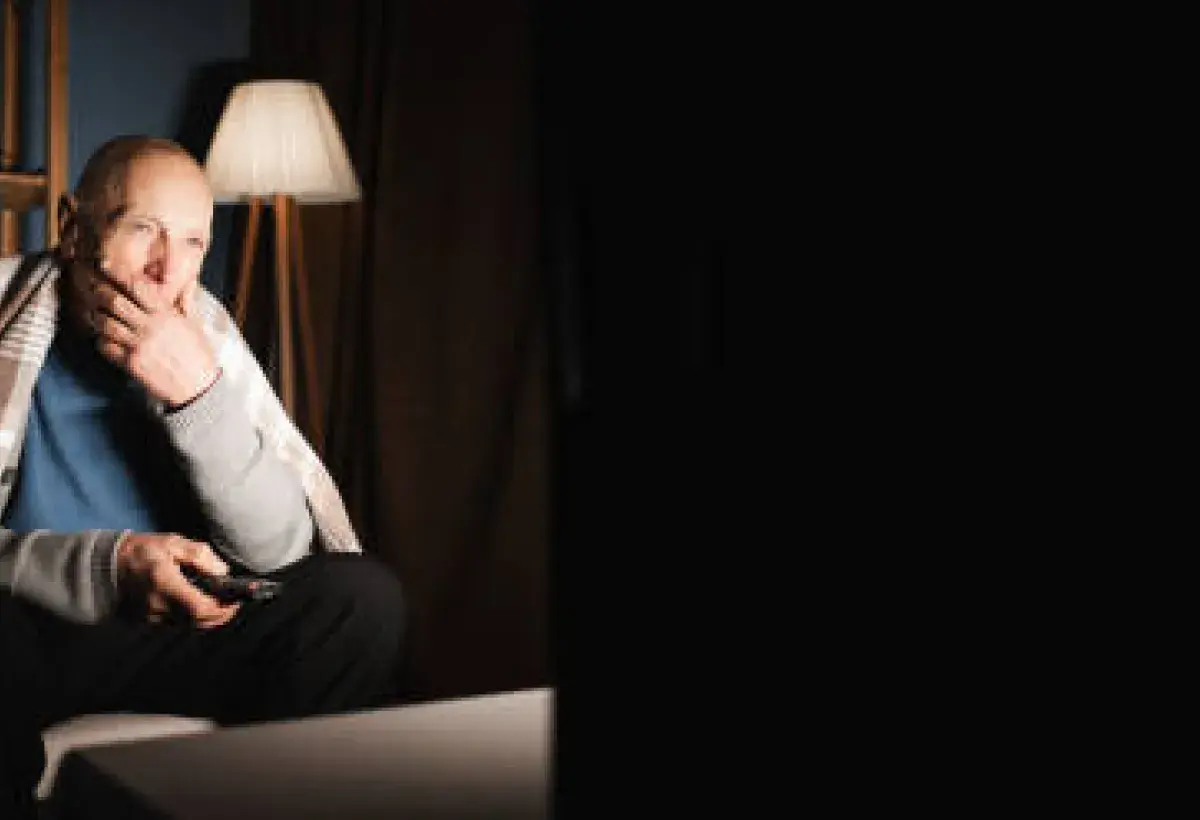
That line lingers long after the episode ends because it cuts deeper than any statute or precedent. It frames the debate not as a technical matter of policy, but as a personal confrontation with loss. When illness threatens to erase who you are, the desire to fight back becomes more than stubbornness. It becomes instinct.
After watching, I could not stop thinking about how thin the line is between protection and control. We often trust systems because they function well when we are healthy. Regulations feel reasonable when their consequences are abstract. But illness changes everything. When your body becomes unreliable and your future uncertain, rules no longer feel distant. They feel immediate, tangible, and sometimes suffocating.
In a hospital room, policy is not theoretical. It is the difference between trying and surrendering. It is the boundary between action and acceptance. For patients who have exhausted approved treatments, experimental medicine is not about thrill seeking or rebellion. It is about refusing to disappear quietly.
Supporters of strict regulation emphasize evidence, safety, and the responsibility to protect the public. They argue that allowing exceptions undermines trust in the system and invites abuse. They warn that experimental treatments can shorten lives, worsen conditions, or steal precious remaining time under the illusion of hope.
They are right to be cautious. Hope can be dangerous when it becomes a commodity.
But caution does not erase the reality that patients experience illness as more than a clinical condition. They experience it as interrupted plans, strained relationships, and nights spent awake with fear. Statistics do not carry the weight of waiting rooms or family conversations held in whispers.
Image

This tension has already spilled into real life through what is known as the right to try movement. In many countries and states, laws have been introduced that allow terminal or severely ill patients access to experimental drugs that have passed early safety trials but not full regulatory approval. These laws exist precisely because patients and families argued that when death or irreversible decline is certain, uncertainty becomes an acceptable price.
Critics of these laws remain concerned. They worry about weakened standards, commercial exploitation, and the erosion of scientific rigor. They fear that emotion will replace evidence and that vulnerable people will be harmed in the process.
Once again, both sides hold pieces of the truth.
The unresolved question is who should bear the final authority. Should it belong to institutions designed to think in populations, probabilities, and decades of data. Should it belong to doctors trained to weigh risks but bound by regulations. Or should it belong to the individual whose body and identity are at stake.
Denny Crane’s argument does not pretend to solve this. Instead, it exposes the emotional cost of denying choice. He does not present himself as a hero or a martyr. He presents himself as someone terrified of losing himself.
Image
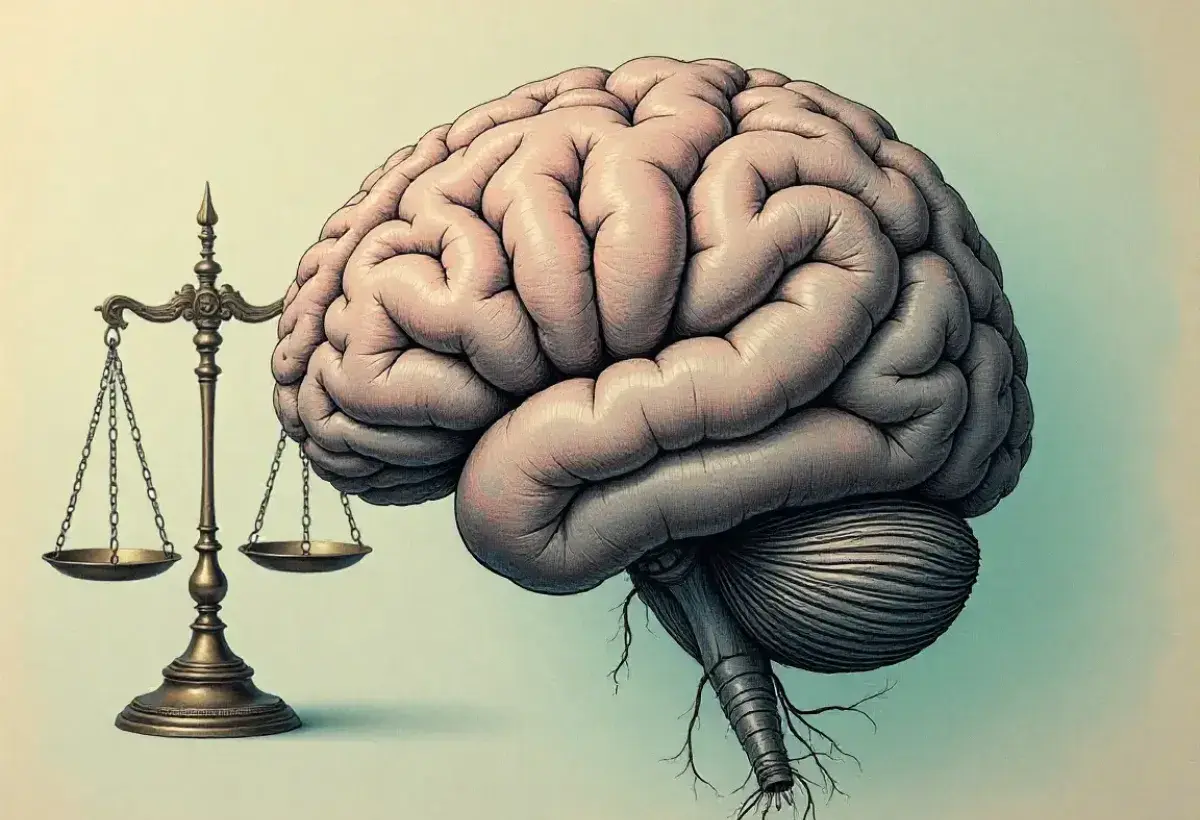
There is something unsettling about the idea that survival requires permission. We accept limits on many freedoms in order to live together safely, and often those limits are justified. But illness changes the moral landscape. When the consequence of denial is not inconvenience but the disappearance of memory, personality, and autonomy, the weight of control grows heavier.
Absolute freedom would invite chaos, unsafe practices, and exploitation. Absolute control would reduce patients to passive subjects of policy. Between these extremes lies a narrow and uncomfortable space where compassion, evidence, fear, and dignity collide.
What would I choose in Denny’s position. If my mind were fading and doctors told me there was nothing more they could offer, would I accept that answer quietly. Or would I want the right to attempt something unproven.
I believe I would choose to try.
Not because I expect miracles, but because choosing carries meaning. Because the act of fighting affirms that my life still belongs to me. Because risk, when compared to certainty of loss, feels less frightening than surrender.
Boston Legal did not offer a perfect solution, and perhaps no story can. What it offered instead was honesty. It reminded us that law is not merely logic written into rules. It is philosophy shaped by human suffering and human fear.
The district attorney was right. Desperate people do desperate things. But desperation is not evidence of irrationality. It is evidence of pain.
Denny Crane wanted his brain back. The patient wanted a chance to live. Neither wanted to become a legal example. They wanted to remain themselves.
That is what makes the episode endure in memory. It is not ultimately about medicine or lawsuits. It is about ownership of the self, and whether, at our most fragile, we are still allowed to belong to ourselves.