


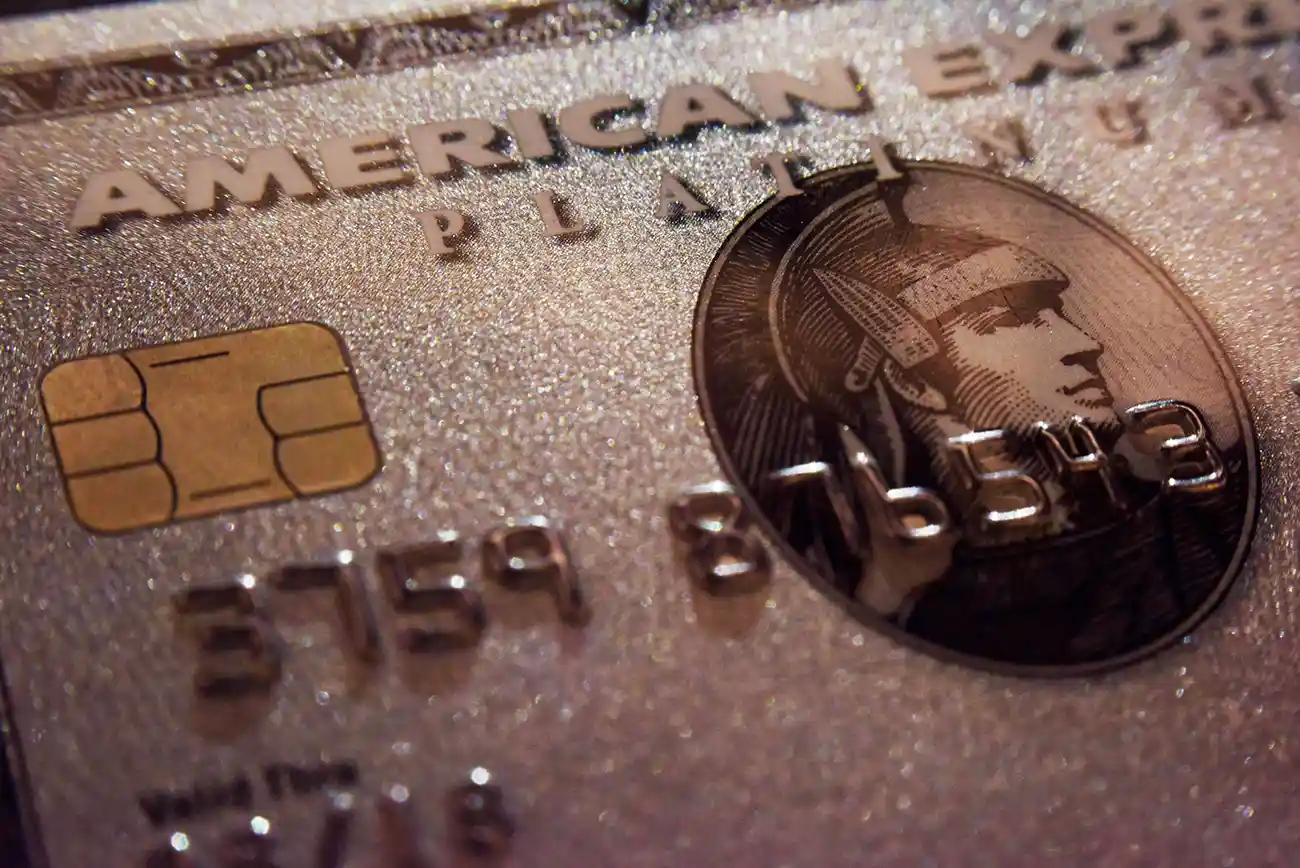
Few brands evoke as much prestige and trust as American Express. With its sleek designs, powerful rewards, and legendary customer service, Amex has become synonymous with financial excellence and global sophistication. But behind every swipe lies a fascinating history that stretches back more than a century before the first credit card even existed.
Founded in 1850—not as a bank but as an express mail company—American Express has continuously reinvented itself to stay ahead of the curve. From delivering gold and cash across the U.S. frontier to pioneering traveler’s cheques and launching the world’s first plastic credit card, Amex has defined innovation in the financial industry.
Its reputation for exclusivity, symbolized by the legendary Centurion “Black Card,” remains unmatched. Yet even everyday cardholders benefit from Amex’s unique blend of security, perks, and customer care. Whether you’re earning points toward dream vacations, accessing luxurious airport lounges, or simply enjoying the brand’s premium touch, there’s a sense of belonging to something elite.
In this feature, we’ll dive into ten captivating facts that reveal how American Express became more than just a credit card — it became a lifestyle icon. From paper beginnings to platinum prestige, each tidbit tells part of a remarkable story about how ambition, innovation, and trust transformed Amex into a global symbol of success.
1. American Express Started as a Delivery Service
Image

Long before it became synonymous with financial prestige, American Express began life as a logistics company. Founded in 1850 in Buffalo, New York, by Henry Wells, William G. Fargo, and John Butterfield, the company originally transported parcels, currency, and valuable documents across America’s growing rail network. During an era when shipping cash or gold by post was risky, Amex built its reputation on reliability and security — traits that would define its brand for centuries.
The company’s signature promise of safety and speed quickly made it the go-to choice for banks and businesses. By the late 1800s, it was handling financial instruments, international mail, and express freight. Interestingly, the “Express” in its name had nothing to do with payments — it referred to its rapid delivery service. When Amex transitioned into financial products, the legacy of trust and protection followed. Even today, its fraud protection and secure systems echo that original commitment: moving value safely, whether it’s a package or a payment.
2. The First American Express Card Was Made of Paper
Image

When American Express launched its first charge card in 1958, it wasn’t the sleek plastic rectangle we recognize today. It was literally made of paper — lightweight, signed by the holder, and verified manually by merchants. Despite its humble appearance, the card had an air of prestige, thanks to its $6 annual fee (a significant sum then), signaling that this was a product for discerning spenders.
The paper cards quickly gained popularity, offering convenience in a postwar economy eager for modern solutions. Within a year, however, Amex realized paper wasn’t durable enough for heavy use. In 1959, it introduced the industry’s first all-plastic card — a move that forever changed how people interacted with money. This quirky origin story not only showcases the company’s adaptability but also its instinct for innovation. From paper to plastic to today’s metal and digital cards, American Express has always been at the forefront of how we spend — and how we define financial luxury.
3. Amex Cards Were the First to Go Plastic
Image
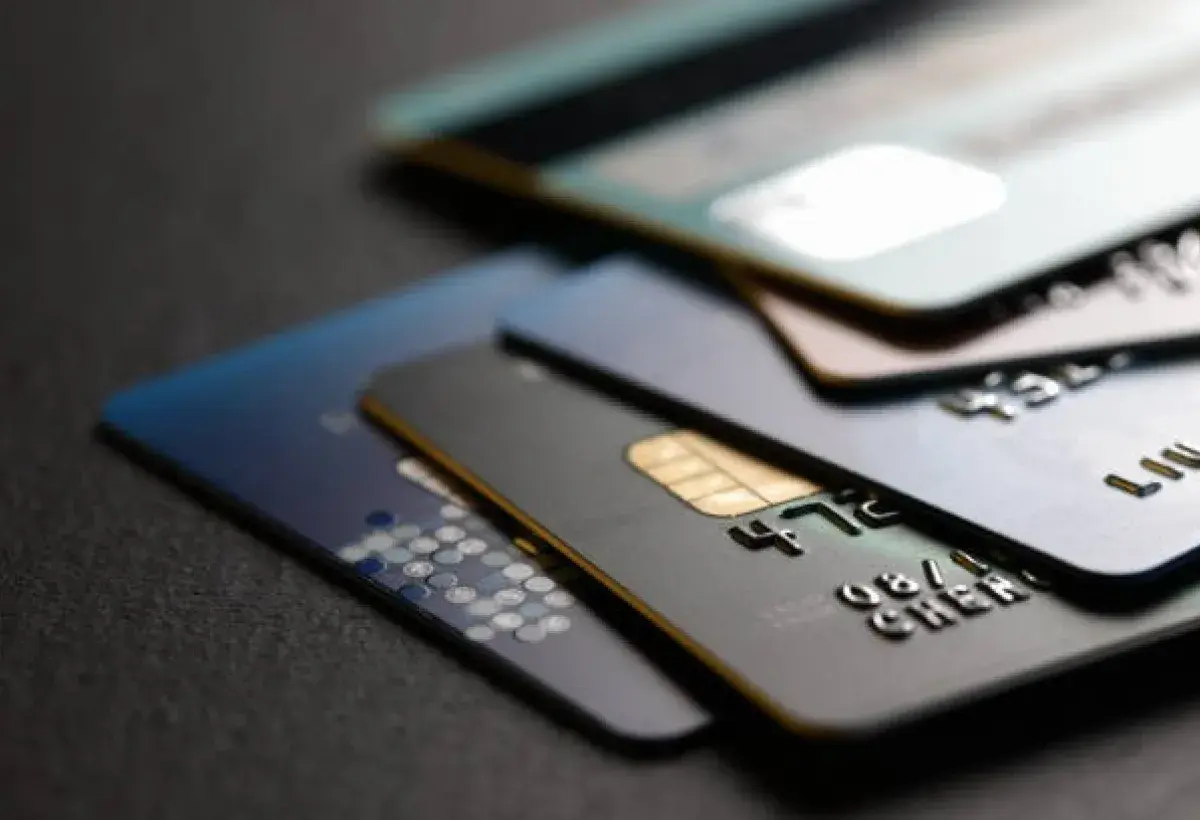
In 1959, American Express revolutionized the payment world by issuing the first plastic credit card. Prior to this, most cards were made of cardboard or laminated paper — prone to tearing, fading, or fraud. Plastic brought durability, security, and a modern feel that fit perfectly with the jet age optimism of the 1960s. It also allowed for embossed lettering, making customer information easier to verify and process manually through early card imprinters.
The innovation instantly set Amex apart. The plastic design was more than practical — it symbolized a sleek, futuristic identity that aligned with the company’s premium brand. Competitors like Diners Club and BankAmericard (later Visa) soon followed, but American Express had already claimed the title of the world’s most modern card. Decades later, Amex would again lead the trend by introducing metal cards, elevating payment design into a status symbol. What started as a durability improvement became a global benchmark for elegance and innovation in finance.
4. Not All Amex Cards Are Credit Cards
Image

A common misconception is that every Amex card lets you carry a balance. In truth, the company started exclusively with charge cards, requiring full payment each month. This model promoted financial discipline and catered to high-spending professionals who valued convenience over borrowing. The iconic Green, Gold, and Platinum Cards followed this format for decades, establishing Amex as a brand for the responsible elite.
Credit-based Amex cards came later, designed to meet the needs of a broader consumer base. These cards introduced revolving credit — letting users carry balances, accrue interest, and access flexible payment plans. Despite this shift, Amex’s core philosophy remained the same: premium benefits, accountability, and service. Understanding this difference reveals why Amex remains associated with prestige and reliability. Whether charge or credit, the message is clear — American Express trusts its members to spend wisely and live well.
5. The Legendary Amex Black Card Is Invite-Only
Image
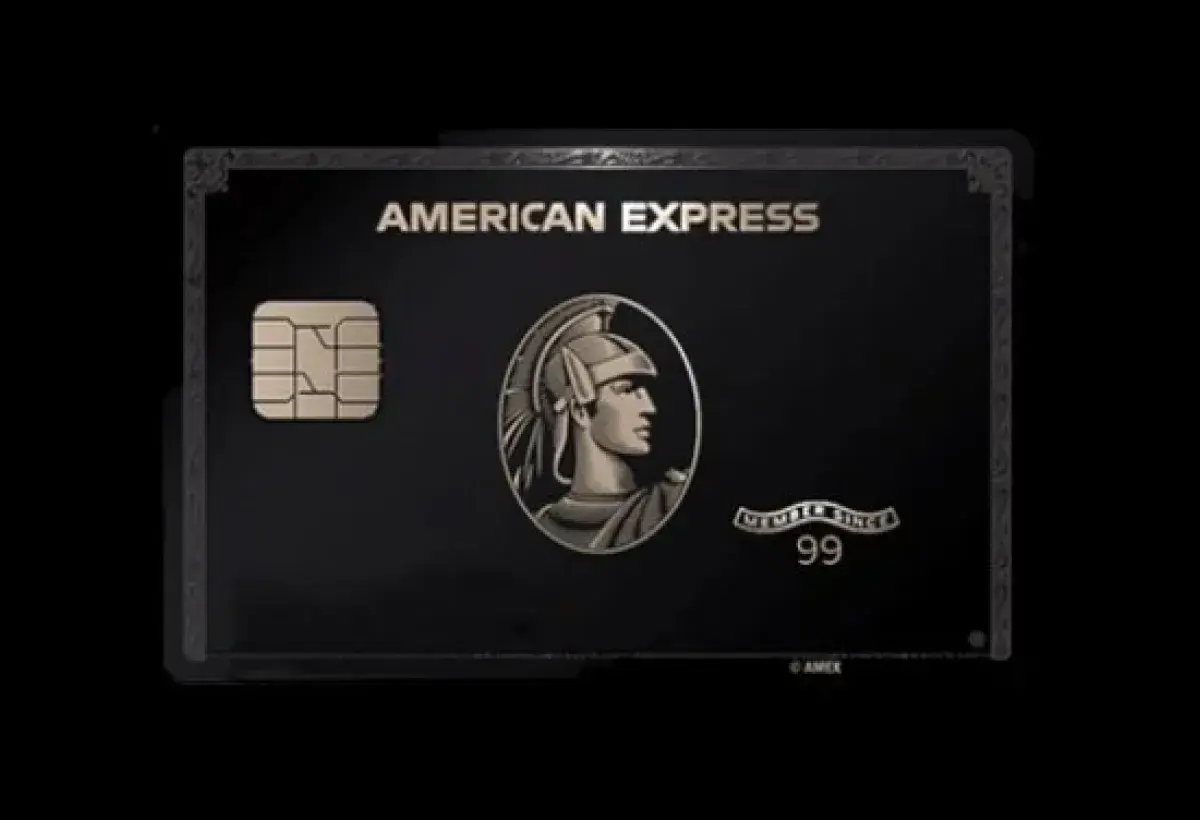
Few cards inspire as much intrigue as the American Express Centurion Card, better known as the Black Card. You can’t apply for it — you have to be invited. Launched in 1999, it quickly became a symbol of extreme wealth and exclusivity. Although Amex doesn’t disclose official requirements, industry insiders estimate that cardholders typically spend between $250,000 to $500,000 annually and pay a hefty initiation fee (around $10,000) plus an annual fee of roughly $5,000.
In return, members receive perks that sound like something out of a luxury dream: 24/7 personal concierges, automatic first-class upgrades, private event access, and bespoke travel arrangements. Celebrities and CEOs often reference it as a badge of status. Yet the card’s mystique lies not just in its benefits, but in its symbolism — the idea that Amex recognizes your lifestyle as exceptional. The Black Card isn’t about spending; it’s about belonging to an unspoken club of limitless privilege.
6. Amex Rewards Can Be Worth More Than Cash Back
Image

Many cards offer points, but American Express Membership Rewards are in a class of their own. Unlike flat-rate cash back, these points can be strategically transferred to airline and hotel partners for significantly greater value. For instance, converting points to airlines like Delta or Emirates can yield first-class tickets worth thousands — far exceeding the dollar value of a statement credit. Savvy cardholders, often dubbed “travel hackers,” use these transfers to unlock luxury experiences at minimal cost.
Amex also hosts frequent transfer bonuses, seasonal offers, and redemption partnerships that maximize flexibility. The ability to book flights, upgrade hotels, or even pay with points through platforms like Amex Travel makes rewards redemption both exciting and rewarding. What sets Amex apart isn’t just earning points, but empowering members to use them creatively. Every purchase — from coffee to airfare — becomes a potential adventure, reinforcing Amex’s identity as a card for those who live fully and travel boldly.
7. Amex Cards Are Known for Exceptional Customer Service
Image

“Membership has its privileges” isn’t just a slogan — it’s a philosophy. American Express consistently ranks #1 in customer satisfaction surveys, thanks to its proactive fraud alerts, dedicated 24/7 helplines, and real-human assistance. While many banks rely on automation, Amex emphasizes personal connection. Whether resolving billing disputes, arranging emergency card replacements overseas, or providing travel assistance, their service goes far beyond expectations.
This commitment comes at a cost — Amex’s annual fees are often higher than competitors — but for many, the peace of mind is worth it. Their Purchase Protection, Extended Warranty, and Travel Insurance programs add tangible value. In a financial landscape often driven by impersonal algorithms, Amex’s human touch stands out. The brand’s service culture, rooted in its 19th-century promise of trust and reliability, continues to define what it means to treat customers not just as users, but as members.
8. Amex Once Issued Traveler’s Cheques
Image
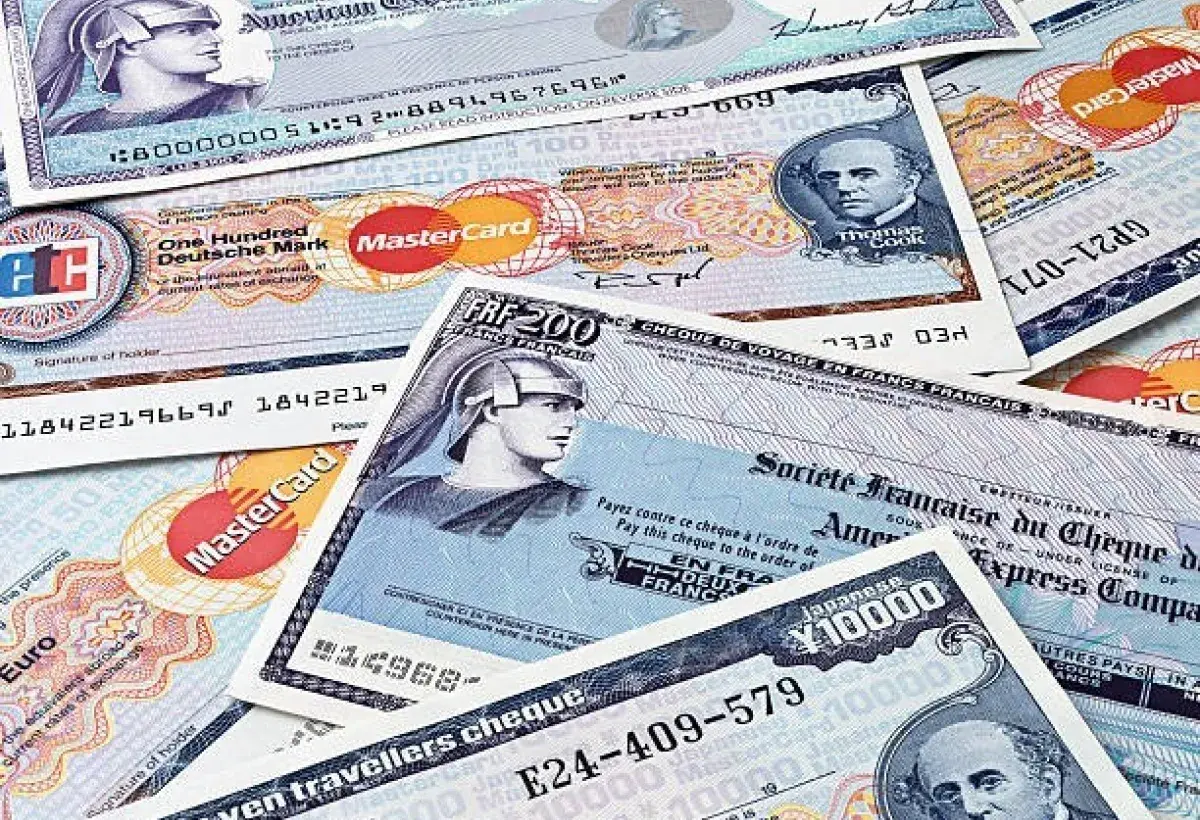
Before credit cards ruled the wallet, traveler’s cheques were the passport to safe global spending — and American Express was the pioneer. Introduced in 1891, these paper instruments allowed travelers to carry large sums securely. If lost or stolen, Amex would replace them — a revolutionary concept in an age when international banking was limited. They were accepted in hotels, shops, and banks worldwide, long before digital transactions were even imaginable.
Traveler’s cheques built Amex’s reputation as a brand of trust, laying the foundation for its future dominance in financial services. Their worldwide network of offices helped globalize the company decades before the word “globalization” existed. Though nearly obsolete today, the traveler’s cheque era established American Express as a travel companion and financial guardian — roles it still fulfills through its cards, lounges, and services. In essence, the traveler’s cheque was the ancestor of the modern credit card.
9. American Express Has Exclusive Airport Lounges
Image

One of the most coveted perks of holding a premium Amex card is access to its Centurion Lounges — private, world-class airport sanctuaries available to Platinum and Centurion members. Far from the typical waiting area, these lounges offer gourmet dining curated by top chefs, artisan cocktails, spa treatments, workspaces, and high-speed Wi-Fi. Locations span major airports in New York, London, Hong Kong, and beyond.
These lounges aren’t just a perk — they’re a statement. They embody Amex’s mission to turn routine travel into a luxury experience. Frequent flyers often cite the Centurion Lounges as a decisive reason to keep their Amex cards, especially given their calm ambiance and quality service. By investing in physical experiences rather than just digital perks, Amex strengthens its emotional connection with members. It’s a reminder that prestige isn’t only about status — it’s about how you’re treated every step of the journey.
10. Amex Cards Have Unique Merchant Acceptance Rates
Image
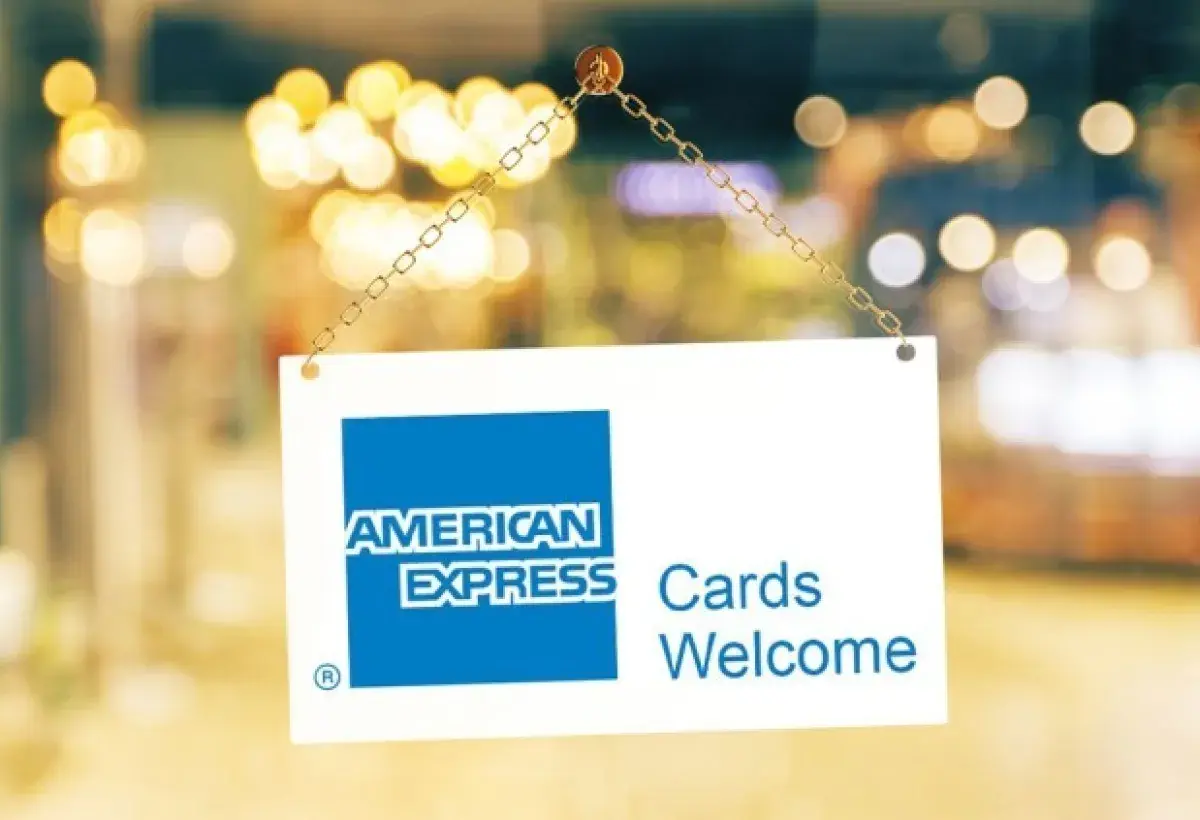
One of the quirks of American Express is that it’s not accepted everywhere — and that’s partly intentional. Unlike Visa or Mastercard, Amex acts as both issuer and payment network, charging higher merchant fees to fund superior rewards and services. This business model limits acceptance at some smaller merchants but sustains premium benefits for members.
In recent years, Amex has aggressively expanded its global footprint, closing the gap in acceptance while maintaining exclusivity. Its presence in luxury retail, fine dining, travel, and hospitality sectors underscores its niche: serving high-value customers who expect quality over ubiquity. To many cardholders, limited acceptance isn’t a drawback but a badge of selectivity. In a world where nearly everyone has a card, Amex continues to stand apart — not as the card for everyone, but as the card for those who expect something more.