

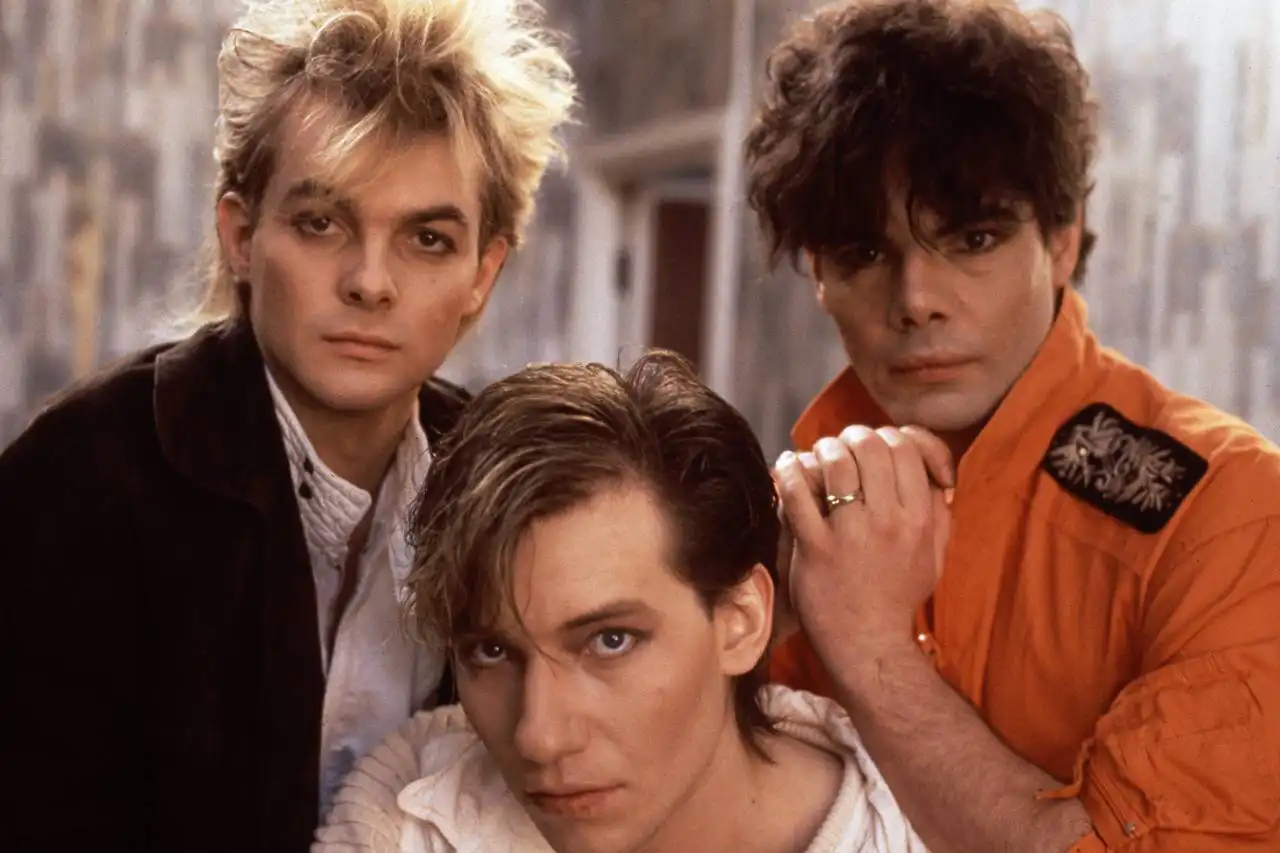
Few songs from the 1980s have captured the essence of youthful dreams and existential reflection quite like Alphaville’s Forever Young. Released in 1984 as part of the band’s debut album of the same name, this synth-pop ballad has transcended decades, genres, and generations to become a cultural landmark. With its hauntingly beautiful melody and contemplative lyrics, Forever Young stands as a perfect example of how music can encapsulate universal emotions, creating a connection that feels both personal and eternal.
At its core, Forever Young grapples with a deeply human desire: the wish to preserve youth, vitality, and innocence in a world where time inevitably marches forward. The lyrics weave hope with melancholy, pondering whether it is better to embrace the fleeting beauty of youth or to accept the inevitability of aging and change. This tension between optimism and reality has allowed the song to resonate across audiences, whether in the 1980s, the 1990s, or today. It is a song that asks listeners to reflect on the transient nature of life while celebrating the moments that make it meaningful.
Musically, the song reflects the peak of the 1980s synth-pop era. Its slow tempo, layered synthesizers, and atmospheric production give it a dreamlike quality that sets it apart from the upbeat dance tracks of its time. The minimal yet powerful arrangement allows Marian Gold’s emotive vocals to shine, drawing listeners into a reflective and almost meditative mood. Every note, from the shimmering synths to the gentle percussion, contributes to a soundscape that feels both expansive and intimate, evoking a sense of longing that is both nostalgic and universal.
Although Forever Young did not initially chart as high as some of Alphaville’s other singles, its enduring popularity grew steadily over time. In the United States, it became especially iconic as a prom theme, a nostalgic anthem for graduating classes, and later, as a staple in film, television, and advertising. Its use in movies like Napoleon Dynamite and countless TV series has cemented its place in pop culture, ensuring that new generations continue to discover and connect with it. Each new listener finds a slightly different meaning in the song, whether it reminds them of youthful ambition, fleeting love, or the bittersweet passage of time.
The song’s central message — the desire to hold onto dreams and cherish the present moment — has contributed to its timeless appeal. Many listeners associate it with major life milestones, such as graduations, coming-of-age experiences, or moments of quiet reflection. Its ability to adapt to different contexts, while maintaining its emotional core, is part of why Forever Young has never faded from public consciousness. The song serves as both a mirror and a guide, reflecting our own hopes and fears while reminding us to embrace the beauty of the moment.
Beyond nostalgia, Forever Young has inspired reinterpretations across musical genres. Artists such as Jay-Z, who sampled it in his track Young Forever, Laura Branigan, and Youth Group have each offered their own take on the classic, emphasizing different emotional tones while preserving the song’s central appeal. These covers and adaptations demonstrate the versatility and enduring relevance of Alphaville’s work, proving that its themes of youth, hope, and reflection remain meaningful across generations and musical styles.
Ultimately, Forever Young is more than just a song; it is a meditation on life, time, and the human experience. Its haunting melody and thought-provoking lyrics encourage listeners to live fully in the moment, while acknowledging life’s impermanence. The song’s universality — the way it speaks to hope, longing, and the search for meaning — ensures that it continues to resonate, whether you first heard it in the 1980s or are discovering it for the first time today.
For those seeking a song that perfectly captures the spirit of the 1980s while remaining timeless, Alphaville’s Forever Young continues to stand as an anthem for the ages. It reminds us that, while time may move forward relentlessly, the feelings of youth, the beauty of dreams, and the desire to hold onto what matters most can remain with us forever. Each listen is a chance to reflect, to remember, and to embrace life’s fleeting, yet unforgettable, moments.
Through decades, generations, and countless cultural moments, Forever Young endures as a musical emblem of hope, nostalgia, and the universal longing to live fully. Its blend of melancholic reflection and uplifting melody ensures that Alphaville’s masterpiece will continue to inspire and move listeners for years to come, a true testament to the enduring power of music.