

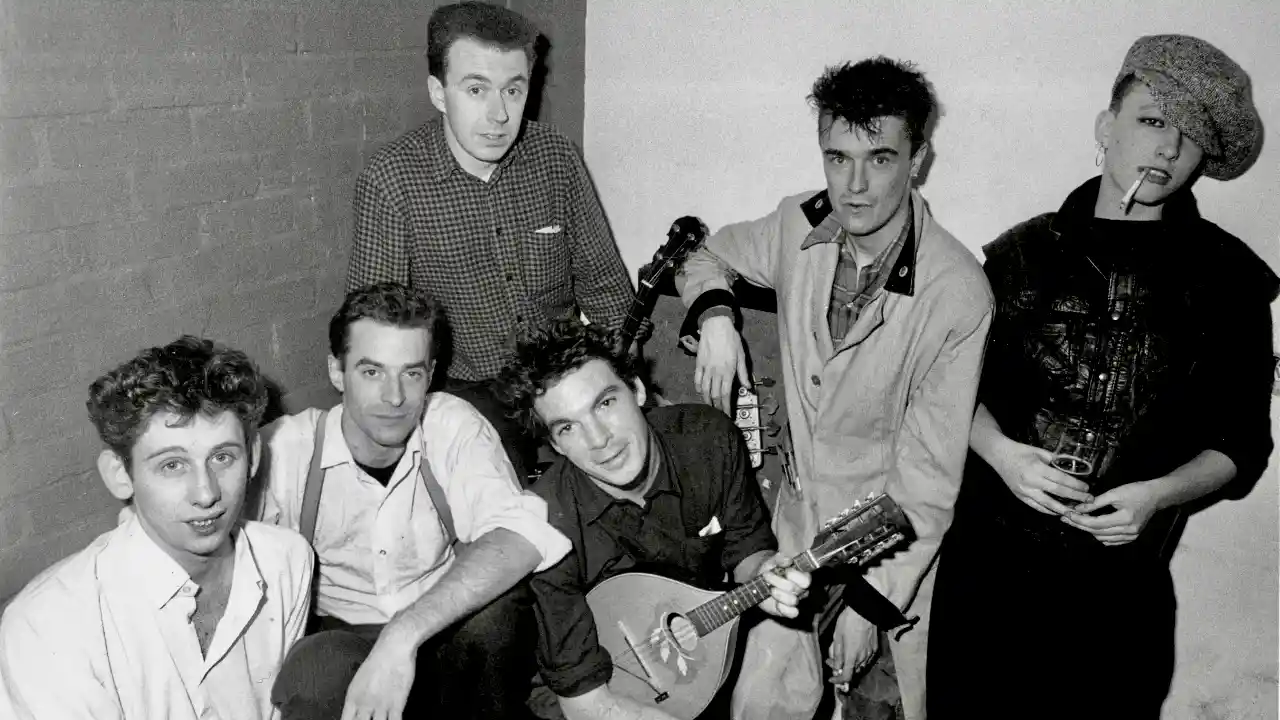
The Pogues carry a place in music history that feels alive with smoke filled barrooms, roaring crowds, and a sense of cultural electricity that refuses to fade. Their story is stitched together with grit, humor, rebellion, and a fearless embrace of both beauty and chaos. To listen to The Pogues is to step into a world where traditional Irish melodies dance with punk energy, where the poetry of life at its harshest meets the wild celebration of being alive at all. Their music offers an atmosphere that feels like a late night conversation in a crowded pub, one moment tender and reflective, the next full of fire and swagger.
They rose from unlikely beginnings, shaped not by polished ambition but by a spirited defiance that made their sound entirely unmistakable. Over time they became a symbol of cultural fusion and artistic courage, showing that traditions can be honored even as they are reinvented. With every tune they created a bridge between past and present, giving listeners a way to feel the ache of memory while being jolted forward with rebellious energy.
Their legacy is much larger than a collection of songs. It is a movement that helped many understand the emotional power of storytelling through music. Their work reached people far beyond Ireland and Britain, appealing to anyone who could feel the tug of heartfelt lyrics or the rush of raw rhythm. From pub stages to worldwide acclaim, The Pogues proved that sincerity wrapped in unruly creativity can become something timeless.
What follows is an expanded look at ten facts that reveal why this band continues to fascinate fans everywhere. These stories show their playfulness, their struggles, their artistry, and the unexpected ways their influence keeps echoing.
1. Their Name Was a Gaelic Insult
The Pogues began their journey in nineteen eighty two under the name Pogue Mahone, which translates from Irish Gaelic to kiss my arse. The phrase carried a spirited bite that matched the group’s rebellious soul. They were not trying to impress establishment gatekeepers or blend comfortably into any known category. They were loud, rowdy, and fully aware that their identity needed to feel like a wink and a challenge at the same time.
As their reputation grew, radio stations grew uneasy with the name. Broadcasters found themselves wrestling with the idea of announcing a phrase that sounded like a bold insult, and pressure mounted for a cleaner version. The band understood that the moment called for a shift that would preserve their attitude without blocking their path forward. The Pogues emerged as the shorter name, keeping the cheeky spirit alive while allowing the group more freedom to appear on radio playlists.
The evolution of the name revealed something essential about the band. They never abandoned their edge or their humor. They simply adapted so they could reach more listeners without losing the unruly energy that made them stand out. The new name echoed the old one while inviting fresh audiences to step into their sound.
Image
2. They Mixed Irish Folk with Punk Rage
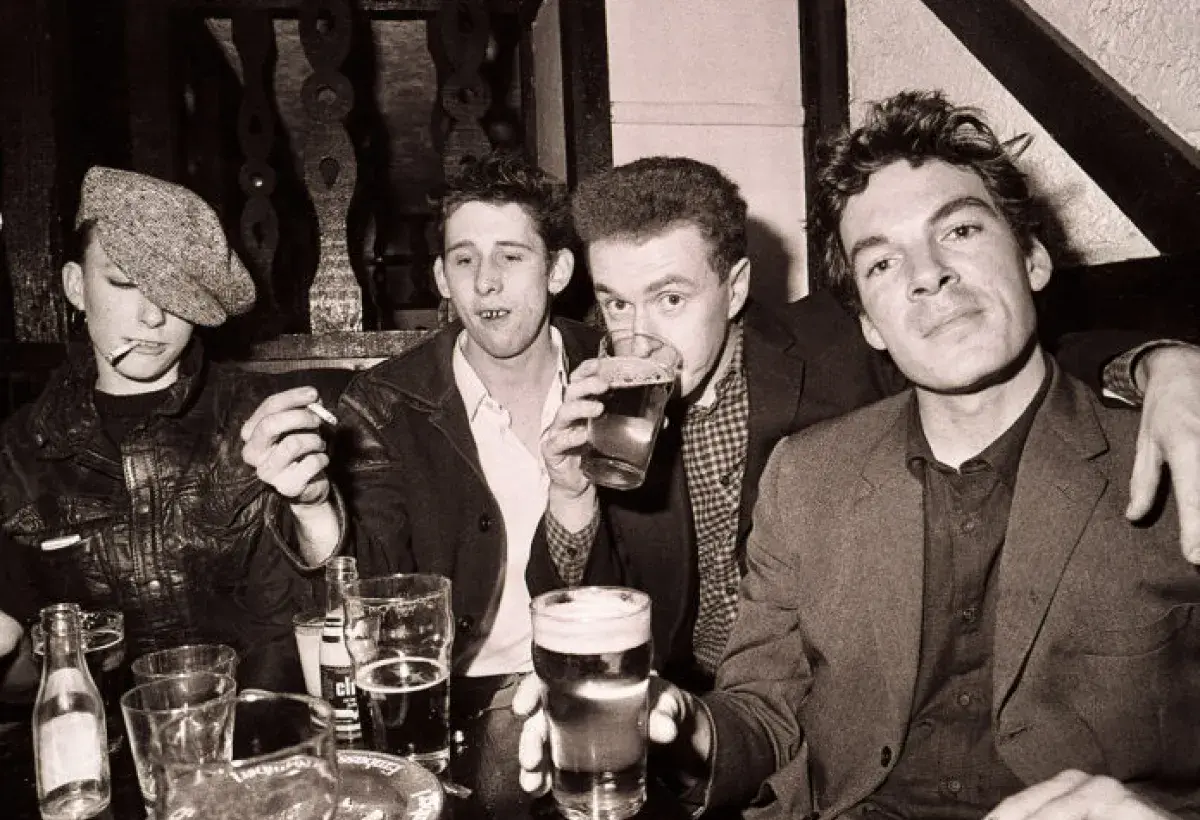
Few groups have managed to weld two very different worlds together the way The Pogues did. Traditional Irish music carries deep echoes of heritage, sorrow, joy, and centuries of storytelling. Punk, on the other hand, bursts with raw force and a refusal to conform. This band took both elements and merged them into an entirely new experience that felt electric from the first note.
Tin whistles, accordions, fiddles, and banjos joined forces with heavy percussion and the irrepressible fire of punk stage presence. Audiences had never heard anything like it. The pairing created something both familiar and unpredictable, a sound that honored cultural roots while sending them flying into uncharted territory. Many people found themselves drawn to The Pogues because they made old melodies feel alive for an entirely new generation.
Their approach also helped spotlight Irish identity in a fresh light. It was not packaged or polished. It was intense, spirited, and authentic. As the years passed, Celtic punk grew into a broader genre, but The Pogues remained the original spark. Their blend of tradition and rebellion continues to be celebrated by musicians around the world.
Image
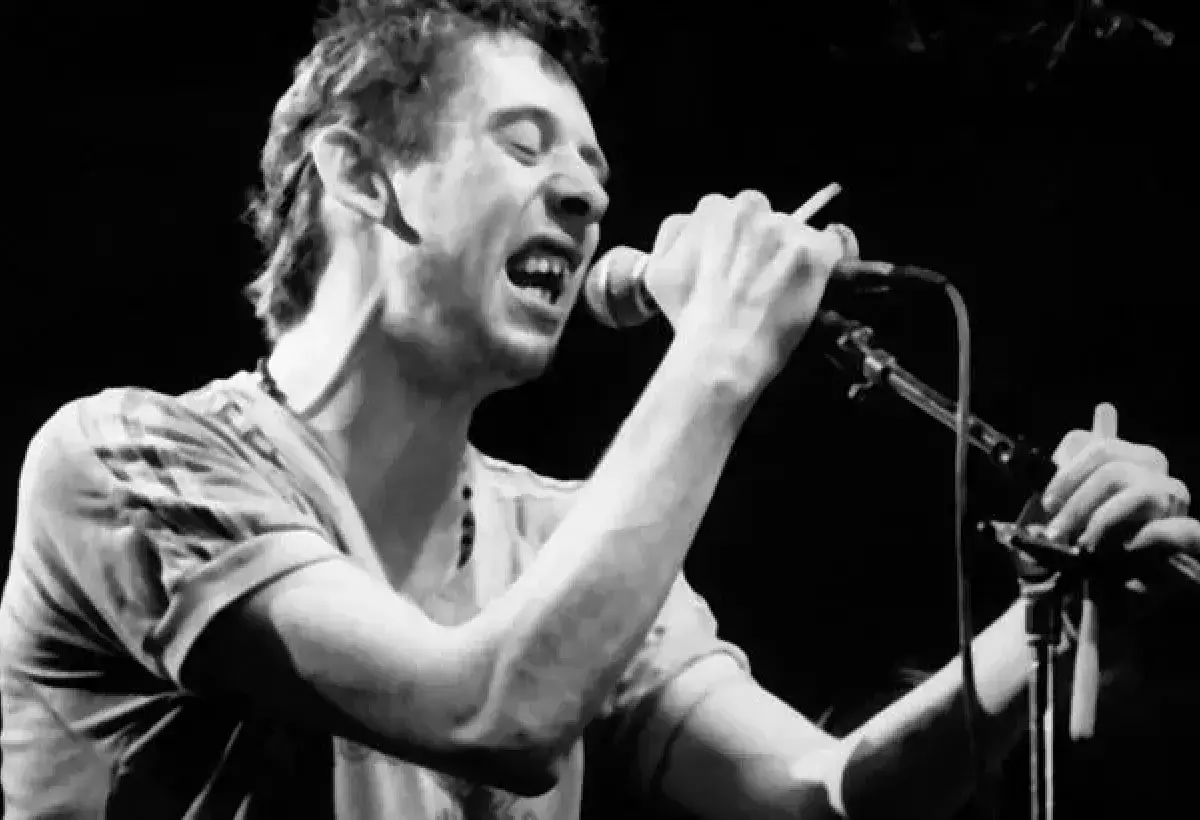
3. Shane MacGowan Poet Punk Legend
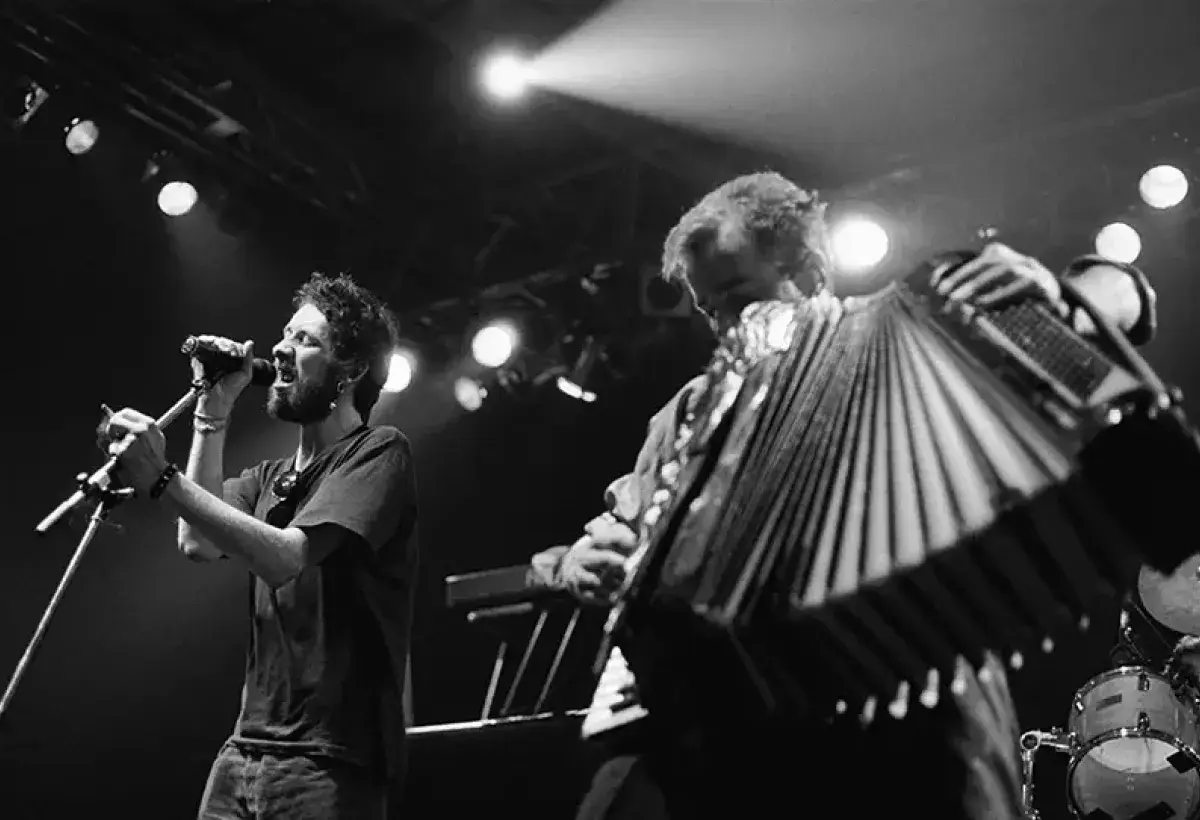
Shane MacGowan had a presence that could shift from wounded philosopher to fiery performer within a breath. His voice carried gravel and truth in equal measure, wrapping listeners in emotion that felt ancient and immediate all at once. Critics often described him as a poet before anything else, which was evident in his lyrics that explored longing, immigration, heartbreak, and the many flaws that shape human lives.
Shane had a gift for finding tenderness inside struggle. He could turn stories of hardship into something devastatingly beautiful. His writing was full of wit, sorrow, hope, and a gritty honesty that refused to hide vulnerability. Fans connected deeply with his words because they felt lived in, weathered, and real.
Even with his unpredictable lifestyle and challenges, Shane remained the emotional compass of the band. His influence shaped their identity in profound ways. Many artists have tried to capture the same balance of poetic rawness, but his presence was singular. His legacy continues through countless musicians who credit him as a guiding star for authentic storytelling.
Image
4. Iconic Christmas Hit with a Twist
Fairytale of New York arrived in nineteen eighty seven as a collaboration between Shane MacGowan and Kirsty MacColl. The song quickly became a cultural phenomenon. It was not wrapped in cheerful sparkle or predictable holiday cheer. Instead it told a story filled with realism, longing, flawed characters, and love that felt both haunted and hopeful. Its emotional complexity made it stand apart from every holiday song that surrounded it.
Despite becoming one of the most beloved seasonal songs ever recorded, it never reached the top of the United Kingdom charts. It lived in the second place spot but refused to fade into memory. Every year it climbs back into the top twenty, reminding listeners of its enduring spell. It also crossed a major milestone with more than one million sold copies, a testament to the power of its storytelling.
Its charm rests in the contrast between sorrow and celebration. It is a holiday song for anyone who has felt both joy and ache during the season, which might explain why it resonates across generations. As long as people seek honest emotion in holiday music, this song will keep returning like an old friend.
Image

5. That Choir in the Chorus Fake
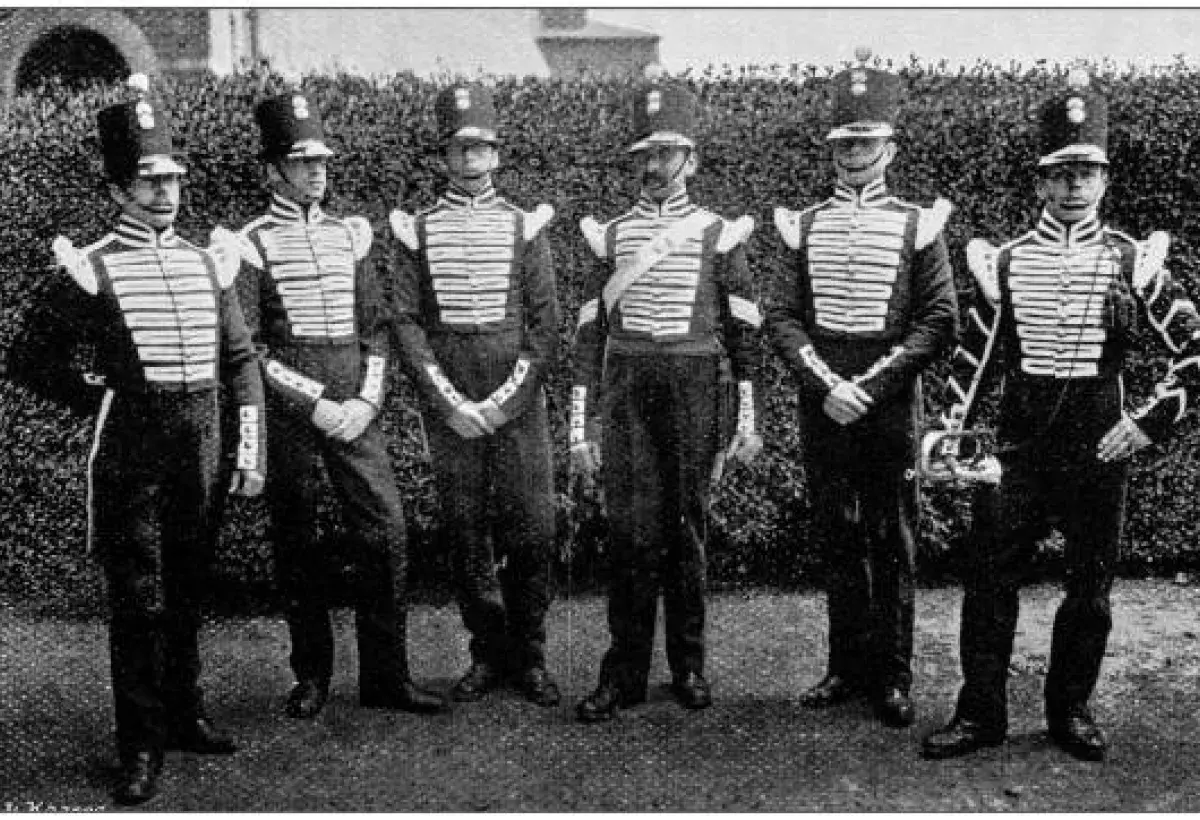
One of the most delightful details in Fairytale of New York is the reference to the NYPD Choir. The chorus paints an image of stoic uniformed singers raising their voices in harmony during a moment of holiday reflection. Yet the real NYPD has no such choir. This charming illusion became part of the song’s playful legacy.
When the music video was filmed, the NYPD Pipes and Drums band stepped in to portray the non existent choir. They mimed along with a spirited lip sync of the Mickey Mouse March, a choice that still amuses dedicated fans. The moment added personality to the video and became a humorous footnote in the band’s history.
The unexpected trivia reflects the larger spirit of The Pogues. Their storytelling often balanced sincerity with mischief, weaving real emotion with lighthearted twists. Even in one of their most iconic songs, the band managed to slip in a wink that listeners still enjoy discovering decades later.
Image
6. Elvis Costello Took the Helm for Their Second Album
Rum Sodomy and the Lash emerged in nineteen eighty five as a bold and unforgettable statement. Elvis Costello stepped into the role of producer and helped carve a sound that felt fearless. His guidance elevated the group’s energy without smoothing out their rugged edges. The record captured moments of raucous celebration as well as deeply felt storytelling.
Listeners responded to the album as if it had cracked open a new world. Its songs carried an emotional weight that felt both earthy and literary. The musicians delivered performances that blended tradition with urgency, creating tracks that could shift from stormy exuberance to quiet reflection within a few bars. Costello understood the heartbeat of the group and helped them translate it into an album that would influence countless artists.
Over time the album has gained a nearly legendary reputation. Critics hail it as one of the most significant releases in the evolution of Celtic punk and modern folk. Its impact still ripples through music communities, reminding audiences of a time when creativity surged with wild and heartfelt momentum.
Image

7. They Fired Shane Temporarily
In nineteen ninety one the internal struggles in the band reached a point where Shane’s unpredictable behavior made performances difficult. His battles with substance use created tension and uncertainty. The band made the painful decision to dismiss him so they could continue touring and recording while maintaining some level of stability.
The split shocked many fans because Shane’s presence felt inseparable from the identity of the group. His voice, writing, and emotional force shaped the band’s artistic center. Yet the moment also underscored the human cost of the lifestyle that often surrounds the music world. The Pogues had to navigate the challenge of staying afloat while supporting the artistic core that had brought them acclaim.
After a series of different vocalists filled the role, the group eventually reunited with Shane in two thousand one for a set of reunion performances. These events rekindled the bond between the vocalist and his audience. While they never released another studio album together, the reunion tours allowed fans to celebrate the music that had shaped their lives.
Image
8. Joe Strummer Stepped In
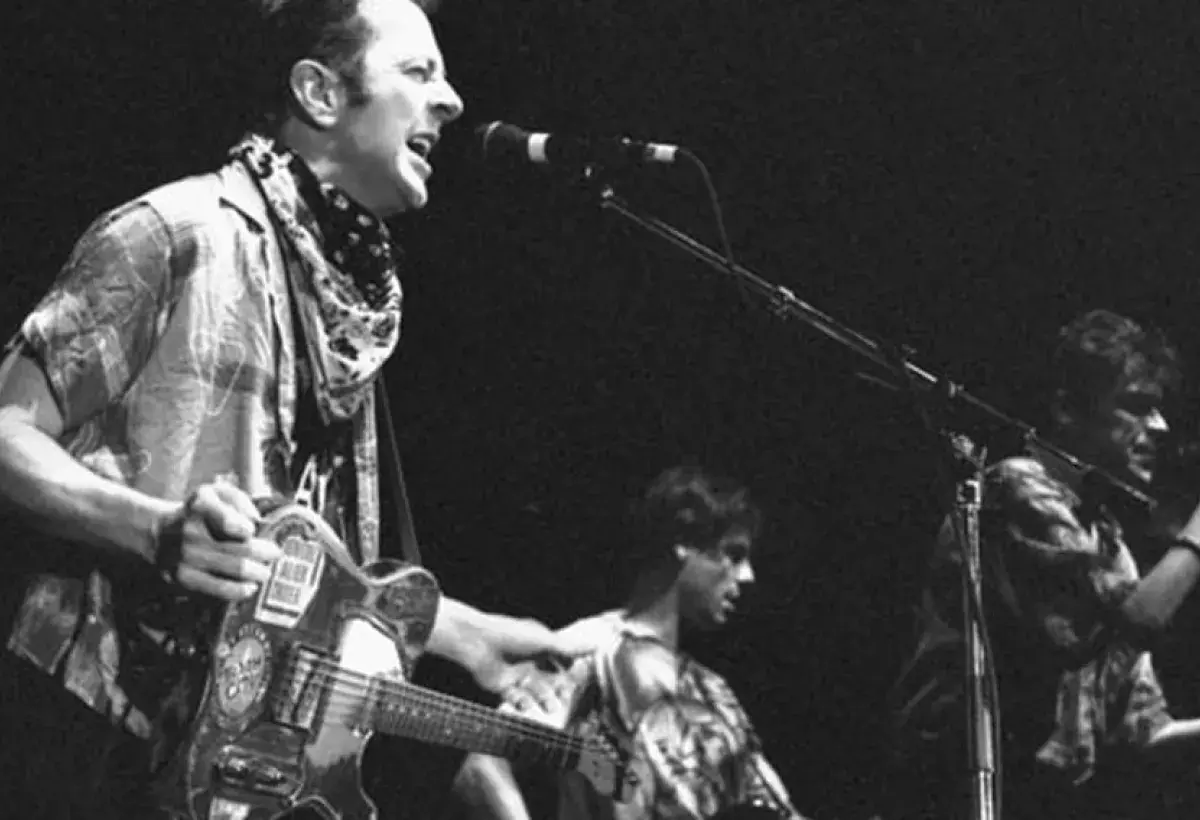
Joe Strummer, known worldwide as a core force behind The Clash, joined The Pogues for a brief but memorable period. When the band needed stability after Shane’s departure, Joe stepped forward with a generous spirit and a deep connection to punk history. His arrival created a sense of continuity between two powerful chapters of punk culture.
Joe brought his trademark presence to the group, offering leadership and familiarity to audiences who recognized him immediately. He performed with warmth, respect, and enthusiasm for the songs. His involvement symbolized a beautiful exchange between musicians who had long shared the same attitude toward creativity and resistance.
When Spider Stacy eventually stepped into the role of main vocalist, the transition felt like a natural progression. The entire moment illustrated how interconnected the punk scene truly was. Artists supported one another and kept the spirit alive through friendship and collaboration.
Image
9. Shane’s Funeral Drew an Irish Rock Royalty Roll Call
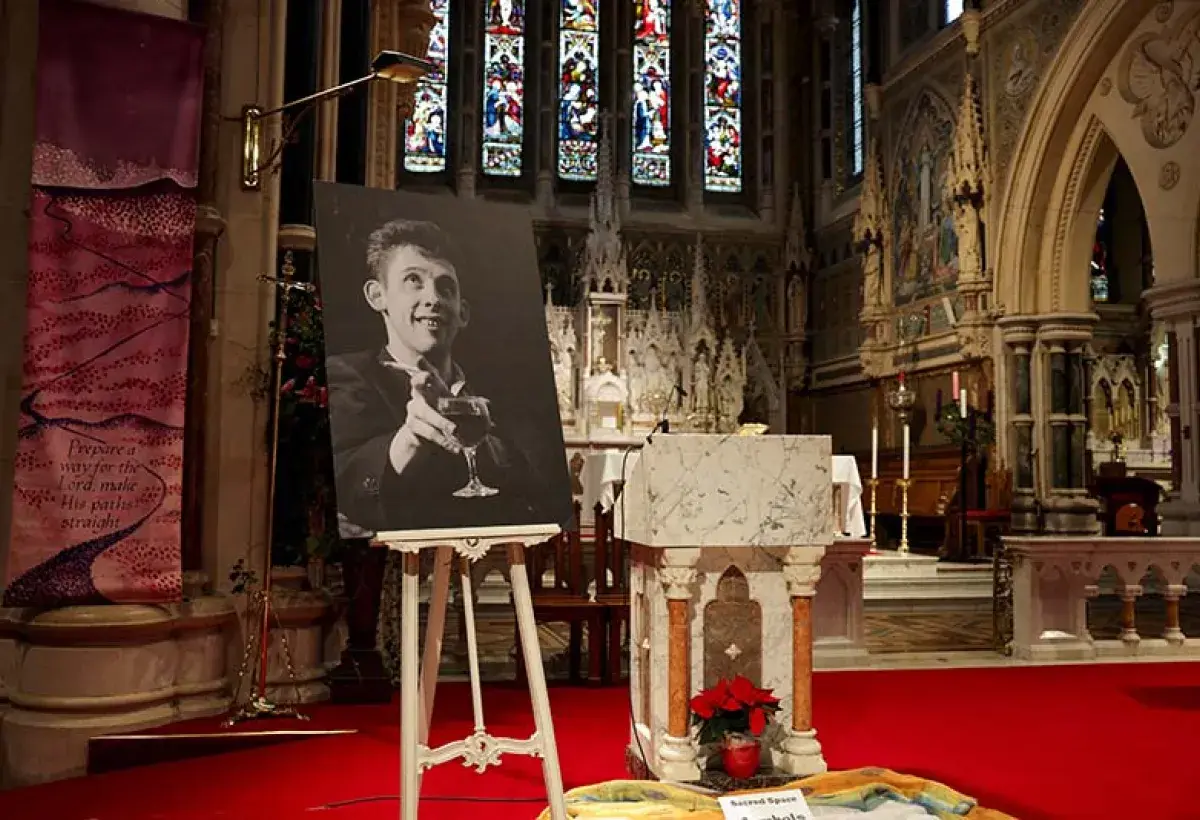
When Shane MacGowan passed in twenty twenty three, the world responded with an outpouring of love. His funeral became a gathering filled with musicians, actors, friends, and those who felt his work as part of their lives. Johnny Depp served as a pallbearer, joining others who carried the weight of both grief and gratitude.
Nick Cave delivered a powerful performance that echoed through the ceremony with emotional force. Glen Hansard and many other artists paid tribute through music that honored Shane’s raw and poetic influence. The moment underscored how deeply he had touched not only fans but also fellow creators who saw him as a guiding figure in their own artistic explorations.
The ceremony was filled with heartfelt memories, quiet tears, and moments of celebration. It reminded the world that music carries a kind of immortality. Shane’s voice may have fallen silent, but his stories continue to resonate. His influence lives in every artist who draws inspiration from honesty and lived experience.
Image
10. Rum Sodomy Turns Forty They Are Touring Again
As Rum Sodomy and the Lash reaches its fortieth anniversary, original members Jem Finer and Spider Stacy have reunited to celebrate the enduring legacy of the record. They are embarking on a global tour that brings together musicians and fans from many generations. The events carry the same uninhibited energy that made the album unforgettable when it first appeared.
The performances invite listeners to rediscover songs that shaped an entire movement. The blend of boisterous rhythms, heartfelt storytelling, and unmistakable spirit continues to thrive. Guest artists join along the way, adding fresh interpretations without losing the pulse of the original recordings.
The anniversary tour is not merely a nostalgic journey. It is a living tribute to a sound that continues to move people. The Pogues have left a lasting imprint on world music, and this celebration proves that their fire is still glowing brightly.
Image

The Pogues remain a rare phenomenon in the music world because their work carries both rebellion and tenderness. They lived without apology and infused their songs with a sense of humanity that felt honest and unfiltered. Their story is filled with humor, tragedy, courage, and the unpredictable paths that artists often travel. Yet through it all, their music continued to beat like a pulse that refused to fade.
Their legacy stretches far beyond their albums. They created a cultural moment that still sparks new interpretations among musicians, writers, and fans. Their sound travels across borders and generations, reminding listeners that art can be both wild and meaningful. The Pogues showed that tradition can be transformed into something bold without losing its soul. They also proved that flaws and brilliance can coexist within a single creative force.
Looking back at their journey offers a reminder that artistry thrives when it remains authentic. The band captured the emotional spectrum of life with songs that feel timeless. Their influence endures because they spoke to the heart with honesty and fire. As long as people search for music that carries truth, The Pogues will remain part of the conversation.