

Part 5 of the Silver Migration Series examines countries that have not established comprehensive national aging or long-term care frameworks. It highlights the social and economic consequences of prolonged policy neglect and situates these failures within the broader global accountability gap on aging Global.
A Global Elder Care Crisis in Plain Sight
A structural crisis is emerging across much of the developing world one that has accumulated gradually but is now reaching a critical point. As fertility rates decline and life expectancy increases, populations are aging at unprecedented speed. The United Nations estimates that by 2030, there will be aged 60 and above in every 6 people, globally, with the fastest growth occurring in low- and middle-income countries (United Nations Department of Economic and Social Affairs [UN DESA], 2023).
While countries such as Japan, Sweden, and Canada began planning for population aging several decades ago, many nations in the Global South remain institutionally unprepared. In these settings, aging is often treated as a private family matter rather than a public policy responsibility. This is not primarily a question of lifestyle or comfort. It is a question of dignity, protection, and social justice. Older adults who contributed to national development now face old age without income security, healthcare continuity, or formal care systems.
The Policy Vacuum
The extent of global unpreparedness for population aging is no longer speculative; it is empirically documented. The World Health Organization’s Global Report on Healthy Ageing reveals a striking absence of institutional readiness across much of the world. As of the most recent assessment, fewer than half of all countries have established a national vision for aging, and even fewer have translated that vision into operational systems.
Specifically, only 39 percent of countries report having a formal national policy or strategy on healthy ageing. Just 31 percent have established structured long-term care systems capable of supporting older adults who can no longer live independently. Most concerning, only 25 percent of countries systematically collect ageing-related data to guide planning, budgeting, and service delivery (World Health Organization [WHO], 2023).
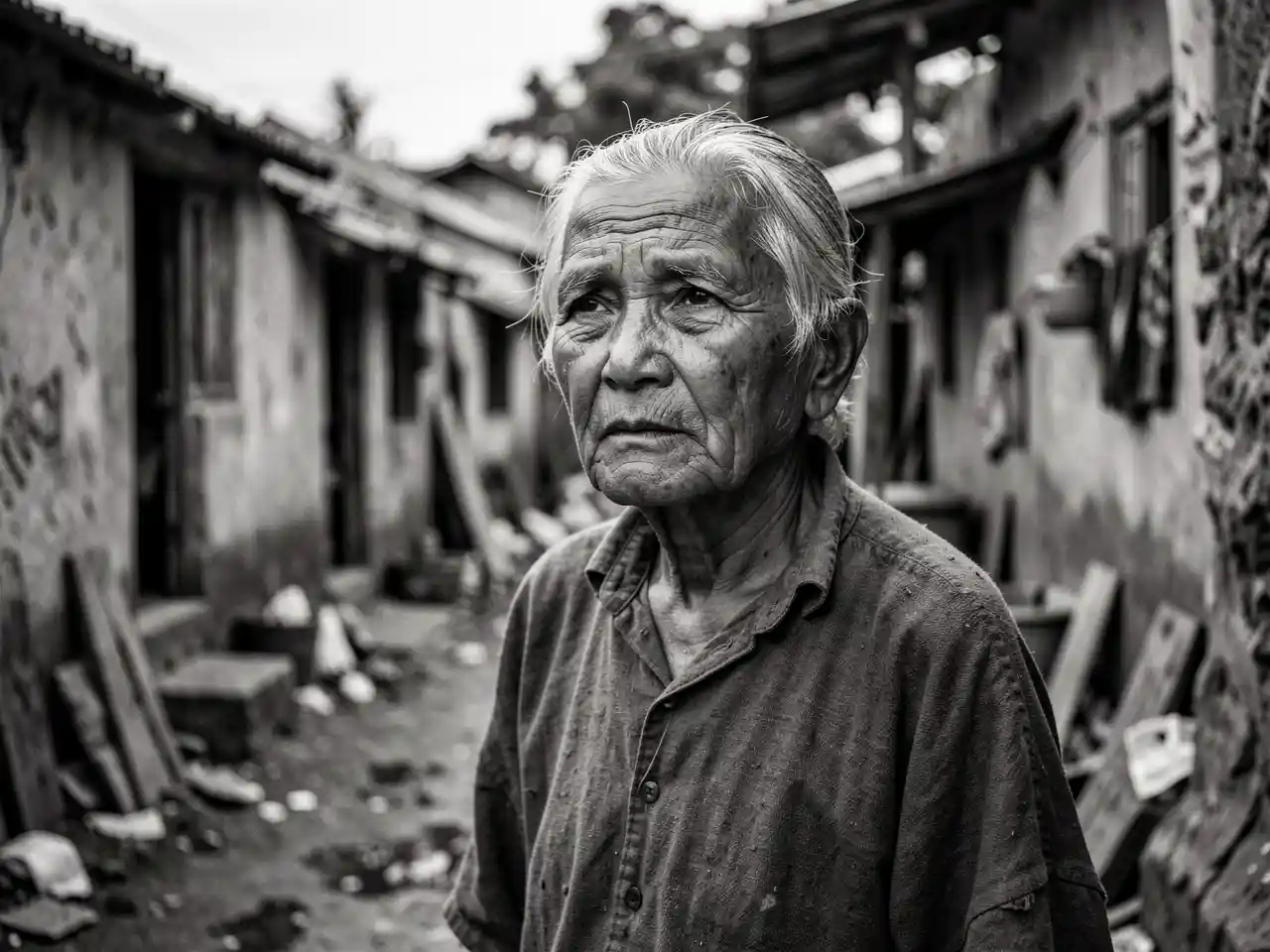
In policy terms, this absence is not neutral. It produces what development scholars describe as structural care gaps contexts in which older persons rely almost entirely on informal, family-based arrangements that are increasingly strained by urbanization, migration, and declining family size. Where the state is absent, responsibility shifts quietly to households, often without resources, training, or support.
Image
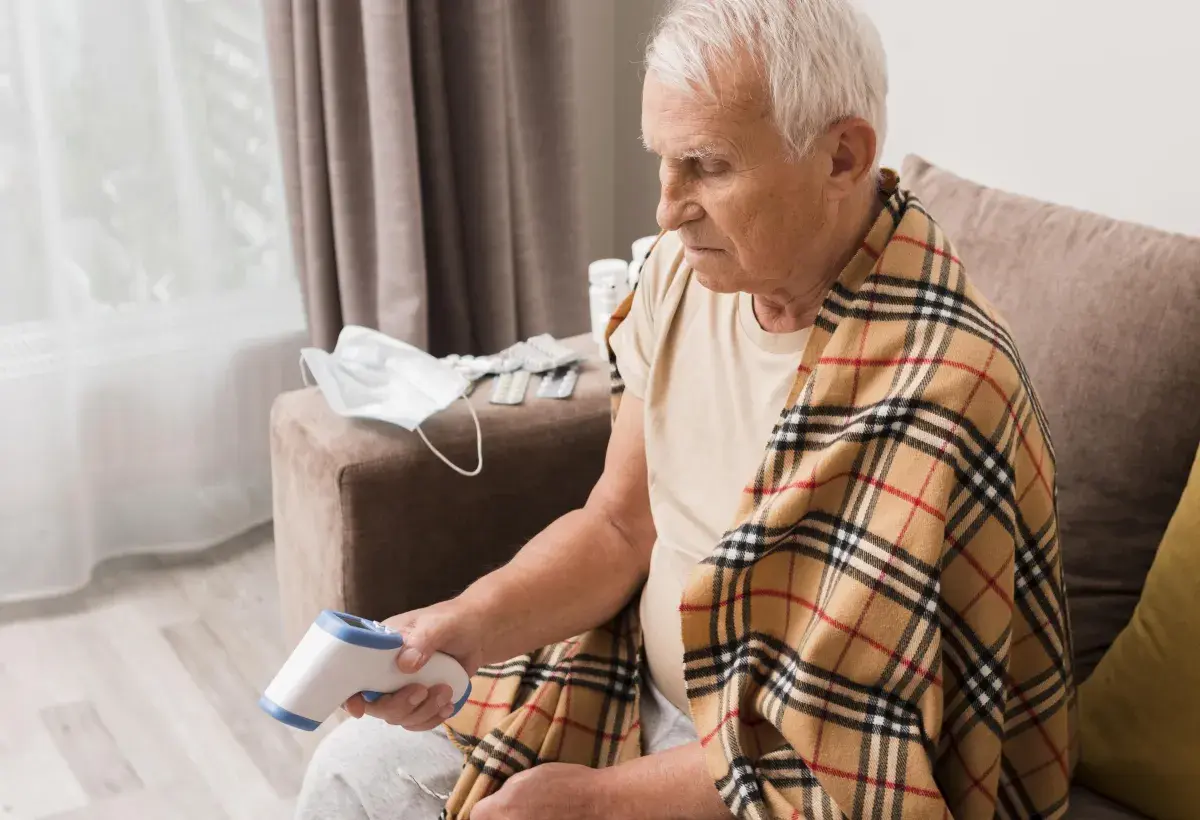
Over time, these gaps widen into what practitioners increasingly refer to as “care deserts”: large populations of older adults living beyond the reach of pension systems, healthcare continuity, and formal protection. In such environments, aging becomes not a phase of life supported by institutions, but a period managed through endurance. To make these disparities visible, policy analysts may consider the use of annual accountability classifications not as instruments of blame, but as tools for transparency and reform:
-
Red Zones: Countries with no national aging policy and no dedicated funding mechanisms (e.g., Nigeria, Yemen)
-
Yellow Zones: Countries with partial frameworks or limited implementation capacity (e.g., Bangladesh, Cambodia)
-
Green Zones: Countries with integrated, well-funded aging and long-term care systems (e.g., Sweden, Japan)
Such classifications mirror approaches already used in areas such as fiscal governance, anti-corruption, and environmental compliance. They acknowledge that visibility is often the first step toward reform. As one policy commentator has observed, the international community has mobilized collective action against apartheid, weapons of mass destruction, and financial secrecy. The question now confronting global governance is whether prolonged and preventable elder neglect…what some scholars describe as a form of slow, structural harm will continue to remain outside the scope of shared accountability.
What is clear is that institutional neglect does not occur in abstraction. It leaves older adults navigating aging without safeguards, without continuity of care, and without the assurance that their later years will be met with the same seriousness afforded to other stages of life. To illustrate how this policy vacuum manifests across regions, the following table presents selected country examples where the absence or fragility of national aging and long-term care frameworks has translated into measurable human consequences.
| Region | Country | Status | Human Consequences |
| Africa | Nigeria | No long-term care system | Elders continue working subsistence jobs into their 80s |
| South Asia | Bangladesh | No formal elder policy | 86 percent rely solely on family; pensions reach less than 10 percent |
| ASEAN | Cambodia | No national care plan | Elderly poverty rate stands at 45 percent and continues to rise |
| MENA | Yemen | No elder framework | War widows and displaced seniors are left completely unsupported |
| Latin America | Venezuela | Collapsed care infrastructure | Seniors trade personal belongings for basic medication |
(Sources: WHO; World Bank; national statistical agencies) These outcomes are not abstract indicators. They reflect daily material deprivation, delayed treatment, and social isolation among older populations.
Image

The Ripple Effects of Neglect
-
Pressure on Families and Caregivers: In the absence of formal systems, families become the default care providers. Evidence from South Asia and Sub-Saharan Africa shows that caregiving responsibilities disproportionately fall on women, often resulting in reduced labor force participation, interrupted education, and long-term income loss (ILO, 2022; World Bank, 2021). In Bangladesh, caregiving obligations are a major contributor to female labor withdrawal among middle-aged women. In Nigeria, informal caregivers provide extensive unpaid care hours weekly, absorbing costs that would otherwise be borne by public systems.
-
Long-Term Economic Risk: The failure to invest in aging infrastructure carries macroeconomic consequences. The World Bank projects that countries without adequate elder care and preventive health systems may experience significant productivity losses and increased fiscal strain by mid-century due to untreated chronic disease and rising dependency ratios (World Bank, 2021). Conversely, evidence from OECD countries suggests that healthy aging policies can stabilize healthcare costs and enable older adults to continue contributing through paid or unpaid roles.
-
Intergenerational Inequity: The effects of policy neglect extend across generations. When working-age adults exit employment to provide care, household income declines, youth employment opportunities narrow, and inequality deepens. In fragile contexts, older adults face food insecurity and treatment delays that would be preventable under basic protection systems (UN DESA, 2023).
Image

A Question of Accountability
The global response to population aging is marked not by a lack of awareness, but by uneven commitment. Across regions, the contrast between preparedness and neglect raises questions that are difficult to avoid and increasingly difficult to defer.
In Nigeria, demographic change is advancing faster than policy response. By 2030, the country is projected to have more than 15 million people aged 60 and above, a population larger than that of many sovereign states (United Nations Department of Economic and Social Affairs, 2023). This moment represents a narrowing policy window: decisions made or postponed will determine whether aging becomes a managed transition or a prolonged social strain.
A similar tension is evident in Bangladesh. Despite decades of export-led growth and expanding participation in global markets, pension coverage remains limited to a small segment of the older population. As documented by the World Bank(2022), the majority of older adults continue to rely on family support in the absence of comprehensive income security, exposing structural gaps between economic performance and social protection.
Within the Association of Southeast Asian Nations, disparities in aging preparedness further underscore the absence of shared regional standards. While countries such as Singapore have invested heavily in integrated healthcare, housing, and elder support systems, neighboring states struggle to provide even basic geriatric services. The result is a fragmented regional landscape in which longevity outcomes vary sharply across borders.
At the international level, these national disparities reflect a broader governance gap. Older persons, despite their growing numbers, remain less explicitly protected than other population groups within binding global agreements. While international frameworks acknowledge healthy aging as a development priority, enforceable protections and accountability mechanisms remain limited.
Overall, these patterns suggest that the challenge of aging is not rooted in uncertainty about what must be done, but in the uneven translation of knowledge into policy. Accountability, in this context, is not about attribution of blame, but about recognizing that inaction itself carries consequences measured in vulnerability, inequality, and lost human potential.
Image

Addressing the global aging challenge does not require novel concepts, but sustained political commitment and institutional alignment. International experience and multilateral guidance consistently point to three interdependent priorities.
1. Establishing National Aging Frameworks
International agencies increasingly emphasize the need for comprehensive national aging strategies, particularly those aligned with the UN Decade of Healthy Ageing (2021-2030). Such frameworks provide a unifying structure through which healthcare systems, social protection mechanisms, and long-term care services can be coordinated rather than fragmented.
At a minimum, effective national strategies integrate three core elements: accessible and age-responsive healthcare, income security through pensions or social assistance, and formal recognition and support for caregivers. While the scope and scale of these frameworks must be adapted to national capacity, the absence of a coherent strategy leaves aging populations exposed to systemic risk rather than protected by design (World Health Organization [WHO], 2021).
2. Strengthening Data and Monitoring Systems
Policy without data remains reactive. Without reliable information on elder poverty, health outcomes, care access, and caregiver burden, governments are unable to plan, allocate resources, or measure impact effectively.
Standardized and routine data collection on aging is therefore not a technical luxury but a governance necessity. As emphasized by the United Nations, aging indicators must be integrated into national statistical systems to ensure that older adults are visible in policy deliberations and budgetary decisions (United Nations Department of Economic and Social Affairs [UN DESA], 2023).
3. Advancing Global Cooperation and Accountability
While binding enforcement mechanisms for aging policy remain limited, international development institutions increasingly recognize social protection performance as an indicator of governance quality and long-term economic stability. In this context, the inclusion of elder care benchmarks within financing, monitoring, and development frameworks represents an important if still evolving area of global cooperation.
Expanding these benchmarks does not imply uniform solutions, but shared expectations: that aging populations will not be systematically excluded from protection, planning, or investment. Transparency, peer comparison, and technical support can serve as catalysts for reform where formal enforcement is absent.
Image

Conclusion
Population aging is no longer a distant projection; it is a present condition shaping societies across income levels and regions. The countries examined in this chapter illustrate that the consequences of prolonged neglect are not merely ethical concerns, but structural governance gaps with measurable human and economic costs.
Aging with dignity is widely recognized as a pillar of inclusive and sustainable development. Yet recognition alone does not ensure implementation. The disparities documented in this series reflect uneven political prioritization rather than an absence of knowledge or solutions.
The Silver Migration Series documents these realities not to assign blame, but to clarify the stakes. How societies respond to aging will influence not only the well-being of older adults, but also the resilience, equity, and long-term sustainability of nations themselves.
References
-
United Nations Department of Economic and Social Affairs. (2023). World Population Ageing 2023.
-
World Health Organization. (2021). UN Decade of Healthy Ageing 2021–2030: Baseline Report.
-
World Health Organization. (2023). Global Report on Healthy Ageing.
-
World Bank. (2021). Aging, Care, and the Future of Work.
-
International Labour Organization. (2022). Care Work and Care Jobs for the Future of Decent Work.
Image
![I am still responsible and that is mine to carry.]()
Acknowledgment: The authors gratefully acknowledge Freepik and Pixabay for the use of royalty-free images